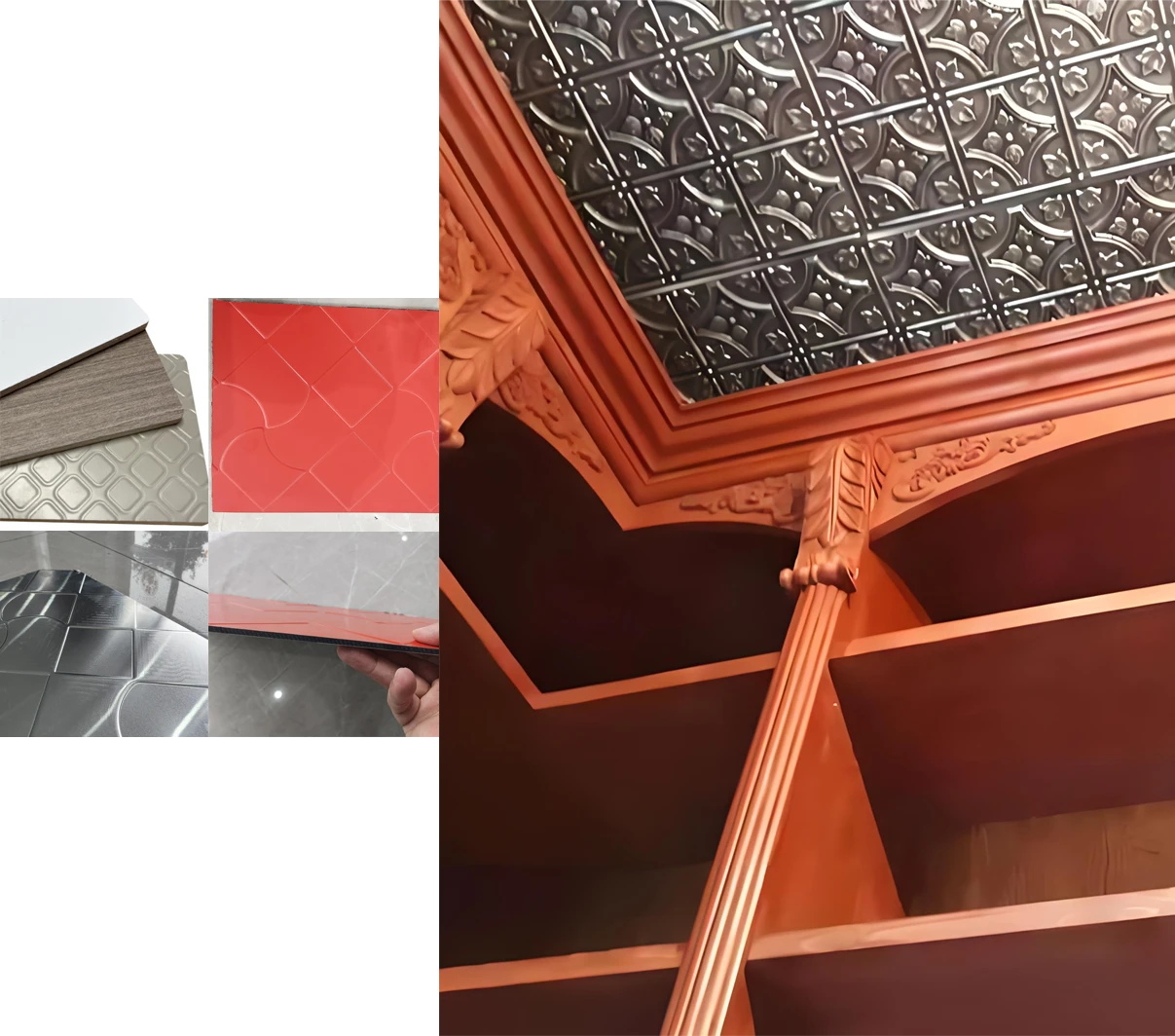
ʻOihana a me ka ʻike I nā makahiki he 23 i hala iho nei, mālama mau ʻo Jiashuncai i ka holomua ʻenehana ma ke kahua o nā panela alumini composite, nā pale metala, nā pā pale a me ka hana metala. ʻAʻole i pau kā mākou hui ʻenekinia i ka ʻimi ʻana i nā hopena maikaʻi aʻe e hana i kā mākou huahana i ʻoi aku ka hilinaʻi a paʻa. Hoʻokomo mākou i ka laina laina laina a me ka pololei.
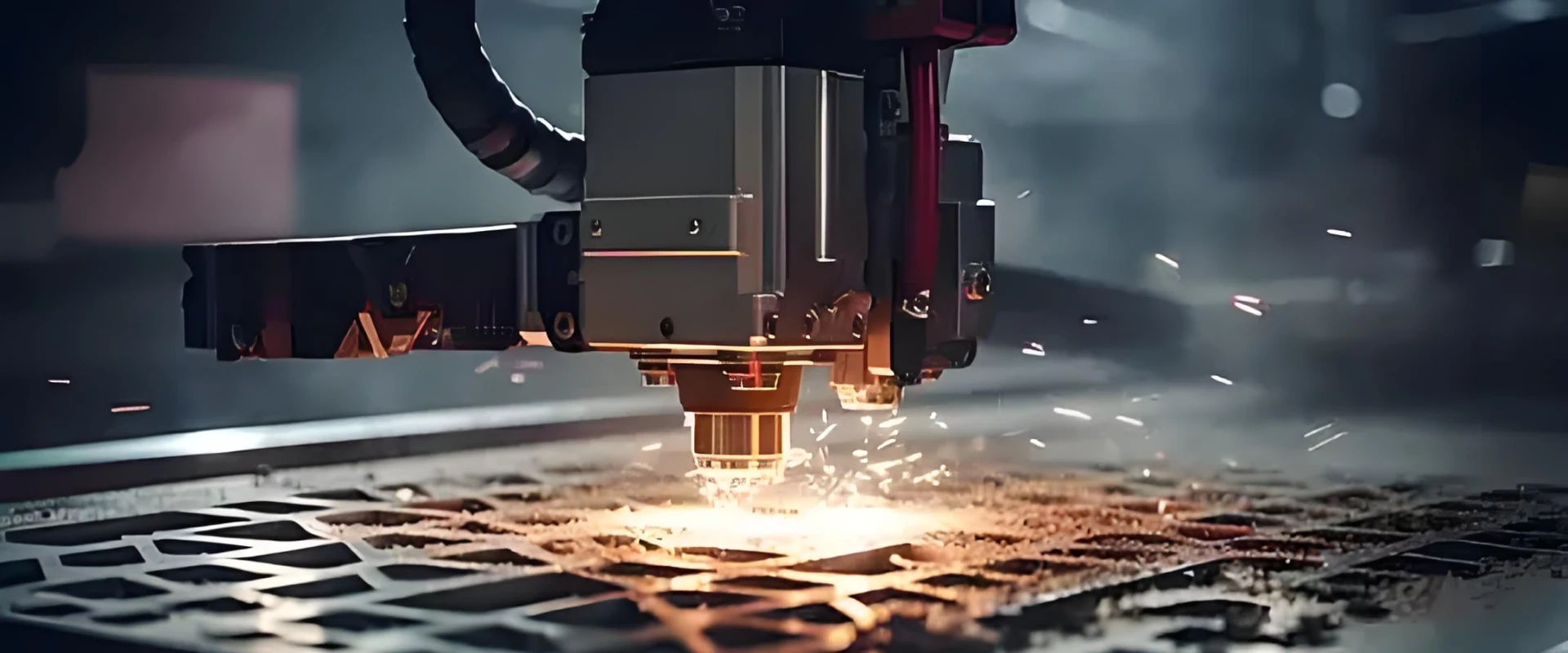
Nīnau: Pehea e pale aku ai i nā burrs a me ka uhi ʻana i ka haki ʻana i ka wā e ʻoki ai i nā panela alumini composite alucobond?
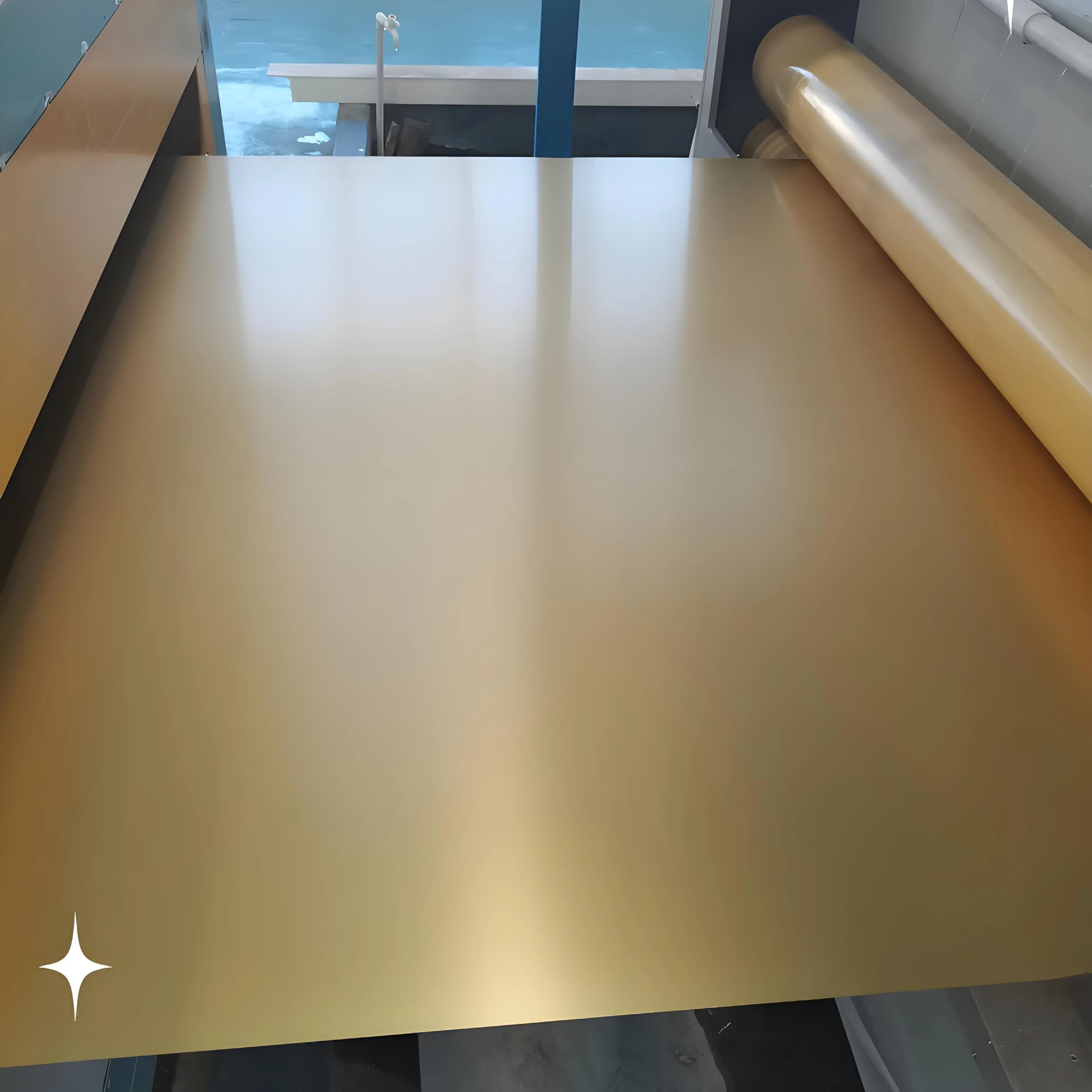
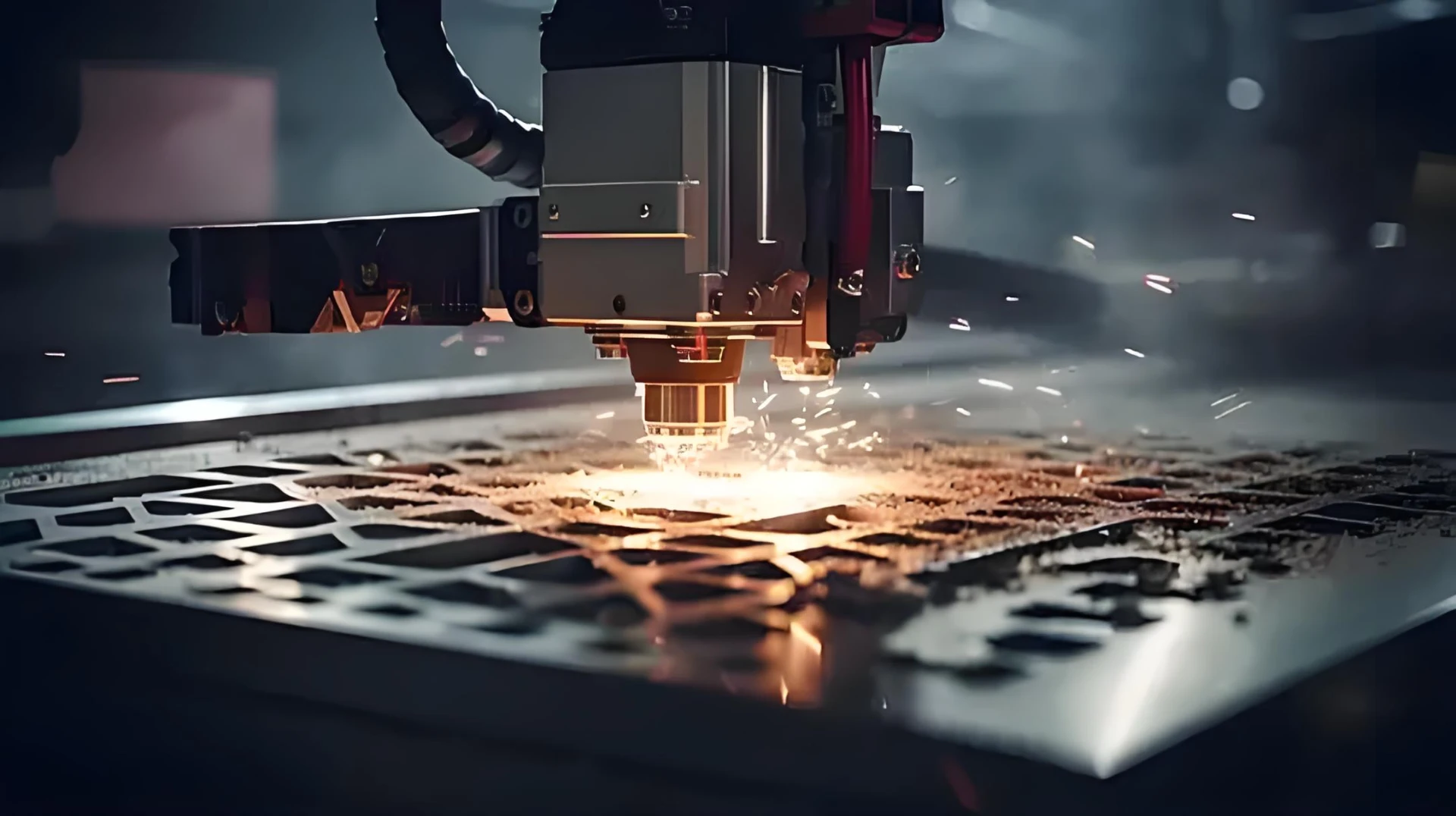
A: Nā ʻenehana hoʻoponopono kī a me nā mea hana: • Ke koho ʻana i nā mea hana: ◦ No ka ʻaoʻao mua o ka pā: e hoʻohana i ka ʻili daimana (me 120 mau niho, e hoʻololi ana ma 3000 rpm) e ʻoki kūʻē i ka ʻaoʻao o ka papa; ◦ No ka ʻaoʻao hope o ka pā: e hoʻololi i ka ʻili kila kiʻekiʻe e pale i ka ʻili ʻili alumini. • Ka hoʻomalu kaʻina hana: ◦ Wehe i ke kiʻiʻoniʻoni pale ma mua o ka ʻoki ʻana (e pale i ka heheʻe a pipili); ◦ Ka helu hānai ≤ 2 m / min, hoʻohana i ka hoʻoluʻu ea e hōʻemi i ka pōʻino wela. 'Ōlelo Aʻo: Mai hoʻohana i ka mea ʻoki huila wili - ʻo ia ke kumu o ka carbonization o ka uhi PVDF.
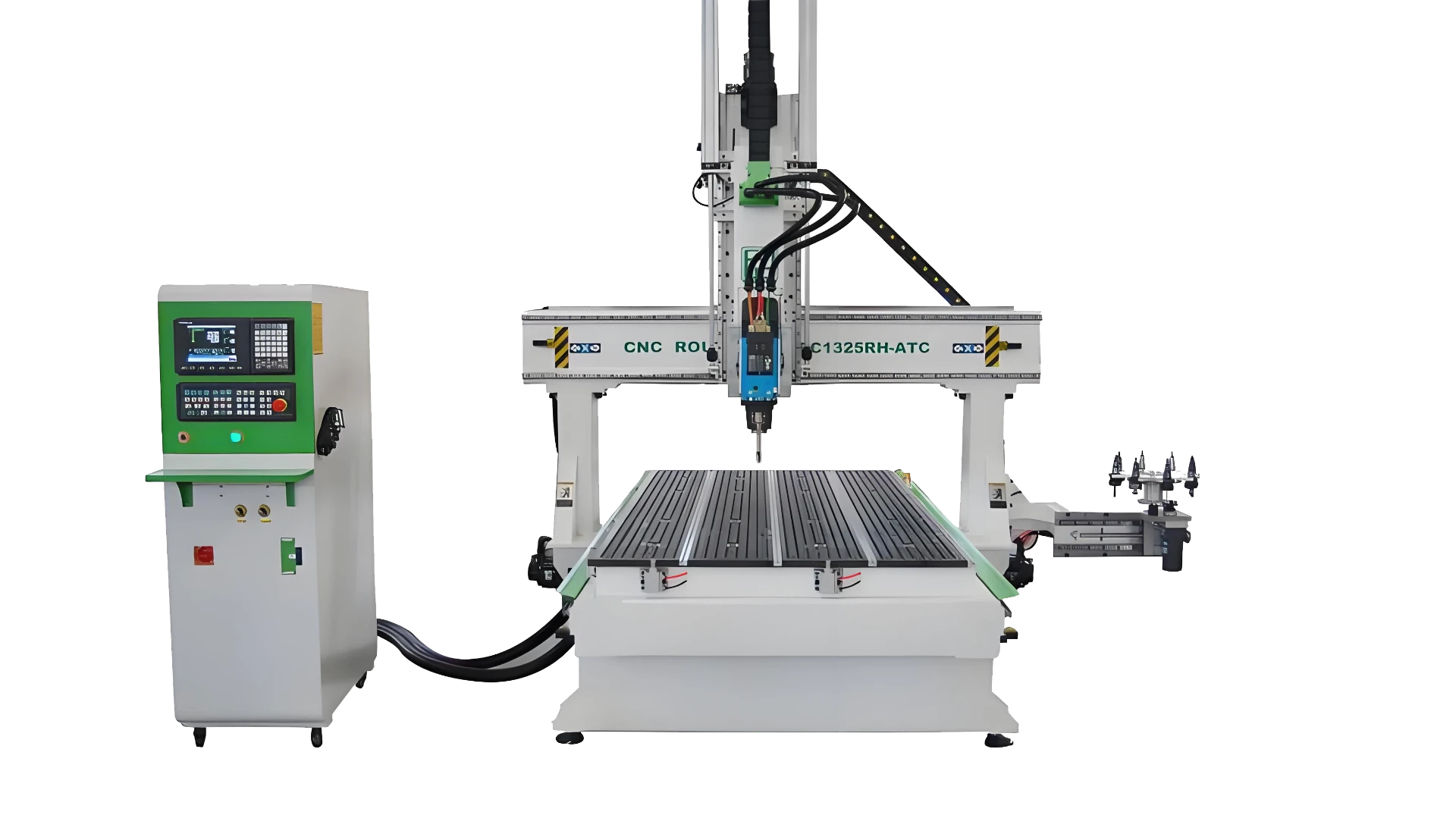
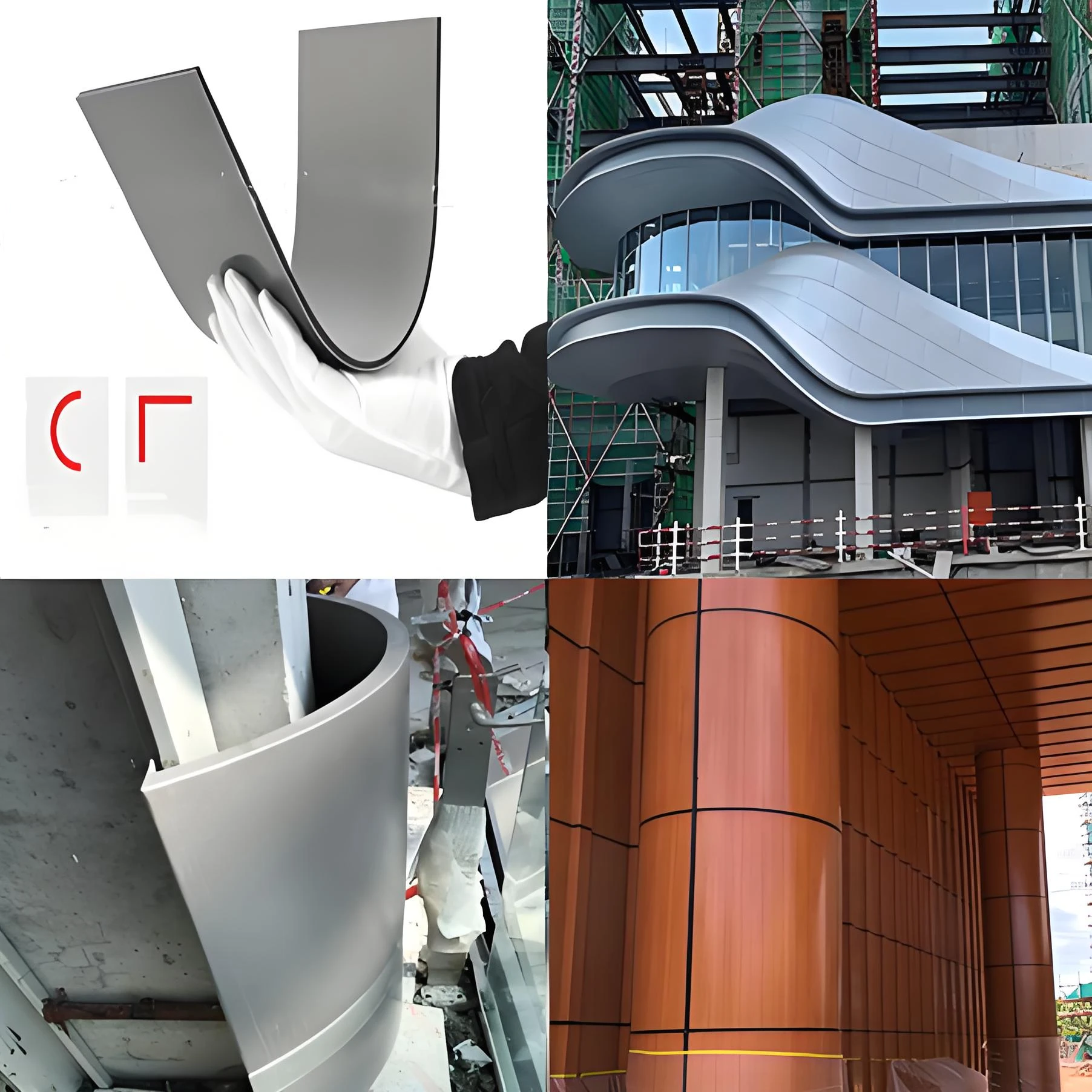
Nīnau: Pehea e hiki ai ke hōʻoia i ka pololei o ka mīkini ʻana o nā panela (nā ʻaoʻao curved / nā kihi kihi)?
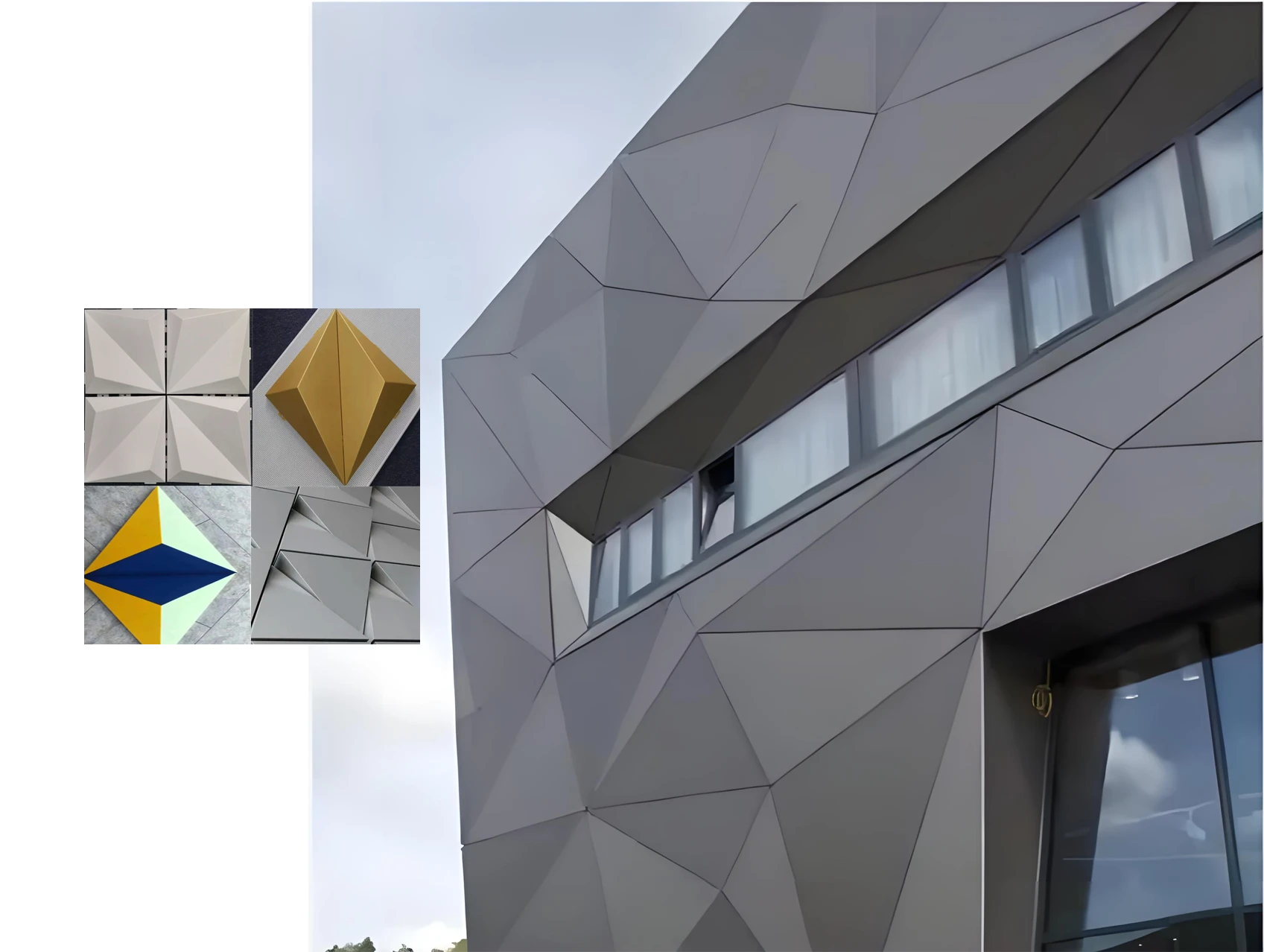
A: ʻEkolu-ʻanuʻu kiʻekiʻe-pololei kaʻina hana: 1. Kikohoʻe hoʻohālike: ◦ E kiʻi i ka ʻikepili ili o ka hale ma o ka nānā ʻana 3D → E hana i ke code machining CNC (hewa ≤ 0.1mm); 2. Ka ho'oponopono 'ana i ka helu: ◦ Ili: Ho'ohehe'e 'ia me ka ho'ohana 'ana i ka mīkini ho'ohehe'e wela nui (ho'a wela i ka 140 ℃ ± 5 ℃); ◦ Nā kihi: E hoʻohana i ka mīkini kuʻi hydraulic (kaomi 80-100 tons) me ka polyurethane mold; 3. Hoʻomaha pilikia: ◦ Ma hope o ka hoʻoheheʻe ʻana, e mālama i ka mahana mau o 25 ℃ no 24 mau hola e hoʻopau i ka deformation koʻikoʻi o loko.
Nīnau: He aha nā kikoʻī kikoʻī no ka hohonu a me ke kūlana o nā ʻāpana lihi i hoʻohana ʻia no nā hangers huna?
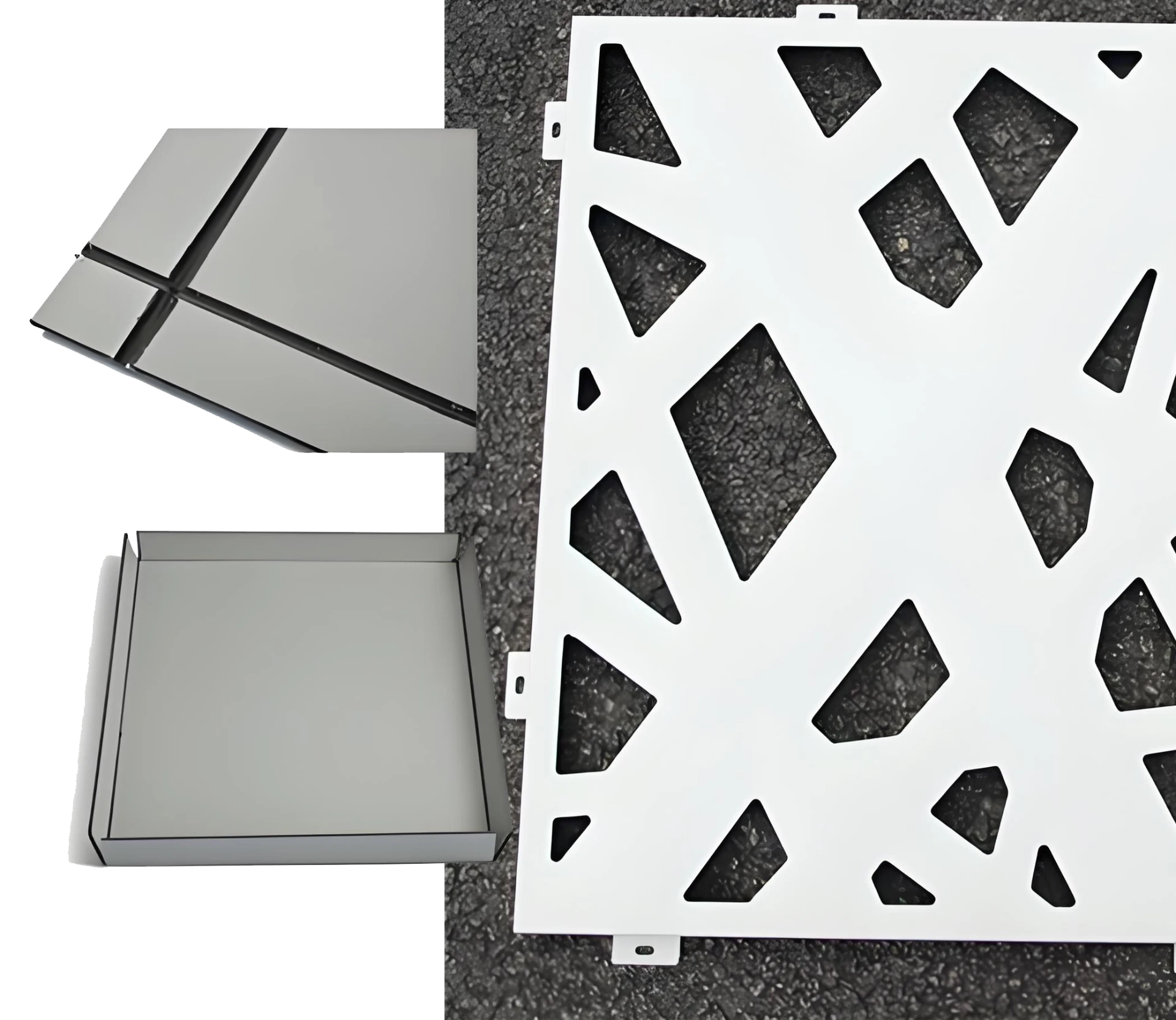
A: Parameter 1: Ka hohonu o ka slot, koi: ≤1/2 mānoanoa o ka pepa alumini (maʻamau 0.3-0.5mm), mea hana nānā: laser mānoanoa ana. Pākuʻi 2: Ka lōʻihi o ka ʻaoʻao, koi: ≥15mm (mai ka lihi o ka pā), mea hana nānā: digital vernier caliper. Pākuʻi 3: Slot lalo fillet, koi: R≥0.8mm (no ka pale ʻana i ke kaumaha), mea hana nānā: radius gauge. Pono e hoʻokō i nā kūlana palekana ʻekolu ala, ʻōlelo aʻo: hiki i ka slotting nui ke hoʻemi i ka ikaika tensile o ka alumini ma 40%!
Nīnau: No ke aha e pono ai e hoʻohui i ka hoʻoikaika ʻana i ke kua o nā paneli plastik alumini nui (≥3m)? Pehea ka hana ana?
A: Ke kumu: No ka pale ʻana i ka hoʻoheheʻe ʻana o ka ili i ka makani (pono ke kumukūʻai deflection ≤ L/180). Kaʻina hana hoʻoikaika: 1. Mea: Aluminum alloy T-shaped keel (mānoanoa ≥ 2.0 mm); 2. Hoʻopili: E hoʻopili i ʻelua mau mea epoxy structural adhesive (ka ikaika shear ≥ 8 MPa); Ma hope o ke kaomi ʻana, e hoʻopili i ke kaumaha 0.5 kg/cm² no ka mālama ʻana no 24 mau hola; 3. Ke hoʻonohonoho ʻana: Rib spacing ≤ 600 mm, mamao mai ka lihi ≤ 150 mm.
Q: Pehea e pale ai i nā paneli i hoʻoponopono ʻia no ka lōʻihi?
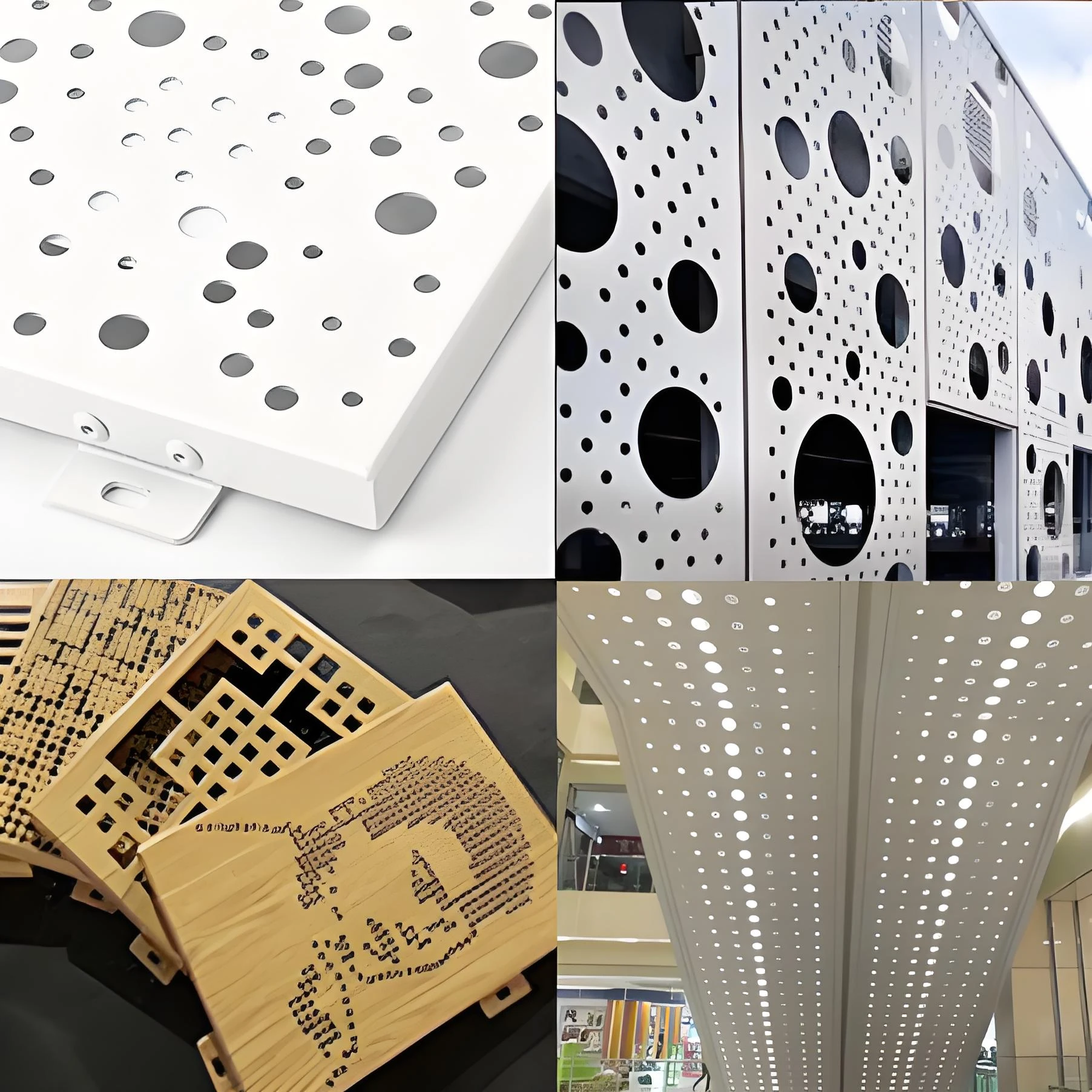
A: ʻEkolu mau lāʻau pale koʻikoʻi: Kaʻina hana pale: 1. Ke hoʻopaʻa ʻana i ka ʻaoʻao → E hoʻopili i ka **epoxy edge sealant** (uhi i ke kumu alumini, pale i ke komo ʻana o ka wai) 2. Hoʻoikaika ʻia ka groove → Inject **polyurethane elastomer** (hoʻopiha i nā micro-cracks, hoʻonui i ka paʻakikī o ka groove) 3. ʻO ka hoʻāʻo spray ≥ 1000 hola) * ʻO ka ʻae ʻana: ka mānoanoa o ka ʻaoʻao seal layer mānoanoa ≥ 0.2mm, ʻaʻohe wahi i hala / bula (ʻike ʻia e ka leak detector UV). ◦ CNC grooving māmā holo: 30 mika no ka minuke (nā mea hana lima 3 mika no ka minuke); • Nā kaʻina hana kūikawā: ◦ Perforation o nā paneli hoʻouna māmā: ʻokiʻoki wai (ke anawaena puka ≥3mm, density ≤15%); ◦ ʻO ka hopena e like me ka pōhaku: ka hoʻoheheʻe ʻana i ka ʻili + ka paʻi ʻana o UV (ke kūlana kūʻē i ka wā ≥8). Hāʻawi ʻia ka hana hāpana manuahi → E hōʻoia i ka hoʻohālikelike ʻana i ke kaʻina hana!
Introduction: Strengthening Global Partnerships in ACP Industry
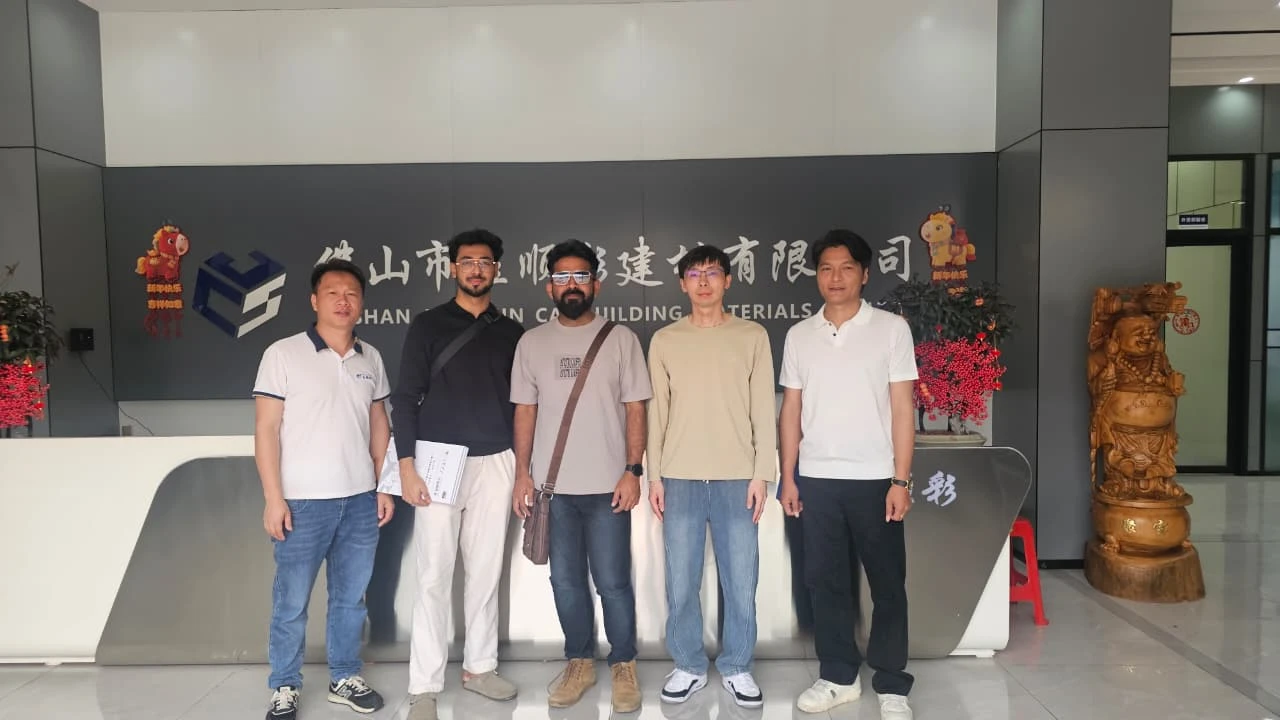
Recently, we were honored to welcome clients from India to visit our factory — Jiashuncai Aluminum Composite Panel (ACP) Manufacturer.
This visit marks an important step in strengthening international cooperation and reflects the growing demand for high-quality ACP panels in the Indian market.
Through face-to-face communication, factory inspection, and technical discussions, both sides gained deeper confidence for future collaboration.
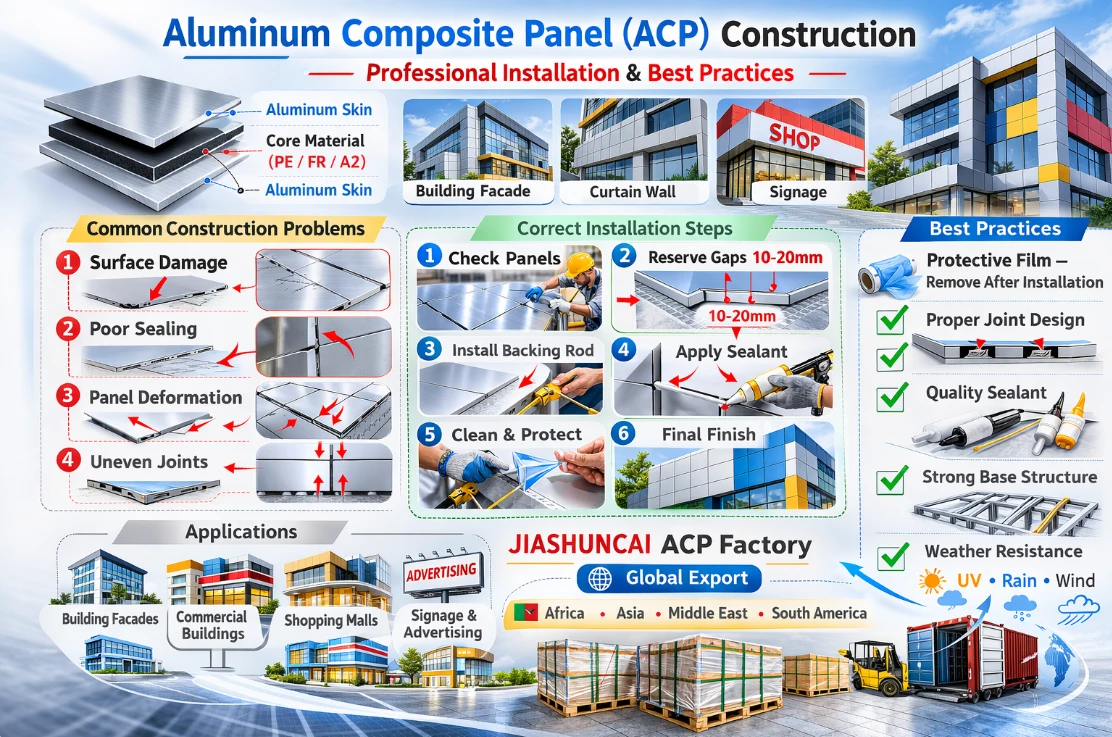
Introduction to Aluminum Composite Panel Installation
Aluminum Composite Panels (ACP) are widely used in modern architecture for building facades, curtain walls, signage systems, and interior decoration. Because ACP panels are lightweight, durable, and easy to fabricate, they have become one of the most popular cladding materials in commercial construction projects.
However, improper installation or construction mistakes can lead to problems such as panel deformation, poor sealing, surface contamination, and weak bonding. Understanding these issues is essential for contractors, architects, and construction companies working with ACP panels.
This article explains the most common aluminum composite panel construction problems and how to prevent them.
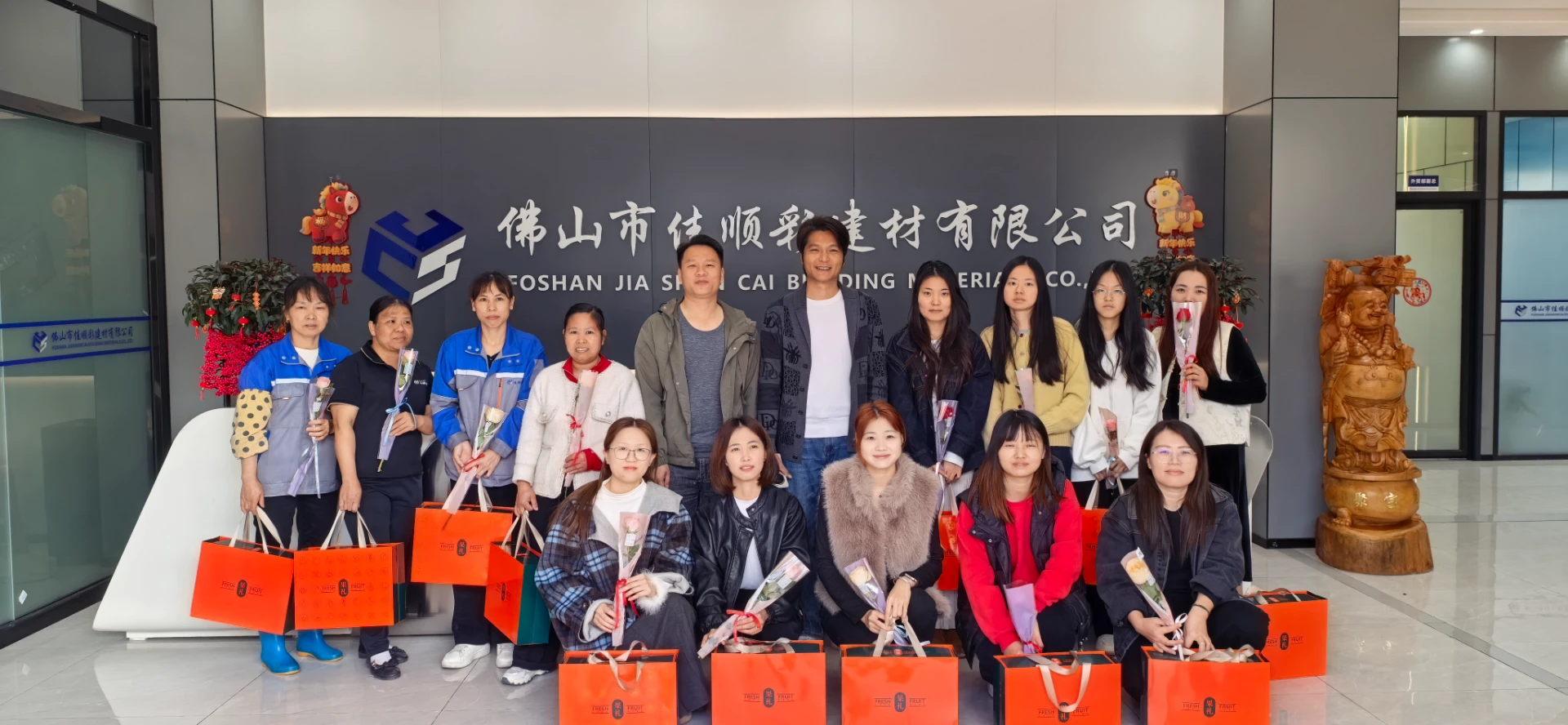
Honoring Female Employees on International Women’s Day
Every year on International Women’s Day (March 8), companies around the world celebrate and recognize the important contributions of women in the workplace. To express appreciation and respect, many organizations prepare thoughtful gifts and activities for their female employees.
At JIASHUNCAI, the company also celebrates this special day by giving Women’s Day gifts to employees, showing gratitude for their dedication, hard work, and contributions to the company’s development.