How to Ensure Proper Surface Preparation Before Installing PVDF Aluminium Composite Panel
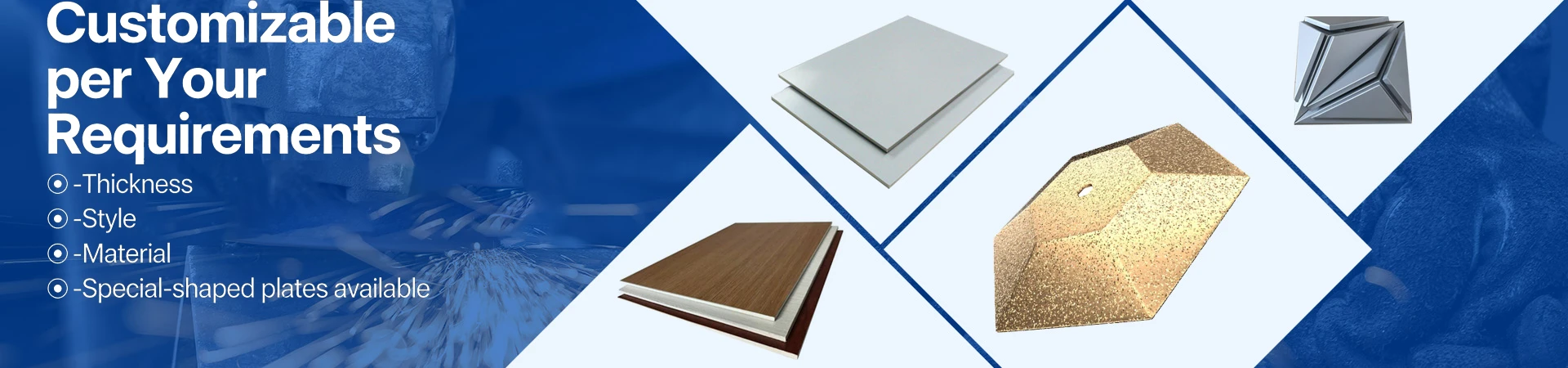
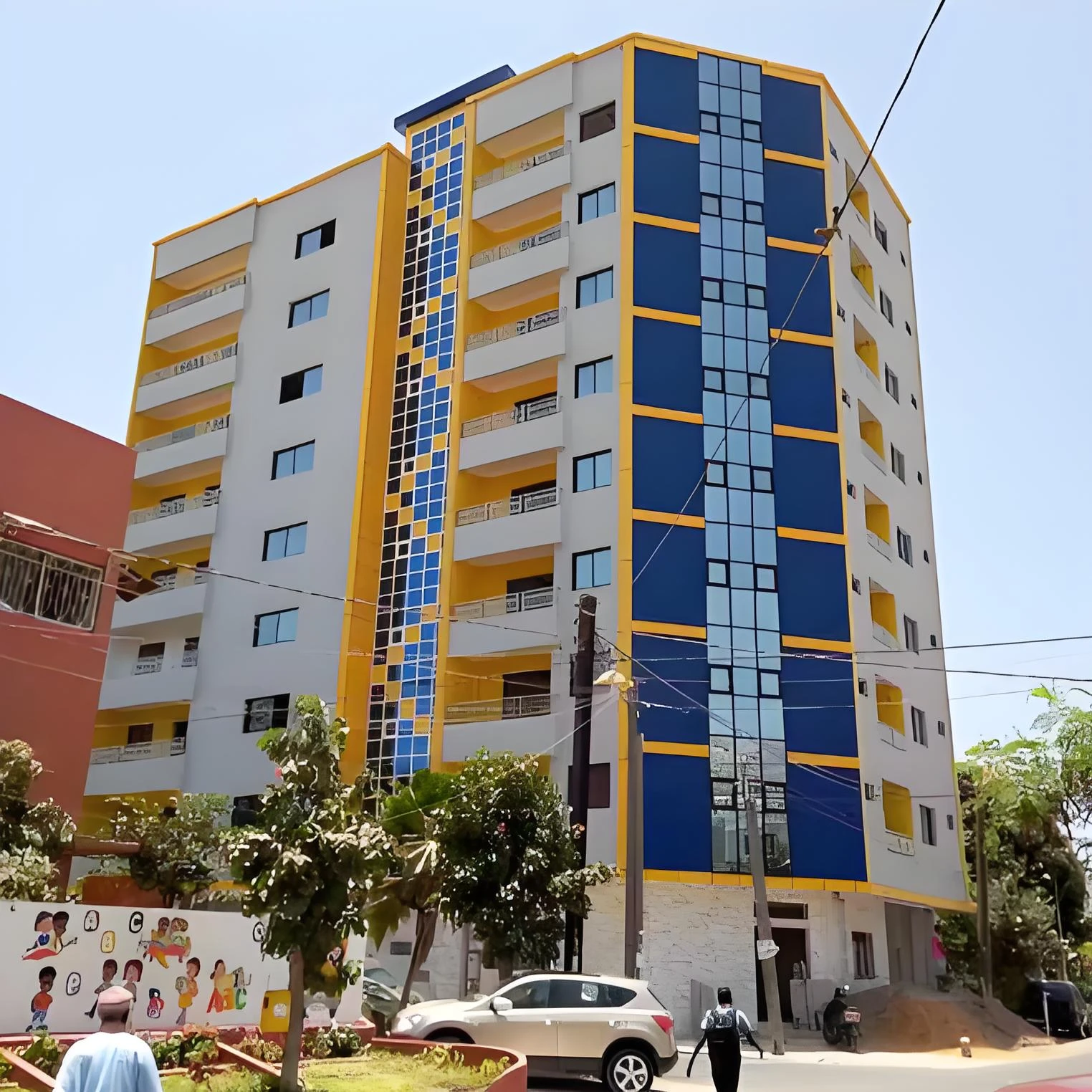
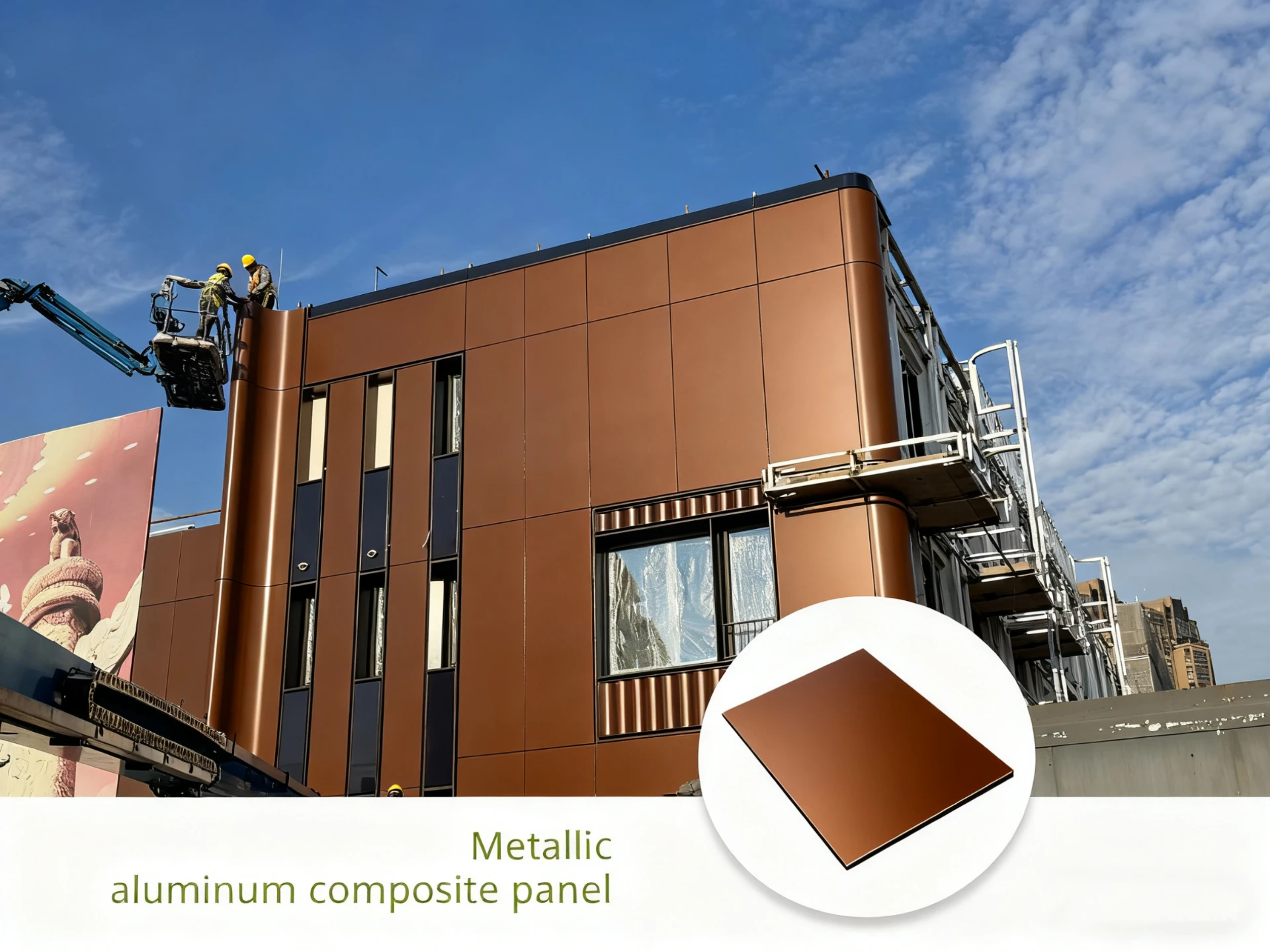
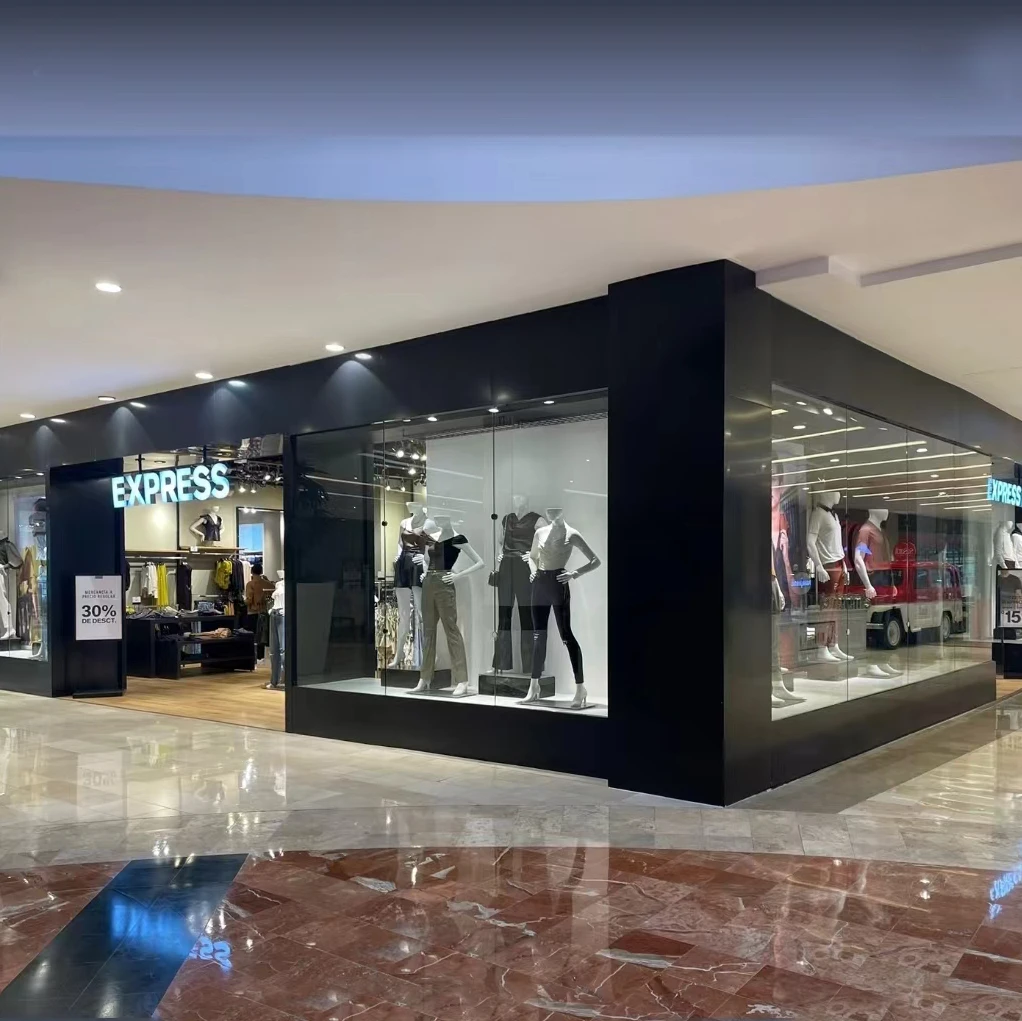
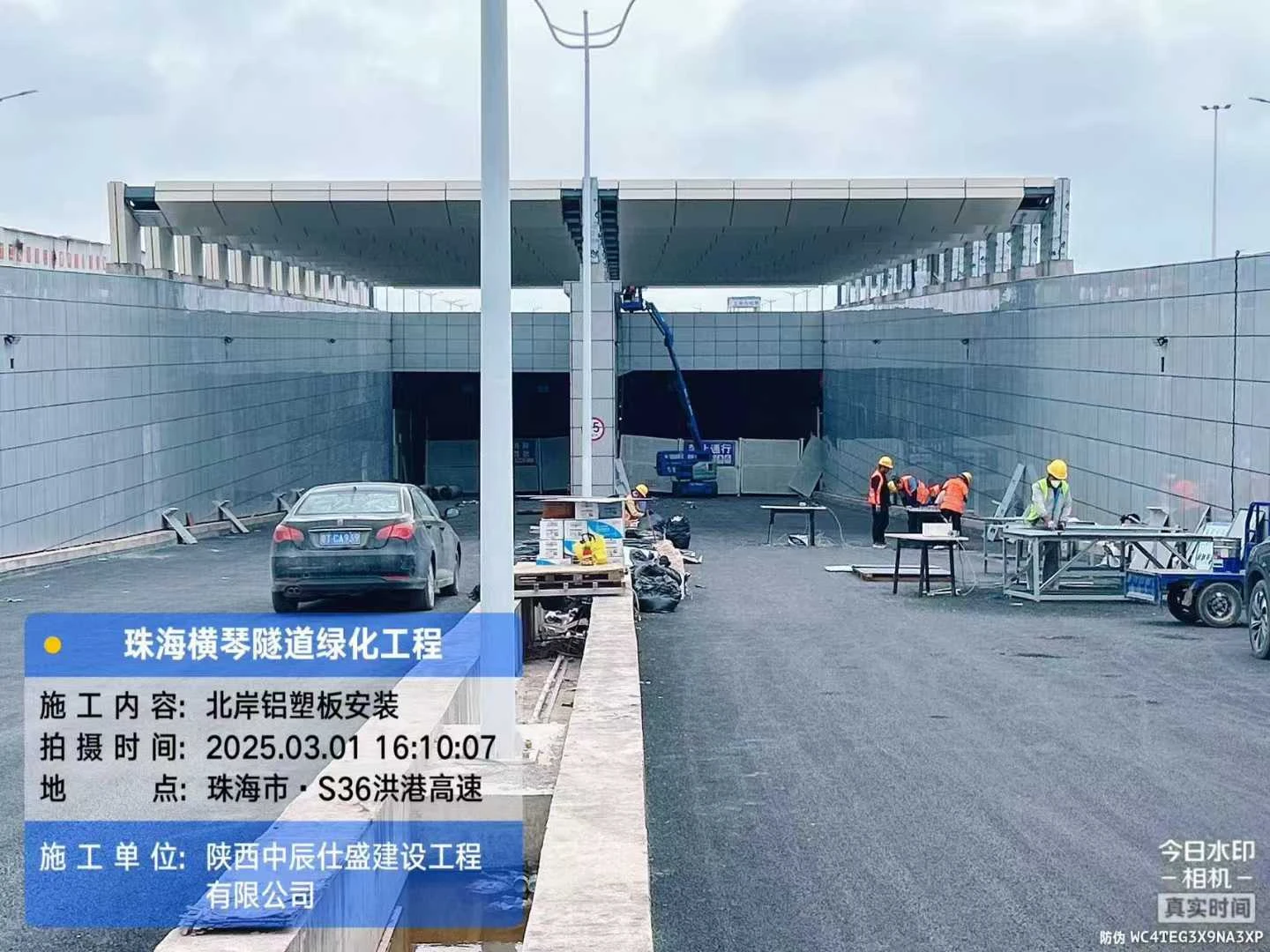
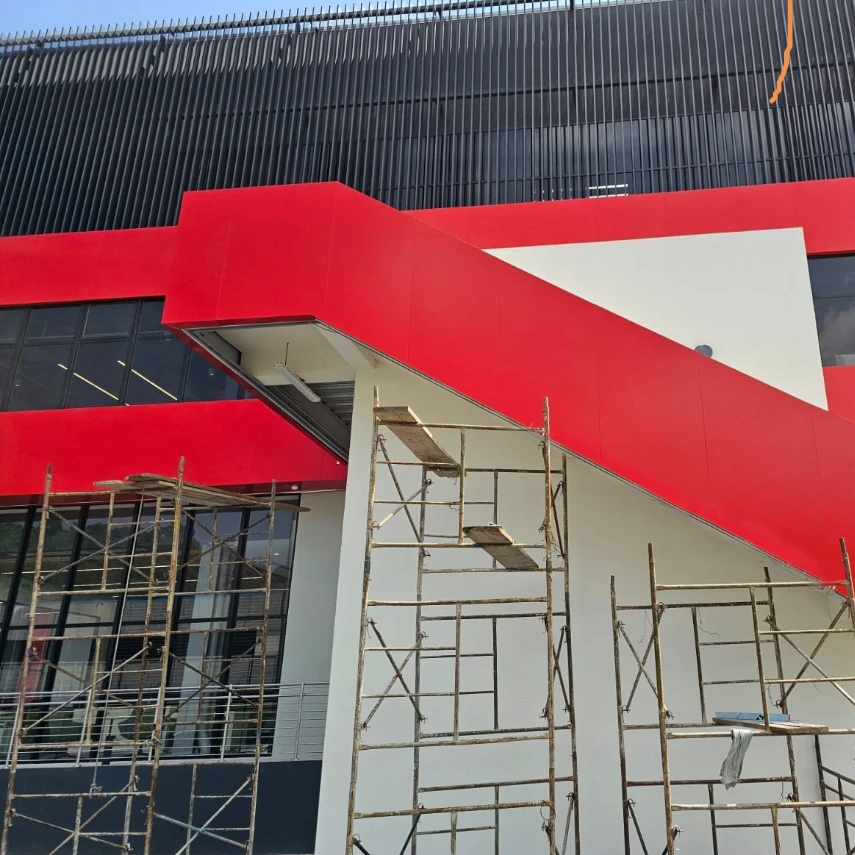
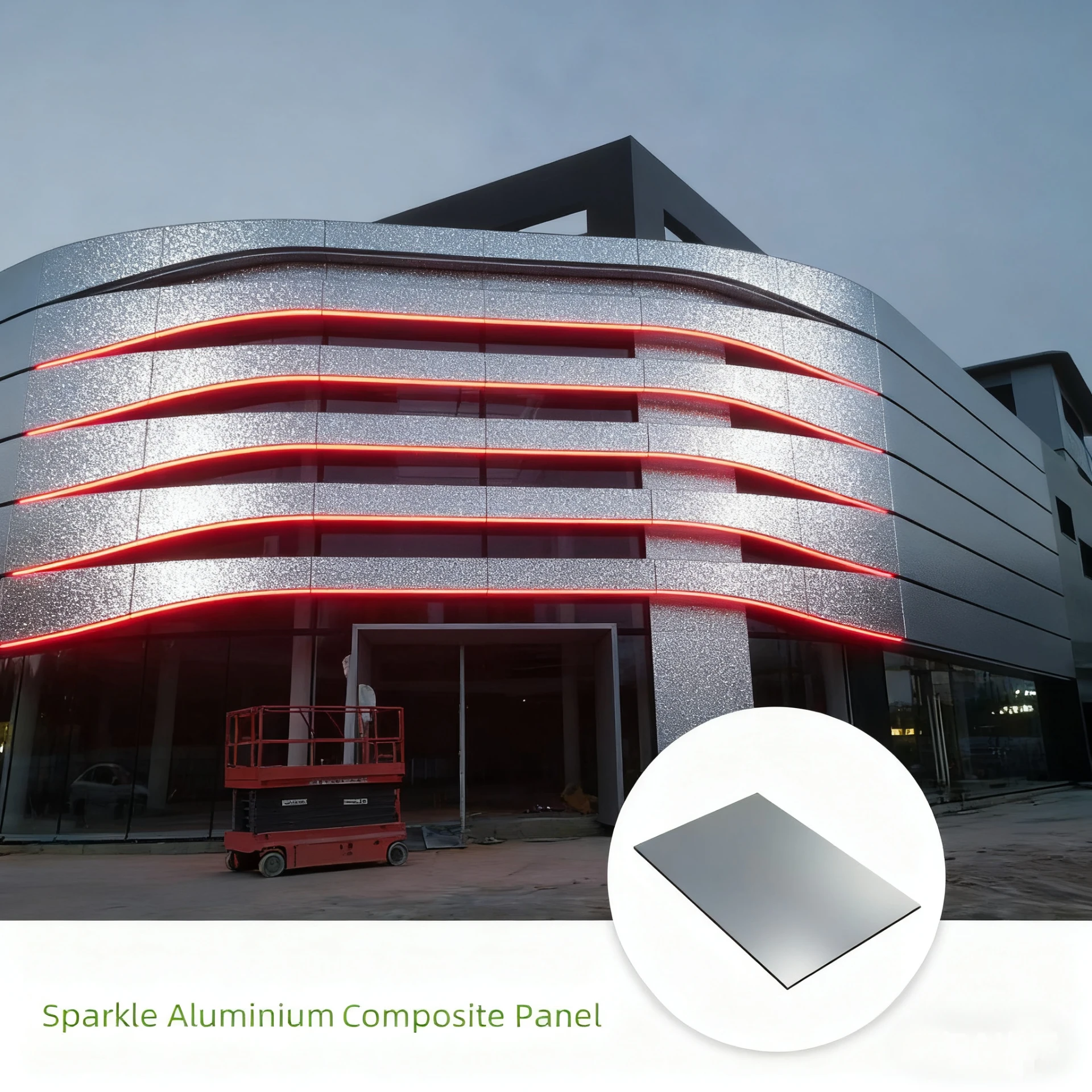
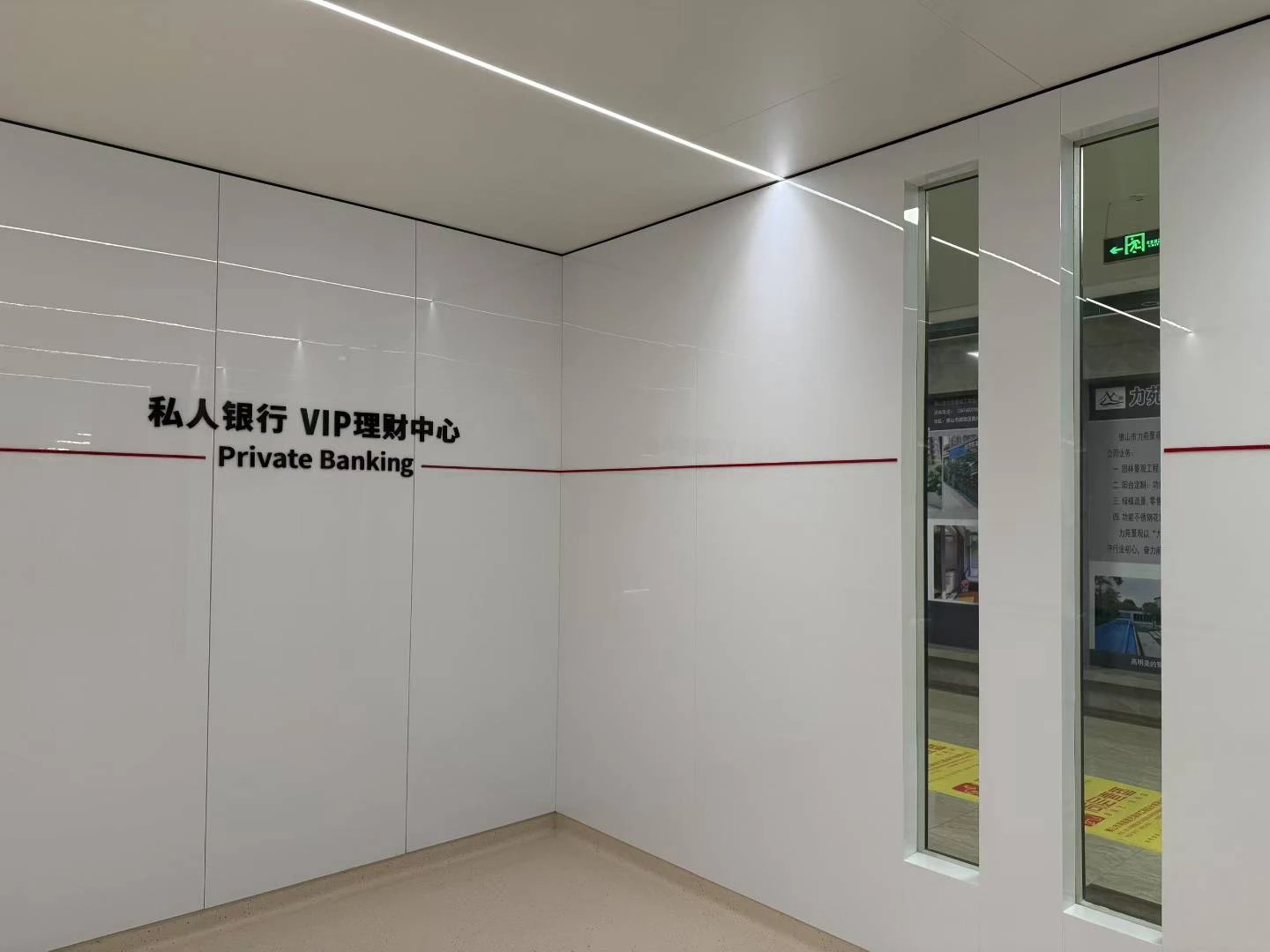
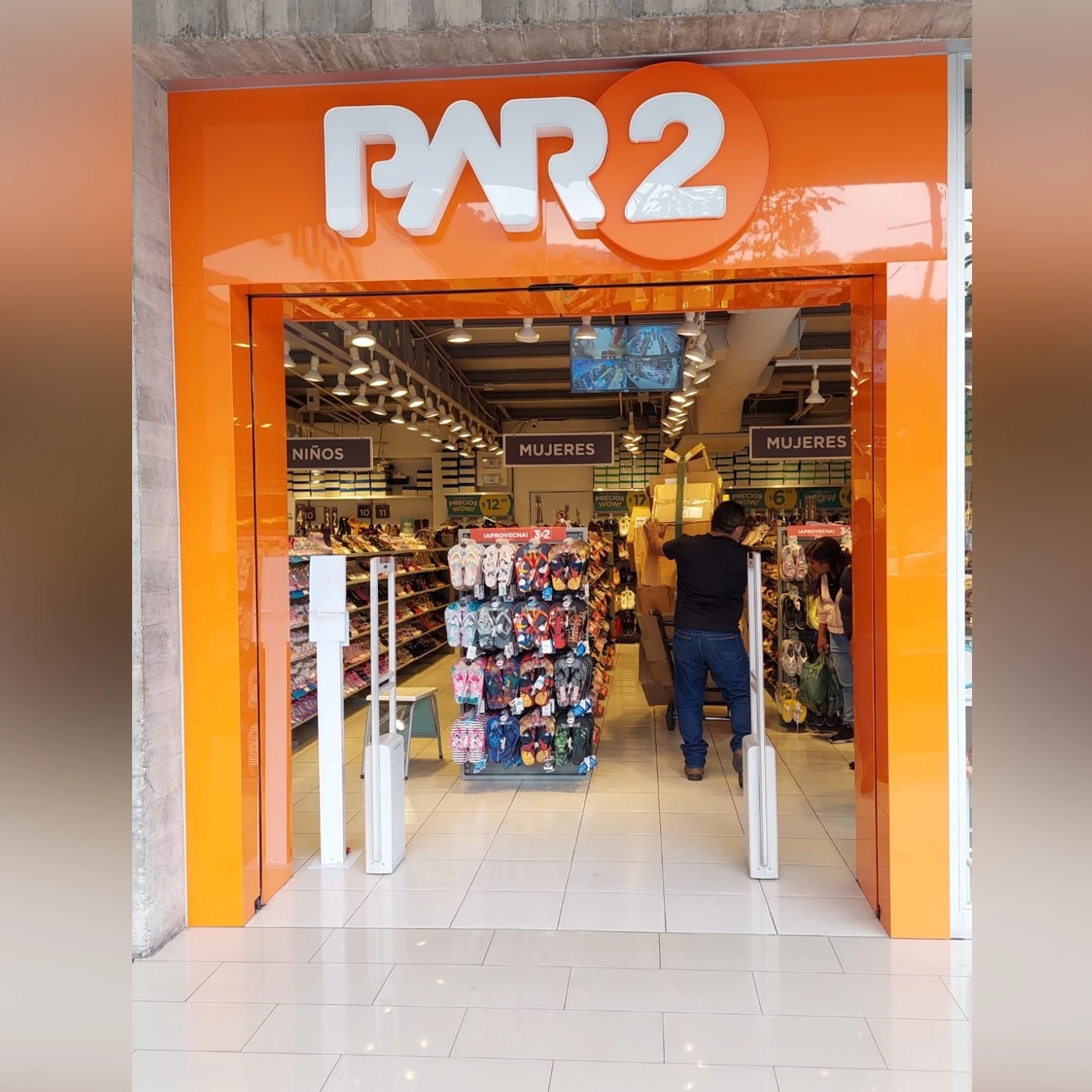
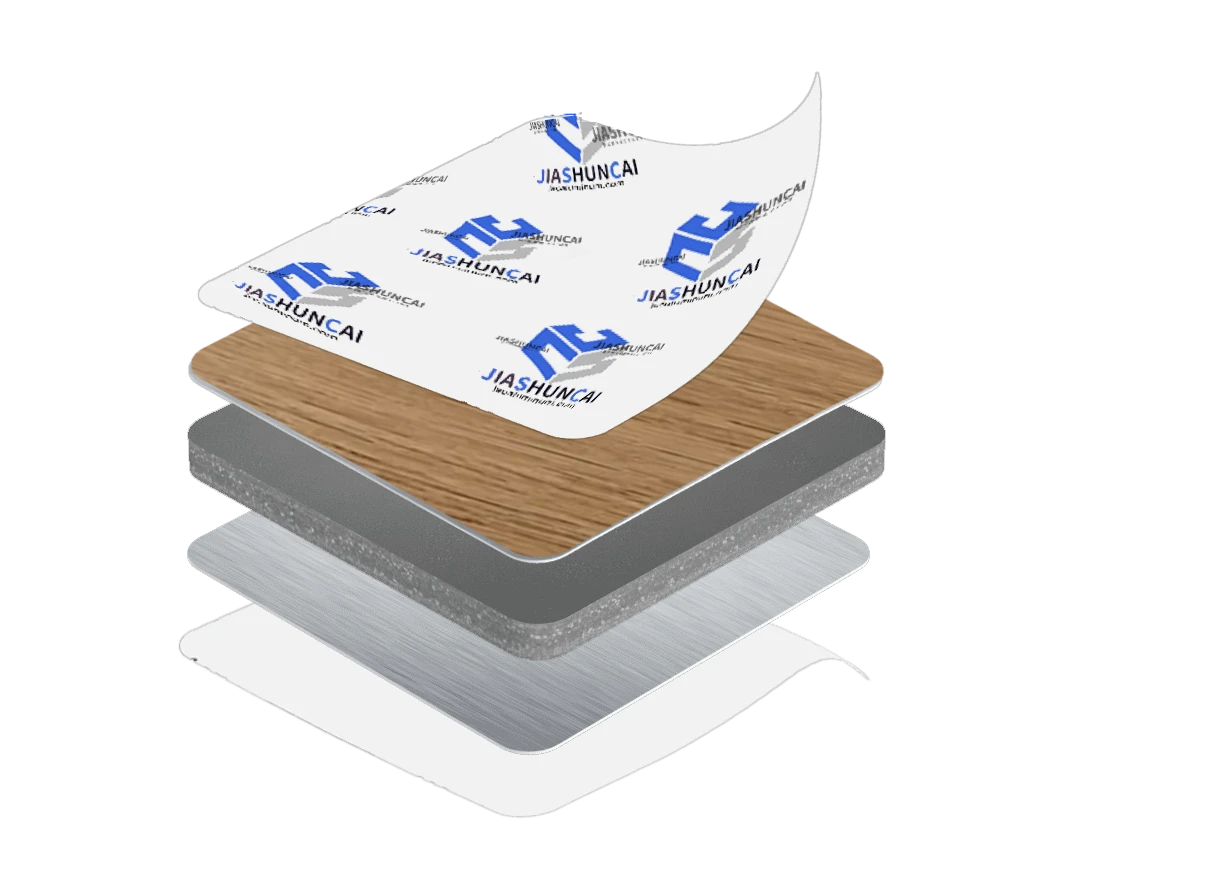
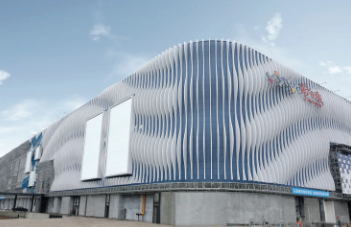
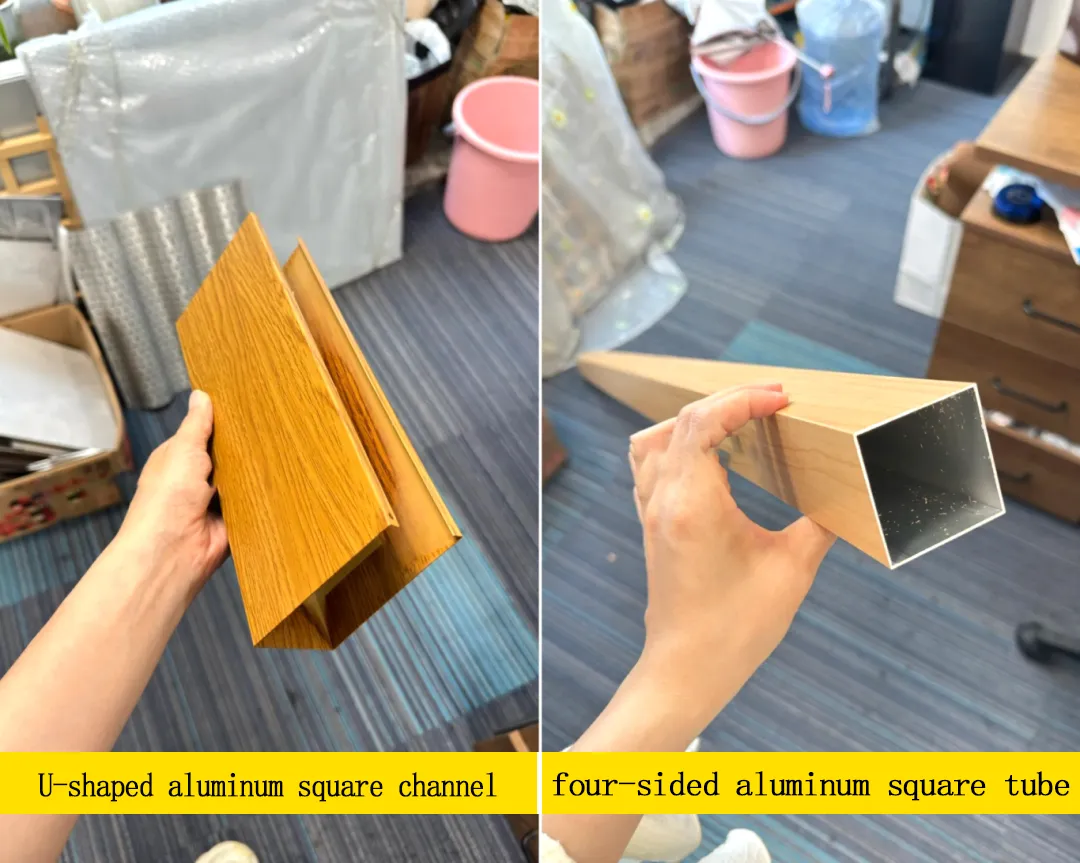
In the realm of modern architecture and construction, the use of advanced materials like the pvdf aluminium composite panel has revolutionized building exteriors and interiors. As a manufacturer specializing in high-quality aluminum composite panels, JiaShunCai produces products that rival well-known brands like ALUCOBOND in Europe and Africa. Their panels consist of aluminum sheets on both sides with a polyethylene (PE) core, featuring a durable PE or PVDF coating. Manufactured under an ISO9001 quality management system, JiaShunCai ACP is engineered for versatility, ideal for commercial buildings, hotels, office structures, advertising billboards, interior walls, ceilings, display platforms, signboards, tunnels, and furniture. This material can be effortlessly shaped into curves, curved corners, routed edges, grooves, and punched designs to meet specific architectural needs, enhancing aesthetic appeal while ensuring longevity. However, the performance and durability of these panels heavily depend on proper surface preparation before installation. This article delves into the essential steps and considerations for preparing surfaces to install pvdf aluminium composite panel, ensuring optimal results for large-scale projects.
The Fundamental Importance of Surface Prep for PVDF Aluminium Composite Panel
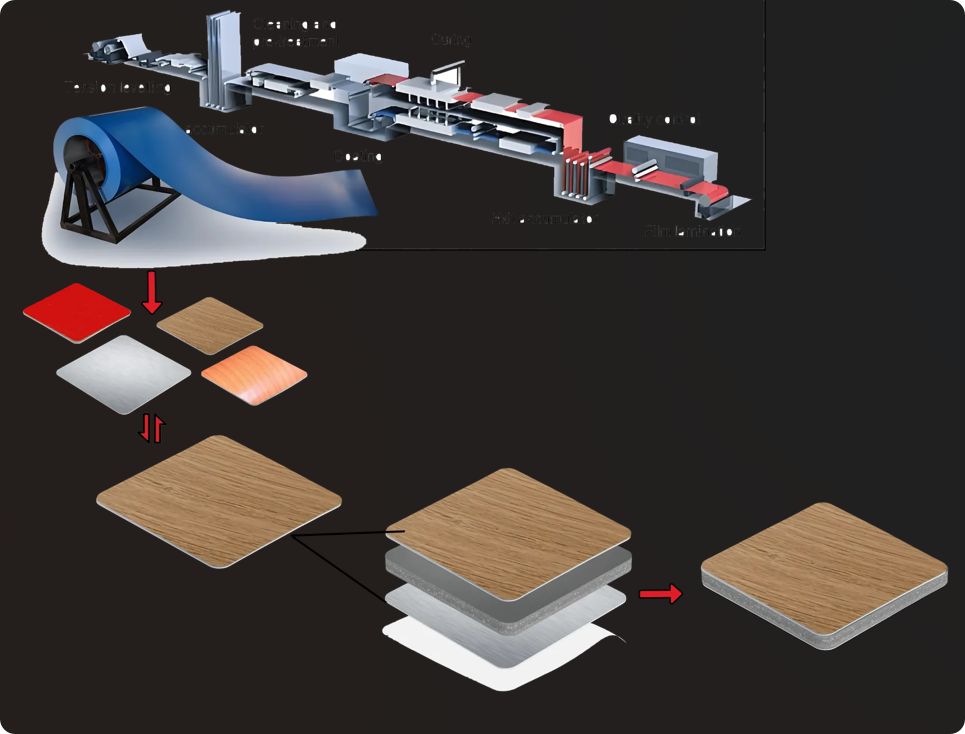
- Ensuring Long-Term Durability:Proper surface preparation is critical for maximizing the lifespan of a pvdf aluminium composite panel. These panels, such as those from JiaShunCai, feature a polyethylene core sandwiched between two aluminum skins, with the front surface coated in PVDF Kynar paint. This design offers superior weather resistance, making them ideal for exterior building decoration and curtain wall projects. Without a clean, stable base, issues like adhesion failure or corrosion can compromise the panel's integrity, leading to costly repairs in large-scale applications.
- Enhancing Aesthetic Appeal: A well-prepared surface ensures that the pvdf aluminium composite panellays flat and seamless, maintaining the sleek, modern look that architects desire. JiaShunCai's panels can be customized into various forms, such as curves and grooves, but any underlying surface imperfections can detract from the final appearance. By addressing surface irregularities early, you preserve the visual continuity and professional finish expected in commercial and institutional buildings.
- Preventing Moisture and Structural Issues: Inadequate preparation can trap moisture or debris, which may cause warping or mold growth behind the panels. Given that aluminium pvdfcoatings are designed for harsh environments, a properly prepared substrate helps the panels perform as intended, protecting the building envelope and reducing maintenance needs over time.
Key Properties of Aluminium PVDF Coatings and Their Impact on Preparation
- Superior Weather Resistance: The aluminium pvdfcoating, specifically PVDF Kynar, provides exceptional resistance to UV rays, chemicals, and extreme temperatures. This property means that surface preparation must account for environmental factors to ensure the coating adheres properly. For instance, surfaces should be free of contaminants like oil or dust that could interfere with the bond, allowing the panel to withstand decades of exposure without fading or degradation.
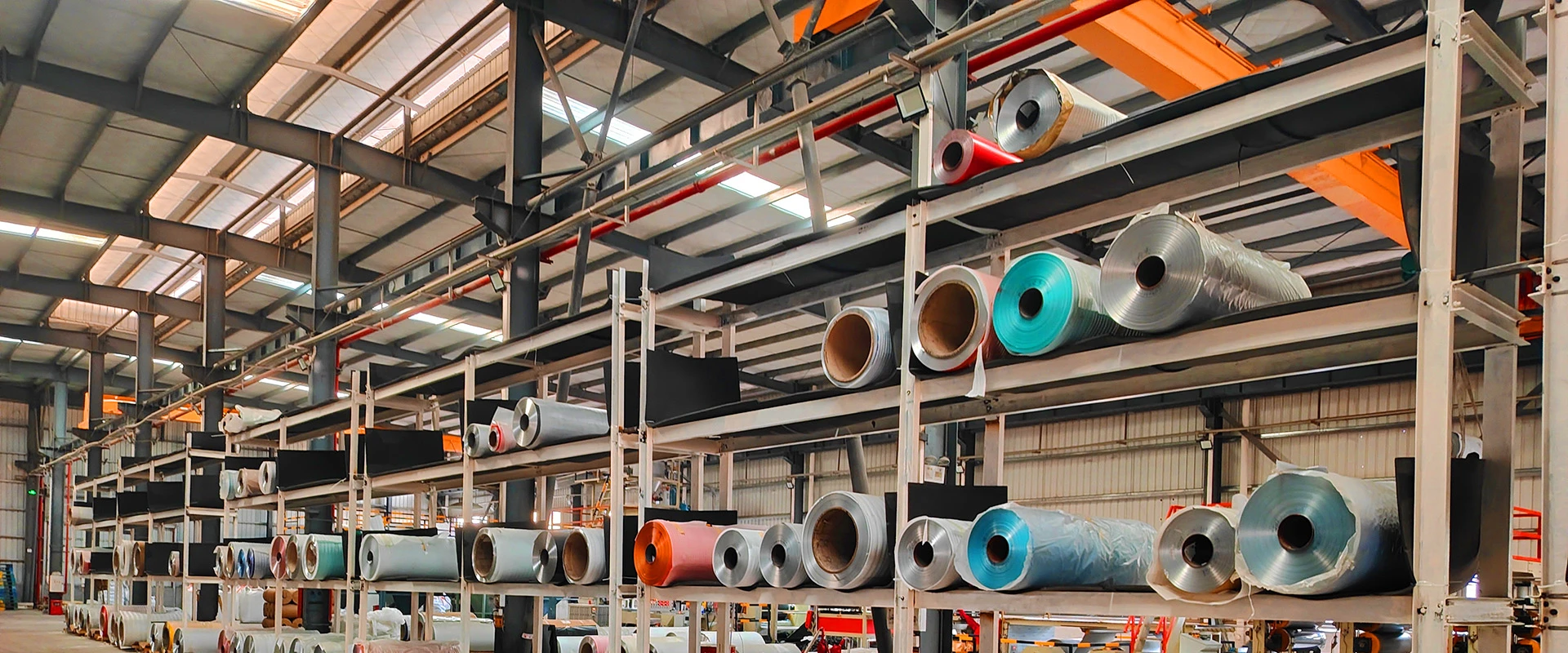
- Material Composition and Compatibility: Understanding the raw materials is essential for effective preparation. JiaShunCai's pvdf acpuses high-strength aluminum alloy sheets for the base material, a non-toxic low-density polyethylene (LDPE) core, and a PVDF Kynar surface coating. This composition requires that substrates be structurally sound and compatible with aluminum to prevent galvanic corrosion. Preparation steps should include verifying that the surface can support the panel's weight and expansion without reacting adversely with the aluminum components.
- Flexibility and Formability: The aluminium pvdfcoating allows panels to be shaped into intricate designs, such as routed edges or punched patterns. However, this flexibility demands a perfectly prepared surface to avoid stress points. Preparation should ensure that the substrate is smooth and level, enabling the panel to conform to curves or angles without buckling or delamination.
Step-by-Step Guide to Preparing Surfaces for PVDF ACP Installation
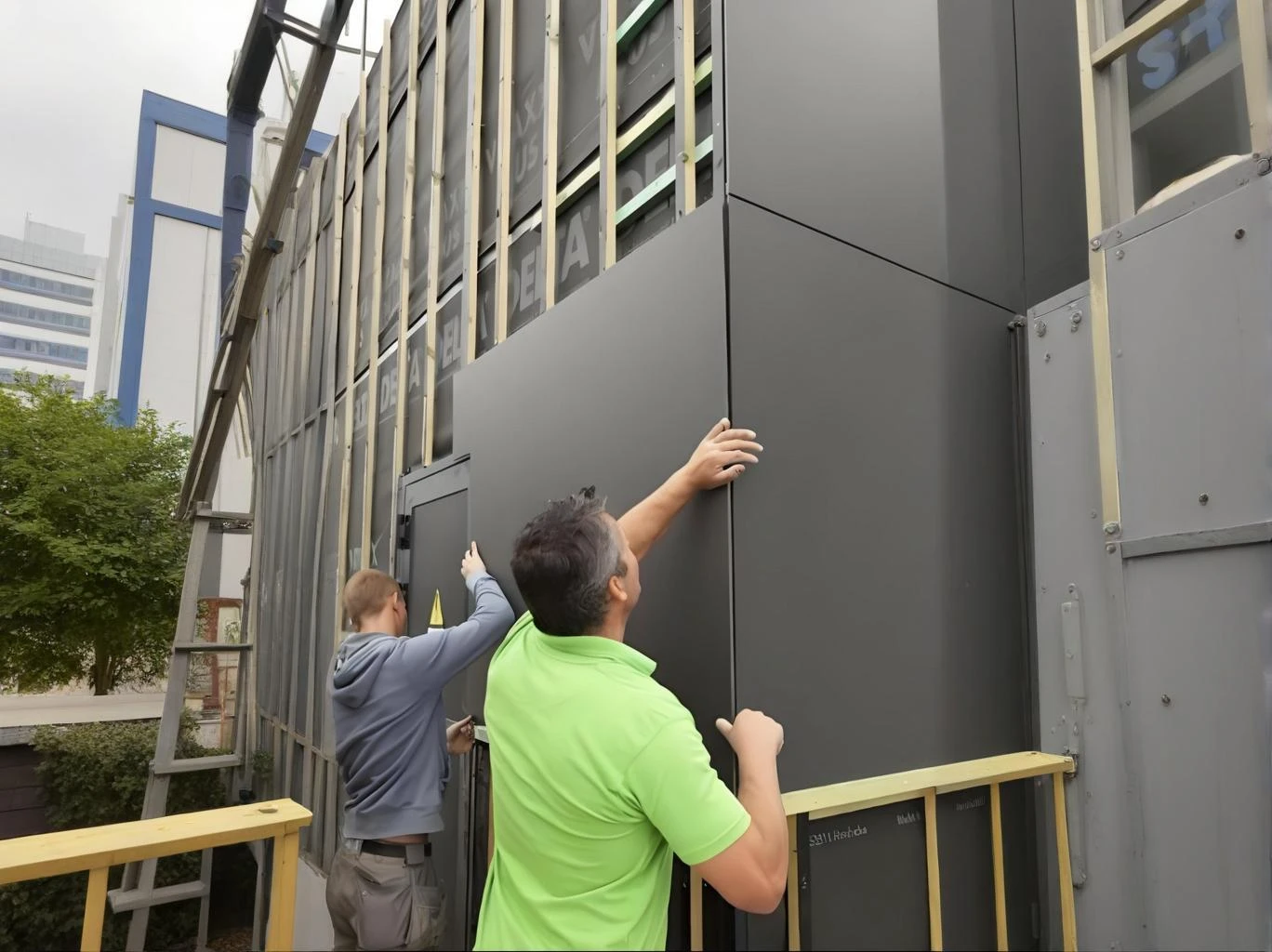
- Initial Assessment and Cleaning: Begin by thoroughly inspecting the substrate for any damage, unevenness, or contamination. Remove all dirt, grease, and old coatings using appropriate cleaners and tools. For large projects, this step is crucial to create a blank canvas for the pvdf acp, ensuring that the polyethylene core and aluminum skins bond effectively without interference from debris.
- Repair and Leveling:Address any cracks, holes, or irregularities in the surface. Use fillers or leveling compounds to create a flat, uniform base. This is particularly important for pvdf aluminium composite panel installations in exterior applications, as uneven surfaces can lead to water pooling or panel distortion over time. Ensure that repairs are fully cured before proceeding.
- Priming and Moisture Protection: Apply a suitable primer compatible with both the substrate and the aluminium pvdf This enhances adhesion and provides an additional barrier against moisture. In humid or coastal environments, this step is vital to prevent corrosion and extend the panel's service life. Allow the primer to dry completely according to manufacturer guidelines.
- Verification and Measurement: Use levels and measuring tools to confirm that the surface is perfectly aligned and meets design specifications. For JiaShunCai ACP, which can be used in complex shapes like curved corners, precise preparation ensures that panels fit seamlessly, reducing installation time and material waste in high-volume projects.
FAQs About PVDF Aluminium Composite Panels
What is the typical lifespan of a pvdf aluminium composite panel in exterior applications?
A pvdf aluminium composite panel, such as those manufactured by JiaShunCai under ISO9001 standards, typically lasts 20-30 years when properly installed and maintained. The PVDF Kynar coating provides excellent resistance to UV radiation, pollution, and weathering, ensuring long-term durability for large-scale building projects like curtain walls and commercial facades.
How does the aluminium pvdf coating contribute to fire safety in buildings?
The aluminium pvdf coating itself is not flammable and can enhance the panel's overall fire performance when combined with fire-retardant cores. JiaShunCai's panels use non-toxic materials, and the aluminum skins add an extra layer of protection. However, it's essential to follow local building codes and ensure proper surface preparation to maintain integrity under fire conditions.
Can pvdf acp be installed over existing surfaces, such as old cladding?
Yes, pvdf acp can often be installed over existing surfaces, but this requires thorough preparation. The substrate must be structurally sound, clean, and level. Any loose or damaged areas should be repaired, and a compatibility assessment is recommended to prevent issues like moisture trapping. For large quantities, consulting with engineers ensures optimal results.
What maintenance is required for pvdf aluminium composite panel after installation?
Maintenance is minimal due to the aluminium pvdf coating's self-cleaning properties and resistance to dirt. Routine cleaning with mild soap and water is usually sufficient to maintain appearance. Proper surface preparation during installation reduces the need for frequent upkeep, making it cost-effective for high-volume applications like hotels or office buildings.
How does the PE core in pvdf acp affect installation and preparation?
The polyethylene core in pvdf acp provides flexibility and insulation but requires a stable substrate to prevent compression or movement. During preparation, ensure the surface can evenly distribute loads and accommodate thermal expansion. JiaShunCai's use of non-toxic LDPE core means it's safe for various environments, but proper prep is key to leveraging its benefits in projects like tunnels or advertising billboards.
In conclusion, ensuring proper surface preparation is a foundational step for the successful installation of PVDF aluminium composite panels, particularly in large-scale projects where durability and aesthetics are paramount. JiaShunCai's products, with their high-strength aluminum alloy sheets, non-toxic LDPE core, and PVDF Kynar coating, offer exceptional performance when paired with a meticulously prepared substrate. By following the outlined steps—from assessment and cleaning to priming and verification—you can maximize the benefits of pvdf aluminium composite panel, aluminium pvdf, and pvdf acp in diverse applications. This approach not only enhances the material's inherent properties but also aligns with the ISO9001 quality standards that define JiaShunCai's commitment to excellence in the construction industry.