How to Choose the Right Adhesive for Installing Aluminum ACP Sheet on Different Base Wall Materials
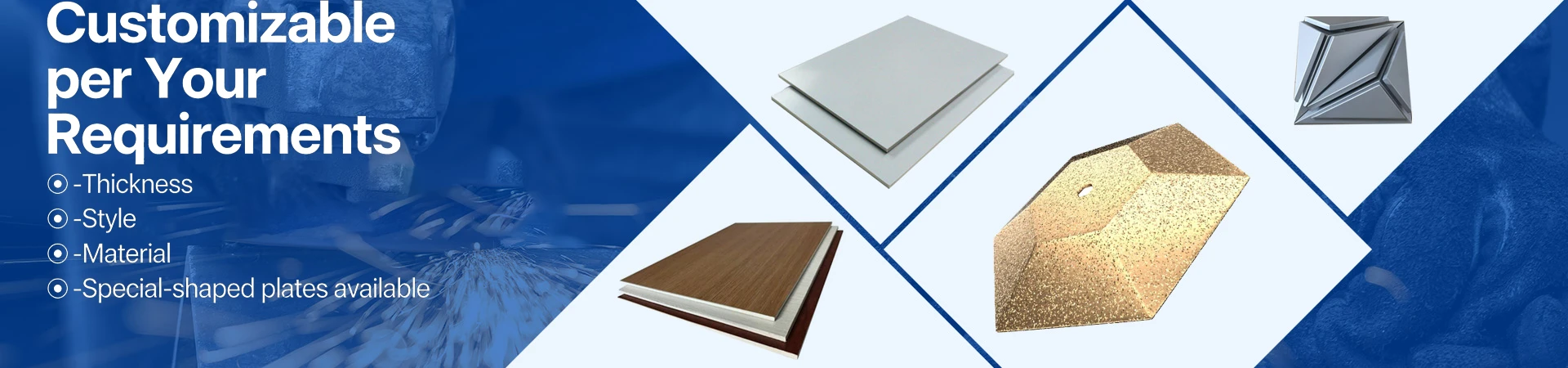
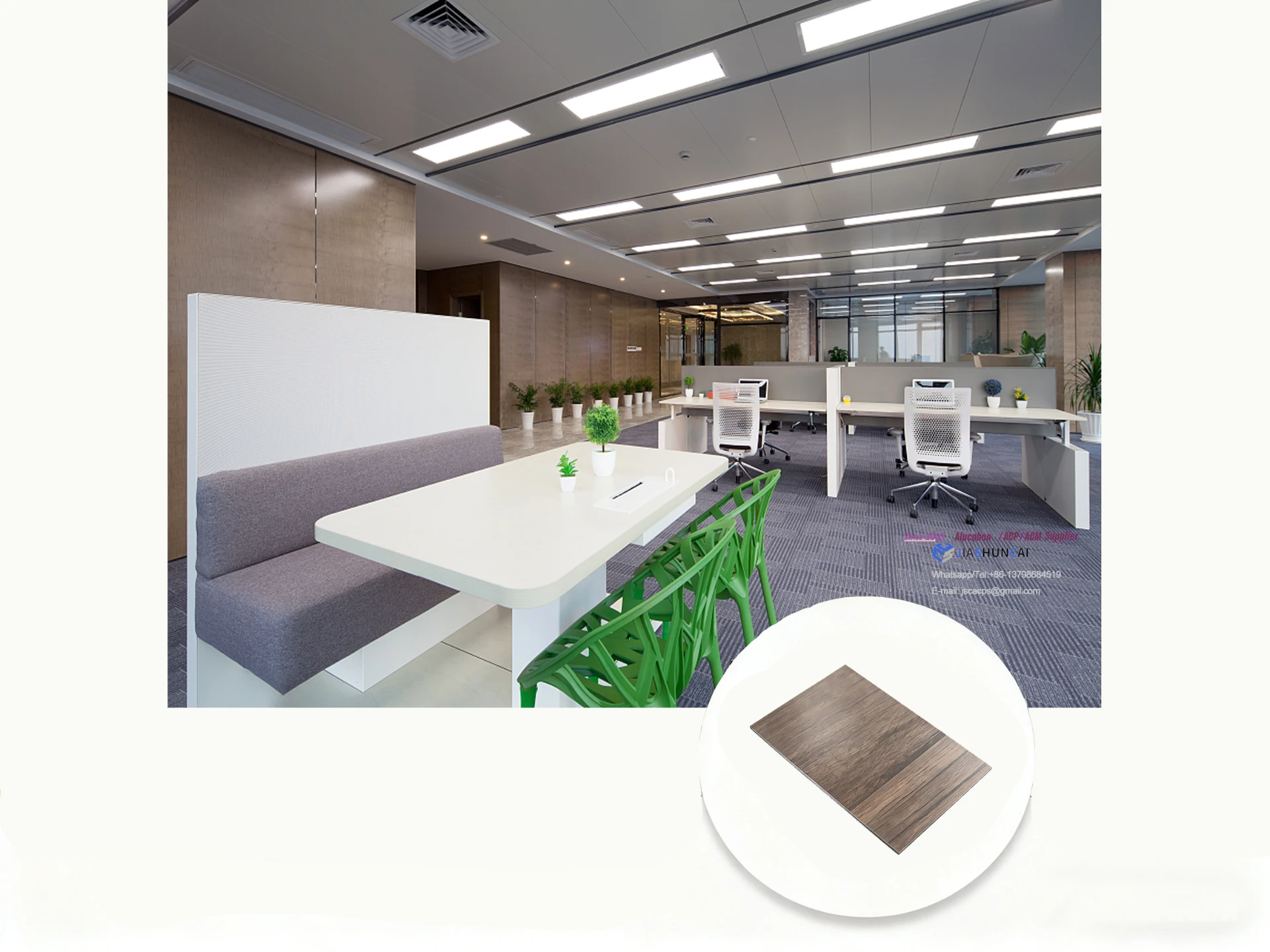
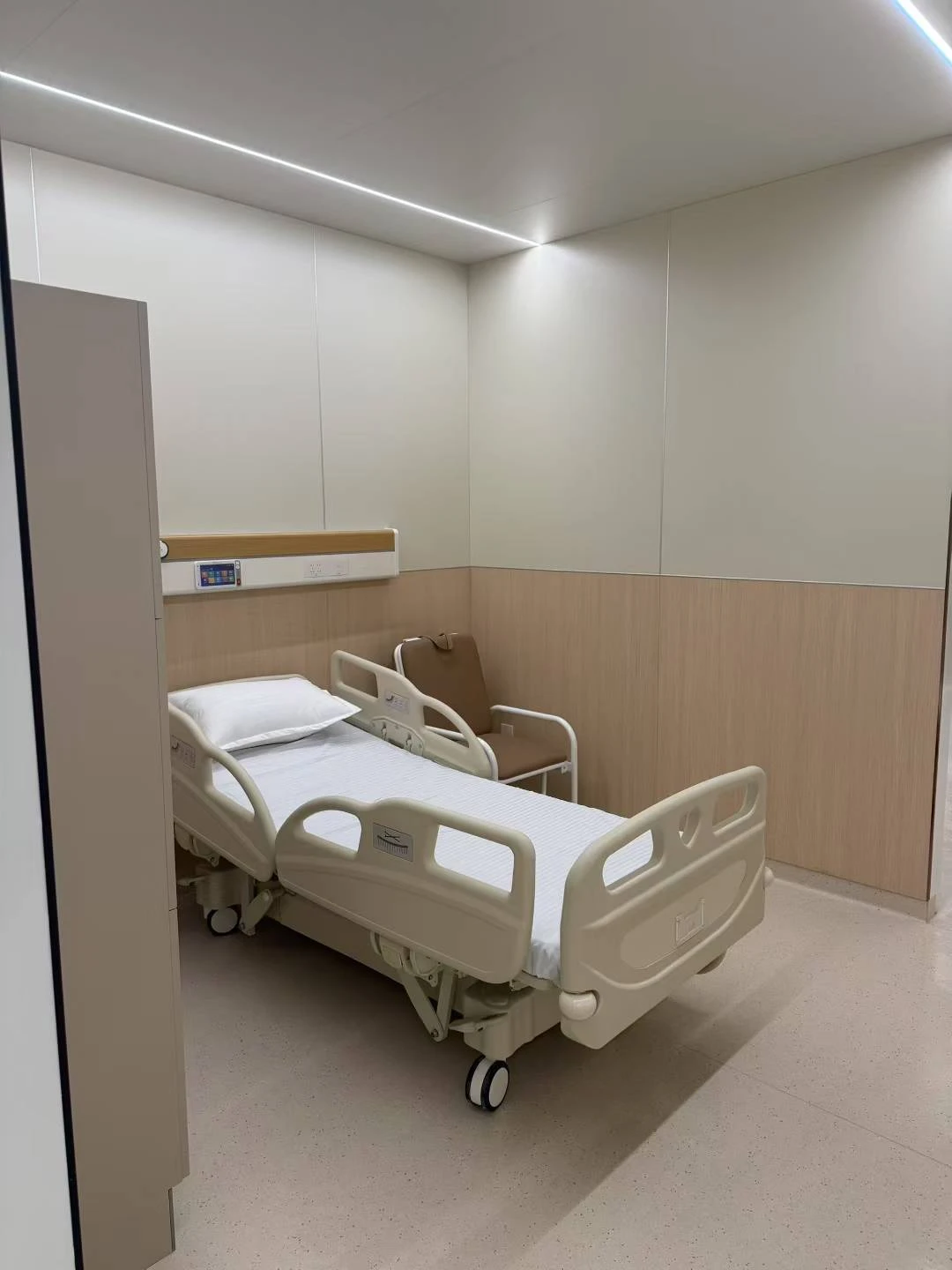
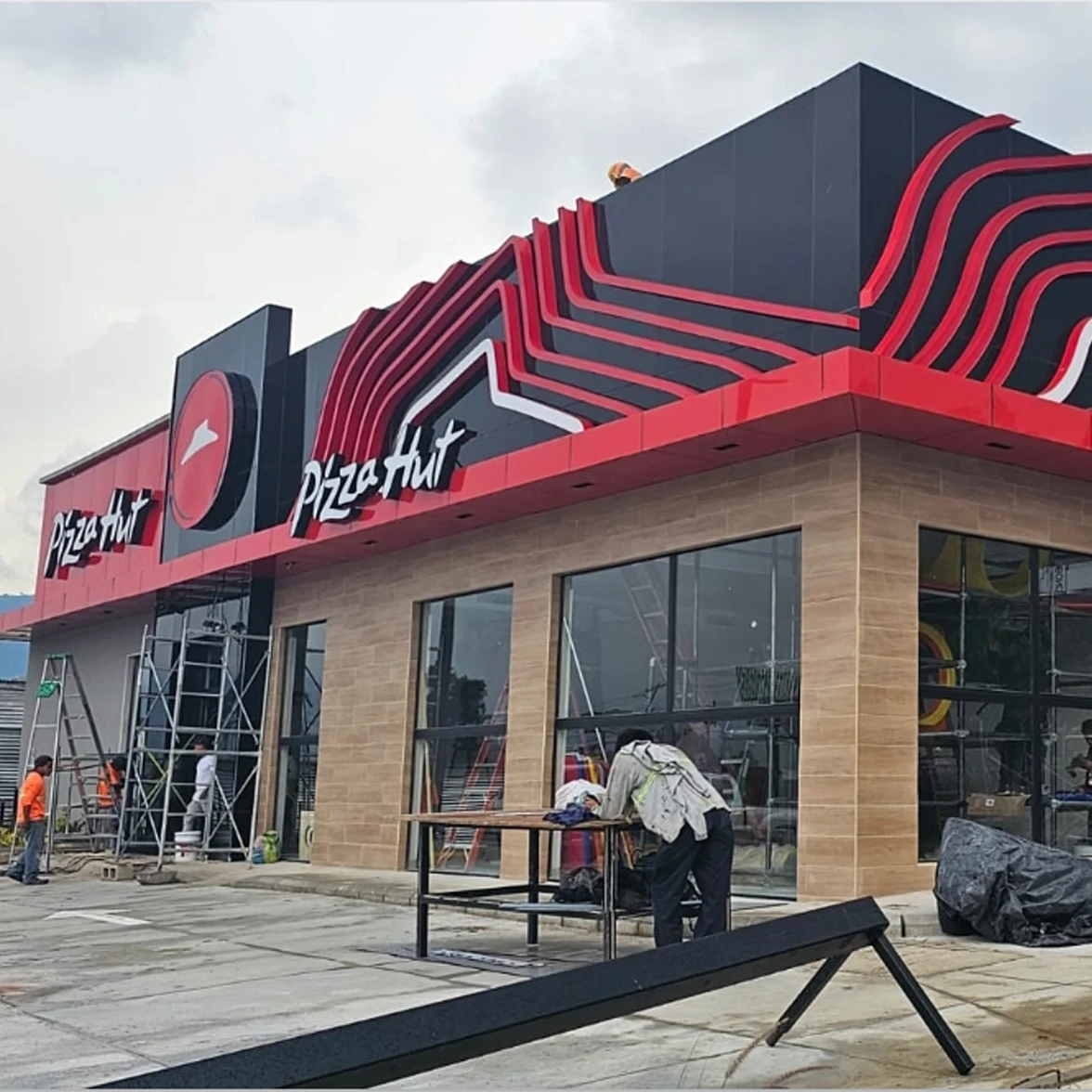
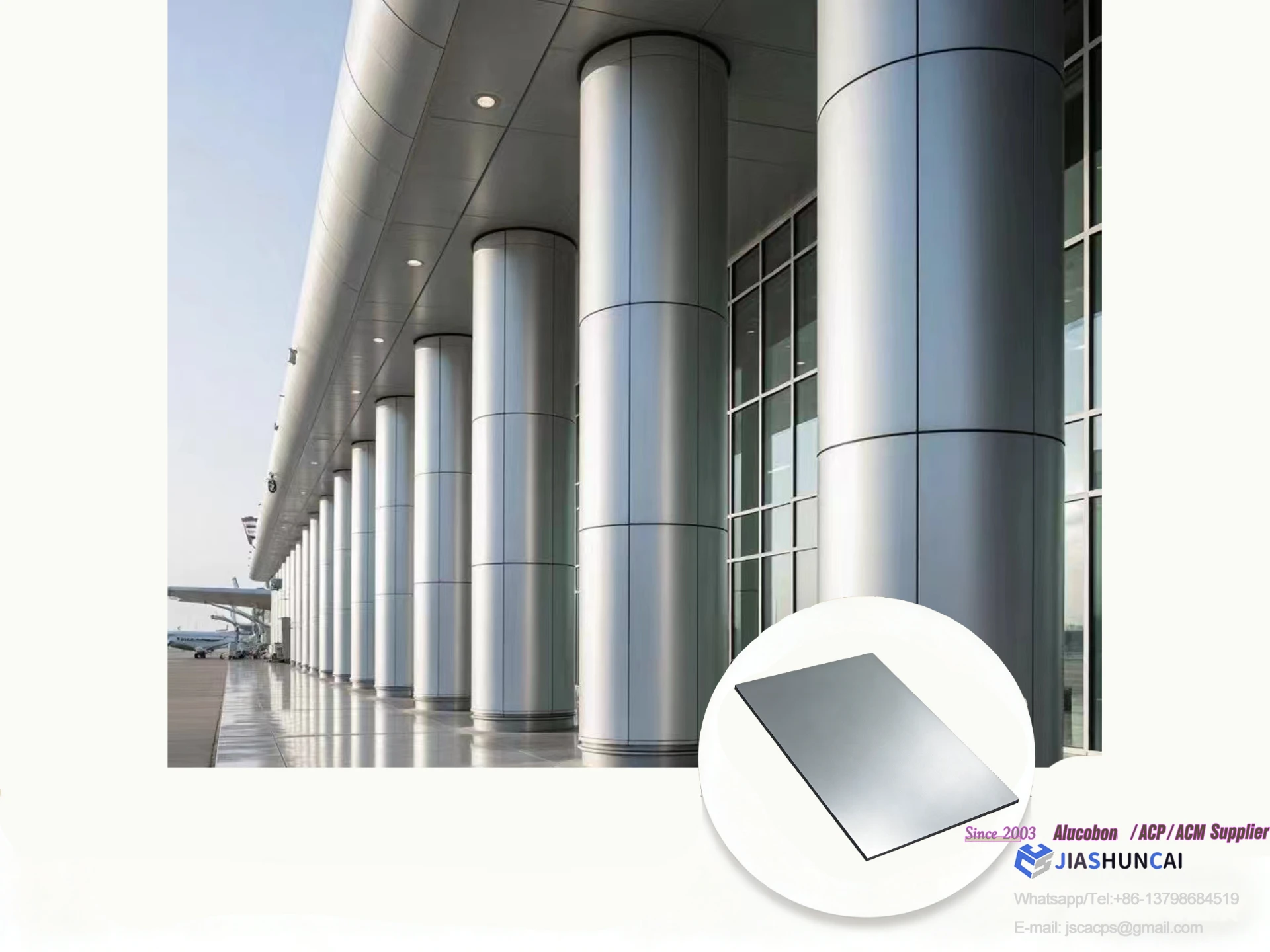
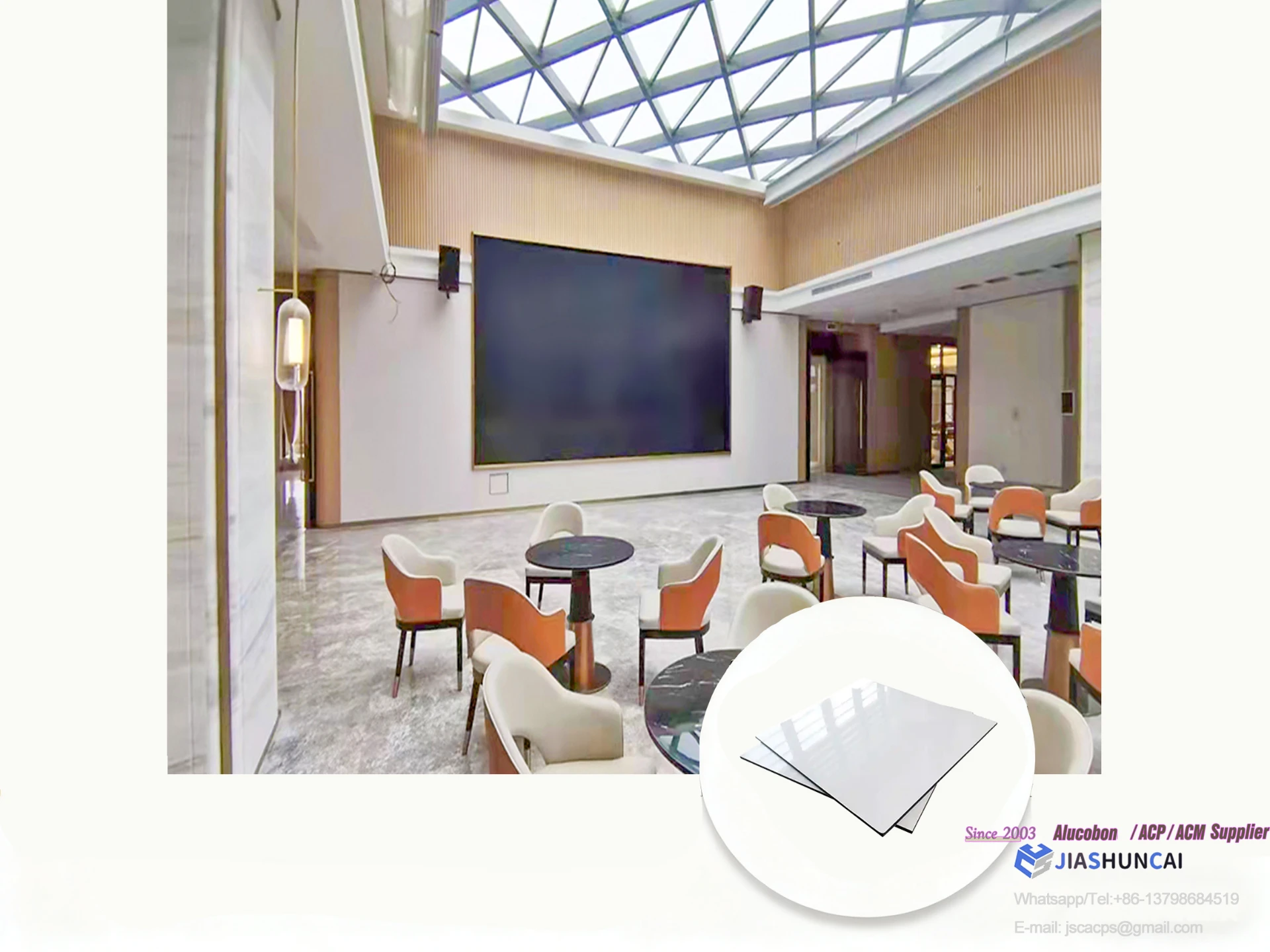
Selecting the appropriate adhesive for installing aluminum acp sheet on various base wall materials is a critical step in ensuring the longevity, safety, and aesthetic appeal of architectural projects. As a manufacturer specializing in high-volume production of premium acp panel sheet products, JiaShunCai emphasizes the importance of this decision. Our aluminum acp sheet, also known as ALUCOBOND in certain regions, is crafted under a stringent ISO9001 quality management system. It features aluminum sheets on both sides with a polyethylene (PE) core and a durable PE or PVDF coating, making it ideal for diverse applications such as commercial buildings, hotels, office structures, advertising billboards, interior walls, ceilings, display platforms, signboards, tunnels, and furniture. The versatility of this material allows it to be shaped into curves, curved corners, routed edges, grooves, and punched designs, meeting specific architectural needs while enhancing visual appeal. This article provides a comprehensive guide to adhesive selection, leveraging the inherent properties of alumina acp sheet and other variants to achieve optimal results on different substrates.
An Overview of ACP Panel Sheet Properties and Adhesive Requirements
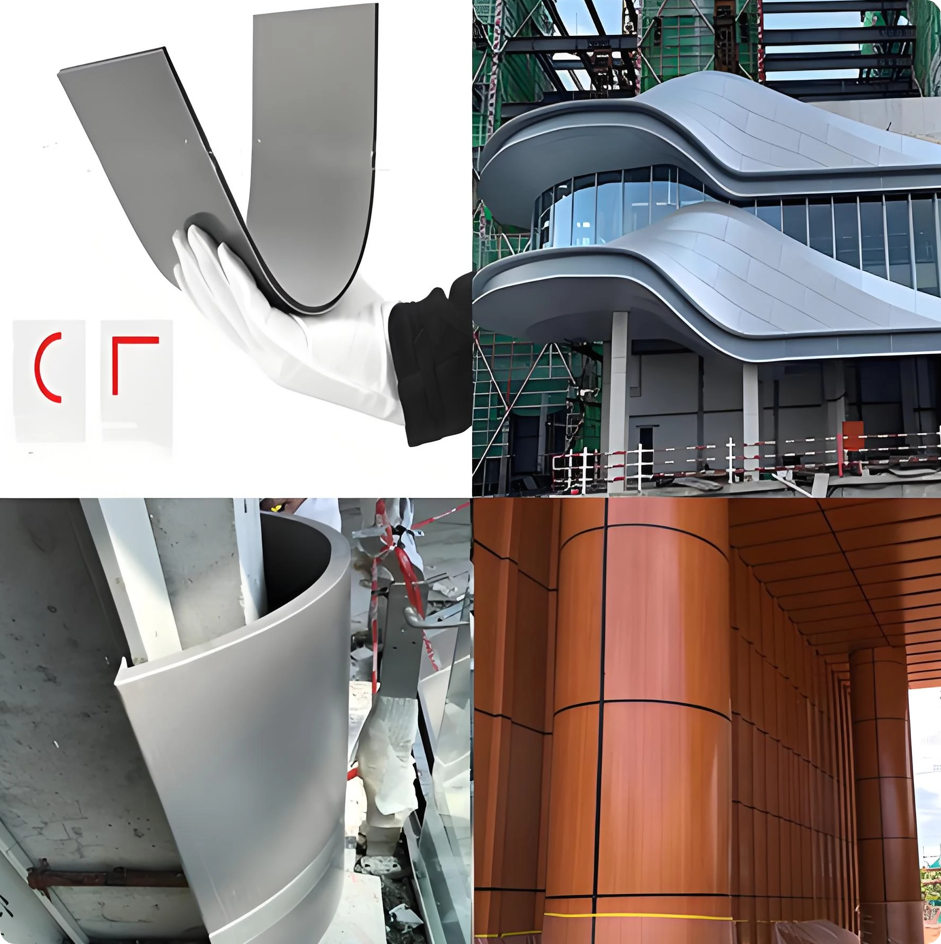
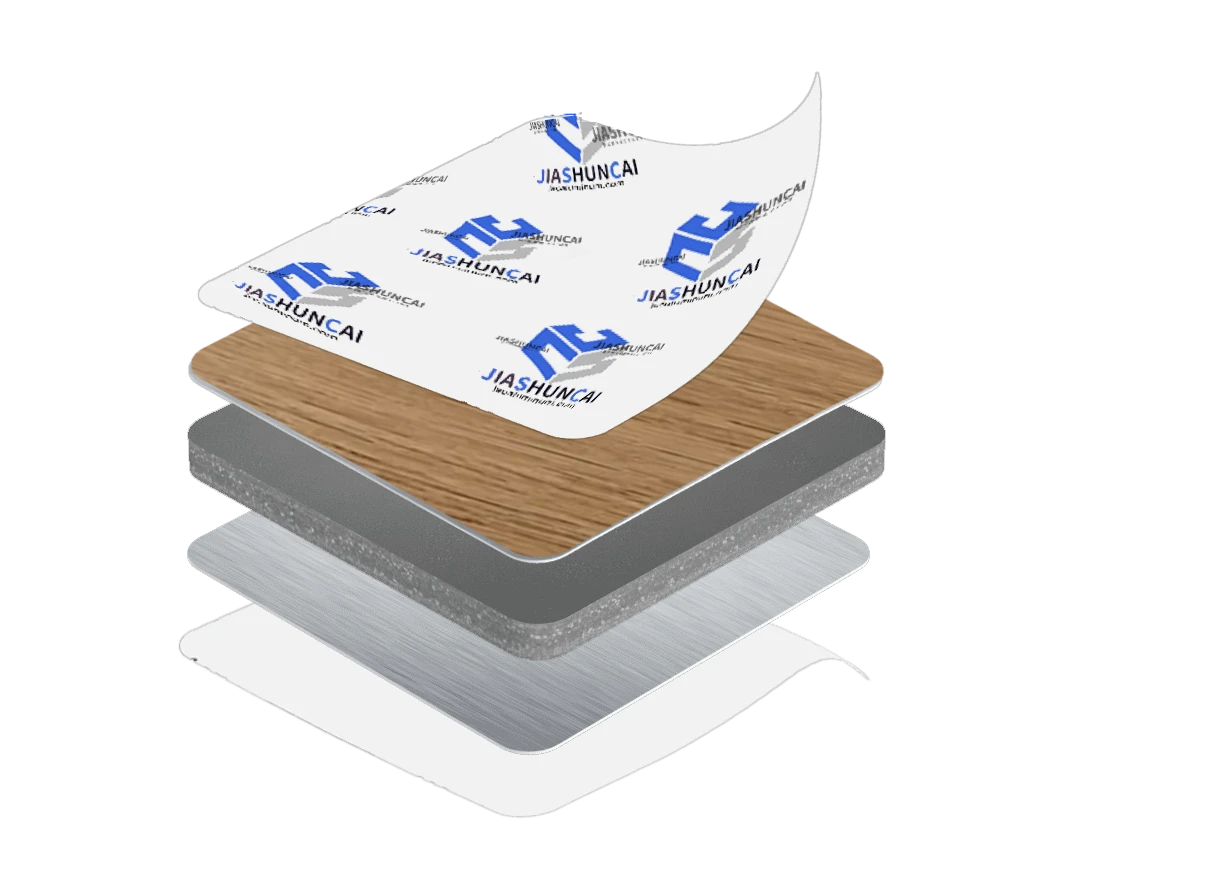
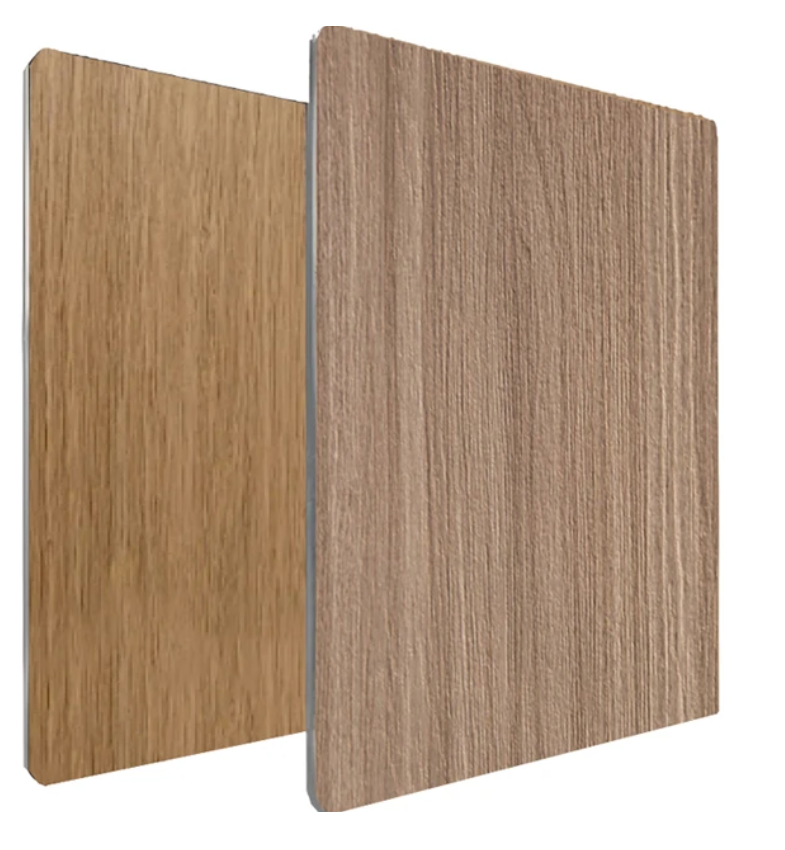
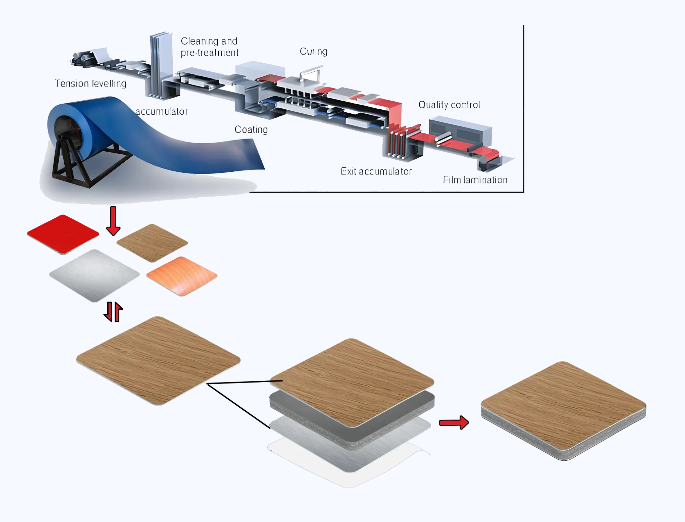
Understanding the composition of acp panel sheet is essential for adhesive selection. JiaShunCai's products consist of a high-strength aluminum alloy sheet as the base material, a non-toxic unbreakable PE core, and a surface coating of either polyester or PVDF Kynar. This structure contributes to the panel's durability and flexibility.
These panels are engineered to resist loads from multiple directions without easily deforming or breaking, making them perfect for facade applications where resistance to bending forces is essential. This is particularly crucial under adverse weather conditions or during installation, as the adhesive must complement this structural integrity.
The choice of adhesive must account for the panel's ability to be formed into various shapes, such as curves and grooves. Adhesives should maintain bond strength even when the acp panel sheet is manipulated for specific design requirements.
For large-scale projects, adhesives must be compatible with the PE or PVDF coating to prevent discoloration, chemical reactions, or reduced adhesion over time. This ensures that the aesthetic qualities of the acp panel sheet remain intact in applications like building facades or interior walls.
Key Considerations for Adhesive Selection with Aluminum ACP Sheet
The aluminum acp sheet requires adhesives that can handle its lightweight yet rigid nature. Factors such as the base wall material (e.g., concrete, brick, steel, or wood) dictate the adhesive type. For instance, porous surfaces may need gap-filling adhesives, while non-porous ones require high-tack formulations.
Environmental conditions play a significant role. Adhesives for aluminum acp sheet installations must withstand temperature fluctuations, moisture, and UV exposure, especially in exterior applications like facades or billboards. This aligns with the panel's own resistance to adverse weather, ensuring a long-lasting bond.
Load-bearing capacity is critical. Adhesives should support the weight and dynamic forces acting on the aluminum acp sheet, preventing sagging or detachment. This is vital for high-rise buildings or tunnels where safety is paramount.
Application method and curing time are practical considerations. In volume projects, fast-curing adhesives can streamline installation, but they must not compromise the bond quality with the aluminum acp sheet's aluminum surface and core.
Installation Techniques for Alumina ACP Sheet on Diverse Wall Substrates
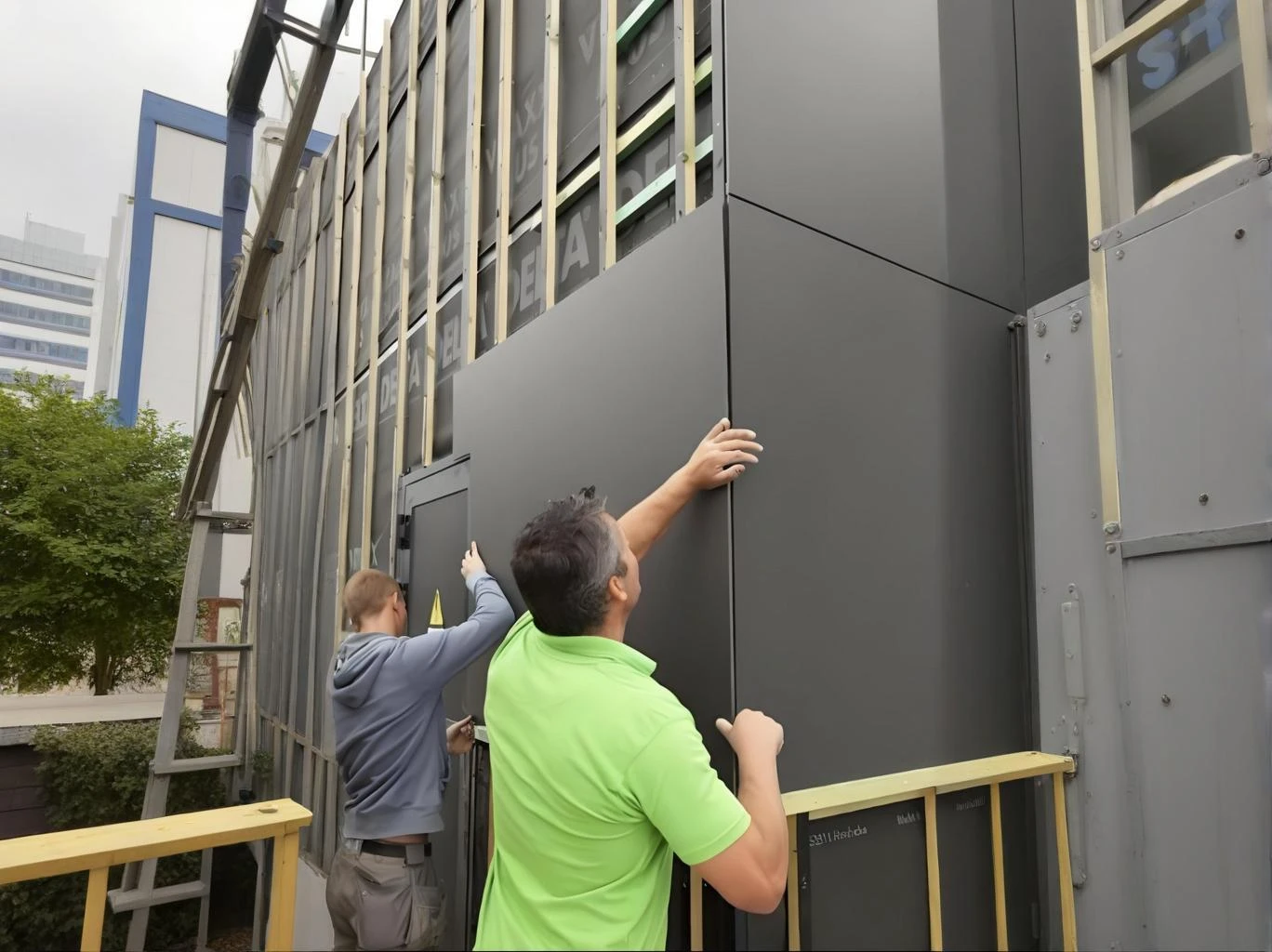
When working with alumina acp sheet, surface preparation is the first step. Walls must be clean, dry, and free of contaminants to ensure the adhesive forms a strong bond. This is especially important for materials like concrete or metal, which may require priming.
Adhesive application should be uniform, using notched trowels or dispensing equipment to cover the back of the alumina acp sheet evenly. This prevents air pockets and ensures full contact, which is crucial for maintaining the panel's ability to resist deformation under load.
For curved or shaped installations, such as those common with JiaShunCai's versatile alumina acp sheet, adhesives with high flexibility are recommended. They should accommodate thermal expansion and contraction without cracking, preserving the panel's aesthetic and functional properties.
Post-installation, adhesives must allow for minor adjustments during the curing period. This is key for achieving precise alignments in projects involving facades or interior designs, where the alumina acp sheet enhances visual appeal.
FAQs about ACP Panel Sheet Adhesive Applications
What are the primary factors to consider when selecting an adhesive for an acp panel sheet installation?
The main factors include the type of base wall material (e.g., concrete, steel, or drywall), environmental conditions (such as humidity and temperature), the weight and size of the acp panel sheet, and the required bond strength. Adhesives must be compatible with the panel's aluminum surface and PE core to ensure durability and safety in large-scale applications.
How does the core material of an aluminum acp sheet influence adhesive choice?
The non-toxic unbreakable PE core in aluminum acp sheet provides flexibility and impact resistance, but it requires adhesives that can bond effectively with both the aluminum skins and the core. Solvent-based or hybrid adhesives are often suitable, as they penetrate well without degrading the core, ensuring a secure installation for facades or interior walls.
Can the same adhesive be used for all types of alumina acp sheet coatings, such as PE and PVDF?
Not necessarily. While many high-quality adhesives are versatile, it's essential to choose one that is tested and compatible with the specific coating—whether PE or PVDF Kynar—on the alumina acp sheet. PVDF coatings, for example, may have different chemical resistance, so adhesives should not cause discoloration or weakening over time.
What steps should be taken to ensure a strong bond when installing aluminum acp sheet in humid conditions?
In humid environments, use moisture-resistant adhesives specifically designed for aluminum acp sheet. Ensure the wall surface is thoroughly dried before application, and consider adhesives with faster curing times to minimize exposure. Proper sealing around edges can also protect the bond from moisture ingress, maintaining the panel's structural integrity.
Is surface preparation different for acp panel sheet installations on uneven wall materials?
Yes, uneven surfaces require additional preparation, such as leveling with appropriate compounds or using gap-filling adhesives that can accommodate irregularities. For acp panel sheet, this ensures full contact and prevents stress points that could lead to deformation or bond failure over time.
In summary, choosing the right adhesive for installing aluminum acp sheet on different base wall materials is a nuanced process that hinges on understanding the panel's properties, such as its high-strength aluminum alloy base, non-toxic unbreakable core, and durable coatings. JiaShunCai's acp panel sheet and alumina acp sheet offerings, manufactured under ISO9001 standards, provide a reliable foundation for various architectural applications. By considering factors like substrate type, environmental exposure, and adhesive compatibility, professionals can achieve secure, long-lasting installations that leverage the material's versatility and resistance to deformation. This approach not only enhances the aesthetic appeal of structures but also ensures safety and durability in large-volume projects.