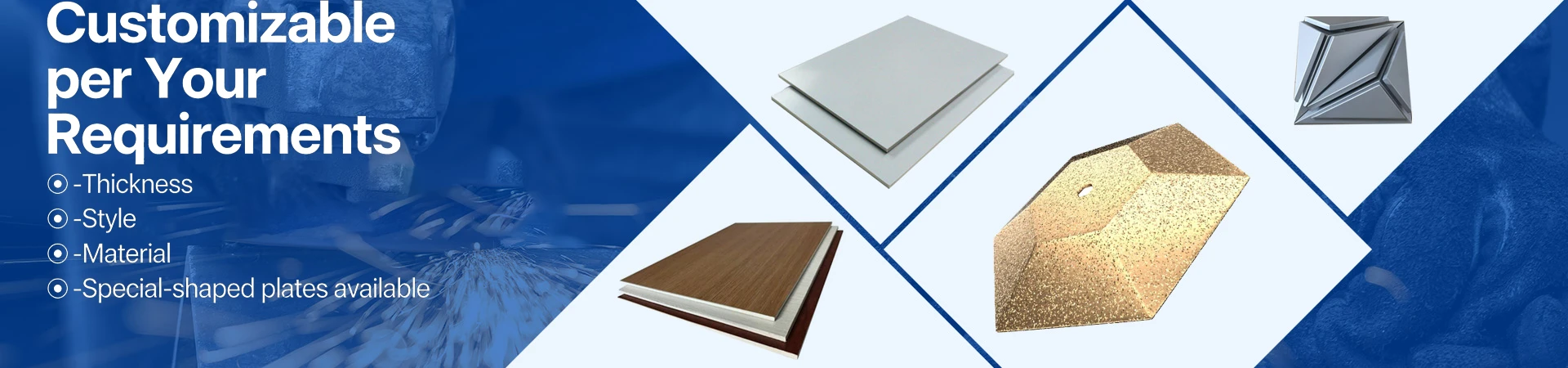
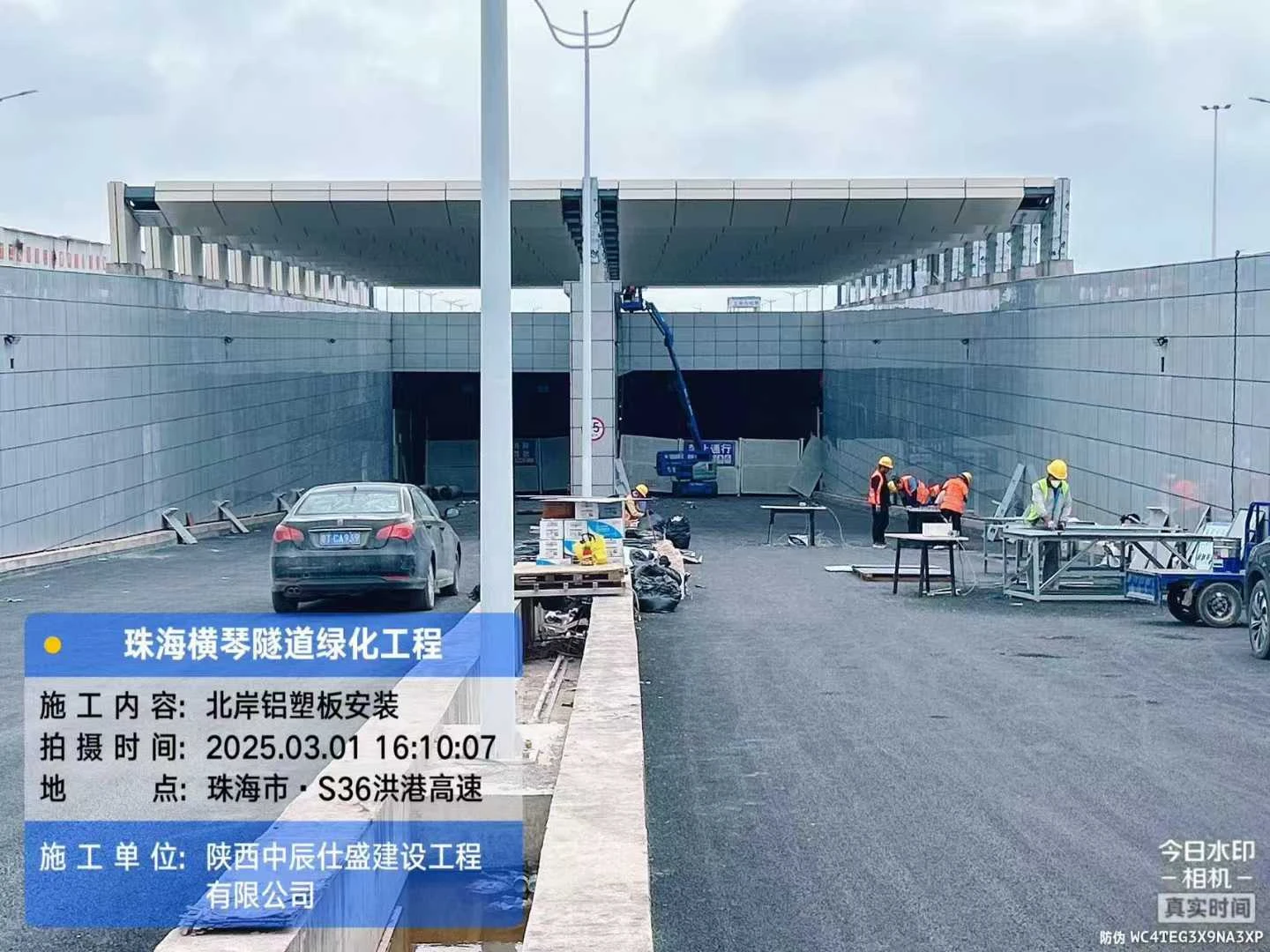
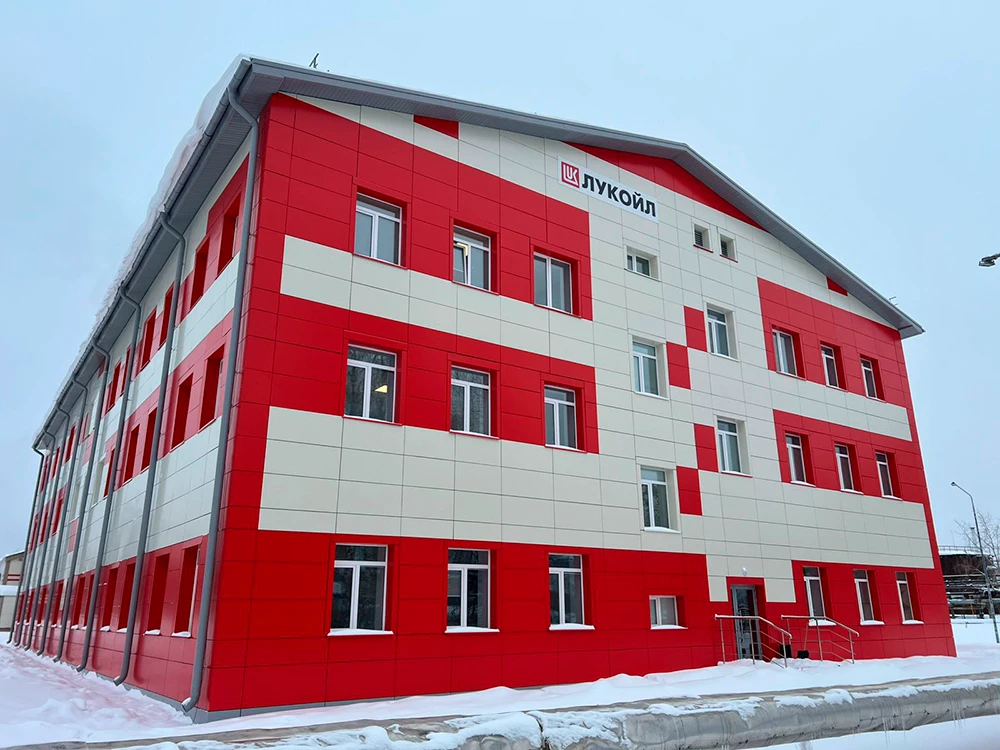
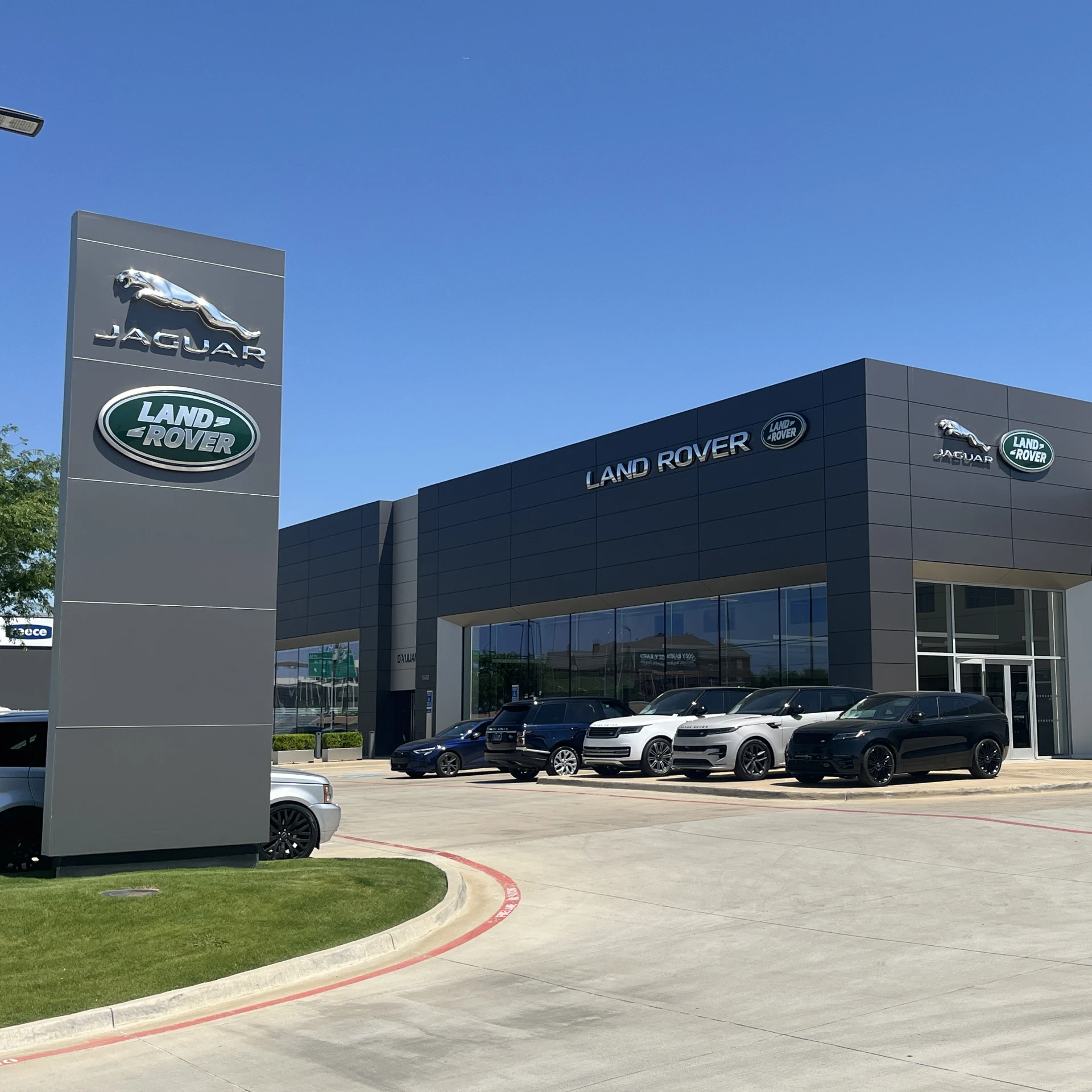
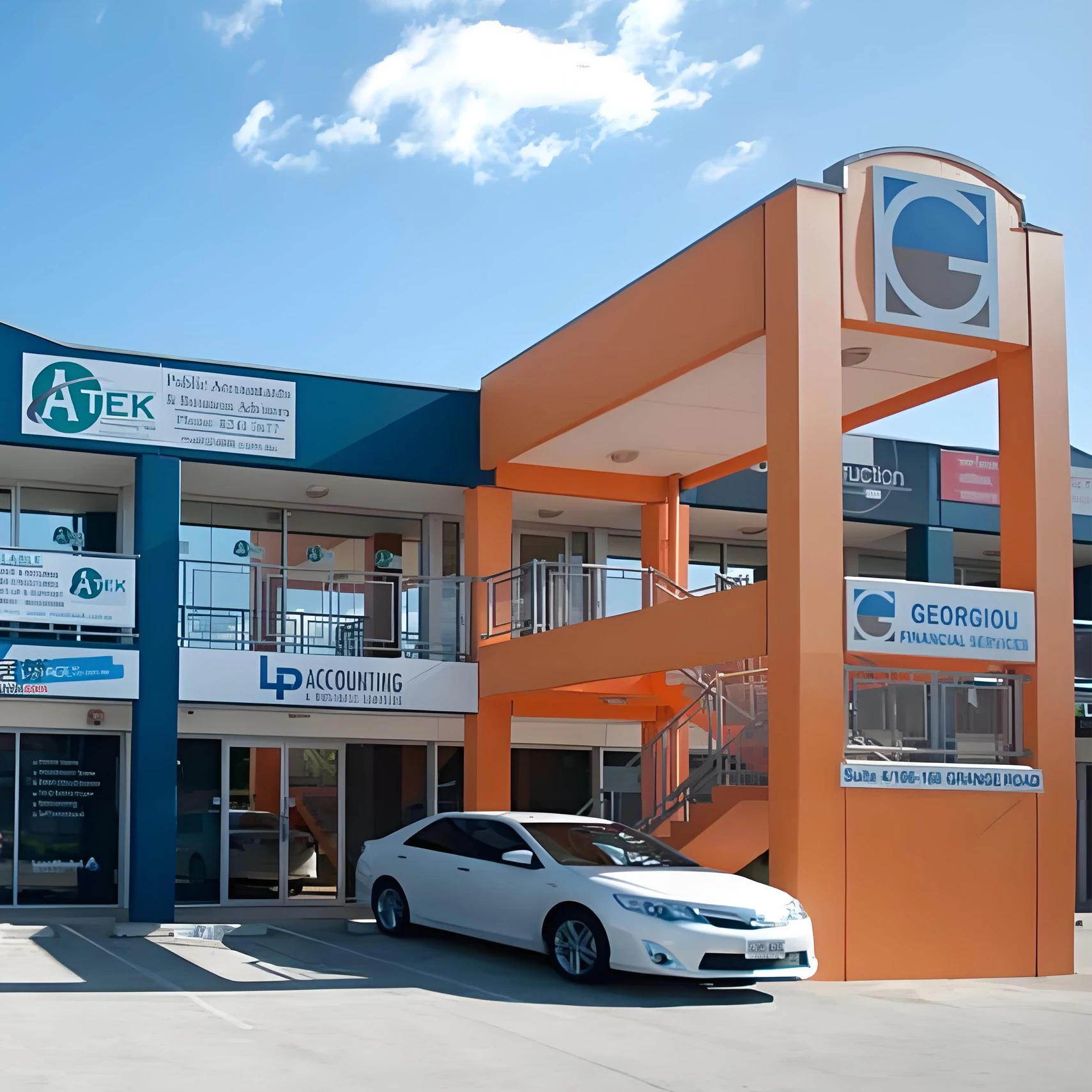
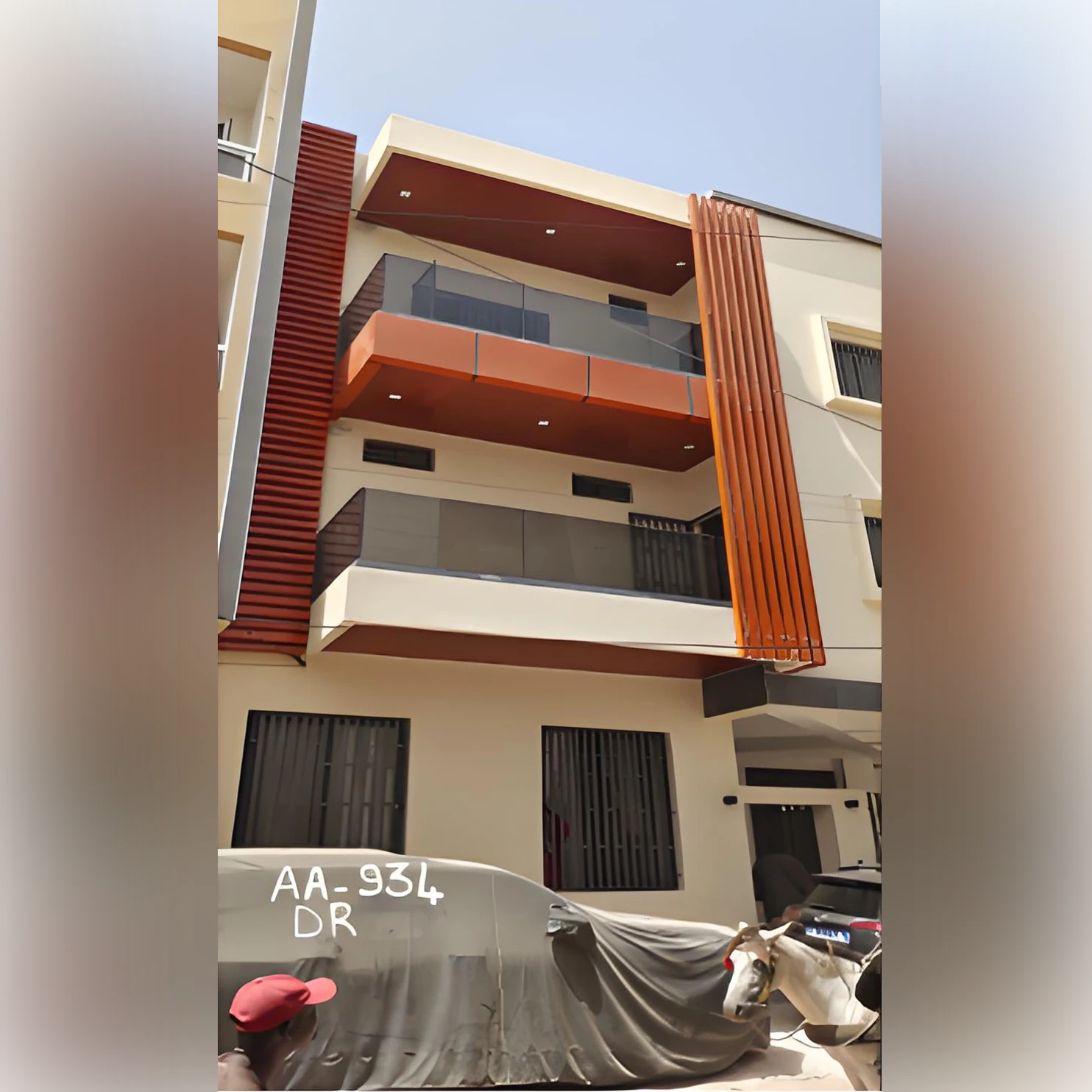
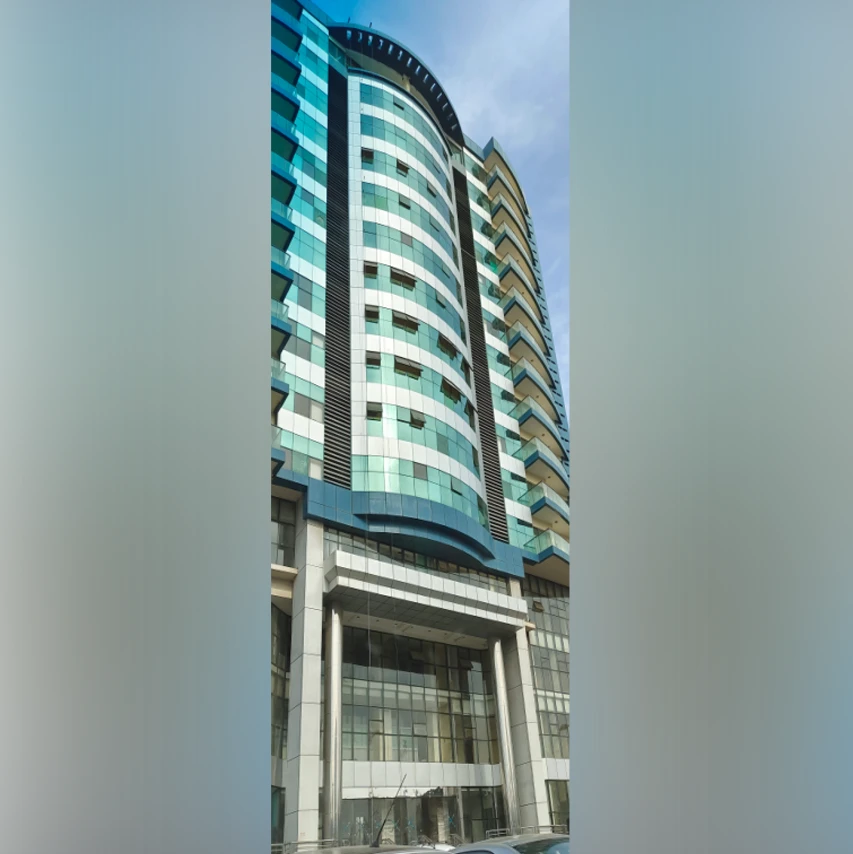
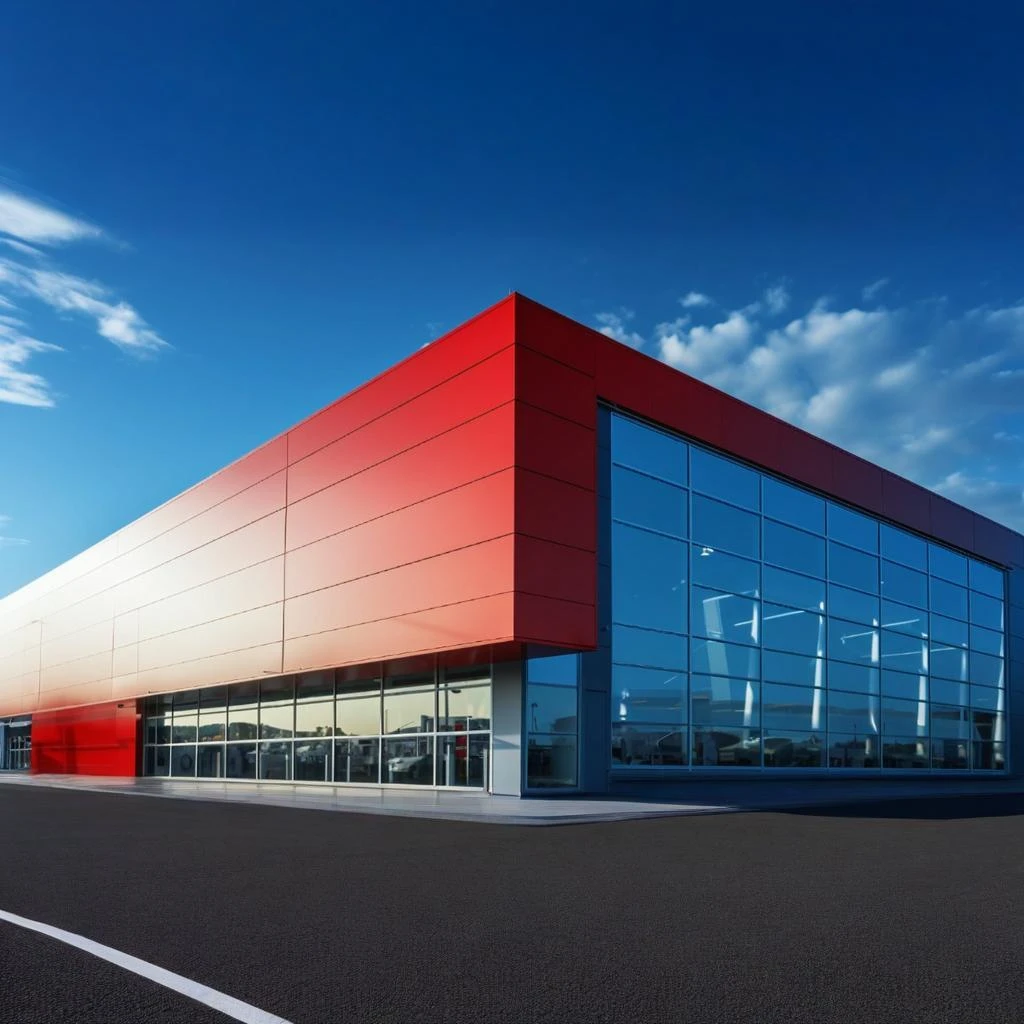
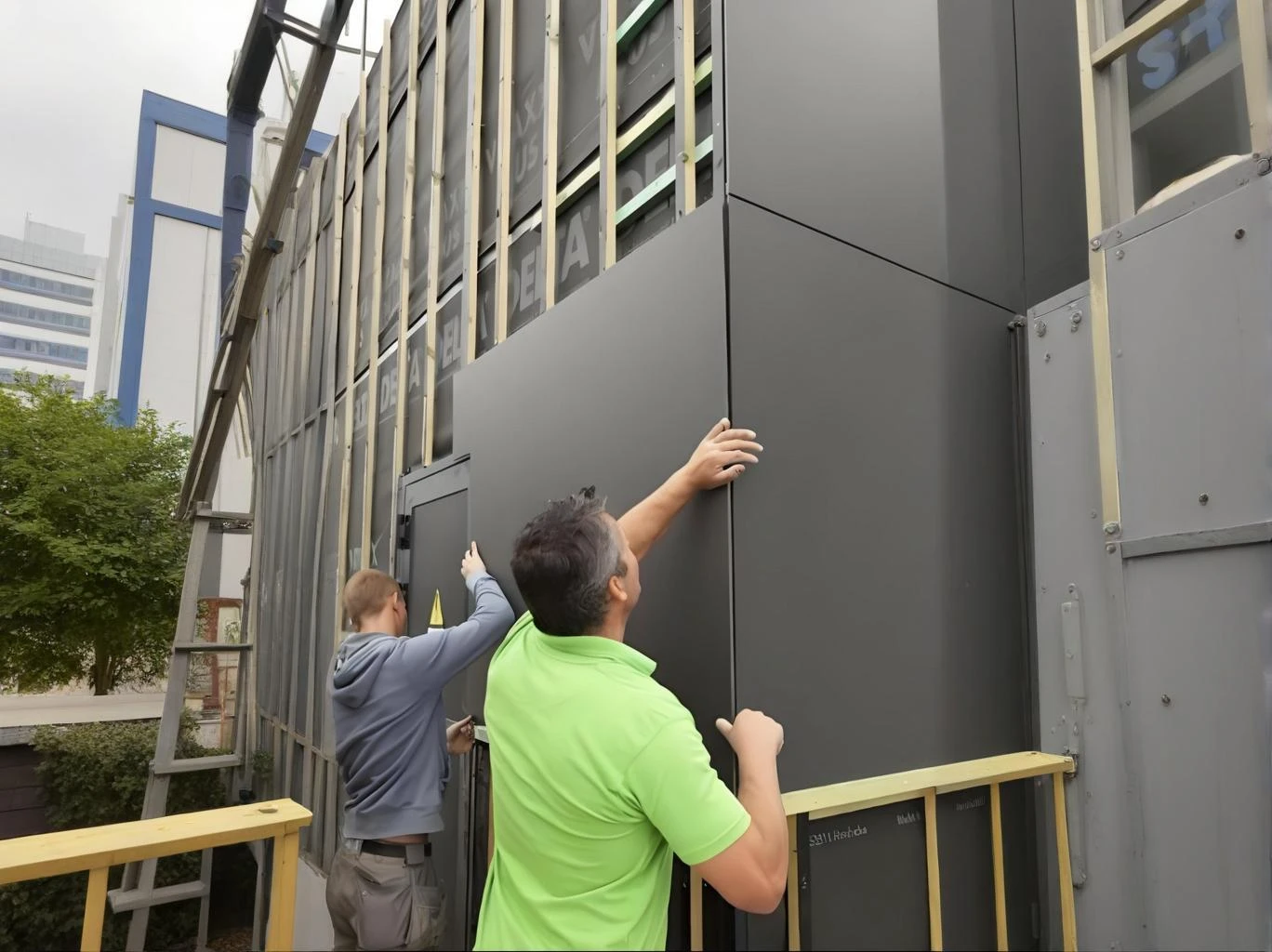
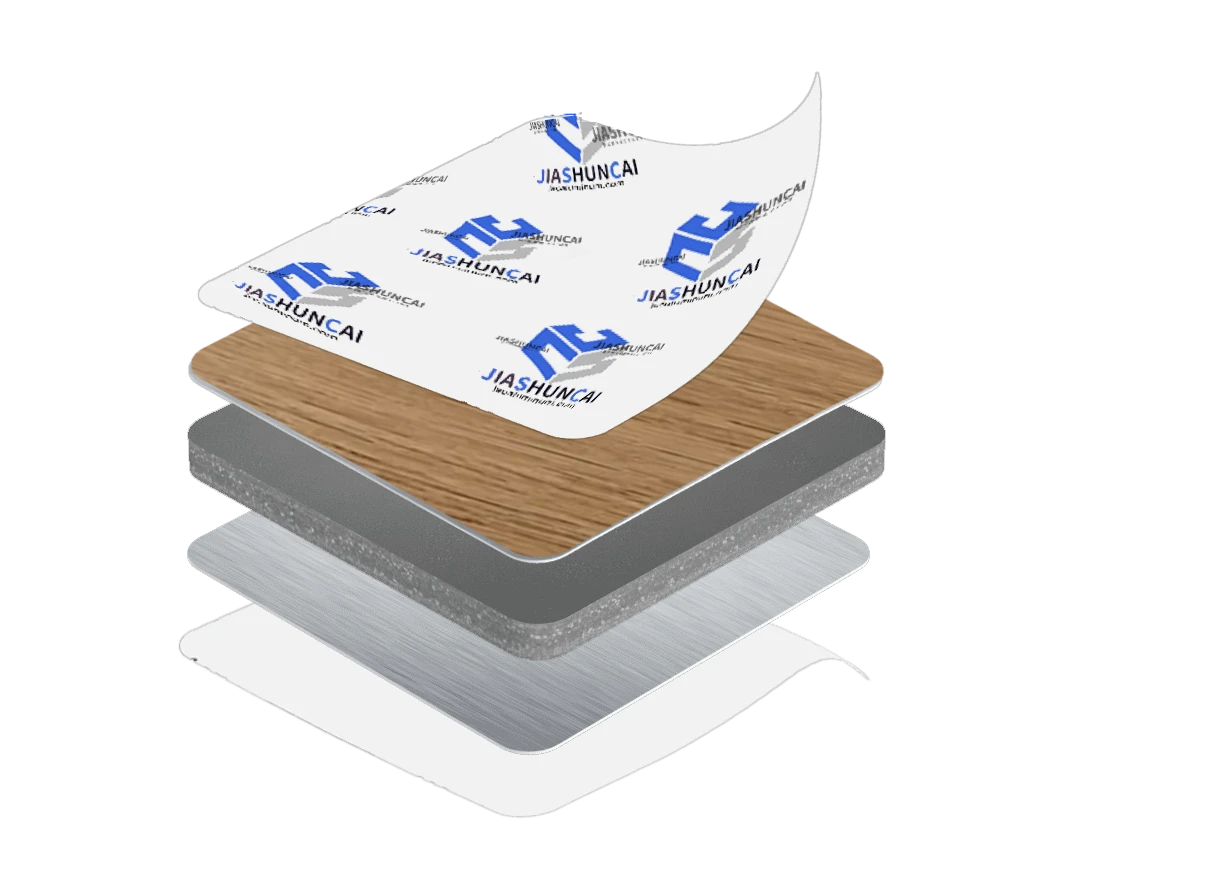
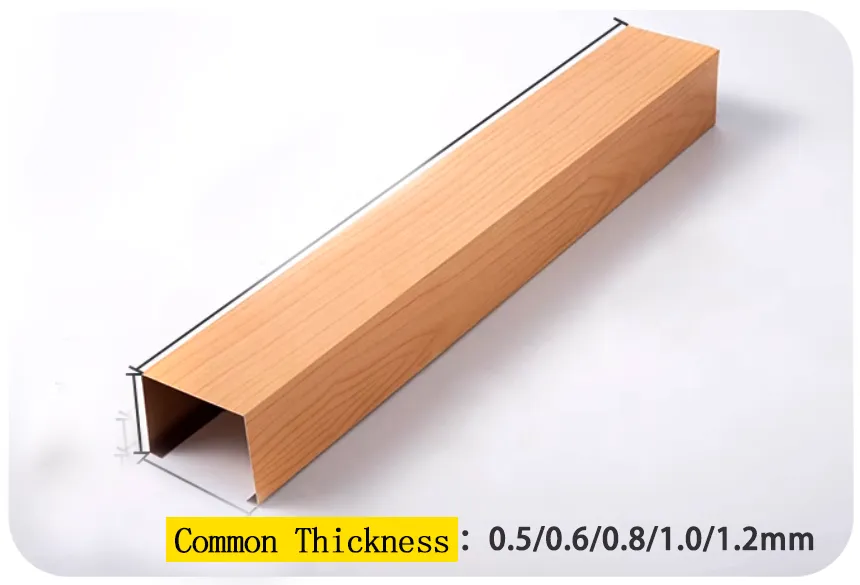
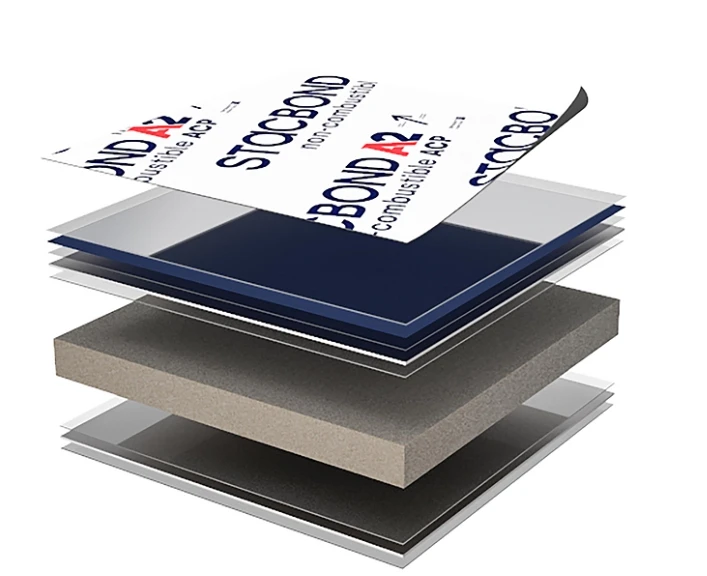
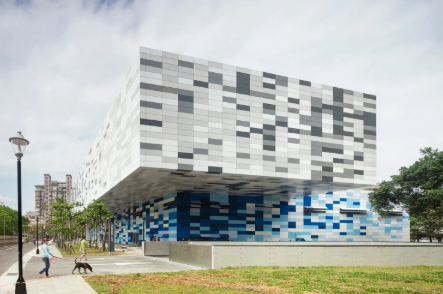
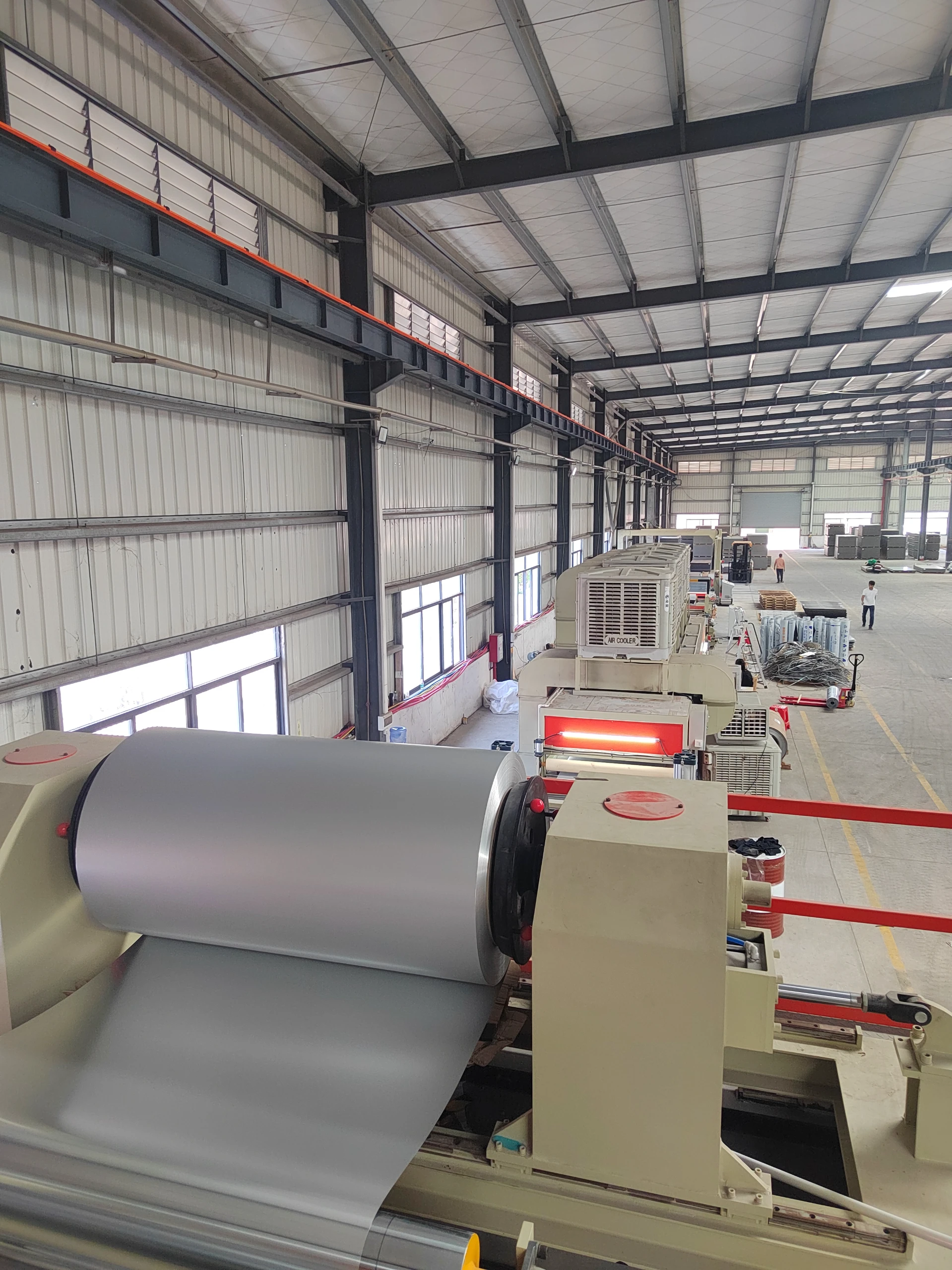
In the field of architectural facade decoration and advertising material applications,acp pe (ACP with polyethylene core and polyester coating) has gained widespread popularity due to its cost-effectiveness and decorative flexibility. This type of panel features a polyethylene core sandwiched between two aluminum skins, with the front surface coated in polyester paint. Its vibrant design and ease of processing have made it a favored choice for facade decoration and advertising. However, the inherent surface hardness of polyester coating needs to be enhanced to meet the wear and scratch resistance requirements of high-traffic or outdoor scenarios. Surface hardening processes address this key demand, while beda acp pvdf dan pe (differences between ACP PVDF and PE) also determine the customization direction of hardening technologies. Our company strictly controls every production link to lay a solid foundation for high-quality surface hardening, and the production process strictly follows standardized steps: first, raw material inspection, which involves strict testing of aluminum coils and PE particles; second, aluminum sheet cleaning treatment to remove surface oil and oxidation; third, coating process using an automatic spray line for primer, topcoat, and clear coat application; fourth, lamination process to bond aluminum sheets with PE core material under high temperature and pressure; fifth, cooling and shaping by controlling the cooling rate to ensure panel flatness; finally, cutting and packaging according to customer specifications with professional packaging to prevent scratches. This rigorous production system ensures that pe aluminum composite panel achieves optimal performance after surface hardening.
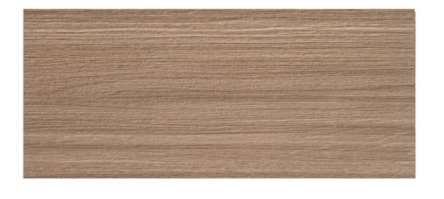
Acp Pe Surface Hardening Core Processes
- The pre-hardening treatment of acp pe is closely linked to our raw material inspection and cleaning process. We further polish the panel surface to reduce roughness to below 0.8μm, ensuring the hardening agent can form a uniform film without bubbles or pinholes.
- The core hardening step adopts a dual-component acrylic hardening agent. It is evenly applied via an automatic roller coating line, with a coating thickness controlled at 8-12μm, then cured at 80℃ for 30 minutes to form a cross-linked structure, increasing surface hardness from 2H to 4H.
- Post-hardening quality control integrates our cooling and shaping process. The hardened acp pe is cooled at a constant rate of 5℃/min to avoid thermal stress cracking, and each panel undergoes a pencil hardness test to ensure qualification.
Beda Acp Pvdf Dan Pe Hardening Process Differences
- Beda acp pvdf dan pe lies in coating properties, so hardening agents are customized. For PE coating, we use low-viscosity hardening agents to improve adhesion; for PVDF, high-temperature-resistant formulas are adopted to match PVDF’s heat resistance.
- The hardening curing temperature differs: beda acp pvdf dan peleads to PE-based panels curing at 70-80℃, while PVDF-based ones require 120-140℃. Our production line adjusts temperature parameters via intelligent control to avoid coating damage.
- Hardening goals vary too: PE panels focus on wear resistance for advertising signs, while PVDF panels emphasize weather resistance retention. This difference guides our hardening agent additive selection, such as adding UV absorbers for PVDF.
Pe Aluminum Composite Panel Application Value After Hardening
- Hardened pe aluminum composite panel is ideal for outdoor advertising. The hardening layer resists rain erosion and dust accumulation, and the vibrant polyester color remains unchanged for 5-8 years, reducing maintenance costs.
- In interior decoration, it is used for shopping mall kiosks and hotel lobby walls. The 4H surface hardness withstands accidental scratches from luggage or cleaning tools, maintaining a neat appearance for a long time.
- The combination of hardening process and our lamination technology makes pe aluminum composite panel suitable for curved decoration. It retains flexibility while enhancing surface strength, adapting to arc-shaped facades and column wraps.
Pe Aluminum Composite Panel Specification Parameters
|
Specification Item
|
Standard Value
|
|
Thickness
|
±0.20 mm
|
|
Aluminum thickness
|
±0.02 mm
|
|
Width
|
±2.0 mm
|
|
Length
|
±3.0 mm
|
|
Diagonal
|
±5.0 mm
|
|
Thermal Expansion
|
2.40 mm/m@100℃ Temp difference
|
Acp Pe FAQS
How does the hardening process affect the flexibility of acp pe?
The hardening process has minimal impact on the flexibility of acp pe. Our selected elastic hardening agent contains 15% flexible monomers, which form a tough film that can bend 120° without cracking. Combined with the stable PE core from our lamination process, the panel retains the ability to adapt to minor structural deformations, suitable for non-flat facade applications.
What is the difference in hardening durability betweenbeda acp pvdf dan pe?
Durability differs due to coating properties: hardened acp pe has a surface hardening layer lifespan of 5-8 years outdoors; PVDF-based panels, with their inherent weather resistance, have a hardened layer lifespan of 15-20 years. This is because PVDF’s chemical structure forms stronger bonds with the hardening agent, while our tailored formulas maximize each material’s potential.
Can pe aluminum composite panel be reprocessed after hardening?
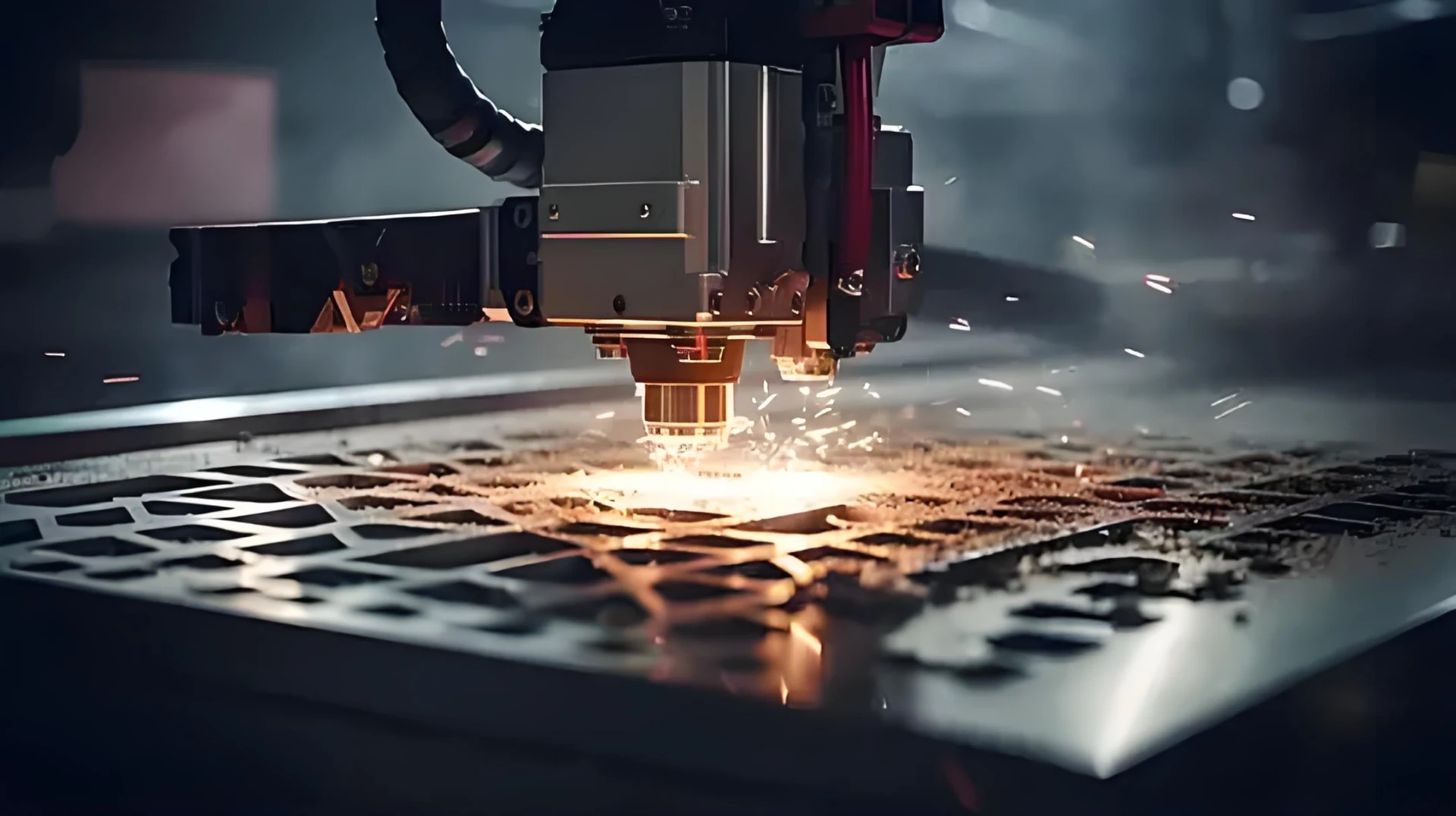
Yes, but processing methods are limited. Hardened pe aluminum composite panel can be cut with CNC equipment and drilled, but bending should be done before hardening. We recommend customers confirm processing needs in advance; our production line can adjust the sequence of hardening and processing to meet customization requirements.
How to maintain the hardened surface of acp pe?
Maintenance is simple: clean the surface with a soft cloth dipped in neutral detergent and water to remove stains; avoid using steel wool or abrasive cleaners that scratch the hardening layer. For outdoor panels, rinse with rainwater regularly, and annual professional cleaning can extend the hardening layer’s lifespan by 2-3 years.
What is the production cycle for large orders of hardenedpe aluminum composite panel?
For large orders (over 2000 sheets), the production cycle is 10-12 days. This includes 3-4 days for panel production (raw material inspection to lamination), 2-3 days for hardening treatment, and 3-5 days for cutting and packaging. For urgent orders, we can add hardening lines to shorten the cycle to 7-9 days while ensuring quality.