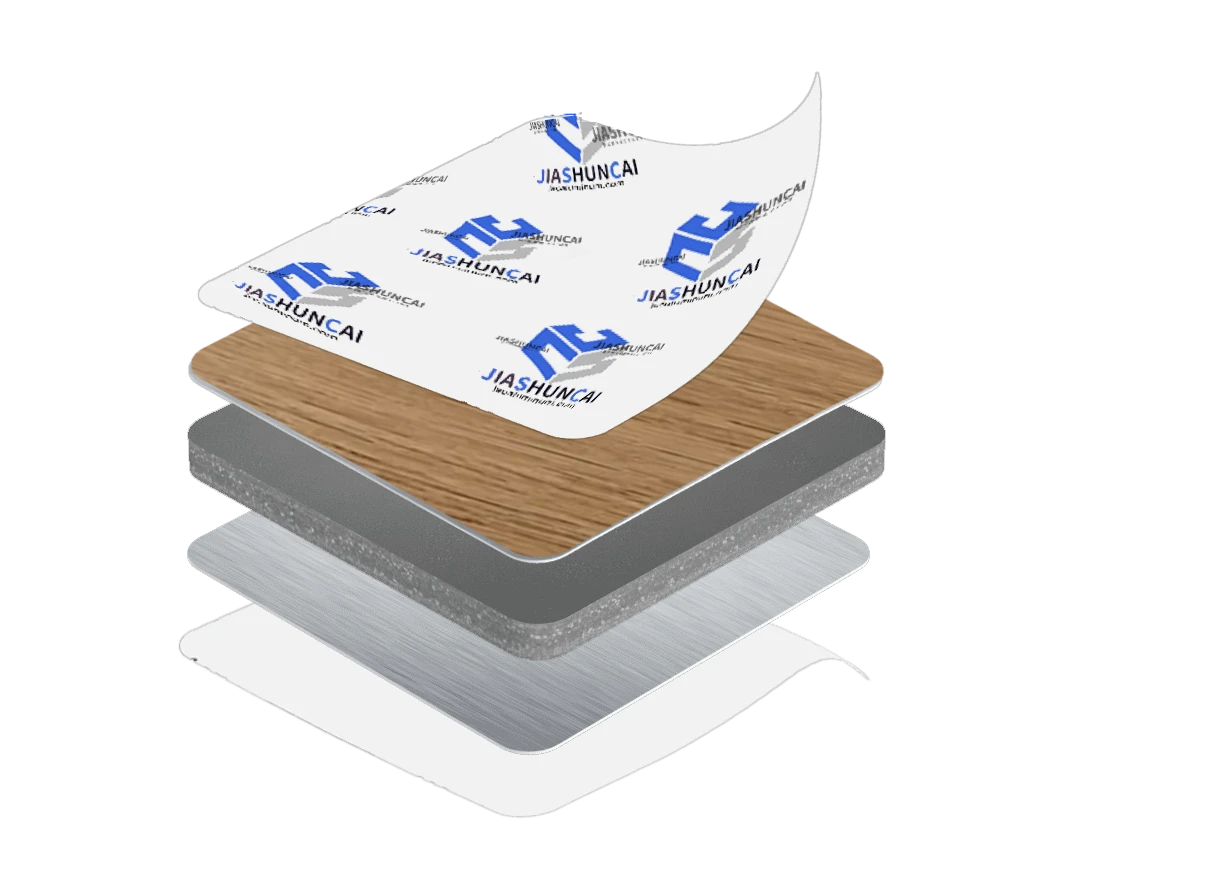
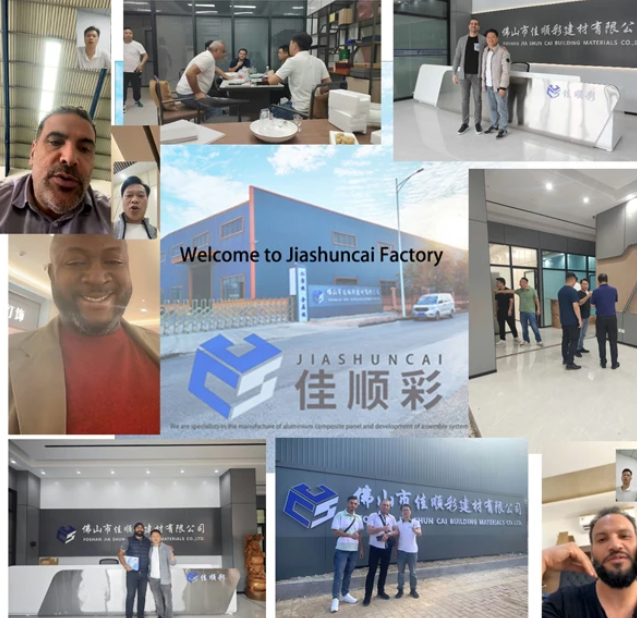
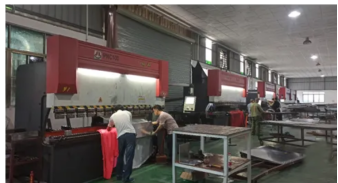
In modern architectural engineering, aluminium facade cladding not only undertakes the decorative function of building exteriors but also needs to withstand the erosion of various chemical substances in the environment, such as acid rain, industrial exhaust and cleaning agents. Chemical resistance testing thus becomes a key link to ensure the service life and safety of cladding products. We offer a wide range of high-quality aluminum products and innovative technical solutions. We are committed to becoming the leading supplier for aluminum single panels, aluminum perforated panels, aluminum 3D custom panels, aluminum baffle ceilings, aluminum veneer series, and aluminum wave cladding panels. To lay a solid foundation for reliable chemical resistance performance, our production process strictly follows standardized steps: first, raw material inspection involving strict testing of aluminum coils and PE particles; second, aluminum sheet cleaning treatment to remove surface oil and oxidation; third, coating process using an automatic spray line for primer, topcoat, and clear coat application; fourth, lamination process to bond aluminum sheets with PE core material under high temperature and pressure; fifth, cooling and shaping by controlling the cooling rate to ensure panel flatness; finally, cutting and packaging according to customer specifications with professional packaging to prevent scratches. This rigorous production system, combined with scientific chemical resistance testing, ensures that our aluminum facade panels and aluminum facade cladding panel meet the highest industry standards.
Aluminum Facade Panels Core Chemical Resistance Testing Methods
- Acid resistance testing for aluminum facade panels simulates acid rain erosion. We immerse panels in 5% sulfuric acid solution for 240 hours, then test surface gloss retention and coating adhesion—qualified products retain over 85% gloss and no coating peeling occurs.
- Alkali resistance testing targets cleaning agent corrosion. aluminum facade panels are sprayed with 10% sodium hydroxide solution and placed at 40℃ for 168 hours; qualified panels show no discoloration or blistering, ensuring adaptability to daily cleaning.
- Solvent resistance testing focuses on industrial environment impacts. We rub aluminum facade panels with ethanol and xylene wipes 50 times; the coating should not fade or peel, meeting the needs of factories and gas stations.
Aluminum Facade Cladding Panel Testing and Production Process Linkage
- Raw material inspection directly affects aluminum facade cladding panel We test aluminum coil purity (≥99.7%) and PE particle acid resistance; high-purity aluminum ensures stable chemical properties, while qualified PE enhances core corrosion resistance.
- The coating process is optimized based on testing data. For aluminum facade cladding panel used in coastal areas, we increase the clear coat thickness by 2μm after salt spray resistance testing, improving resistance to chloride ion erosion.
- Cooling and shaping precision guarantees testing accuracy. Uniformly cooled aluminum facade cladding panel has no internal stress, avoiding false test results caused by coating cracks during chemical exposure.
Aluminium Facade Cladding Application Value of Chemical Resistance Testing
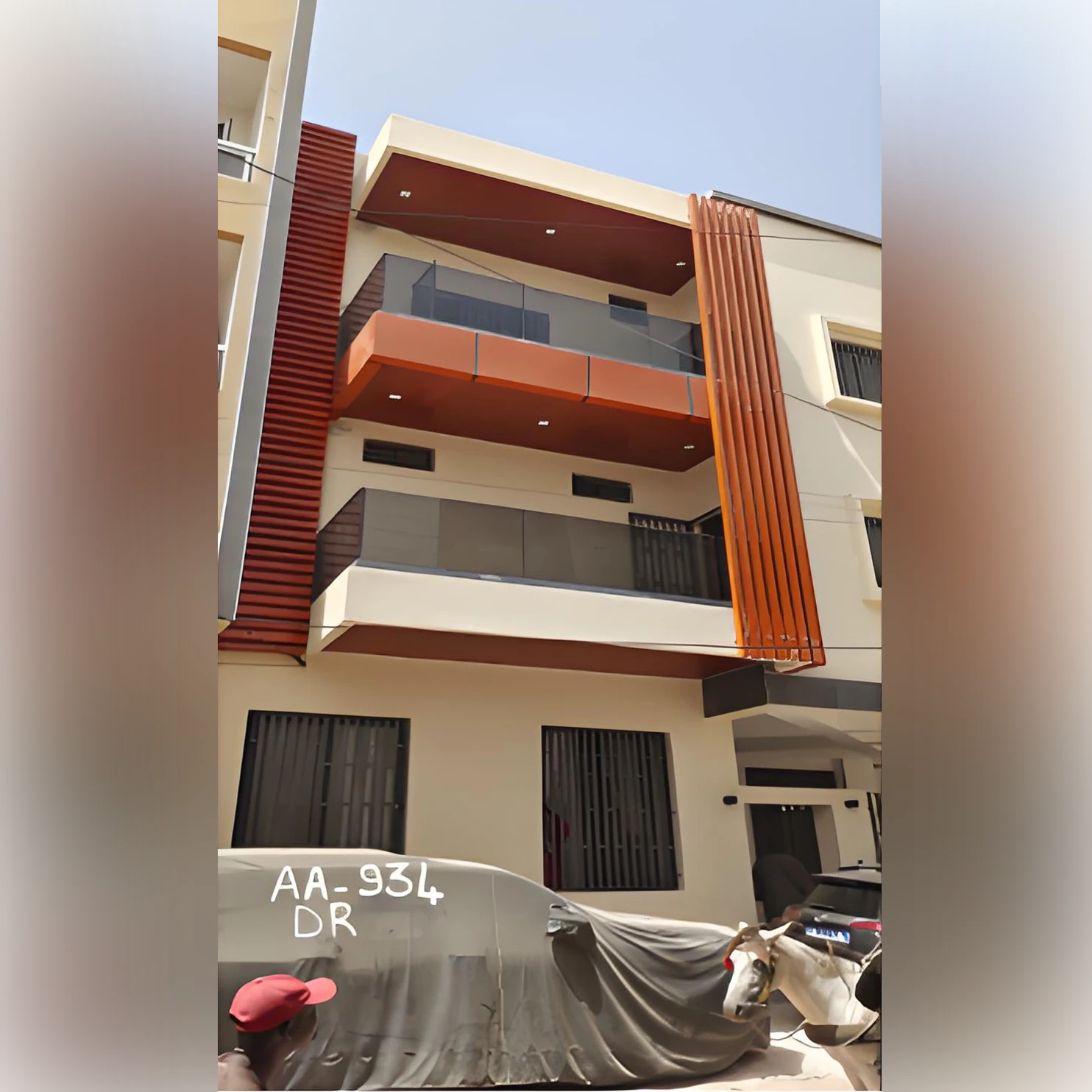
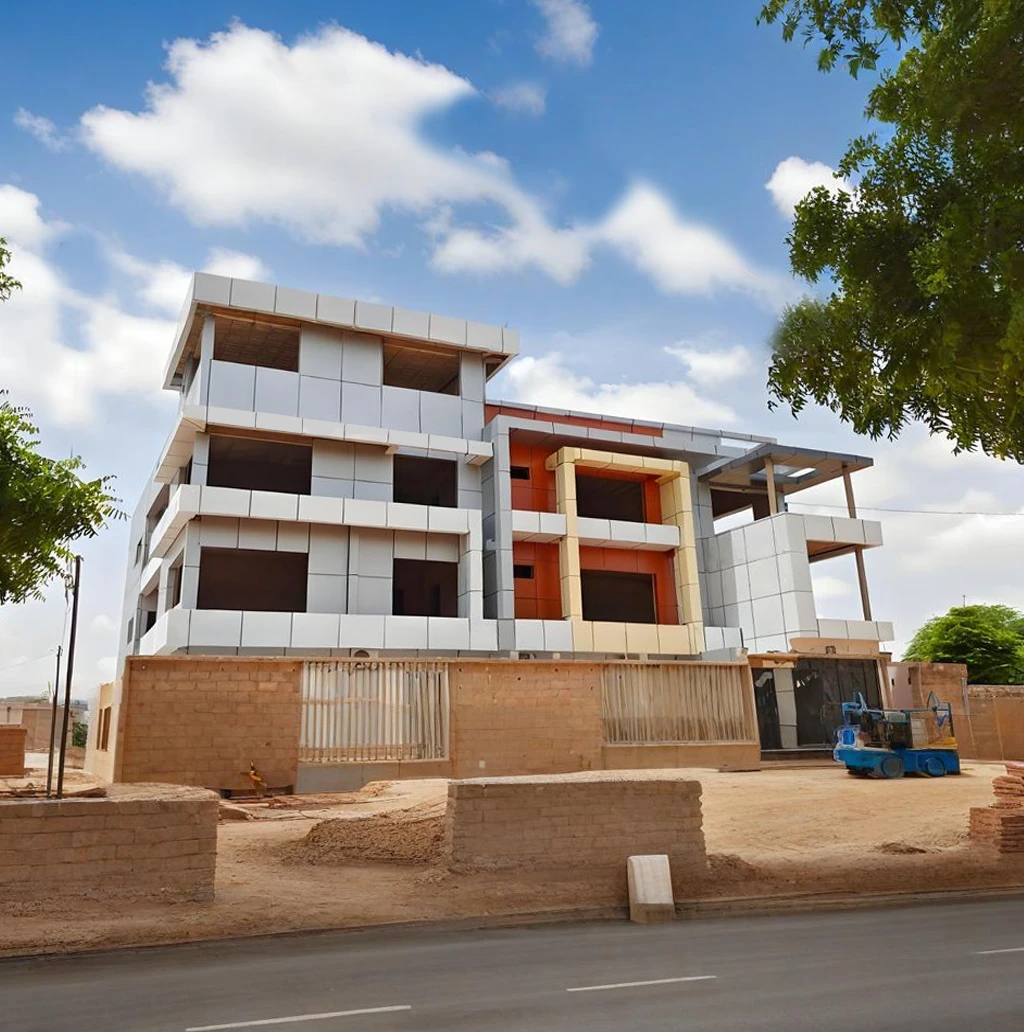
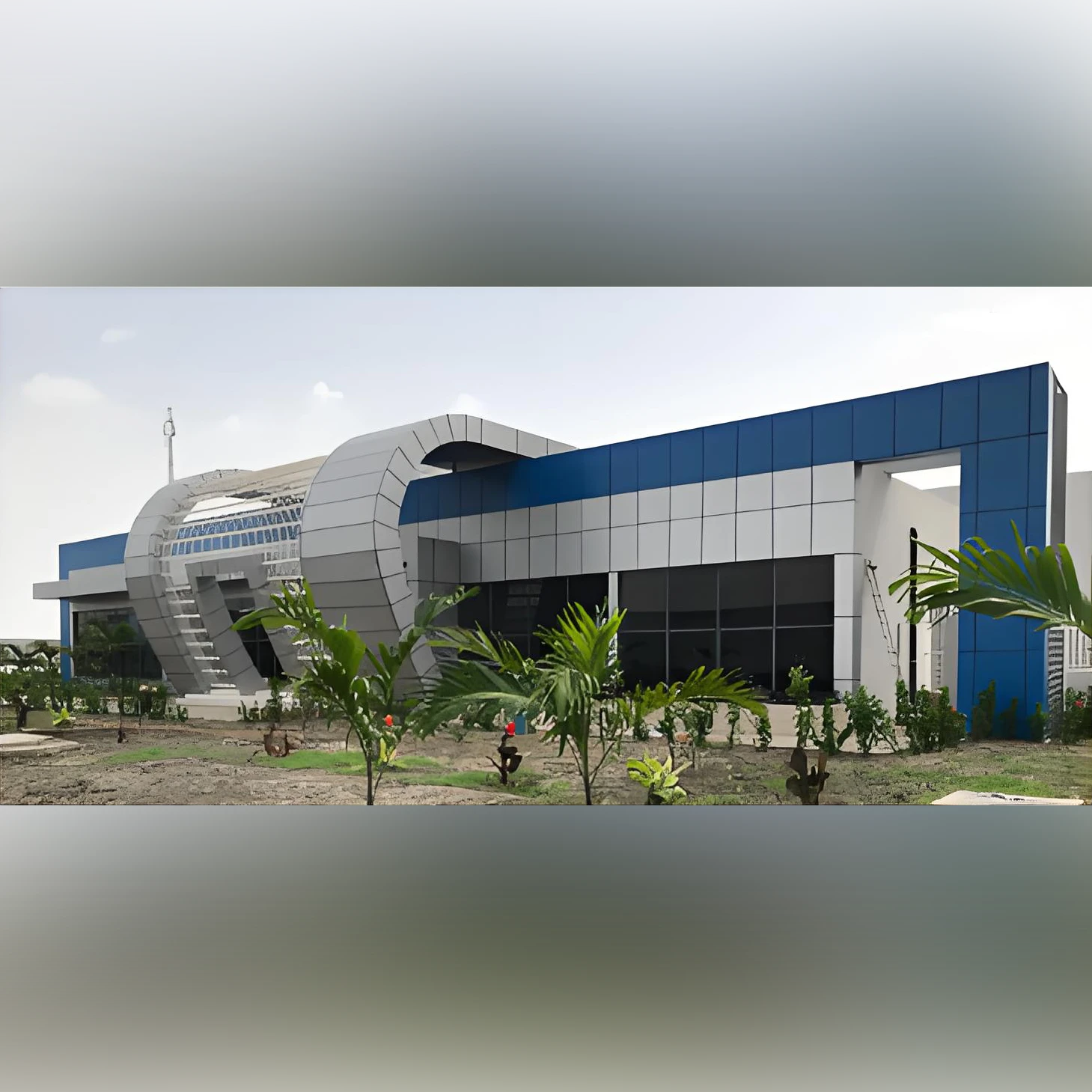
- In industrial zones,aluminium facade cladding with passed chemical resistance testing resists industrial exhaust corrosion. Our products have been used in a chemical park, maintaining intact appearance for 8 years without coating degradation.
- For coastal buildings, aluminium facade cladding passes saltwater immersion testing. It can withstand high-salt air erosion, with service life extended from 10 years to 15 years, suitable for seaside resorts and ports.
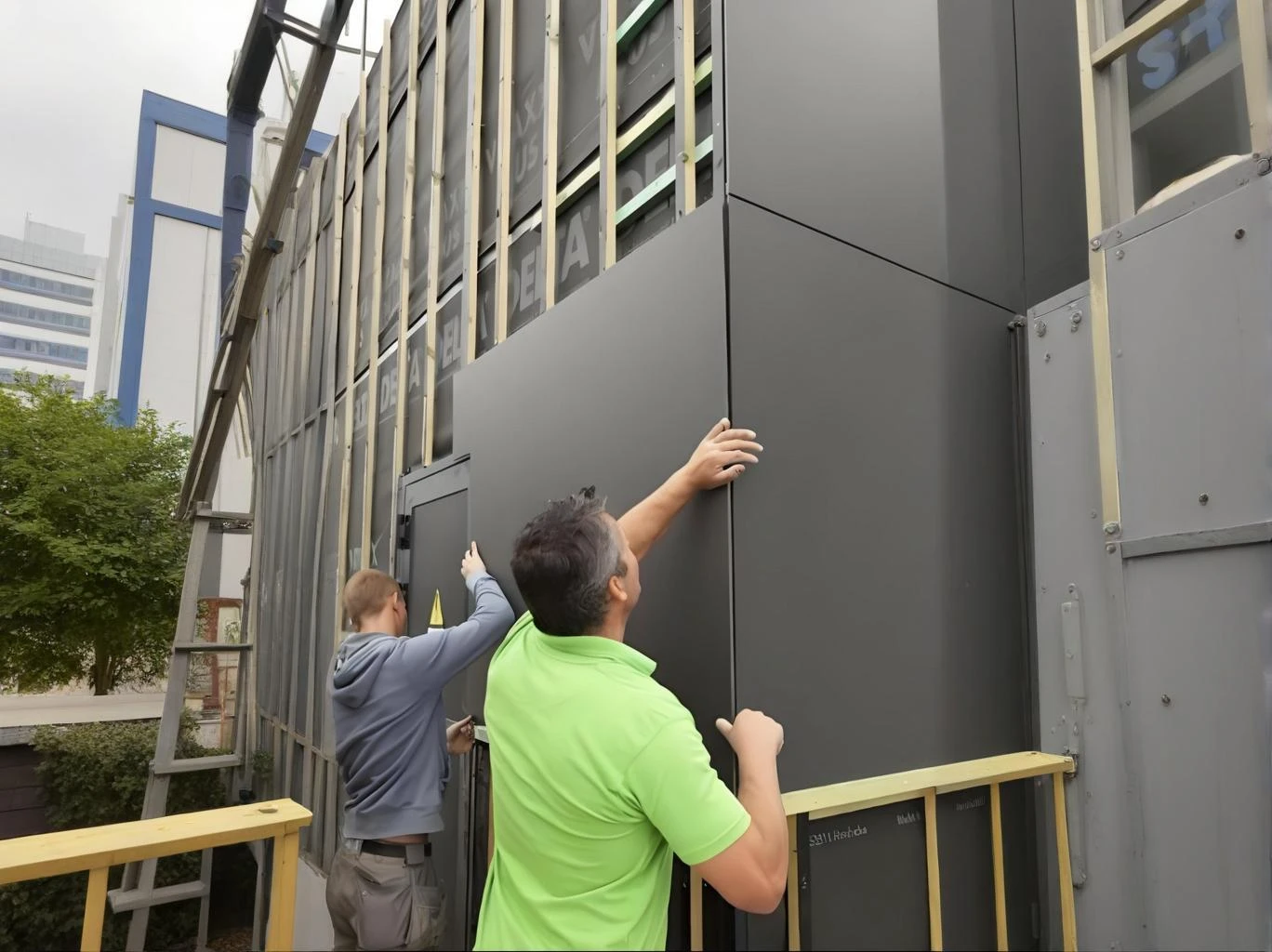
- In commercial areas, tested aluminium facade cladding resists cleaning agent damage. Shopping mall facades using our panels can be cleaned with common alkaline cleaners without discoloration, reducing maintenance costs.
Aluminum Facade Panels FAQS
What standards do you follow for aluminum facade panels chemical resistance testing?
We strictly follow international standards such as ASTM D1308 (acid resistance) and ISO 2812-4 (alkali resistance) for aluminum facade panels testing. Additionally, we refer to local architectural standards, such as GB/T 23443-2009 in China, to ensure products meet regional application requirements. Each test is recorded in detail, and customers can obtain complete test reports.
Is the chemical resistance testing different for aluminum facade cladding panel used in different environments?
Yes, testing is customized by environment. For aluminum facade cladding panel in industrial areas, we add organic solvent resistance testing; for coastal areas, we extend salt spray testing from 1000 hours to 2000 hours; for high-altitude areas, we increase acid rain concentration in tests. This targeted testing ensures product adaptability to specific scenarios.
Does chemical resistance testing increase the cost of aluminium facade cladding?
The additional cost is only 3-5% of the product price, but it brings long-term value. Qualified aluminium facade cladding reduces replacement frequency—for a 10,000㎡ building, the 15-year maintenance cost of tested products is 60% lower than that of untested ones. The testing cost is far offset by reduced later expenses.
Can you provide on-site chemical resistance testing for aluminum facade panels after installation?
Yes, we offer on-site testing services. Our technicians use portable gloss meters and adhesion testers to detect aluminum facade panels after installation, verifying whether the coating’s chemical resistance remains intact. This service is free for large projects and helps customers confirm product performance in actual working conditions.
How long does the chemical resistance testing take for customized aluminum facade cladding panel?
For standard customized aluminum facade cladding panel, the testing cycle is 7-10 days, including acid, alkali and basic solvent resistance tests. For special requirements (such as high-concentration chemical resistance), the cycle is extended to 12-15 days. We synchronize testing with production to avoid delaying the overall project schedule.