Are aluminum facade panels suitable for buildings in areas with frequent typhoons or strong winds
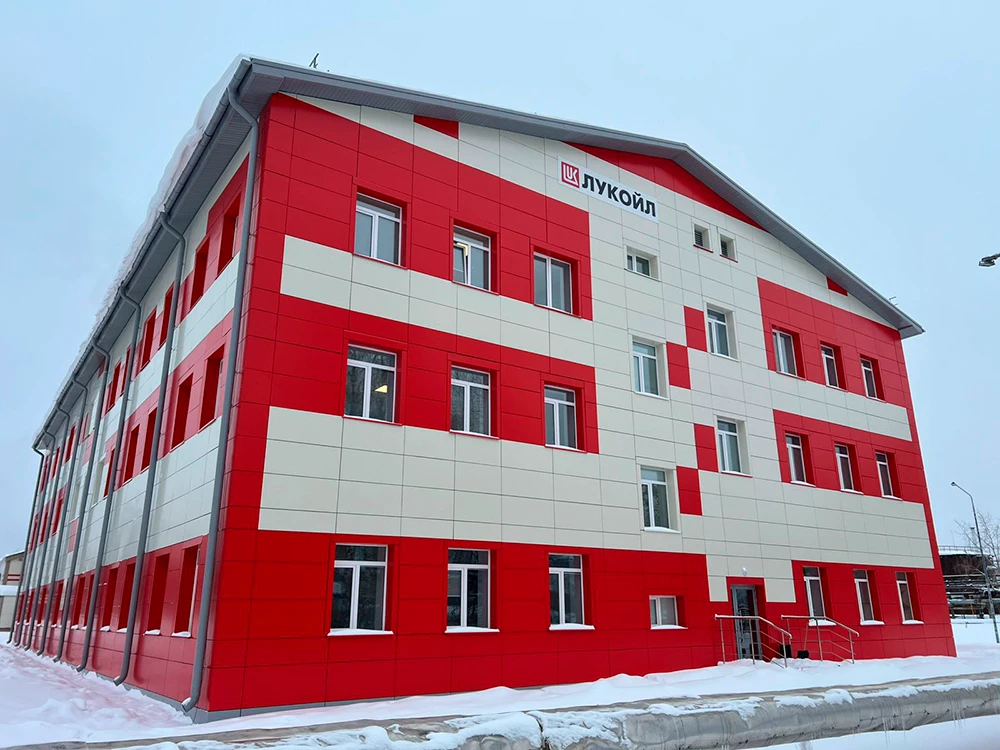
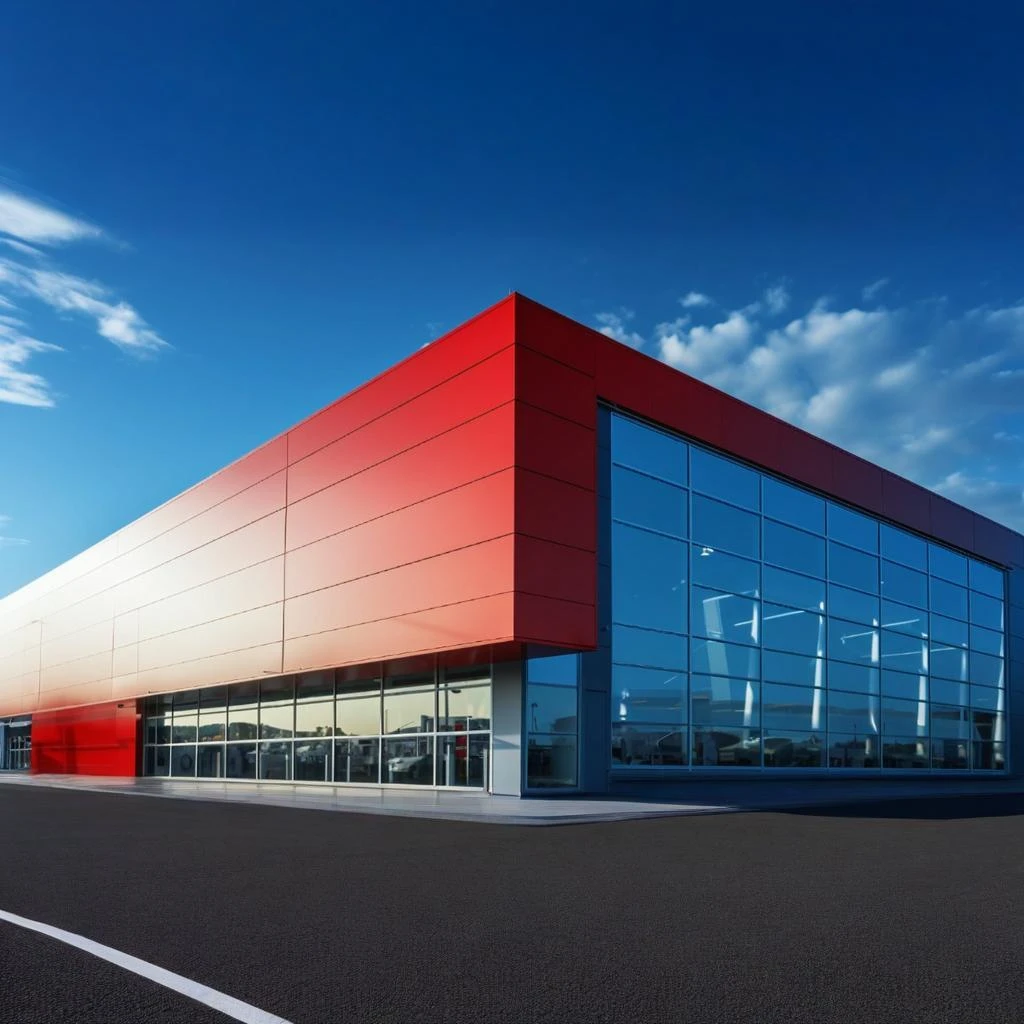
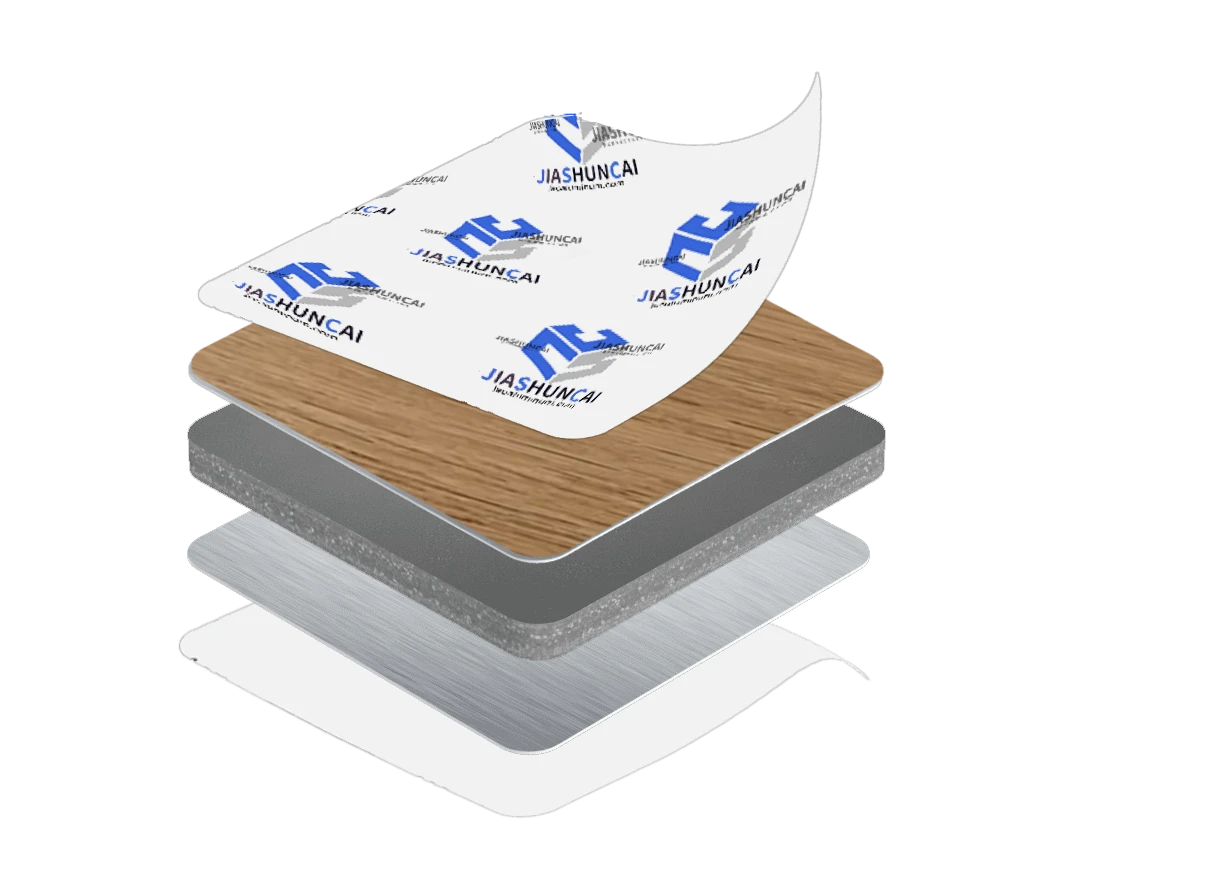
In regions prone to typhoons and strong winds, the selection of building materials is critical for ensuring structural integrity, safety, and longevity. The facade, being the first line of defense against harsh weather elements, must withstand extreme forces without compromising on aesthetics or functionality. Aluminum facade panels have emerged as a popular choice in modern architecture, particularly for their balance of durability, design flexibility, and performance under stressful conditions. JiaShunCai Aluminum Composite Panel (ACP), manufactured under an ISO9001 quality management system, exemplifies this versatility. Similar to ALUCOBOND in Europe and Africa, it consists of aluminum sheets on both sides with a PE core and a beautiful PE or PVDF coating. This material is ideal for various applications, including commercial buildings, hotels, office structures, advertising billboards, and interior uses, thanks to its ability to be shaped into curves, curved corners, routed edges, grooves, and punched designs. This article explores the suitability of such aluminum facade panels for wind-prone areas, drawing on the specific attributes of JiaShunCai ACP to provide a comprehensive analysis.
The Resilience of Aluminum Facade Panels in Typhoon-Prone Zones
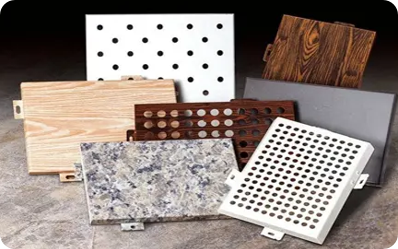
When evaluating materials for buildings in typhoon-affected regions, the focus is on strength, weight, and resistance to deformation. Aluminum facade panels, like those from JiaShunCai, offer several advantages in this context. Below are key points highlighting their resilience:
- High Strength-to-Weight Ratio: These panels are lightweight yet robust, reducing the overall load on the building structure while providing sufficient strength to resist wind pressures. This is crucial in typhoon zones where heavy materials can increase stress on foundations.
- Impact Resistance: The aluminum sheets and PE core in JiaShunCai ACP absorb and distribute impact energy, minimizing damage from flying debris during storms. This composite structure enhances durability without adding excessive weight.
- Corrosion and Weather Resistance: With a PE or PVDF coating, these panels exhibit exceptional weather resistance. They withstand UV rays, acid rain, and atmospheric pollution, maintaining their appearance and structural integrity over time, even in coastal areas with salty air.
- ISO9001 Quality Assurance: Manufactured under strict quality controls, JiaShunCai ACP ensures consistency in performance, which is vital for withstanding repeated exposure to strong winds and typhoons.
These properties make aluminum facade panels a reliable option for enhancing building safety in high-wind environments, aligning with modern architectural demands for materials that combine functionality with longevity.
Enhancing Building Safety with Aluminium Facade Cladding
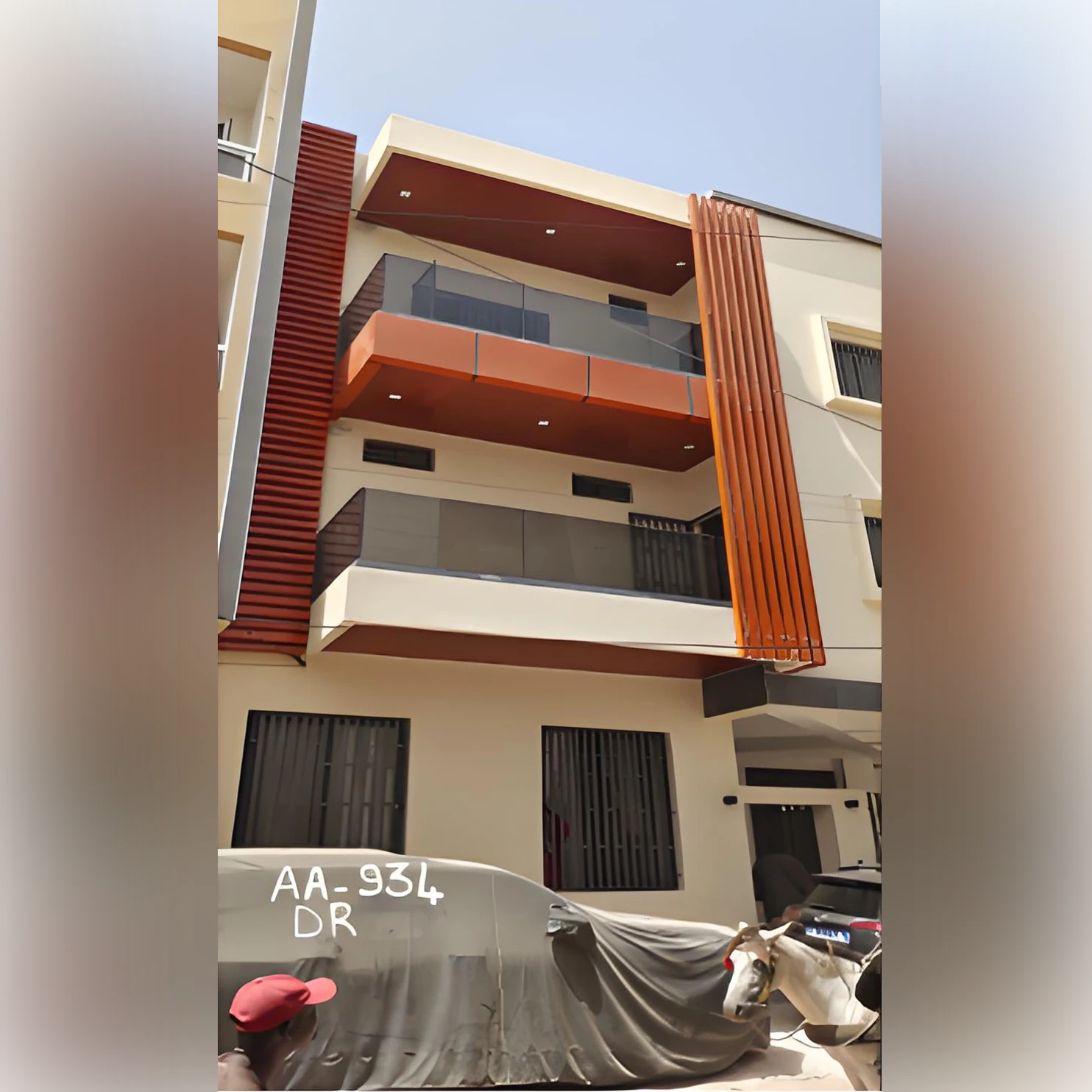
Aluminium facade cladding serves as a protective layer that shields buildings from environmental hazards, including typhoons and strong winds. JiaShunCai ACP, with its specific design and material composition, contributes significantly to building safety. The following points detail its benefits:
- Wind Load Management: The cladding system is engineered to handle high wind loads by distributing forces evenly across the facade. This prevents localized failures and ensures the building envelope remains intact during storms.
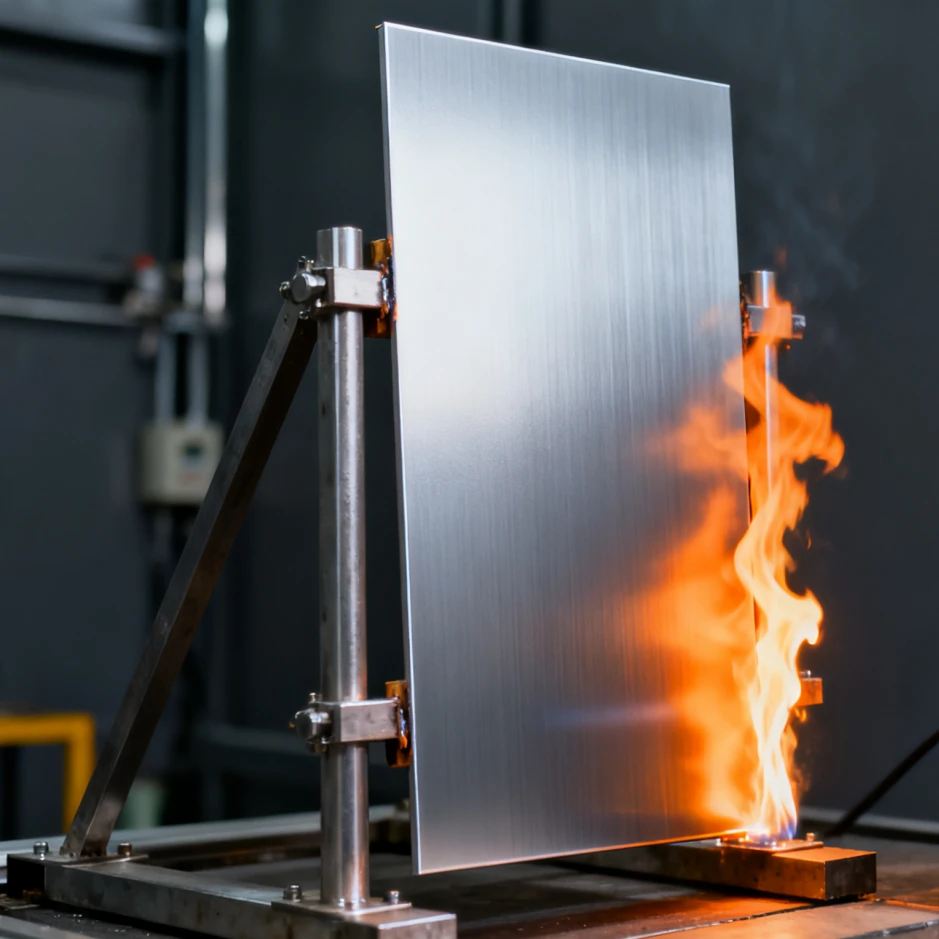
- Fire-Resistant Properties: In addition to wind resistance, aluminium facade claddingfrom JiaShunCai offers outstanding fire resistance. The coatings can endure temperatures up to 300°C, meeting A-grade fire safety standards, which is essential for overall building security in disaster-prone areas.
- Environmental Compliance: Conforming to SGS environmental standards, this cladding produces no harmful gases upon high-temperature combustion, supporting green building initiatives and ensuring a safe indoor and outdoor environment.
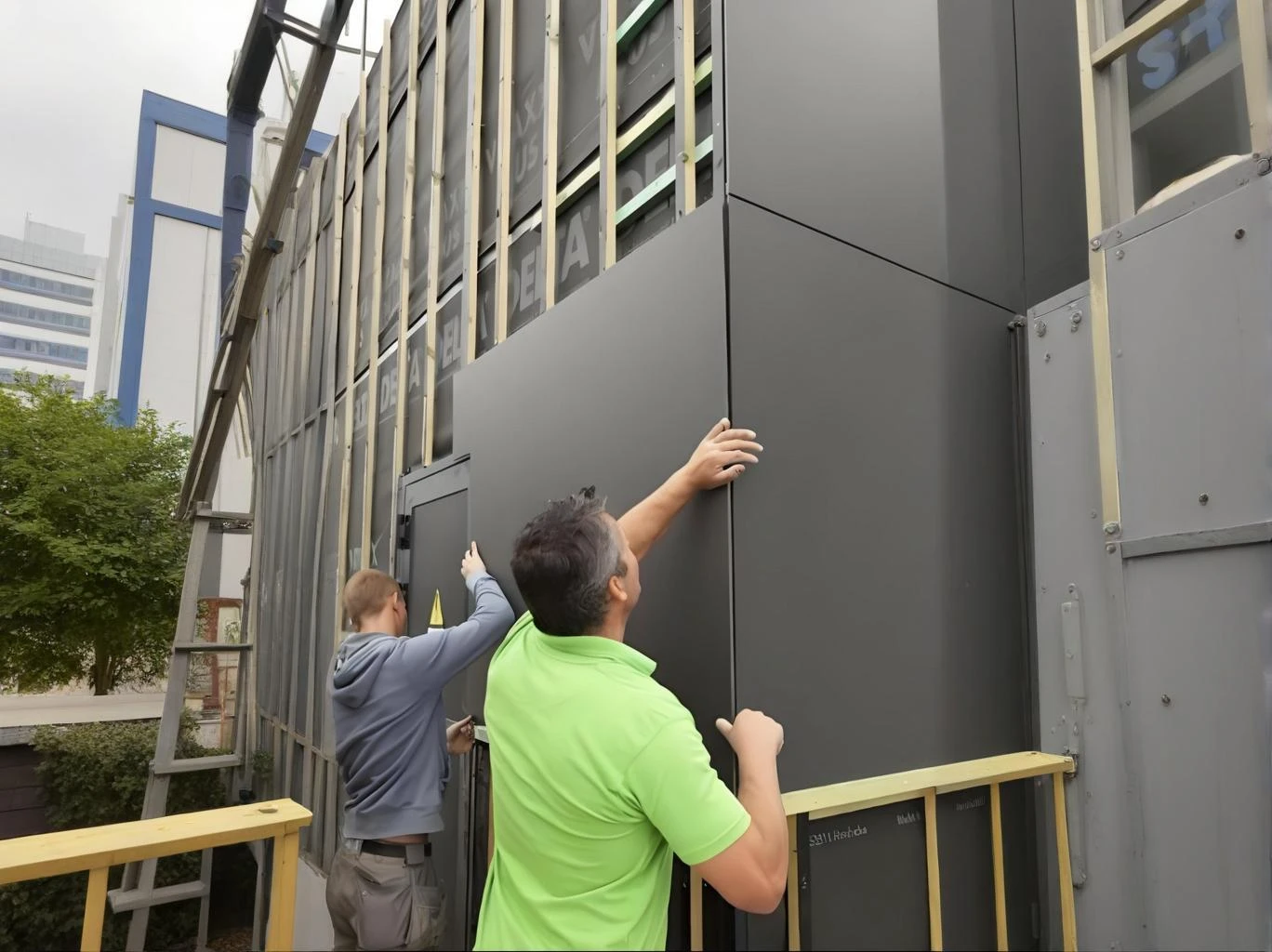
- Ease of Installation and Maintenance: The cladding can be efficiently installed and maintained, reducing downtime and costs associated with post-storm repairs. Its durability means less frequent replacements, which is economical for buildings in frequently affected regions.
By integrating such aluminium facade cladding, architects and builders can enhance the resilience of structures, providing peace of mind in areas susceptible to severe weather events.
Innovative Aluminium Facade Design for Wind Load Management
The design flexibility of aluminium facade design plays a pivotal role in optimizing buildings for typhoon and high-wind conditions. JiaShunCai ACP allows for creative yet practical designs that improve aerodynamics and reduce wind resistance. Key aspects include:
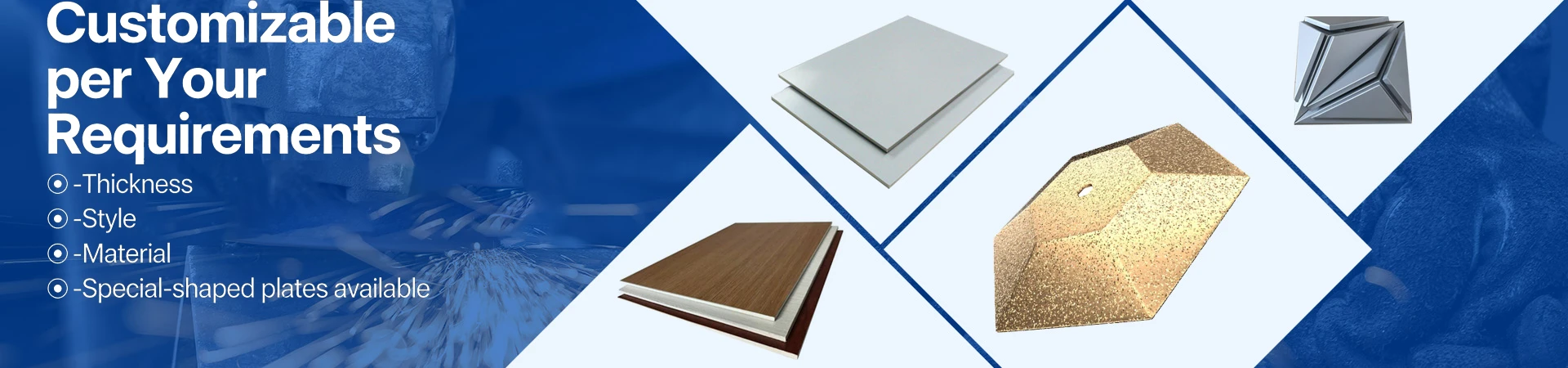
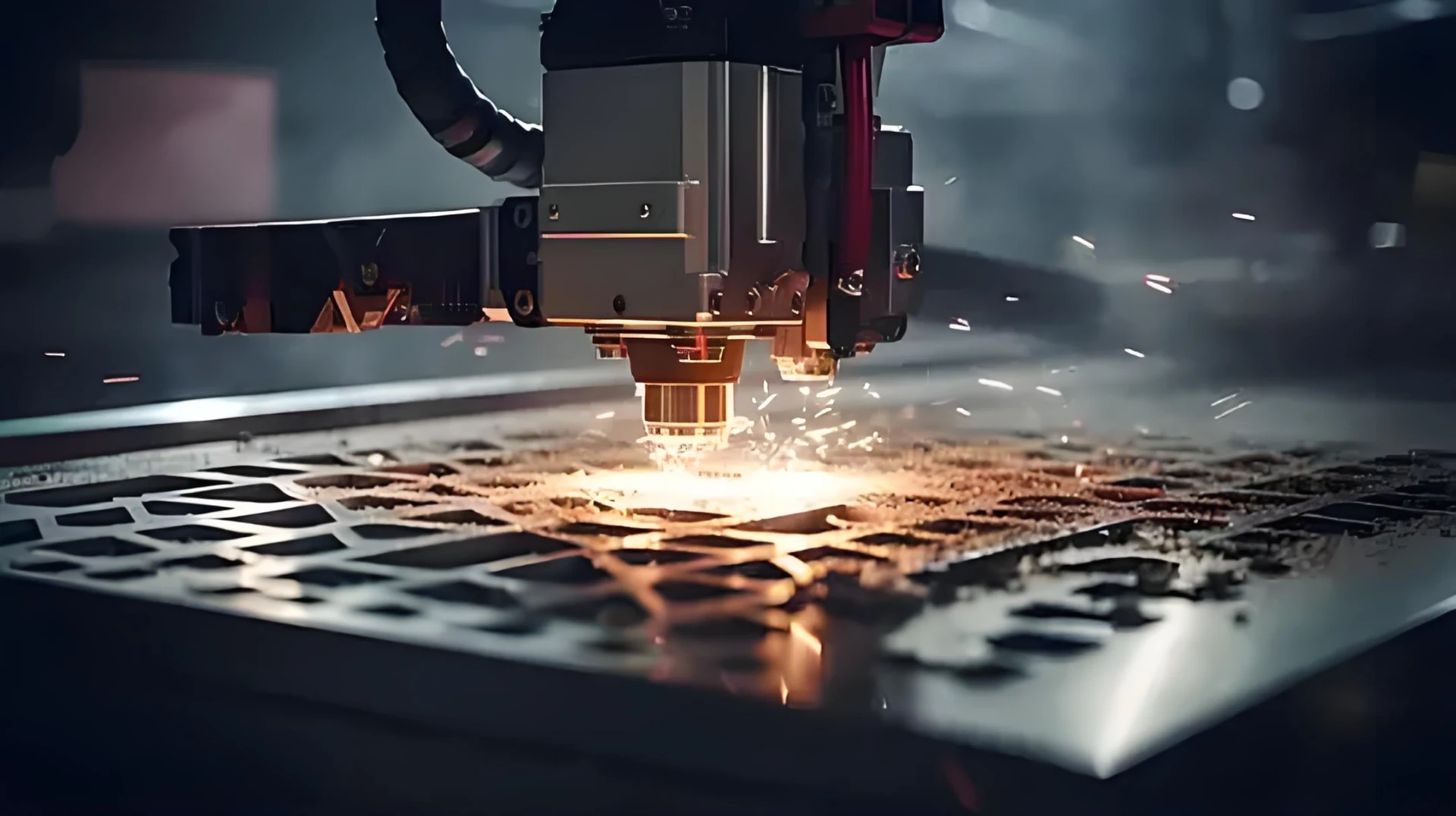
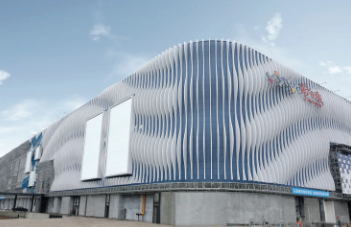
- Customizable Shapes and Forms: Through techniques like curving, grooving, and punching, these panels can be tailored to specific architectural needs. For instance, curved designs can deflect wind more effectively, reducing pressure buildup on the facade.
- Aerodynamic Efficiency: Advanced aluminium facade designcan incorporate features that minimize wind turbulence, such as routed edges or perforated patterns. This not only enhances aesthetic appeal but also functional performance in stormy climates.
- Integration with Structural Systems: The panels can be seamlessly integrated with other building components, such as frames and anchors, to create a cohesive system that withstands dynamic loads. This versatility supports innovative solutions for complex architectural projects.
- Aesthetic and Functional Balance: Despite the focus on wind resistance, the design maintains visual appeal, with coatings that resist fading and aging. This ensures that buildings remain attractive while meeting stringent safety standards.
Such innovative approaches in aluminium facade design demonstrate how materials like JiaShunCai ACP can be adapted to meet the unique challenges of wind-prone areas, without sacrificing design integrity.
FAQs about Aluminum Facade Panels
How do aluminum facade panels maintain their integrity under typhoon-force winds?
JiaShunCai aluminum facade panels are designed with a composite structure that includes aluminum sheets and a PE core, providing excellent tensile strength and flexibility. This allows them to absorb and dissipate wind energy, reducing the risk of cracking or detachment. The ISO9001 manufacturing process ensures consistent quality, making them reliable even in extreme conditions like typhoons.
What advantages does aluminium facade cladding offer for buildings in frequently windy areas?
Aluminium facade cladding from JiaShunCai enhances building safety by acting as a durable barrier against wind-driven rain and debris. Its weather-resistant coatings protect against UV rays and corrosion, while the fire-resistant properties add an extra layer of security. This cladding is also easy to install and maintain, making it a cost-effective choice for long-term use in storm-prone regions.
Can aluminium facade design be customized to improve performance in high-wind zones?
Yes, aluminium facade design with JiaShunCai ACP is highly customizable. Panels can be shaped into curves, angles, and perforated patterns to optimize aerodynamics and reduce wind load. This design adaptability allows architects to create facades that not only look modern but also enhance structural resilience in areas with frequent strong winds.
Are aluminum facade panels environmentally friendly besides being wind-resistant?
Absolutely. JiaShunCai aluminum facade panels conform to SGS environmental standards, ensuring they are eco-friendly. They produce no harmful emissions during high-temperature events and are made from recyclable materials, supporting sustainable building practices while providing durability in windy climates.
How does the installation of aluminium facade cladding contribute to overall building safety in typhoon-affected regions?
The installation of aluminium facade cladding involves secure anchoring systems that distribute wind forces evenly across the building structure. This, combined with the material's impact and fire resistance, significantly boosts overall safety by preventing facade failures and containing potential hazards during typhoons, ensuring occupant protection and structural longevity.
In conclusion, aluminum facade panels, such as those produced by JiaShunCai, are highly suitable for buildings in areas with frequent typhoons or strong winds. Their combination of strength, lightweight properties, and design versatility addresses the core challenges of wind resistance, while additional features like fire resistance and environmental compliance enhance overall building safety and sustainability. The ability to customize aluminium facade cladding and aluminium facade design further ensures that these panels can be tailored to specific architectural and climatic needs, providing a reliable solution that balances aesthetics with performance. As the construction industry continues to prioritize durability and safety in disaster-prone regions, materials like JiaShunCai ACP stand out for their proven capabilities and adherence to high-quality standards.