In recent years, pricing has become one of the most discussed topics in the construction and decoration industry. Buyers are no longer satisfied with simply knowing a material is “good”; they want to clearly understand what they are paying for and why. From contractors and distributors to individual project owners, everyone wants materials that balance cost, durability, and appearance. Aluminum-based cladding products have therefore become a novel hot topic, especially when people compare different panel types, surface treatments, and application scenarios. Price transparency and practical value are now central to purchasing decisions, and aluminum composite solutions sit right at the center of this discussion.
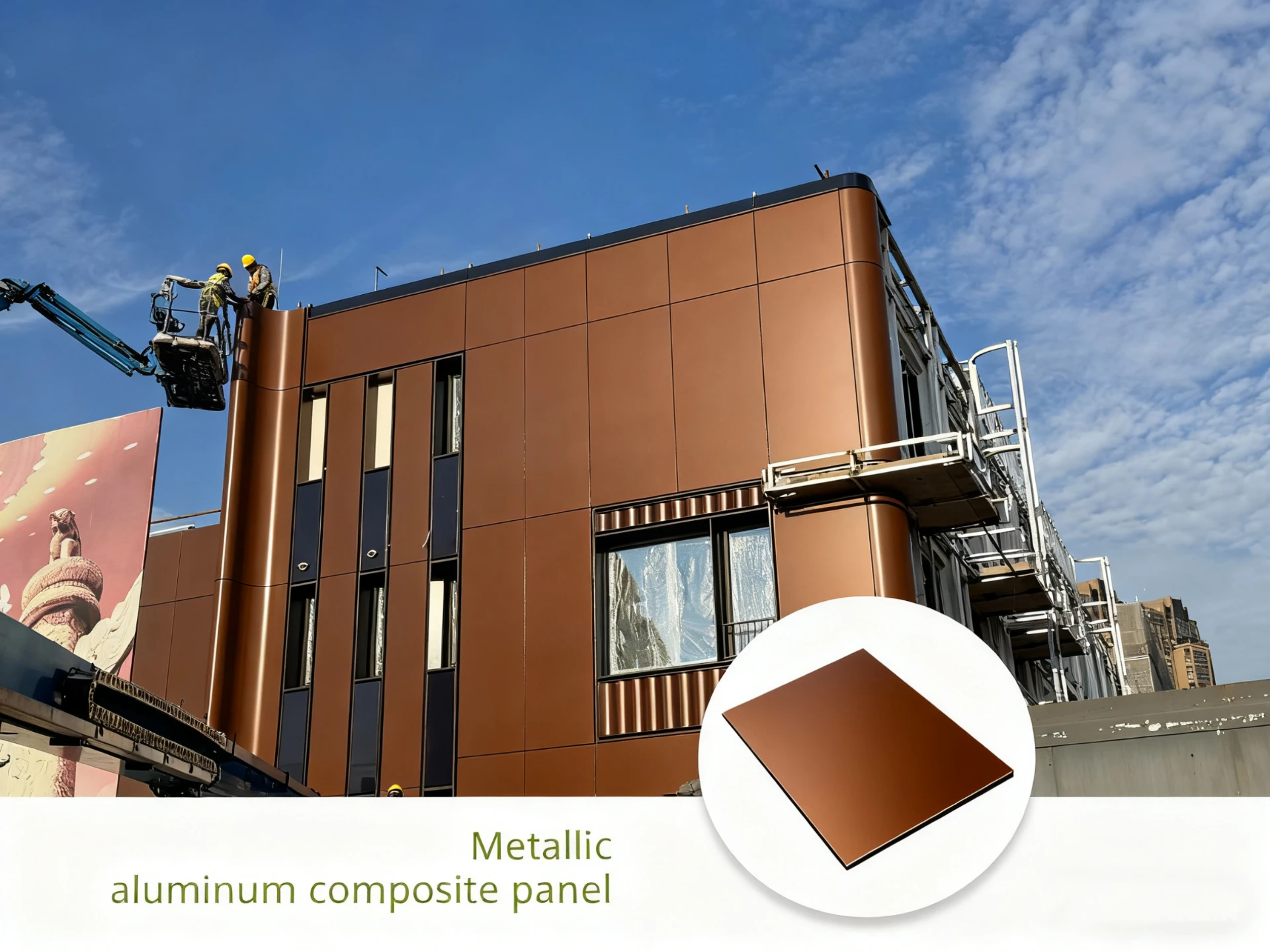
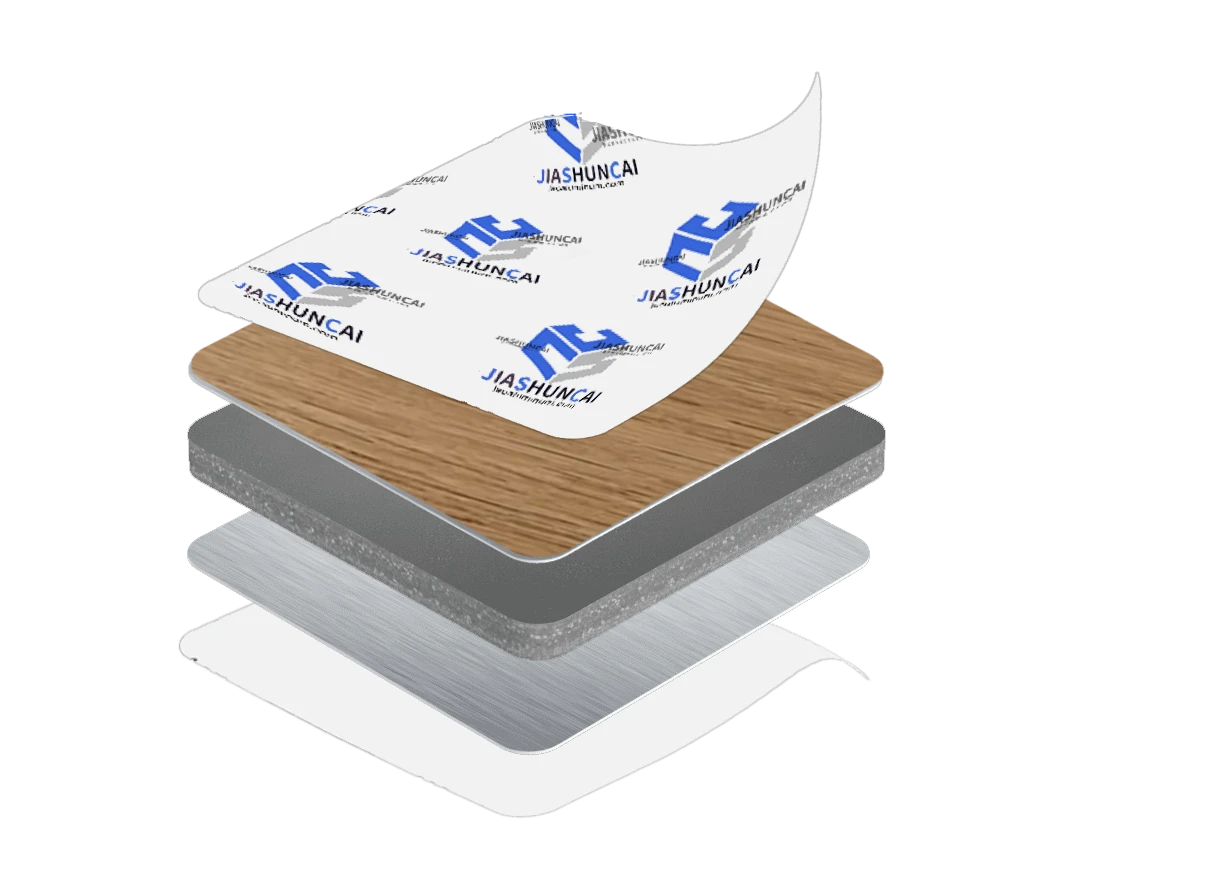
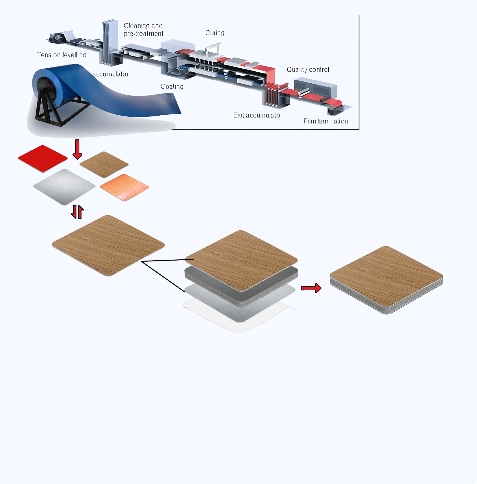
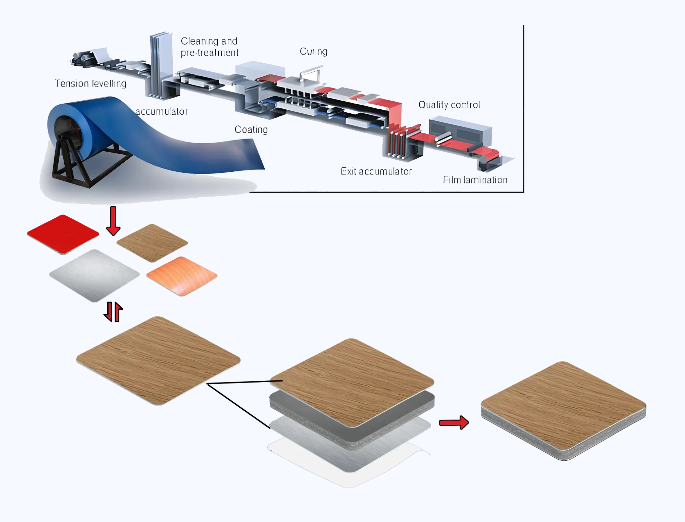
The aluminum composite panel consists of three components: the aluminum plate, the plastic core material, and the back coating. The aluminum plate is typically crafted from high-quality aluminum alloy, which, after surface treatment, exhibits anti-corrosion, anti-oxidation, and excellent weather resistance. Surface coatings are available in two primary types: PE (polyethylene) and PVDF (polyvinylidene fluoride). PE coatings are suitable for indoor and short-term outdoor applications, whereas PVDF coatings are designed for long-term outdoor use, offering superior weather resistance and anti-pollution properties. Selecting the appropriate coating type based on project requirements and budget significantly impacts the performance and longevity of the aluminum composite panel.
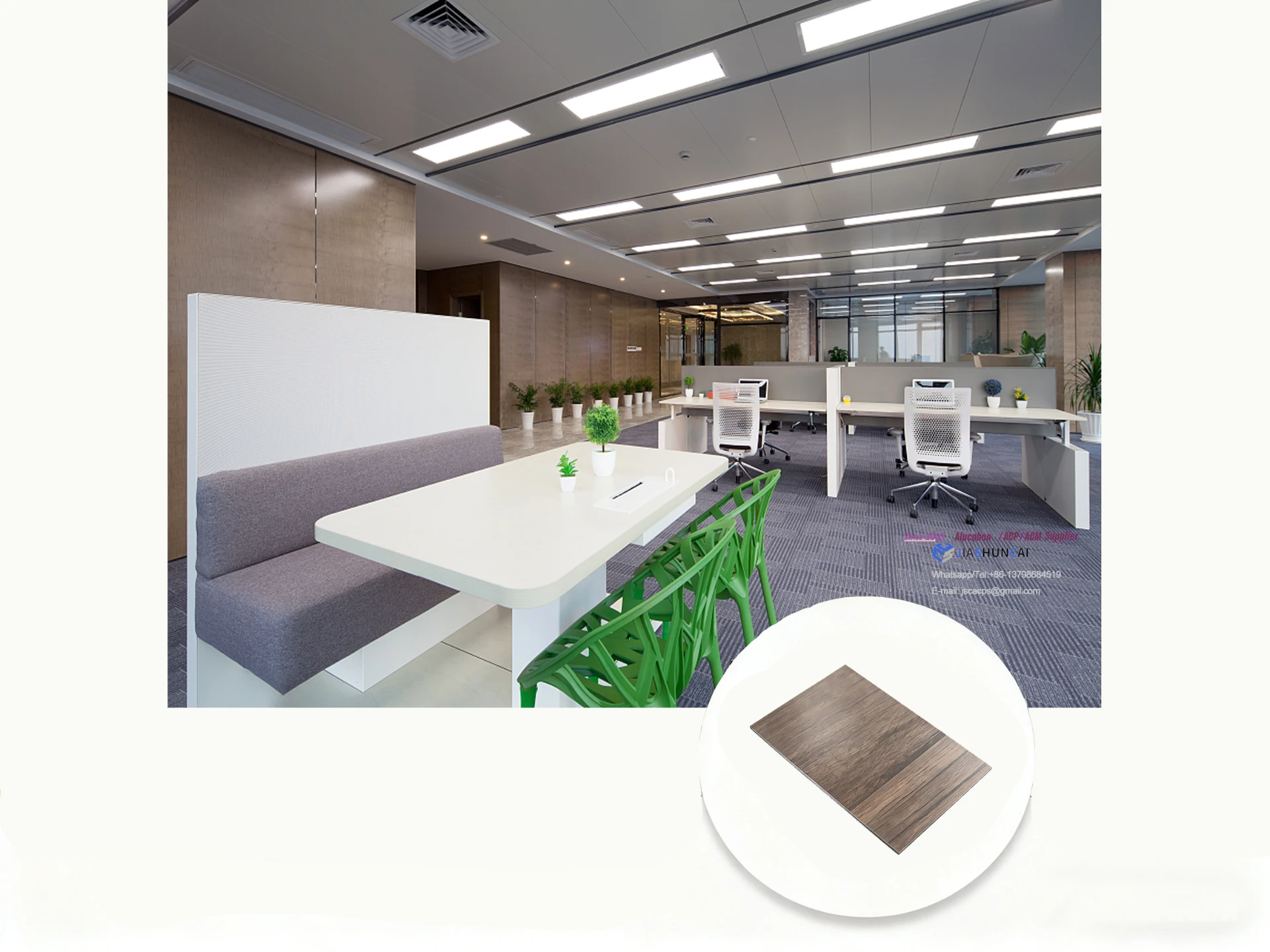
A wide range of surface treatments, colors, and specifications are available to suit various project requirements. Additionally, aluminum composite panels can be custom-designed to enhance the aesthetic appeal and uniqueness of the building. Compared with traditional aluminum panels and glass curtain walls, aluminum composite panels provide enhanced durability and resistance to UV radiation, moisture, and temperature fluctuations. They are lightweight, easy to install, flexible in design, and energy efficient. With minimal maintenance and strong corrosion resistance, they offer long-term cost-effectiveness. For exterior wall decoration, aluminum composite panels weigh approximately 5–6 kg/m², making transportation and installation easier while maintaining good thermal insulation, sound insulation, and fire resistance. These advantages explain why price-related discussions around aluminum composite products remain practical, popular, and highly relevant.
How ACP Panel Price Reflects Real Project Value
The acp panel price is often the first thing buyers ask about, but it should never be viewed in isolation. In real projects, price reflects a combination of material quality, coating type, thickness, and performance lifespan. A lower upfront price may seem attractive, but if the panel fades, deforms, or requires replacement after a few years, the overall cost quickly increases. This is why experienced buyers focus on long-term value rather than the cheapest option.
In everyday construction, acp panel price is closely tied to practical performance. Panels with stable cores, reliable bonding, and consistent surface coatings tend to maintain their appearance for years with minimal maintenance. For commercial buildings such as shopping malls or office complexes, this stability translates into fewer repairs and lower ongoing costs. When buyers evaluate price from a usage perspective, they often find that a slightly higher initial investment brings better returns over time.
From a market standpoint, the acp panel price also reflects supply stability and manufacturing standards. Products from established suppliers usually offer more consistent quality control, which reduces the risk of project delays or material defects. For distributors and contractors, this reliability is just as important as the number on the price list, making balanced pricing a key factor in purchasing decisions.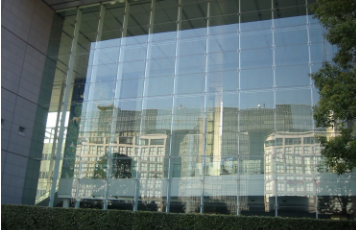
What Affects ACP Aluminium Composite Panel Price Choices
The acp aluminium composite panel price is influenced by several practical factors that buyers should clearly understand before placing an order. One of the most important factors is the surface coating. Panels with PVDF coating generally cost more than those with PE coating, but they are designed for long-term outdoor use and better resistance to weather and pollution. Choosing the right coating based on project needs directly affects cost efficiency.
Thickness and aluminum alloy grade also play a role in acp aluminium composite panel price. Thicker aluminum skins and higher-grade alloys provide better strength and durability, which is especially important for exterior cladding on high-rise buildings. While this increases the unit price, it also improves safety and service life, reducing long-term risk for building owners.
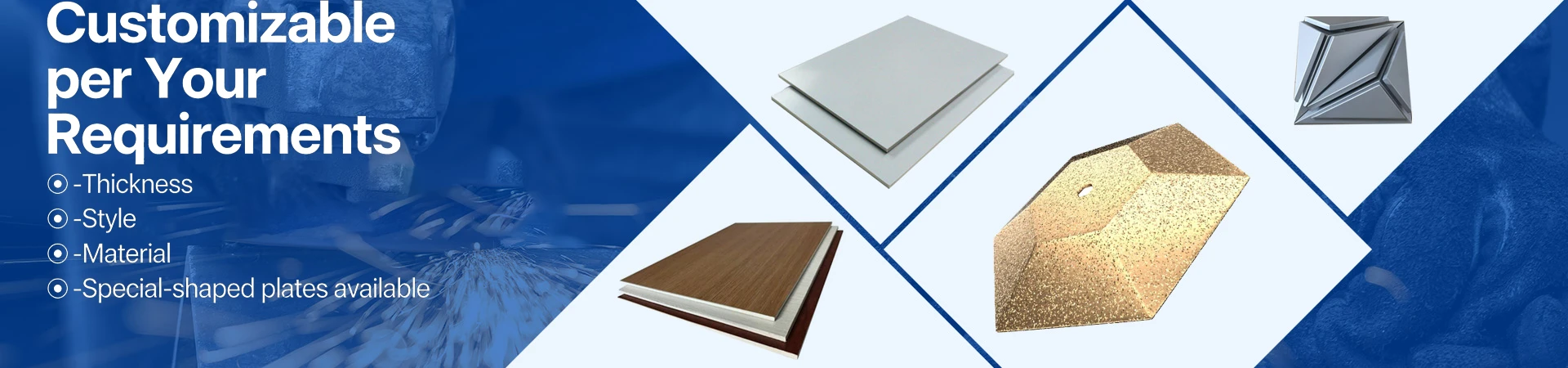
Customization is another factor buyers often consider. Special colors, textures, or sizes can slightly raise the acp aluminium composite panel price, but they also enhance the visual identity of a building. For projects that prioritize brand image or architectural uniqueness, this added cost is often justified. Understanding these factors helps buyers make informed, practical decisions rather than focusing only on the lowest quotation.
Understanding Aluminium Composite Price In Daily Applications
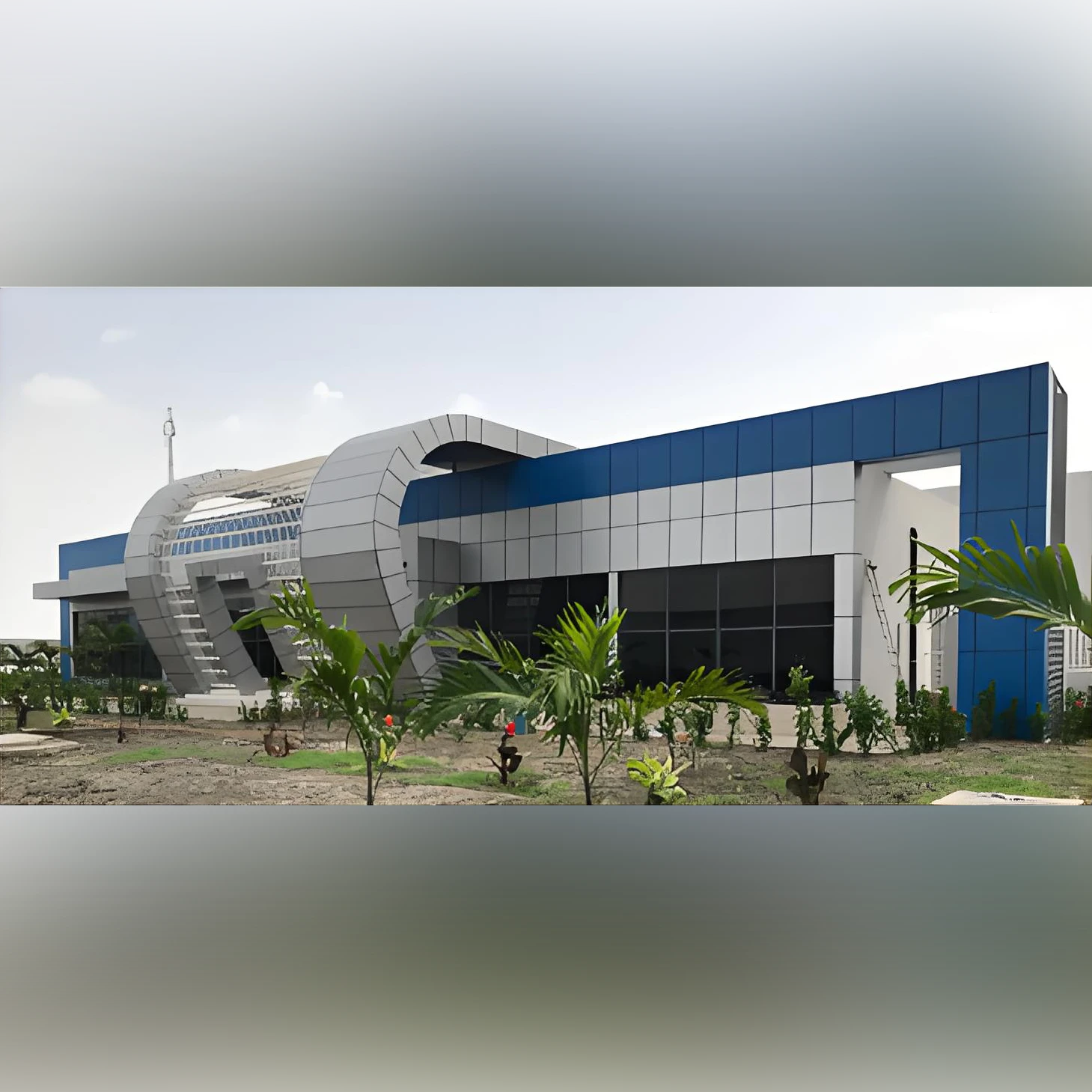
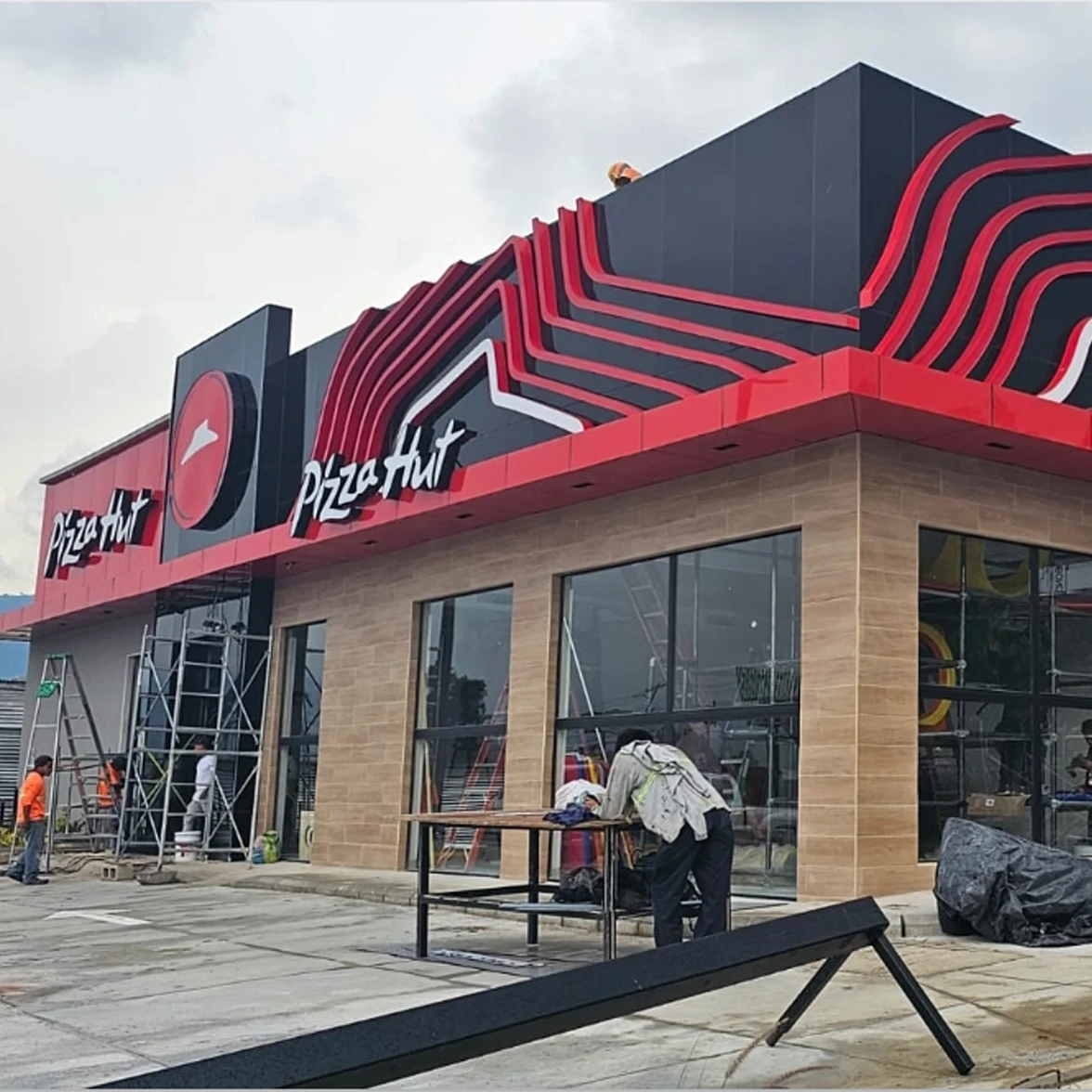
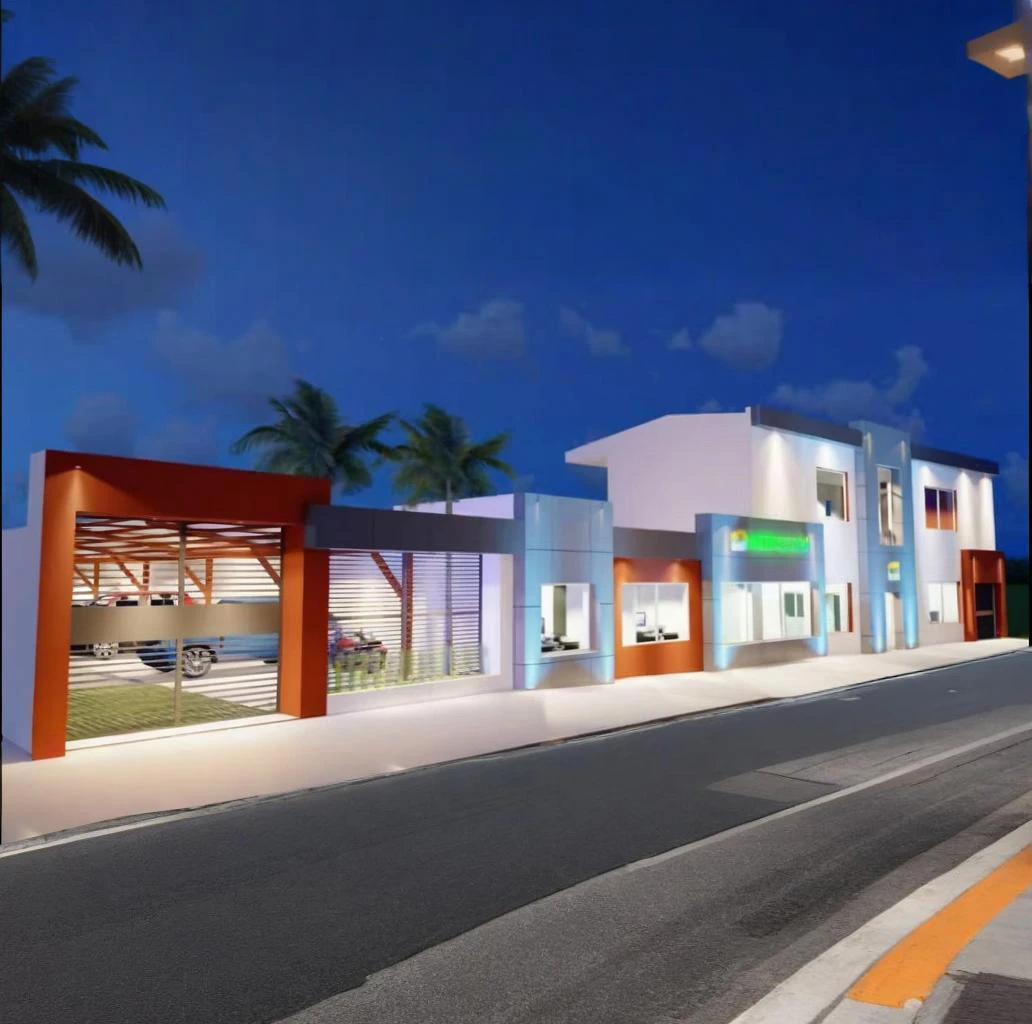
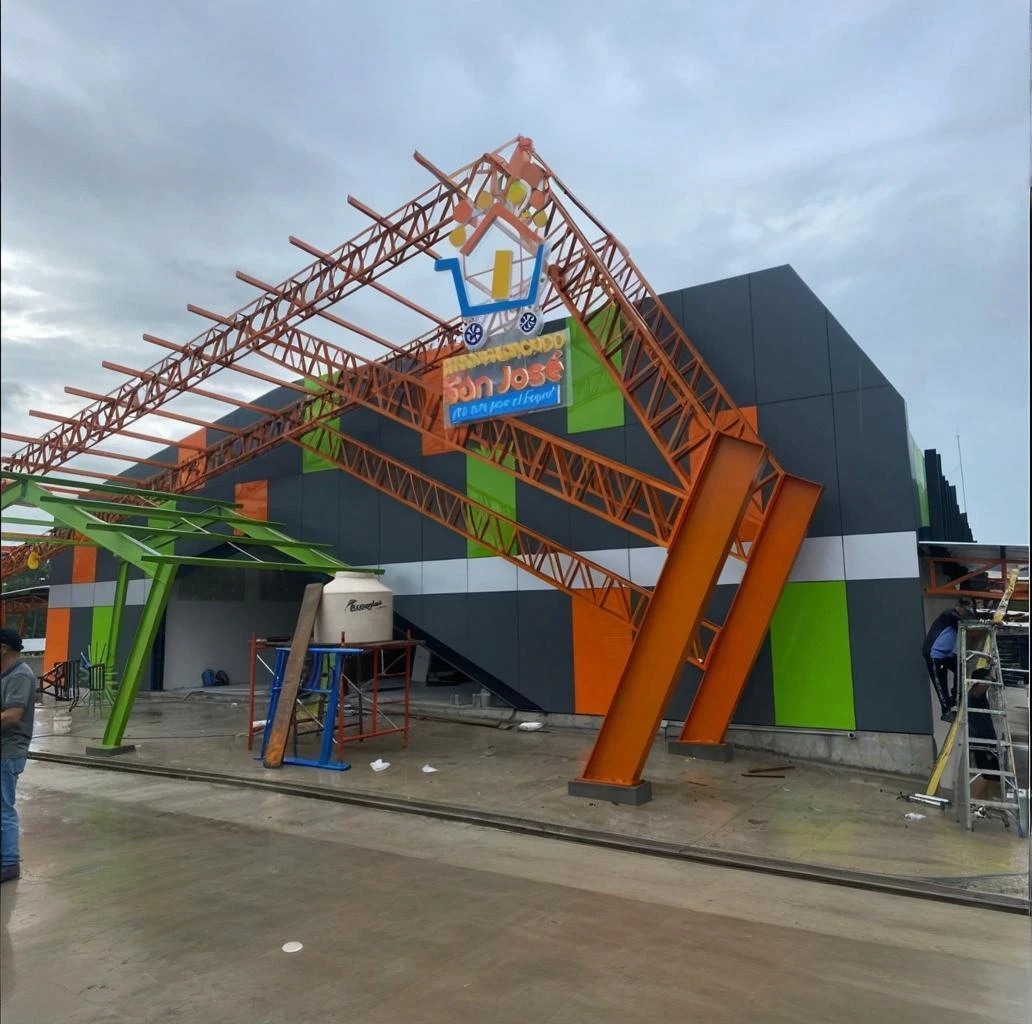
The aluminium composite price is widely discussed because these panels are used in so many everyday environments. From residential balconies and shopfronts to large transportation hubs, aluminum composite products are part of daily urban life. Their popularity comes from a balance of affordability, durability, and appearance, which makes the price point attractive across different project scales.
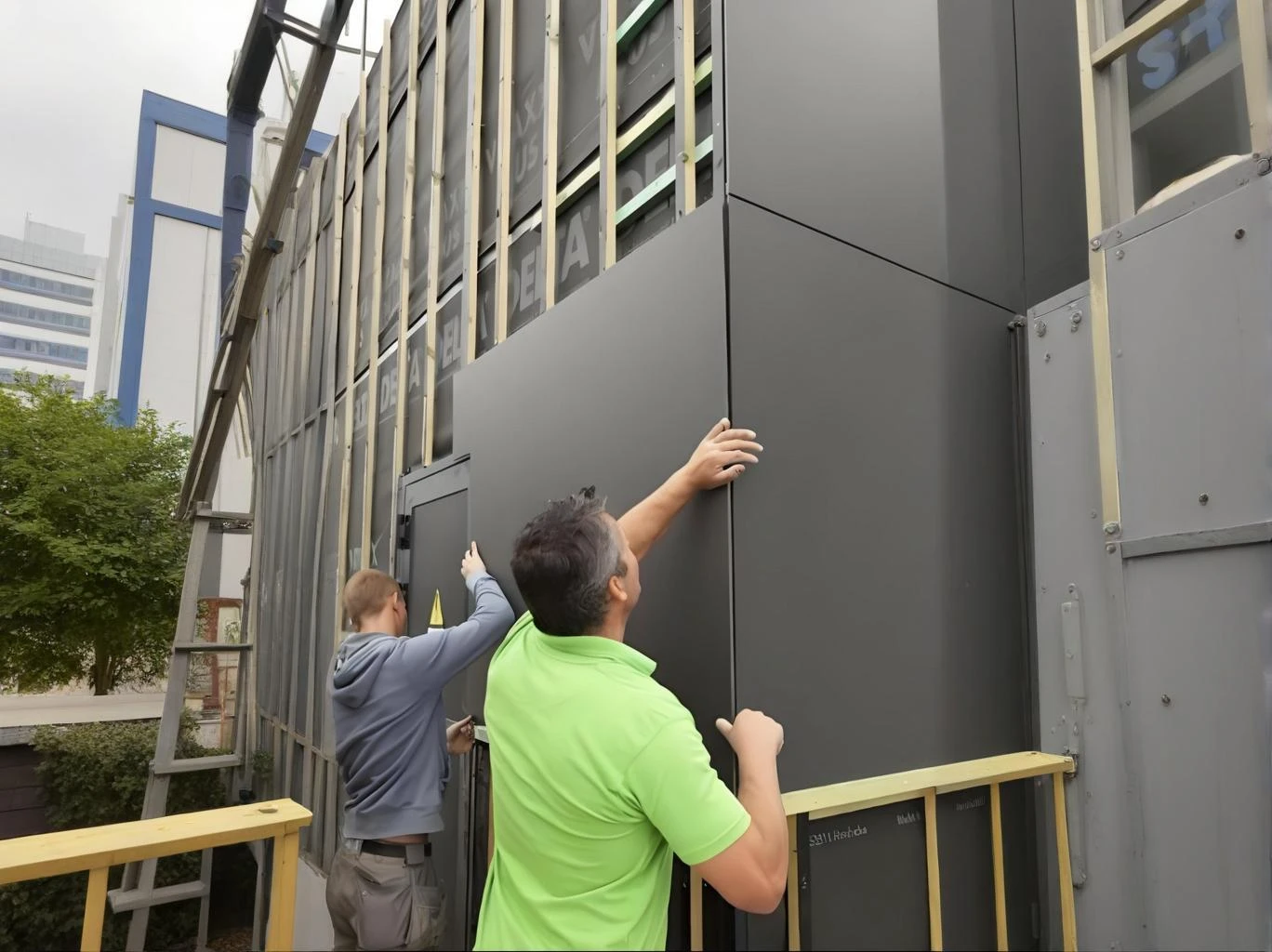
In daily applications, aluminium composite price is often compared with traditional aluminum panels or glass curtain walls. While those materials may offer certain advantages, they are usually heavier, more expensive to install, and less flexible in design. Aluminum composite panels, by contrast, reduce labor costs due to easy handling and quick installation. This overall cost advantage becomes especially clear in large-area projects.
Maintenance costs also influence how people perceive aluminium composite price. Because these panels resist corrosion and require only basic cleaning, long-term expenses remain low. For property managers and building owners, this predictable maintenance profile makes aluminum composite panels a practical and budget-friendly solution over the entire life cycle of the building.
Why Aluminium Cladding Panels Balance Cost And Performance
Aluminium cladding panels are widely chosen because they offer a strong balance between cost control and performance reliability. In modern construction, materials must meet safety standards, design expectations, and budget limits at the same time. Aluminum cladding solutions achieve this balance by combining lightweight structure with strong surface protection.
One of the biggest advantages of aluminium cladding panels is their ease of installation. Weighing significantly less than traditional cladding systems, they reduce structural load and speed up construction schedules. Faster installation means lower labor costs, which directly improves overall project economics. This practical benefit is one reason these panels are popular in budget-conscious projects.
From a performance perspective, aluminium cladding panels provide good thermal insulation, sound insulation, and fire resistance. These features contribute to energy efficiency and occupant comfort, which are increasingly important in modern buildings. When buyers look beyond unit price and consider performance benefits, aluminum cladding panels stand out as a cost-effective long-term choice.
Choosing Aluminium Cladding Sheet And FAQs For Buyers
The aluminium cladding sheet is often the final decision point for buyers who want a practical, widely accepted exterior solution. Understanding common questions helps buyers avoid confusion and choose products that truly fit their project needs.
What Is An Aluminium Cladding Sheet Commonly Used For?
An aluminium cladding sheet is commonly used for exterior walls, facades, interior decoration, and commercial building surfaces where durability and appearance are required.
Is Aluminium Cladding Sheet Suitable For Long-Term Outdoor Use?
Yes, aluminium cladding sheet products with proper surface coatings, especially PVDF, are suitable for long-term outdoor applications with strong weather resistance.
How Does Aluminium Cladding Sheet Compare In Cost?
Aluminium cladding sheet products are generally more cost-effective than traditional aluminum panels and glass curtain walls when considering installation and maintenance costs.
Does Aluminium Cladding Sheet Require Complex Maintenance?
No, aluminium cladding sheet surfaces are easy to clean and require only basic maintenance, helping keep long-term costs low.
Where Can Buyers Purchase Aluminium Cladding Sheet Products?
Buyers can purchase aluminium cladding sheet products by visiting professional manufacturers’ websites, checking product specifications, and contacting suppliers directly for quotations and samples.
In today’s competitive construction market, understanding price is about more than numbers—it is about value, performance, and reliability. Whether you are comparing acp panel price, evaluating aluminium composite price, or selecting aluminium cladding sheet solutions, informed choices lead to better project outcomes. If you are planning a new build or renovation, take time to explore trusted suppliers online, review product details, and communicate directly with manufacturers. Visiting company websites, requesting samples, and discussing project needs can help you secure the right product at the right price and move forward with confidence toward your purchase decision.