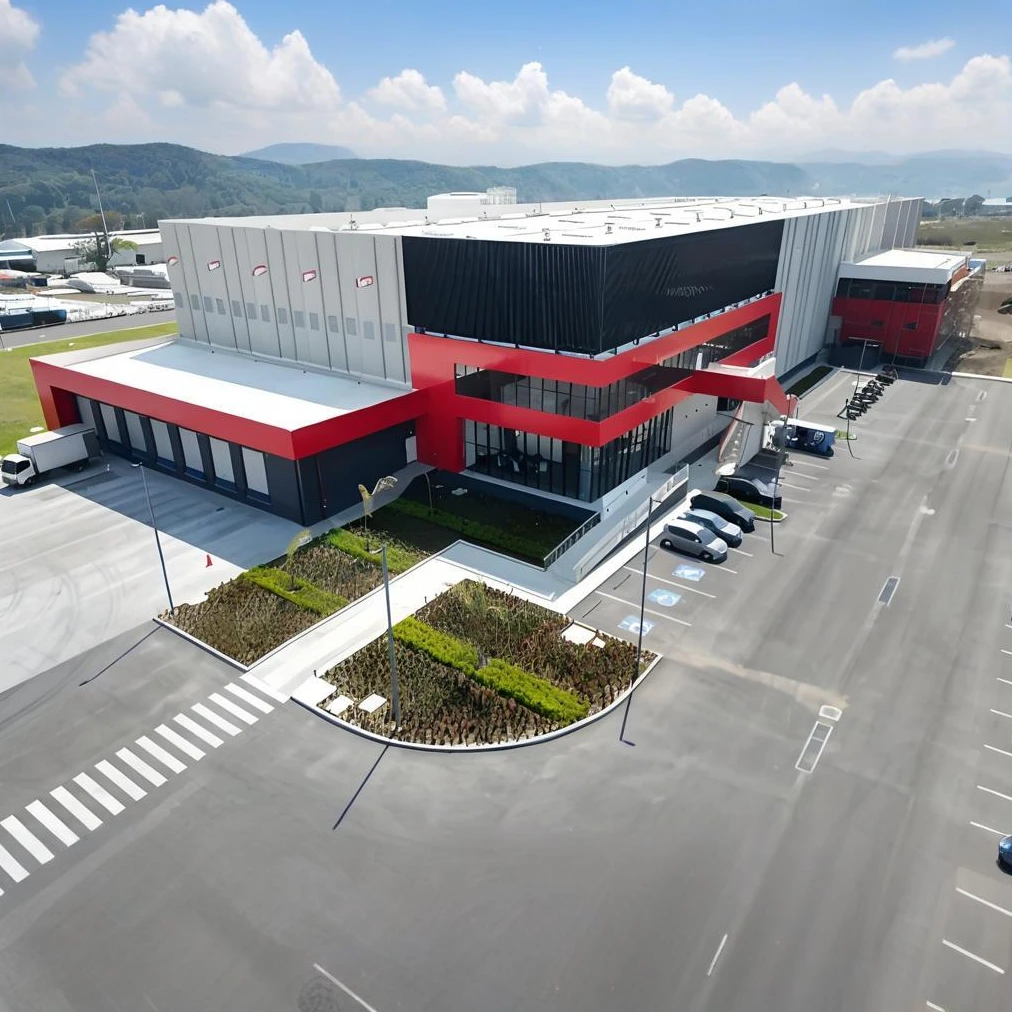
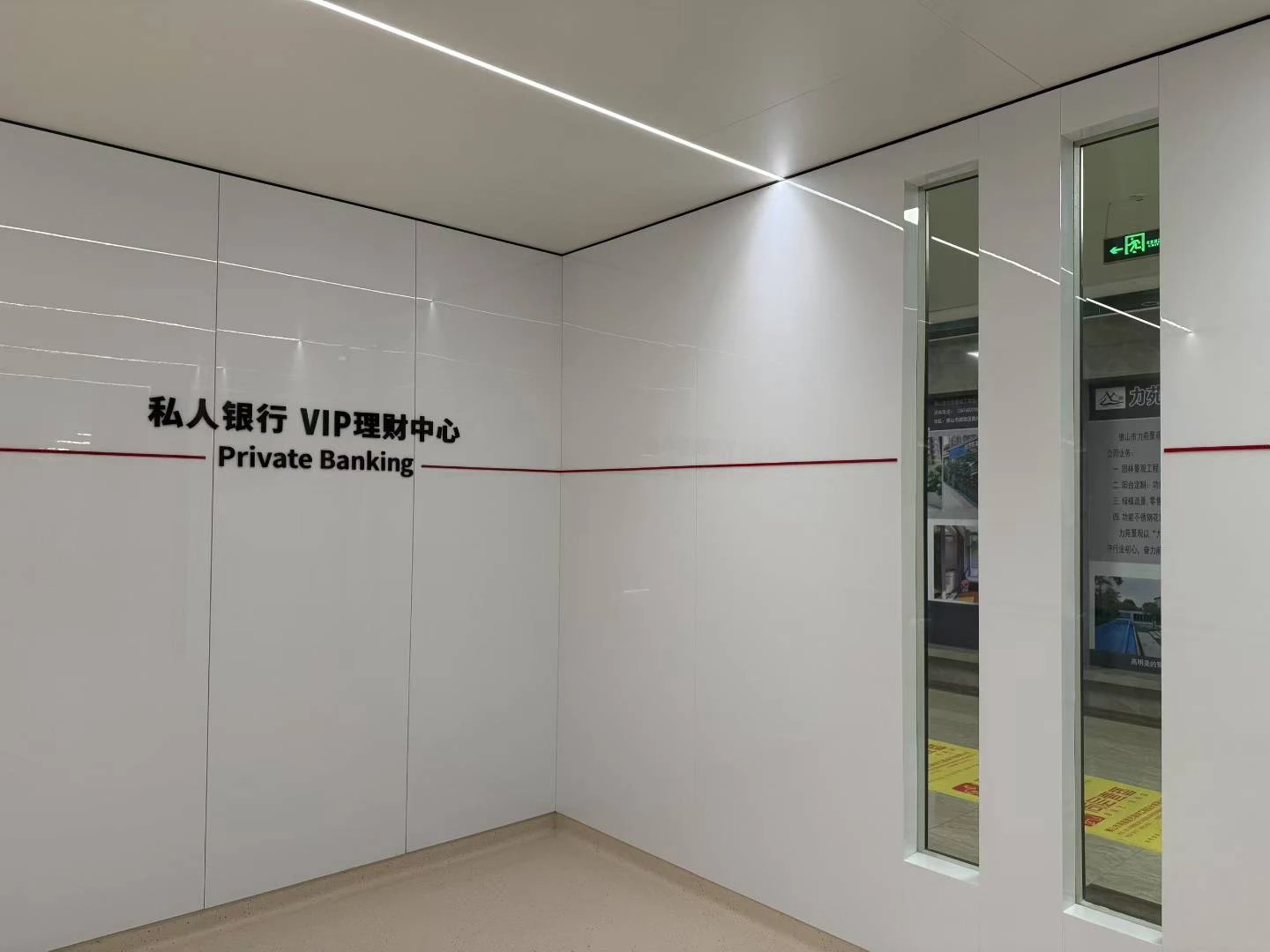
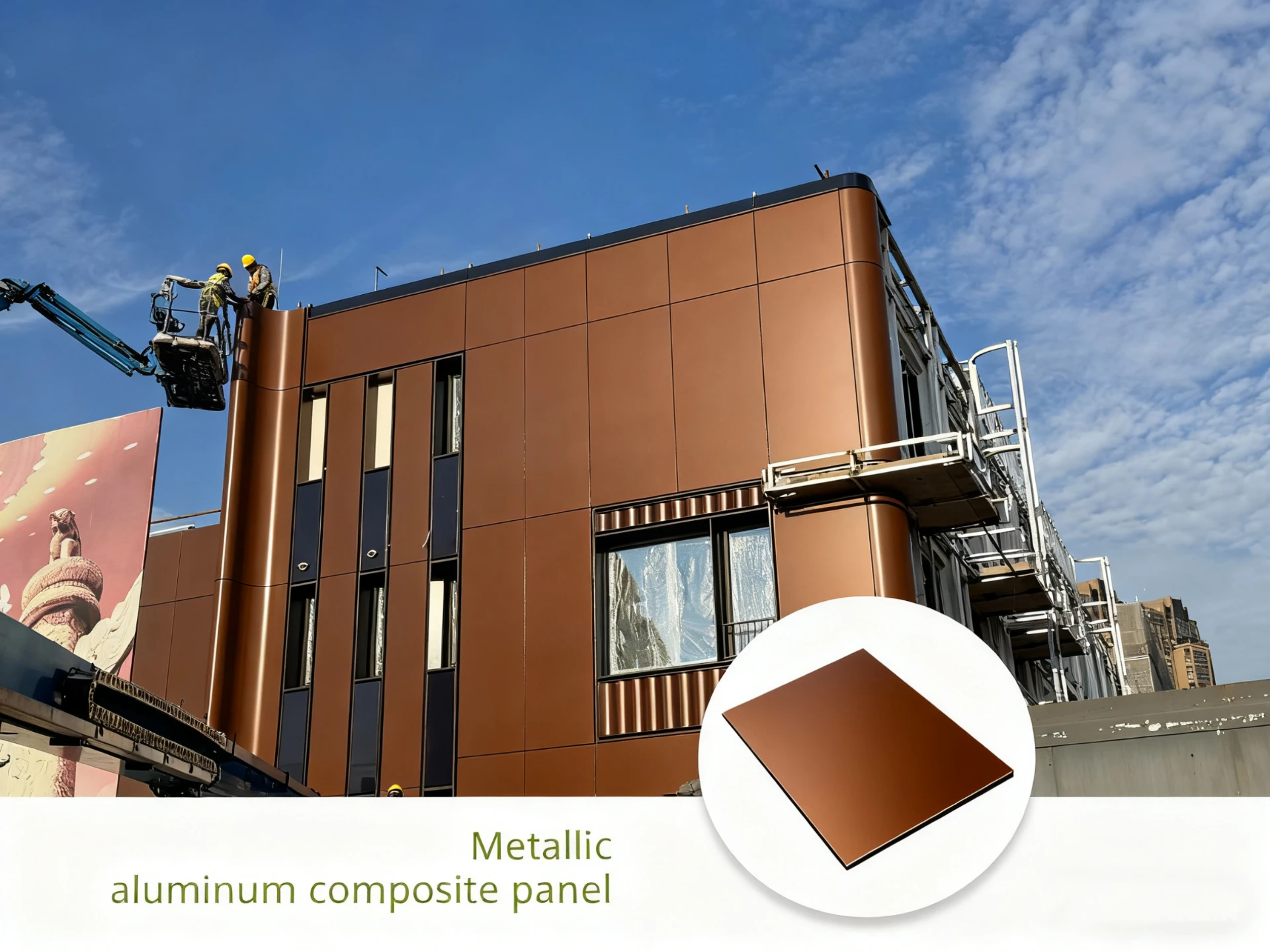
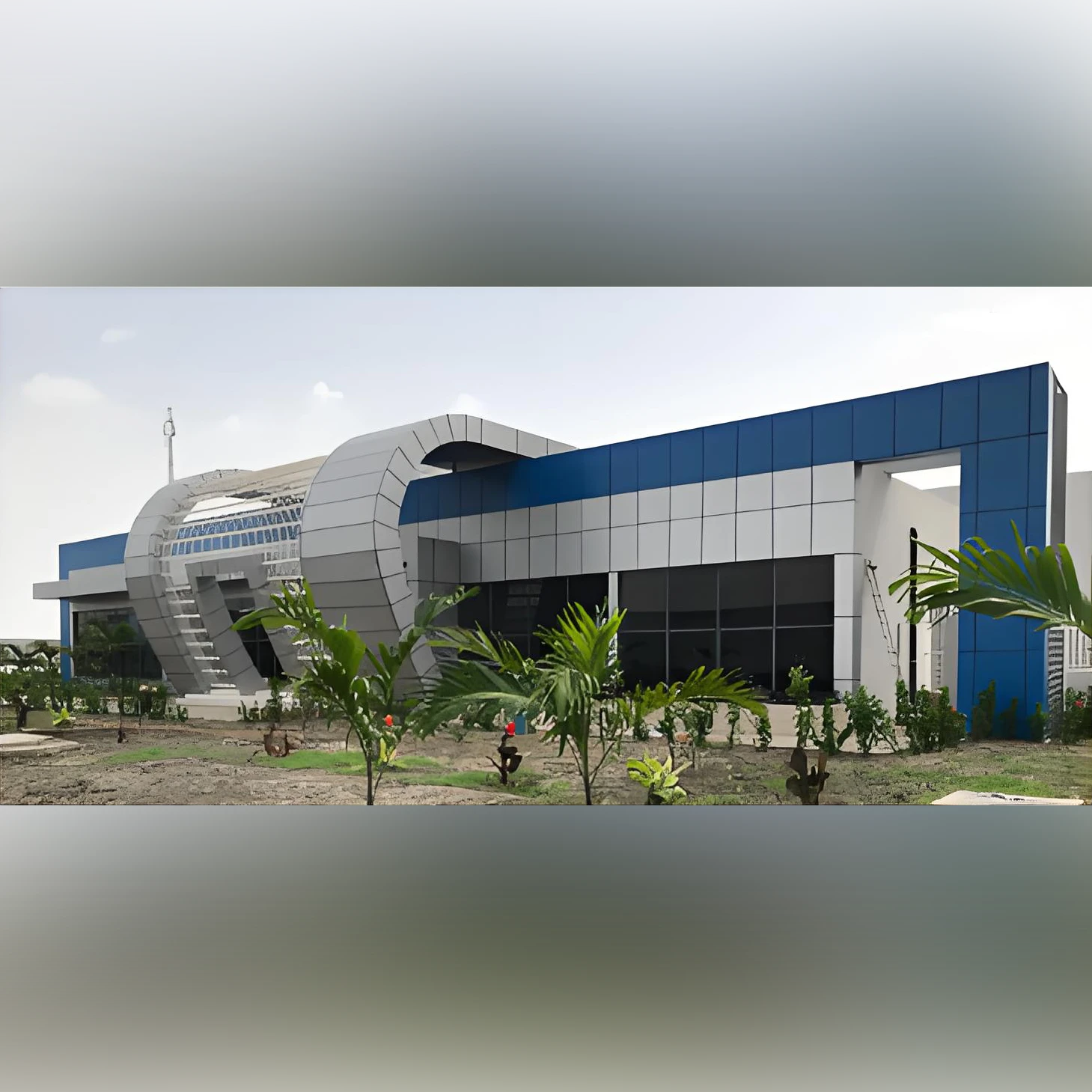
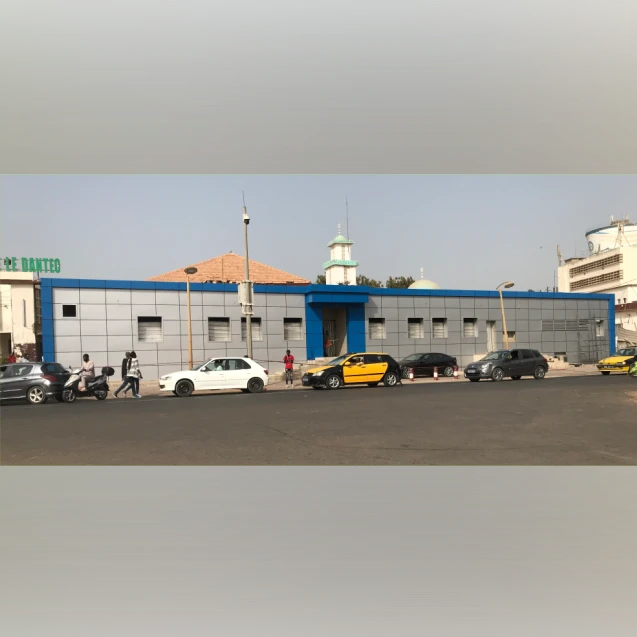
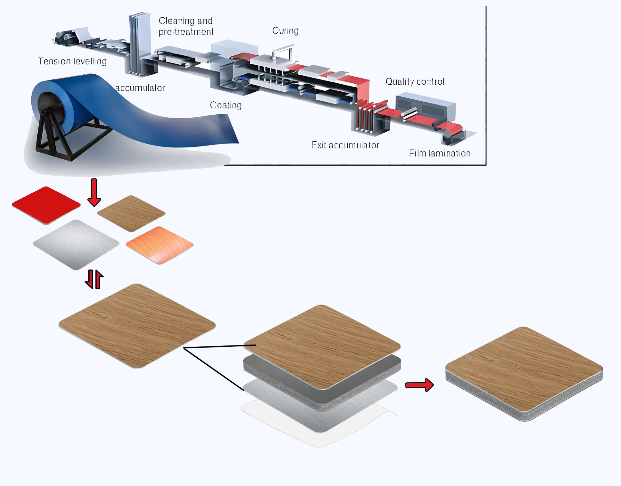
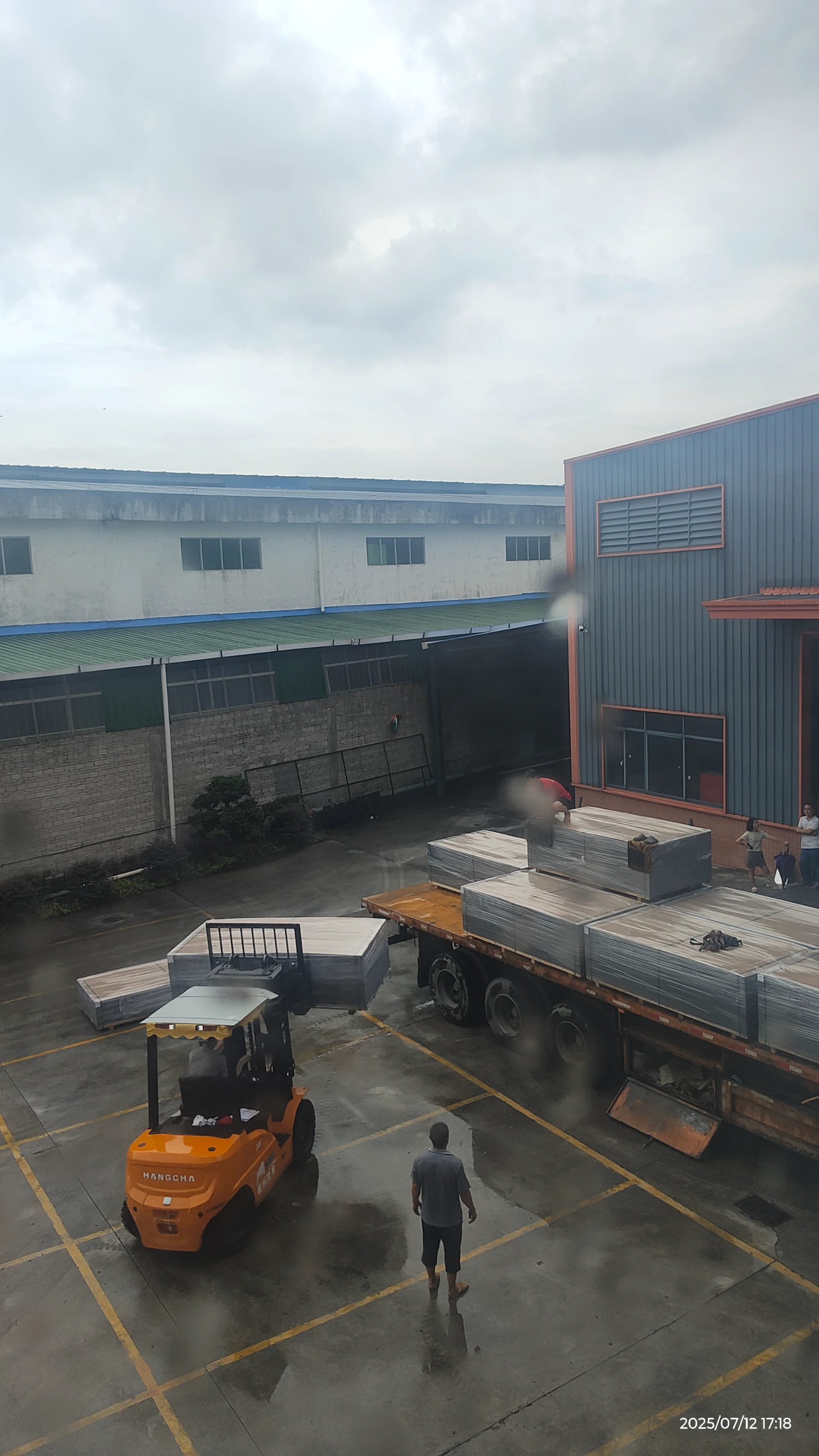
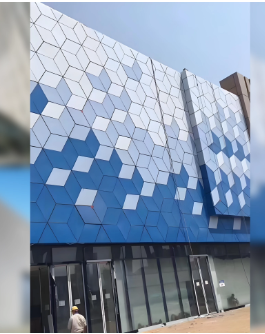
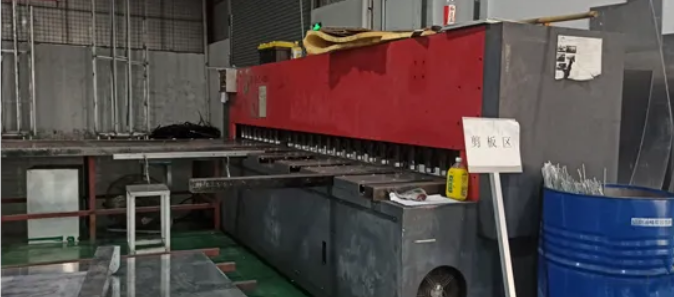
In today's architectural landscape, aluminium facade panels have emerged as a popular choice for modern buildings. Combining aesthetic appeal, durability, and sustainability, these panels provide the perfect solution for both commercial and residential properties. As a leading manufacturer in the industry, Foshan Jiashuncai Building Materials Co., Ltd. specializes in delivering top-notch aluminium wall cladding systems that redefine how structures are designed and perceived.
Aluminium Cladding Building: The Backbone of Modern Architecture
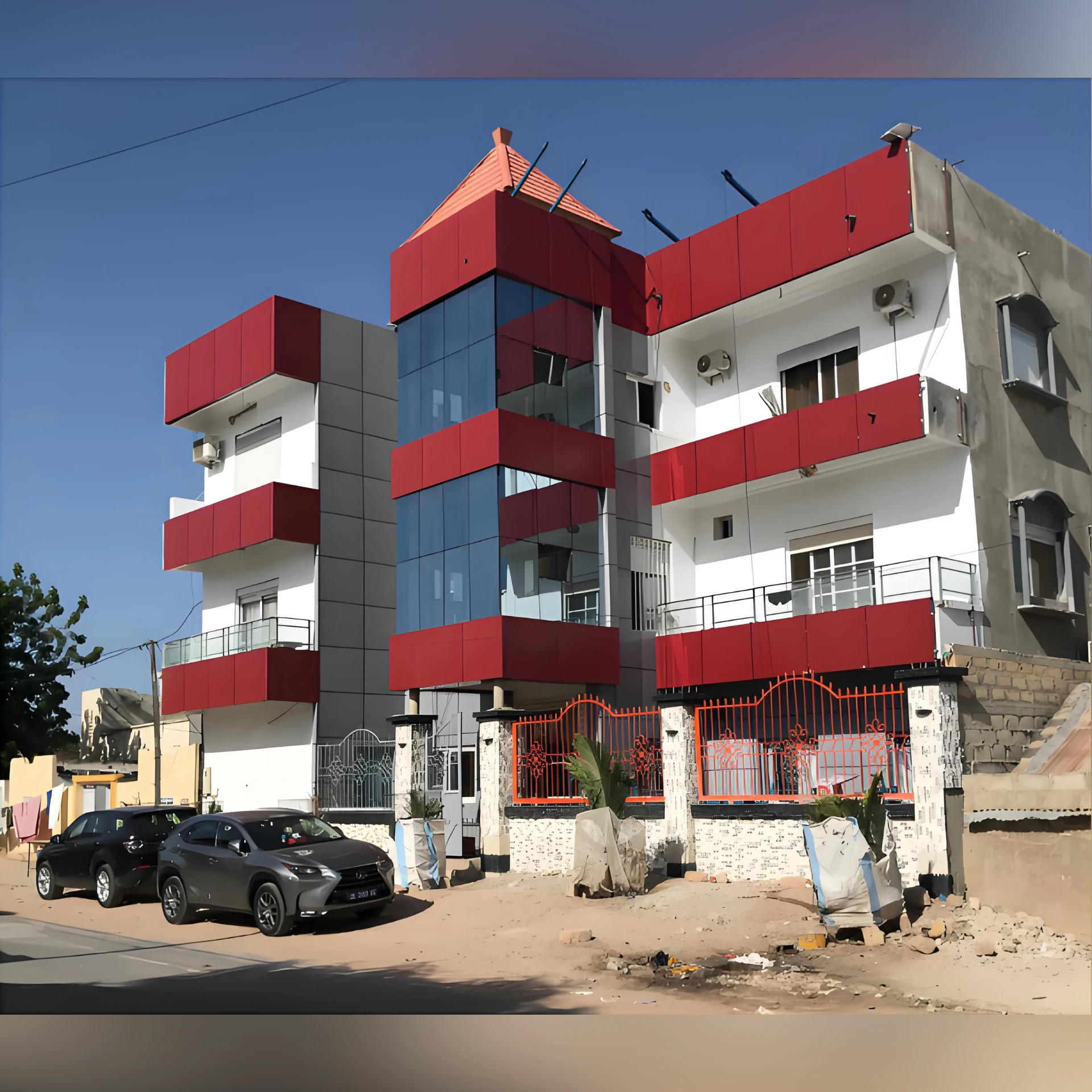
Aluminium cladding building is revolutionizing the way we approach exterior design. These cladding systems not only enhance the appearance of a building but also offer optimal protection against environmental impacts. With their lightweight properties, aluminium panels are easy to install, which in turn accelerates construction timelines. Moreover, they are impervious to corrosion, ensuring that your facade remains stunning for years to come.
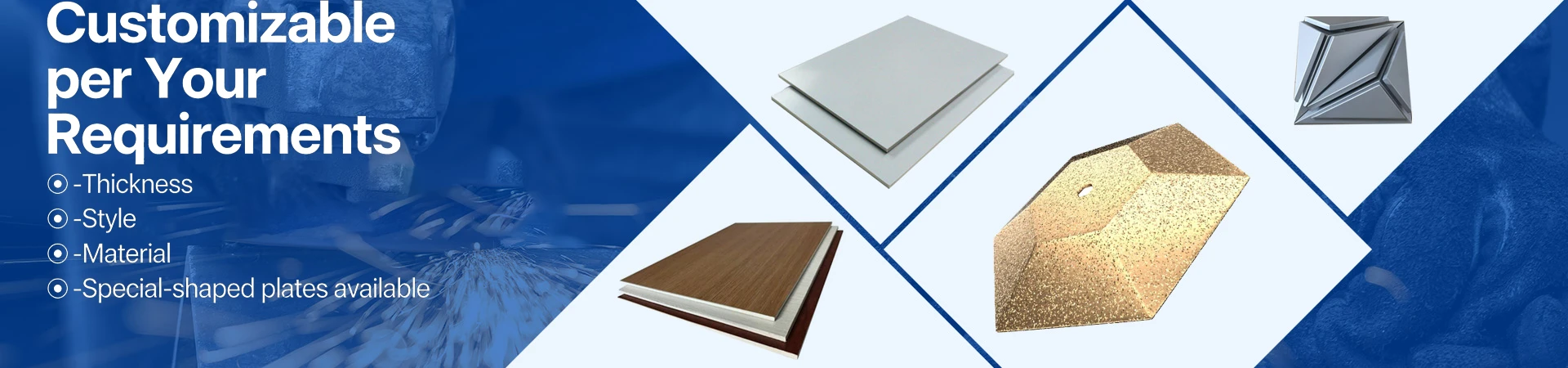
Foshan Jiashuncai Building Materials Co., Ltd. provides a wide variety of design options, allowing architects and builders to tailor cladding solutions to their unique vision. The flexibility of aluminium allows for creative expressions, be it a sleek modern look or a classic finish, making it highly adaptable to various architectural styles.
Aluminium Wall Cladding Systems: A Perfect Fusion of Form and Function
Aluminium wall cladding systems are designed for both aesthetic appeal and practical utility. These systems not only improve insulation and energy efficiency but also contribute to a significant reduction in maintenance costs. The reflective properties of aluminium help manage heat absorption and reduce cooling costs in warmer climates.
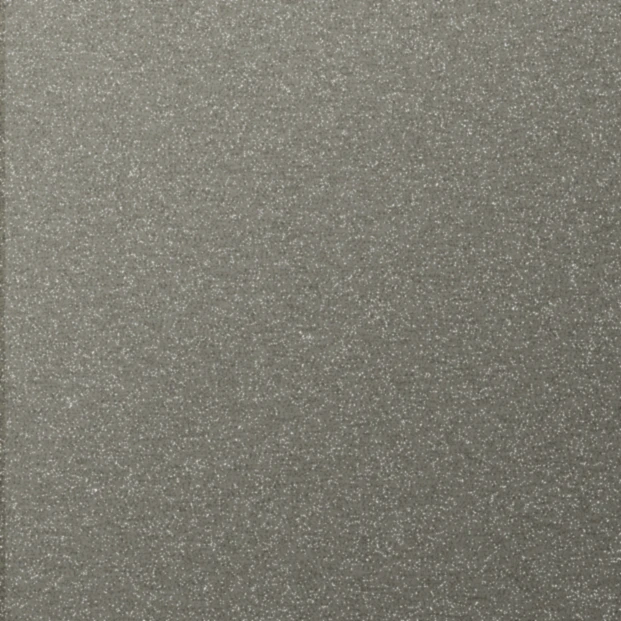
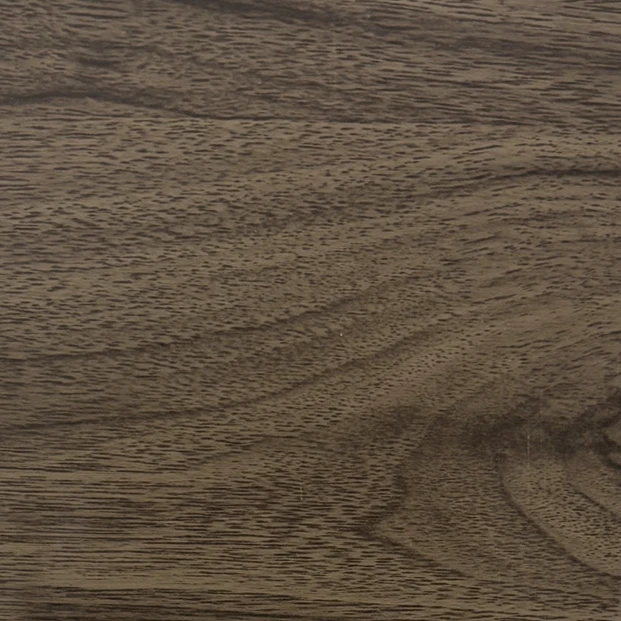
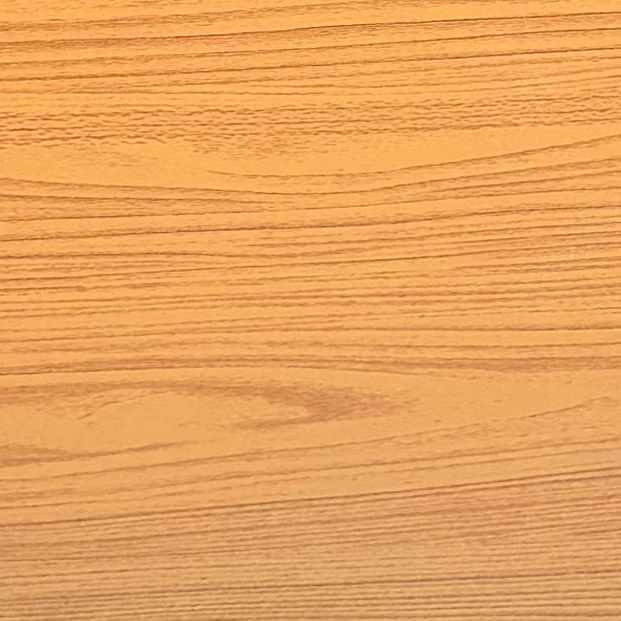
One of the standout features of Foshan Jiashuncai’s products is their extensive range of wall cladding designs. Clients have the option to choose from different finishes, colors, and textures, ensuring that each installation not only meets but exceeds expectations. Whether it’s for commercial skyscrapers or intimate residential homes, the right choice of aluminium cladding can unite form and function seamlessly.
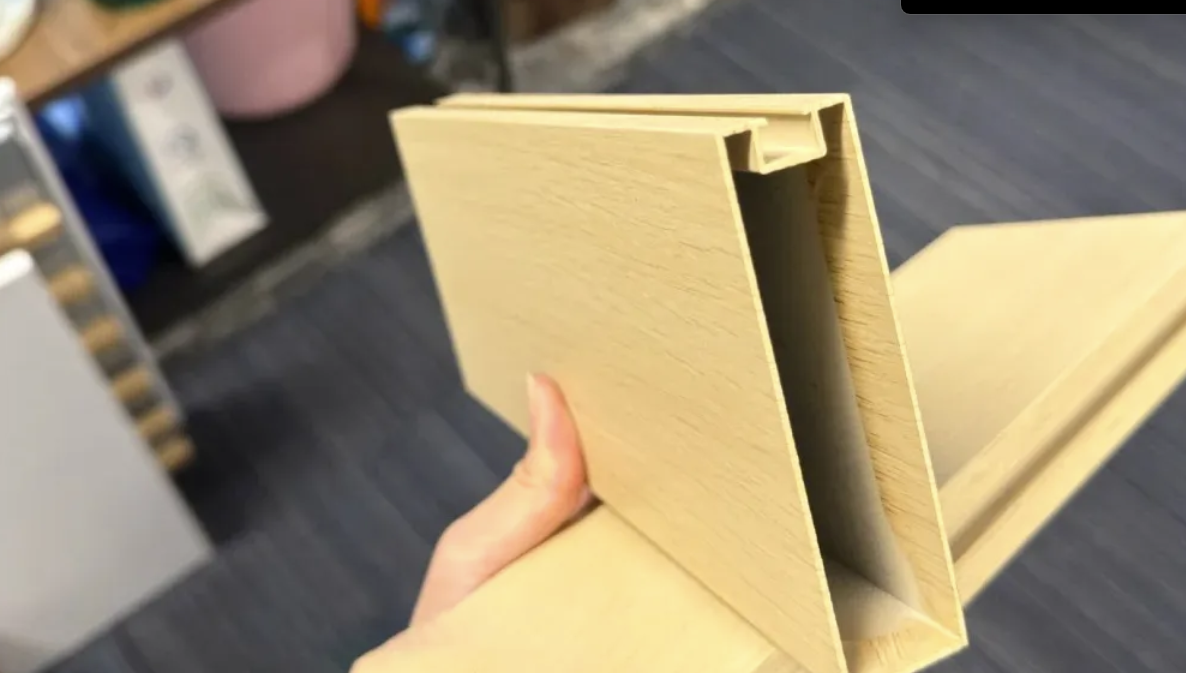
Perforated Aluminum Panel Facade: Where Innovation Meets Artistry
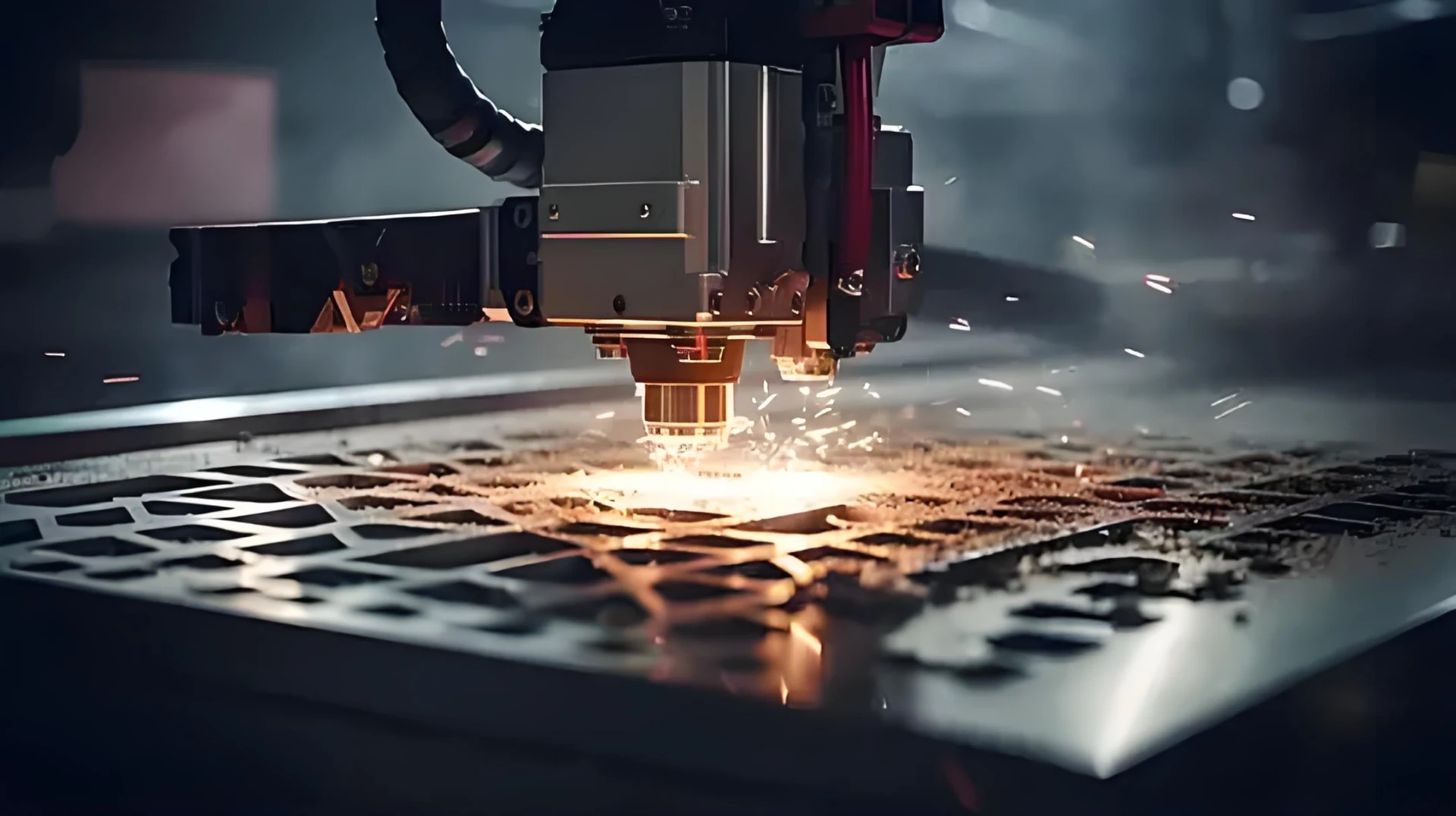
The perforated aluminum panel facade is a game-changer in architectural design. Beyond mere decoration, these panels serve multiple purposes such as enhancing ventilation, controlling natural light, and adding an artistic dimension to the structure. Perforated designs offer a stunning interplay between light and shadow while still providing privacy.
Foshan Jiashuncai Building Materials Co., Ltd. specializes in custom perforated aluminium panels, giving clients the freedom to engrave various patterns, logos, or text into the material without compromising structural integrity. This allows for an unparalleled creative edge for architects and designers looking to push the limits.
The durability of perforated panels further enhances their appeal. Constructed from high-quality aluminium, they withstand adverse weather conditions, ensuring longevity. Additionally, upkeep is minimal, as the resilience of aluminium ensures that the panels don't fade or deteriorate over time.
Sustainable Choice: Aluminium Facade Panels for Eco-Friendly Construction
Sustainability has become a vital concern in modern architecture, and aluminium facade panels shine as an eco-friendly choice. One of the most critical benefits of using aluminium is that it can be recycled without losing its properties. This feature significantly reduces the carbon footprint involved in sourcing new materials.
Foshan Jiashuncai Building Materials Co., Ltd. is committed to sustainability, ensuring that all products are sourced and manufactured with an emphasis on reducing environmental impact. By incorporating sustainable practices into the production process, they provide architects and builders with the means to construct not just beautiful buildings, but ones that prioritize our planet's health.
As more communities prioritize eco-friendly construction, the demand for aluminium cladding and panels continues to rise. This trend is shifting the paradigm towards sustainable solutions without sacrificing quality or aesthetics.
Aluminium Facade Panels FAQs
What are aluminium facade panels made from?
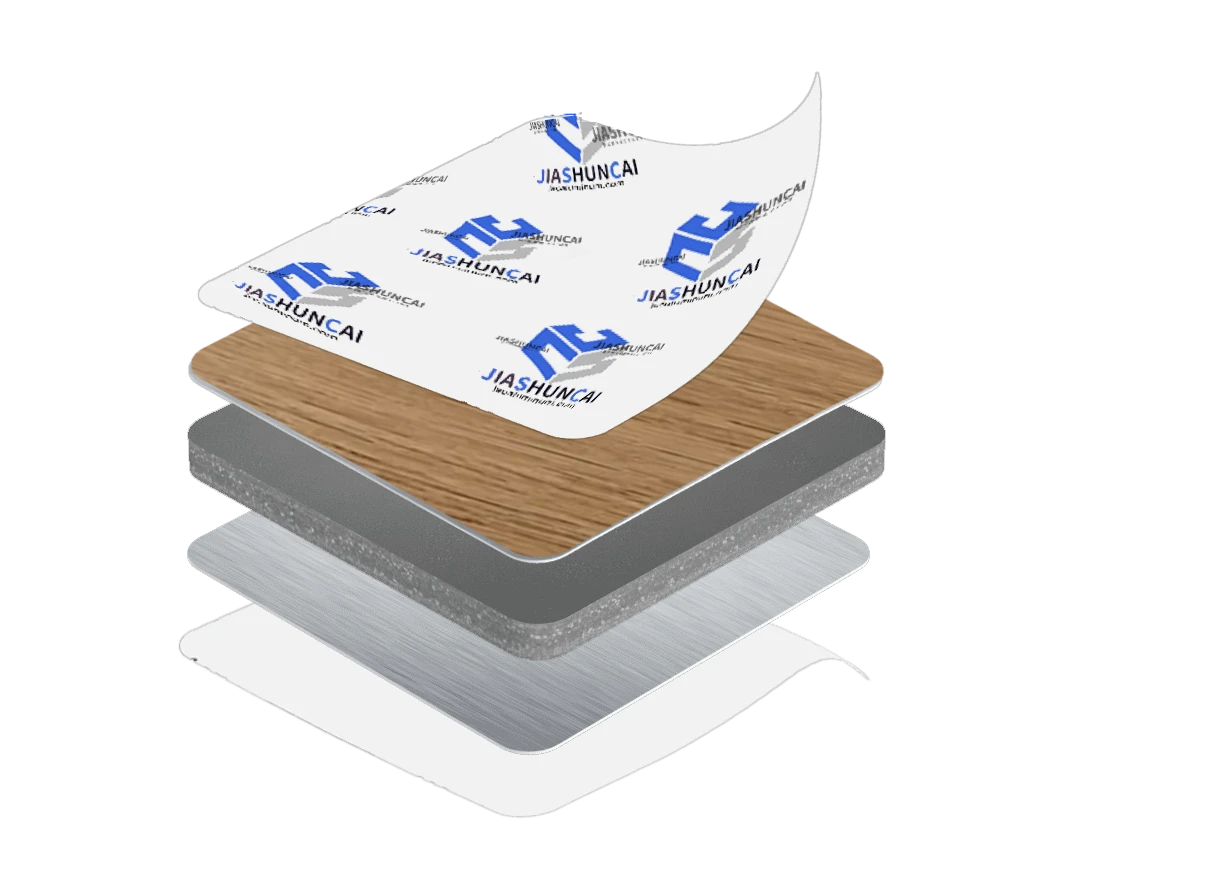
Aluminium facade panels are primarily made from high-quality aluminium, known for its durability, lightweight properties, and resistance to corrosion. This makes them ideal for a variety of environmental conditions.
How does using aluminium cladding benefit a building?
The use of aluminium cladding offers numerous benefits, including energy efficiency, reduced maintenance costs, and design versatility. It also enhances the building's insulation, decreasing heating and cooling expenses.
Can perforated aluminium panel facades be customized?
Yes, perforated aluminium panel facades can be highly customized. Foshan Jiashuncai Building Materials Co., Ltd. allows clients to create unique designs through various patterns, shapes, and finishes to meet specific aesthetic requirements.
How are aluminium facade panels installed?
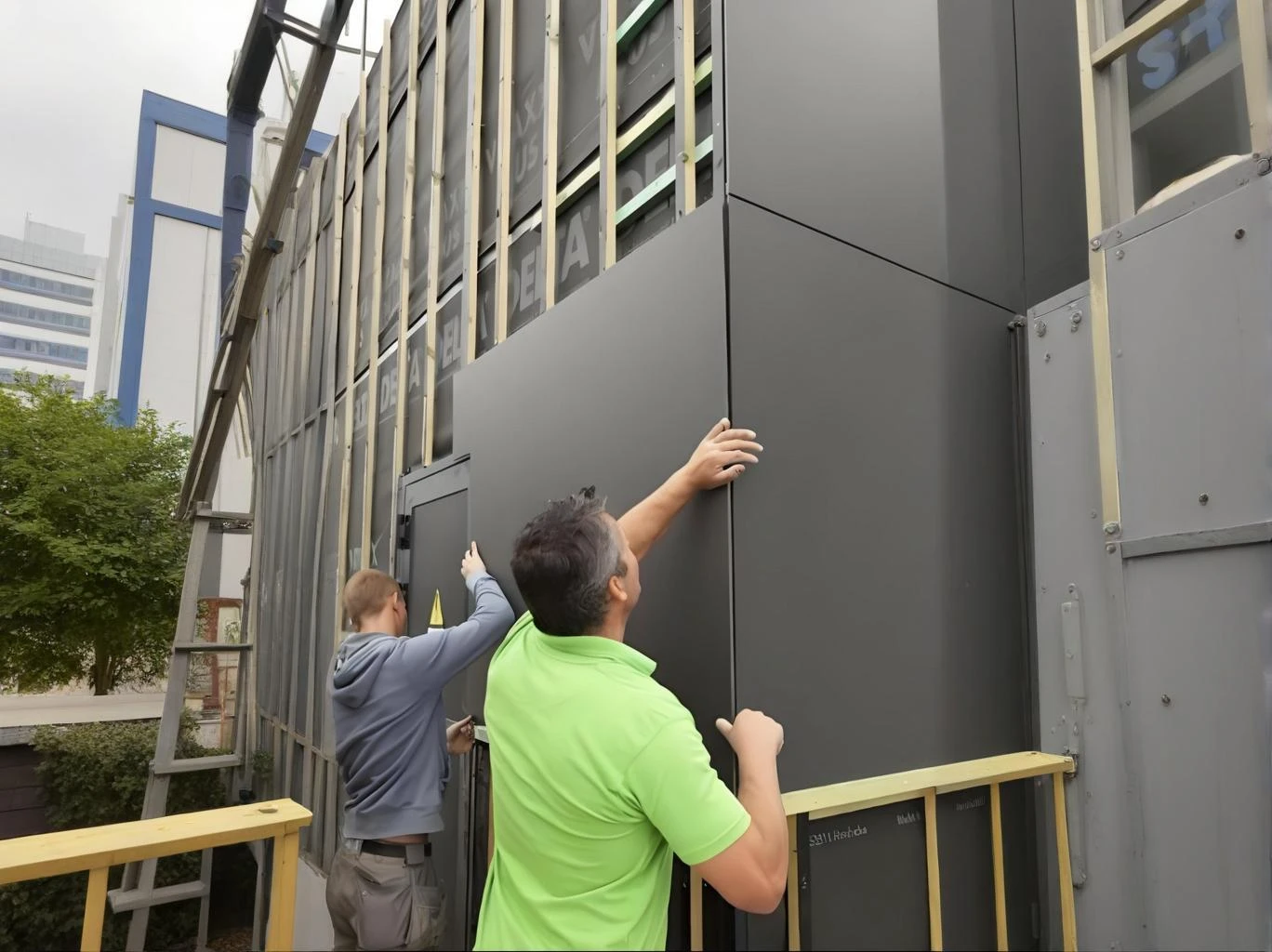
Installation of aluminium facade panels is straightforward, thanks to their lightweight nature. Specialized mounting systems are used to secure the panels to the building's structure, ensuring stability and ease of future maintenance.
What makes Foshan Jiashuncai Building Materials Co., Ltd. stand out in the aluminium panel industry?
Foshan Jiashuncai Building Materials Co., Ltd. stands out due to its commitment to quality, innovation, and sustainability. With a wide range of customizable products and an emphasis on eco-friendly practices, they have positioned themselves as a leader in the aluminium facade panels industry, catering to both local and international markets.
In conclusion, aluminium facade panels offer an unrivaled blend of elegance, durability, and sustainability, making them a sought-after option in contemporary building projects. With support from a reputable supplier like Foshan Jiashuncai Building Materials Co., Ltd., there’s no limit to what can be achieved in modern architecture.