Introduction
In modern construction, solid aluminium cladding has become one of the most trusted solutions for strength, durability, and visual appeal. Unlike composite alternatives, solid aluminium cladding offers unmatched rigidity and weather resistance, making it suitable for projects where longevity is the highest priority. From government buildings to high-rise towers, the use of aluminium facade panels, aluminum facade cladding panels, and aluminium wall cladding systems has increased rapidly. Today’s architects not only focus on aesthetics but also on sustainability and efficiency, which makes solid aluminium cladding a natural choice.
Benefits Of Solid Aluminium Cladding
The main advantage of solid aluminium cladding lies in its durability. While aluminum facade panel solutions like ACM are lightweight and flexible, solid panels deliver superior resistance to impact, fire, and extreme weather. This makes them particularly valuable in infrastructure projects such as airports, stadiums, and hospitals. The aluminium exterior wall cladding adds a layer of protection that prevents corrosion, rust, and fading over time.
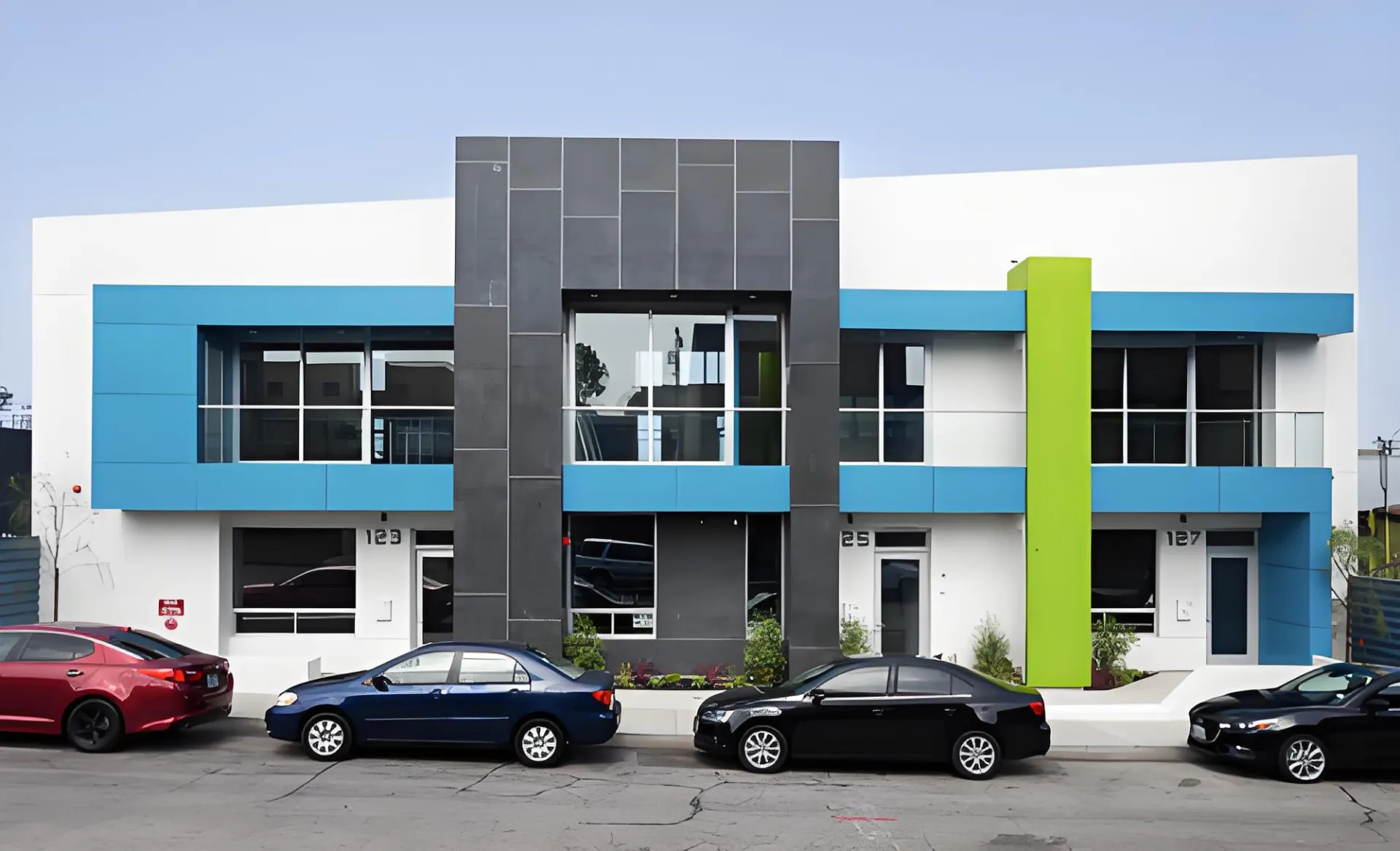
Furthermore, the versatility of aluminium facade cladding ensures that even solid panels are not limited in design. With powder coating, anodized finishes, and custom colors, solid aluminium cladding can achieve sleek, contemporary aesthetics while preserving functional performance. Architects often integrate aluminium panel facade detail to highlight modern building identities, ensuring that the project stands out while meeting performance requirements.
Aluminium Wall Cladding Systems And Energy Efficiency
The role of aluminium wall cladding systems in construction extends beyond aesthetics. Buildings today must meet strict environmental standards, and aluminium external wall cladding contributes significantly to energy efficiency. By providing insulation and reducing heat transfer, these systems lower energy consumption in both cooling and heating.
The combination of aluminium facade panels with insulation materials creates a thermal barrier that enhances sustainability. Moreover, exterior aluminum panels facade applications minimize water infiltration, ensuring the integrity of the building envelope. Developers prefer aluminium wall cladding systems because they offer both functional performance and design freedom. By using solid aluminium cladding, projects achieve the perfect balance of energy efficiency and architectural elegance.
Aluminum Facade Cladding Panels In Modern Design
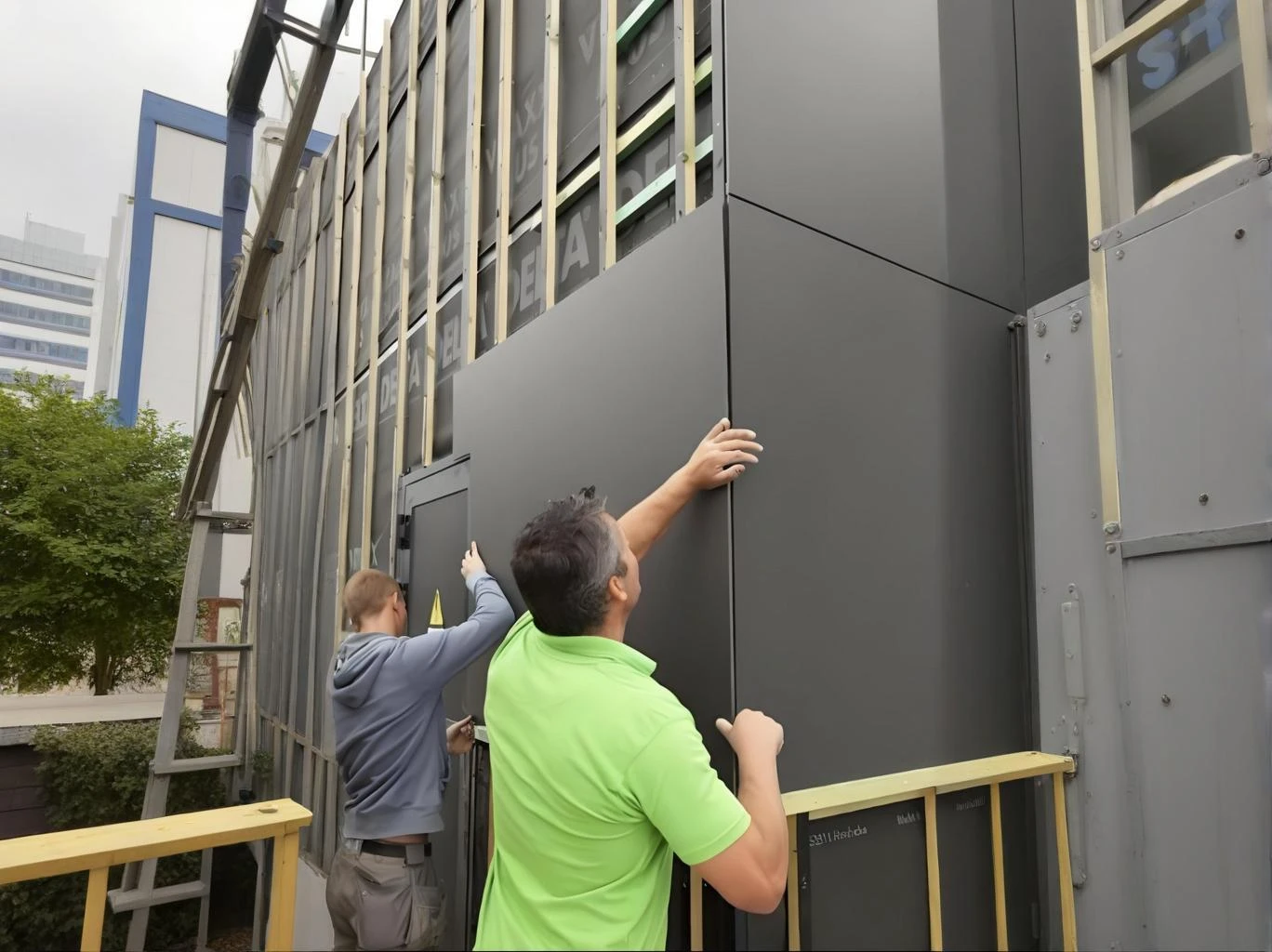
The integration of aluminum facade cladding panels into modern architecture is not limited to exterior walls. These panels are frequently used for roofing, soffits, and interior decorative elements. Their lightweight nature allows for easy installation without compromising structural stability. For high-rise buildings, aluminum facade panels reduce the load while maintaining strength.
When combined with solid aluminium cladding, the design potential expands further. Developers often mix aluminium facade cladding with glass, stone, or wood to create visually striking facades. The ability to apply aluminium panel facade detail ensures seamless transitions between different materials, highlighting architectural creativity. With customizable finishes, aluminium facade panels have become a flexible option for both conservative and futuristic designs.
Understanding What Is ACM Metal Panel In Contrast
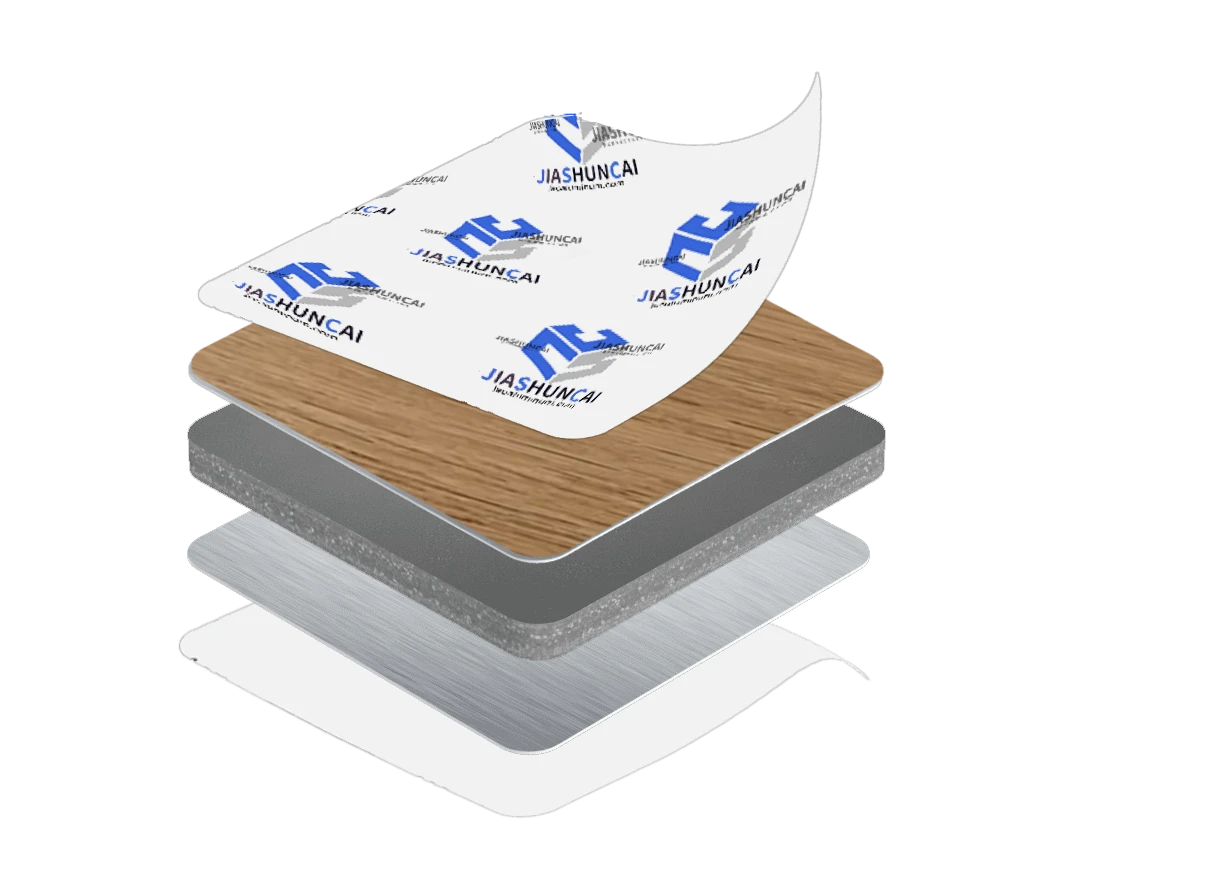
In discussing solid panels, it is also important to understand what is acm metal panel. The ACM, or Aluminum Composite Material, consists of two thin aluminum sheets bonded to a non-aluminum core. Compared to solid aluminium cladding, the acm metal panel is lighter and easier to shape, making it ideal for decorative facades. However, for maximum strength and fire safety, solid aluminium cladding remains unmatched.
When considering what is acm metal panel, one realizes it is designed for versatility, especially in projects requiring complex geometries. Yet, when comparing ACM with aluminium external wall cladding made of solid panels, architects often choose the latter for projects where safety and longevity outweigh flexibility. Both materials serve unique roles, and the decision depends on the project’s performance requirements.
Aluminium Facade Panels And Exterior Applications
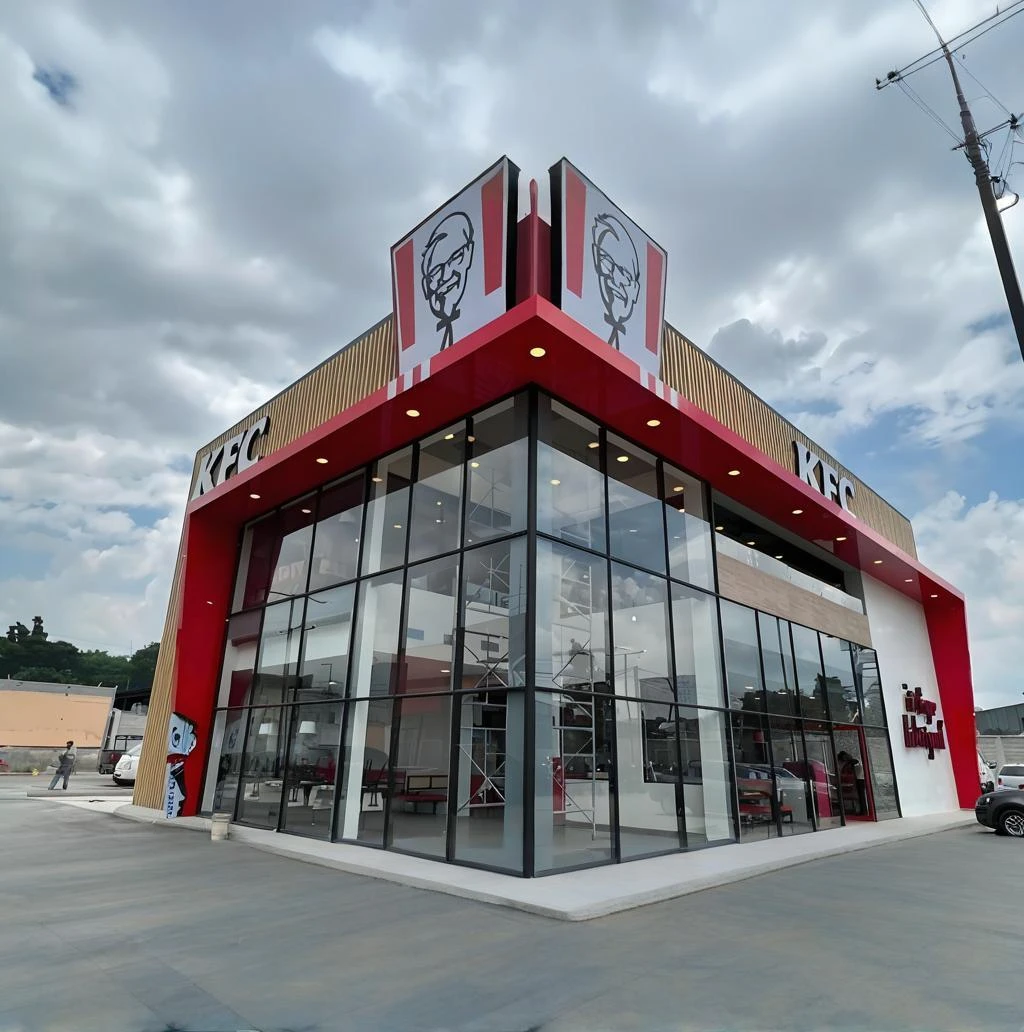
Aluminium facade panels are widely recognized for their adaptability in exterior design. They are essential in aluminium exterior wall cladding and exterior aluminum panels facade solutions where both beauty and protection are required. For instance, shopping malls often adopt aluminum facade cladding systems to create inviting, modern appearances while protecting the structure.
The details matter as well. Every aluminium panel facade detail ensures alignment, durability, and precision. From corners to junctions, these details define the quality of the overall facade. By incorporating aluminium facade cladding into modern projects, architects achieve designs that are both bold and long-lasting. The ability of solid aluminium cladding to resist wear and tear ensures that the facade maintains its appeal for decades.
Conclusion
The evolution of solid aluminium cladding represents a milestone in architectural innovation. From durability and weather resistance to modern design flexibility, it has become the cornerstone of reliable construction. By combining solid aluminium cladding with aluminium wall cladding systems, aluminium facade panels, and aluminium external wall cladding, architects achieve unmatched performance and aesthetic appeal.
While understanding what is acm metal panel is essential for comparing options, it is clear that solid aluminium cladding remains the ultimate solution for projects demanding the highest levels of safety, strength, and longevity. The ability to integrate aluminium panel facade detail further enhances design precision, making these systems suitable for the most ambitious architectural goals.
As cities grow and skylines transform, the demand for aluminum facade cladding panels, aluminium facade cladding, and exterior aluminum panels facade will continue to rise. Whether in commercial hubs, cultural institutions, or residential towers, solid aluminium cladding will remain a defining material of contemporary architecture—strong, sustainable, and visually inspiring.