How does PE aluminium composite panel perform in terms of weather resistance in extreme climates
In the realm of modern construction and architectural design, the demand for materials that combine aesthetic appeal with robust performance in harsh environmental conditions is paramount. PE aluminium composite panel, commonly referred to as ACP, has emerged as a leading solution for projects ranging from towering skyscrapers to intricate interior designs. JiaShunCai Aluminum Composite Panel, manufactured under an ISO9001 quality management system, exemplifies this innovation. Similar to ALUCOBOND in Europe and Africa, it features aluminum sheets on both sides with a PE core and a durable PE or PVDF coating. This material is ideal for diverse applications, including commercial buildings, hotels, office structures, advertising billboards, interior walls, ceilings, display platforms, signboards, tunnels, and furniture. Its versatility allows it to be shaped into curves, curved corners, routed edges, grooves, and punched designs, meeting specific architectural needs while enhancing visual appeal. As extreme climates—from scorching deserts to freezing tundras—pose significant challenges to building exteriors, understanding how PE ACP performs in such conditions is crucial for architects, builders, and developers. This article delves into the weather resistance of ACP PE-based panels, drawing on the reliable profile of JiaShunCai to provide a comprehensive analysis.
The Structural Composition and Manufacturing of PE ACP
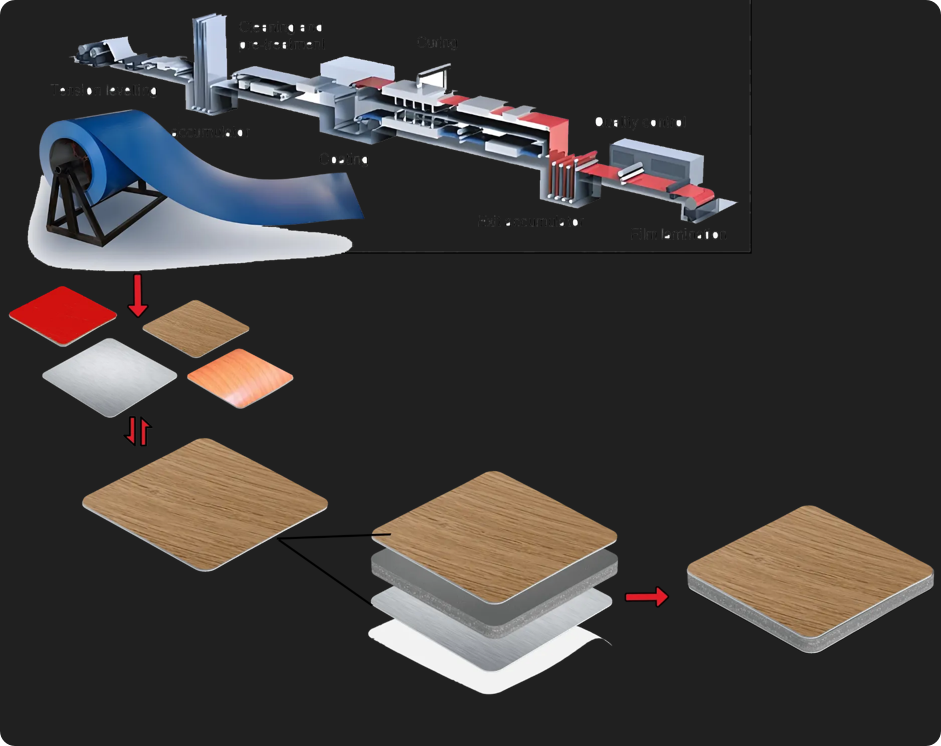
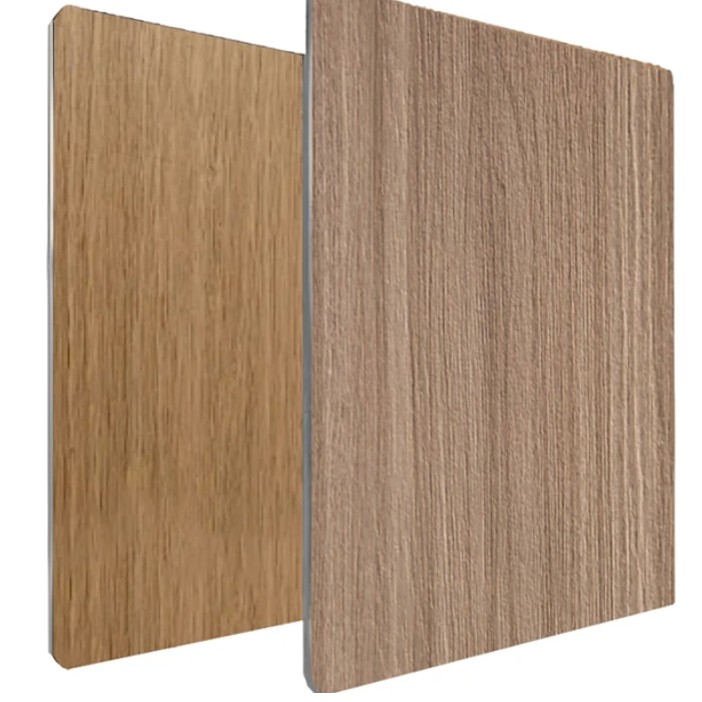
The exceptional weather resistance of PE aluminium composite panel begins with its meticulous design and high-quality raw materials. JiaShunCai's ACP is engineered to withstand environmental stressors, thanks to its layered structure and ISO9001-certified production process.
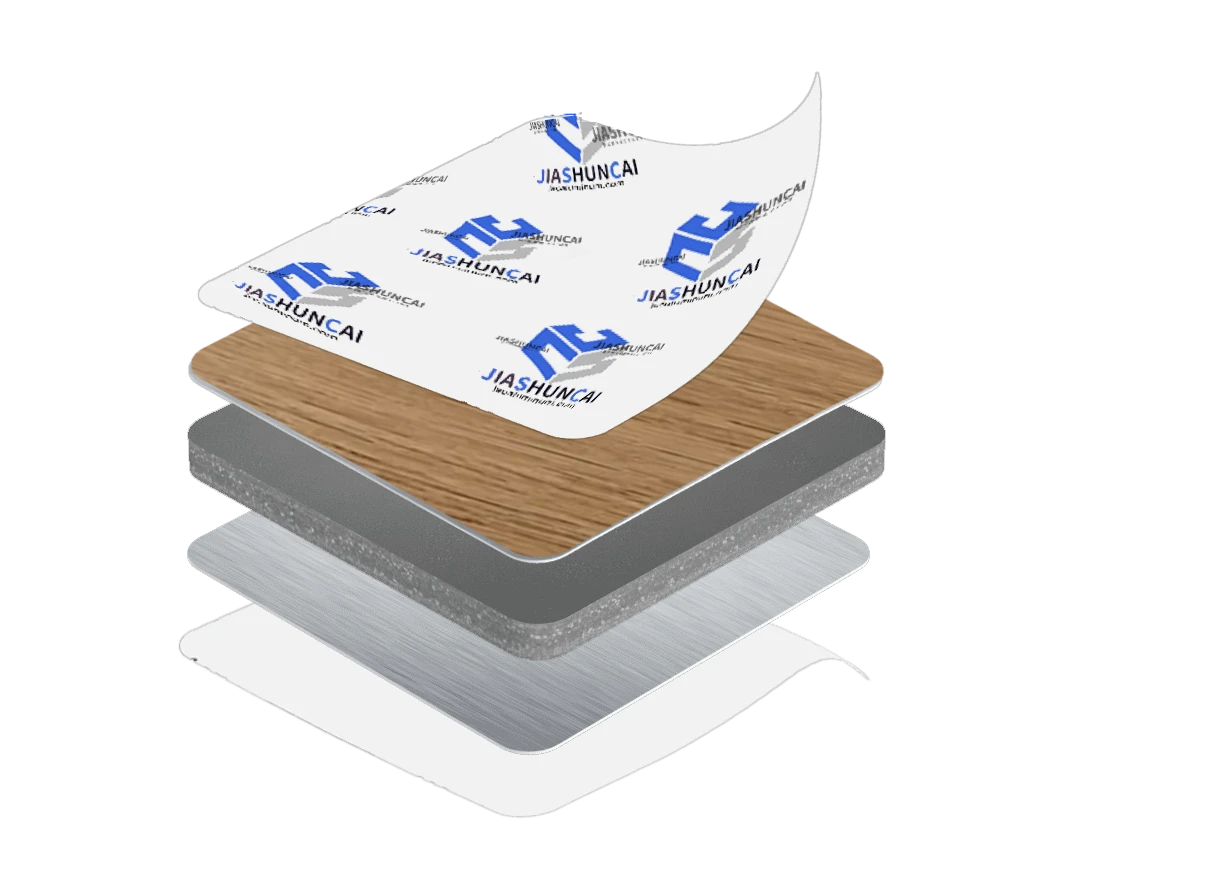
The panel consists of a polyethylene (PE) core sandwiched between two aluminum skins, creating a lightweight yet sturdy composite. This core is made from non-toxic, low-density polyethylene (LDPE), which provides flexibility and impact resistance without compromising safety.
The aluminum base material is a high-strength aluminum alloy sheet, ensuring durability and structural integrity. This combination allows the panel to resist bending and warping under thermal expansion and contraction, common in extreme climates.
The front surface is coated with a polyester paint, which not only delivers vibrant, long-lasting colors but also acts as a protective barrier against moisture, UV rays, and pollutants. This coating is available in PE or PVDF variants, with PVDF offering enhanced weatherability for the most demanding environments.
Manufactured under strict quality controls, this PE ACP is tested for consistency, ensuring that each panel meets international standards for performance. The core's polyethylene composition helps in absorbing minor shocks and vibrations, reducing the risk of cracks or delamination over time.
By integrating these elements, JiaShunCai's ACP PE panels achieve a balance of strength and malleability, enabling them to be fabricated into various forms—such as curves and grooves—without losing their protective qualities. This makes them a reliable choice for projects where both aesthetics and endurance are prioritized.
Weather Resilience of PE Aluminium Composite Panel in Extreme Conditions
When exposed to severe weather, PE aluminium composite panel demonstrates remarkable stability, making it suitable for global applications in diverse climates. JiaShunCai's ACP, with its PE core and robust coatings, is designed to perform consistently in temperature extremes, high humidity, and intense solar exposure.
In high-temperature environments, such as arid deserts, the polyester coating on the PE ACP reflects a significant portion of solar radiation, minimizing heat absorption. This reduces the risk of thermal expansion, which can cause other materials to degrade. The aluminum skins dissipate heat efficiently, while the PE core remains stable, preventing warping or color fading.
For cold climates with freezing temperatures and snow, the panel's low-density polyethylene core retains its flexibility, avoiding brittleness that could lead to cracking. The aluminum layers provide an additional barrier against moisture ingress, which is critical in preventing ice damage and corrosion.
In coastal areas with high salinity and humidity, the ACP PE materials exhibit strong corrosion resistance. The non-porous surface of the polyester coating repels salt-laden air and rainwater, protecting the underlying aluminum from oxidation. This ensures a longer lifespan, even in corrosive environments.
UV resistance is another key feature; the coating on PE aluminium composite panel is formulated to resist ultraviolet degradation, maintaining color vibrancy and gloss over years of exposure. This is vital for advertising billboards and building facades in sunny regions, where fading could compromise visual appeal.
Testing under accelerated weather conditions confirms that JiaShunCai's panels can endure cycles of rain, wind, and temperature fluctuations without delamination or loss of integrity. This resilience translates to reduced maintenance costs and enhanced sustainability for large-scale projects.
Applications and Flexibility of ACP PE Materials in Diverse Settings
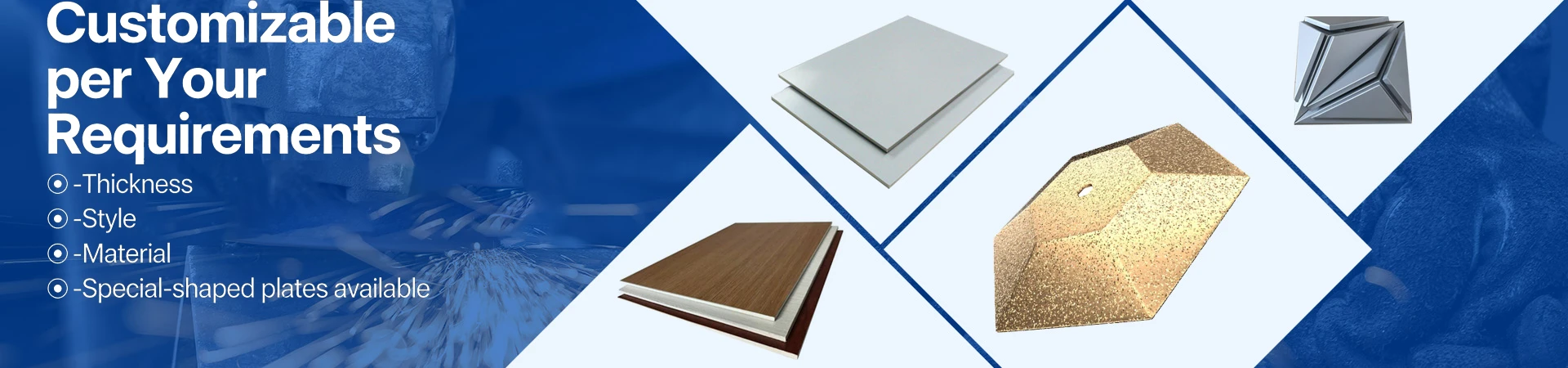
The versatility of ACP PE extends beyond weather resistance, enabling its use in a wide array of architectural and commercial contexts. JiaShunCai's PE aluminium composite panel can be customized to fit complex designs, making it a go-to material for enhancing durability and aesthetics in extreme climates.
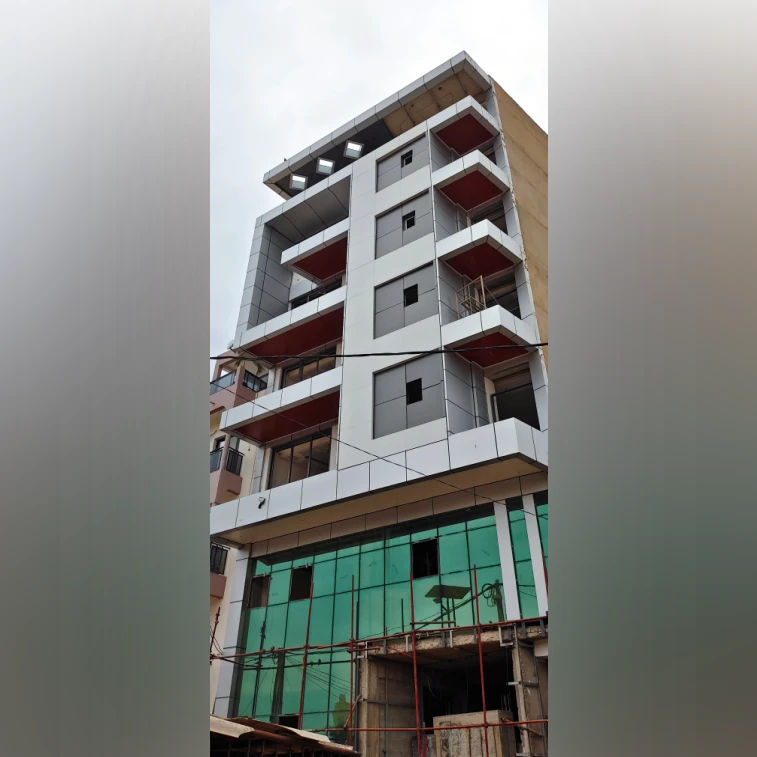
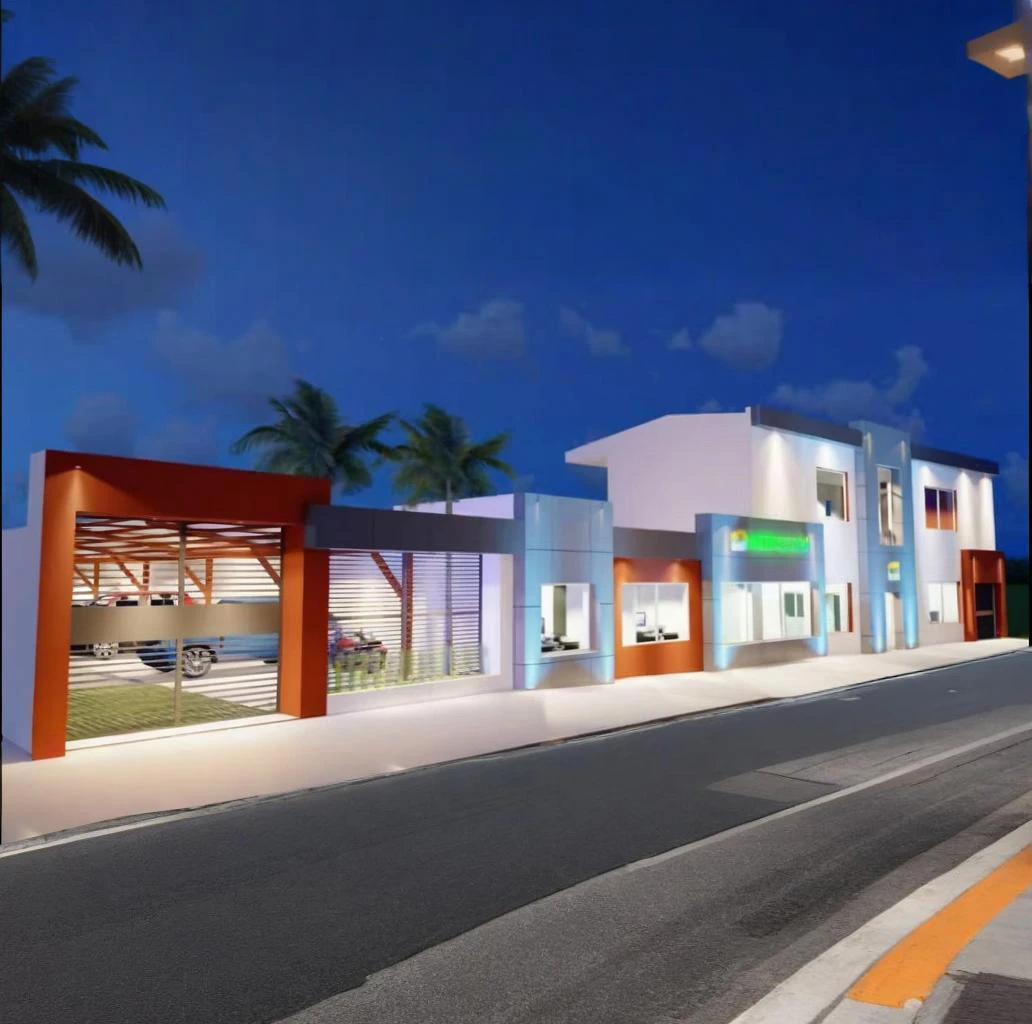
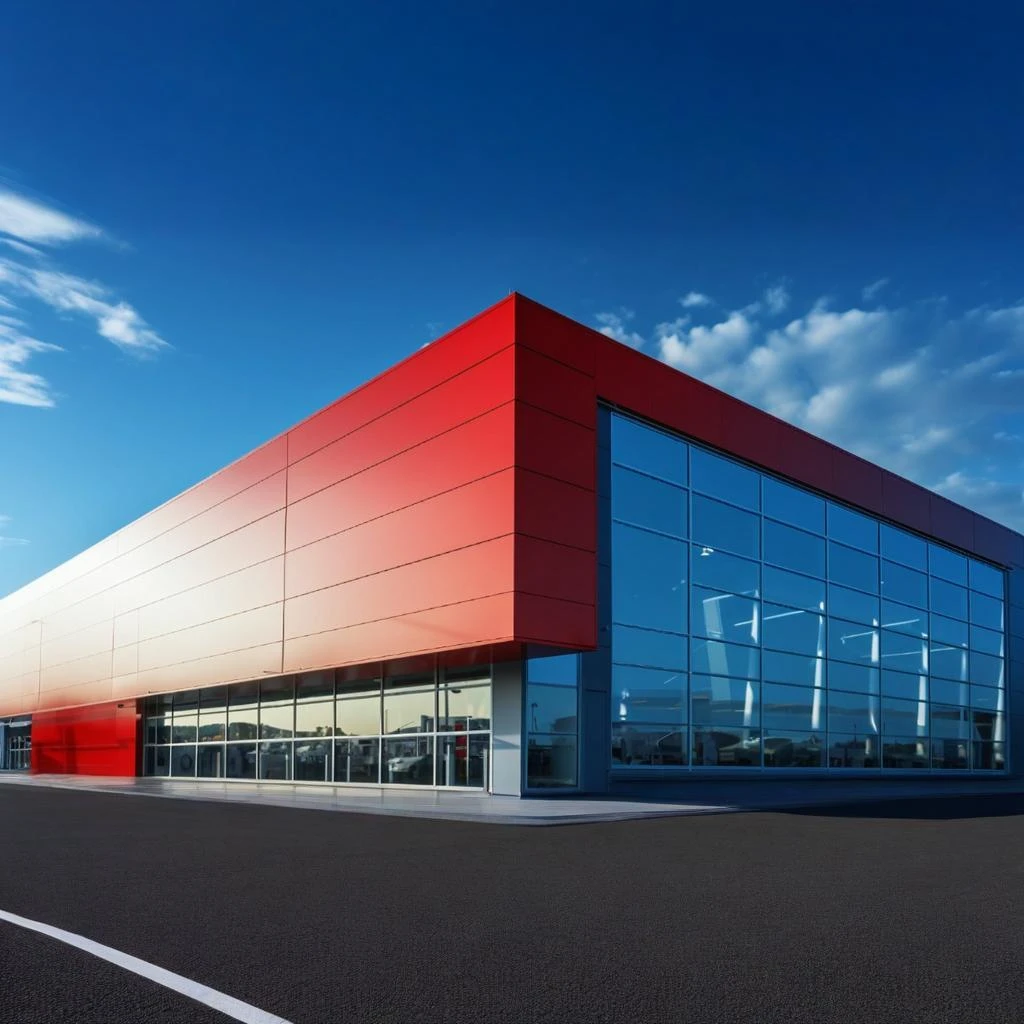
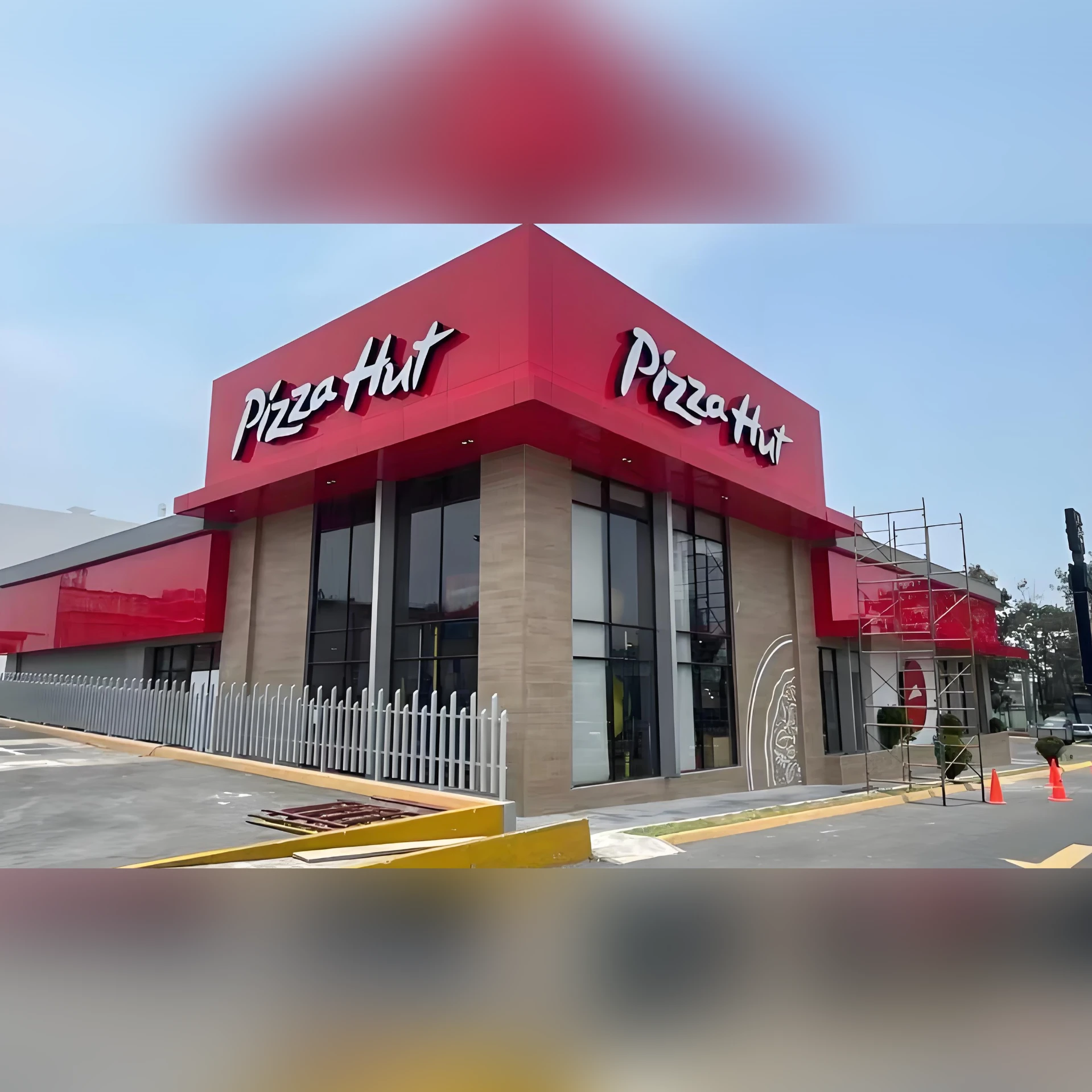
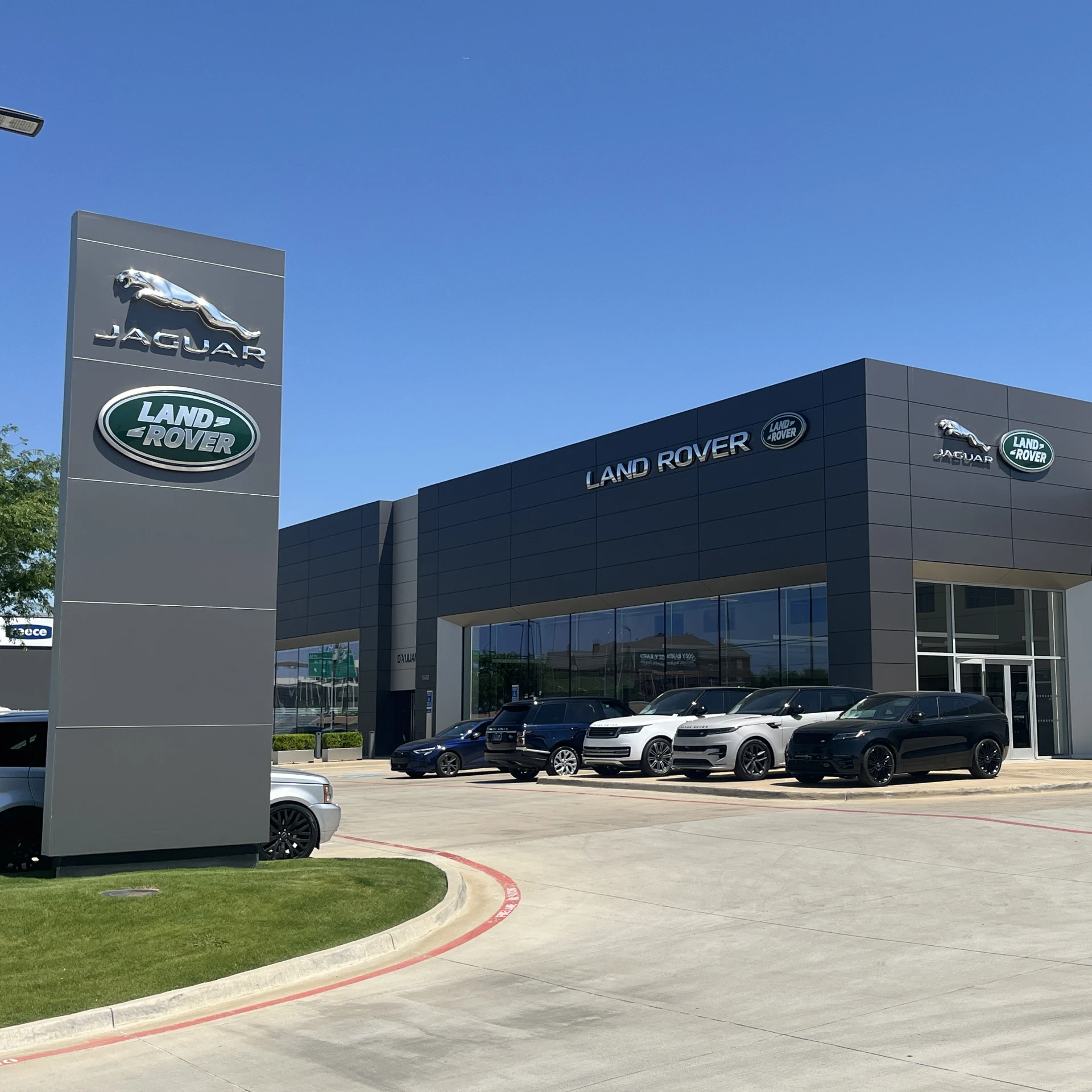
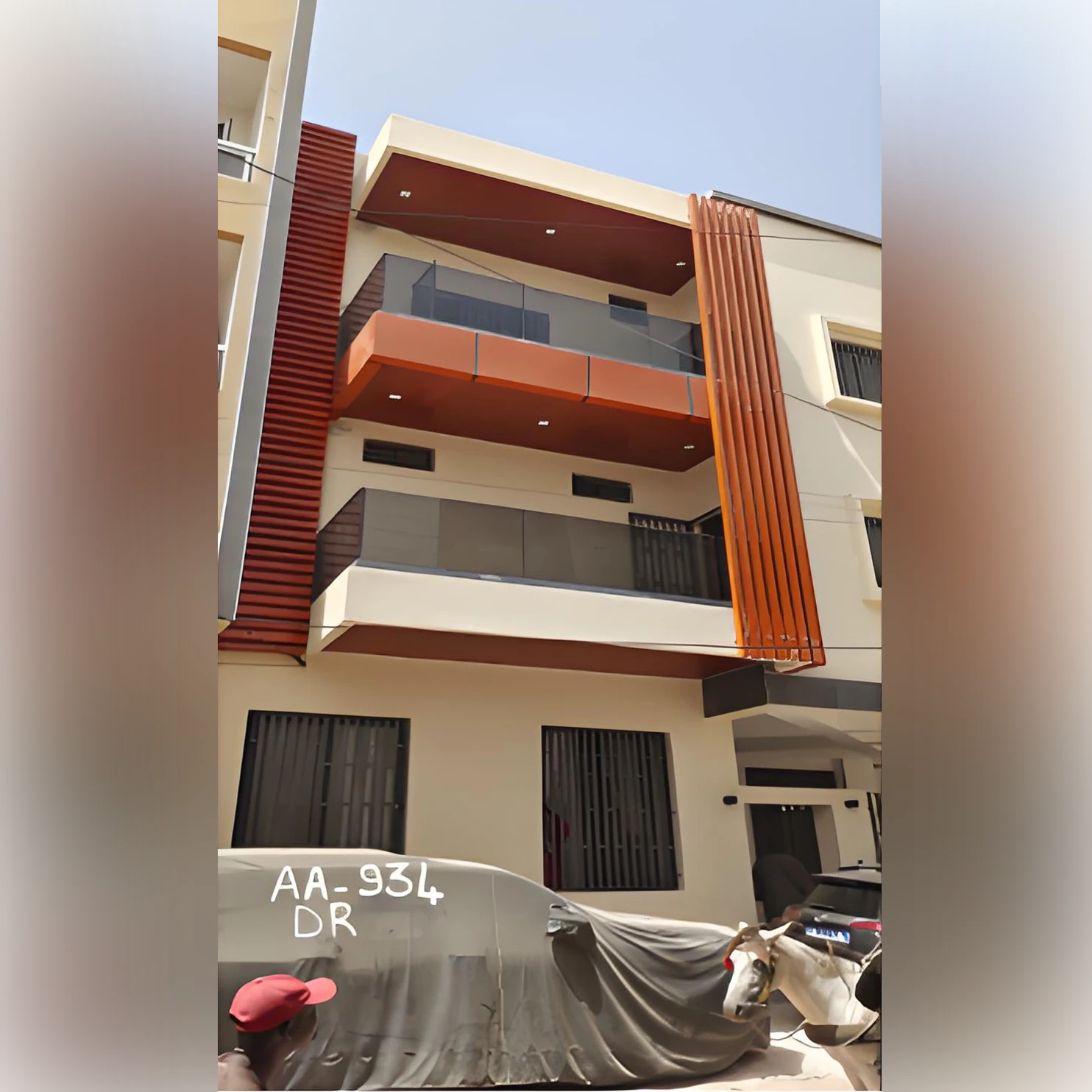
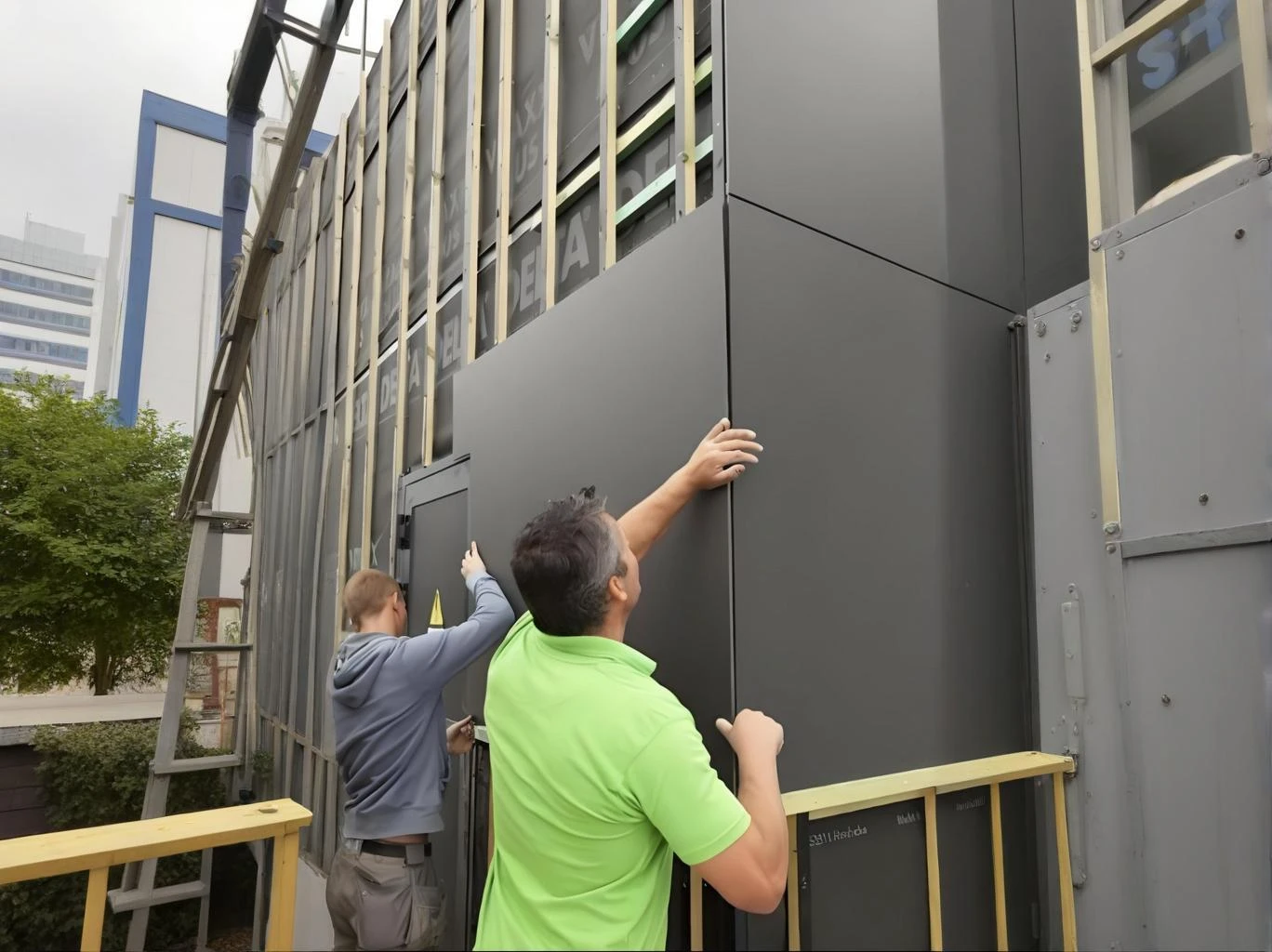
For exterior cladding on commercial buildings and hotels, the PE ACP provides an insulating layer that helps regulate indoor temperatures, contributing to energy efficiency. Its ability to be shaped into curves and angled forms allows architects to create wind-resistant facades that withstand harsh weather events.
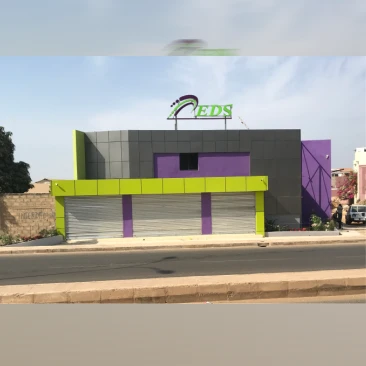
In advertising billboards and signboards, the panel's weatherability ensures that graphics remain intact and visible despite rain, sun, or snow. The polyester coating offers a smooth surface for high-quality prints, while the PE core absorbs environmental stresses, reducing the risk of damage from gusts or impacts.
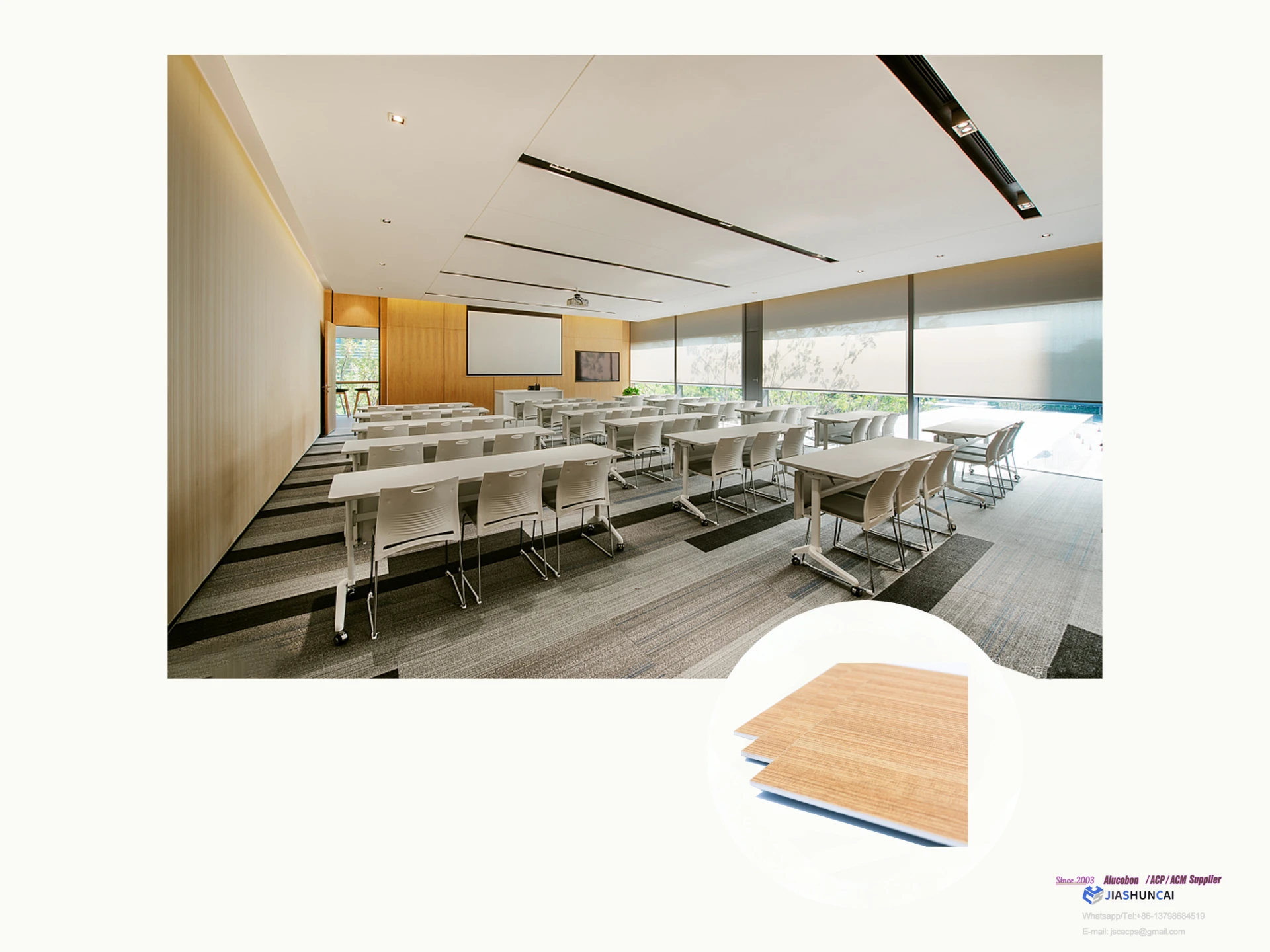
Interior applications, such as walls and ceilings in tunnels or airports, benefit from the material's moisture resistance and ease of cleaning. In humid or variable climates, this prevents mold growth and maintains a pristine appearance over time.
Furniture and display platforms made from PE aluminium composite panel can be used both indoors and outdoors, thanks to their robust construction. The material's lightweight nature facilitates installation, while its durability ensures it can handle temperature swings and physical wear.
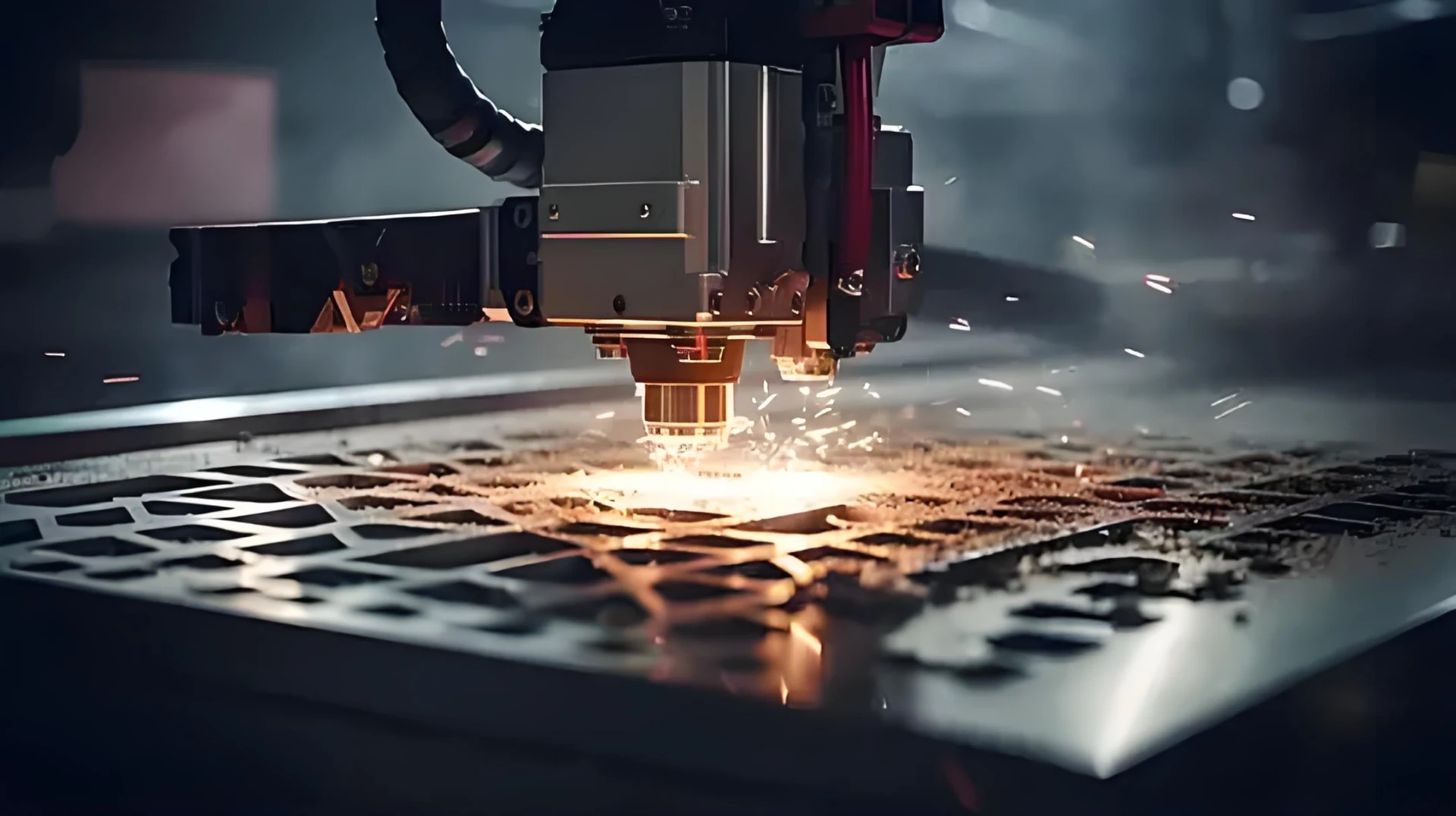
The fabrication options—including routed edges and punched designs—allow for precise adaptations to specific climatic needs, such as improved drainage in rainy regions or enhanced airflow in hot areas. This flexibility, combined with the product's consistent performance, makes JiaShunCai's ACP PE a reliable choice for global projects.
FAQs About PE ACP Weather Resistance
What are the key factors that make pe acp suitable for use in regions with high UV exposure?
The suitability of pe acp in high-UV areas stems from its polyester coating, which is designed to reflect and absorb ultraviolet radiation. This coating prevents degradation, such as color fading or surface chalking, ensuring the panel retains its vibrant appearance and structural integrity over years of exposure. Combined with the aluminum skins' inherent reflectivity, it offers a durable solution for sun-intensive climates.
How does the pe aluminium composite panel perform in environments with frequent freeze-thaw cycles?
In freeze-thaw conditions, the pe aluminium composite panel excels due to its low moisture absorption and flexible polyethylene core. The panel resists cracking and deformation caused by ice formation, as the materials are tested to withstand thermal expansion and contraction. This makes it reliable for applications in cold climates, where temperature swings are common.
Can acp pe withstand strong winds and impact from debris in storm-prone areas?
Yes, acp pe is built to endure high-wind scenarios and minor impacts, thanks to its high-strength aluminum alloy sheets and shock-absorbent polyethylene core. The panel's durability is validated under quality controls, making it a safe choice for advertising billboards or building exteriors in storm-prone regions, where resistance to wind loads and flying debris is essential.
Is the polyethylene core in pe acp resistant to moisture and mold in humid climates?
Absolutely, the non-toxic low-density polyethylene (LDPE) core in pe acp is inherently resistant to moisture absorption, which inhibits mold growth and rotting. This property, paired with the impermeable aluminum layers, ensures the panel remains unaffected in humid environments, supporting uses in interior walls or ceilings where dampness might be a concern.
How does the coating on pe aluminium composite panel contribute to its longevity in polluted urban settings?
The polyester coating on pe aluminium composite panel provides a smooth, non-porous surface that repels pollutants, dirt, and chemicals. This ease of cleaning and resistance to acid rain or industrial fallout helps maintain the panel's appearance and functionality, reducing maintenance costs in urban applications like office buildings or tunnels.
In summary, JiaShunCai's PE aluminium composite panel stands out as a weather-resistant material capable of thriving in extreme climates, owing to its robust composition of high-strength aluminum, polyethylene core, and protective coatings. Its performance in temperature extremes, moisture resistance, and UV stability ensures reliability for large-scale projects, from commercial facades to advertising infrastructures. By integrating advanced manufacturing under ISO9001 standards, this material not only meets functional demands but also enhances architectural beauty, proving to be a dependable choice for global construction needs. As climates continue to pose challenges, the enduring qualities of this panel make it a cornerstone for sustainable and resilient building solutions.