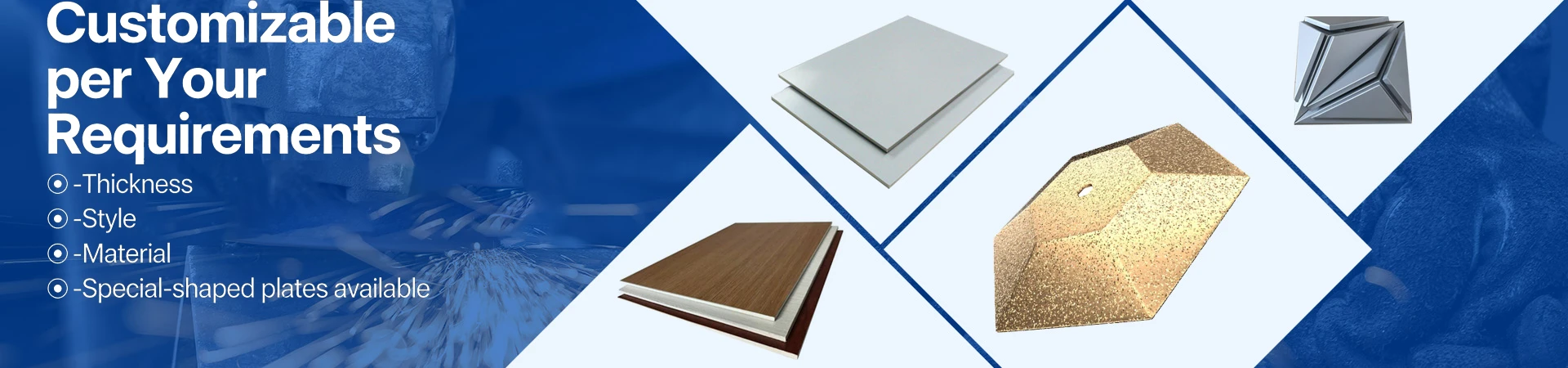
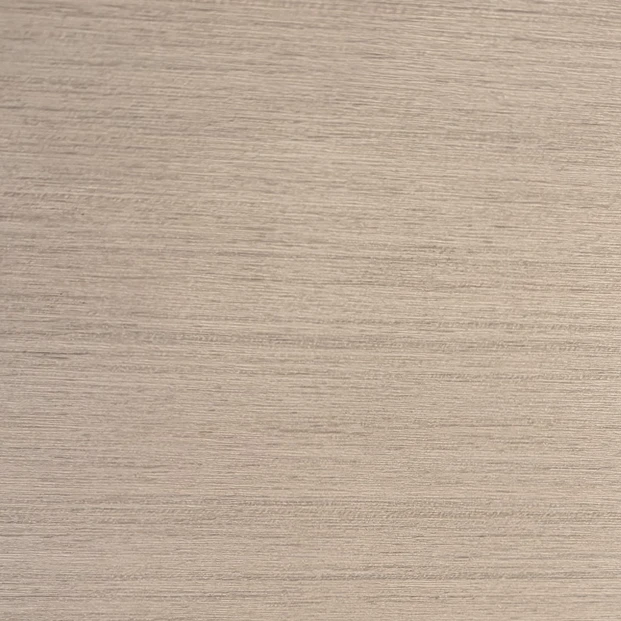
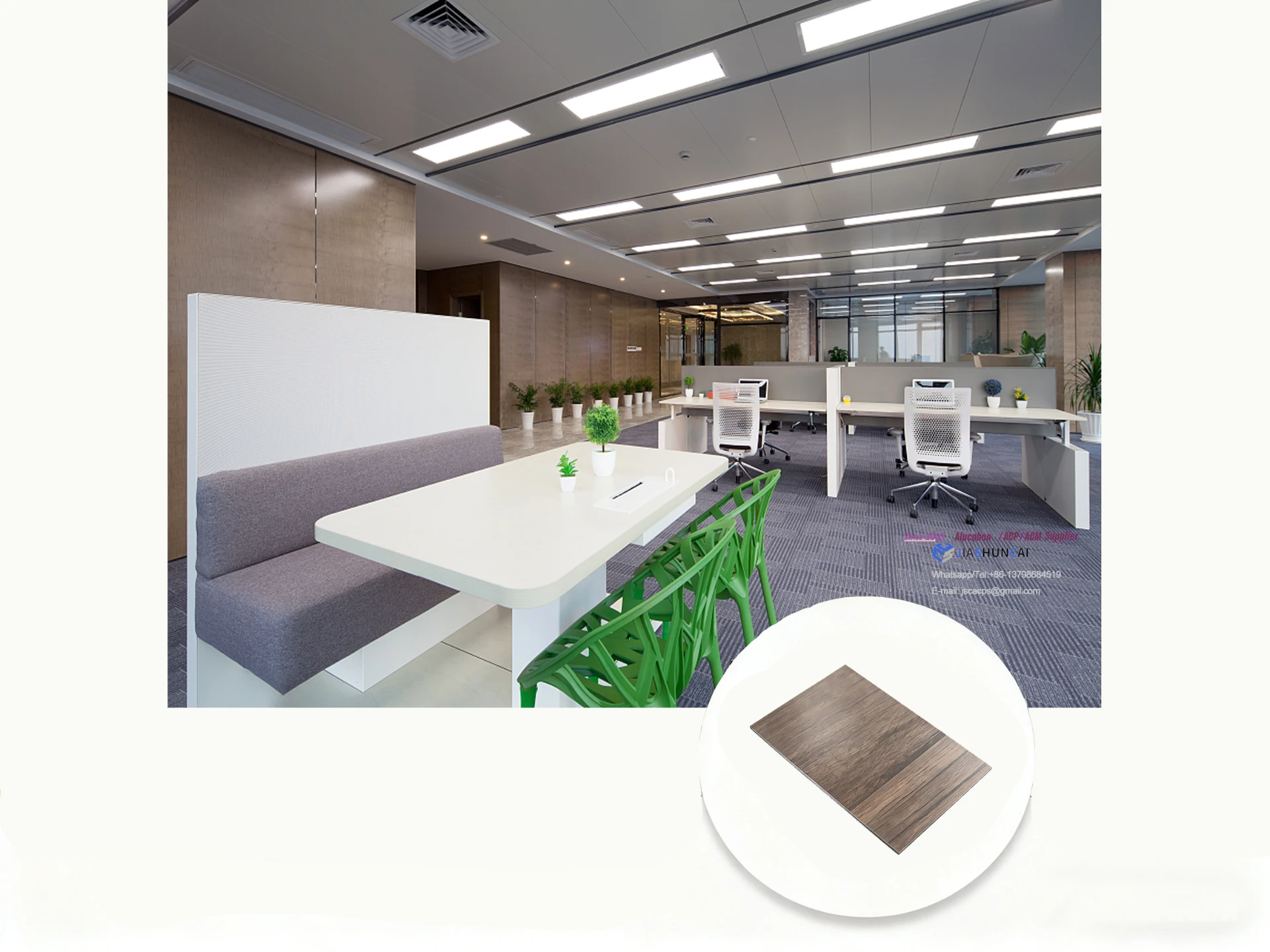
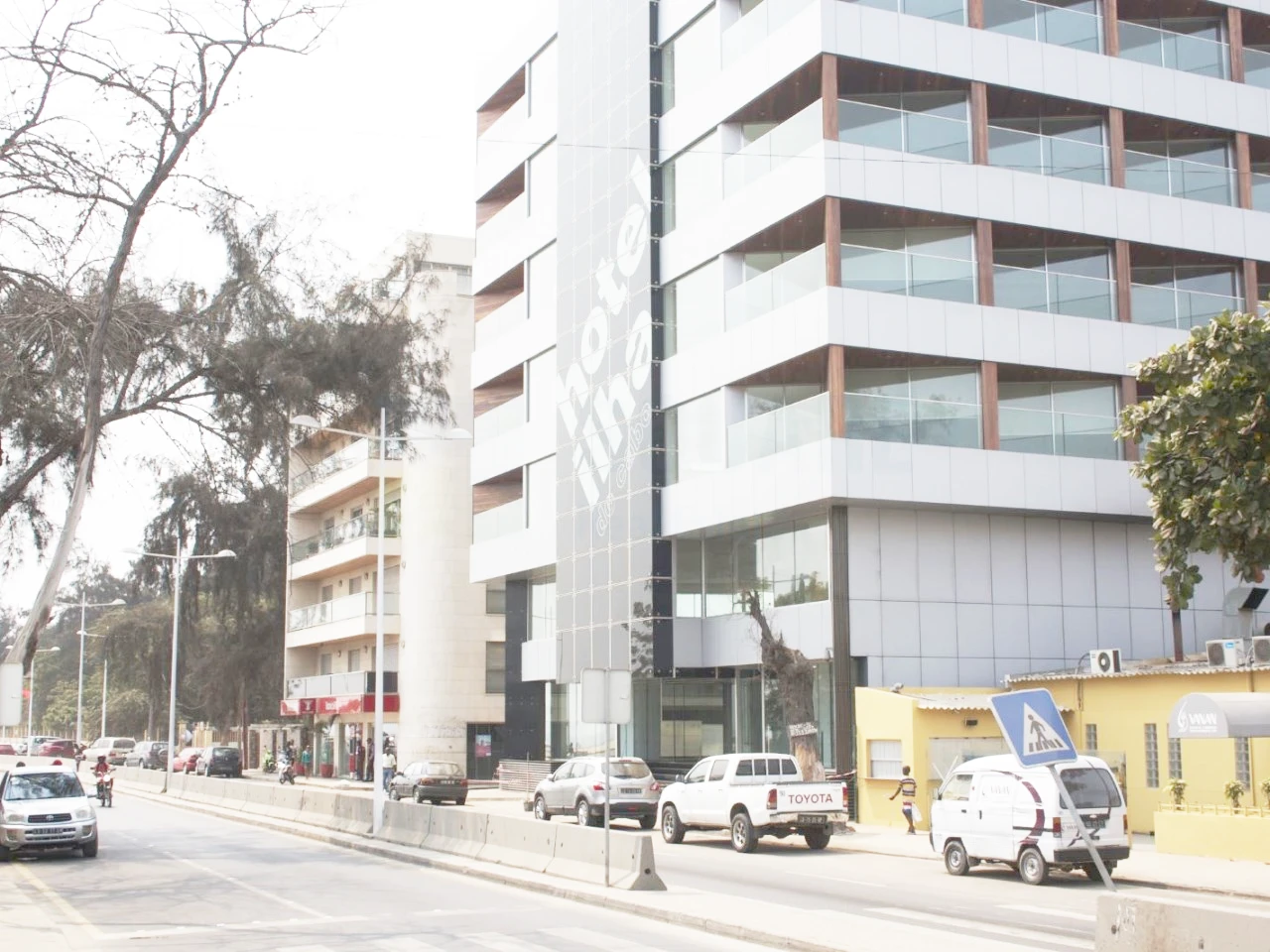
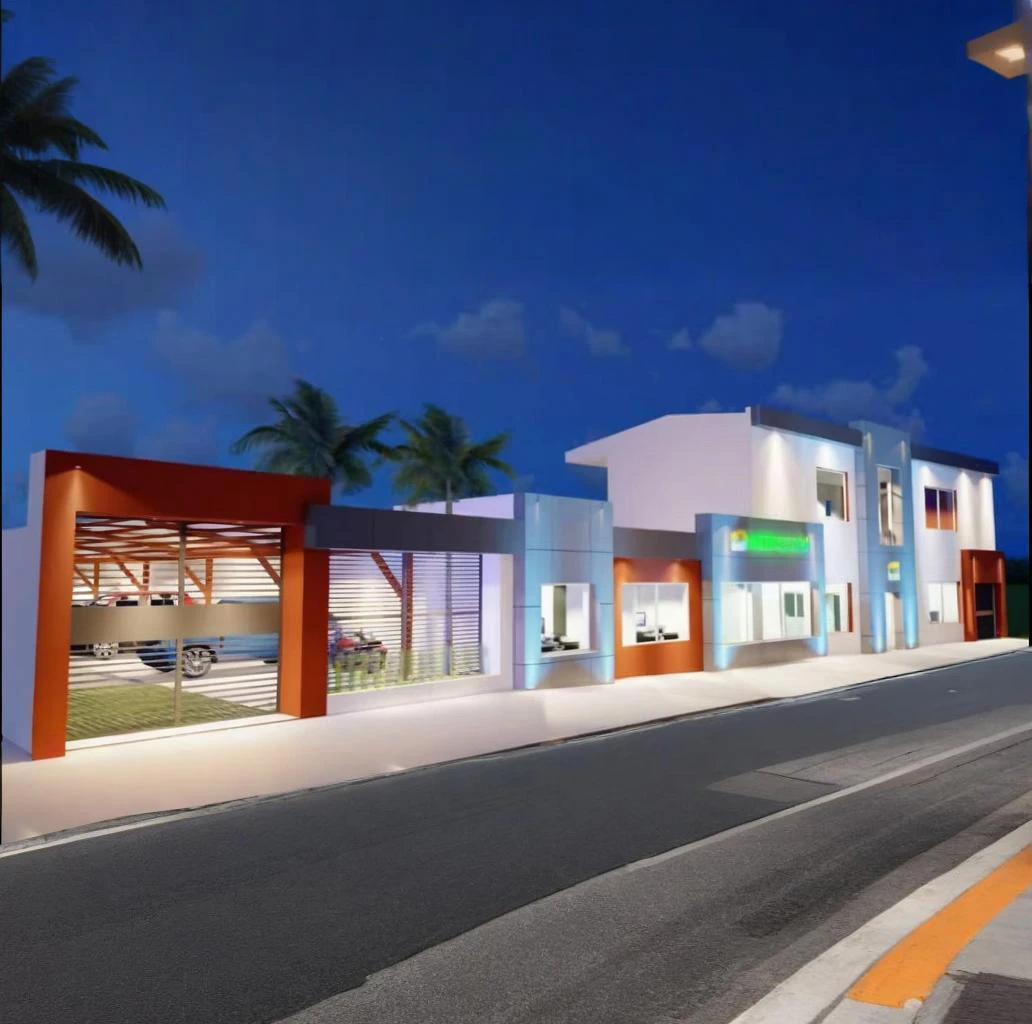
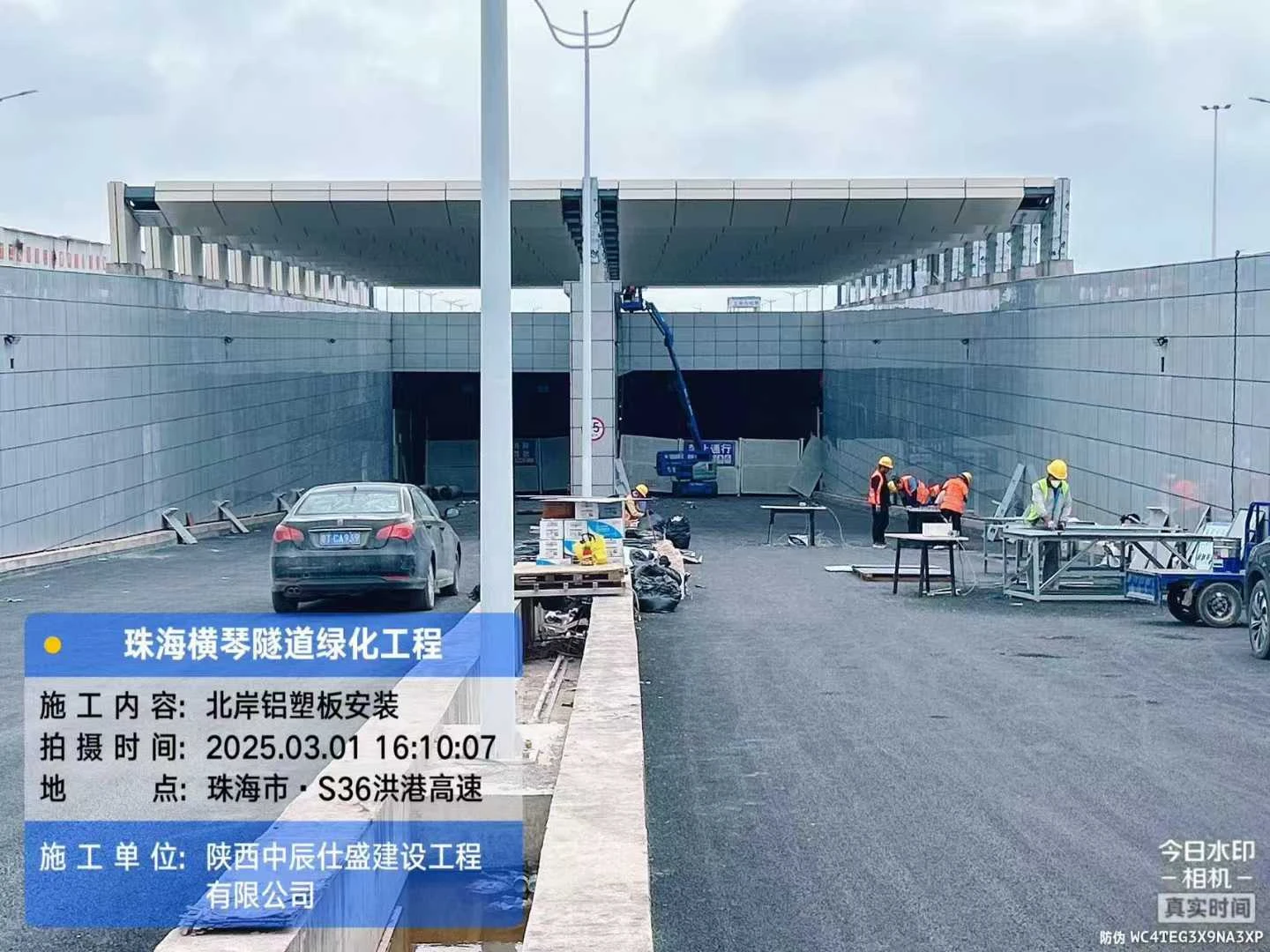
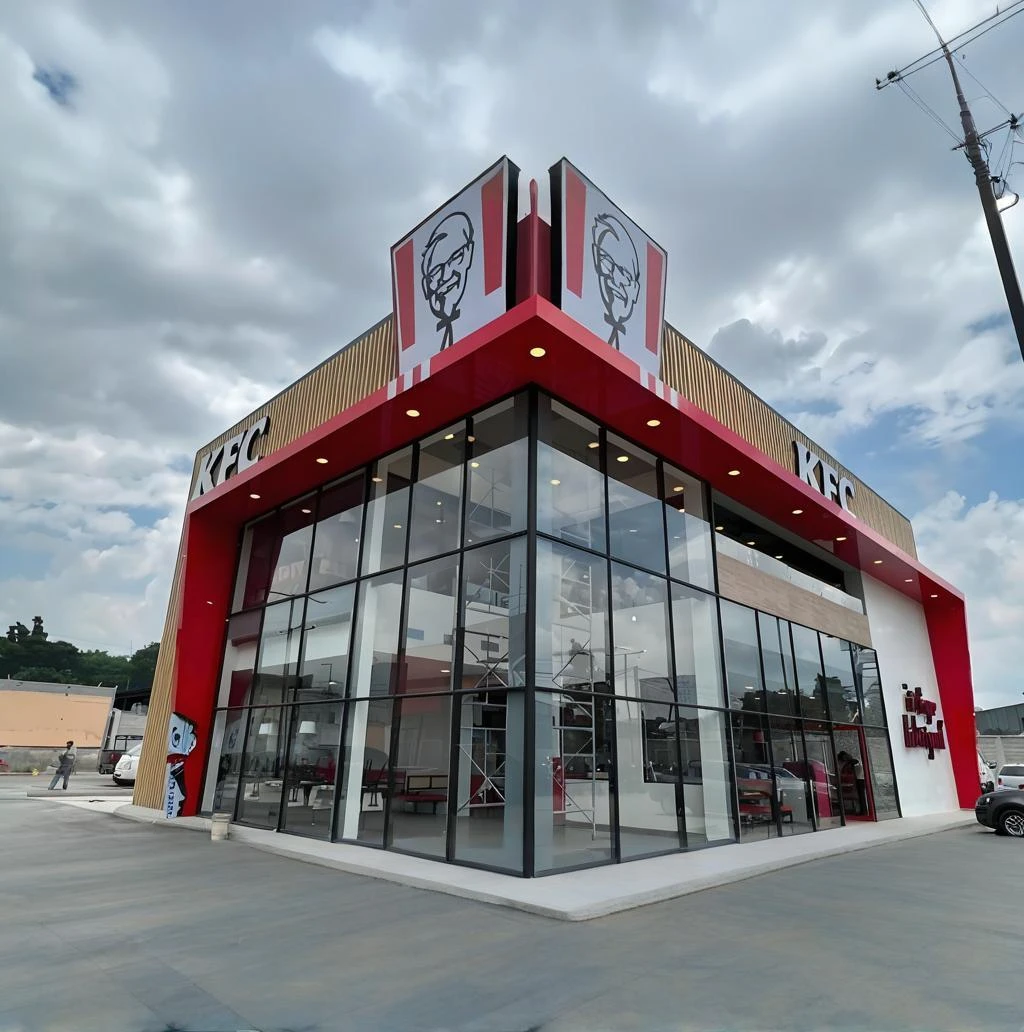
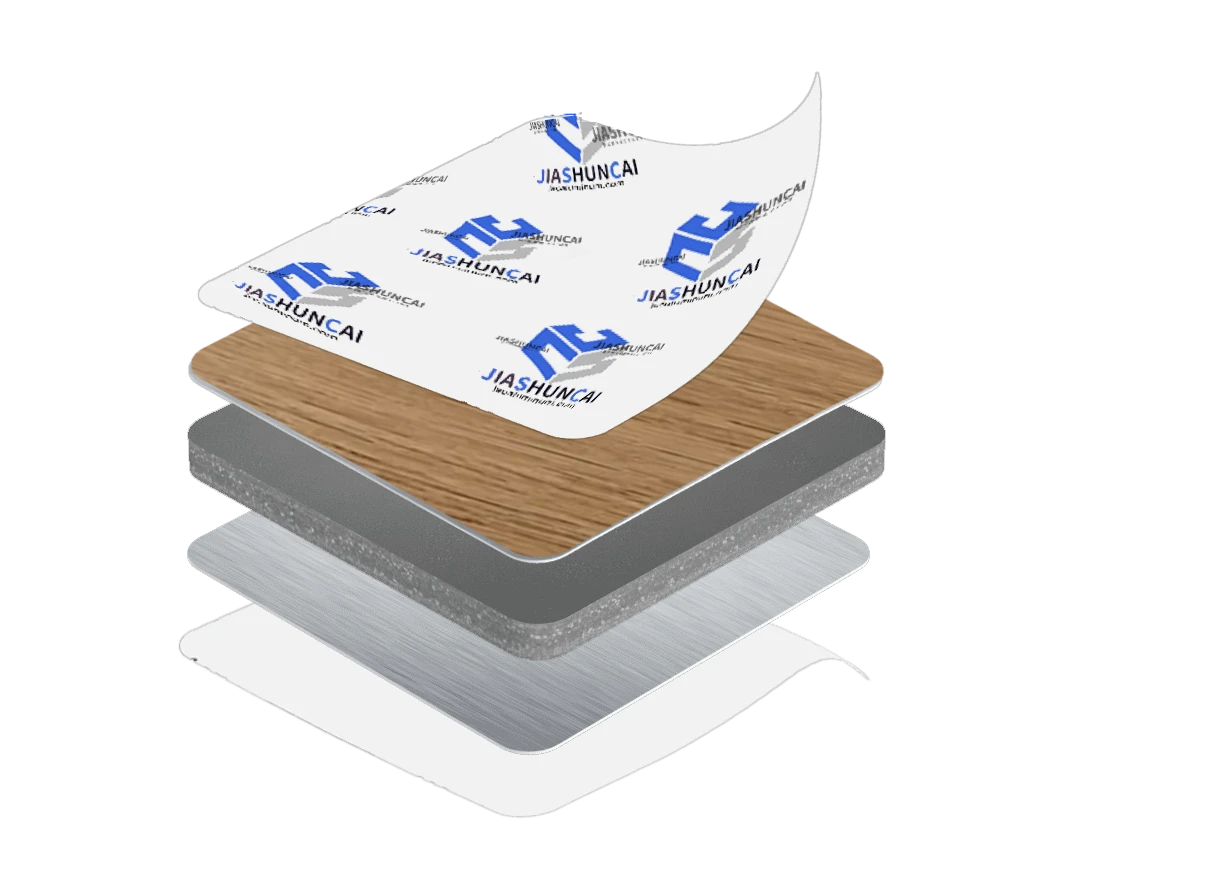
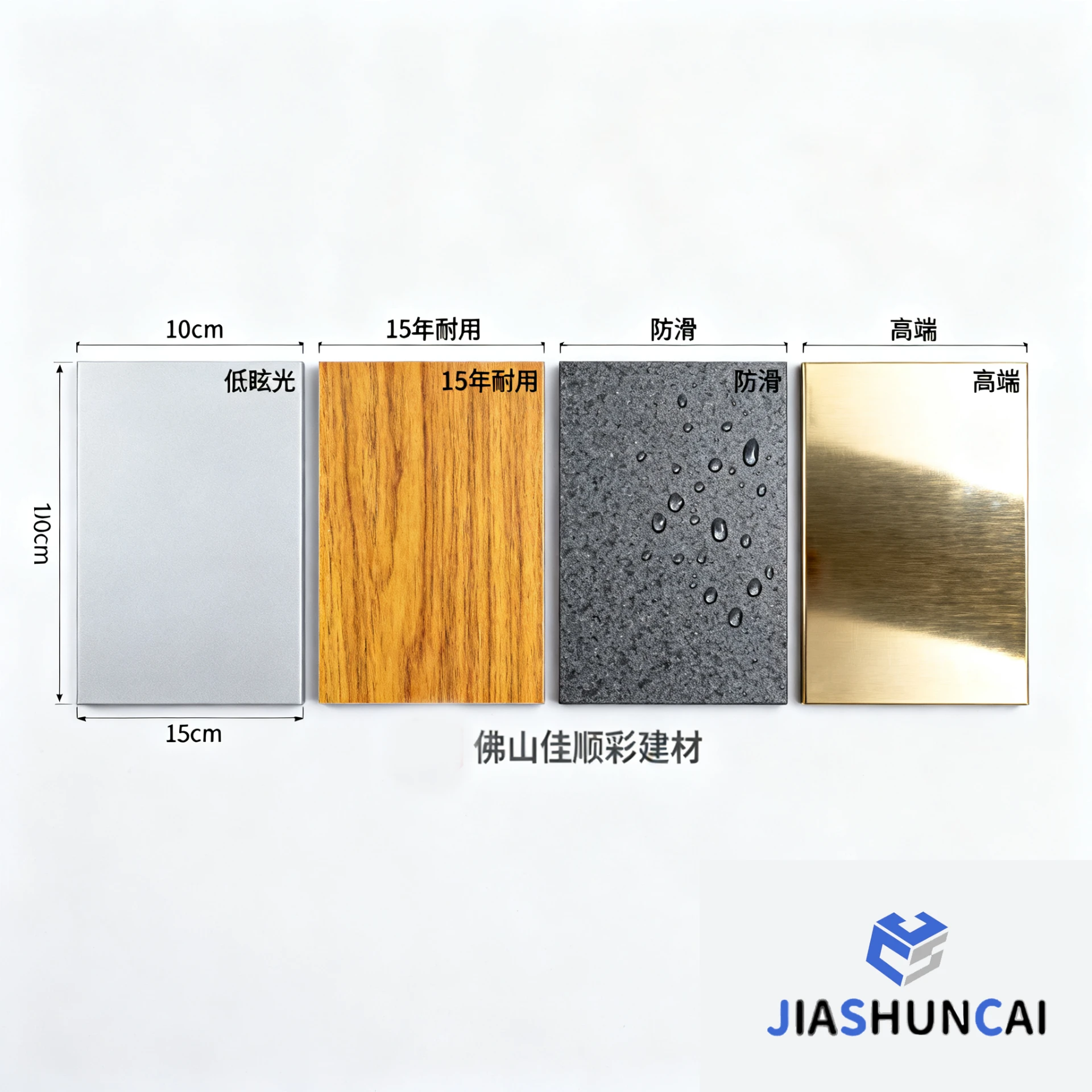
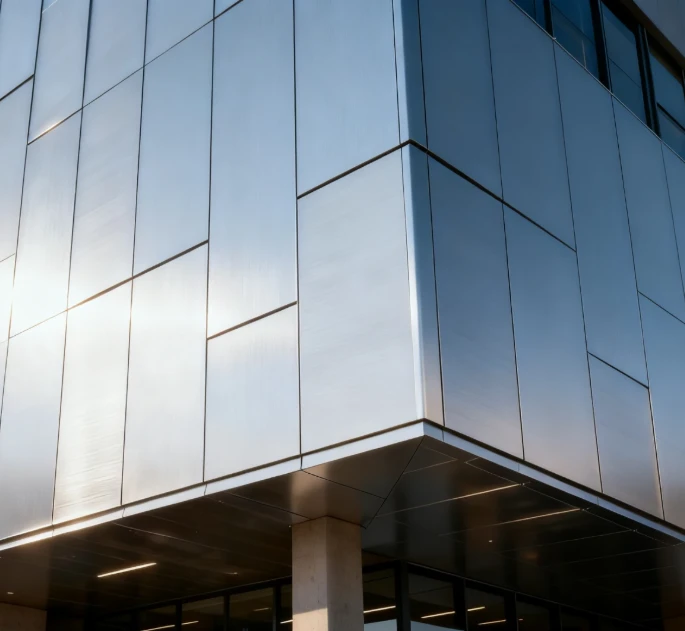
Panel aluminium composite—including versatile aluminium composite panel and durable aluminium acp sheet—is a cornerstone of modern architecture and interior design, thanks to its exceptional malleability and strength. Unlike rigid materials like solid aluminum or stone, these panels (with their PE core and aluminum outer layers) can be cut, bent, and shaped into intricate forms to match unique design visions—from curved facade accents to routed interior wall details. For wholesalers serving architects, construction firms, or furniture manufacturers, understanding the cutting and shaping processes of panel aluminium composite is key to helping clients unlock its full potential. 2025 Foshan Jiashuncai Building Materials Co., Ltd. (JiaShunCai), a leading producer of aluminium composite panel (known as ALUCOBOND in Europe and Africa), crafts ISO9001-certified panels specifically engineered for easy cutting and shaping—supporting applications from commercial building facades to custom furniture.
Essential Cutting Techniques for Aluminium Composite Panel
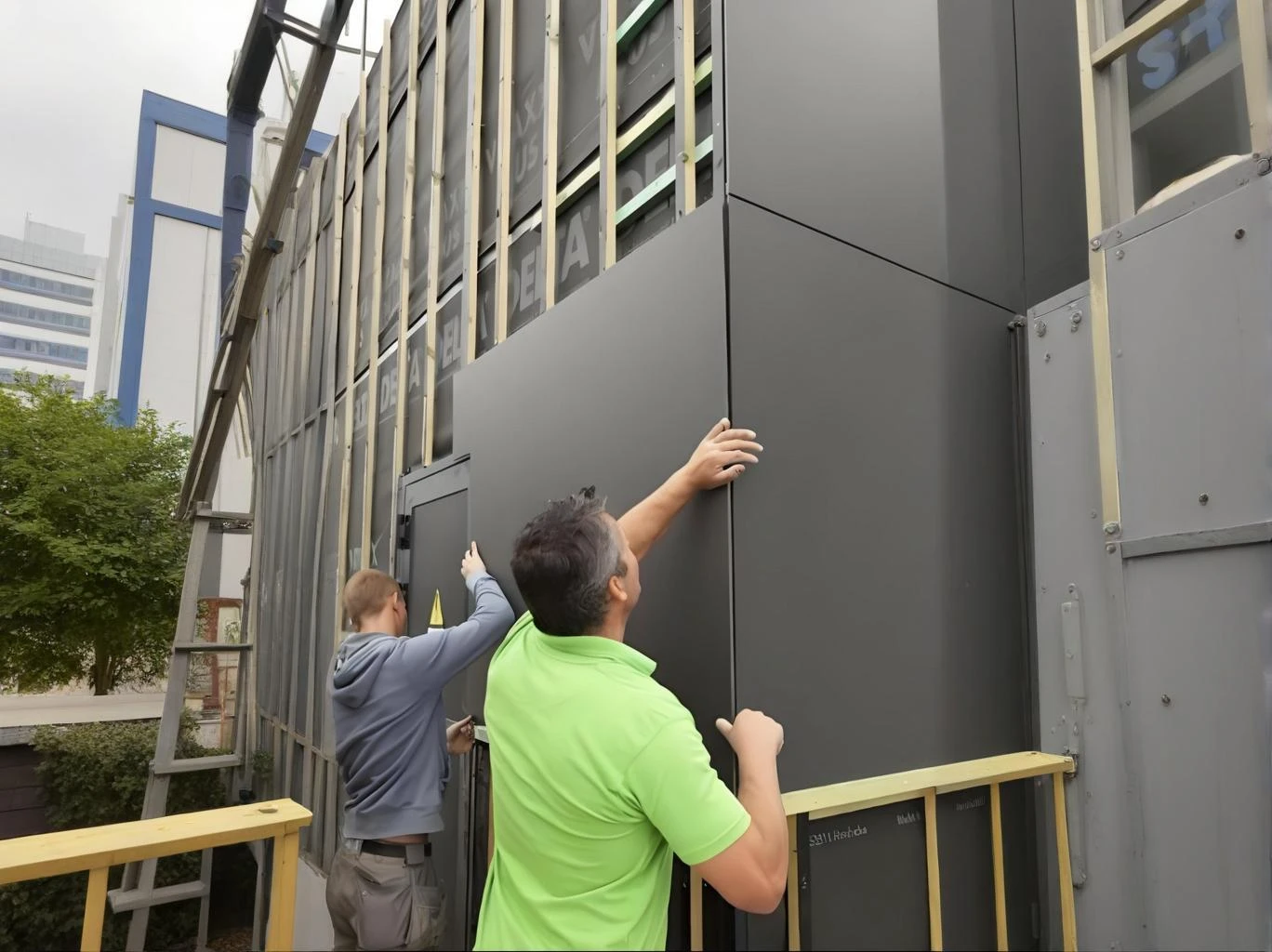
- Dry Cutting for Straight Edges in Panel Aluminium Composite: Dry cutting is the most common method for aluminium composite panel, ideal for creating straight edges for wall cladding, ceiling panels, or signboards. Using a circular saw fitted with a fine-tooth aluminum-cutting blade (60–80 teeth), operators can make clean, precise cuts through aluminium acp sheet without damaging its PE core or PVDF/PE coating. JiaShunCai recommends clamping the panel firmly to a workbench during cutting to avoid vibration (which can cause rough edges) and wearing a dust mask (to capture aluminum dust). For example, a contractor cutting panel aluminium composite for a hotel’s interior wall cladding can achieve uniform 2.4m lengths with dry cutting, ensuring seamless jointing during installation. For wholesalers, this technique is a baseline selling point: it’s accessible to most contractors, making aluminium composite panel easy to integrate into existing workflows.
- Wet Cutting for Smooth Finishes in Aluminium ACP Sheet: For projects requiring ultra-smooth edges (e.g., furniture surfaces, display platforms), wet cutting is preferred for aluminium acp sheet. This method uses a jigsaw or router with a water-cooled blade, which reduces friction and heat—preventing the panel’s coating from melting or chipping. Wet cutting is especially useful for aluminium composite panel with PVDF coatings (common in high-end projects), as it preserves the coating’s glossy finish. JiaShunCai’s panels are designed to withstand wet cutting without water seeping into the PE core (thanks to their tight aluminum-core bonding). A manufacturer crafting custom cabinet doors from panel aluminium composite can use wet cutting to create crisp, splinter-free edges that need minimal sanding. For wholesalers, highlighting wet cutting compatibility caters to clients focused on premium finishes, expanding market reach beyond basic construction.
Shaping Processes for Panel Aluminium Composite
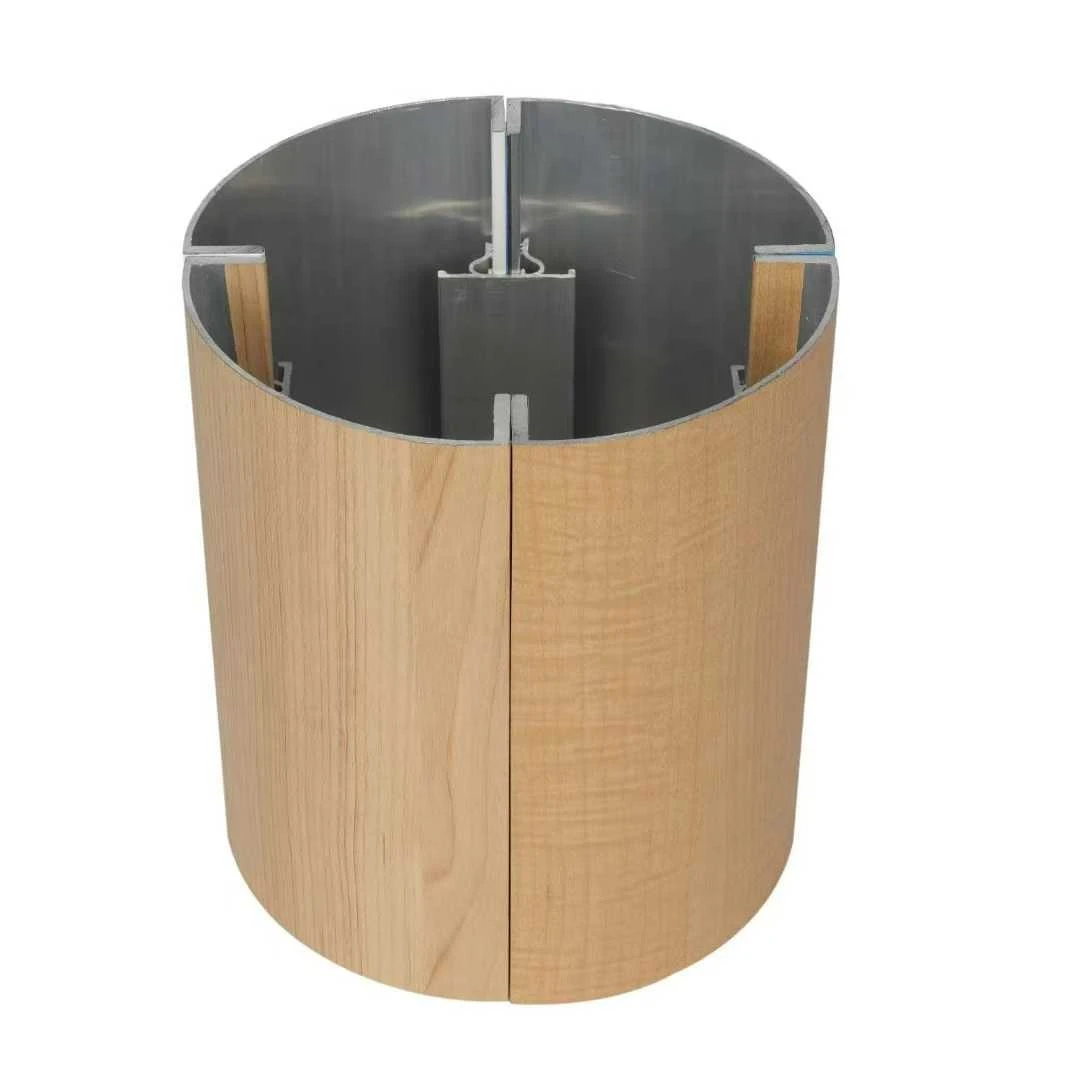
- Bending and Curving for Organic Forms in Aluminium Composite Panel: Aluminium composite panel excels at bending, making it perfect for creating curved accents like rounded wall corners, archways, or wave-like facade elements. Using a panel bender (manual or hydraulic), operators can bend aluminium acp sheet to radii as small as 50mm (depending on panel thickness) without cracking the aluminum layers or core. JiaShunCai’s panels are particularly flexible due to their thin (0.2–0.5mm) aluminum sheets and high-quality PE core—supporting both single-curve (e.g., cylindrical columns) and double-curve (e.g., dome-shaped ceilings) designs. For instance, an architect designing a shopping mall’s entrance can specify curved panel aluminium composite to soften the building’s lines, with JiaShunCai providing pre-bent panels for bulk installation.
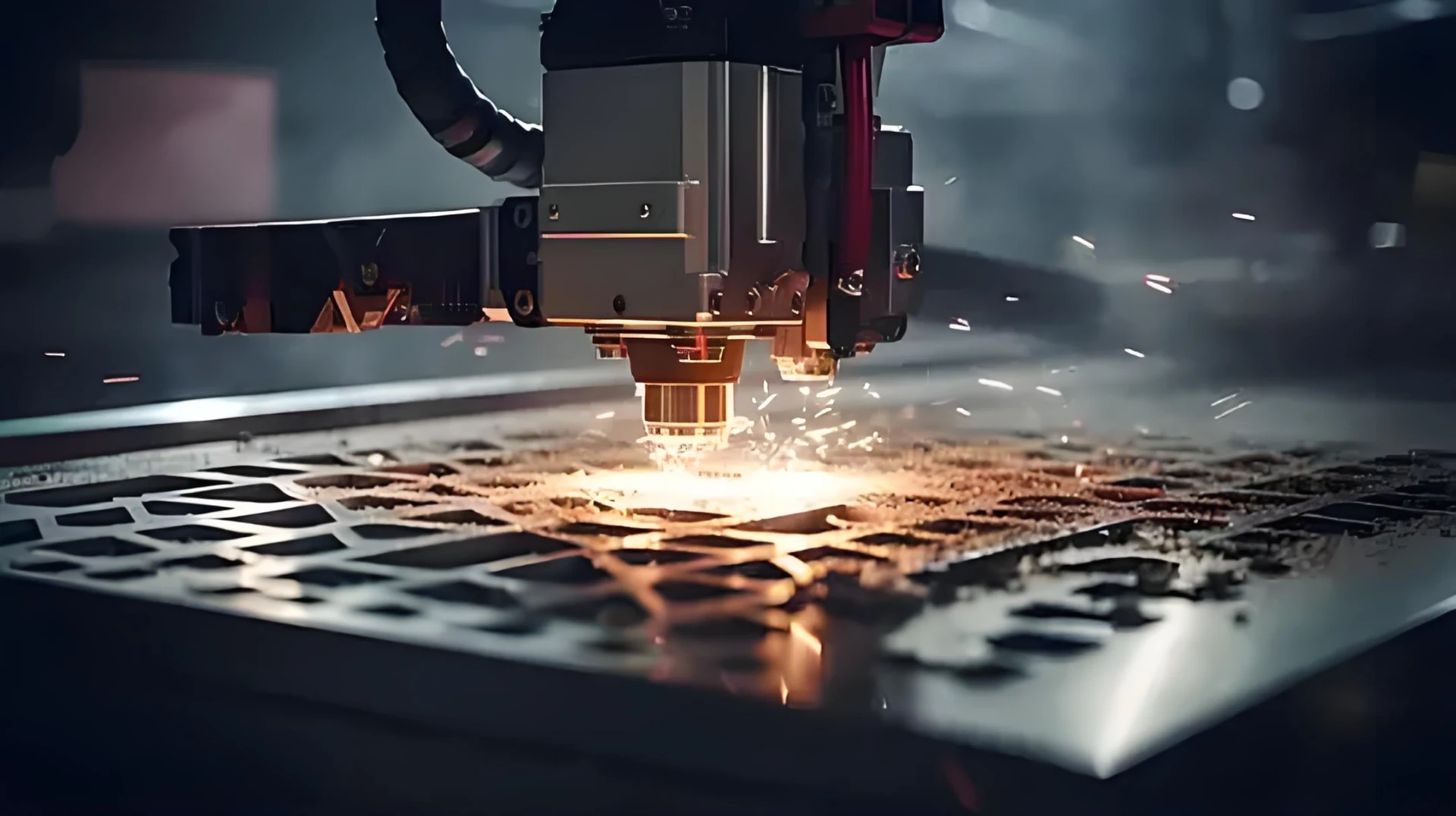
- Routing and Punching for Textured Details in Aluminium ACP Sheet: Routing and punching add texture and functionality to aluminium acp sheet, ideal for decorative screens, acoustic panels, or furniture with built-in features. Routing uses a CNC router to carve grooves, channels, or patterns into the panel’s surface—for example, creating 5mm-deep grooves in panel aluminium composite to mimic wooden slats for a restaurant’s accent wall. Punching, meanwhile, uses a hydraulic press to create holes (round, square, or custom shapes) for ventilation (e.g., in office ceiling panels) or decorative light fixtures. JiaShunCai’s aluminium composite panel maintains structural integrity even after routing or punching, thanks to its strong aluminum-PE core bond.
Cutting & Shaping Comparison for Panel Aluminium Composite Applications
|
Application
|
Recommended Technique
|
Key Benefit for Aluminium Composite Panel
|
JiaShunCai Panel Advantage
|
Wholesaler Value
|
|
Commercial Wall Cladding
|
Dry cutting (circular saw)
|
Straight edges; fast processing
|
Tight core bonding; no edge fraying
|
Easy for contractors to install in bulk
|
|
Custom Furniture
|
Wet cutting (router)
|
Smooth, chip-free edges
|
PVDF coating resists water/heat damage
|
Appeals to premium furniture makers
|
|
Curved Facade Accents
|
Hydraulic bending
|
Flexible radii; organic shapes
|
Thin aluminum sheets for easy bending
|
Enables unique architectural designs
|
|
Decorative Screens/Lighting
|
CNC routing + punching
|
Textured details; functional holes
|
Structural integrity post-processing
|
Caters to interior designers’ creativity
|
Best Practices for Cutting & Shaping Aluminium ACP Sheet
- Tool Selection to Preserve Coating in Panel Aluminium Composite: Choosing the right tools is critical to avoiding coating damage when working with panel aluminium composite. JiaShunCai recommends using blades/routing bits specifically designed for aluminum (e.g., carbide-tipped blades) to prevent tearing the panel’s outer aluminum layer or scratching its PVDF/PE coating. For dry cutting, a blade with 60+ teeth ensures clean cuts without “grabbling” (pulling the panel), while wet cutting tools should have sealed motors to prevent water damage. Wholesalers can provide clients with a tool guide (customized for JiaShunCai’s panels) to reduce mistakes—for example, specifying that jigsaws used on aluminium acp sheet should run at 1,500–2,000 RPM for optimal results. This support reduces client frustration and waste, strengthening loyalty.
- Post-Processing Tips for Aluminium Composite Panel: After cutting or shaping, aluminium composite panel may need minor post-processing to ensure a flawless finish. JiaShunCai advises lightly sanding cut edges with 240-grit sandpaper (to remove burrs) and wiping the panel with a damp cloth (to remove dust or water residue from wet cutting). For panels with exposed edges (e.g., furniture tops), applying a matching aluminum edge banding (available from JiaShunCai as an accessory) hides the PE core and enhances durability. A contractor finishing panel aluminium composite for a retail display platform can use this post-processing to create a professional look that competes with solid wood or stone. For wholesalers, offering compatible accessories like edge banding turns a single product into a complete solution, increasing order value.
Panel Aluminium Composite FAQS
Can Panel Aluminium Composite Be Cut to Custom Sizes in Bulk?
Yes—JiaShunCai offers factory pre-cutting for panel aluminium composite bulk orders, saving clients time and labor. Wholesalers can submit custom size requests (e.g., 1.2m x 2.4m for office ceiling panels, 0.6m x 1.8m for signboards), and JiaShunCai uses precision CNC cutters to ensure uniform dimensions across thousands of panels. This eliminates on-site cutting waste and ensures consistency—critical for large projects like commercial building facades. For wholesalers, factory pre-cutting is a value-added service that differentiates their offerings from competitors.
Will Shaping Aluminium ACP Sheet Weaken Its Structural Strength?
No—when done correctly, shaping aluminium acp sheet maintains its structural integrity. JiaShunCai’s panels are engineered with a balanced aluminum-to-core ratio: bending or routing removes only a small portion of the material, leaving the remaining structure strong enough for its intended use (e.g., curved wall cladding supports its own weight, routed acoustic panels resist impact). Over-bending (to radii smaller than 50mm) can weaken the panel, but JiaShunCai provides detailed shaping guidelines to avoid this. For wholesalers, this reassurance addresses a common client concern, making aluminium composite panel a reliable choice for structural and decorative applications.
Is Special Training Needed to Cut or Shape Aluminium Composite Panel?
No—basic training in using standard power tools (circular saws, routers) is sufficient for cutting and shaping aluminium composite panel, making it accessible to most contractors. JiaShunCai provides free training materials (video tutorials, step-by-step guides) for wholesalers to share with clients, covering tool setup, safety precautions, and troubleshooting common issues (e.g., rough edges, coating chipping). For more complex shaping like double-curving, JiaShunCai can connect wholesalers’ clients with certified fabricators—ensuring even intricate projects are executed smoothly. For wholesalers, this low barrier to entry expands the client base, as small contractors or furniture makers can confidently work with panel aluminium composite without extensive training.
Can Aluminium ACP Sheet Be Shaped Into Custom Patterns for Branded Projects?
Absolutely—JiaShunCai supports custom shaping of aluminium acp sheet for branded projects, such as logo-embossed signboards, branded retail display walls, or pattern-matched facade panels. Using CNC routing and punching, the factory can replicate custom designs (provided by wholesalers’ clients) with high precision—for example, creating a hotel chain’s logo on panel aluminium composite facade panels or a brand’s signature pattern on retail store interior cladding. JiaShunCai also offers color matching for PVDF coatings, ensuring shaped panels align with clients’ brand palettes. For wholesalers, this custom capability caters to industries like hospitality, retail, and corporate design, where branded aesthetics are critical—turning aluminium composite panel into a strategic branding tool for clients.
Does Cutting or Shaping Affect the Weather Resistance of Aluminium Composite Panel?
When done following JiaShunCai’s guidelines, cutting and shaping do not compromise the weather resistance of aluminium composite panel. The factory applies a post-shaping sealant (provided to wholesalers as an accessory) for exposed cut edges, preventing moisture from seeping into the PE core—critical for outdoor applications like facade cladding or signboards. Additionally, the PVDF coating (used on JiaShunCai’s premium panels) remains intact during proper cutting/shaping, maintaining its resistance to UV rays, rain, and temperature fluctuations. For example, a curved aluminium composite panel facade shaped via hydraulic bending will retain its weather resistance for 15+ years, same as unshaped panels.