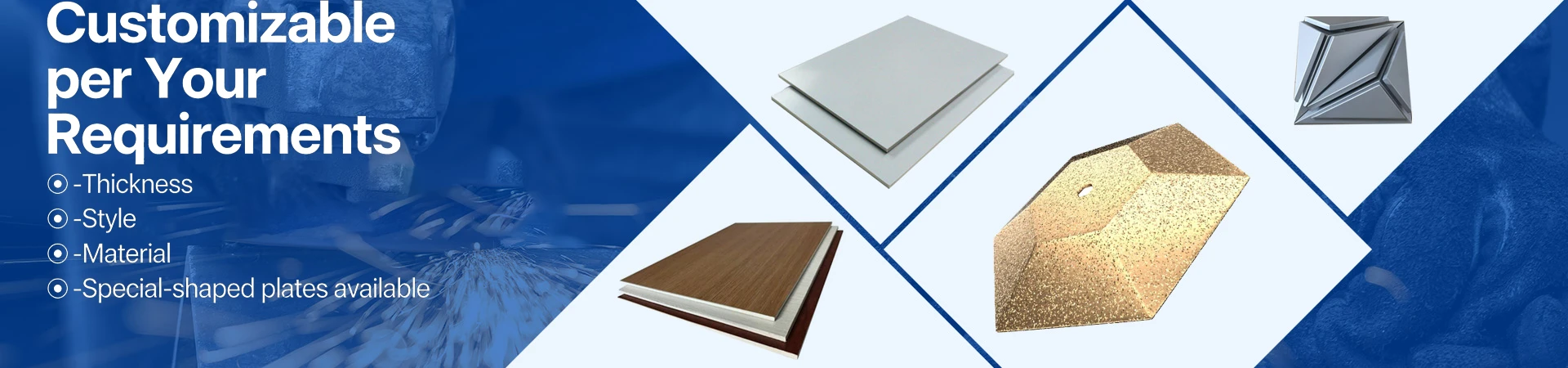
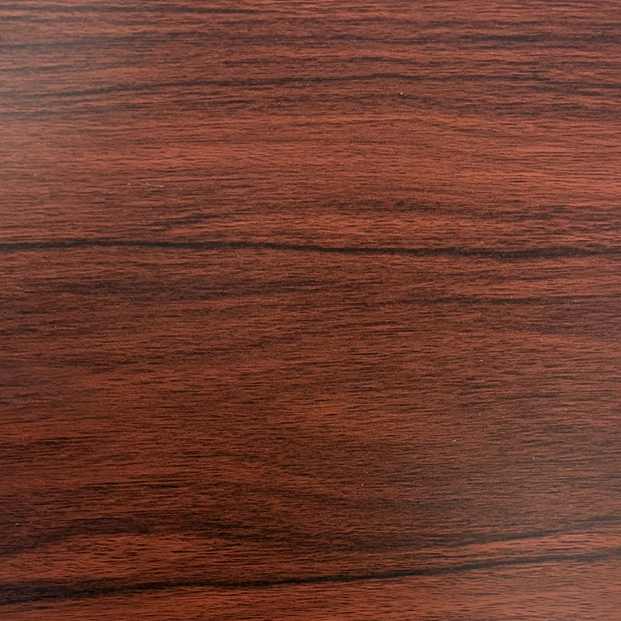
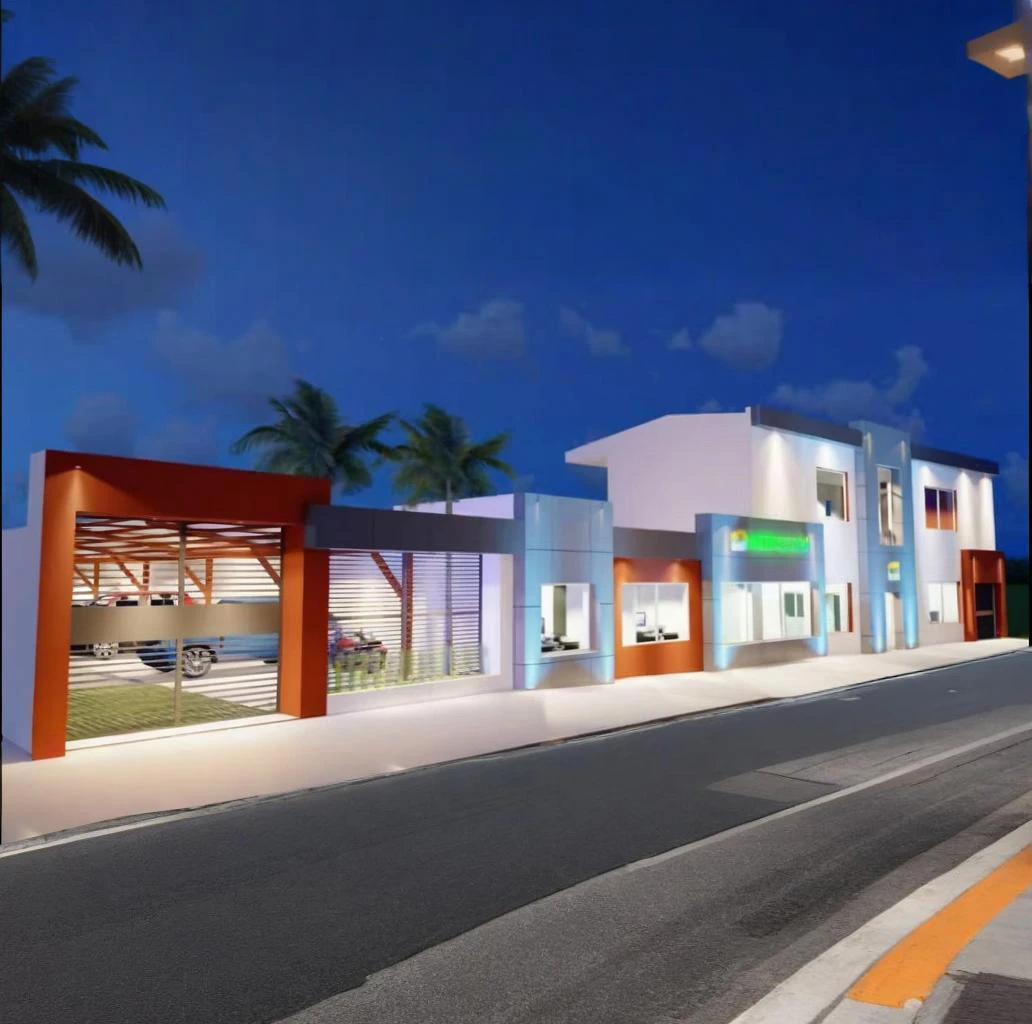
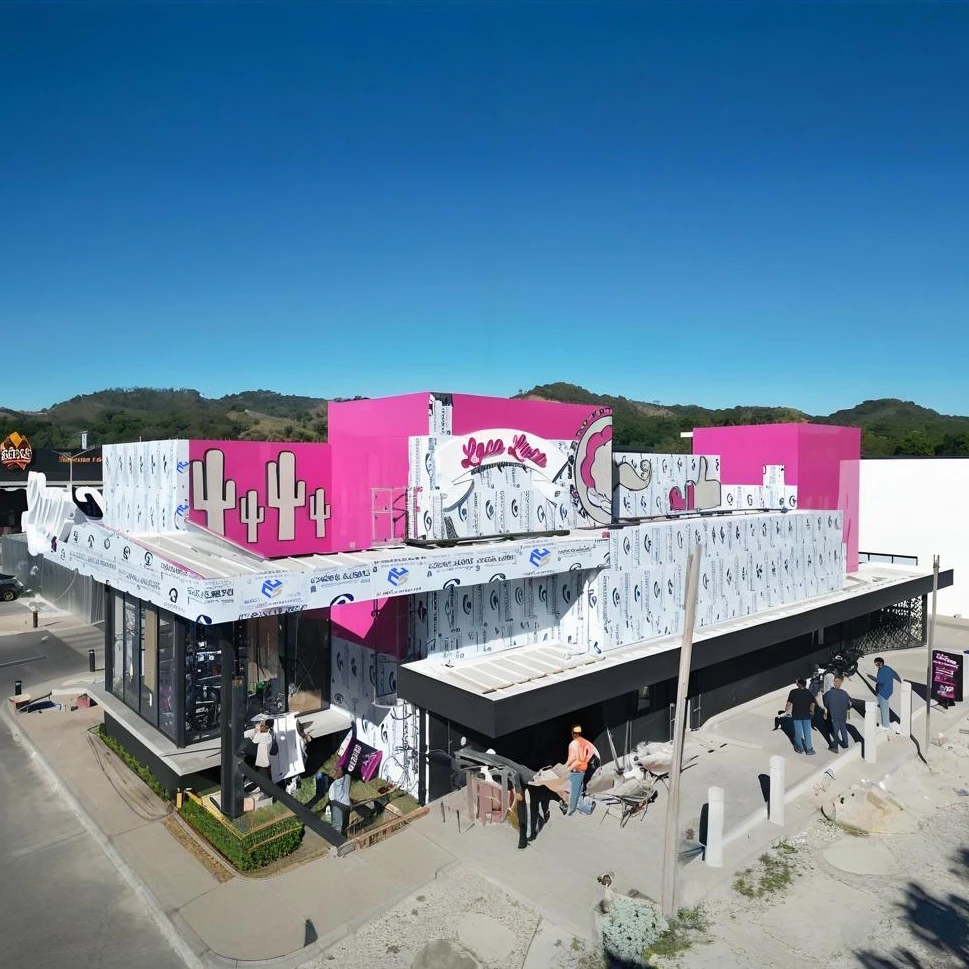
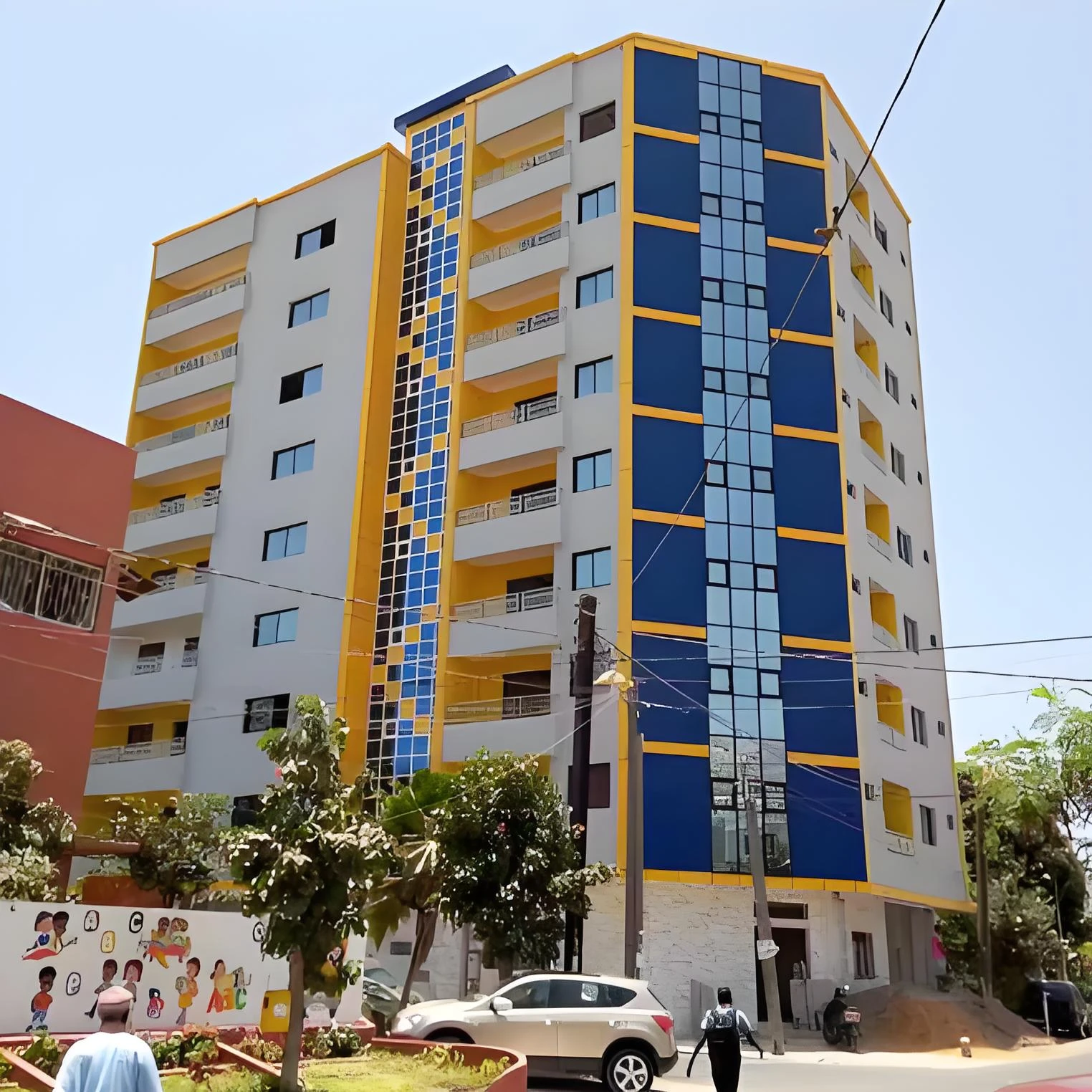
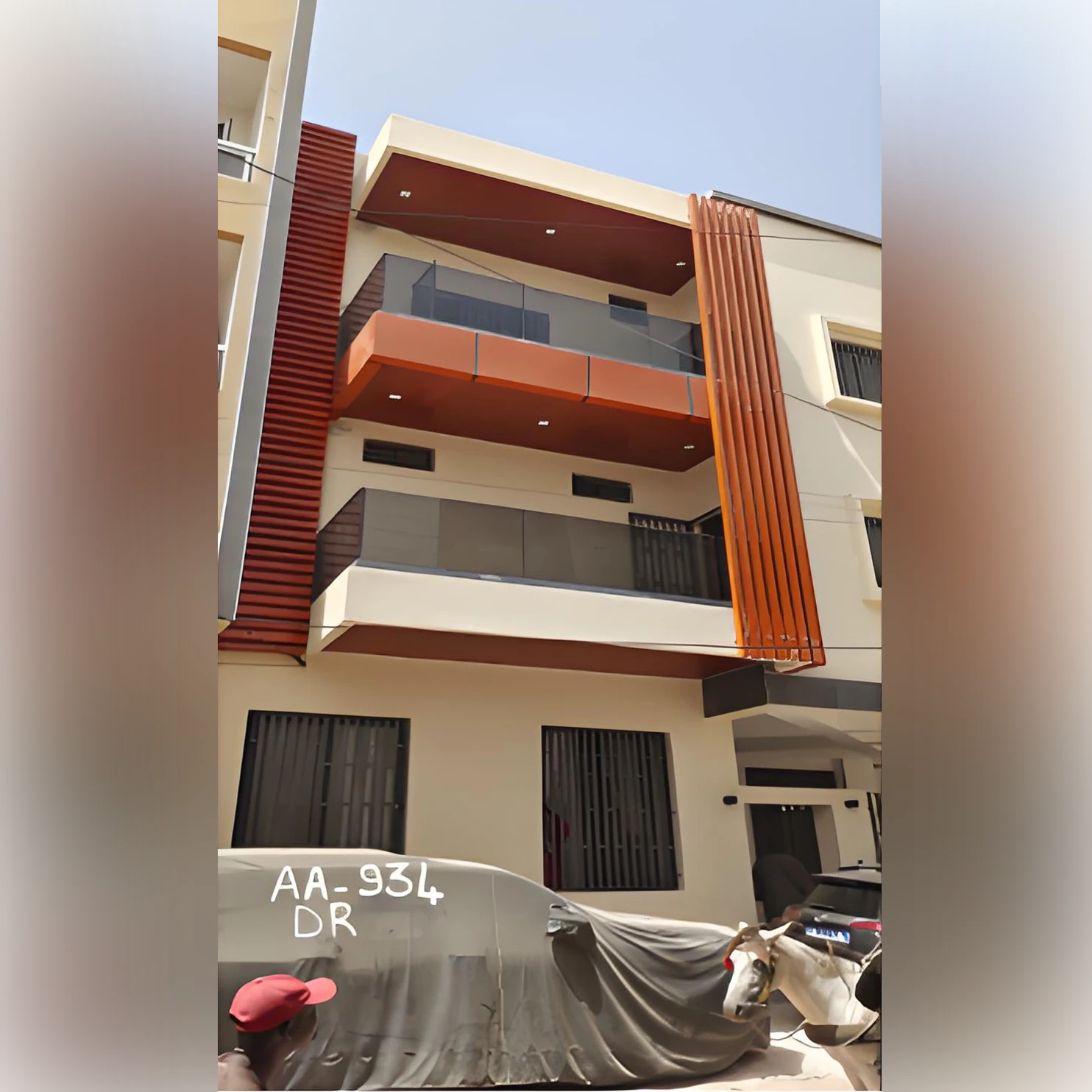
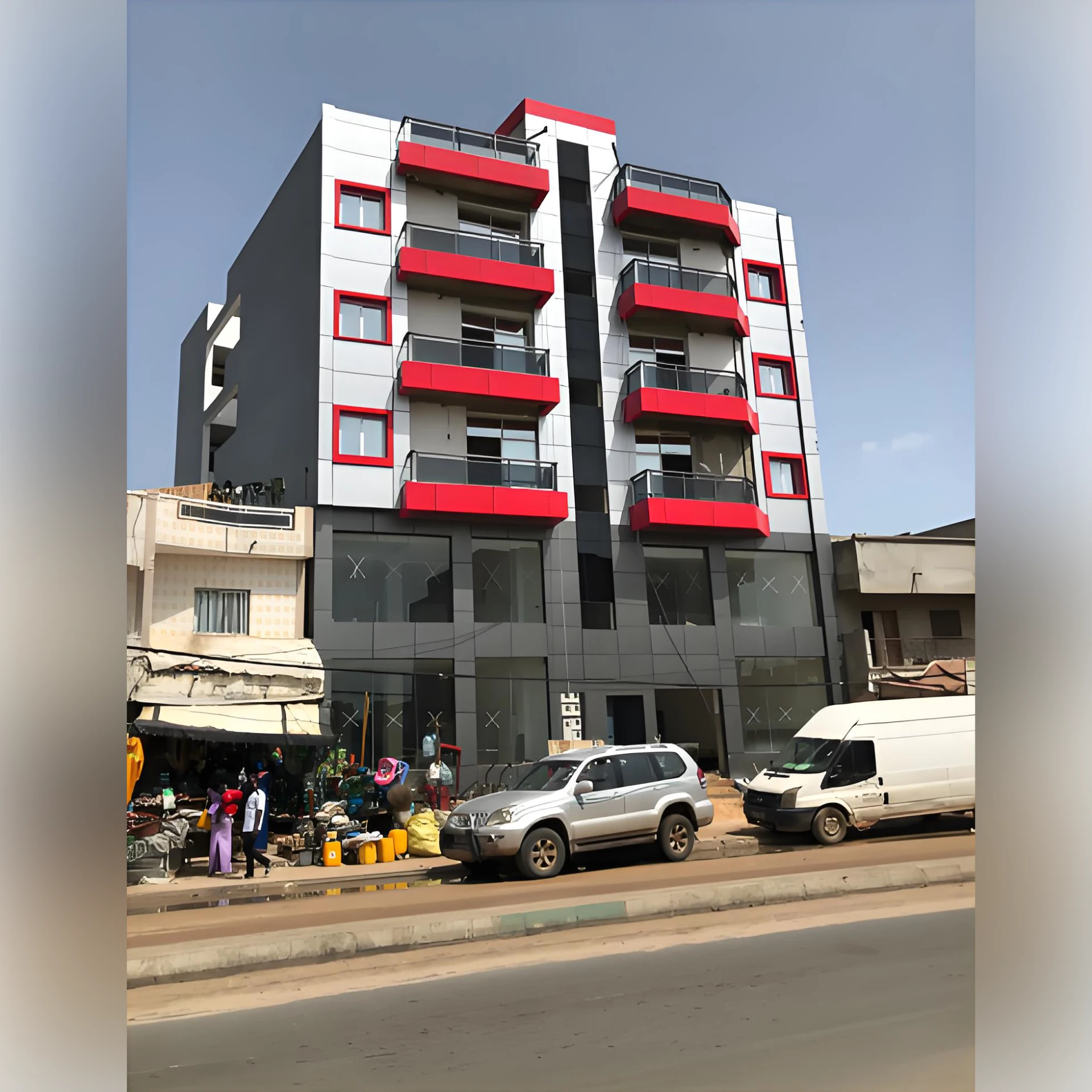
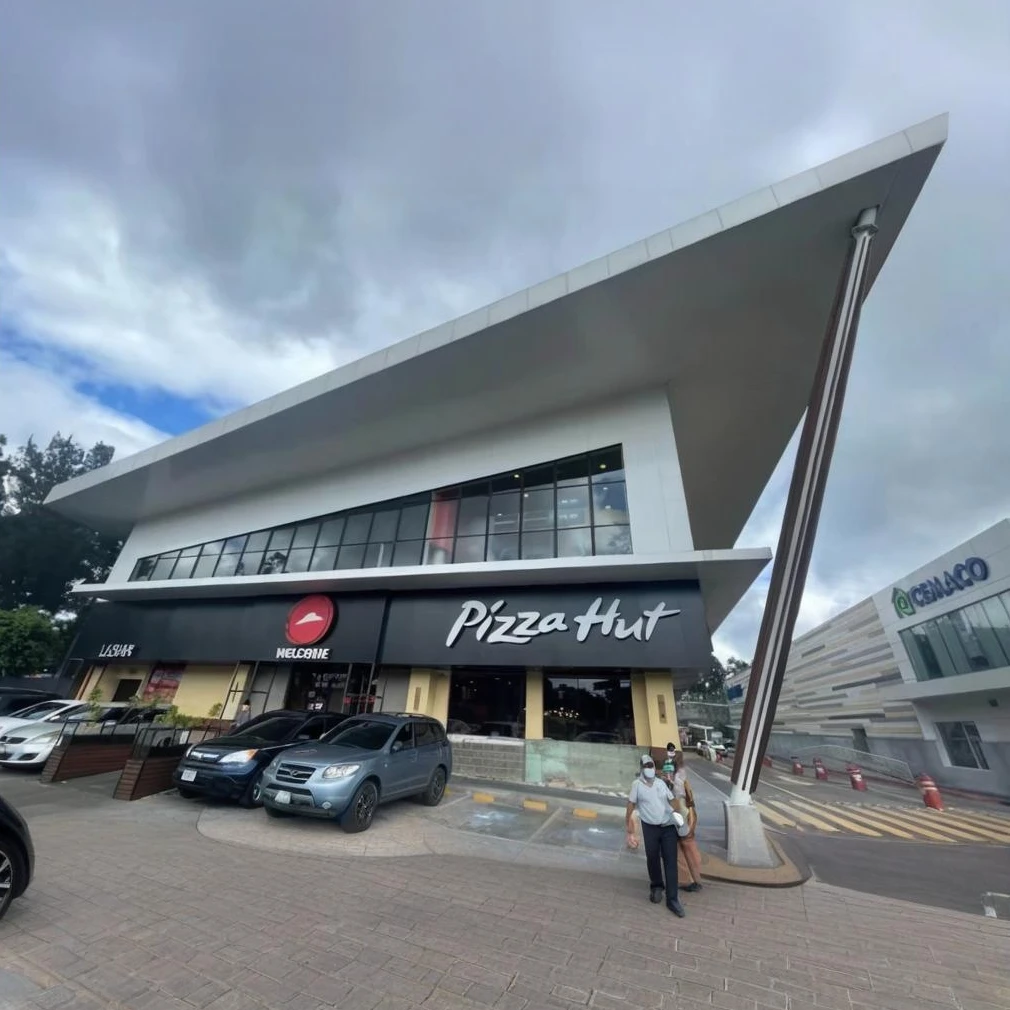
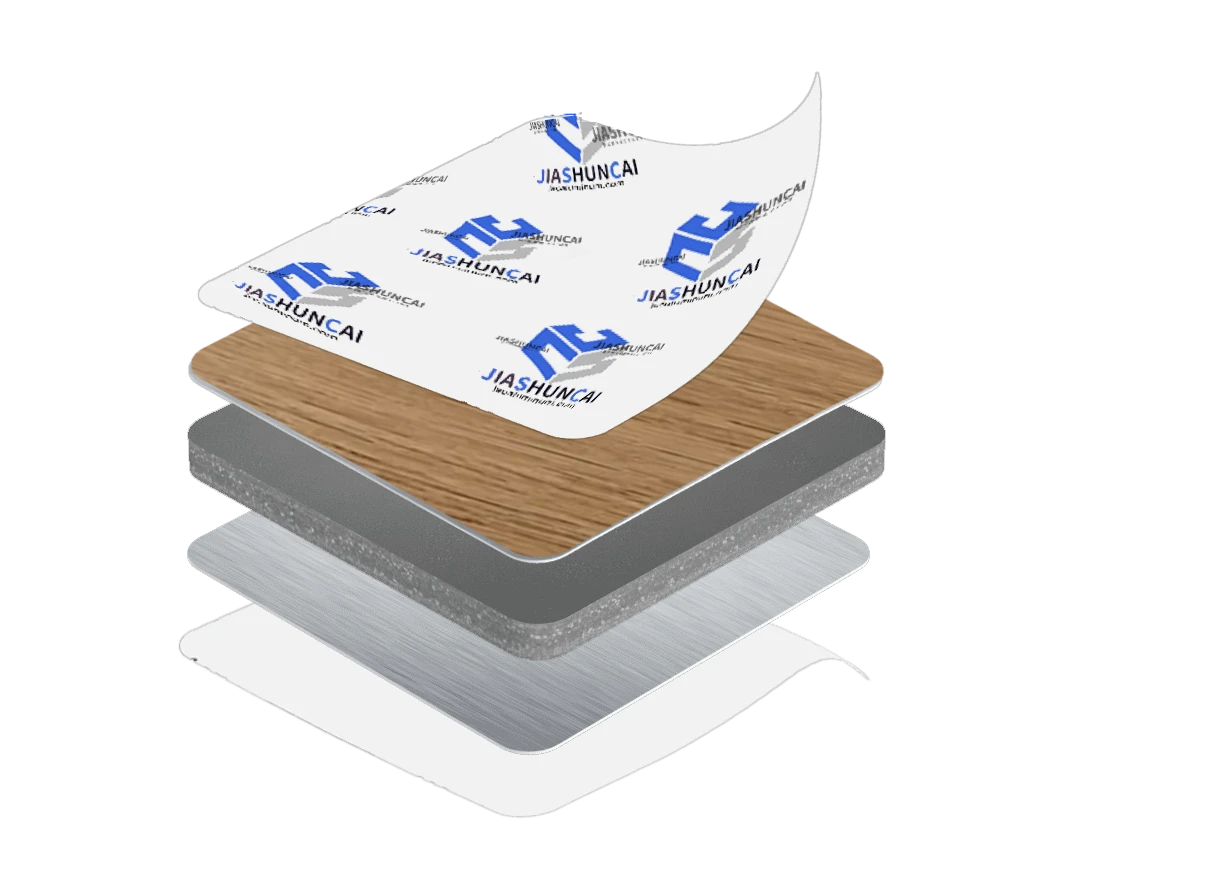
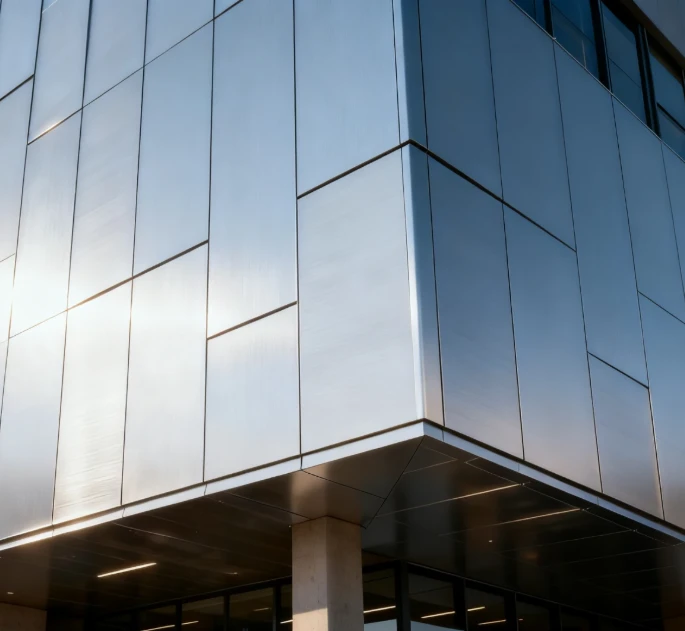
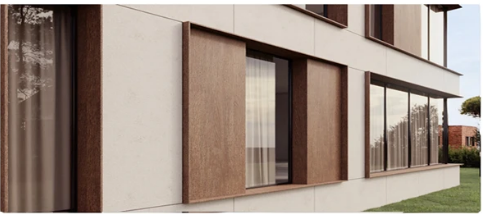
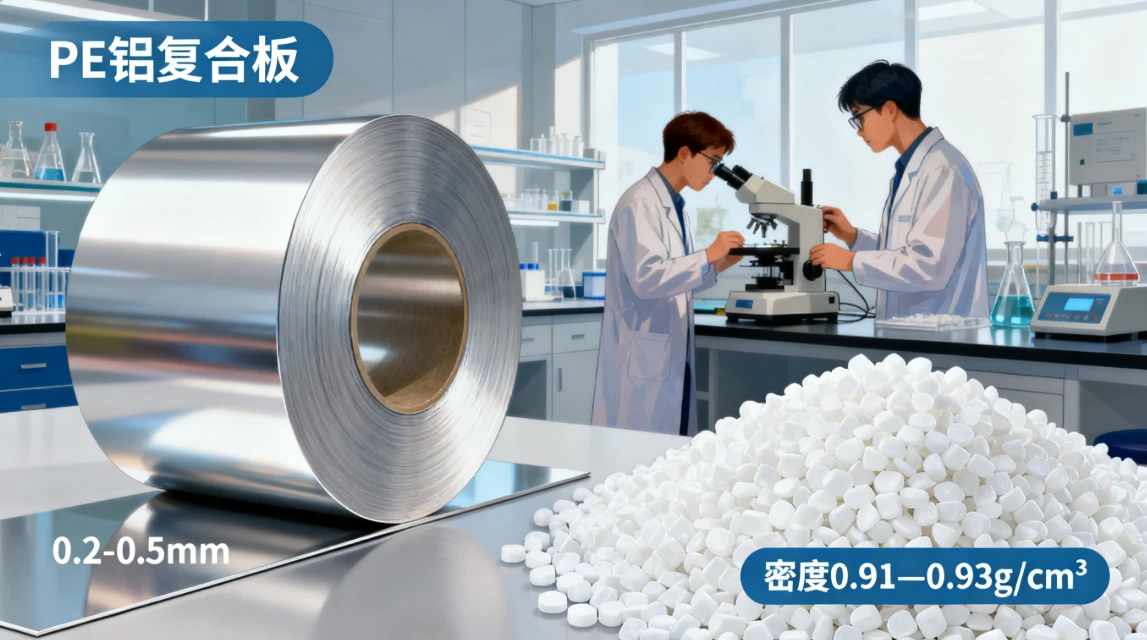
Aluminum composite material has become a cornerstone in modern architecture and construction due to its exceptional durability, versatility, and lightweight characteristics. This material consists of two thin layers of aluminum bonded to a non-aluminum core, usually polyethylene, combining structural rigidity with reduced weight. Builders and designers favor aluminum composite material for both exterior and interior applications, such as cladding façades, decorative wall panels, and signage. Its smooth surface allows for vibrant finishes in multiple colors and textures, meeting aesthetic requirements for modern commercial and public buildings. For example, airports and high-rise office buildings use aluminum composite material to create clean, modern façades that resist corrosion, fire, and environmental degradation. Additionally, its lightweight nature reduces the structural load on buildings, minimizing foundation requirements and lowering construction costs. The versatility of aluminum composite material also allows easy integration with insulation systems, energy-saving technologies, and fire-resistant layers, making it highly practical for long-term building performance.
Aluminum Composite Panel Applications
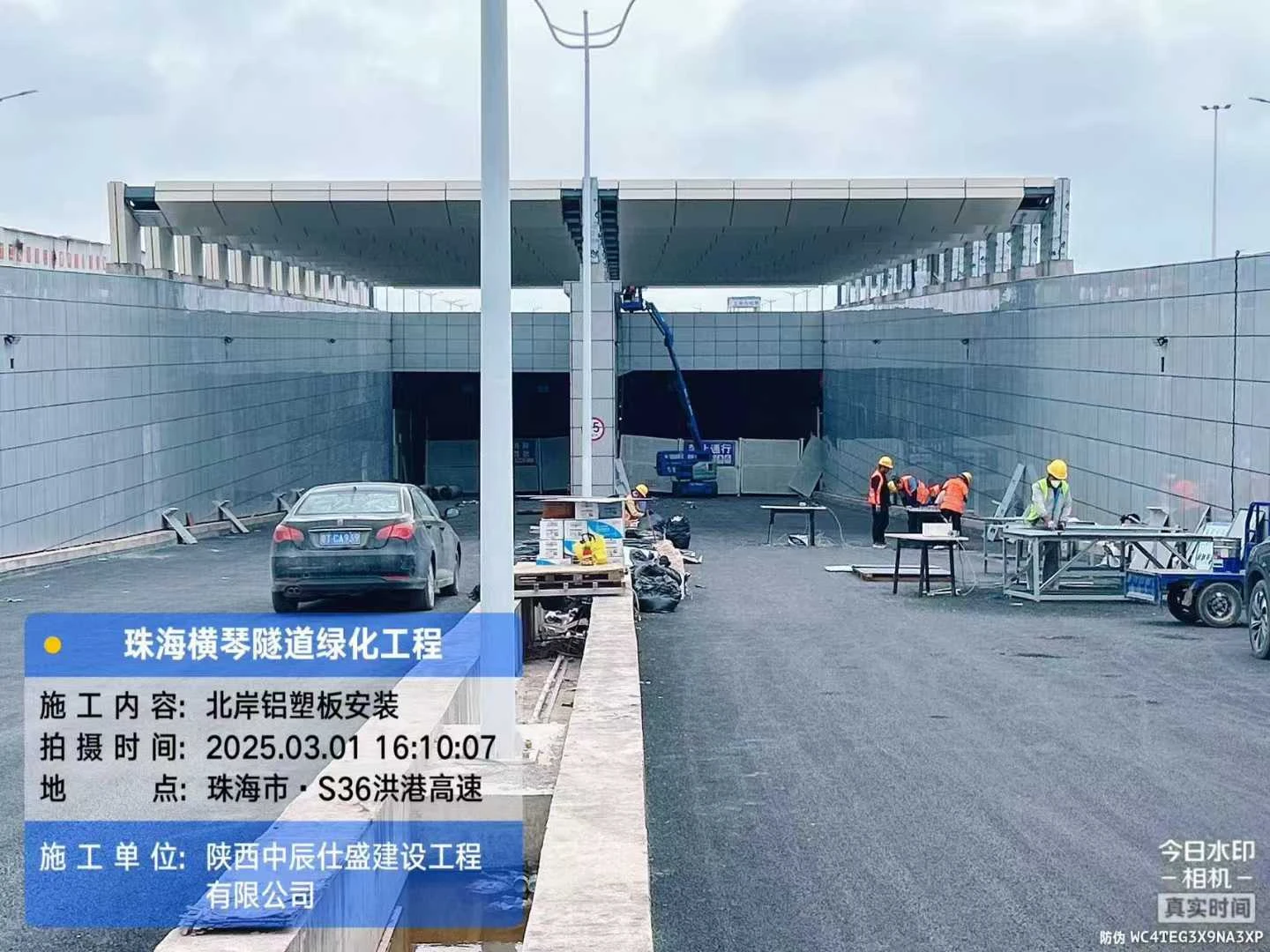
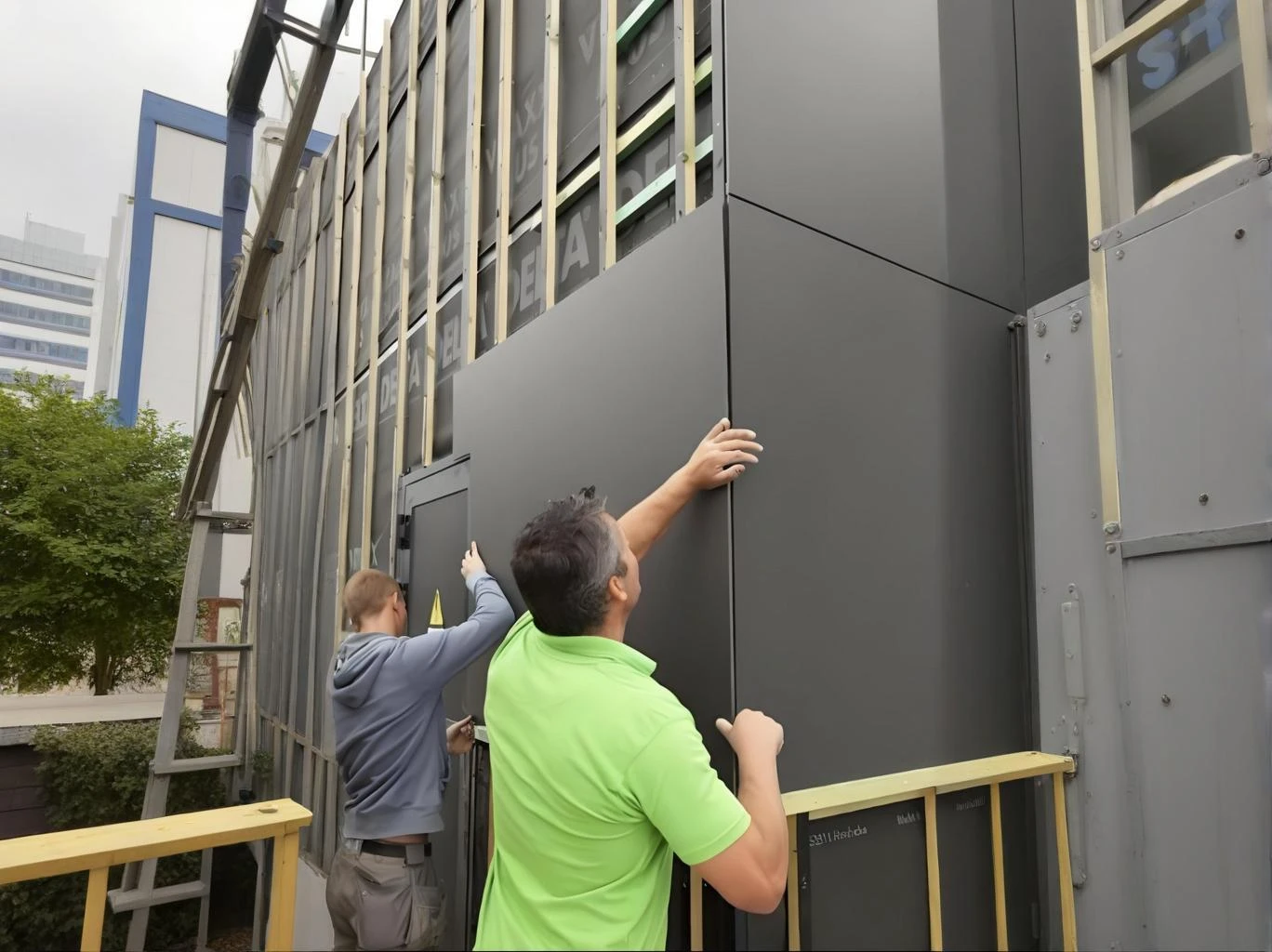
Aluminum composite panel (ACP) is widely recognized as a practical and aesthetically appealing material for exterior wall cladding, interior partitions, and signage solutions. When choosing cladding materials, builders typically consider weather resistance, ease of cleaning, quick installation, and long-term durability. Aluminum composite panels meet all these criteria. For instance, subway stations, airports, shopping malls, and government buildings rely on aluminum composite panels for smooth, durable, and visually striking exteriors. The panels are easily installed with screws or adhesives, resisting rust and deformation under prolonged sun exposure or harsh weather conditions. They also provide fire safety benefits, as they can be manufactured with fire-resistant cores. Aluminum composite panels are especially suitable for projects requiring complex geometric designs, allowing architects to create unique façades without compromising structural integrity. Their lightweight composition simplifies transport, handling, and installation, reducing labor and construction time.
Aluminium Composite Board Advantages
A aluminium composite board offers a combination of durability, flexibility, and practicality that makes it ideal for a wide range of construction projects. Architects and contractors utilize aluminium composite boards to create complex shapes, curves, and designs for building exteriors and interiors. The board’s surface resists acids, alkalis, wind, and fire, while maintaining strong compression resistance for structural stability. Its lightweight nature reduces installation challenges, allowing workers to handle larger panels safely and efficiently. For instance, a high-rise commercial building can use aluminium composite boards for façade panels, reducing installation time and cost compared to traditional masonry or concrete cladding. Additionally, aluminium composite boards are easy to maintain—dust, pollutants, and minor stains can be cleaned with simple water and detergent, ensuring long-term aesthetic appeal. The boards also support energy-efficient building practices, as they can be combined with insulation layers to enhance thermal performance.
ACP Aluminium Composite Panel Features
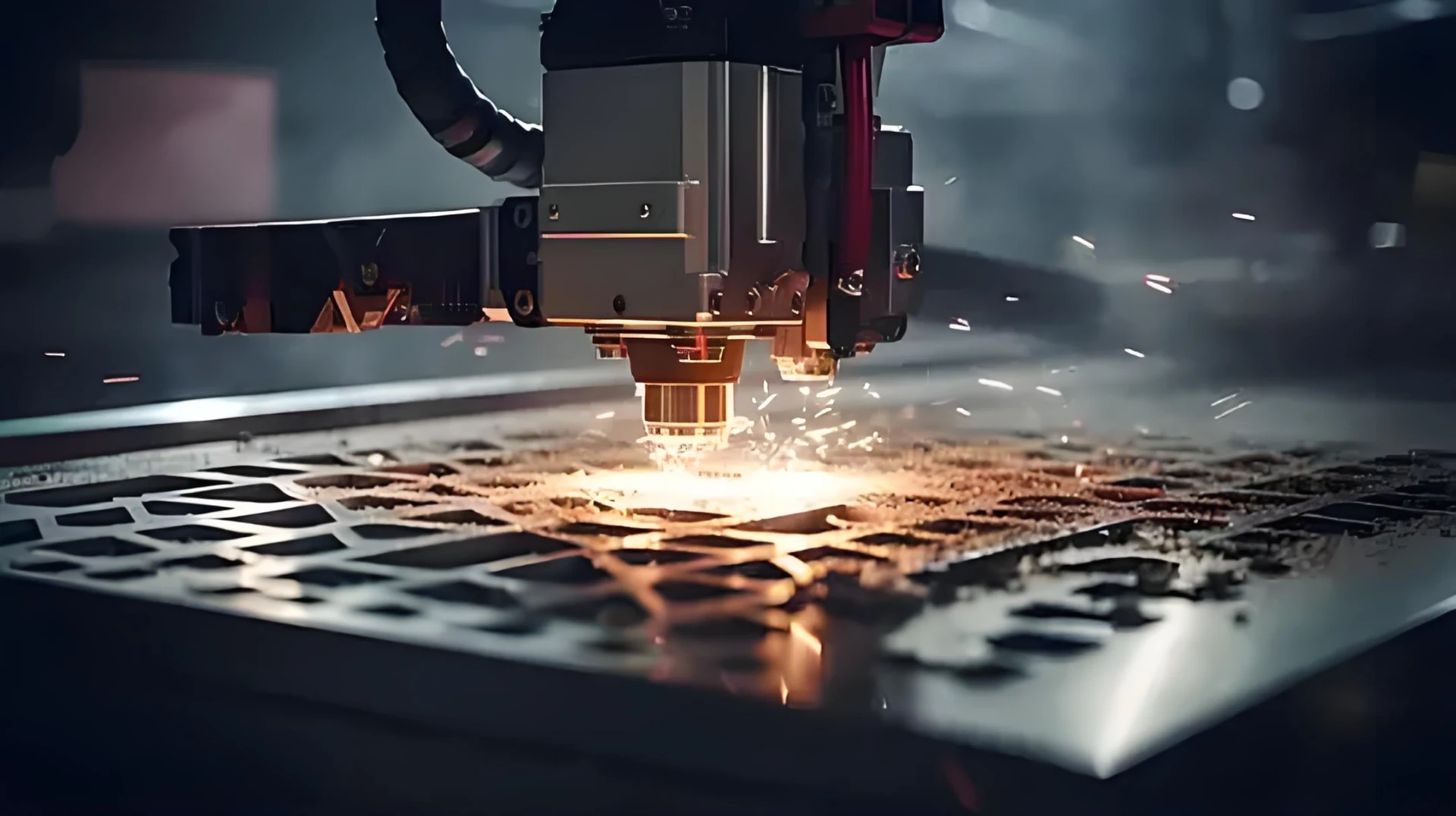
The ACP aluminium composite panel is highly versatile and increasingly popular in contemporary architecture. It provides excellent resistance to environmental challenges such as rain, UV radiation, temperature fluctuations, and mechanical stress. ACP aluminium composite panels are suitable for large-scale projects, including airports, exhibition halls, shopping centers, and office buildings, where both safety and appearance are critical. Their smooth surface facilitates maintenance, while lightweight design simplifies installation, transportation, and replacement if necessary. Advanced manufacturing techniques allow ACP aluminium composite panels to achieve precise thickness, color consistency, and fire resistance. Additionally, these panels support eco-friendly construction by reducing material usage compared to conventional cladding systems, and their recyclability ensures minimal environmental impact. Builders often appreciate the combination of aesthetic versatility and practical performance that ACP aluminium composite panels provide for modern projects.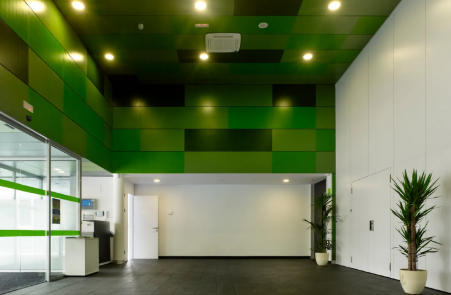
Aluminum Composite Panels in Modern Construction
Aluminum composite panels play an essential role in creating modern, visually appealing, and structurally efficient buildings. Architects and engineers value these panels for their ability to withstand weather, fire, and mechanical stress while providing a sleek exterior appearance. Aluminum composite panels are widely used in residential, commercial, and public infrastructure projects for cladding façades, signage, partitions, and decorative elements. Installation is quick and cost-effective, with panels cut and shaped on-site to accommodate complex designs. Large-scale projects, such as airports or government buildings, often rely on aluminum composite panels to achieve high-quality finishes that are both durable and easy to maintain. Their lightweight structure reduces the overall weight on supporting frameworks, while fire-resistant cores enhance building safety. For modern construction requiring a balance of aesthetics, functionality, and practicality, aluminum composite panels offer a reliable solution.
Aluminium Composite Panel FAQs
What is aluminum composite material used for?
Aluminum composite material is used for building cladding, interior partitions, signage, and decorative panels due to its lightweight, durable, and aesthetic properties.
Where are aluminum composite panels commonly installed?
Aluminum composite panel is widely installed in airports, subway stations, exhibition halls, office buildings, and shopping centers for both exterior and interior applications.
What are the benefits of aluminium composite board?
Aluminium composite board provides fire resistance, weather protection, lightweight handling, and design versatility, making it ideal for modern construction projects.
How is ACP aluminium composite panel maintained?
ACP aluminium composite panel is easy to clean, resists rust and UV exposure, and maintains long-term aesthetic appeal with minimal maintenance.
Why choose aluminum composite panels for construction?
Aluminum composite panels offer strength, durability, lightweight handling, weather resistance, and aesthetic versatility, making them essential for contemporary architecture.
When selecting exterior wall cladding materials, builders consider weather resistance, ease of cleaning, good processability, complex geometric shaping, quick installation, and aesthetic appeal. Aluminum composite panels meet all these criteria and are extensively used in airports, exhibition halls, subways, government offices, office buildings, and shopping malls. Installed with screws, they resist rust and remain secure under sun exposure while providing fire, acid, and wind resistance. Their lightweight nature makes transportation, handling, and replacement simple. For practical, versatile, and high-quality building solutions, visit our website today to explore aluminum composite panels and secure durable materials for your construction project.