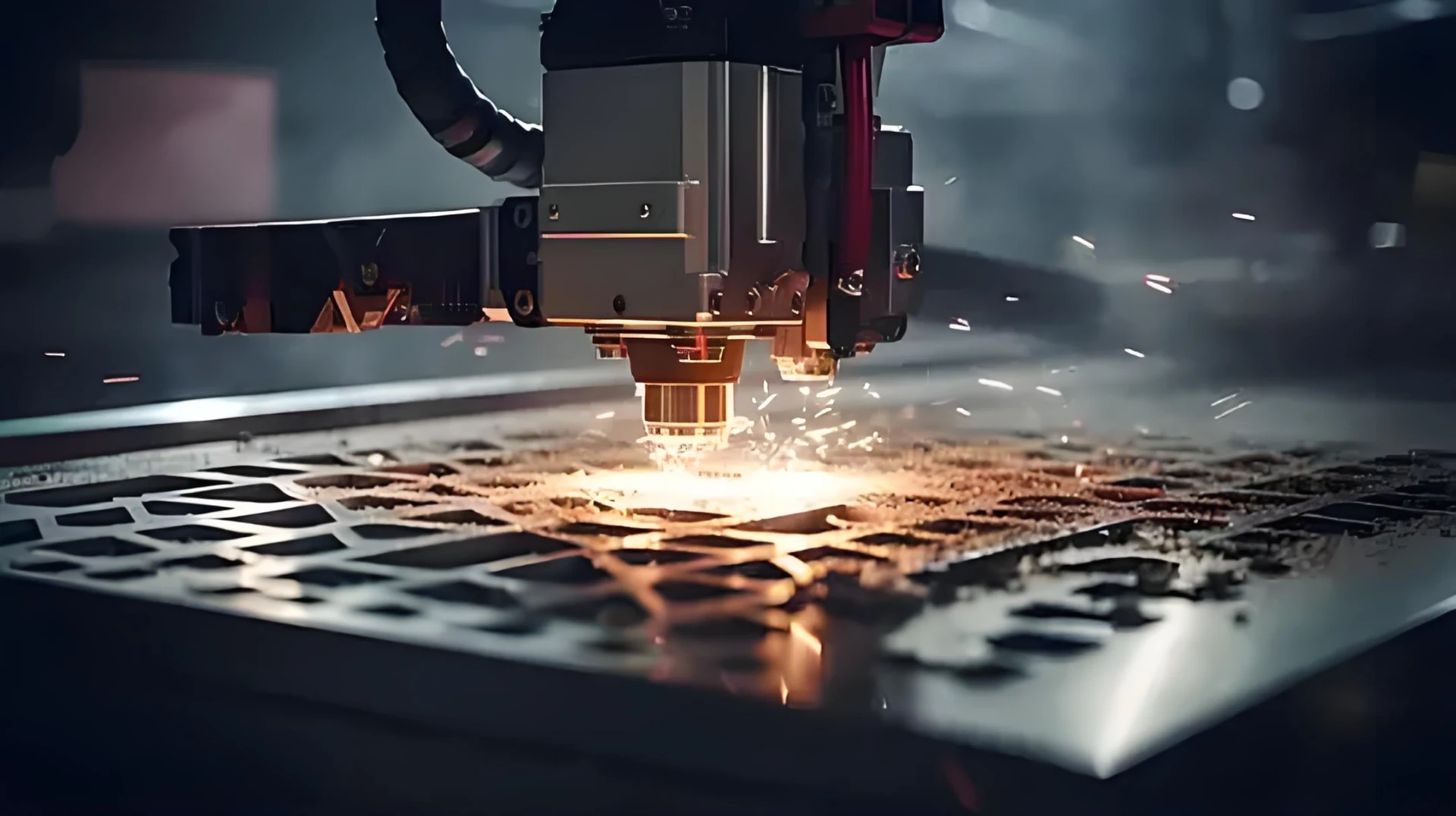
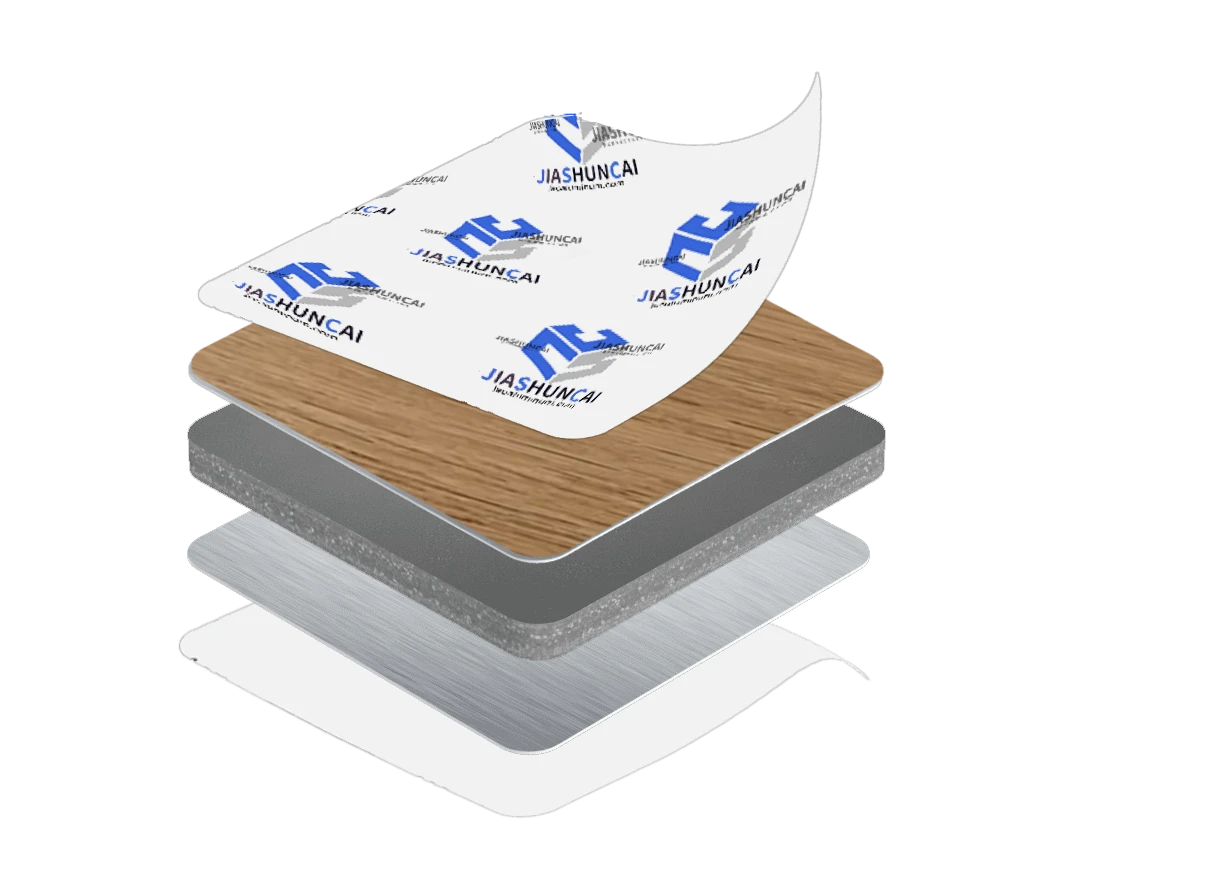
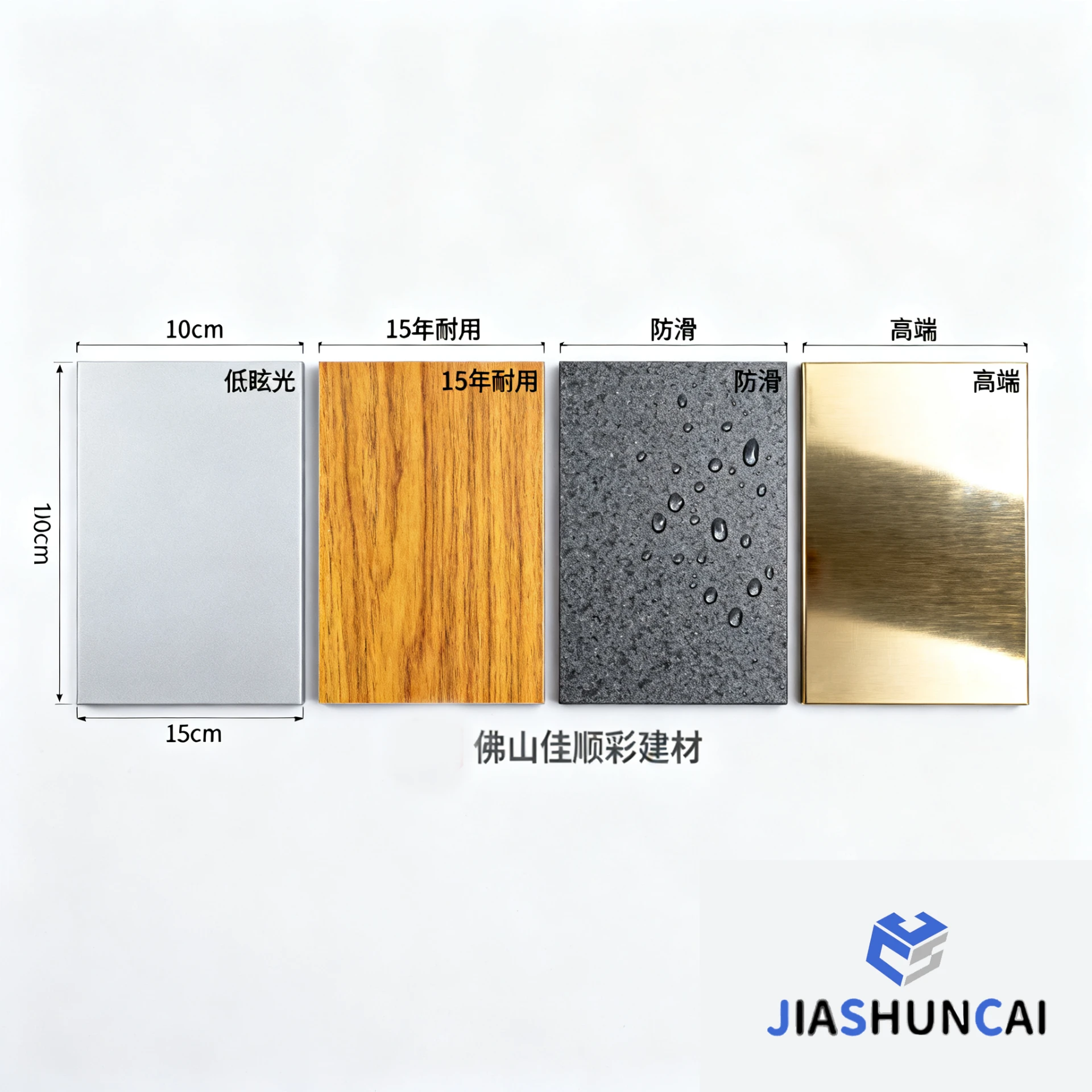
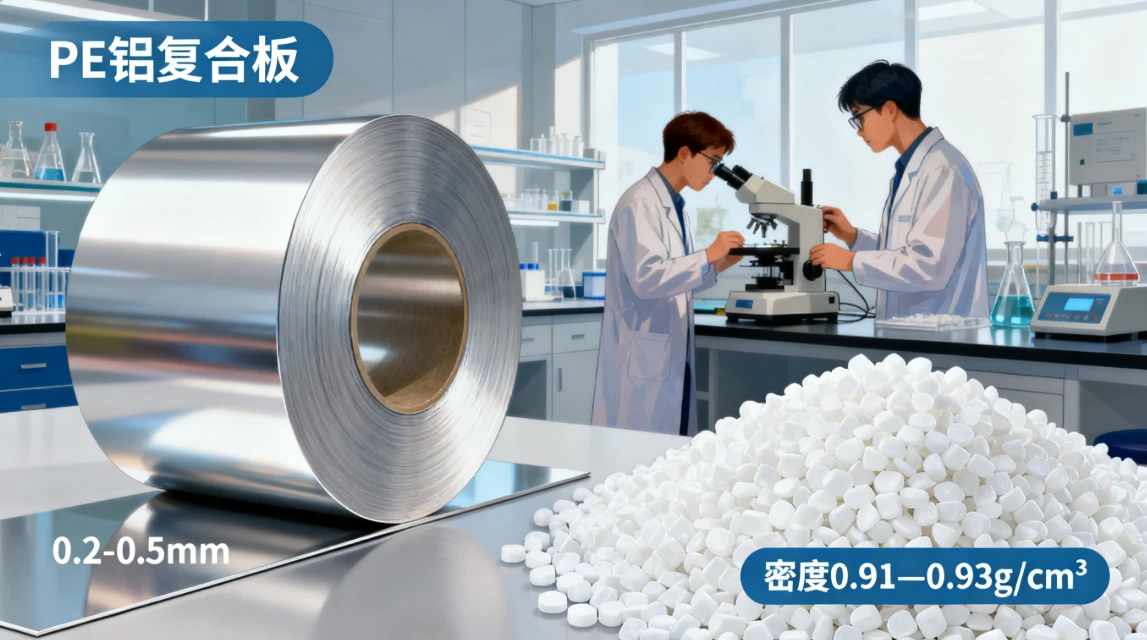
In modern architectural engineering, the fire safety performance of acp aluminium panel (Aluminum Composite Panel) has become a key criterion for material selection, especially in high-rise buildings and public spaces. The fire resistant core, as the core component determining the flame-retardant ability of ACP panels, directly affects the panel’s performance in resisting combustion, smoke generation and heat spread. With the increasingly strict building fire protection codes, the development and application of high-performance fire resistant cores have become a focus of the industry. Our company, adhering to the concept of safety first, integrates strict quality control into every production link to ensure the fire resistance of aluminum composite panels. Our production process strictly follows the steps below: 1.Raw material inspection: Strict testing of raw materials such as aluminum coils and PE particles; 2.Aluminum sheet cleaning treatment: Removal of surface oil and oxidation; 3.Coating process: Using an automatic spray line for primer, topcoat, and clear coat application; 4.Lamination process: Bonding aluminum sheets with PE core material under high temperature and pressure; 5.Cooling and shaping: Controlling cooling rate to ensure flatness of the panels; 6.Cutting and packaging: Cutting according to customer specifications and professional packaging to prevent scratches. This rigorous production system provides a solid guarantee for the stable performance of fire resistant cores in aluminium acp sheet and acm panels (Aluminum Composite Material panels).
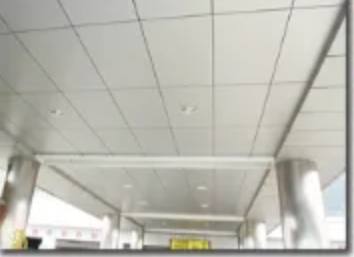
Acp Aluminium Panel Fire Resistant Core Types and Characteristics
- Mineral wool core is a mainstream choice for acp aluminium panel. It is made of natural mineral fibers, which are non-combustible (reaching A1 fire rating) and have low thermal conductivity. When exposed to fire, it does not release toxic smoke, effectively blocking the spread of flames between building layers.
- Aluminum hydroxide composite core enhances the fire resistance of acp aluminium panel through chemical reactions. When the temperature exceeds 200℃, it decomposes to release water vapor, which cools the panel surface and inhibits combustion; the generated alumina oxide layer forms a protective film, preventing the core from further burning.
- Inorganic silicon calcium core acp aluminium panel is suitable for harsh fire scenarios. Its main components are silicon and calcium compounds, which can withstand high temperatures of 1200℃ for 30 minutes without collapsing, meeting the fire protection requirements of key projects such as airports and subway stations.
Aluminium Acp Sheet Fire Resistant Core and Production Process Linkage
- Raw material inspection is the first line of defense for aluminium acp sheet fire performance. We test the fire rating and toxic gas release of core materials (requiring zero toxic release) and the thermal stability of aluminum coils, ensuring that raw materials meet GB 8624-2012 fire protection standards.
- The lamination process directly affects the fire resistance of aluminium acp sheet. We control the lamination temperature at 180-200℃ and pressure at 1.2MPa, ensuring tight bonding between the fire resistant core and aluminum skins—this prevents the core from falling off during combustion and maintains the panel’s structural integrity.
- Cooling and shaping optimizes the fire resistance stability of aluminium acp sheet. The panel is cooled at a constant rate of 8℃/min to avoid internal stress, which prevents cracks from forming in the core and affecting fire resistance during high-temperature exposure.
Acm Panels Application Value of Fire Resistant Cores
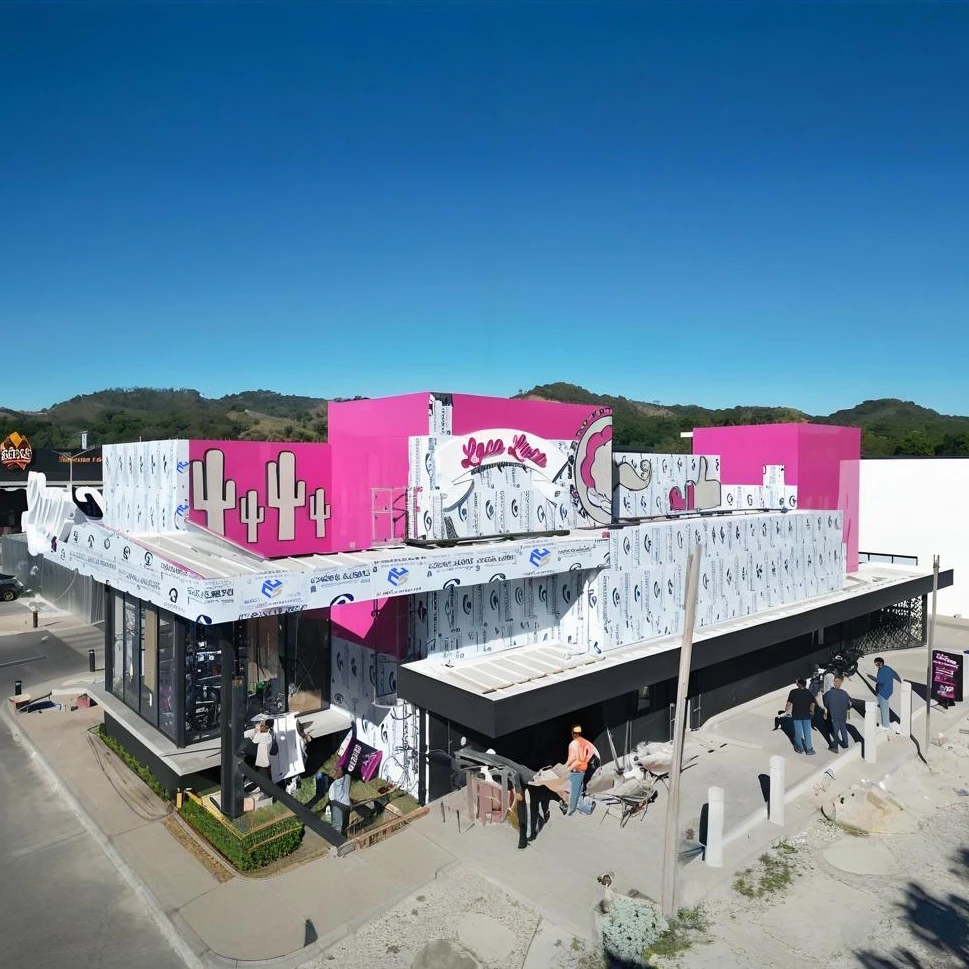
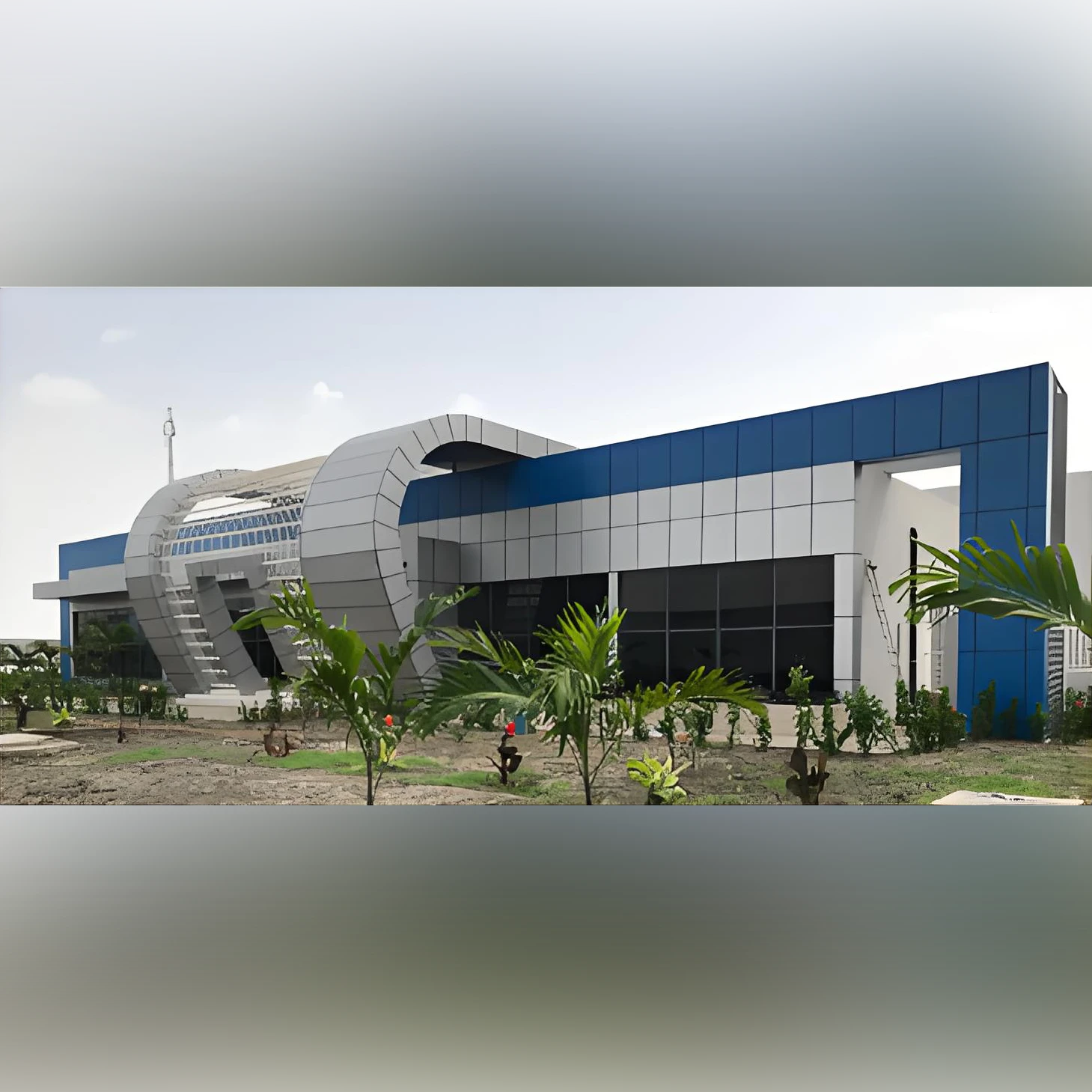
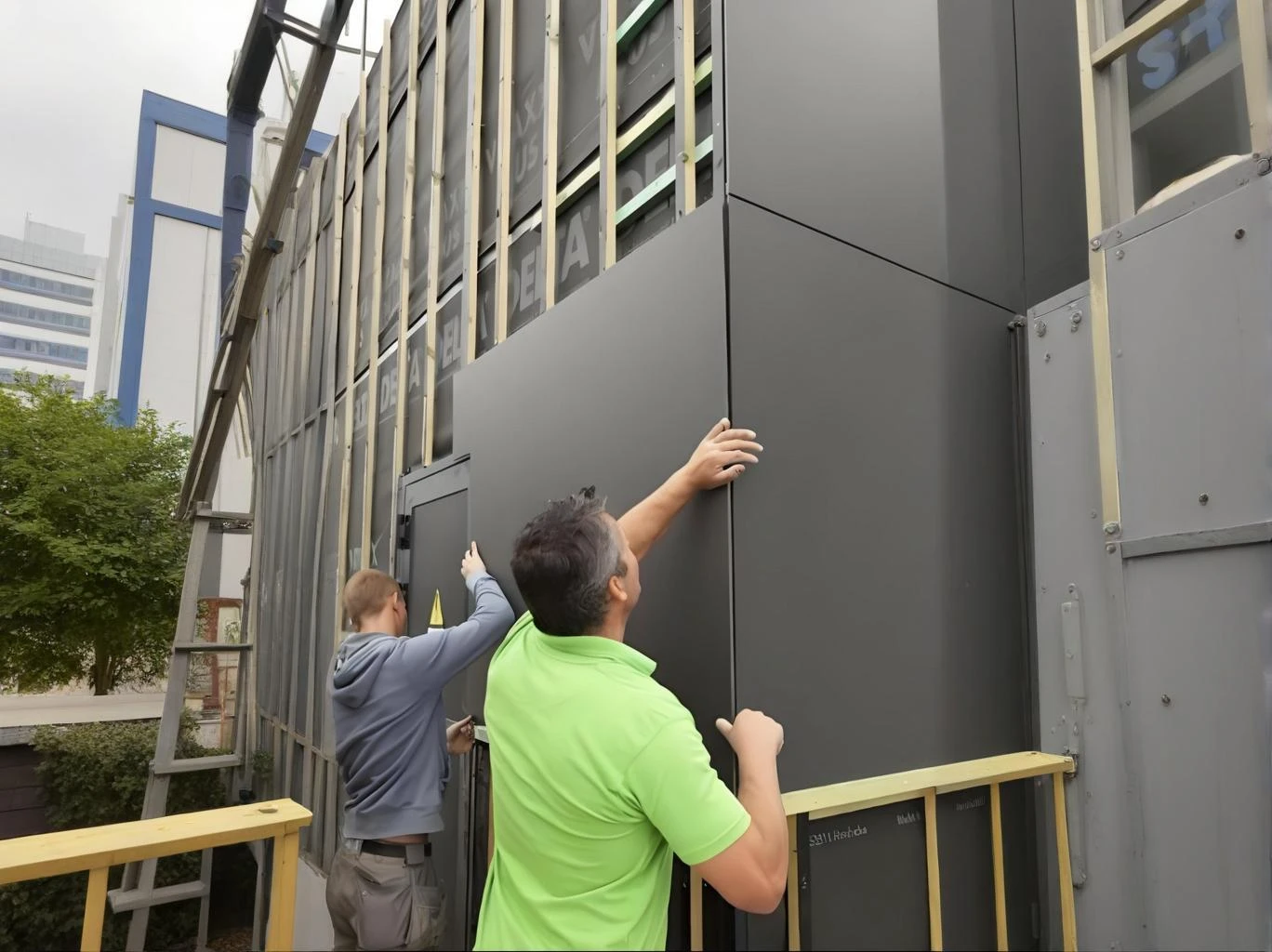
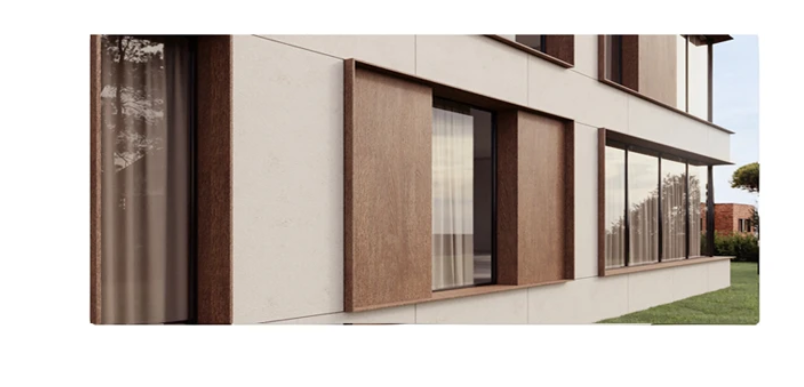
- In high-rise residential buildings, acm panels with fire resistant cores (A1 rating) are used for exterior wall cladding. They can resist combustion for more than 90 minutes, providing sufficient escape time for residents and meeting the fire protection requirements of "Code for Fire Protection of Building Exteriors".
- For public spaces such as shopping malls and cinemas, acm panels with low-smoke fire resistant cores reduce the risk of smoke poisoning. The core material generates less than 5mg/m³ of toxic gas during combustion, complying with the safety standards of crowded places.
- In industrial workshops, acm panels with high-temperature resistant cores (able to withstand 800℃ instantaneous high temperature) are used for partition walls. They can isolate equipment fire accidents and prevent the spread of fire to other areas, reducing property losses.
Aluminium Acp Sheet FAQS
What fire rating can acp aluminium panel with fire resistant cores reach?
Our acp aluminium panel can achieve different fire ratings according to core material selection: panels with mineral wool or inorganic silicon calcium cores reach A1 (non-combustible) rating, while those with aluminum hydroxide composite cores reach B1 (difficult to burn) rating. All products have passed the national fire protection product certification, and the test reports are available for customers to check.
Does the fire resistant core increase the weight of aluminium acp sheet?
The weight increase is controlled within a reasonable range. For example, the weight of 4mm thick aluminium acp sheet with mineral wool core is 6.2kg/m², which is only 12% higher than that of ordinary PE core panels (5.5kg/m²). This slight weight increase will not affect the installation load of the building, and we can adjust the core material density according to customer needs.
Can acm panels with fire resistant cores be customized in size and color?
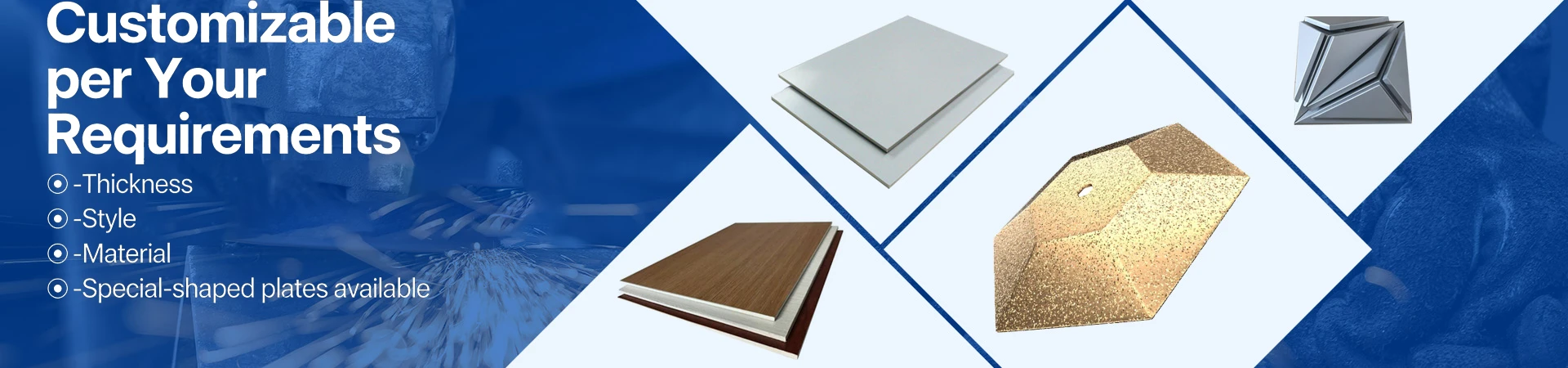
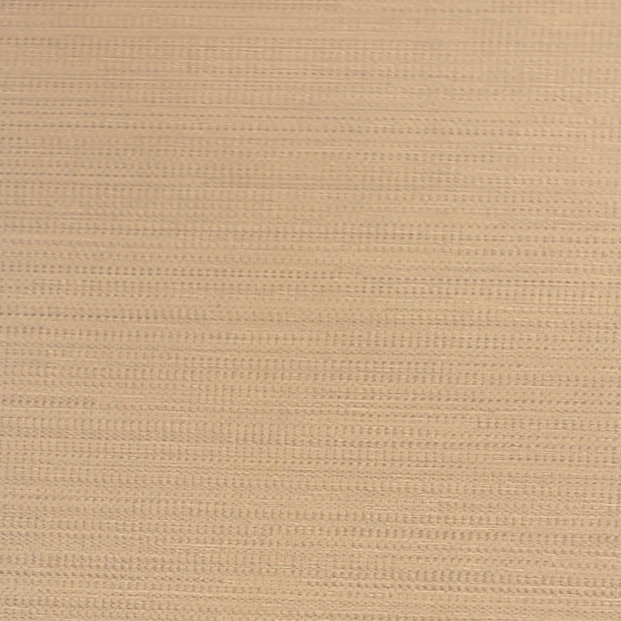
Yes, they support full customization. The maximum size of acm panels can reach 1220mm×6000mm, and the minimum size is 300mm×300mm. The surface can be customized with various colors and textures through the automatic spray line in the coating process, such as wood grain, stone grain and solid colors. The customization cycle is 7-10 days for standard sizes and 10-15 days for non-standard sizes.
Are acp aluminium panel with fire resistant cores suitable for outdoor use?
Absolutely. We add anti-aging components to the fire resistant core and use PVDF coating for the panel surface. The acp aluminium panel can resist UV radiation, rain erosion and temperature changes (-40℃ to 80℃) outdoors. It has been used in the exterior wall of a high-rise office building in Beijing for 8 years, with no core moisture or coating fading.
What is the production cycle for large orders of acm panels with fire resistant cores?
For large orders (over 2000 square meters), the production cycle is 12-15 days. This includes 3-4 days for raw material preparation and inspection, 5-6 days for core material compounding and lamination, and 2-3 days for cutting and packaging. For urgent projects, we can arrange 24-hour continuous production to shorten the cycle to 8-10 days while ensuring fire performance and quality.