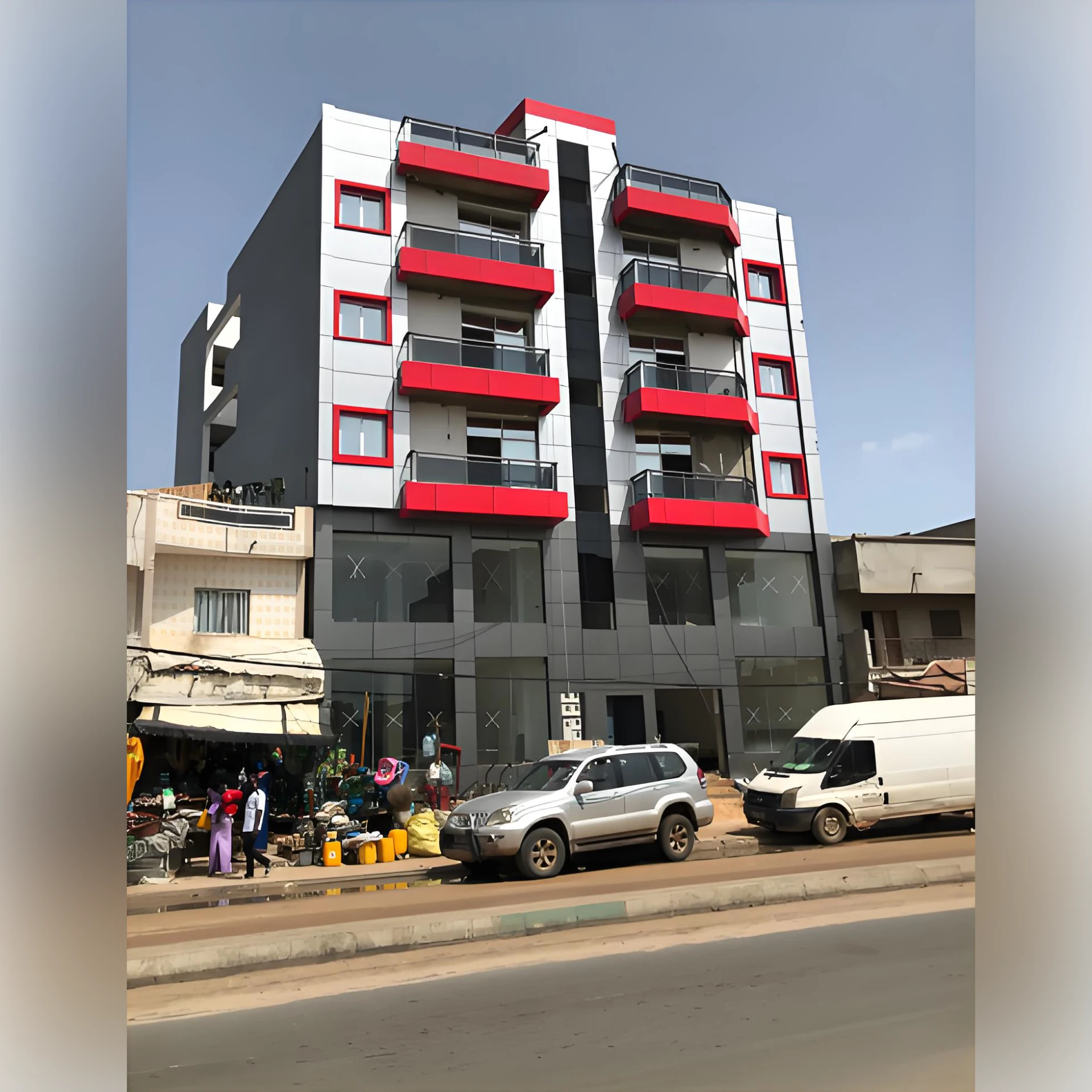
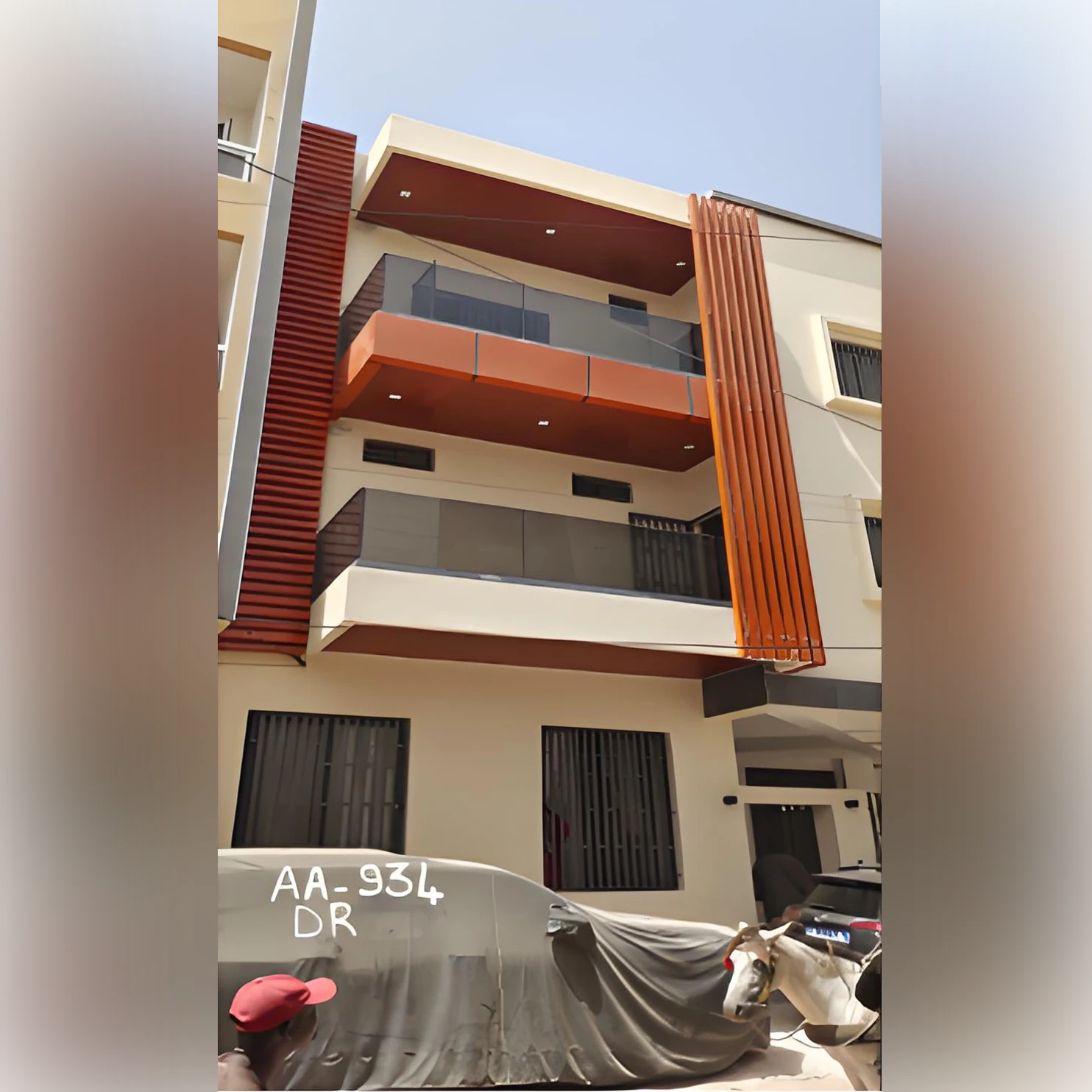
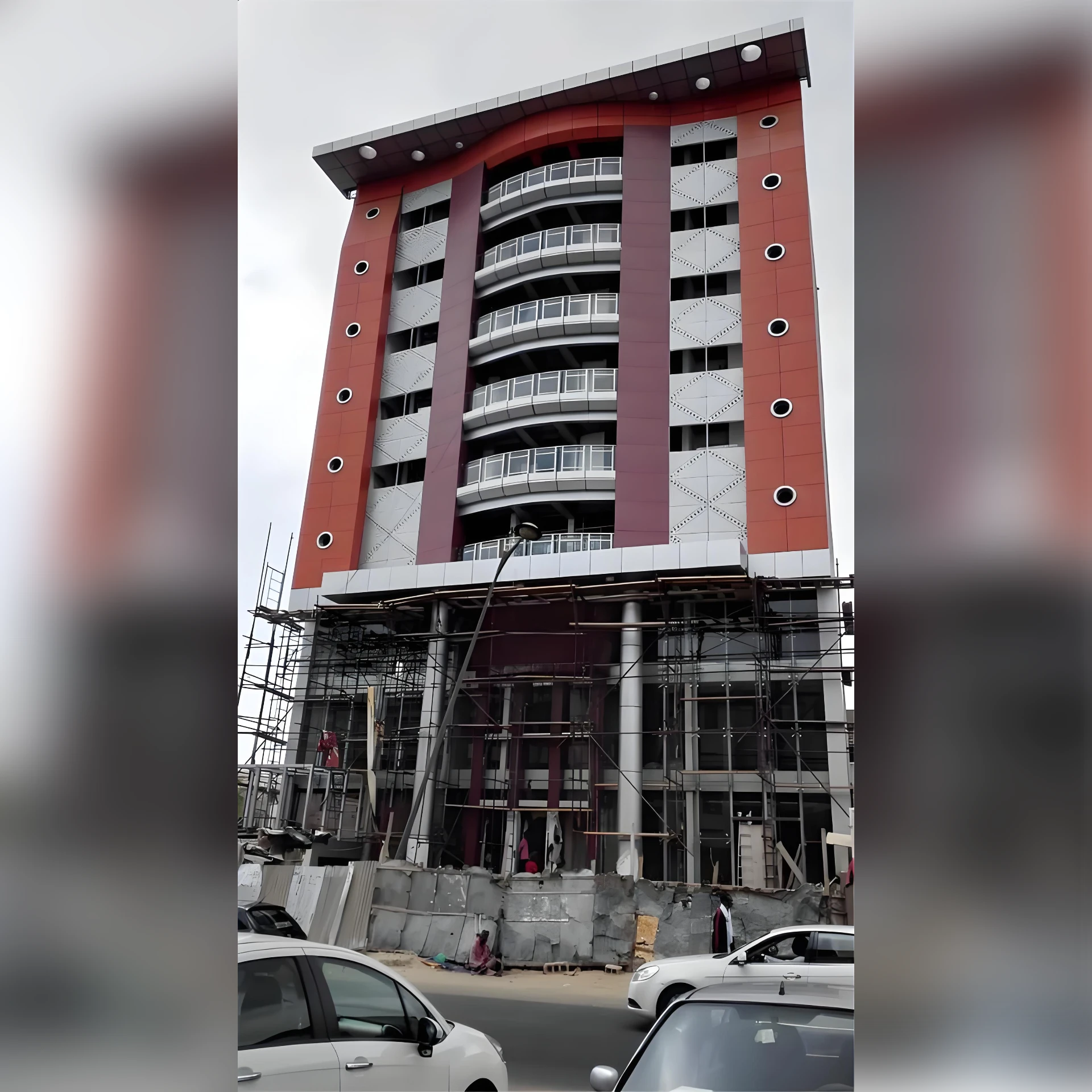
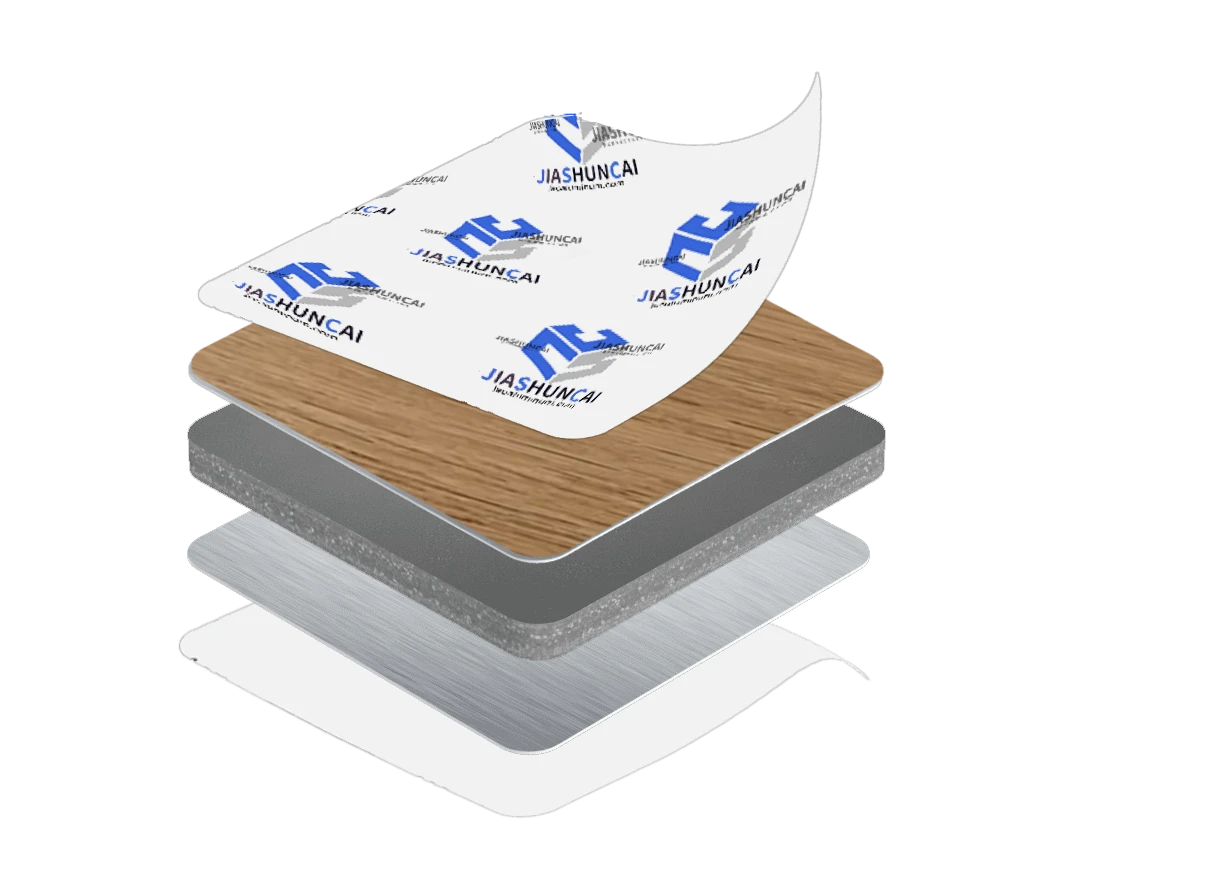
PE aluminium composite panel (commonly referred to as pe acp or acp pe)—a versatile building material consisting of two aluminum sheets bonded to a polyethylene (PE) core—relies on strict quality standards to ensure durability, safety, and performance in architectural applications. From raw material purity to final panel flatness, every step impacts the panel’s ability to withstand weather, resist damage, and meet global building codes. For wholesalers serving construction contractors, architectural firms, or commercial developers, partnering with a supplier that adheres to rigorous quality standards for pe aluminium composite panel is essential. 2025 Foshan Jiashuncai Building Materials Co., Ltd. excels here: their six-step production process—from raw material inspection (aluminum coils, PE particles) to precision cutting and packaging—aligns with international quality benchmarks, ensuring consistent excellence across pe acp batches and making them a trusted bulk partner for wholesalers.
Raw Material Quality Standards for PE ACP
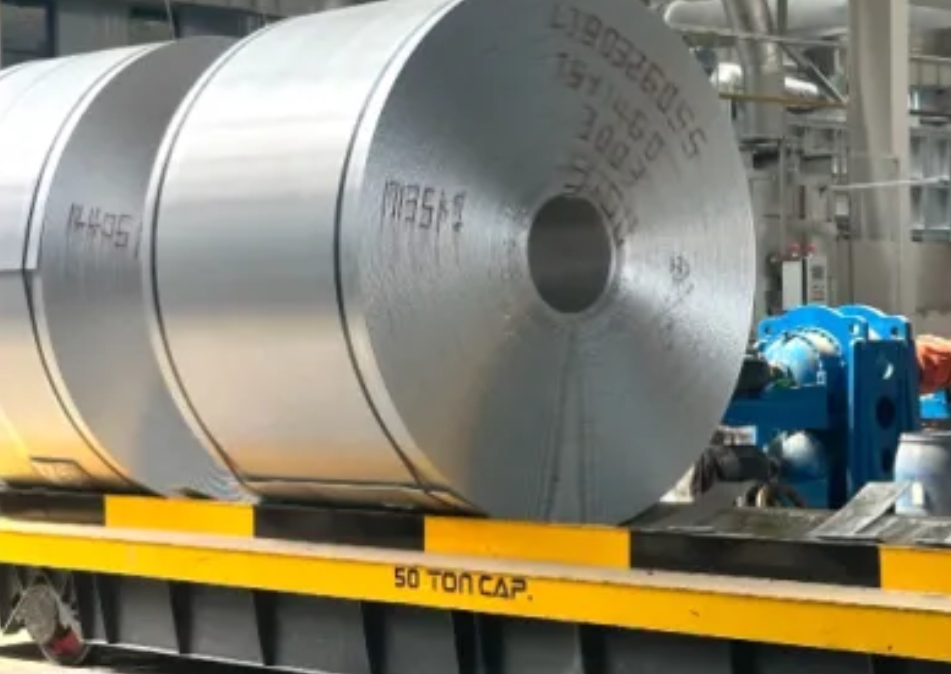
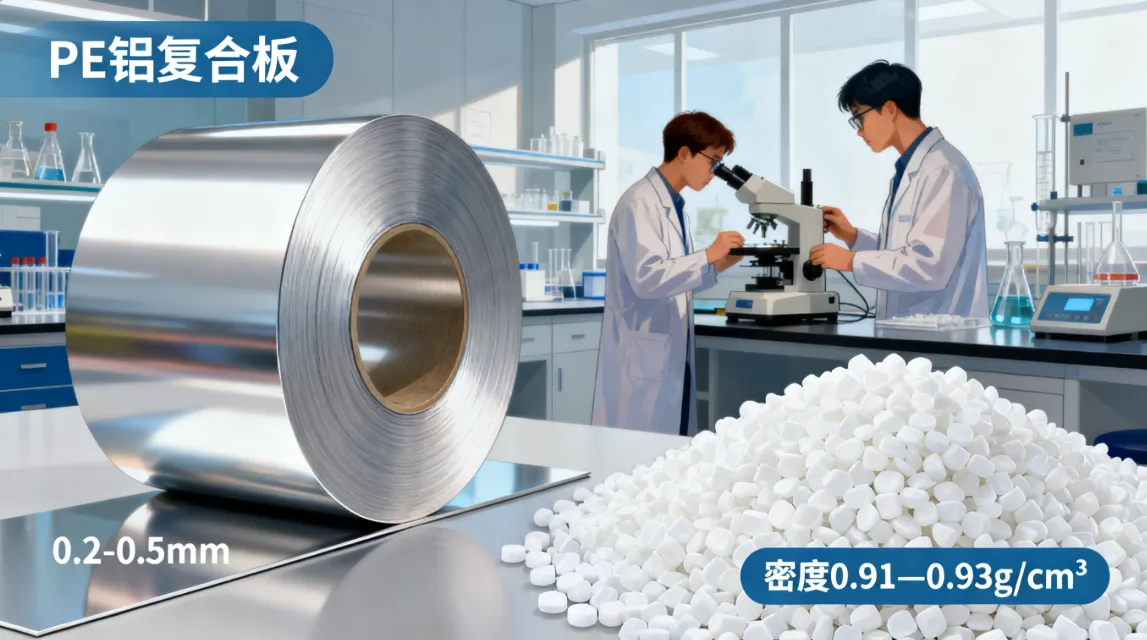
- Aluminum Coil Standards for PE Aluminium Composite Panel: The aluminum sheets in pe aluminium composite panel must meet thickness, purity, and flatness standards to ensure structural integrity. Jiashuncai’s raw material inspection (step 1) verifies aluminum coils have a thickness of 0.2–0.5mm (±0.02mm tolerance) and a purity of 99.5% (no impurities that cause corrosion). For example, aluminum coils with uneven thickness are rejected, as they lead to uneven bonding during lamination—compromising acp pe The company also tests for surface smoothness (no scratches or oxidation), which is critical for the coating process (step 3). This strict material control ensures pe acp panels have uniform strength, reducing wholesalers’ client complaints about weak spots or premature failure.
- PE Core Standards for ACP PE: The PE core in acp pe must meet density, fire-retardant, and impurity standards to balance lightweight performance and safety. Jiashuncai tests PE particles (step 1) for a density of 0.91–0.93g/cm³ (optimal for rigidity without excess weight) and fire-retardant properties (meeting GB/T 8624 for Class B fire safety). For instance, PE cores with low density are discarded, as they make pe aluminium composite panel prone to bending under wind load. The company also ensures PE particles are free of dust or foreign matter, which could create gaps during lamination (step 4). This attention to PE quality lets wholesalers market pe acp as a reliable choice for both indoor and outdoor applications.
Production Process Quality Standards for PE Aluminium Composite Panel
|
Production Step
|
Quality Standard
|
Jiashuncai’s Implementation
|
Impact on PE ACP Performance
|
Wholesaler Value
|
|
Aluminum Sheet Cleaning
|
No oil/oxidation; surface roughness <0.8μm
|
Step 2: Alkali cleaning + water rinse; surface testing
|
Ensures coating adhesion; no peeling
|
Appeals to clients needing long-lasting finish
|
|
Coating Application
|
Primer/topcoat/clear coat thickness 20–30μm; uniform
|
Step 3: Automatic spray line; thickness gauging every 30min
|
Resists UV fading; consistent color
|
Caters to aesthetic-focused projects
|
|
Lamination
|
Temperature 120–150°C; pressure 5–8MPa; no gaps
|
Step 4: High-pressure press; real-time temperature monitoring
|
Strong aluminum-PE bond; no delamination
|
Reduces post-installation repairs
|
|
Cooling & Shaping
|
Cooling rate 5–10°C/min; flatness tolerance <2mm/m
|
Step 5: Controlled cooling tunnel; flatness testing
|
No warping; easy installation
|
Fits clients with strict installation specs
|
Performance Quality Standards for PE ACP
- Weather Resistance for PE Aluminium Composite Panel: Pe aluminium composite panel must resist UV rays, rain, and temperature fluctuations to maintain performance outdoors. Jiashuncai tests pe acp for 1000 hours of UV exposure (simulating 5 years of outdoor use) with no more than 5% color fading (per GB/T 1766). For example, acp pe panels exposed to UV light retain 95% of their original gloss, outperforming low-quality panels that fade by 20% in the same test. The company also tests water resistance (24-hour immersion with no water absorption) and temperature resistance (-30°C to 80°C with no cracking), ensuring pe acp works in diverse climates. This weather durability is a key selling point for wholesalers targeting outdoor facade projects.
- Impact Resistance for ACP PE: Acp pe must withstand minor impacts (e.g., wind-borne debris) without denting or cracking. Jiashuncai’s quality control includes a drop test (1kg weight dropped from 1m onto pe aluminium composite panel) with no visible damage. For instance, pe acp panels survive the test with no dents, while low-quality panels develop cracks that compromise water resistance. The company’s lamination process (step 4) strengthens the aluminum-PE bond, enhancing impact absorption—critical for high-traffic areas like shopping mall exteriors. Wholesalers can highlight this resistance to clients worried about maintenance costs from accidental damage.
PE Aluminium Composite Panel FAQS
Does PE ACP Meet International Quality Standards for Export Markets?
Yes— Jiashuncai’s pe aluminium composite panel meets global standards including ASTM D3794 (US), EN 14782 (Europe), and JIS A 5548 (Japan), with each batch accompanied by a quality certificate. For example, a wholesaler supplying a European retail project can provide EN 14782 certificates for acp pe, verifying thickness tolerance and weather resistance. This international compliance lets wholesalers expand their client base beyond domestic markets, avoiding customs or project approval delays.
Can PE Aluminium Composite Panel Be Customized Without Compromising Quality?
Absolutely— Jiashuncai offers custom pe aluminium composite panel (size, color, finish) while maintaining quality standards. Their cutting process (step 6) cuts panels to non-standard sizes (e.g., 1.2m×4m for large facades) with a tolerance of ±1mm, ensuring installation accuracy. The automatic spray line (step 3) applies custom colors (e.g., RAL or Pantone hues) with uniform thickness, so color consistency meets quality benchmarks. For example, a hotel using custom-sized pe acp retains all performance standards, with no trade-off between design and durability. Wholesalers can fulfill unique client requests without quality concerns.
How Does Jiashuncai Ensure Consistent Quality Across Bulk PE ACP Orders?
Jiashuncai uses three layers of quality control for bulk pe acp orders: 1) Raw material inspection (step 1) rejects subpar aluminum/PE; 2) In-process testing (e.g., coating thickness, lamination pressure) every 30 minutes; 3) Final inspection (flatness, impact resistance) for 5% of each batch. For example, in a 10,000㎡ acp pe order, 500㎡ are randomly tested to ensure consistency. The company also provides batch-specific COAs (Certificates of Analysis), letting wholesalers trace every panel’s production details. This consistency reduces wholesalers’ inventory risks, as every panel meets the same high standards.
What Is the Quality Guarantee Period for PE ACP?
Jiashuncai provides a 10-year quality guarantee for pe aluminium composite panel, covering delamination, color fading (>5%), and structural failure (excluding improper installation). For example, if a pe acp panel delaminates within 10 years, the company replaces it free of charge. This guarantee is backed by rigorous testing (e.g., 2000-hour accelerated aging) and production control, giving wholesalers confidence to offer long-term support to their clients. It also differentiates pe acp from low-quality panels with no guarantee, making it easier for wholesalers to close deals.
How Does PE ACP Quality Compare to Other ACP Types (e.g., PVDF ACP)?
Pe acp focuses on cost-effectiveness and basic performance, while PVDF ACP emphasizes premium weather resistance. Jiashuncai’s pe aluminium composite panel meets quality standards for mid-range projects (e.g., indoor partitions, low-rise facades) with a coating lifespan of 8–10 years, vs. 15+ years for PVDF ACP. However, acp pe is 30% more affordable, making it ideal for budget-conscious clients. The company ensures pe acp still meets core quality benchmarks (impact resistance, flatness), so wholesalers can offer it as a value-driven alternative without sacrificing reliability. This range lets wholesalers serve both mid-range and premium project needs.