ACM Panel Installation: A Practical Guide
You know, I’ve been working with aluminum composite material (ACM) panels for… well, a long time. It’s funny how things come back around. We were using them extensively in the early 2000s, then there was a dip with some of the fire safety concerns, and now they’re absolutely everywhere. Frankly, it’s a testament to the material’s flexibility – not just physically, but in terms of design possibilities. And the cost. It’s just gotten competitive. But getting a good installation is absolutely key. A beautiful facade means nothing if it’s improperly attached and starts to… well, you don't want to see that.
Understanding ACM Panel Systems & Specifications
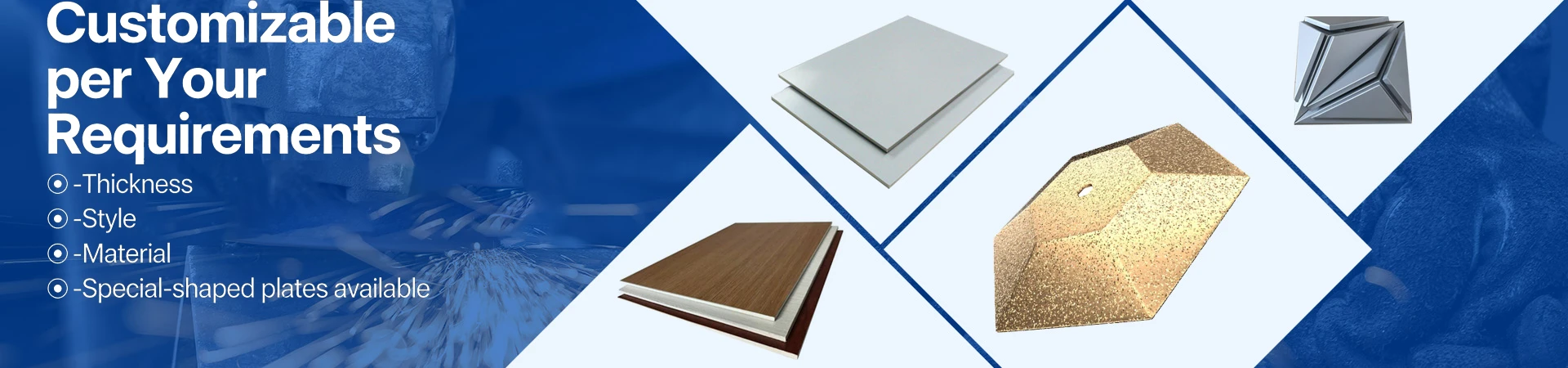
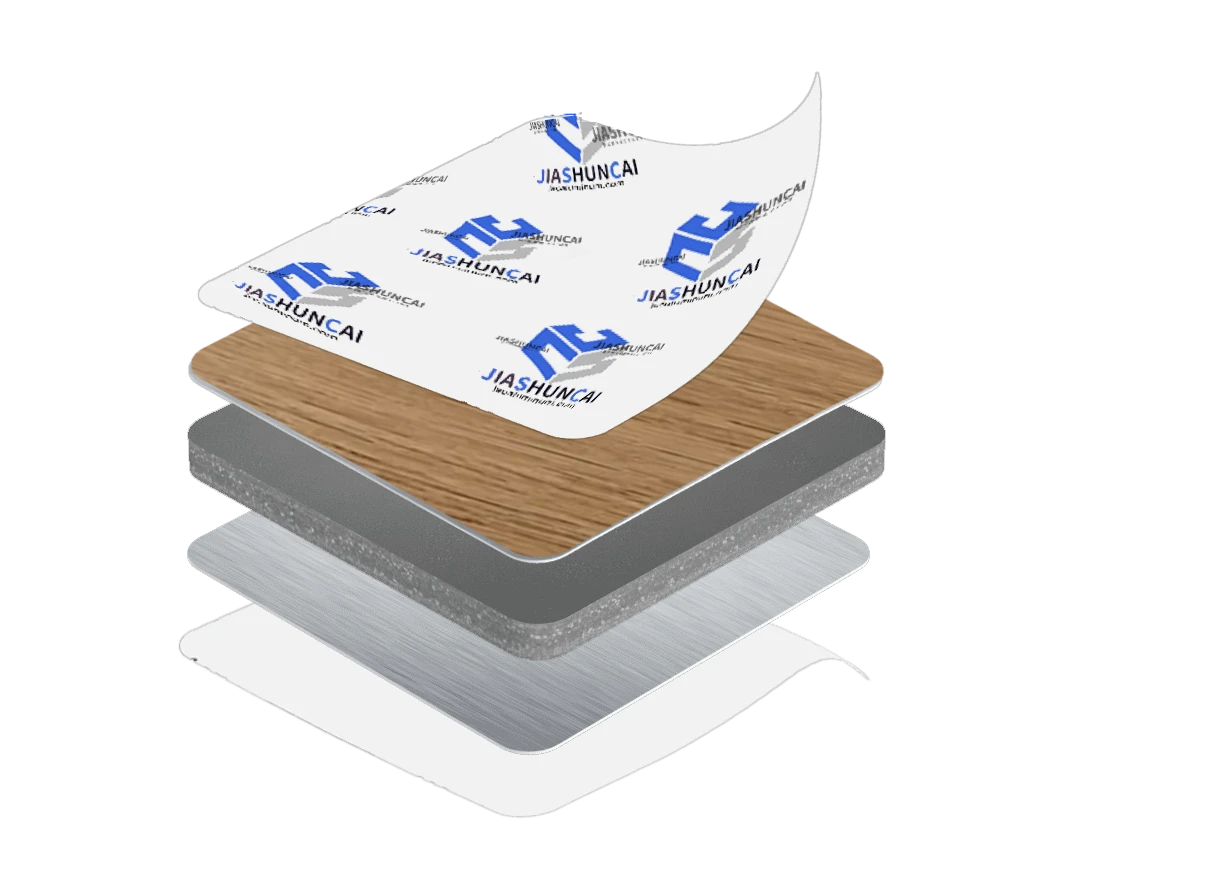
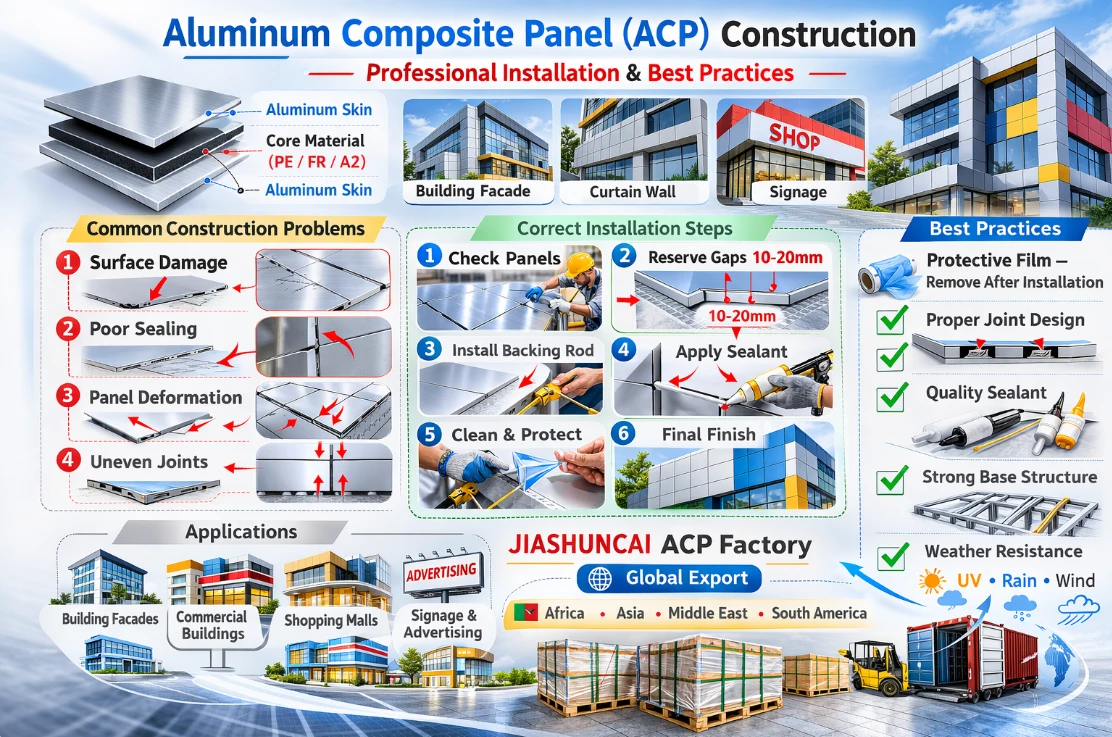
So, what are we actually talking about? ACM panels are essentially two thin aluminum sheets bonded to a non-aluminum core. That core is usually polyethylene (PE) or a fire-retardant mineral-filled core (FR). The FR panels, naturally, come with a price increase, but depending on the building codes and application, they're becoming increasingly standard. I suppose the biggest misconception I see is around rigidity. These aren't solid metal sheets. They need a proper substructure, a good support system. You can't just slap them onto a building and expect them to stay put. Here’s a quick look at common specs:
| Parameter |
Value |
Notes |
| Material |
Aluminum (typically 3mm thickness) |
Alloy 3003 or 5052 common |
| Core Material |
PE or FR (Mineral Filled) |
Fire rating dictates core type |
| Panel Size (Max) |
1500mm x 4000mm |
Varies by manufacturer |
| Weight |
5.5 - 7.5 kg/m² |
Depends on thickness and core |
Installation Techniques and Vendor Landscape
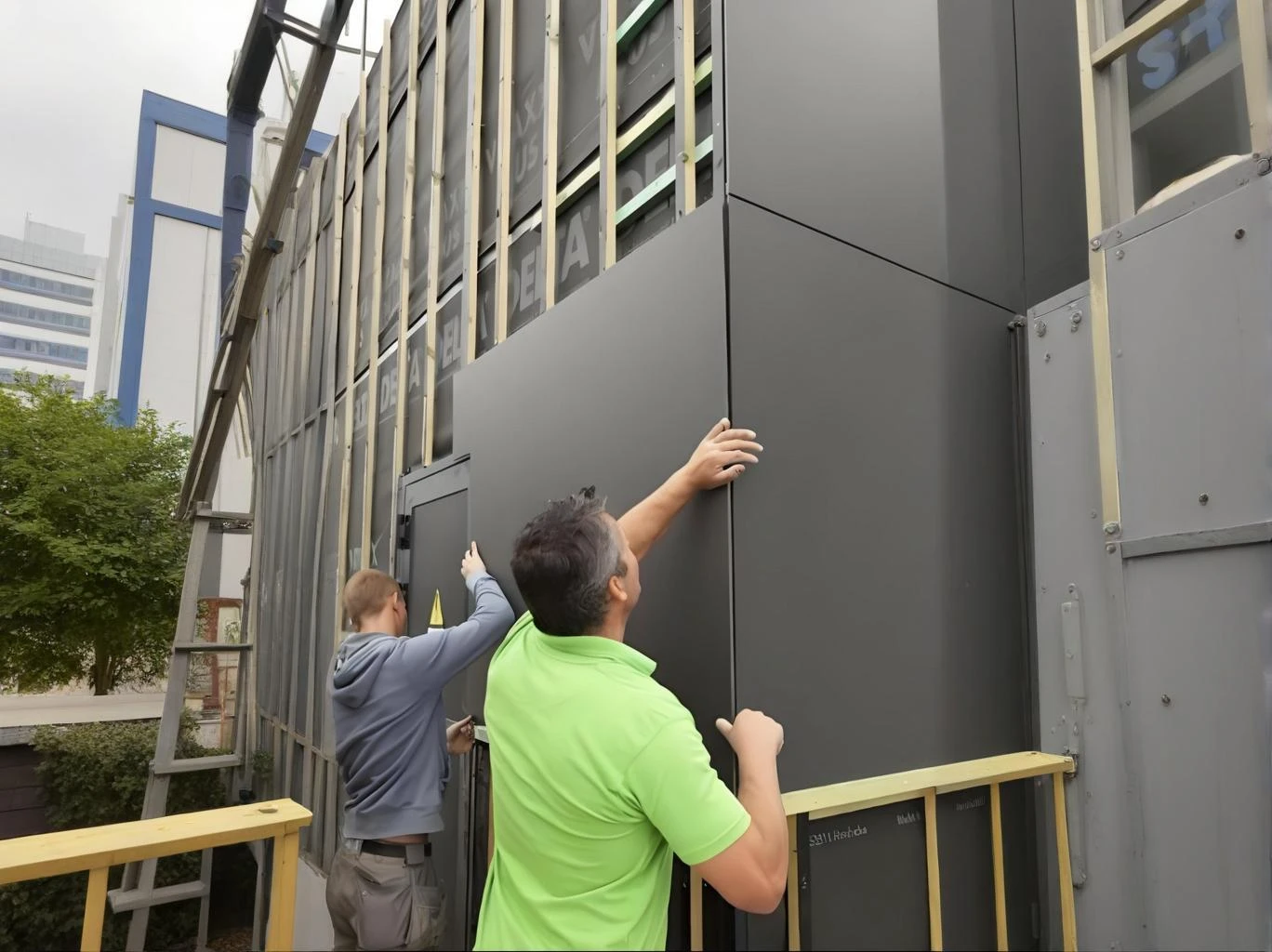
The installation method – and this is where it gets really interesting – depends heavily on the substructure and the desired aesthetic. Wet-sealed systems use a sealant between the panel and the substrate. Dry-seal systems, which I generally prefer, utilize clips and reveals. They allow for thermal expansion and contraction, which is critical long-term. You don’t want panels buckling or bowing. We had a situation a few years back with a client… they went with a cheaper sealant, and within a year, they had water infiltration. A costly fix, frankly. Choosing the right vendor is essential. Here’s a simplified comparison of some key players:
| Vendor |
Panel Range |
Support/Warranty |
Price (Relative) |
| JS Aluminum |
Wide – PE & FR options |
Excellent technical support, 10-year warranty |
Mid-Range |
| Alucobond |
Premium, extensive color choices |
Good support, but can be slow |
High |
| Reynobond |
Broad range, focus on sustainability |
Strong support network |
Mid-Range |
Final Thoughts
Proper ACM panel installation isn’t just about aesthetics; it’s about longevity, safety, and avoiding headaches down the line. It's a system, not just a material. Get the details right from the start.
References:
- Aluminum Composite Material Manufacturers Association (ACMMA) guidelines, 2023
- National Fire Protection Association (NFPA) standards for building facades, 2022
- Personal project insights & engineer interviews 2018–2023