Aluminium Composite Panel Installation: A Comprehensive Guide
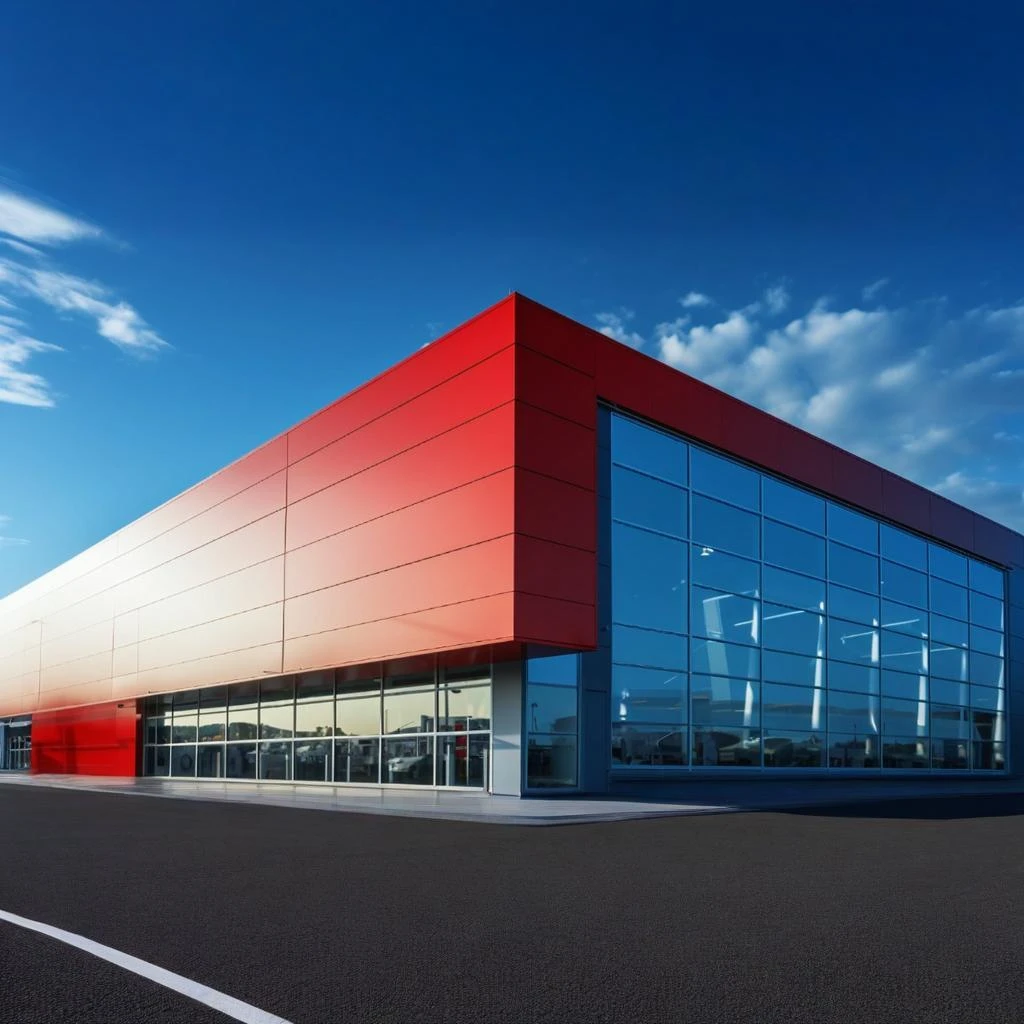
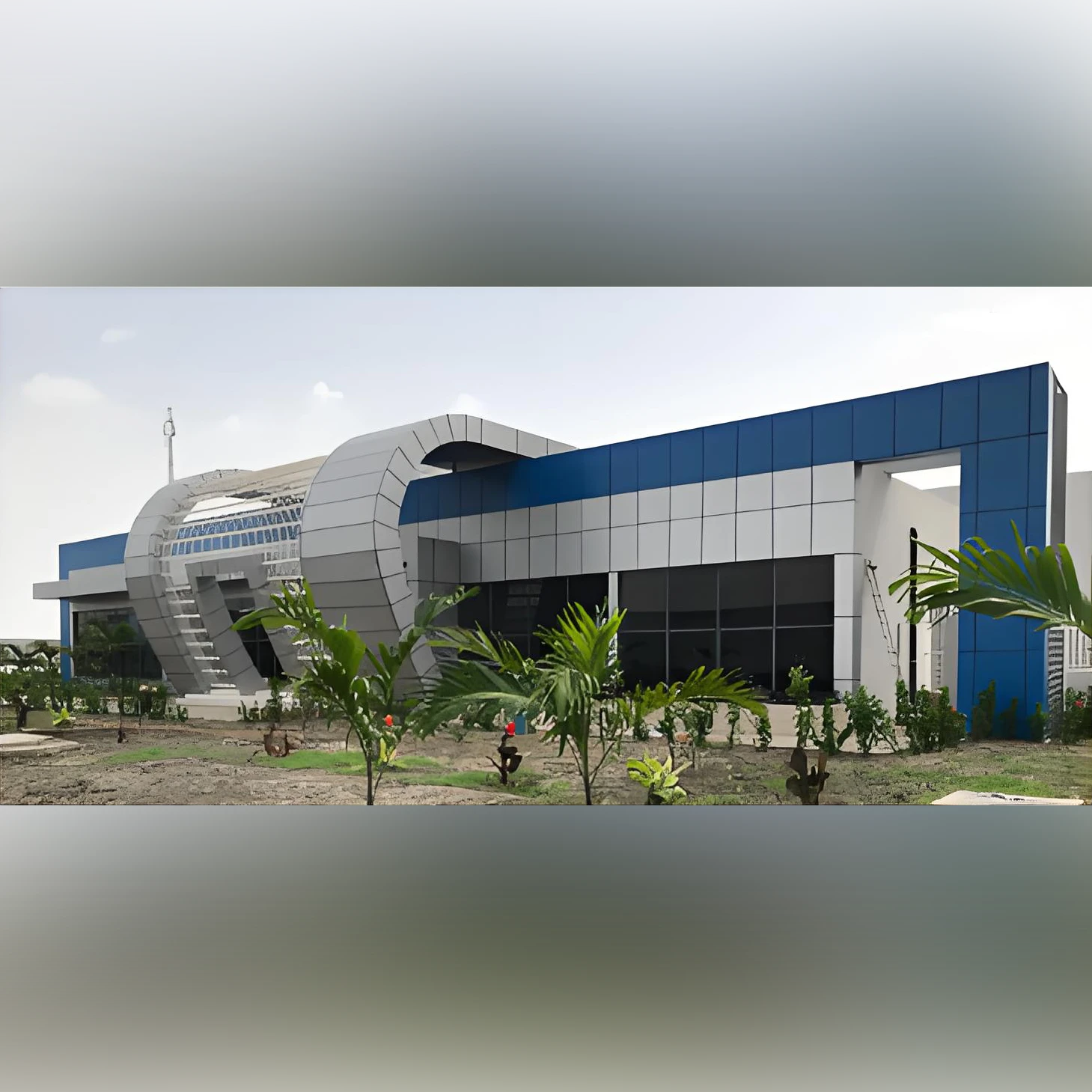
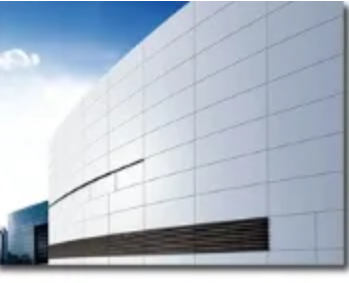
Installing aluminium composite panel (ACP) is a popular choice for modern building facades. Known for its versatility, durability, and aesthetic appeal, ACP installation requires careful planning and execution. This guide provides a detailed overview of the process, from preparation to finishing, ensuring a successful and long-lasting installation. We will cover key considerations for both DIY enthusiasts and professional installers, focusing on best practices and industry standards.
Understanding Aluminium Composite Panel Installation Systems
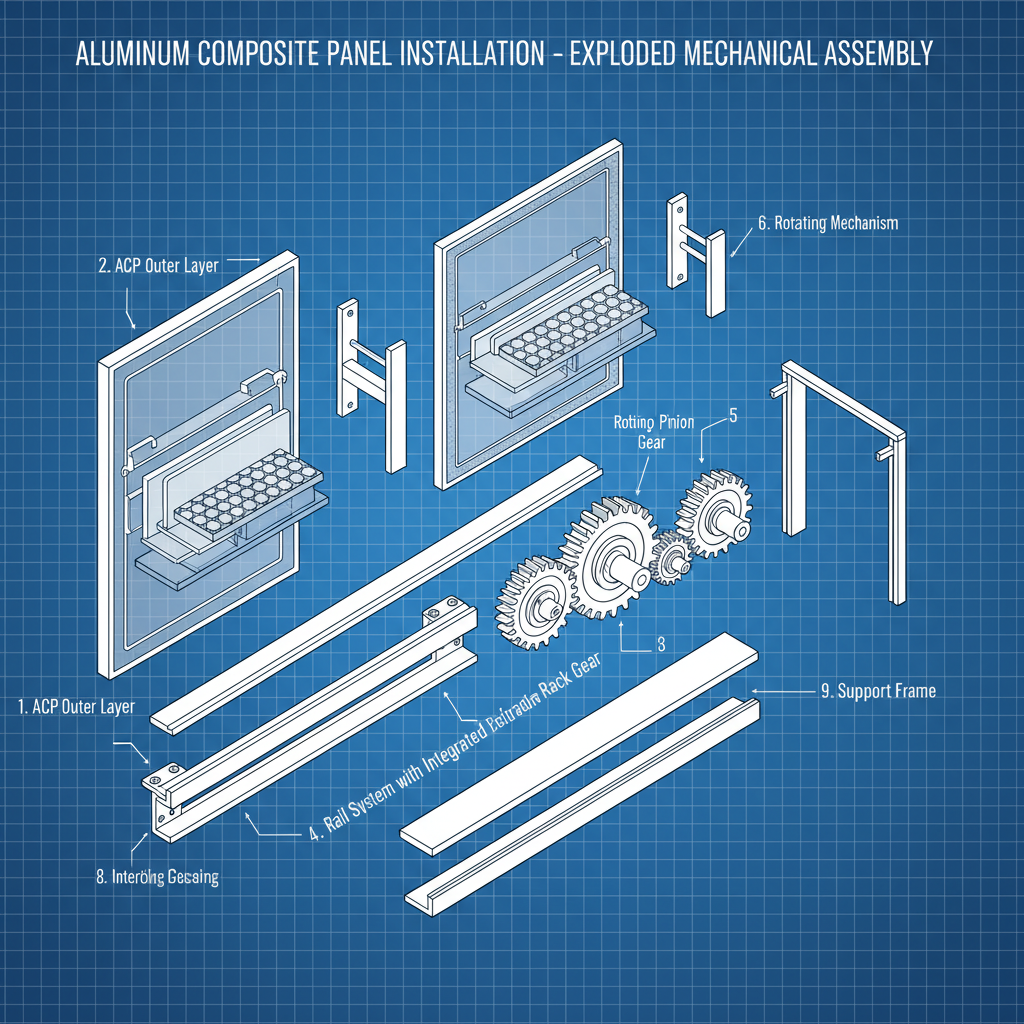
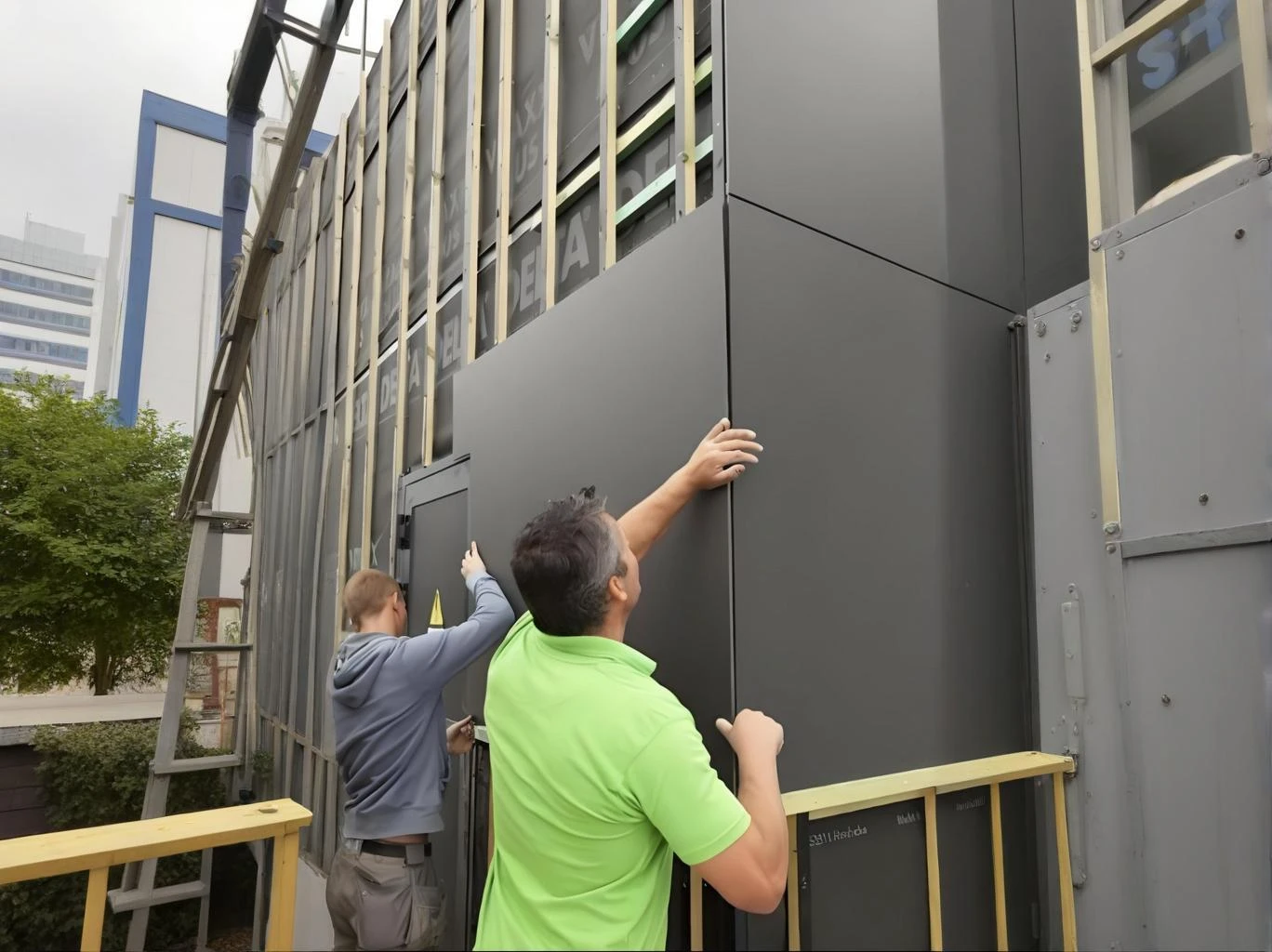
There are several installation methods for ACP, each suited to different building designs and project requirements. Common systems include wet-seal, dry-seal (cassette), and riveted systems. The wet-seal system utilizes silicone or polyurethane sealant to bond the panels to the substrate. The dry-seal system, often preferred for its ease of maintenance and replacement, employs mechanical fasteners and pressure plates. Finally, the riveted system is a more traditional method that offers a cost-effective solution, though it may be less visually seamless. Choosing the right system is crucial for the panel’s performance and longevity. JSC Aluminum offers expertise in all installation systems, tailoring solutions to your project’s specific needs.
Essential Tools and Materials for ACP Installation
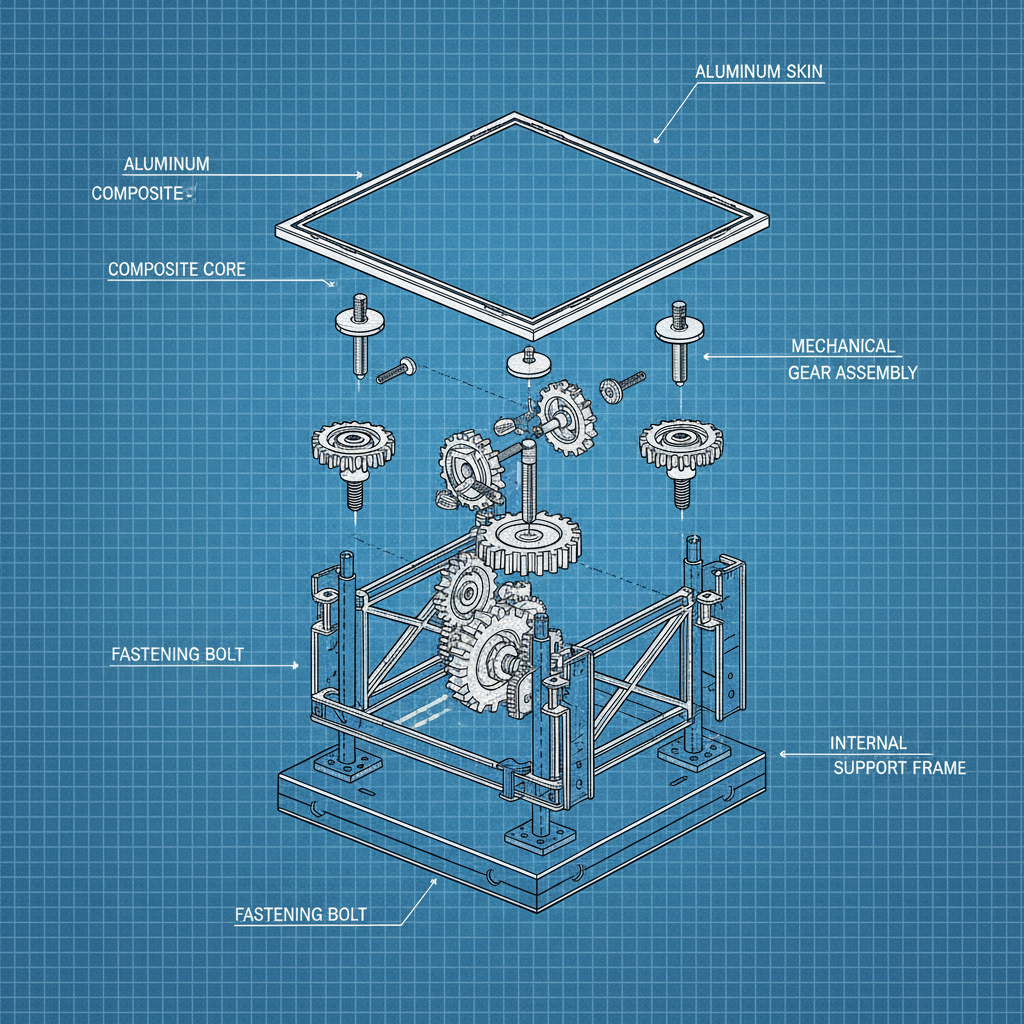
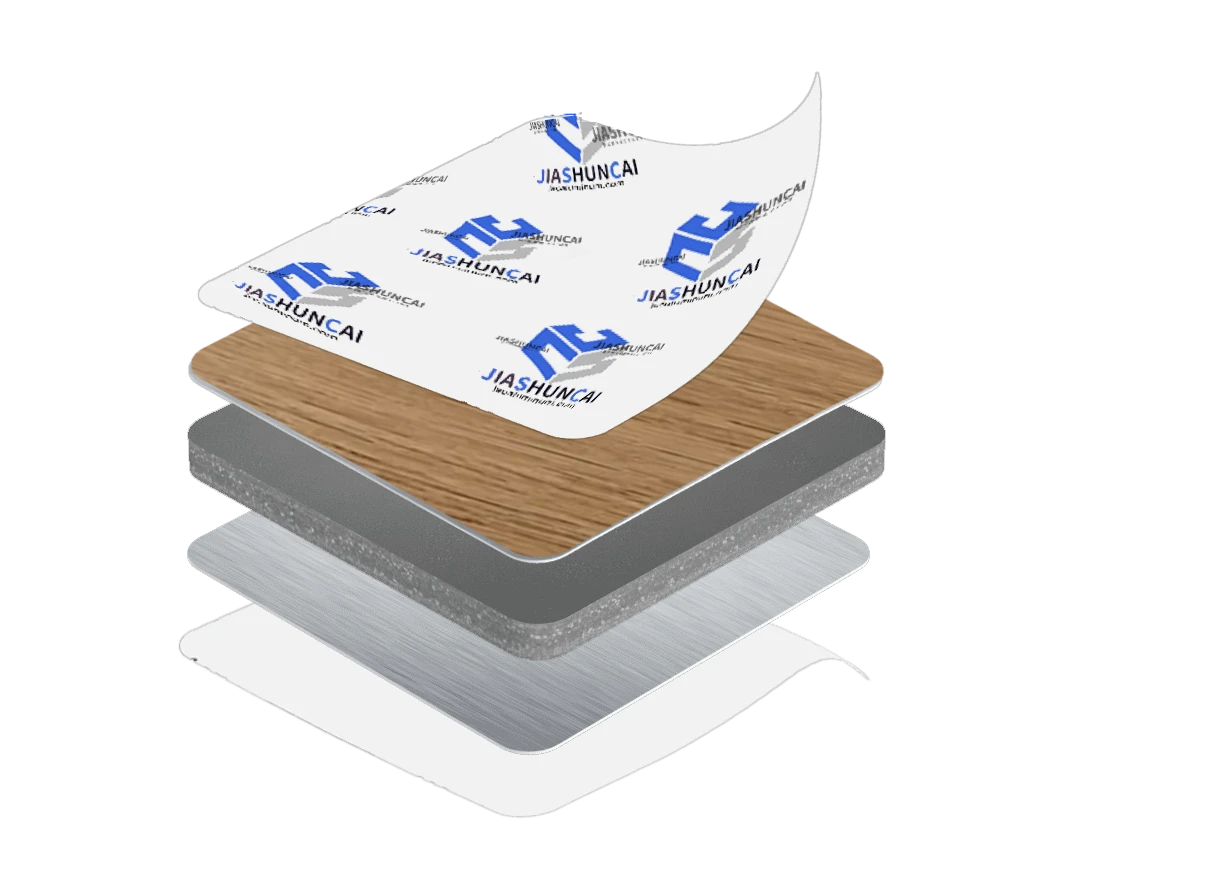
Successful ACP installation necessitates having the right tools and materials on hand. This includes measuring tapes, levels, drills, saws (circular or jigsaw), rivet guns (for riveted systems), sealant guns (for wet-seal systems), and appropriate safety gear (gloves, safety glasses, hard hat). Materials will vary based on the chosen system, but generally include ACP panels, support framing (aluminum or steel), fasteners, sealant, and flashing. High-quality materials are essential for ensuring a durable and weather-resistant installation. Proper storage of the panels before installation is also vital, protecting them from damage and environmental factors.
Key Materials Checklist: ACP panels, Support framing (Aluminum/Steel), Fasteners (Screws, Rivets), Sealant (Silicone/Polyurethane), Flashing, Safety Gear.
Step-by-Step Guide to Aluminium Composite Panel Installation
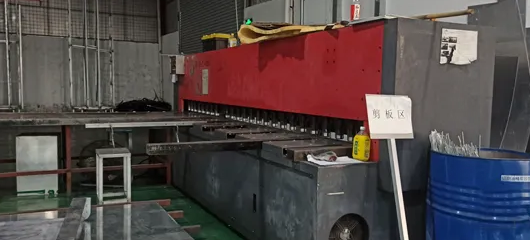
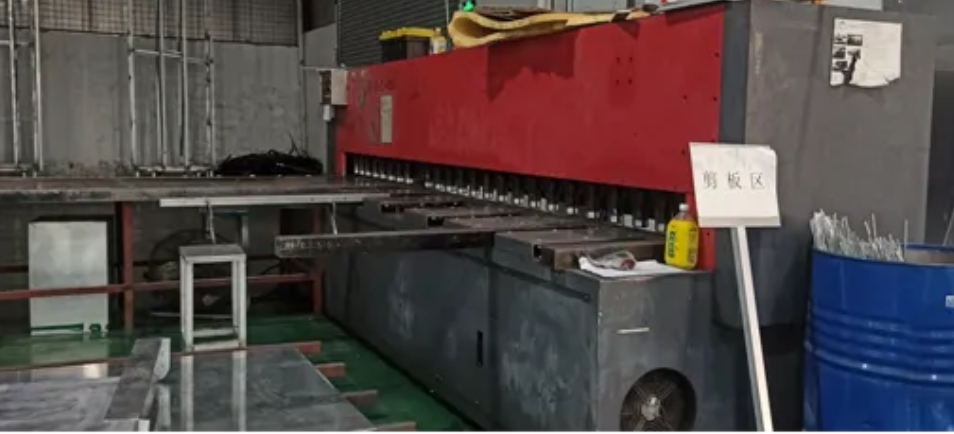
The installation process generally follows these steps: 1) Preparation: Ensure the substrate is clean, level, and structurally sound. Install the support framing, ensuring proper spacing and alignment. 2) Cutting: Precisely cut the ACP panels to the required dimensions, accounting for overlaps and expansion joints. 3) Installation: Attach the panels to the support framing using the chosen installation system (wet-seal, dry-seal, or riveted). 4) Sealing: Apply sealant (if applicable) to all joints and edges to prevent water penetration. 5) Finishing: Inspect the installation for any imperfections and make necessary adjustments. Proper sequencing and attention to detail are critical for a professional finish. JSC Aluminum provides detailed installation guides and support to ensure a smooth process.
Comparing ACP Installation Systems
Choosing the correct ACP installation system is paramount. Each has its advantages and disadvantages. Here’s a comparison to help guide your decision:
| System |
Advantages |
Disadvantages |
| Wet-Seal |
Cost-effective, Good water resistance |
Requires skilled application, Potential for sealant failure |
| Dry-Seal (Cassette) |
Easy maintenance, Replaceable panels, Clean aesthetic |
Higher initial cost, Requires precise fabrication |
| Riveted |
Cost-effective, Simple installation |
Less aesthetically pleasing, Potential for corrosion |
Safety Precautions During ACP Installation
Safety is paramount during ACP installation. Always wear appropriate personal protective equipment (PPE), including safety glasses, gloves, and a hard hat. When working at heights, use appropriate fall protection equipment. Be mindful of sharp edges and potential hazards during cutting and handling. Follow all manufacturer’s instructions and local building codes. Proper training and experience are essential for safe and successful installation. Always ensure the work area is properly secured and ventilated.
Conclusion: Achieving a Flawless ACP Installation
A well-executed ACP installation not only enhances a building’s aesthetics but also provides long-term durability and weather protection. By following the guidelines outlined in this guide and prioritizing safety, you can achieve a professional finish that will withstand the test of time. For expert assistance and high-quality ACP products, JSC Aluminum is your trusted partner.
Frequently Asked Questions (FAQs)
What is the typical lifespan of an ACP installation?
The lifespan of an ACP installation depends on several factors, including the quality of the materials, the installation method, and the environmental conditions. Generally, a properly installed ACP system can last 20-30 years or even longer with minimal maintenance. Regular inspections and timely repairs can further extend its lifespan. The warranty offered by the manufacturer also provides a measure of assurance. Factors like UV exposure, pollution, and extreme weather can accelerate degradation, so choosing a high-quality panel with a protective coating is crucial.
What maintenance is required for ACP facades?
ACP facades generally require minimal maintenance. Regular cleaning with mild soap and water is usually sufficient to remove dirt and grime. Inspect the sealant (if applicable) annually and reapply as needed to maintain a watertight seal. Check for any signs of damage, such as cracks, dents, or corrosion, and address them promptly. In coastal areas, more frequent cleaning may be necessary due to salt spray. Following a routine maintenance schedule will help preserve the appearance and longevity of your ACP facade.
Is ACP fire resistant?
ACP’s fire resistance varies depending on the core material. Traditionally, some ACPs used a combustible polyethylene (PE) core, which raised fire safety concerns. However, modern ACPs often utilize a fire-retardant (FR) core or a mineral core, significantly improving their fire performance. It's crucial to choose ACPs that meet local building codes and fire safety regulations. JSC Aluminum offers FR-rated ACP options to ensure compliance and safety.
What factors affect the cost of ACP installation?
The cost of ACP installation varies depending on several factors, including the size of the project, the complexity of the design, the chosen installation system, the type of ACP material, and the labor rates in your area. Factors such as accessibility, height, and the need for scaffolding can also impact the cost. Obtaining multiple quotes from reputable installers is recommended to get a competitive price. Remember to factor in the cost of materials, labor, permits, and any necessary preparatory work.