Honestly, aluminum composite panel manufacturers… it’s a world, you know? Been running around construction sites all year, and you really start to see what works and what's just marketing fluff. Everyone's talking about sustainability now, which is good, but a lot of 'eco-friendly' panels still feel… flimsy. Have you noticed that? It's like they're trying to save the planet while building something that’ll fall apart in a storm.
The sheer volume of requests for customization is also crazy. Everyone wants something different. Last year it was all about wood-grain finishes, this year, it’s brushed metal textures. It keeps things interesting, I guess, but it's a logistical nightmare sometimes.
And the price of aluminum… don’t even get me started. It's a constant roller coaster. Makes quoting jobs a real guessing game.
The Current Landscape of aluminum composite panel manufacturers
Strangely enough, the biggest trend I’m seeing isn’t some fancy new material. It's the demand for quicker turnaround. Everyone wants it yesterday. Supply chain issues have really shaken things up. And these big architectural firms? They’re designing these amazing, complex facades, but they seem to forget that someone actually has to build them. We’re seeing a huge push for pre-fabricated panels, more off-site assembly. It's not just about cost, it’s about finding skilled labor, which is becoming a real problem.
The number of aluminum composite panel manufacturers coming out of Asia, especially China, has exploded. Quality varies wildly, though. You really have to know your suppliers. And even then… it’s a gamble sometimes.
Common Design Pitfalls in aluminum composite panel manufacturers
To be honest, one thing I constantly see engineers mess up is underestimating wind load. They run the calculations, but they don’t always account for real-world conditions. A building in a city canyon is going to experience wind differently than one out in the open. And then you get the callbacks… it's not fun.
Another common mistake is specifying the wrong coating for the environment. Coastal areas need something seriously corrosion-resistant. I encountered this at a factory in Guangdong last time - they were using a standard coating on panels destined for a beachfront resort. Disaster waiting to happen.
And don’t even get me started on detailing around windows and doors. That's where water gets in. That’s where things go wrong. It's always the details. Always.
Material Breakdown: What We're Actually Working With
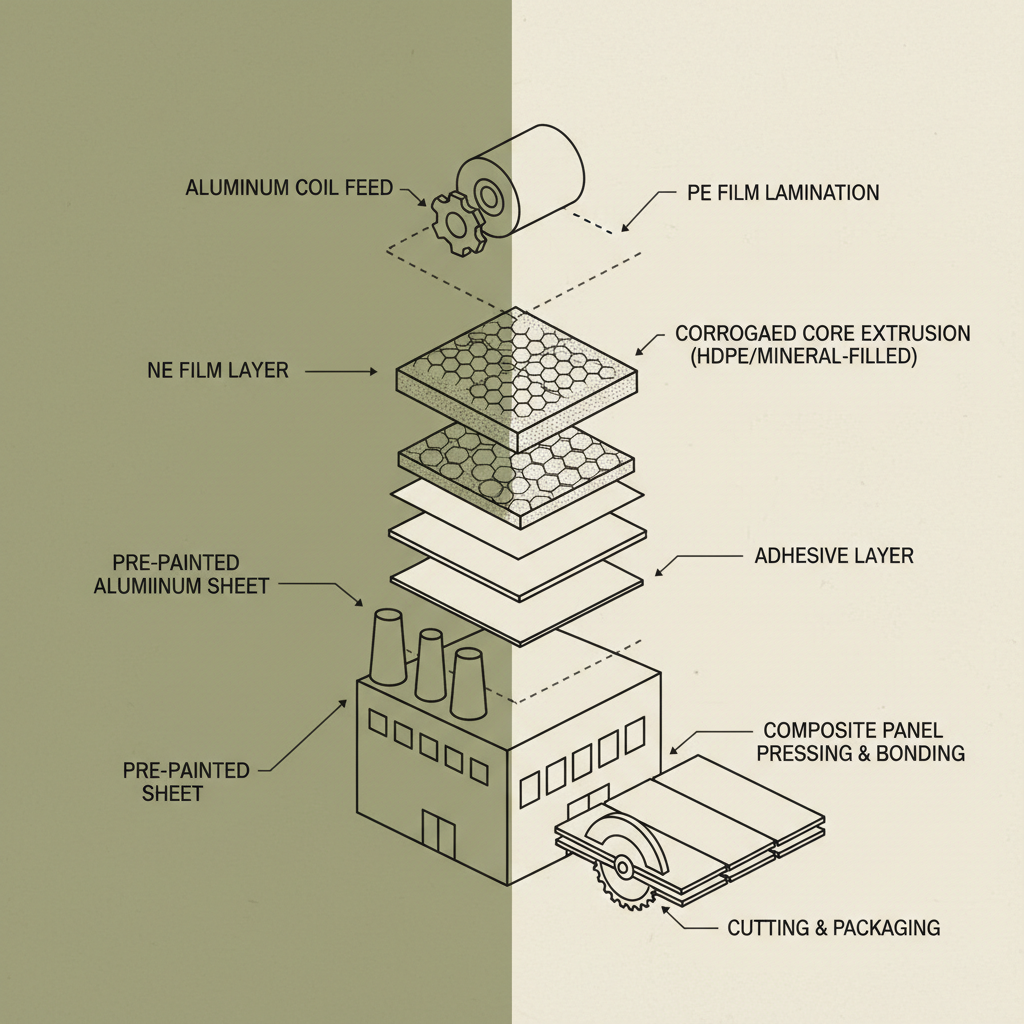
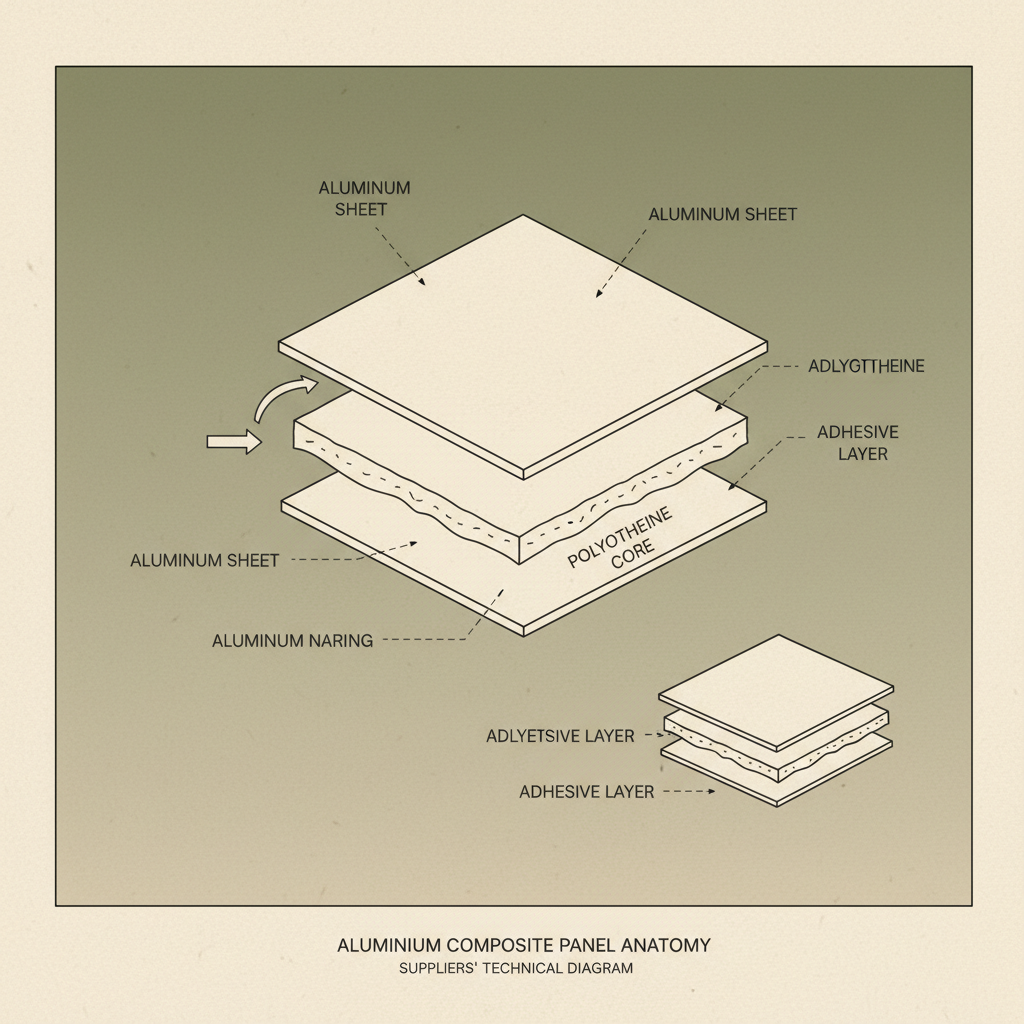
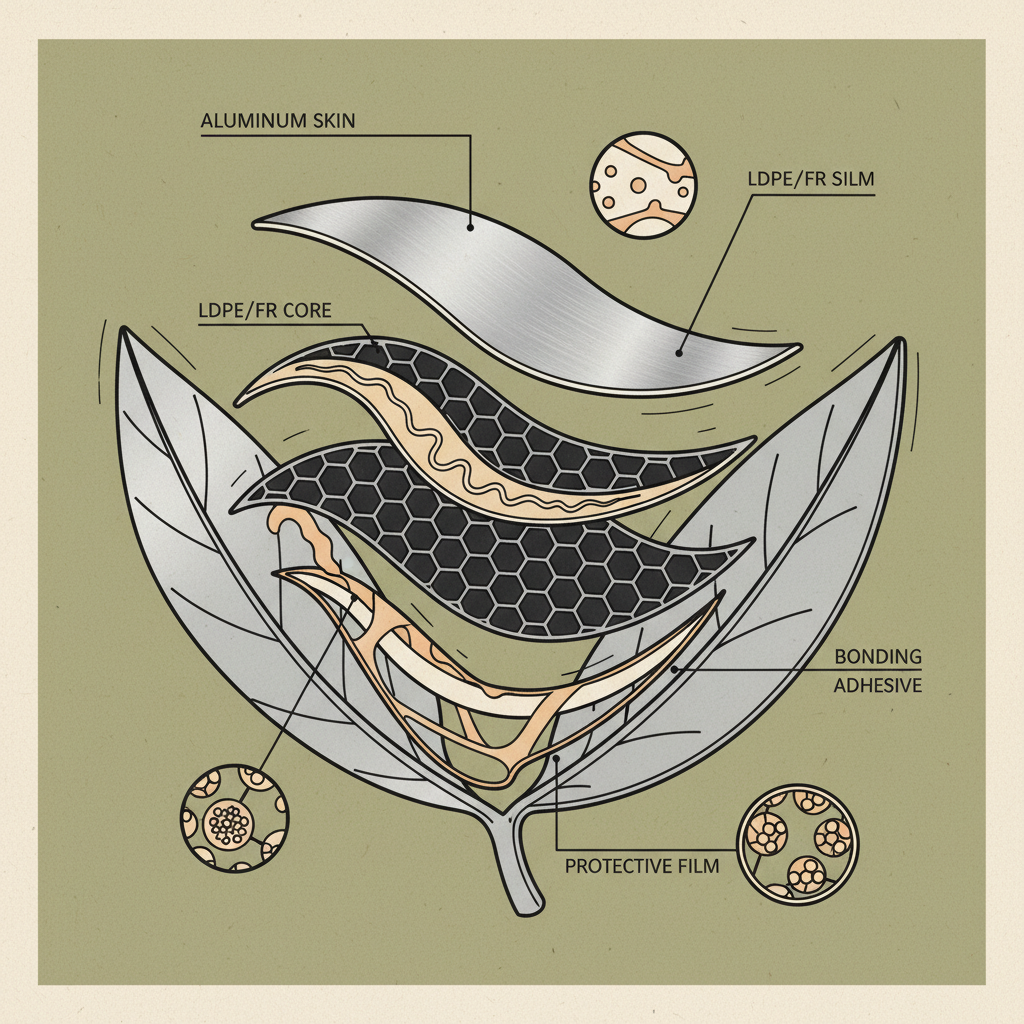
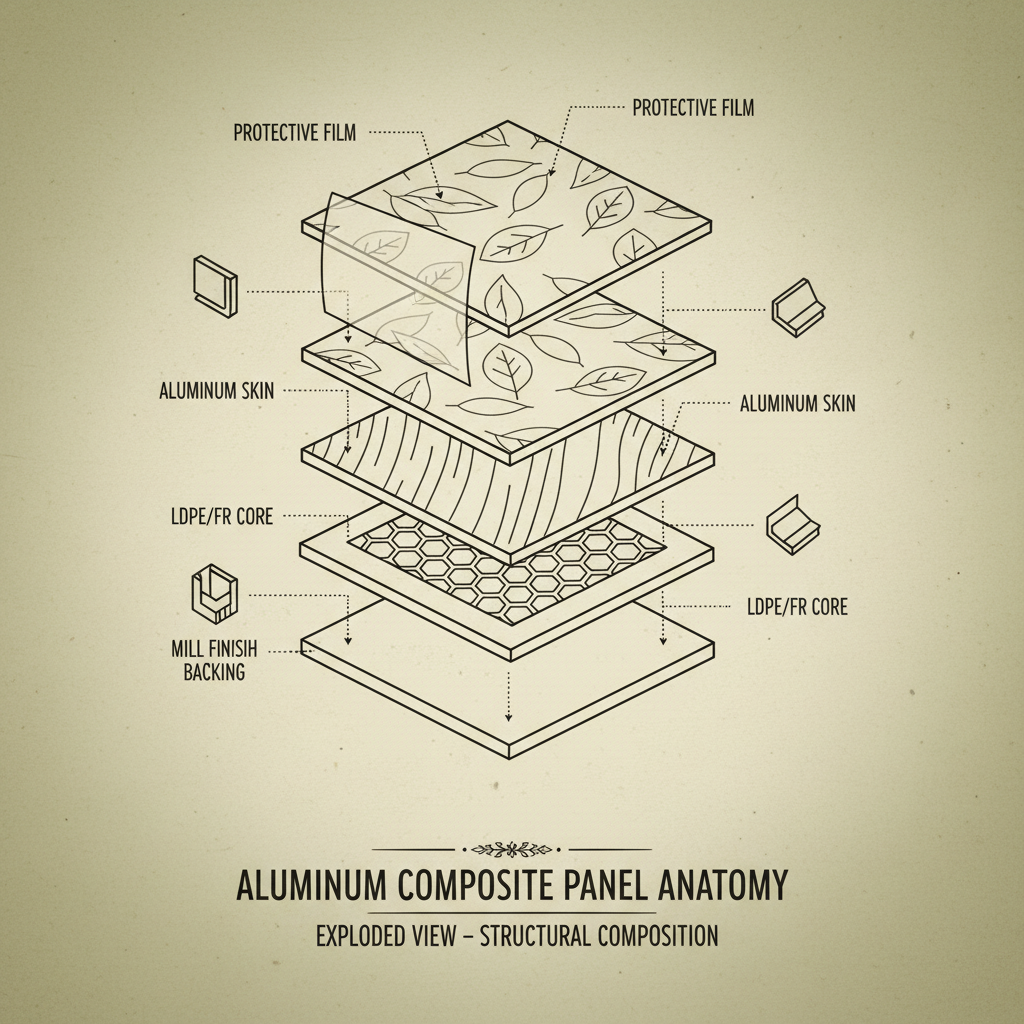
Okay, so you’ve got your core, usually polyethylene (PE) or a fire-retardant (FR) version. PE is cheaper, lighter, but… well, it burns. FR is better, obviously, but it adds weight and cost. You can smell the difference too, the FR panels have a slightly chemical odor. Then you have the aluminum skins, varying in thickness and alloy. Thicker isn't always better, you need the right alloy for the application.
The adhesive is crucial. It’s the glue holding everything together. Some adhesives are more flexible, which is good for seismic zones. Others are more rigid, for a cleaner look. You don’t really see the adhesive, but it's doing all the work. I’ve seen panels delaminate because of a bad adhesive – total mess. It feels… kind of rubbery, when you test it.
And the coatings… PVDF is the gold standard, but it's expensive. Polyester is cheaper, but it fades over time. I’ve seen polyester panels look terrible after just a few years in the sun. Anyway, I think the choice of material really depends on the budget and the client’s expectations.
Real-World Testing Beyond the Lab
Look, lab tests are fine, but they don't tell the whole story. We need to see how these panels perform in real conditions. We do a lot of impact testing, banging them with hammers, dropping weights. It sounds barbaric, but it gives you a good idea of how durable they are.
We also do accelerated weathering tests, exposing them to UV radiation and extreme temperatures. But nothing beats just putting a panel up on a building and letting the elements do their thing for a few years. That's the ultimate test.
aluminum composite panel manufacturers Performance Ratings
How Users Really Interact with aluminum composite panel manufacturers
You know what’s funny? Architects design these beautiful, seamless facades, but the guys installing them are often just trying to make it fit. They're not thinking about aesthetics, they're thinking about getting the job done quickly and efficiently. They'll cut corners if they can. It’s just human nature.
And building owners? They mostly care about the price and how it looks. They don’t really understand the technical details. That's why it's so important for us to explain things in plain English, not engineer-speak.
The Pros, The Cons, and Everything In Between
The pros are obvious: lightweight, versatile, relatively easy to install. You can get it in almost any color or finish. It's a great way to create a modern, sleek look. But the cons… the fire risk with PE cores is a big one, obviously. And the quality control can be hit or miss, especially with cheaper panels.
It’s not a silver bullet, it’s a compromise. You're balancing cost, performance, and aesthetics. And honestly, sometimes you have to choose between those things.
Customization Capabilities & A Cautionary Tale
You can pretty much customize anything these days. Different thicknesses, different coatings, different sizes. We had a client who wanted a panel with a built-in LED lighting system. It was a pain to manufacture, but we made it work. The key is to think about how the customization will affect the installation process.
Last month, that small boss in Shenzhen who makes smart home devices insisted on changing the interface to Type-C instead of the standard screw mount for our panels. Said it was “more future-proof”. The result? His team spent three days trying to figure out how to attach the panels securely, delaying the whole project and costing him a fortune. He finally gave up and went back to screws. Lesson learned.
Anyway, I think customization is good, as long as it’s practical.
Summary of Common Customization Issues with aluminum composite panel manufacturers
| Customization Type |
Complexity Level (1-5) |
Cost Impact (Low/Med/High) |
Potential Installation Issues |
| Color Matching (Specific RAL Code) |
2 |
Low |
Minimal |
| Non-Standard Panel Size |
3 |
Med |
Increased waste, potential for misalignments |
| Integrated Lighting (LED Strips) |
4 |
High |
Electrical connections, waterproofing, structural integrity |
| Curved Panel Fabrication |
5 |
High |
Complex installation, requires specialized tools & expertise |
| Unique Surface Texture (e.g., Brushed Metal) |
3 |
Med |
Potential for uneven coating, increased cleaning requirements |
| Interface Changes (e.g., Type-C Mounts) |
4 |
Med |
Compatibility issues, increased installation time & complexity |
FAQS
Honestly, it's the fire resistance. PE is cheaper, but it burns readily. FR is treated to be fire-retardant, meaning it won't ignite as easily. This is crucial for building codes, especially in high-rise structures. The FR panels are also a bit heavier and more expensive, but the added safety is usually worth the extra cost. You can smell the difference too, the FR panels have a slightly chemical odor when you're cutting them.
It depends, really. With proper maintenance and a good coating, you can get 20-30 years out of them. Coastal areas are tougher on panels due to salt spray, so you might need to repaint more often. UV exposure is also a factor. The cheaper polyester coatings fade faster than PVDF. We've seen some panels last 40+ years, but those were high-quality installations with regular upkeep.
That's a complicated question. Aluminum production is energy-intensive, so there's a carbon footprint. However, aluminum is also highly recyclable, which helps offset that. And the longevity of the panels means you're not replacing them as often as other materials. There are also panels made with recycled core materials now. It's not perfect, but it's generally better than some alternatives.
Protect them from scratches and impact! Store them flat on pallets, covered with a tarp. When you're cutting them, use sharp blades and a slow speed to minimize chipping. Don't drag them across the job site. And, for goodness sake, don't let them get rained on before they're installed. Water can get trapped inside the core and cause delamination.
Underestimating expansion and contraction is a big one. Aluminum expands and contracts with temperature changes, so you need to leave adequate gaps between panels. Also, make sure the substructure is perfectly flat. Any irregularities will show through. And don’t skimp on the sealant. That’s your first line of defense against water intrusion. Seriously, don't.
Absolutely. You can get custom colors, sizes, and even textures. We’ve done projects with panels that look like wood grain, stone, or even metal mesh. More complex designs will be more expensive, of course. And you'll need to provide accurate drawings and specifications. Just remember, the more complicated the design, the more likely something is to go wrong during installation.
Conclusion
So, aluminum composite panel manufacturers, it’s not magic. It’s a material with its strengths and weaknesses. It's become a cornerstone of modern architecture because it offers a good balance of cost, weight, and aesthetics. But it requires careful design, proper installation, and regular maintenance to perform well over the long term.
Ultimately, whether this thing works or not, the worker will know the moment he tightens the screw. And if you want to make sure that screw stays tight, don’t cut corners. Spend the money on quality materials, hire experienced installers, and keep an eye on the details. That's my two cents, anyway. You can find out more at aluminum composite panel manufacturers.