You know, these days everyone’s talking about lightweight, pre-fab. Honestly, it’s all about speed now. Clients don’t want to wait six months for a building; they want it up in weeks. And aluminum composite panel manufacturers are right at the center of that. It’s not glamorous work, believe me, spending all day checking panel flatness on a dusty construction site, but it’s critical. We’re not just selling material; we’re selling time, and that’s valuable.
I've been doing this for…well, let's just say a long time. And you see the same mistakes over and over. People get caught up in fancy finishes, forget about the core material. You’ve gotta understand the PE, FR, or mineral core – the difference between fire-rated and…well, not. Seen too many projects delayed because someone skimped on that. It seems simple, but it's easy to fall into the trap of choosing the cheapest option upfront and paying for it later.
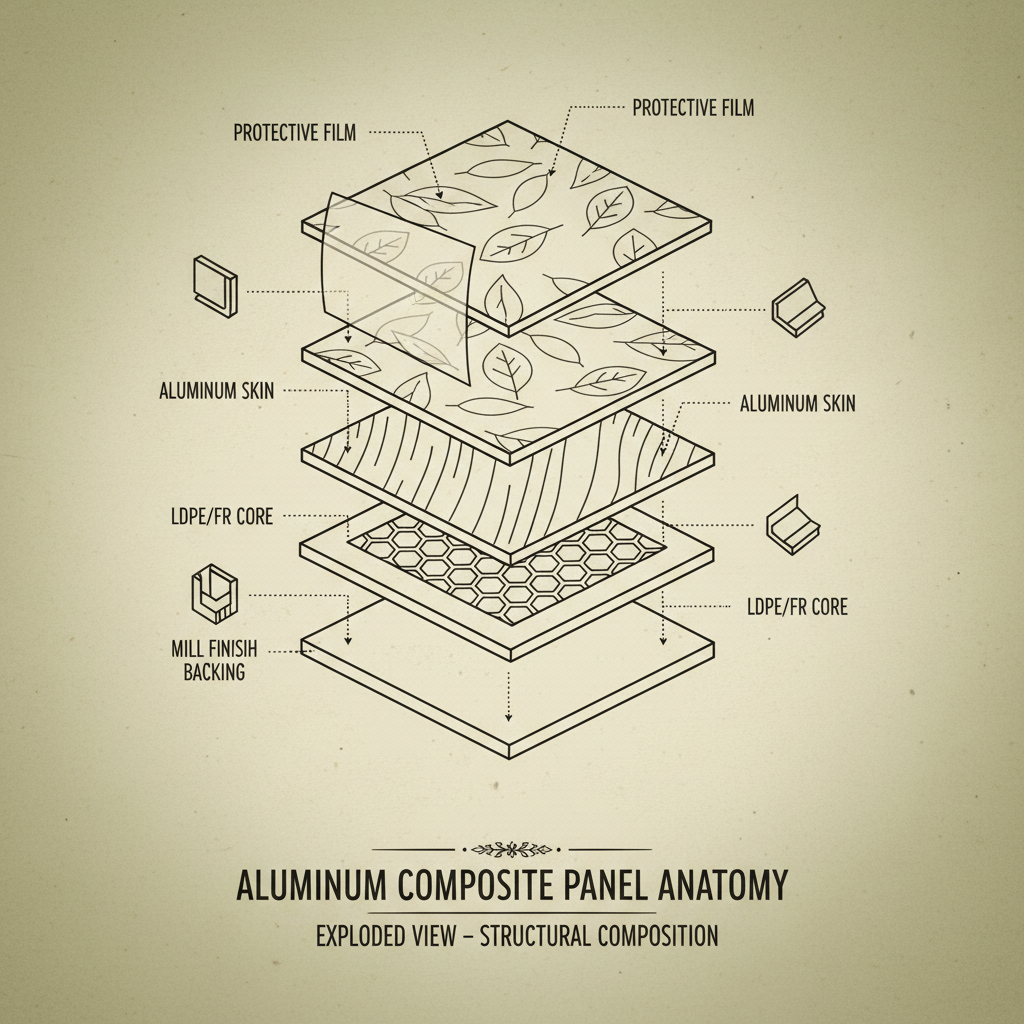
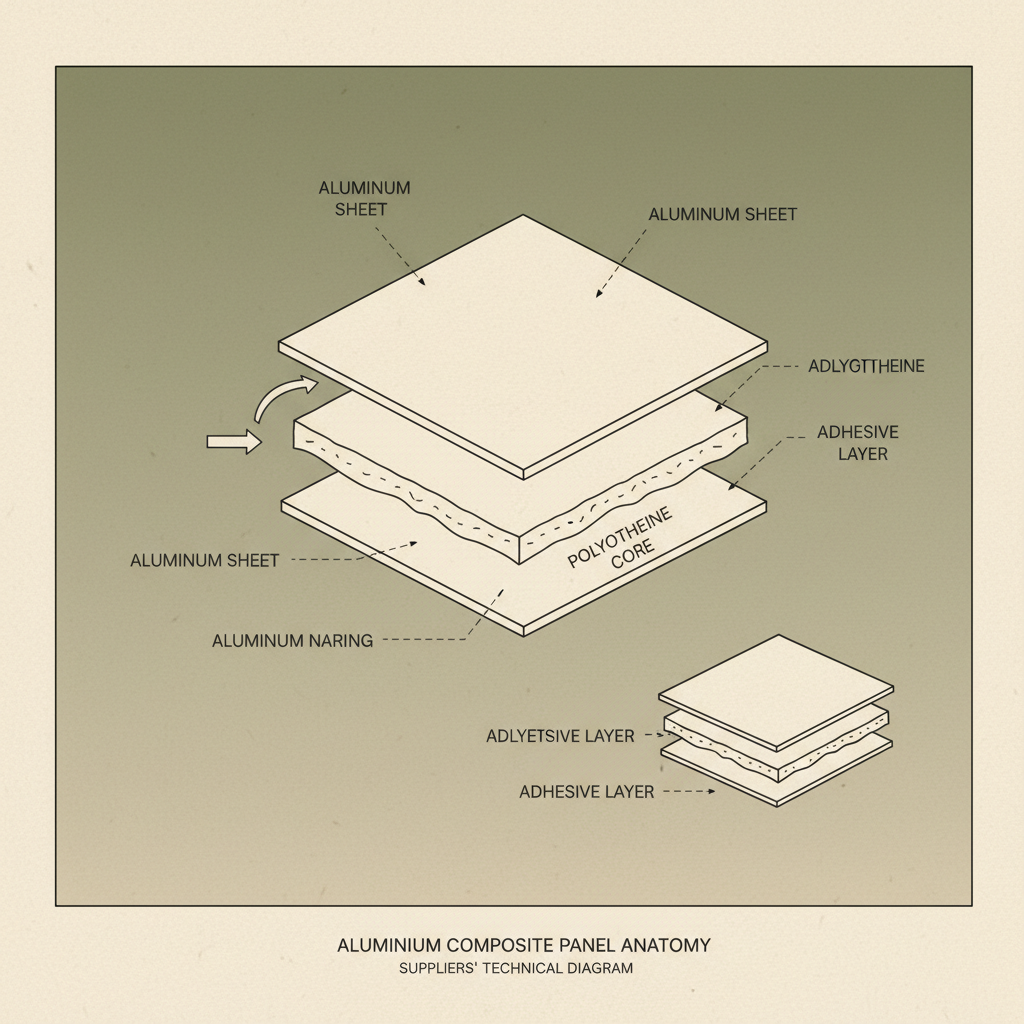
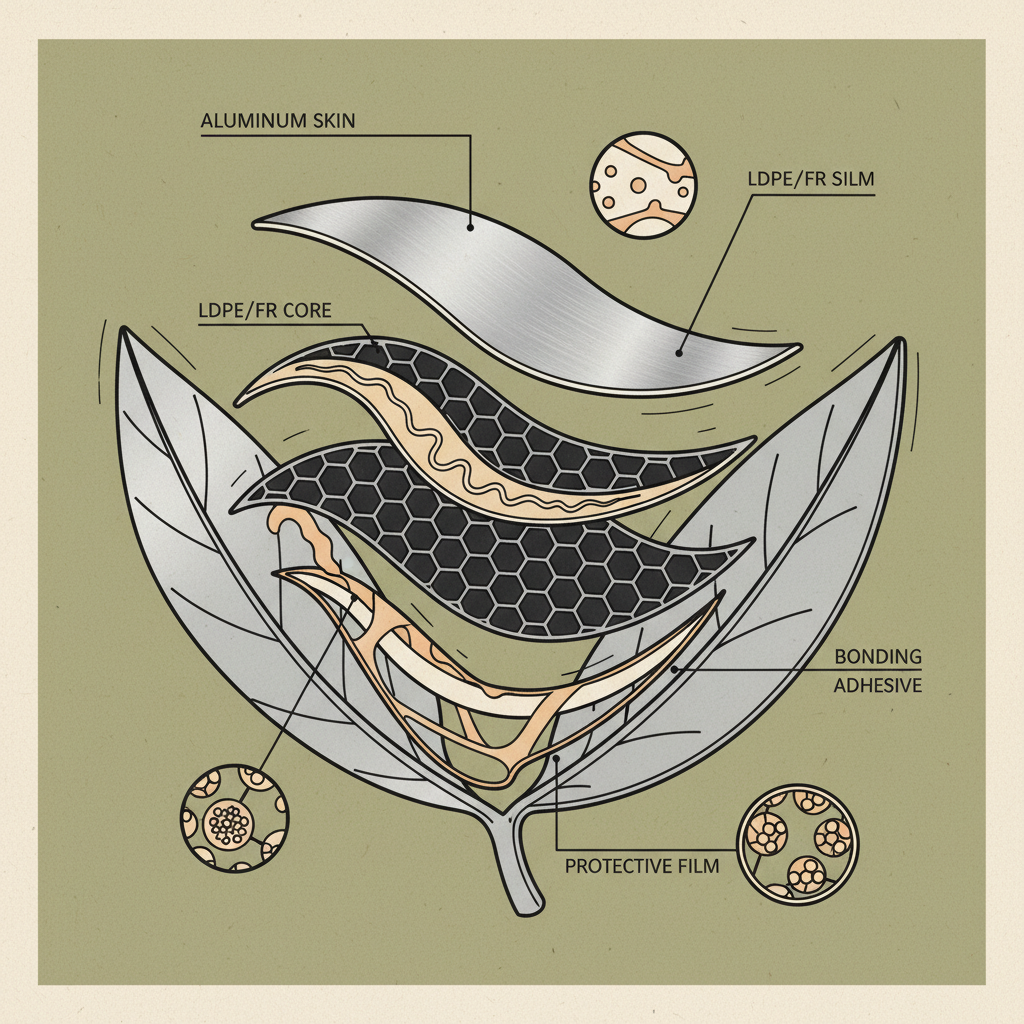
The panels themselves… it’s not just aluminum and plastic, you know? The aluminum skin, that’s typically 3003 alloy. Feels good in the hand, not too brittle. The PE core… well, it smells a bit like plastic, naturally. FR cores, they smell different. You get used to it. Honestly, you can tell a good panel just by the weight and how it feels when you cut it. Too flimsy? Bad news. It's about the details, you know? And the coating - PVDF is the way to go if you want longevity, but it’s pricier.
Industry Trends and Common Pitfalls
Have you noticed how everyone wants “seamless” now? They see these renderings with perfectly smooth facades and think it’s just…that easy. It's not. Getting that kind of finish requires meticulous installation, perfectly flat substrates, and a lot of patience. A lot. And I encountered this at a factory in Foshan last time, they were advertising "zero tolerance" panels, but the actual flatness was… questionable, to say the least. You gotta look beyond the marketing.
Honestly, one of the biggest problems I see is clients trying to value engineer their way into disaster. They’ll say, “Oh, can we use a thinner aluminum skin?” or “Can we switch to a cheaper core?” And you try to explain the consequences – reduced durability, fire risk, potential for delamination – but sometimes they just don’t listen. It’s frustrating, but it’s our job to educate them.
Material Insights: Beyond the Basics
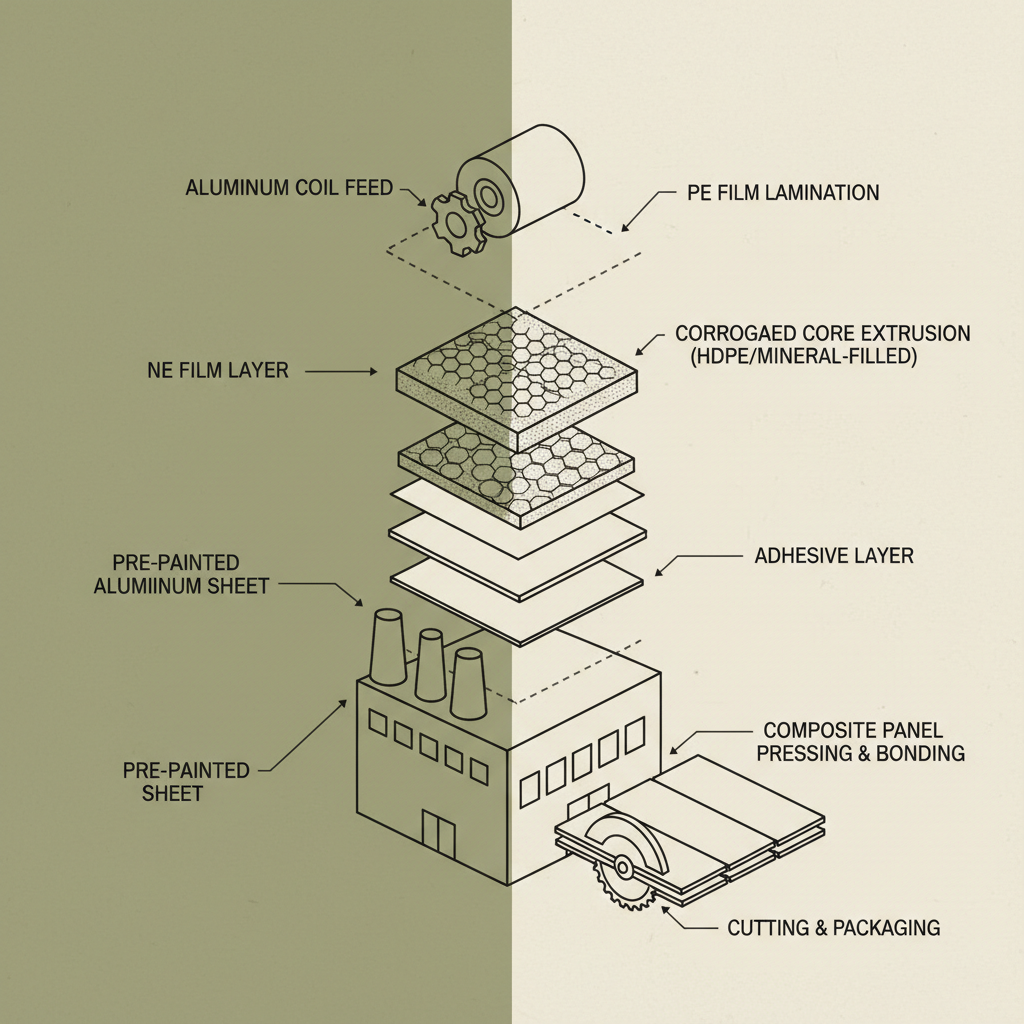
The core material really dictates the whole game. PE (polyethylene) is cheap, lightweight, good for general cladding. But it’s flammable. FR (fire-retardant) cores use mineral fillers – magnesium hydroxide or aluminum trihydrate. They’re heavier, more expensive, but they buy you crucial fire safety. And strangely, I’ve found that FR cores can actually be more resistant to impact damage, even though they’re less flexible. It doesn’t make logical sense, but I’ve seen it happen.
Then there’s the coating. PVDF (polyvinylidene fluoride) is the gold standard. It’s incredibly durable, resists fading, and cleans up easily. But it’s also the most expensive. You get what you pay for. There are cheaper coatings out there, like polyester, but they just don’t hold up over time. You’ll be repainting in five years, guaranteed.
And don’t underestimate the importance of the adhesive. That’s what holds everything together. We usually specify a high-performance acrylic adhesive, but even that can fail if the surfaces aren’t properly prepared. Dust, grease, moisture… they’re the enemy.
Real-World Testing and Performance
Forget the lab tests. Those are fine, but they don’t tell the whole story. Real-world testing means putting panels up on a building and leaving them exposed to the elements for a year. We’ve got test walls at our factory, constantly bombarded by rain, sun, and wind. That's how you really see how a panel holds up.
We also do impact testing, but not with a pendulum like they do in the lab. We throw tools at them. Seriously. Wrenches, hammers, screwdrivers… the things that workers are actually going to drop on the panels during installation. It's a little chaotic, but it gives you a realistic idea of the damage resistance. Anyway, I think it’s a much better method.
And then there's the salt spray test, to see how well the panels resist corrosion. That’s especially important for coastal projects. We simulate years of exposure in a matter of weeks.
User Applications and Unexpected Uses
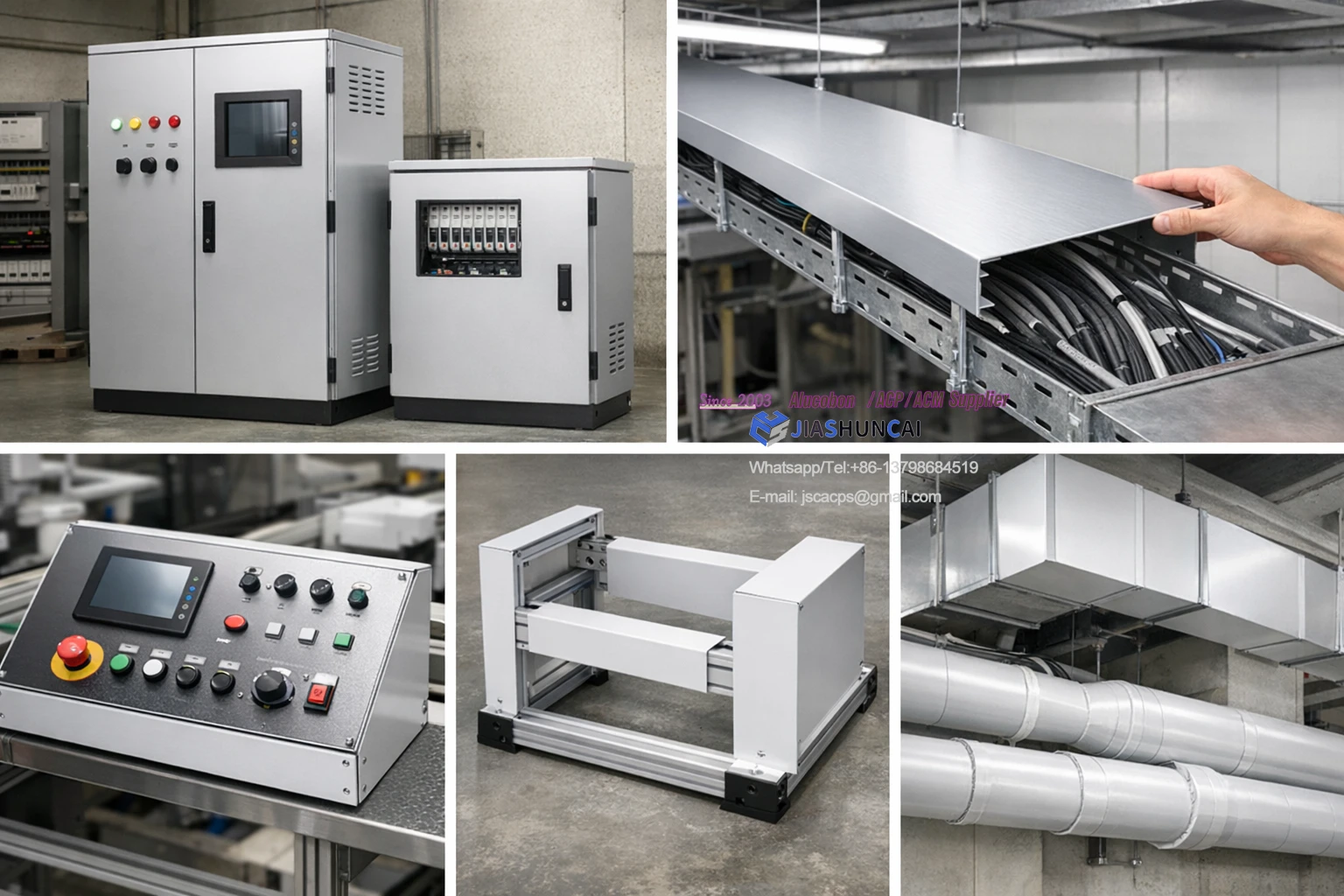
Obviously, building facades are the big one. But people are getting creative. We've done projects where aluminum composite panel manufacturers are used for interior wall cladding, signage, even furniture. I saw one installation where they used it to create a massive art installation in a shopping mall.
It's also becoming popular for retrofitting old buildings. Instead of tearing everything down, you can just slap on a new ACM cladding and give the building a whole new look. That’s a huge cost savings for the client.
Aluminum Composite Panel Manufacturers Application Ratings
Advantages, Disadvantages, and Customization
The big advantage? Speed and ease of installation. You can cover a large area much faster with ACM than with traditional materials like brick or stone. Plus, it’s lightweight, which reduces structural load. But it's not perfect. It can dent relatively easily, and it’s not as durable as some other cladding materials.
Customization is huge. We can do almost anything you want in terms of colors, sizes, and finishes. Last week, a client wanted a panel with a wood grain texture, and a specific shade of green that matched their corporate logo. It was a challenge, but we pulled it off.
Customer Story: The Type-C Debacle
Last month, that small boss in Shenzhen who makes smart home devices insisted on changing the interface to Type-C for the entire building facade. He was convinced it looked "more modern." I tried to explain to him that ACM panels don't have USB ports, and that the aesthetic benefit was… questionable. But he wouldn’t listen. He ordered a custom batch with these ridiculous cutouts, and the result was a disaster. Rainwater got in, the panels started to delaminate, and he ended up having to replace the whole thing. Cost him a fortune. Later… Forget it, I won't mention it.
He learned a lesson, though. Sometimes, sticking with the tried and true is the best approach.
It’s a story I tell all the newbies. Don’t let clients dictate materials based on whims.
Core Material Performance Comparison
Evaluating the core is paramount. Here’s a rough comparison based on what I’ve seen on site, and it’s… well, it's not scientific, but it's real.
These numbers are based on years of watching panels get beat up in the real world. It's what matters.
The goal isn't to hit a perfect score, but to pick the right tool for the job.
Core Material Performance – On-Site Observations
| Core Material |
Fire Resistance (1-10) |
Impact Resistance (1-10) |
Cost (1-10, 1=Cheap) |
| Polyethylene (PE) |
2 |
5 |
2 |
| Fire-Retardant (FR) |
8 |
7 |
5 |
| Mineral Core |
9 |
6 |
7 |
| A2 Grade FR |
10 |
6 |
9 |
| Honeycomb Core |
4 |
8 |
6 |
| Aluminum Honeycomb |
3 |
9 |
8 |
FAQs
Honestly? They focus too much on price. It's a commodity, sure, but quality varies wildly. You need to look at the core material, the coating, the manufacturing process – not just the price per square meter. A cheap panel will cost you more in the long run, guaranteed. You get what you pay for. That's what I always say.
Critically important. Depending on the building codes in your area, you may be required to use a fire-rated panel. And even if it's not legally required, it's just good practice. A fire can spread incredibly quickly, and the last thing you want is to contribute to that. FR and A2 are the main ones, know the difference.
It depends on the environment and the quality of the panel. With a good PVDF coating and proper installation, you're looking at 20-30 years, easily. But in harsh coastal environments, or areas with a lot of pollution, it could be less. Regular cleaning and maintenance can help extend the lifespan.
Yes, but it’s not as straightforward as recycling aluminum cans. You have to separate the aluminum skin from the core material. There are companies that specialize in ACM recycling, but it's not widely available yet. It's improving, though, as sustainability becomes more of a focus.
A good manufacturer will offer a warranty of at least 10 years on the finish, and possibly longer on the panel itself. Read the fine print carefully, though. Warranties often have exclusions, such as damage caused by improper installation or maintenance. And make sure the manufacturer is financially stable - you want them to still be around if you need to make a claim.
Absolutely. Thicker panels are generally more durable and resistant to impact damage, but they're also heavier and more expensive. The appropriate thickness depends on the application and the structural requirements. For large-scale cladding, you'll typically want a thicker panel. For interior applications, a thinner panel might be sufficient.
Conclusion
Ultimately, aluminum composite panel manufacturers are about balancing cost, performance, and aesthetics. There's no one-size-fits-all solution. You've got to consider the specific requirements of the project, the environmental conditions, and the client's budget. And most importantly, you need to choose a reliable manufacturer that stands behind its product.
But at the end of the day, whether this thing works or not, the worker will know the moment he tightens the screw. That's the truth of it. And that’s why I still go out on those sites, get my hands dirty, and make sure things are done right. It's a messy business, but someone’s gotta do it. For more information, visit our website: www.jscaluminum.com.