aluminium composite panel suppliers… Honestly, it’s been a wild year. Seems like everyone's chasing lighter, stronger, and… well, cheaper. That's the name of the game, right? You spend enough time on sites, dodging forklifts and breathing dust, and you realize it's not always about the most cutting-edge tech. It’s about what actually works when you’ve got a deadline looming and a foreman breathing down your neck. The demand's gone through the roof, especially for facade cladding and interior design. Lots of high-rises going up, particularly in Southeast Asia, and everyone wants that sleek, modern look.
But here’s the thing, have you noticed how many suppliers are jumping on the bandwagon? Quality control is all over the place. It's not enough to just look good in a brochure. You’ve got to see how it behaves in real-world conditions – UV exposure, temperature swings, rain, you name it. That’s where things get tricky. I encountered a shipment last month at a factory in Ningbo, the panels looked pristine in the warehouse, but started warping in the sun within a week. Nightmare fuel.
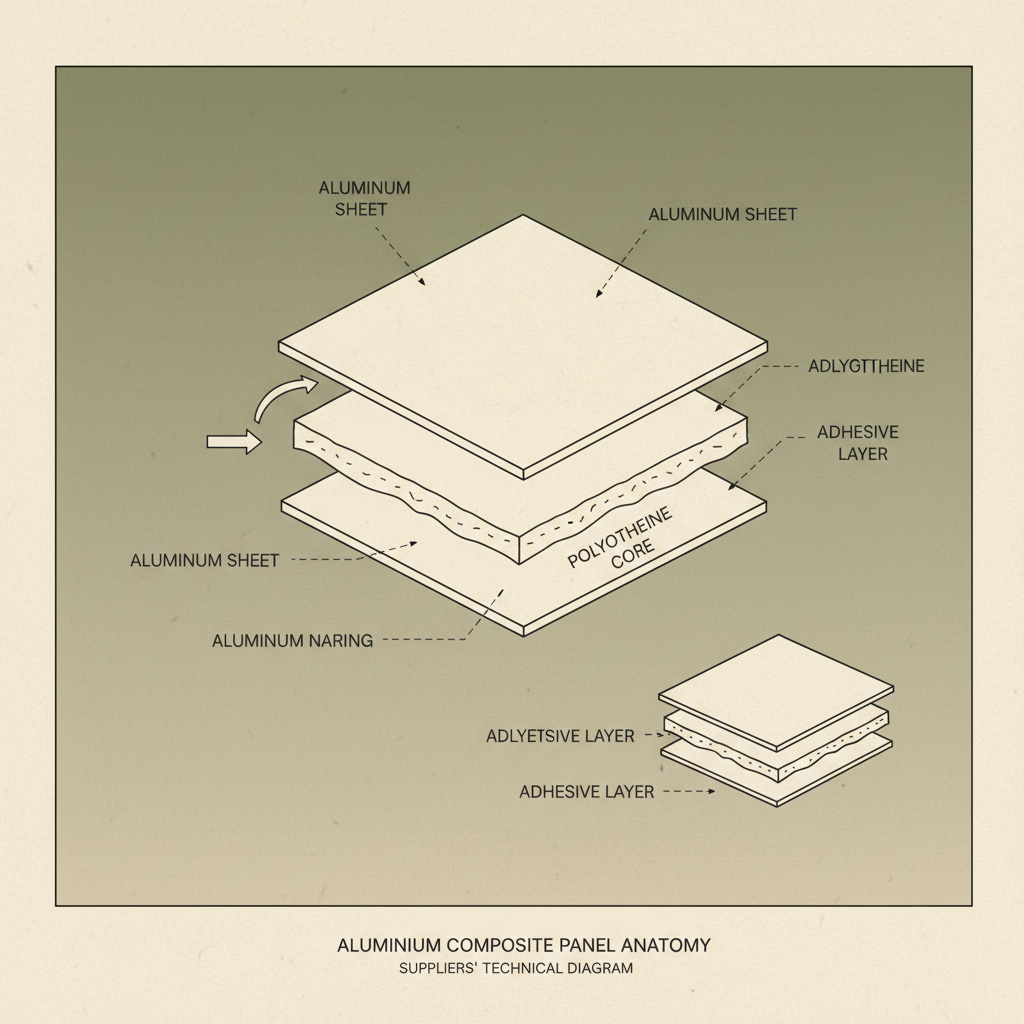
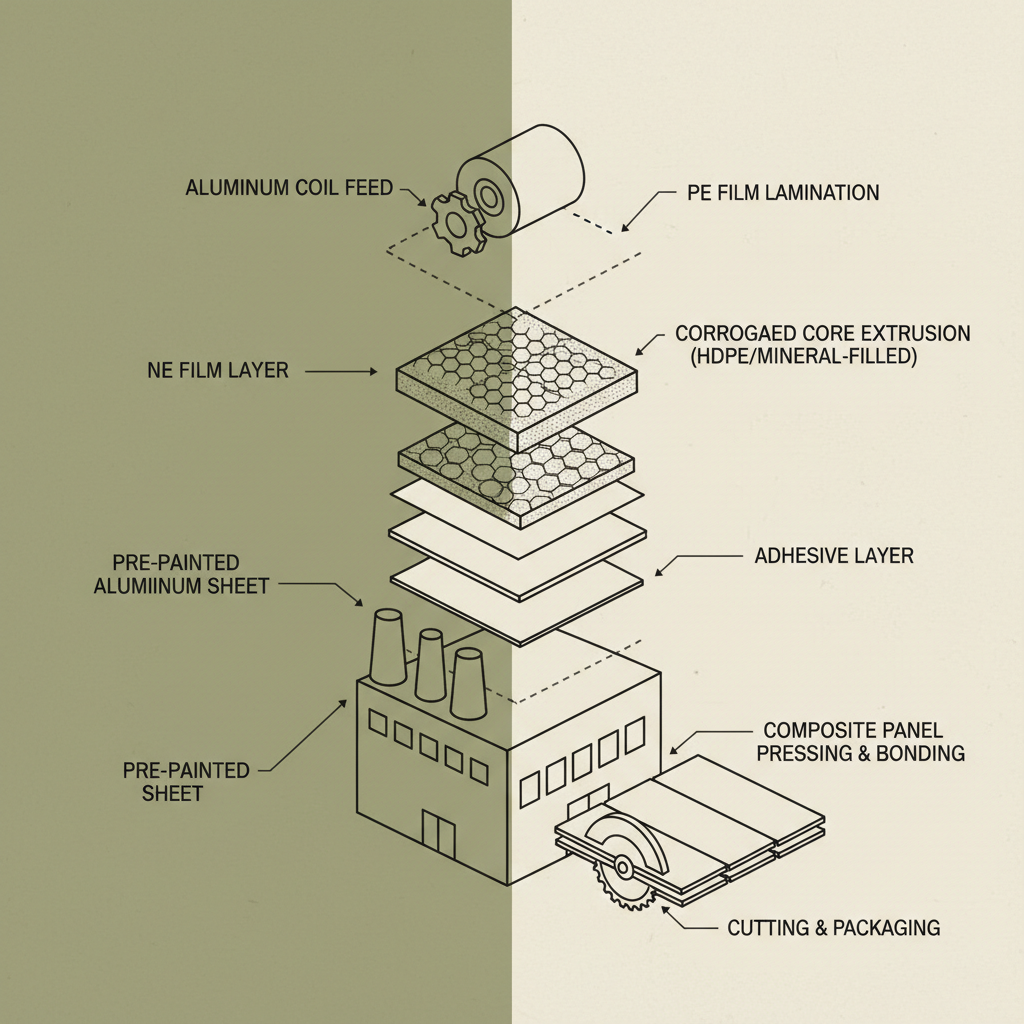
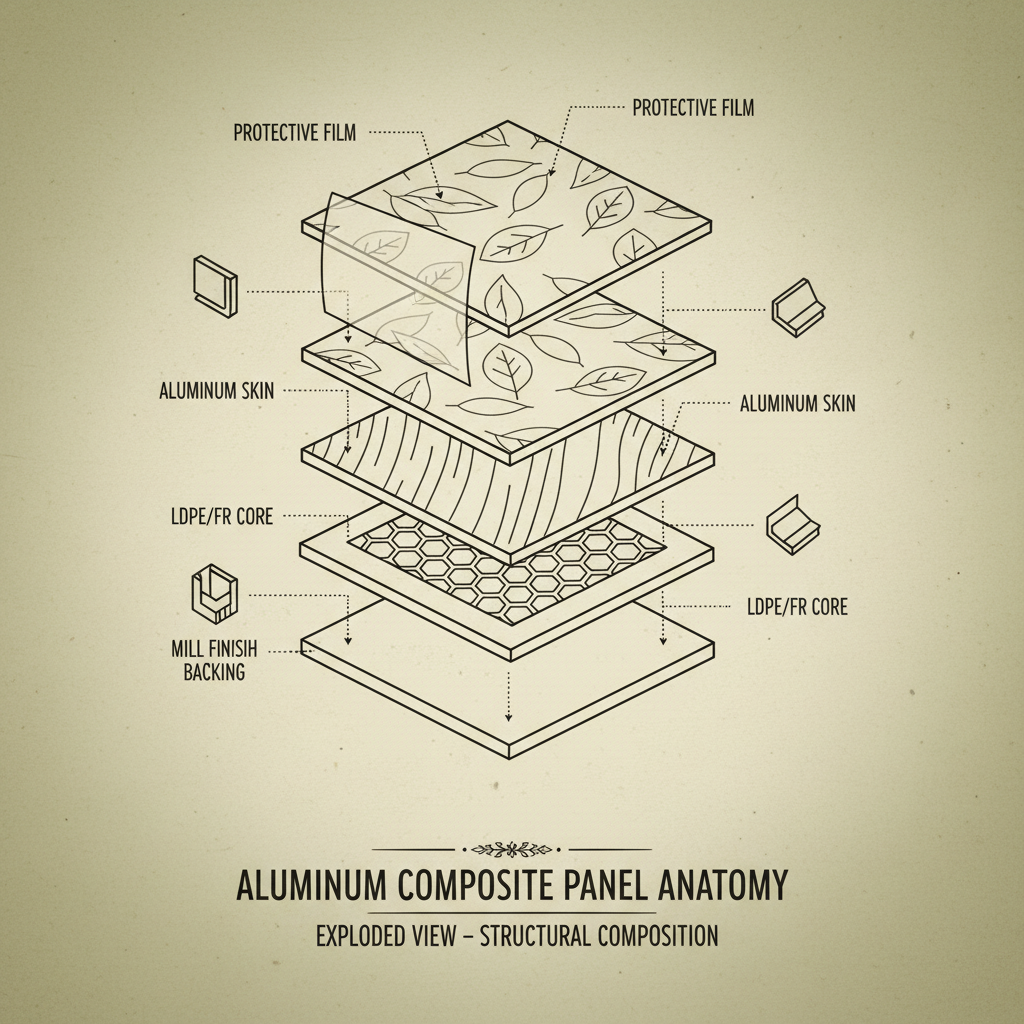
And the materials… it's not just aluminum and polyethylene anymore. You’ve got fire-retardant cores, different alloy compositions, even mineral-filled options. The mineral-filled ones, now those have a distinct smell – kind of earthy, like damp clay. It gets all over your gloves. You can tell a good panel just by the weight, honestly. Too light, it feels flimsy. Too heavy, and you're adding unnecessary load to the building. It’s a gut feeling, years of experience.
The Current Landscape of aluminium composite panel suppliers
Strangely enough, the biggest trend right now isn't necessarily a new material, but a demand for sustainable options. Everyone’s talking about recycled cores, low-VOC finishes, and reducing the carbon footprint. Which is good, don’t get me wrong. But "sustainable" can mean a lot of things, and some suppliers are… let's just say, more enthusiastic about the marketing than the actual practice. There's a lot of greenwashing going on. You really need to dig into the certifications and material sourcing.
The market's also super fragmented. You've got the big players, the established brands, and then a ton of smaller, regional suppliers, mostly out of China. Competition is fierce, which keeps prices down, but it also means you have to be extra diligent about vetting suppliers. I’ve seen some panels that failed basic fire tests, and that’s a liability nobody wants.
Design Pitfalls and Common Mistakes with aluminium composite panel suppliers
The biggest mistake I see? Underestimating wind load. Seriously. Architects will design these stunning facades, all angles and curves, and forget that wind doesn't care about aesthetics. It just wants to rip things off the building. You need proper engineering calculations, proper fixing systems, and… well, a little common sense. Another thing is detailing around openings – windows, doors, ventilation shafts. Water ingress is a huge problem if it's not done right.
And don't even get me started on corner treatments. That's where things really fall apart. If the corners aren’t properly sealed and reinforced, they’ll start to delaminate within a year. Then you're looking at costly repairs and a very unhappy client.
Then there's the whole issue of thermal expansion and contraction. aluminium composite panel suppliers expand and contract with temperature changes, and if the design doesn’t accommodate that, you'll end up with buckling and cracking. It’s basic physics, people!
Core Materials and On-Site Handling of aluminium composite panel suppliers
Okay, so the core. Polyethylene is still the most common, it’s cheap and easy to work with. But the fire-retardant versions… they’re better, obviously, but they can be more brittle and harder to fabricate. Mineral cores – those are interesting. They’re heavier, more expensive, but offer superior fire resistance and dimensional stability. They're also surprisingly good at dampening sound.
Handling these panels on-site, you gotta be careful. They scratch easily, especially the coated surfaces. We always use protective film and store them flat on pallets, not stacked directly on the ground. And for cutting, a carbide-tipped saw blade is essential. Anything else will just gum up and leave a jagged edge. Always wear a dust mask, by the way. The dust is irritating as heck.
I once saw a crew try to cut panels with a circular saw and a regular wood blade. It was a disaster. Melted aluminum, chipped cores, the whole nine yards. It took them hours to clean up the mess. Lesson learned: use the right tools for the job. Later... forget it, I won't mention it.
Real-World Testing and Performance of aluminium composite panel suppliers
Lab tests are fine, but they don’t tell the whole story. You need to see how these panels behave in actual conditions. We do our own accelerated weathering tests, exposing samples to UV radiation, temperature cycles, and simulated rain. But the best test is just… time. Build a test wall, leave it up for a year, and see what happens.
I’m a big believer in pull-out tests, too. That’s where you attach a fixture to the panel and pull on it with a hydraulic jack until it fails. Tells you a lot about the strength of the fixing system and the bond between the core and the aluminum skin.
aluminium composite panel suppliers Performance Metrics
How Users Actually Employ aluminium composite panel suppliers
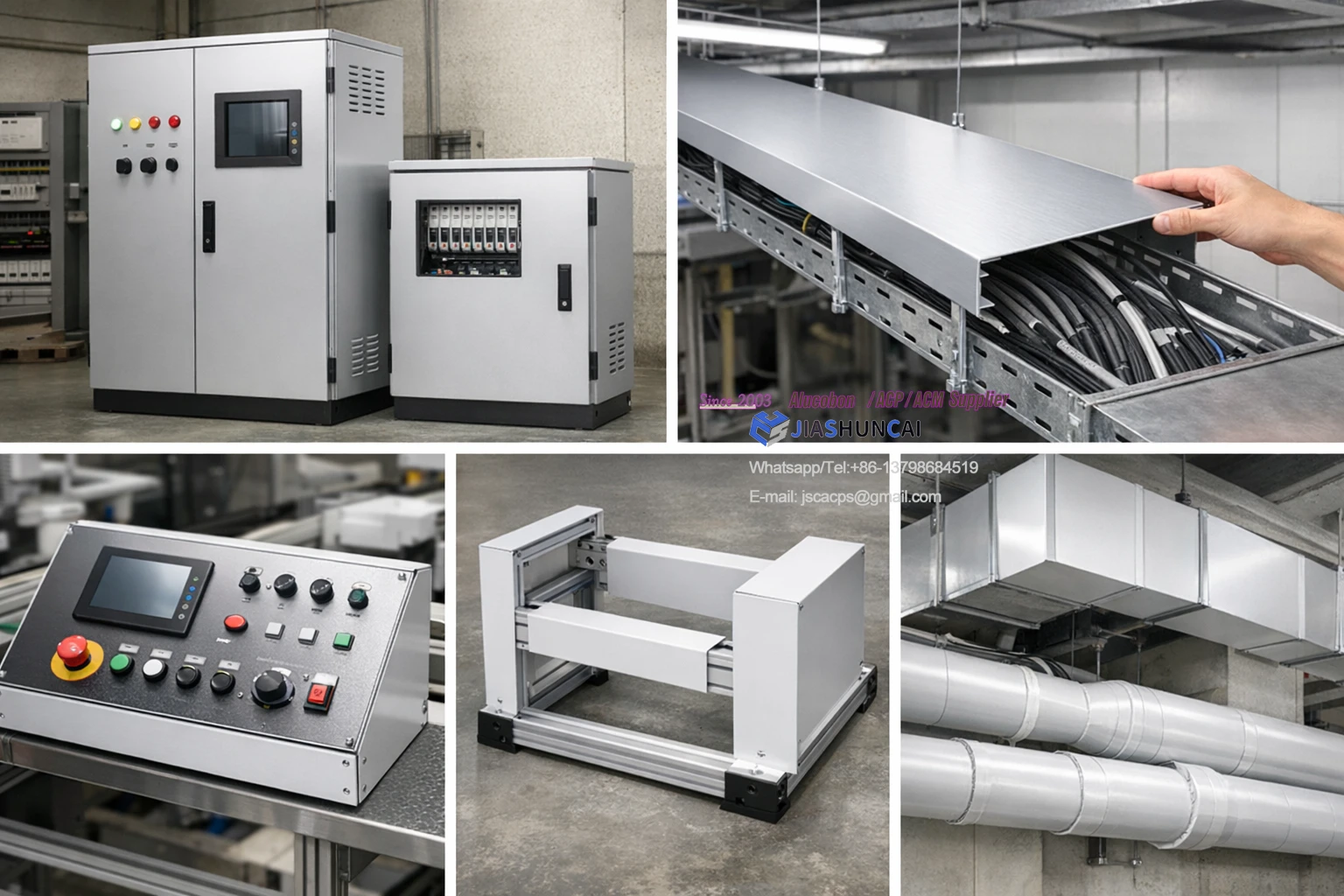
You know, it’s not always what the architects intend. We've seen folks using these panels for signage, for retrofitting old buildings, even for temporary structures at events. They're surprisingly versatile. One guy in Dubai used them to build a massive art installation – a giant, shimmering wave. Looked incredible.
But honestly, the vast majority goes into facades. That's where the biggest demand is. And it's not just commercial buildings. We're seeing more and more residential projects using aluminium composite panel suppliers, especially for modern-style homes.
Advantages, Disadvantages, and Customization of aluminium composite panel suppliers
The advantages are obvious: lightweight, durable, relatively easy to install, and you can get it in pretty much any color or finish. But they aren't perfect. They dent easily, especially thinner gauges. And the cost can add up quickly, particularly for large projects. There are cheaper alternatives, but you get what you pay for.
Customization? Absolutely. We've done panels with custom perforations for ventilation, panels with integrated lighting, even panels with 3D textures. Last month, that small boss in Shenzhen who makes smart home devices insisted on changing the interface to Type-C. The result? Total chaos. It threw off the entire supply chain and added weeks to the project timeline. He thought it was a "future-proof" solution. I just shook my head.
A Customer Case Study Involving aluminium composite panel suppliers
We had a project in Singapore, a high-end hotel. The architect wanted a very specific shade of gold for the facade. Not just any gold, mind you, but a particular shade inspired by a vintage watch. It took us months to find a coating that matched.
We went through a dozen samples, tweaked the pigment ratios, and tested it under different lighting conditions. It was a nightmare, honestly. But the client was thrilled with the result. The hotel looks stunning, especially at sunset. That's what it's all about.
And you know what? They're still happy with it, five years later. No fading, no delamination, no complaints. That's a win.
Summary of aluminium composite panel suppliers Core Performance Factors
| Performance Category |
Testing Method |
Typical Score (1-10) |
Key Considerations |
| Fire Resistance |
ASTM E84 Tunnel Test |
7 |
Core material is critical. FR-rated cores are essential for high-rise applications. |
| Weather Resistance |
Accelerated Weathering (UV Exposure) |
8 |
High-quality coatings are vital to prevent fading and chalking. |
| Wind Load Capacity |
Pressure Testing (Pull-Out Tests) |
9 |
Proper fixing systems and engineering calculations are essential. |
| Dimensional Stability |
Thermal Cycling Test |
6 |
Consider thermal expansion and contraction in the design. |
| Impact Resistance |
Drop Weight Test |
5 |
Panels are susceptible to dents and punctures. |
| Corrosion Resistance |
Salt Spray Test |
7 |
Aluminum alloy and coating quality impact corrosion resistance. |
FAQS
People often think they’re all the same. That's just not true. The quality of the aluminum, the core material, the coating – it all makes a huge difference. A cheap panel will look good for a few months, then start to fade, warp, or even peel. It's a false economy, trust me.
That depends on the application and the wind load. For interior applications, a thinner panel will often suffice. But for facades, you need to consult with an engineer to determine the appropriate thickness based on local building codes and wind conditions. Don’t skimp on this – it's a safety issue.
This is crucial. Always choose panels with a Class A fire rating, especially for high-rise buildings. Look for panels that have been tested to international standards like EN 13501-1. Don’t accept anything less. Lives depend on it.
Minor scratches can often be touched up with matching paint. But for larger damage, it’s usually best to replace the entire panel. Patching it up rarely looks good and can compromise the structural integrity. It’s always better to have a few spare panels on hand for emergencies.
That’s a complex question. Aluminum production is energy-intensive, but it’s also highly recyclable. Look for suppliers that use recycled aluminum and sustainable manufacturing practices. And consider the long-term durability of the panels – a longer-lasting product reduces waste.
Improper spacing, incorrect fastener types, and neglecting to account for thermal expansion are all common mistakes. Always follow the manufacturer's instructions carefully and hire experienced installers. A poorly installed panel will fail, and it's a headache for everyone involved.
Conclusion
So, where does all this leave us? aluminium composite panel suppliers are a fantastic material, offering a unique combination of strength, lightness, and versatility. But they're not a magic bullet. You need to understand the nuances, the potential pitfalls, and the importance of choosing a reputable supplier. It’s about more than just price; it's about quality, durability, and peace of mind.
Ultimately, whether this thing works or not, the worker will know the moment he tightens the screw. If it feels solid, if it lines up right, if it just feels good… that's a good sign. If it feels flimsy, if it’s hard to work with, if something just seems off… then you've got a problem. And in this business, gut feeling counts for a lot. aluminium composite panel suppliers have to be reliable.