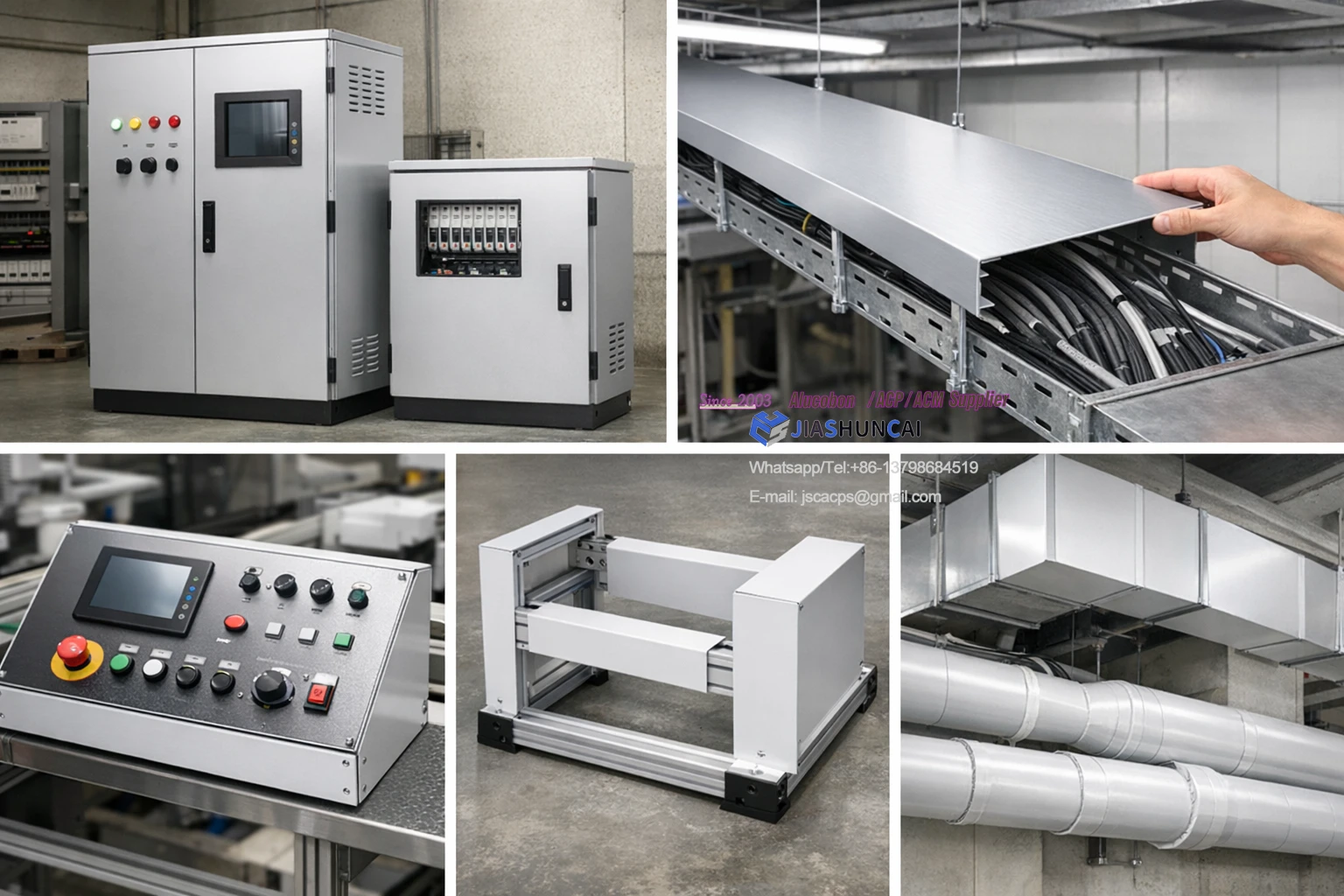
Look, I've been running around construction sites for fifteen years, dealing with materials all day. Honestly, things are changing fast. Everyone’s talking about prefabrication now, you know? Modular construction, off-site manufacturing… it's all the rage. It’s supposed to be faster, cheaper, more consistent. But trust me, it’s not as simple as they make it sound. You still need skilled hands, and good materials. And finding good materials… that’s the real challenge.
And people are obsessed with light weight. Always lighter, thinner, stronger. It’s a constant push. But have you noticed? Sometimes lighter means flimsier. It’s a balancing act. You try to save weight, and suddenly you’re compromising on durability. I saw a whole shipment of these lightweight panels get dented just in transit last year. Total disaster.
The whole “sustainable” thing is big too, of course. Everyone wants “green” now, which is good, but sometimes it feels like just a buzzword. It’s not enough to say it’s sustainable; it has to actually be sustainable, you know? From sourcing to manufacturing to disposal. It’s a whole lifecycle thing.
What’s Trending in Aluminum Composite Panels
Strangely enough, people are going back to thicker panels. They realized that the super-thin stuff just doesn’t hold up to the kind of abuse it gets on a construction site. Scratches, dents, impacts… it all adds up. And with the price of aluminum fluctuating so much these days, people are looking for alternatives. There's a lot of talk about using recycled materials, which is good, but you have to be careful about the quality.
Fire resistance is also a huge concern, as you can imagine. Everyone wants Class A fire-rated panels, but those are expensive. There’s always a trade-off, isn't there? And honestly, some of these suppliers… they cut corners. They’ll claim their panels are fire-rated when they haven’t been properly tested. It’s scary.
Design Traps and Pitfalls
I encountered this at a factory in Foshan last time. People love these fancy, curved panels, right? Looks great on the renderings. But getting those curves right is a nightmare. You need skilled fabricators, specialized equipment, and a lot of patience. And if the design isn't properly engineered, you end up with panels that buckle or warp.
Another thing: expansion and contraction. Aluminum expands and contracts with temperature changes. If you don’t account for that in the design, you’ll end up with panels that are pulling apart or cracking. Simple stuff, but people forget. They get focused on aesthetics and forget about the basic physics.
And don't even get me started on the sealant. Choosing the right sealant is critical. Use the wrong one, and you'll have leaks, corrosion, and a whole lot of headaches.
Material Deep Dive: Feel, Smell, and Handling
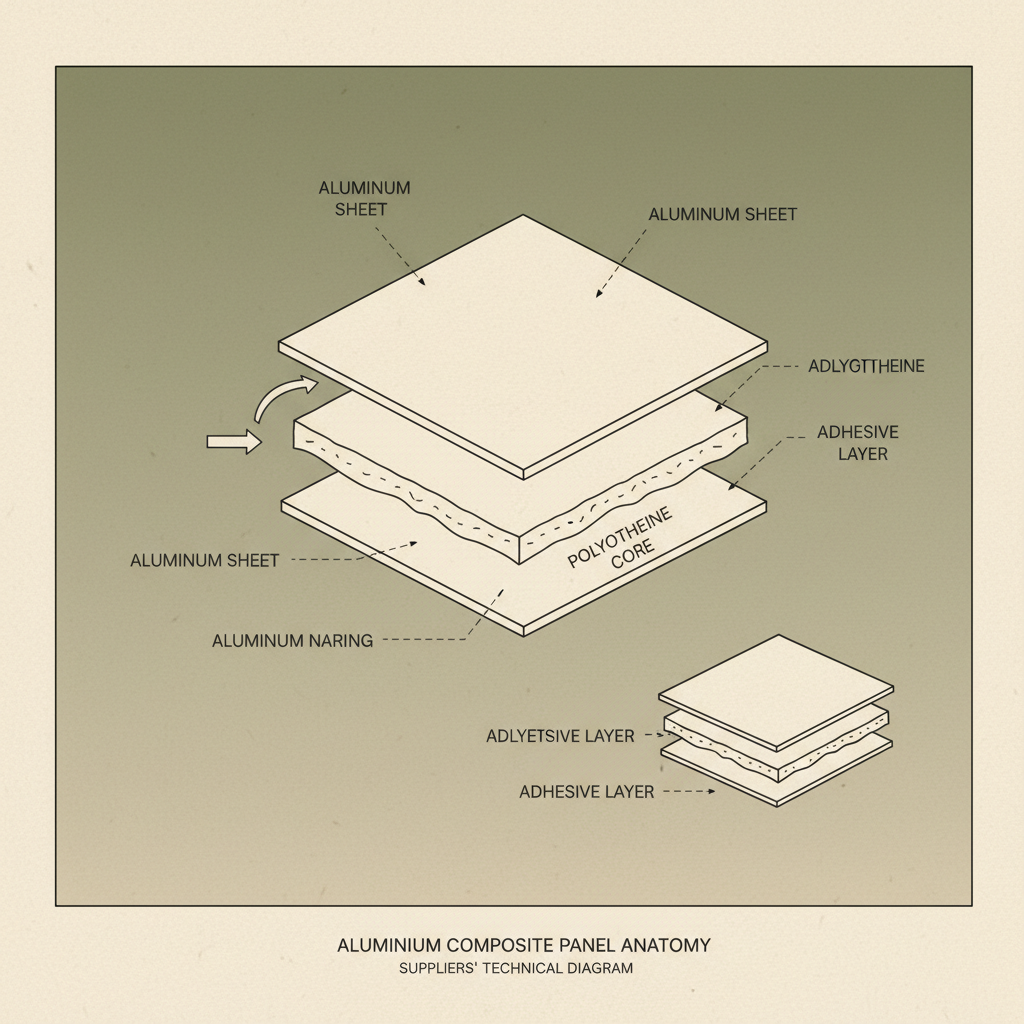
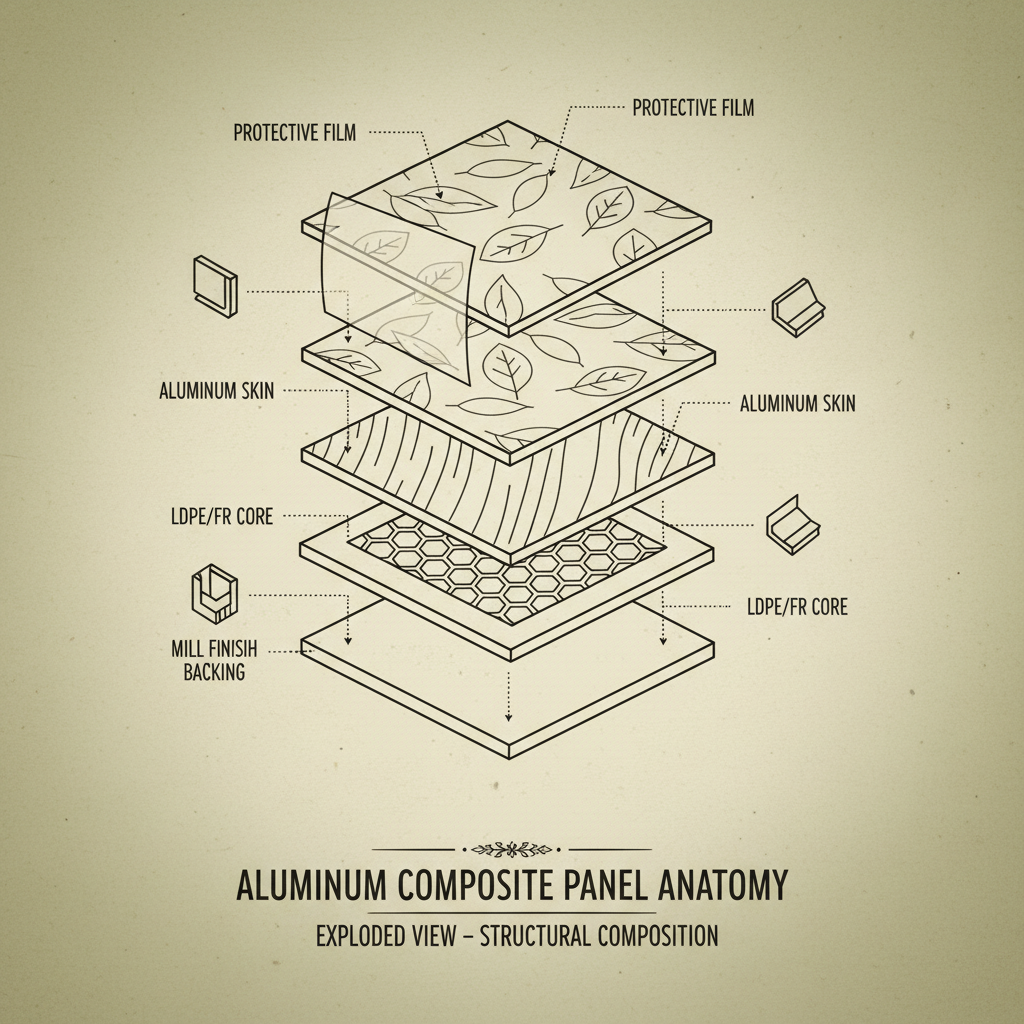
You can tell a lot about an aluminum composite panel just by looking at it, and by feeling it. A good panel will be smooth, even, and have a consistent color. A cheap panel will feel rough, uneven, and might have color variations. The core material matters too. Polyethylene (PE) is common, but it's not fire-resistant. Fire-retardant (FR) cores are better, but they’re more expensive.
And the smell! Seriously. A good quality PE core will have a slightly plastic smell, but not overpowering. A cheap one will smell… off. Like chemicals. It’s hard to describe, but you learn to recognize it. Also, the aluminum itself—you can feel the gauge, the quality. A good supplier will let you handle the raw materials.
Handling them, you want something that doesn’t easily scratch or dent. The coating is key. PVDF coatings are the best, they hold up to the weather and UV exposure. But they’re expensive. Polyester coatings are cheaper, but they fade faster. It’s always a trade-off.
Real-World Testing: Beyond the Lab
Forget the lab reports. The real test is how these panels hold up on a job site. I’ve seen panels that pass all the lab tests, but fall apart after a year in the sun and rain. You need to see how they react to actual conditions.
We do our own testing. We’ll take samples and expose them to the elements. We'll bang them with hammers, scratch them with screwdrivers, and generally abuse them. Sounds crazy, I know, but it’s the only way to be sure. And we always test the fasteners too. That’s where a lot of failures happen – the wrong fasteners, or the wrong installation technique.
Aluminum Composite Panel Supplier Performance Ratings
How Users Actually Use Them
You think architects are going to specify everything perfectly? Nope. They'll specify a beautiful design, and then it’s up to us to figure out how to make it work in the real world. And contractors… well, they'll do what they need to do to get the job done on time and on budget. Sometimes that means cutting corners.
I’ve seen guys use the wrong screws, the wrong sealant, the wrong installation techniques. I’ve seen them damage the panels during installation. It’s frustrating, but it happens. That’s why good on-site supervision is so important.
Advantages, Disadvantages, and Customization
Okay, advantages. They’re lightweight, easy to fabricate, and come in a huge range of colors and finishes. They’re relatively affordable, especially compared to other cladding materials. And they can be customized. You want a specific size, a specific color, a specific finish? Most suppliers can accommodate that.
Disadvantages? Fire resistance, as we talked about. Durability can be an issue if you go cheap. And they can be susceptible to dents and scratches. I mean, it’s aluminum, it’s not indestructible. And the installation can be tricky. It requires skilled labor.
Customization? Last month, that small boss in Shenzhen who makes smart home devices insisted on changing the interface to Type-C, even though it meant retooling the whole production line. He wanted it to be “future-proof.” It added weeks to the project and a ton of cost. Sometimes, you just gotta say no.
A Customer Story: The Type-C Interface Debacle
So, this guy, Mr. Chen, runs a small factory in Shenzhen making smart home hubs. Really innovative stuff, actually. He was using our panels for the enclosures. Everything was going smoothly, until he decided he wanted to switch from Micro-USB to Type-C for the charging port.
He called us up, all excited, saying it was the future and he needed the panels with a larger cutout. We explained it would mean a new mold, a significant cost increase, and a delay of at least three weeks. He wouldn’t listen. He insisted it was essential for his brand image. He’d already announced it on his website!
Anyway, we made the new panels for him, but it cost him a fortune, and he missed his launch date. Later, I heard that the Type-C port barely made a difference in sales. Sometimes, the simplest solution is the best.
Summary of Key Considerations for Aluminum Composite Panel Selection
| Material Quality |
Fire Resistance |
Cost Impact |
Installation Complexity |
| High-grade aluminum & core material |
Class A rating is ideal, but costly |
Balances performance & budget |
Requires skilled labor for proper sealing |
| Consistency across batches is vital |
PE cores are cheaper but less safe |
Customization adds to the expense |
Expansion/contraction needs careful planning |
| Surface finish affects longevity |
FR cores offer increased safety |
Recycled materials can lower costs |
Correct fasteners are crucial |
| Check for corrosion resistance |
Independent certification is recommended |
Consider long-term maintenance costs |
Proper sealant application is essential |
| Inspect for dents or scratches |
Testing reports should be readily available |
Bulk purchases can reduce unit price |
Detailed installation guides are helpful |
| Ensure proper coating thickness |
Verify compliance with local codes |
Factor in shipping & handling costs |
Quality control during installation is key |
FAQS
The primary difference lies in fire resistance. PE-cored panels are cheaper and lighter, but highly flammable. FR-cored panels utilize fire-retardant materials, offering significantly better protection against fire spread, though they are more expensive and slightly heavier. Compliance with building codes often dictates which core type is required, prioritizing safety above cost.
Proper installation is critical. Start with a solid substrate and use a high-quality, compatible sealant around all edges and joints. Overlap panels correctly, following the manufacturer’s guidelines. Ensure proper drainage to prevent water accumulation behind the panels. Regular inspections and maintenance are also essential to identify and address any potential issues early on.
Lifespan depends heavily on the coating quality, environmental exposure, and maintenance. With a good PVDF coating and regular cleaning, you can expect 20-30 years of service. Polyester coatings have a shorter lifespan, typically around 10-15 years. Harsh climates, pollution, and UV exposure can accelerate degradation.
Yes, but it's complex. The panels consist of aluminum, a core material (typically PE or FR), and a coating. Separating these materials for recycling is challenging and not widely practiced. Some manufacturers offer take-back programs, but large-scale recycling infrastructure is still developing. Choosing suppliers committed to sustainable practices is crucial.
Several factors impact cost, including panel thickness, core material (PE vs. FR), coating type (polyester vs. PVDF), panel size, color, and quantity ordered. Customization, transportation costs, and supplier location also play a role. Comparing quotes from multiple suppliers is essential to get the best price.
Select a sealant specifically designed for aluminum composite panels, ensuring compatibility with both the panel material and the substrate. Look for sealants that are UV-resistant, waterproof, and flexible enough to accommodate expansion and contraction. Silicone and polyurethane sealants are common choices, but always follow the manufacturer's recommendations.
Conclusion
Ultimately, aluminum composite panels offer a versatile and cost-effective cladding solution, but success hinges on understanding the trade-offs between performance, cost, and fire safety. Choosing the right materials, ensuring proper installation, and prioritizing long-term maintenance are all crucial for achieving a durable and aesthetically pleasing result. It's not just about the panels themselves; it’s about the entire system.
And look, at the end of the day, whether this thing works or not, the worker will know the moment he tightens the screw. He’ll feel it – is it solid? Is it lining up right? That’s the real test. Forget the fancy reports and the marketing jargon. It all comes down to that one moment. And that’s what keeps me coming back to the site, year after year.