Introduction
The aluminium composite board is one of the most important innovations in the construction and design industries. It combines strength, lightness, and versatility, making it suitable for a wide range of applications. Whether used for high-rise facades, interior walls, signage, or decorative elements, the aluminium panel composite has proven to be both practical and visually appealing. The demand for acp aluminium composite panel products continues to grow as architects and engineers seek cost-effective solutions that maintain high-quality standards. By offering multiple finishes, colors, and protective coatings such as pvdf acp and pe acp, the aluminium composite board is shaping the future of modern architecture.
Features Of ACP Aluminium Composite Panel
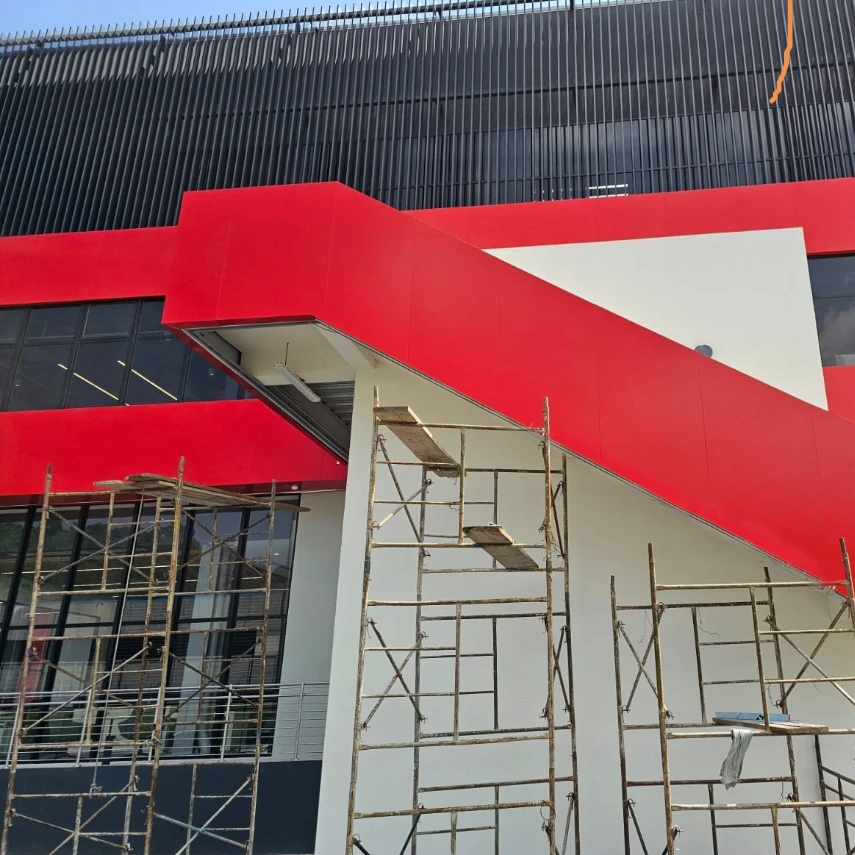
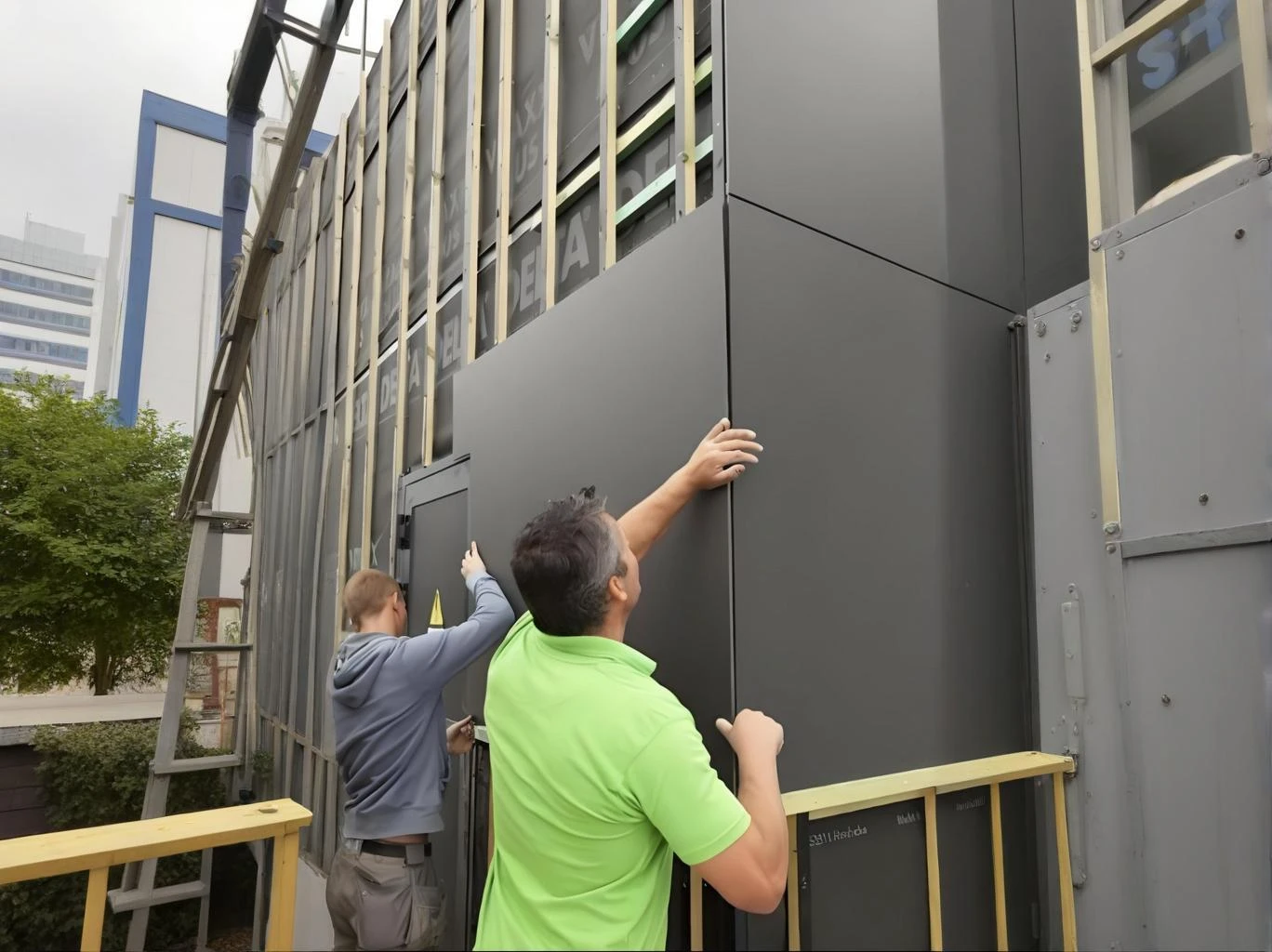
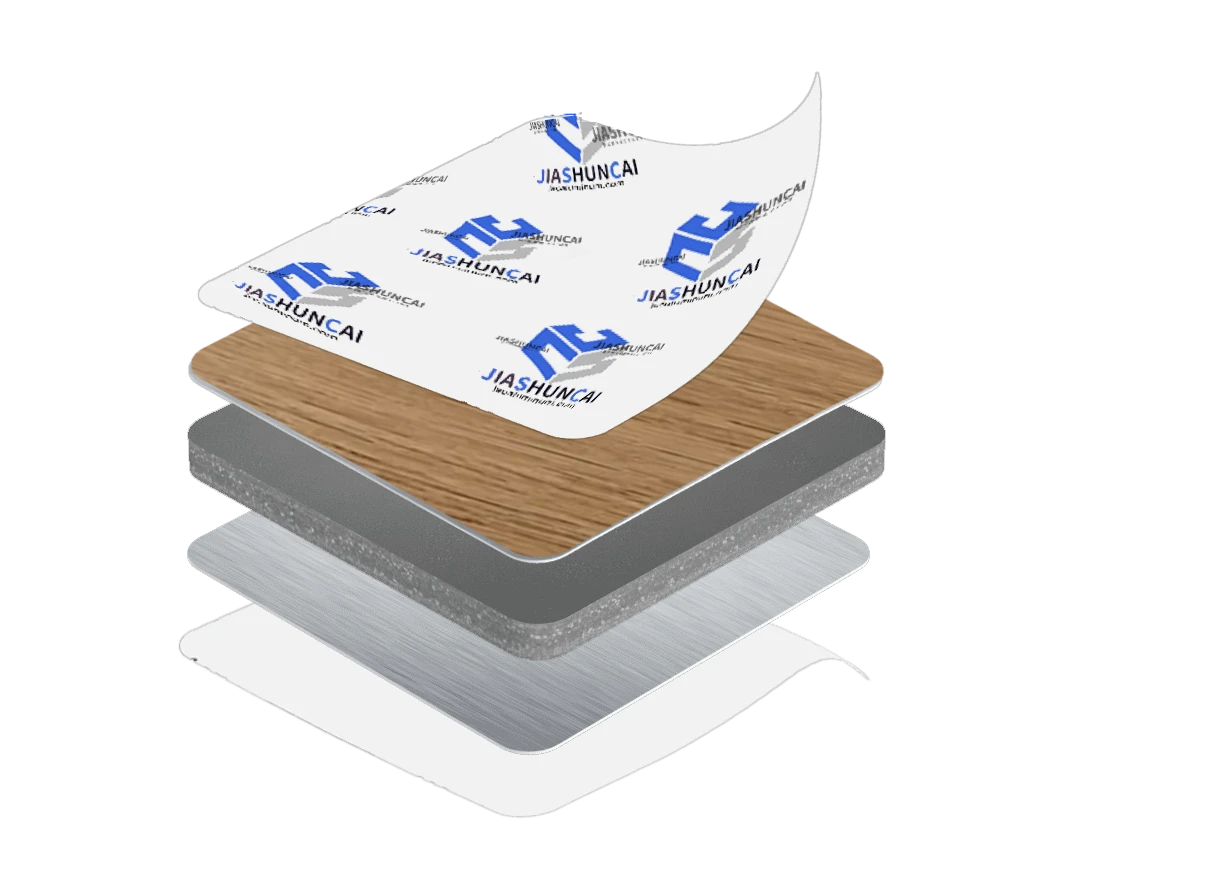
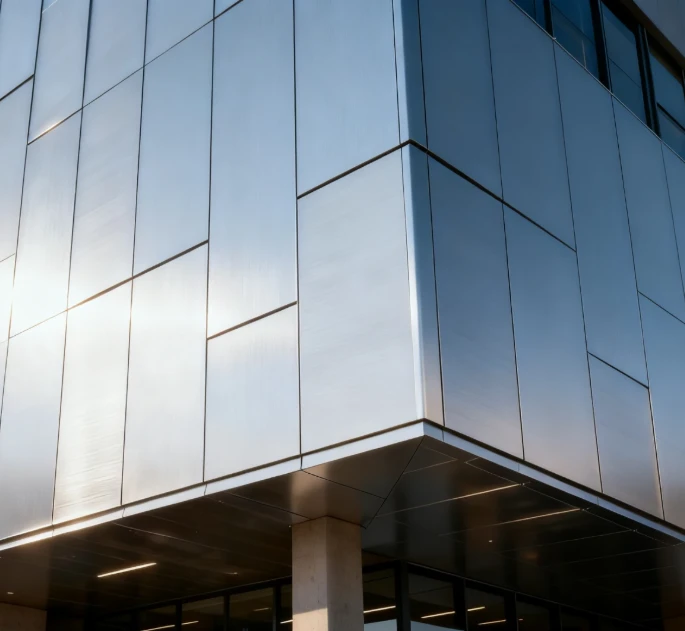
One of the main reasons behind the popularity of the acp aluminium composite panel is its unique structure. Made of two thin layers of aluminium bonded to a non-aluminium core, the aluminum composite panel acp offers strength without adding extra weight. This makes it easier to transport, handle, and install compared to traditional cladding materials such as concrete or stone. In addition, the acp aluminium surface can be treated to resist corrosion, pollutants, and moisture, ensuring that buildings remain attractive and functional for years.
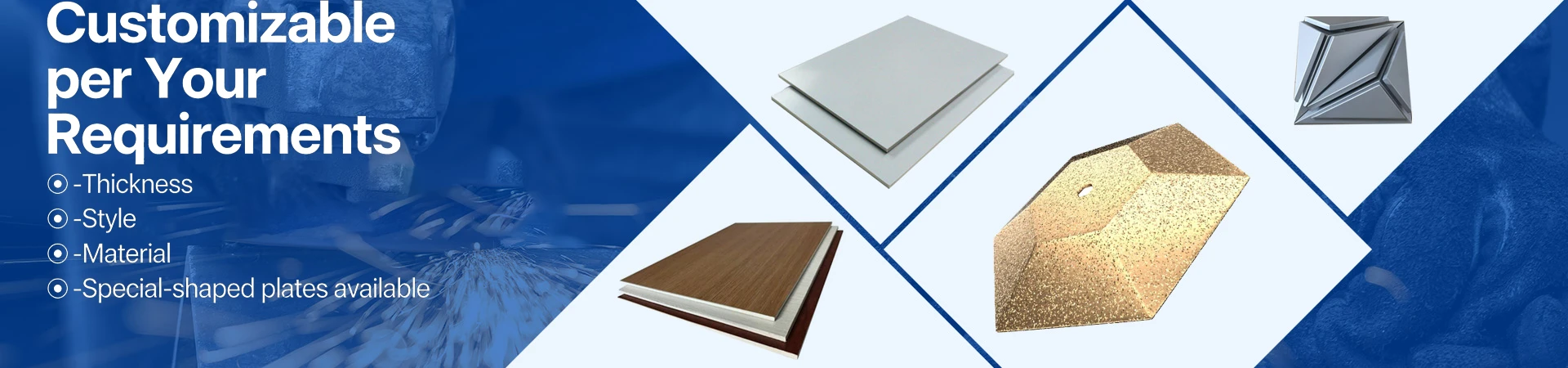
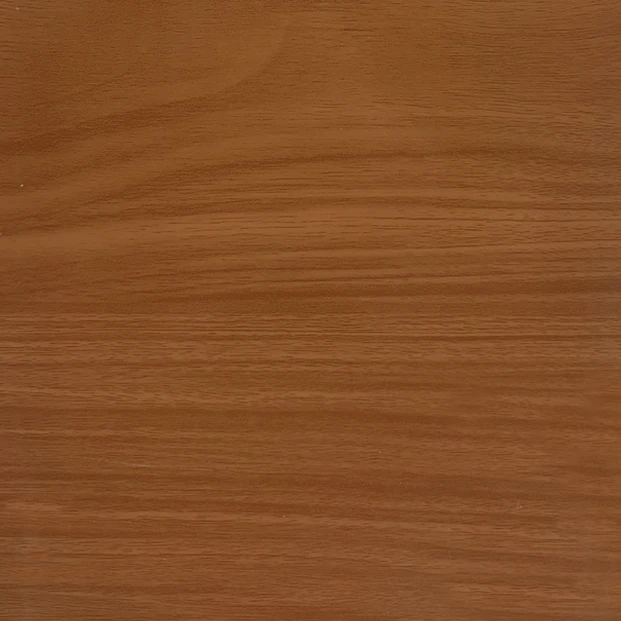
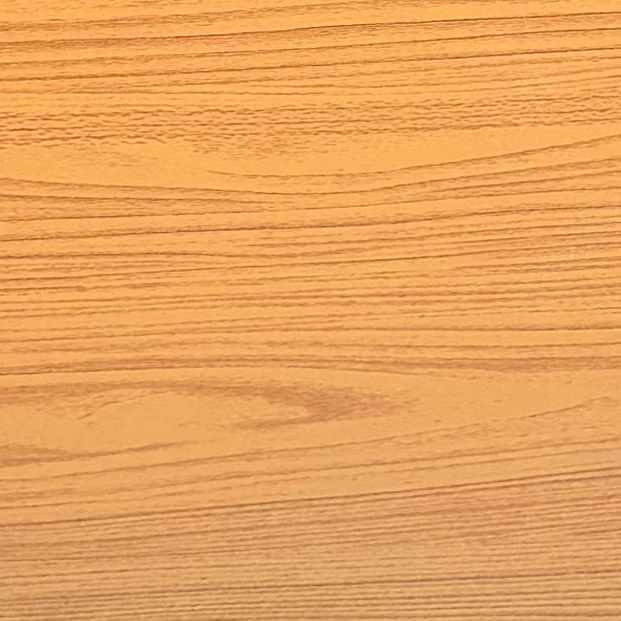
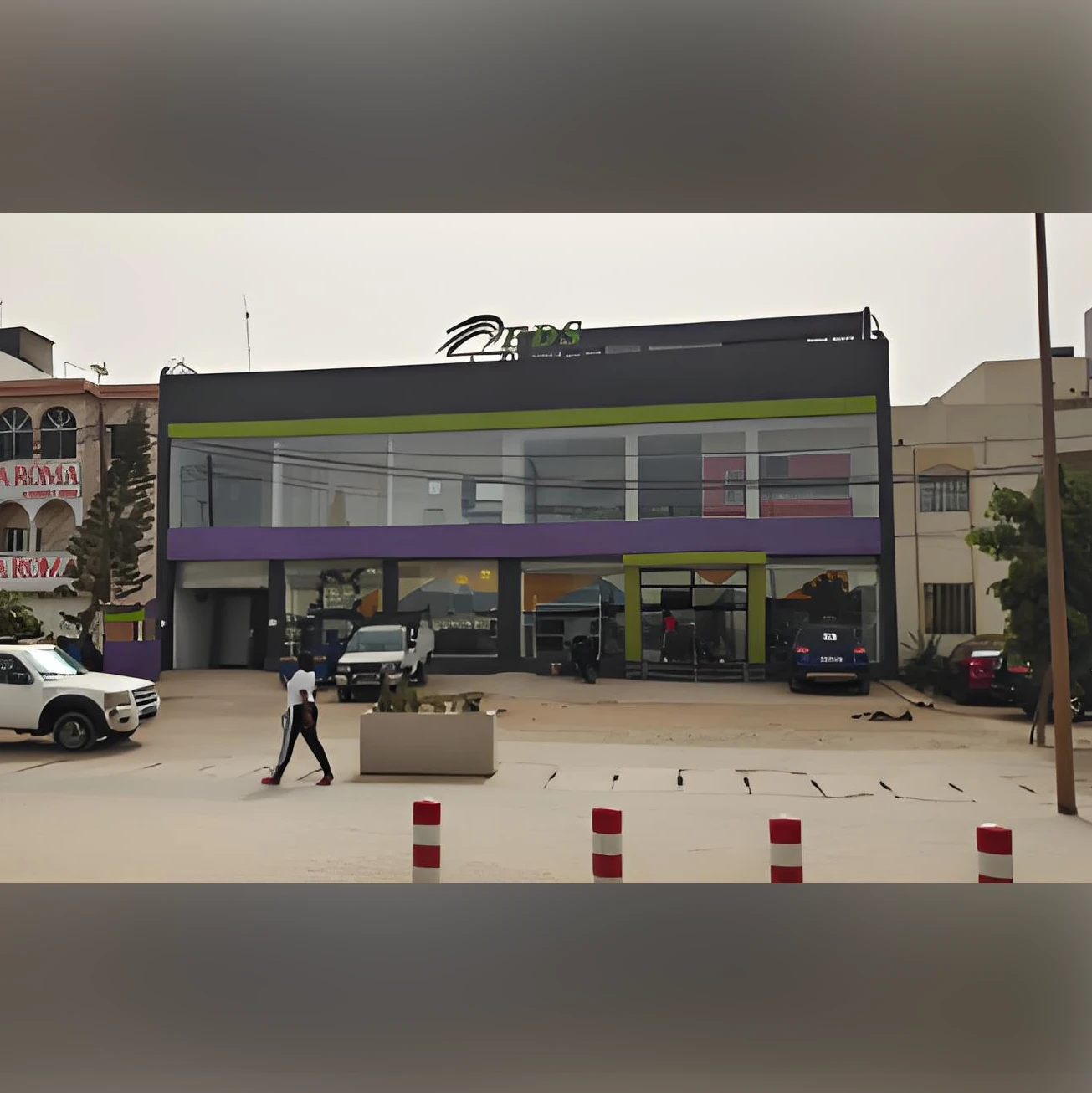
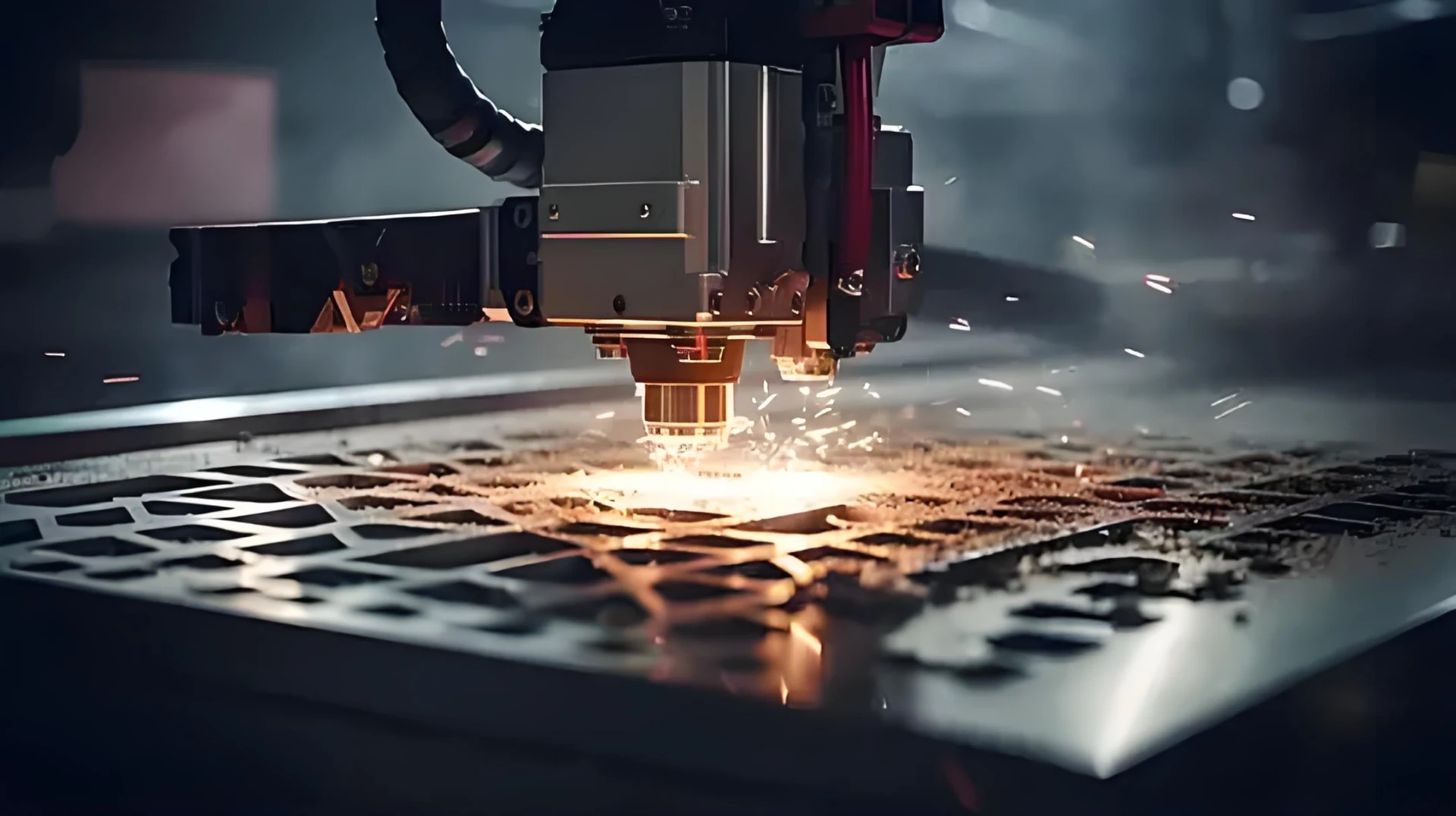
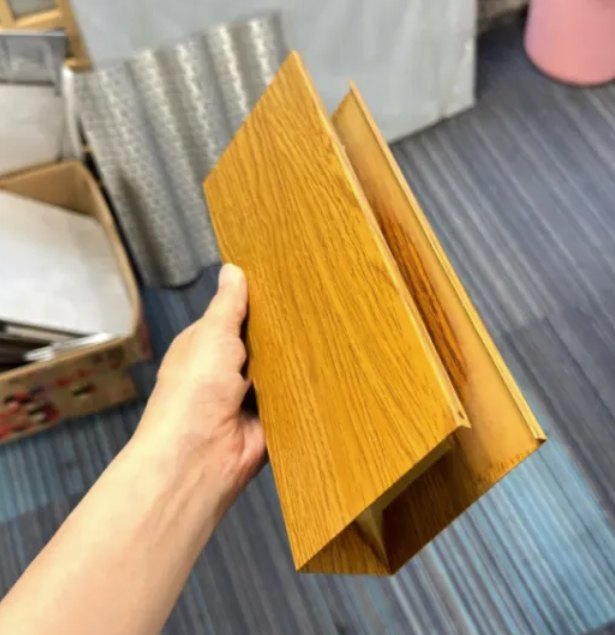
The acp paneling process also provides design flexibility. Architects can bend, curve, or cut the panels into different shapes, enabling modern and futuristic building designs. The aluminium composite board can mimic textures like wood, marble, or metallic finishes, which means designers have endless creative opportunities. Moreover, acm panelling supports both indoor and outdoor applications, making it a truly versatile choice. From sleek office towers to decorative shop fronts, the aluminium panel composite continues to demonstrate its wide range of features.
PVDF Aluminium Composite Panel For Long-Term Use
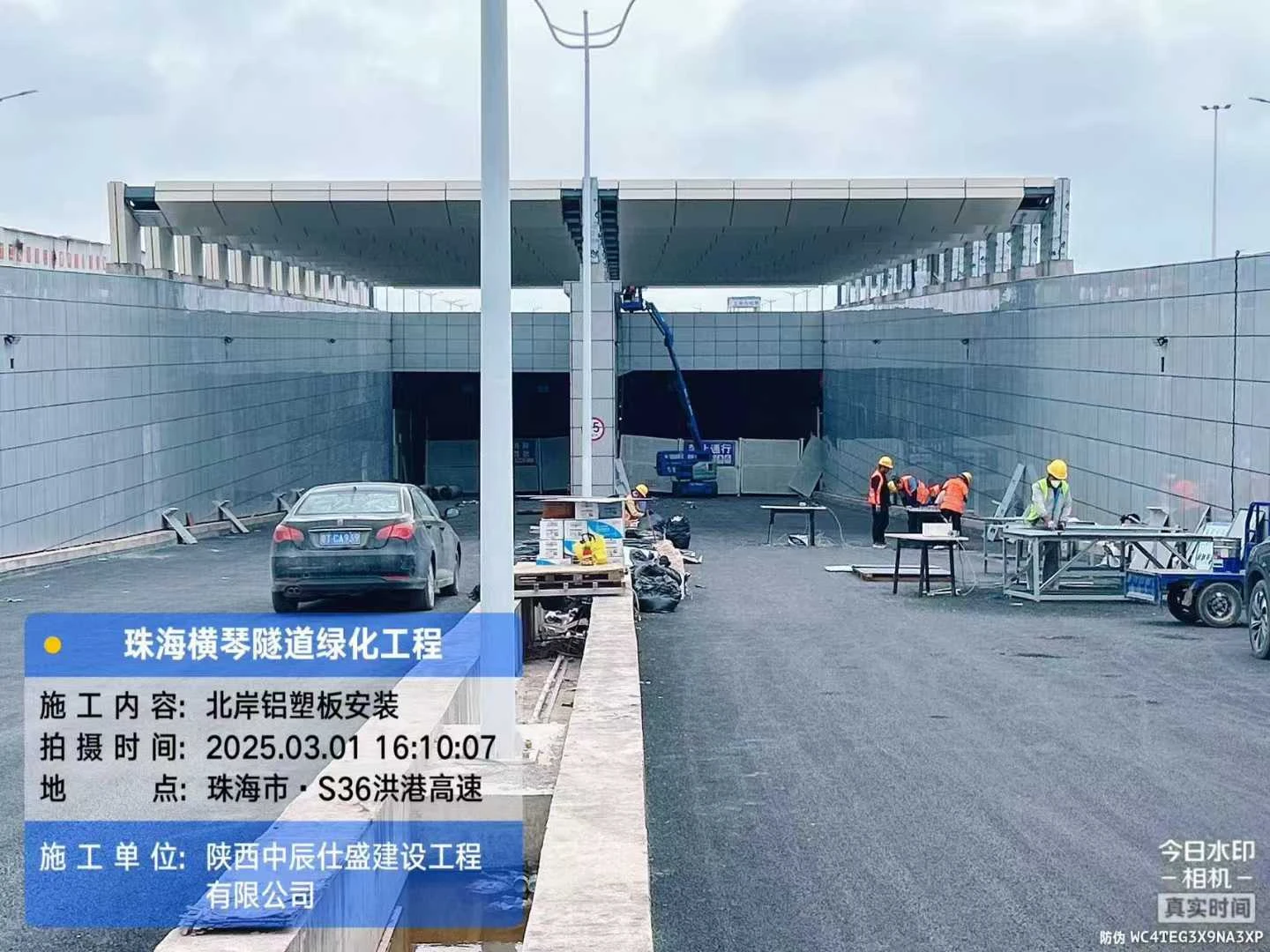
When durability is a priority, the pvdf aluminium composite panel is the preferred solution. Unlike standard pe aluminium composite panel, the pvdf acp sheet is coated with polyvinylidene fluoride, which ensures excellent resistance to UV rays, acid rain, and other environmental challenges. This allows buildings to maintain their original appearance for decades without fading or losing gloss. For airports, stadiums, and commercial complexes, using pvdf acp ensures long-term performance with minimal maintenance costs.
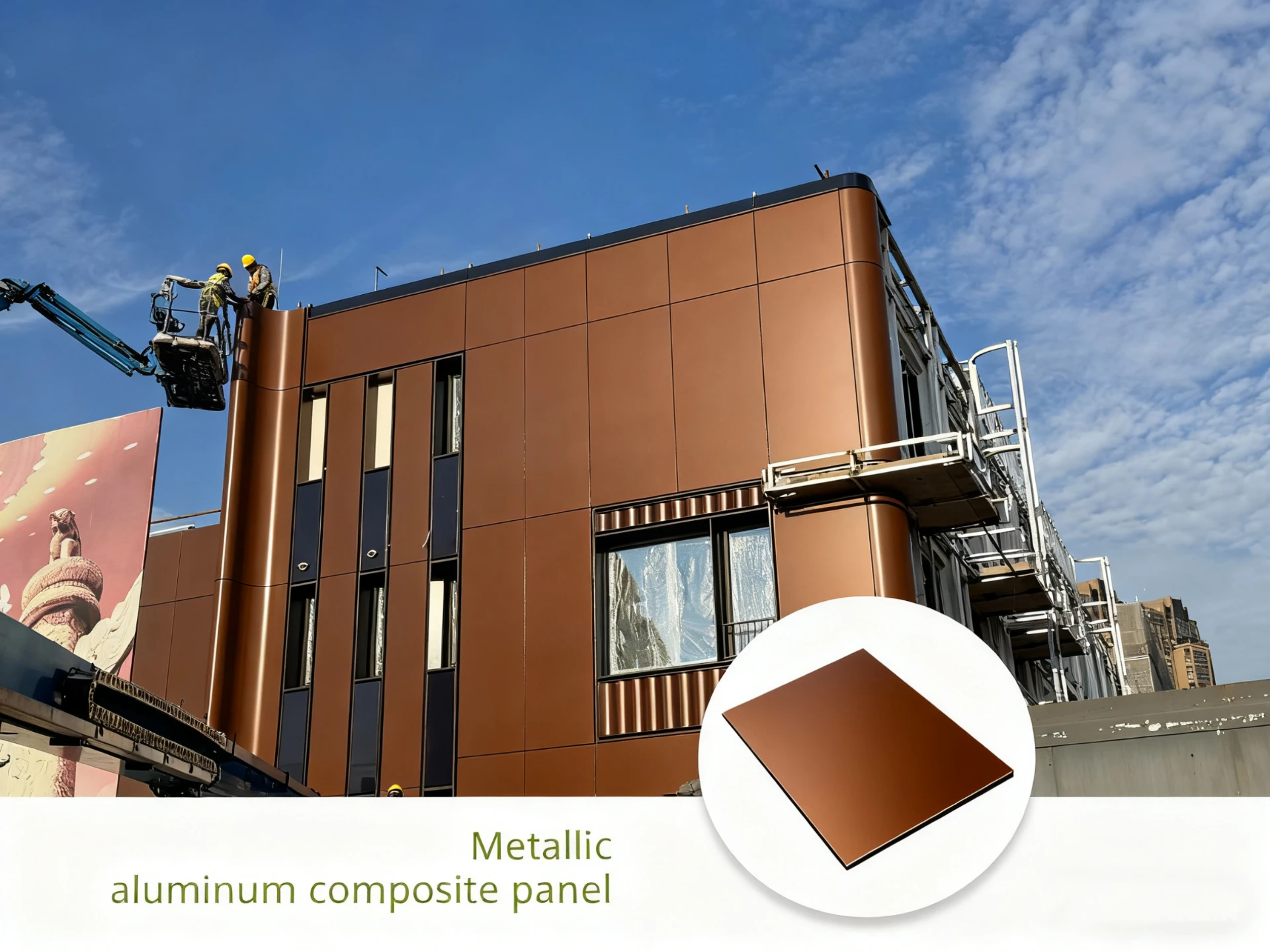
Another advantage of the pvdf aluminium composite panel is its wide range of premium finishes. Designers can choose from metallic shades, custom colors, and even natural textures that elevate the overall look of a building. Compared with pe acp, which is often selected for interiors, the pvdf acp sheet is better suited for demanding exterior applications. This distinction between pe aluminium composite panel and pvdf acp allows construction companies to select the right type of aluminium composite board for each project.
ACM Panelling And Creative Applications
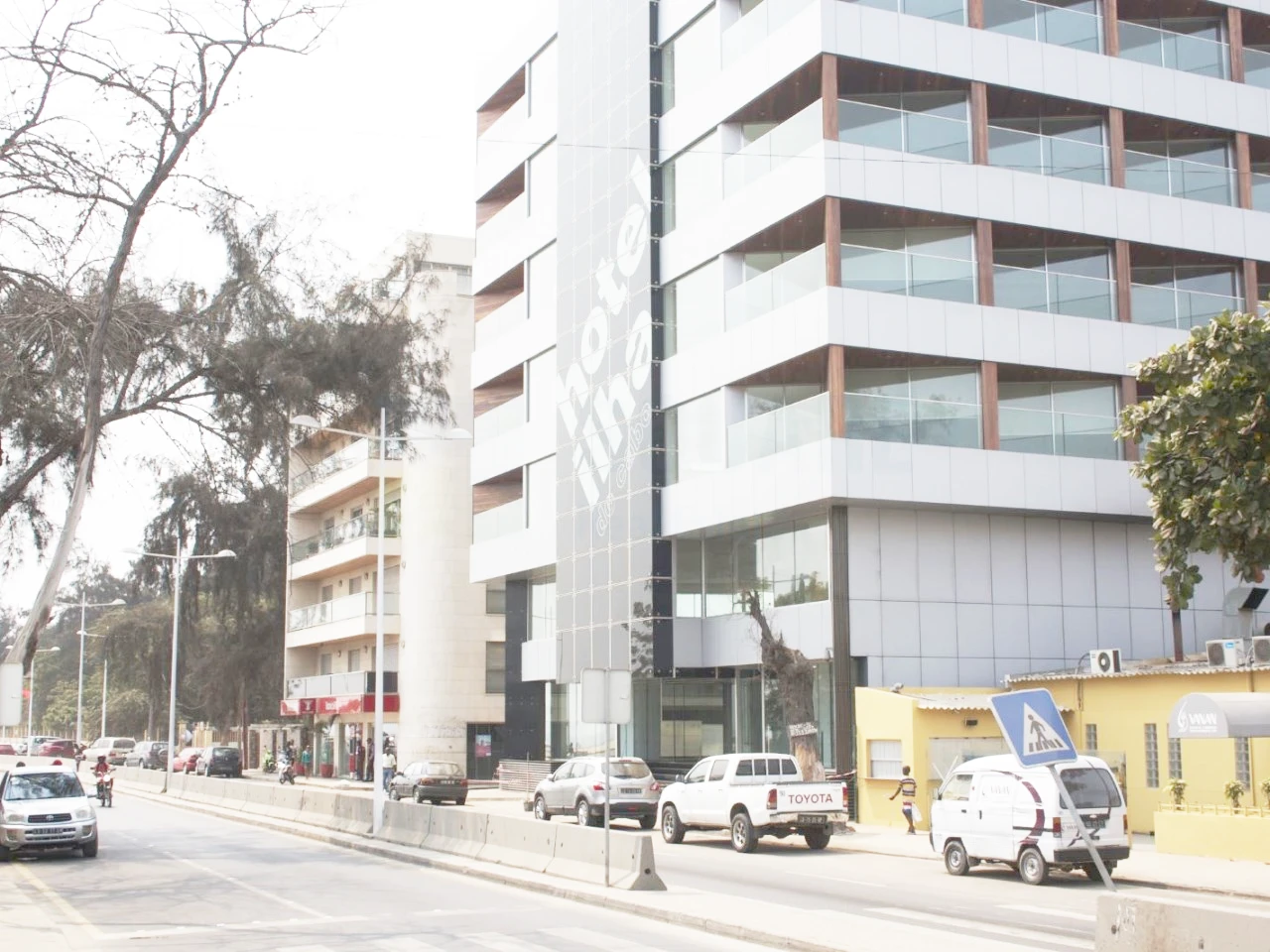
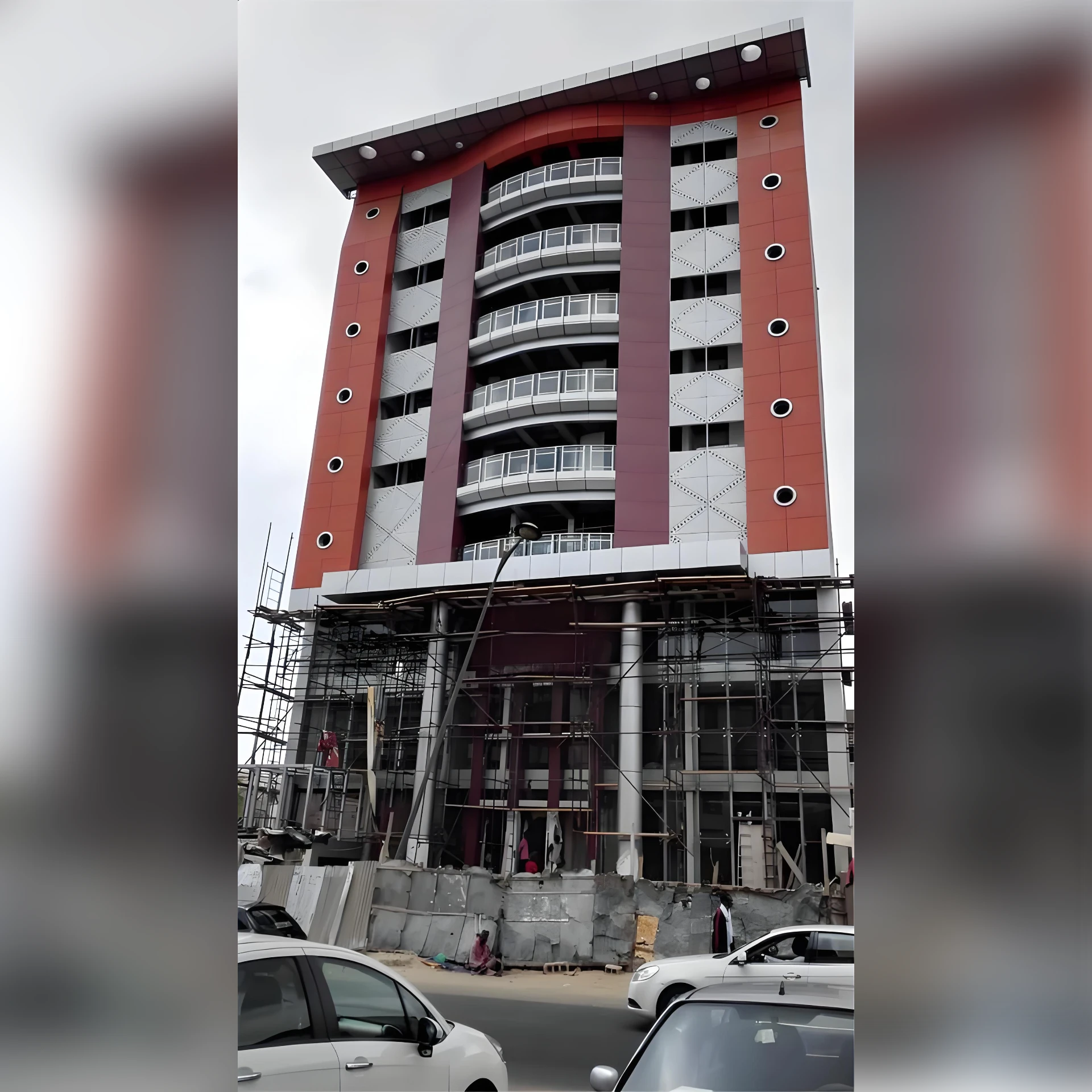
The concept of acm panelling has revolutionized how buildings are designed and constructed. The acm panelling system provides architects with an opportunity to experiment with bold designs and complex structures. The material can be easily shaped, yet it remains stable and safe once installed. As a result, acp paneling has become popular in skyscrapers, universities, and public buildings. The ability to combine aluminium composite board with other materials like glass or steel further enhances creativity.
In interiors, acm panelling is commonly used for ceilings, wall partitions, and decorative panels. The smooth surface of the aluminium panel composite makes it easy to clean and maintain, which is especially important in hotels, hospitals, and shopping malls. For cost-sensitive applications, pe acp is often selected due to its affordability, while for high-performance projects, the pvdf aluminium composite panel provides unmatched longevity. The balance between aesthetics and practicality makes acm panelling a reliable solution for designers worldwide.
PE ACP For Affordable Solutions
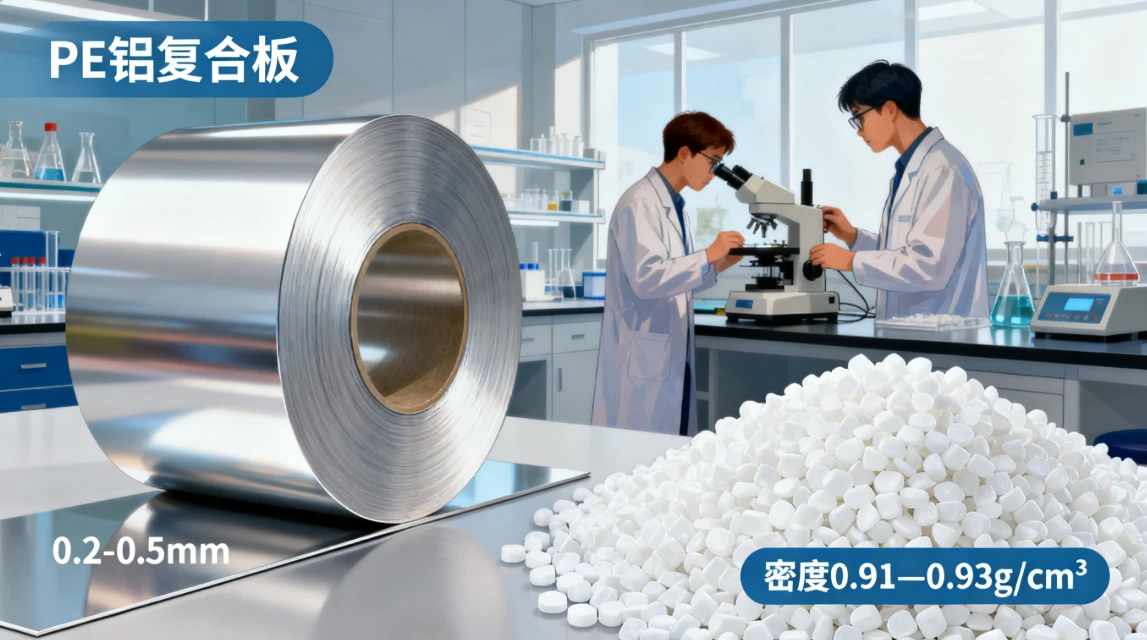
The pe aluminium composite panel is designed for projects where budget is a key factor. Although it does not provide the same level of durability as pvdf acp, the pe acp remains a strong, lightweight, and visually appealing option. It is widely used in interior decoration, shop signage, exhibition stands, and temporary structures. The aluminum composite panel acp in its PE version is easy to cut, install, and replace, which makes it highly convenient for short-term or cost-sensitive projects.
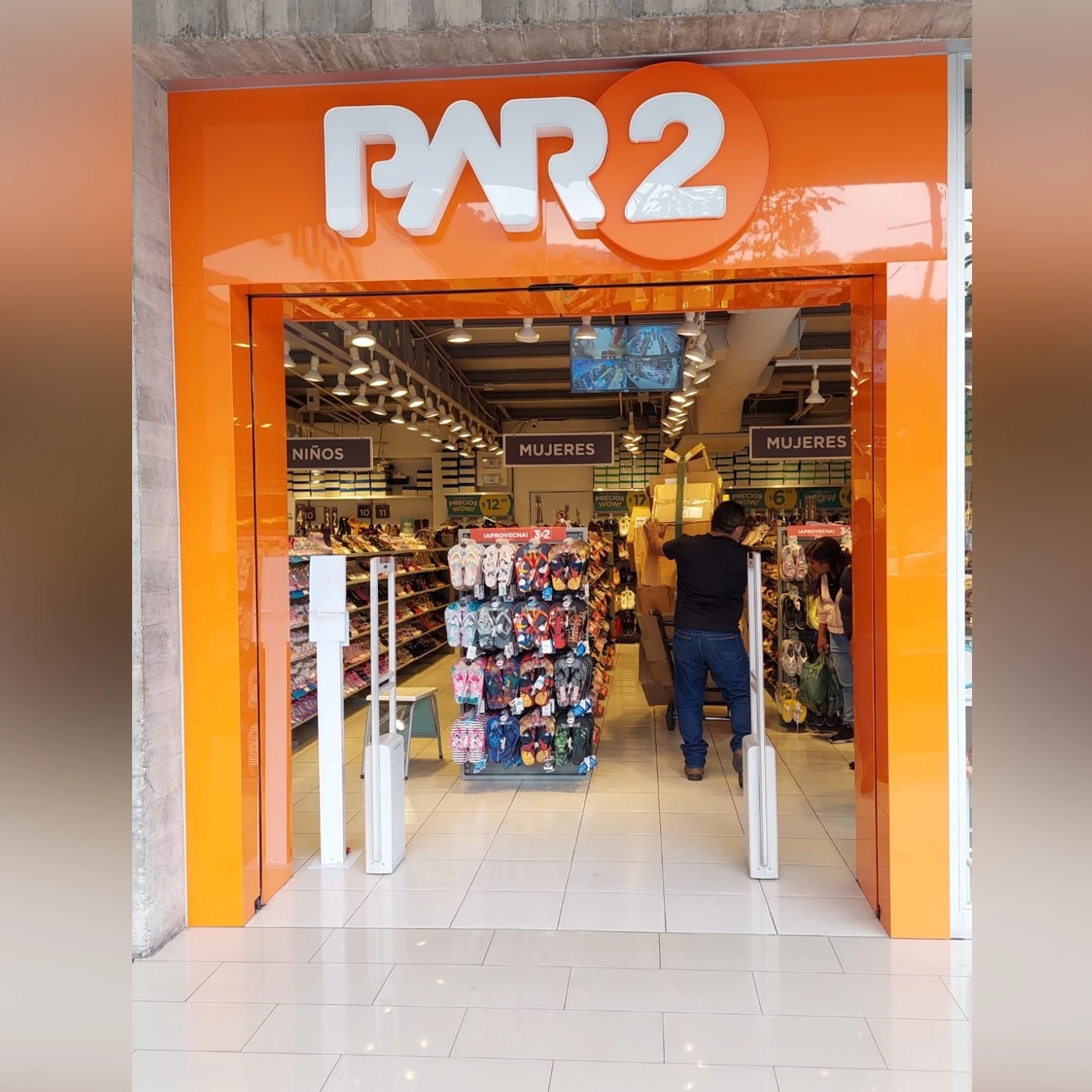
Despite being more economical, the pe aluminium composite panel still provides good weather resistance and a polished appearance. For businesses that want to enhance their branding with customized signage, pe acp offers both affordability and design flexibility. In this way, the aluminium composite board ensures that even small-scale projects can enjoy the benefits of modern architectural materials without exceeding budget limits.
Conclusion
The aluminium composite board has established itself as a cornerstone material in the construction industry. From acp aluminium composite panel applications in skyscrapers to pe acp solutions in interior design, the material serves a wide variety of needs. The distinction between pvdf aluminium composite panel for long-term outdoor use and pe aluminium composite panel for affordable interiors ensures that the aluminium panel composite remains relevant for all project scales.
The rise of acm panelling and acp paneling demonstrates how architects value flexibility, creativity, and efficiency. By combining modern performance with aesthetic appeal, the aluminum composite panel acp has transformed building design worldwide. As construction continues to evolve, the demand for acp aluminium will only increase. The future of sustainable, efficient, and stylish architecture is closely tied to the growth of the aluminium composite board, a material that perfectly balances cost, durability, and innovation.