In architectural design, a
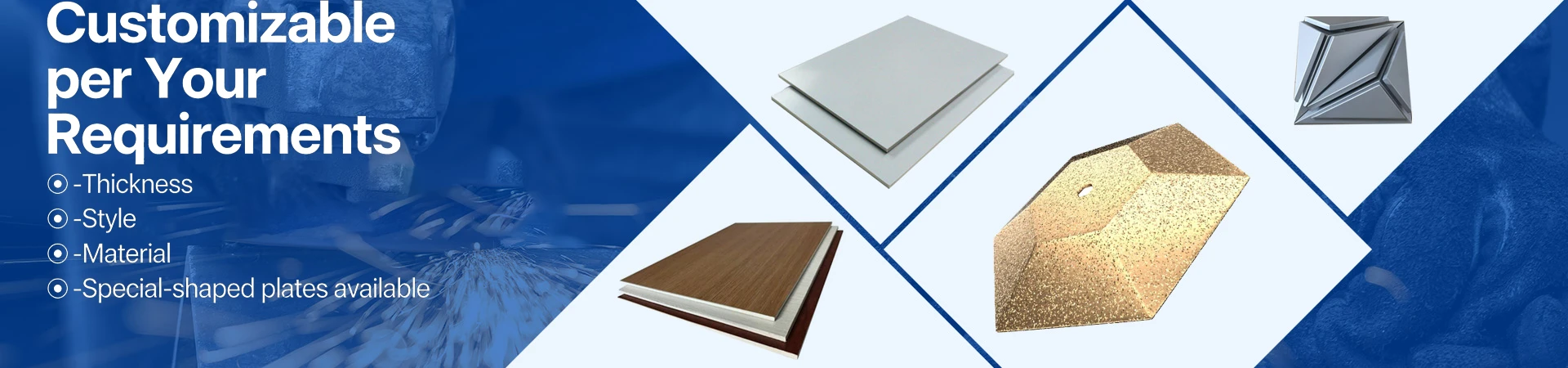
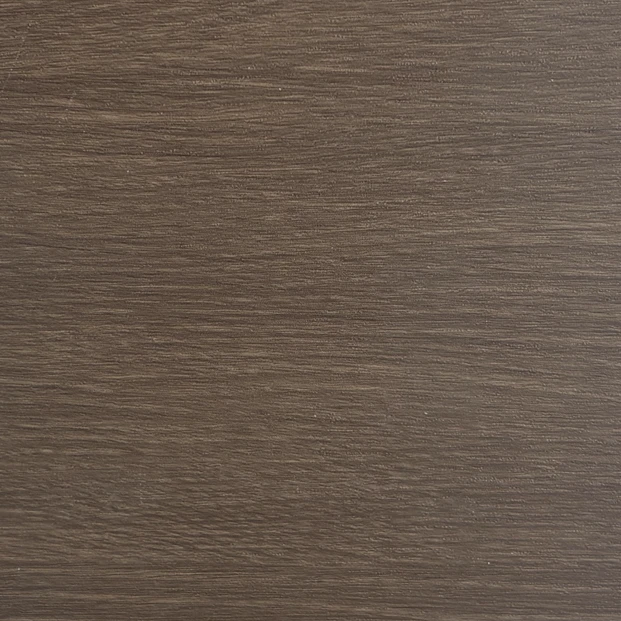
solid panel is a fundamental building block. It represents a continuous, unbroken surface that can define a plane, create a bold graphic statement, or provide a clean backdrop. While "solid" can refer to the material (like solid aluminum, stone, or HPL), in facade terminology, it often describes the visual effect of a non-perforated, non-louvered panel. The
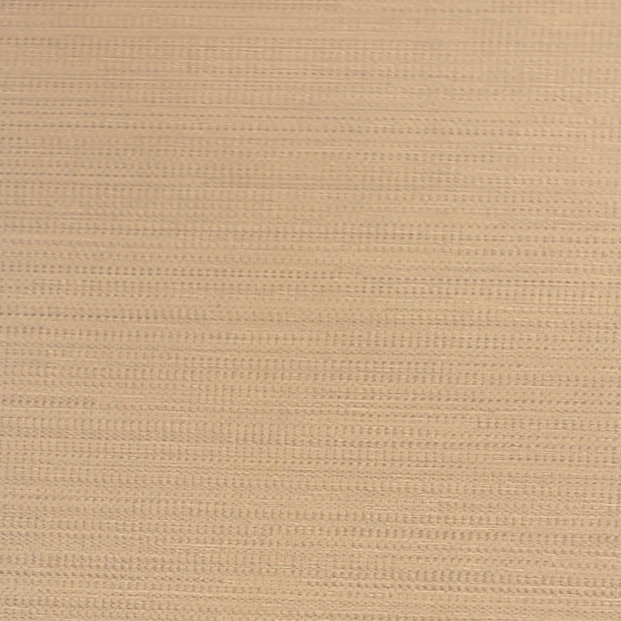
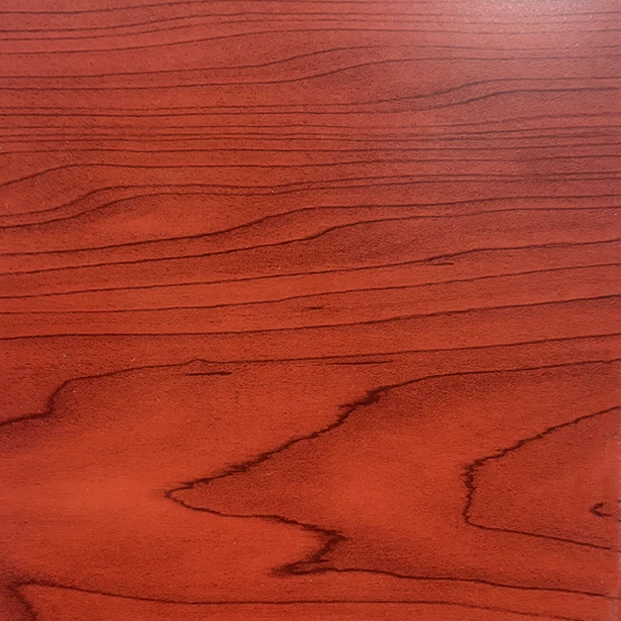
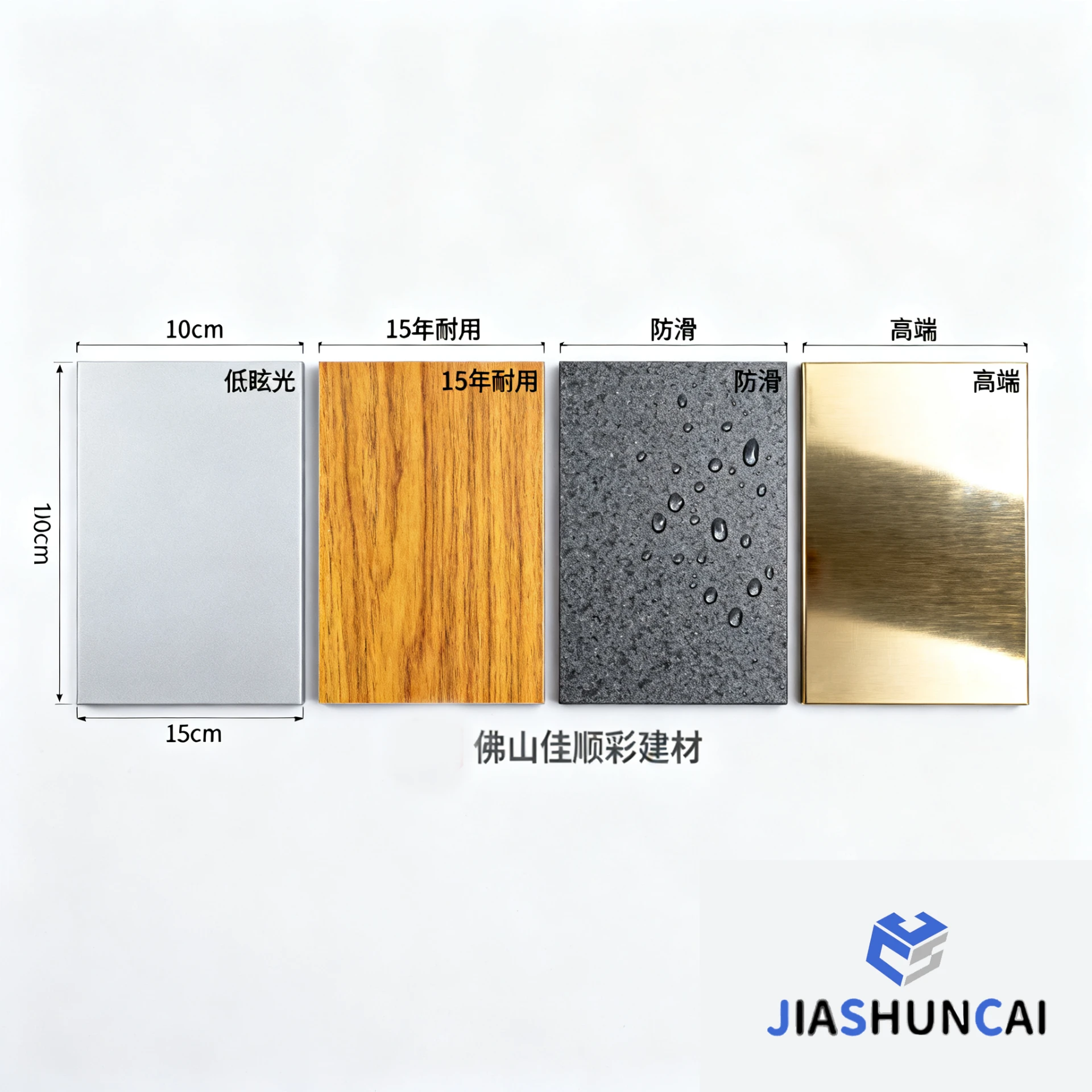
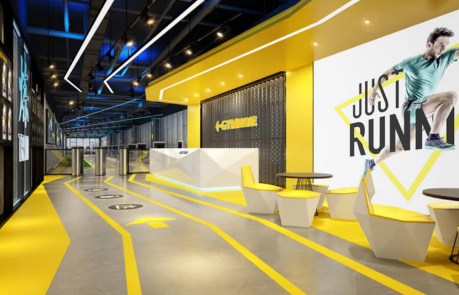
solid panel is the go-to element for creating large, monolithic-looking facades, spandrel areas that conceal floor slabs, and feature walls where texture and color are the primary drivers. Its versatility lies in its ability to be finished in virtually any color or texture—from ultra-matte to high-gloss metallic, from pure white to custom-matched hues—allowing architects to use the
solid panel as a pure canvas for their artistic intent.
Durable & Definitive: The Strength of the Aluminium Solid Panel
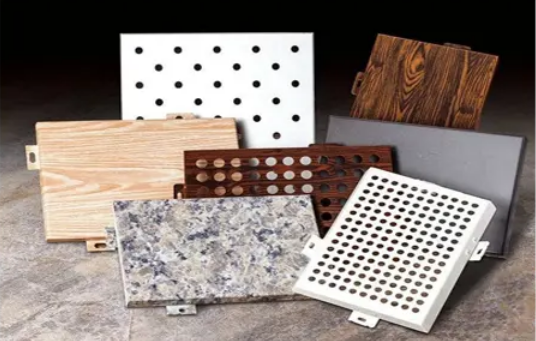
An aluminium solid panel takes the concept of the solid panel and gives it the superior properties of aluminum. This is typically a sheet of aluminum alloy, not a composite, that is formed, folded, and finished for architectural use. The aluminium solid panel offers exceptional durability, corrosion resistance, and a premium, metallic aesthetic. It is commonly fabricated into cassette panels—units with folded edges that clip onto a subframe—creating a robust, mechanically fastened rainscreen system. The aluminium solid panel is ideal for projects demanding a sleek, minimalist appearance with inherent strength. It can be bent into complex 3D shapes, allowing for dramatic folded facades and sharp architectural lines. When a project calls for a material that is both structurally capable and aesthetically refined, the aluminium solid panel is a premier choice.
Mastering Light & Air: The Function of Louvre Fins
Louvre fins are the horizontal or vertical blades that make up a sunshading or screening system. They are not just decorative; they are precision-engineered components for environmental control. The primary function of louvre fins is solar shading. By strategically angling the fins, they block high-angle summer sun to reduce cooling loads while potentially allowing low-angle winter sun for passive heating. Louvre fins also manage glare and views, enhance privacy, and can be designed to direct ventilation. They add a layer of depth, rhythm, and texture to a building's exterior. Whether used as a perimeter screen, a balcony balustrade, or a full building wrap, louvre fins dynamically interact with changing light throughout the day, creating ever-shifting patterns of shadow and luminosity.
The Complete Picture: The System of an Aluminum Panel Facade
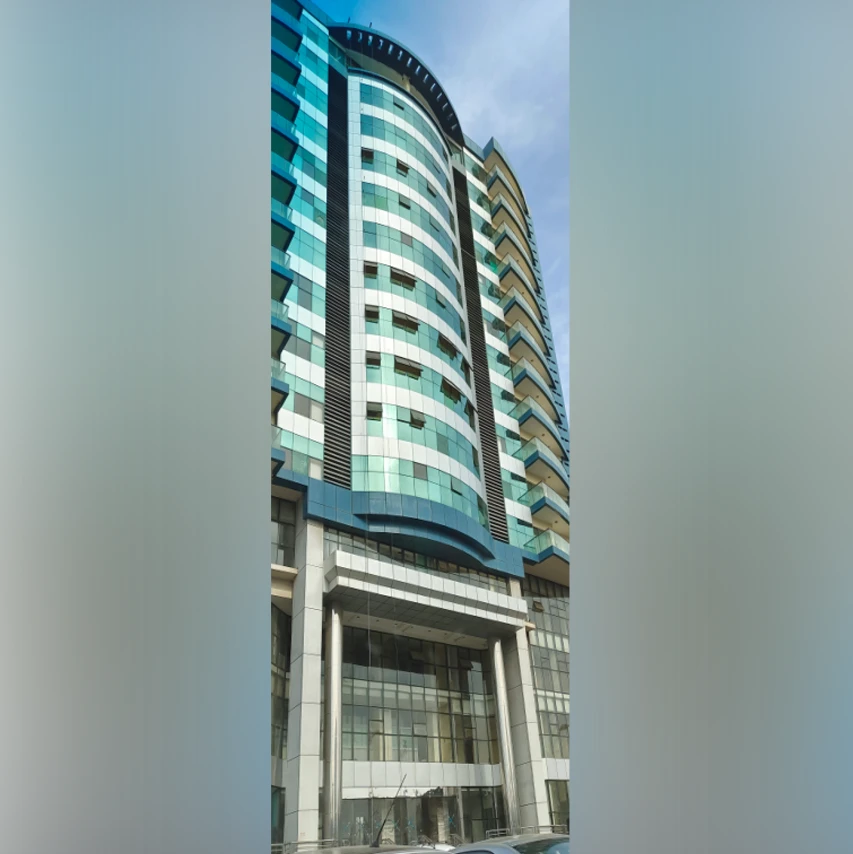
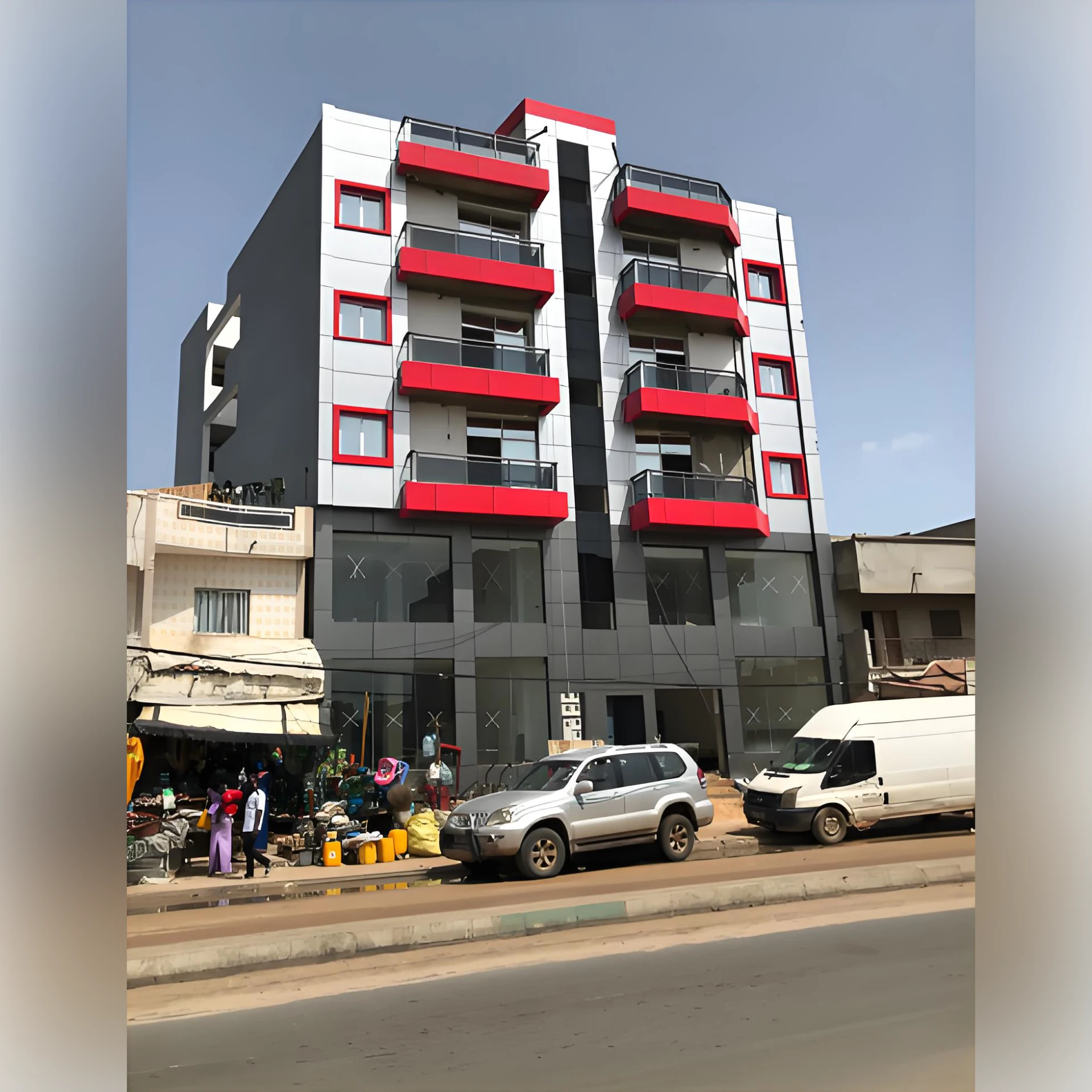
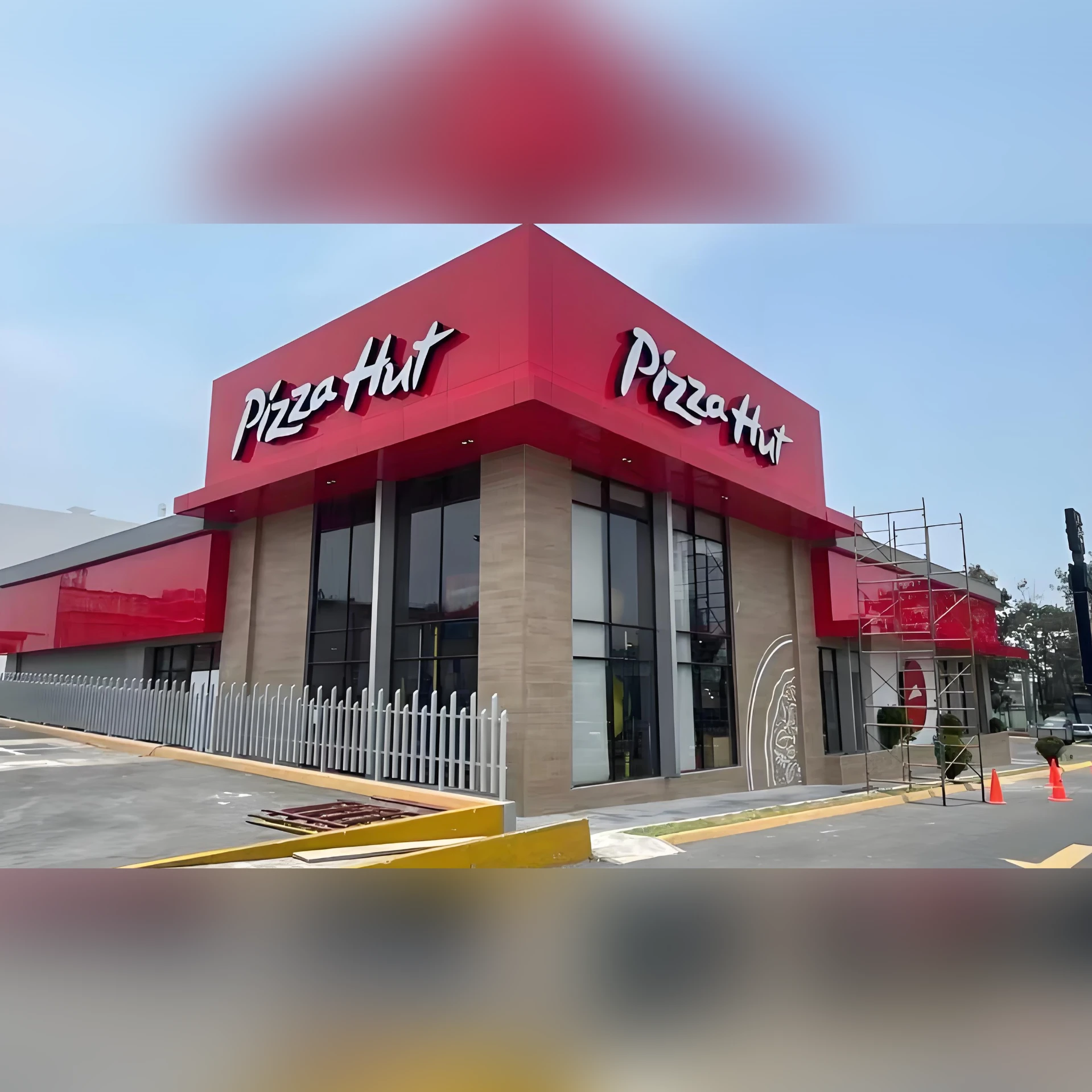
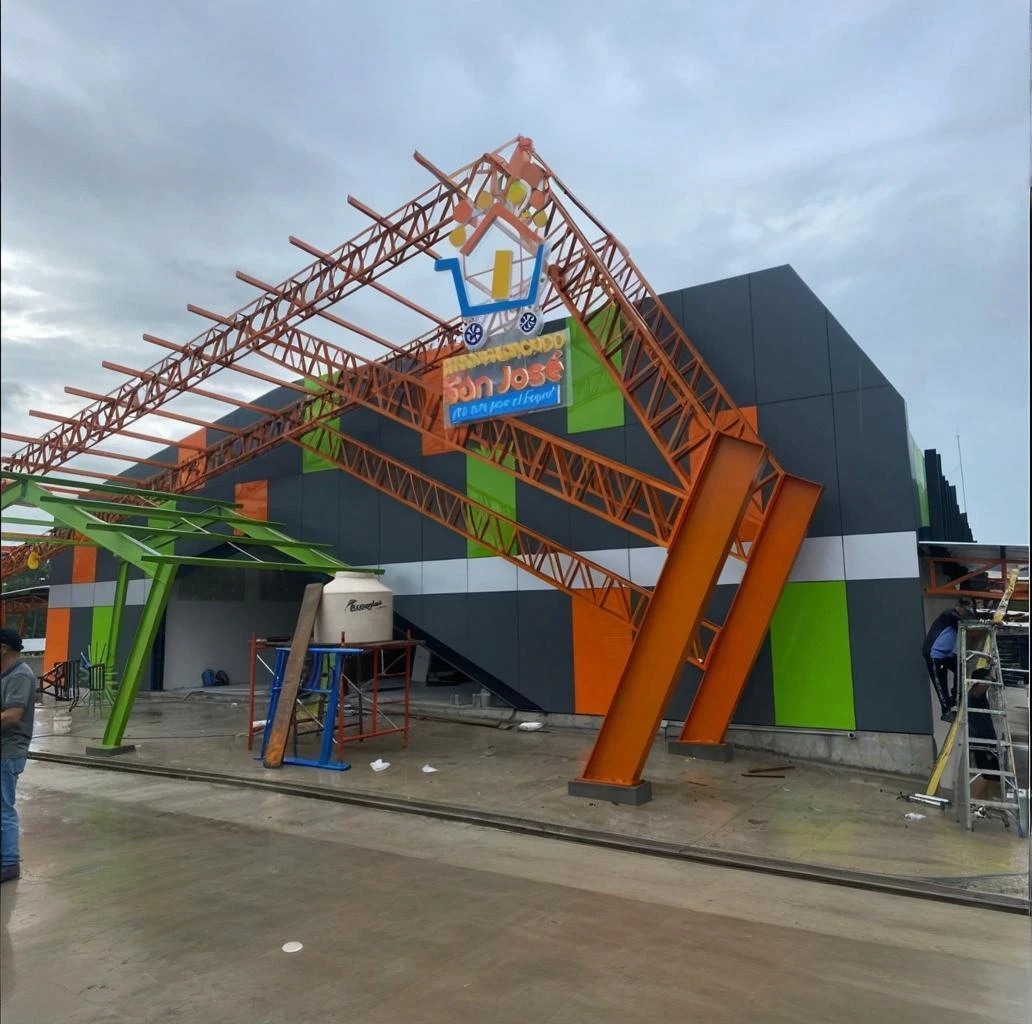
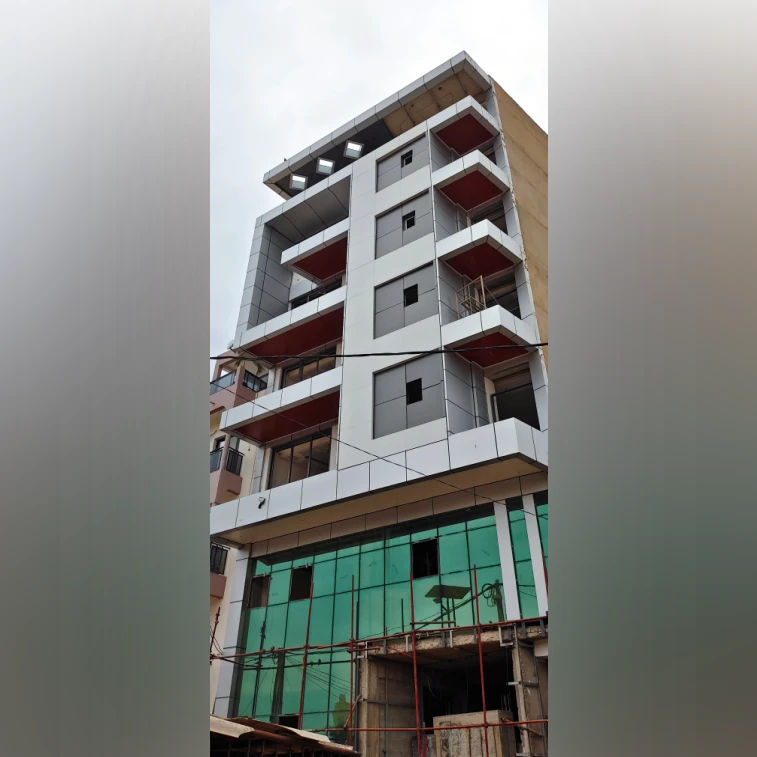
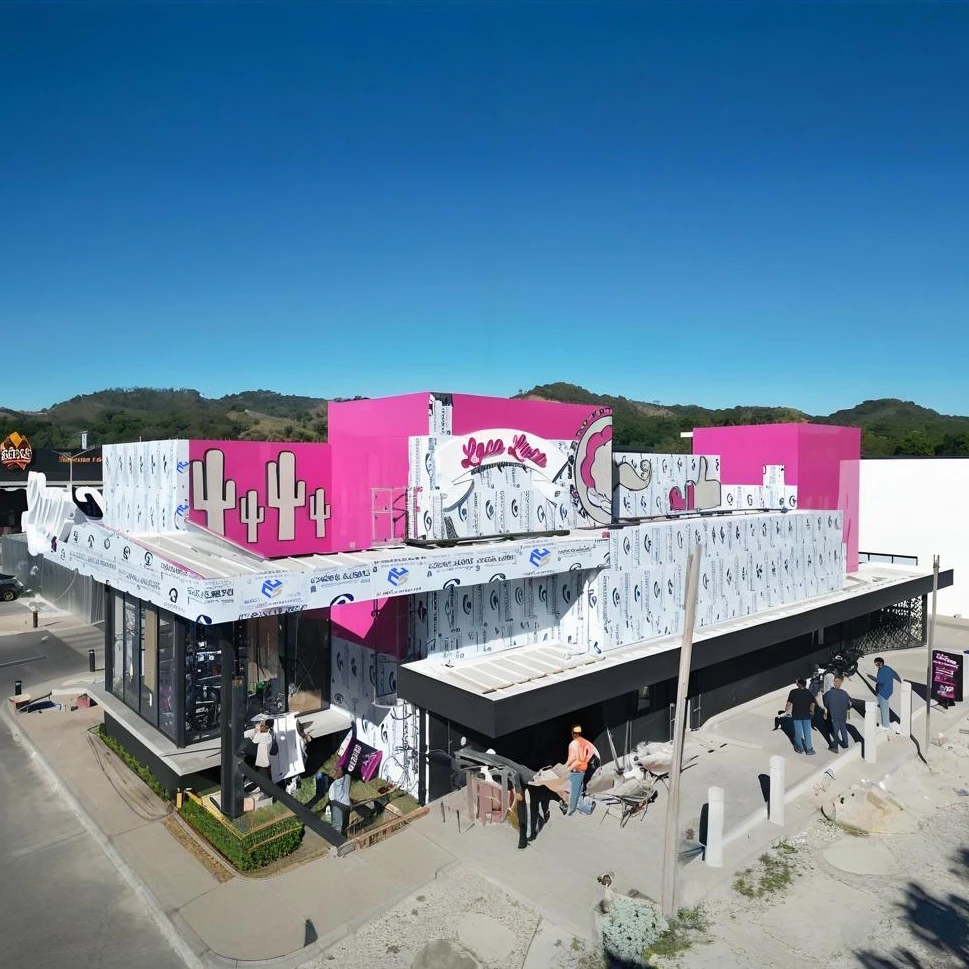
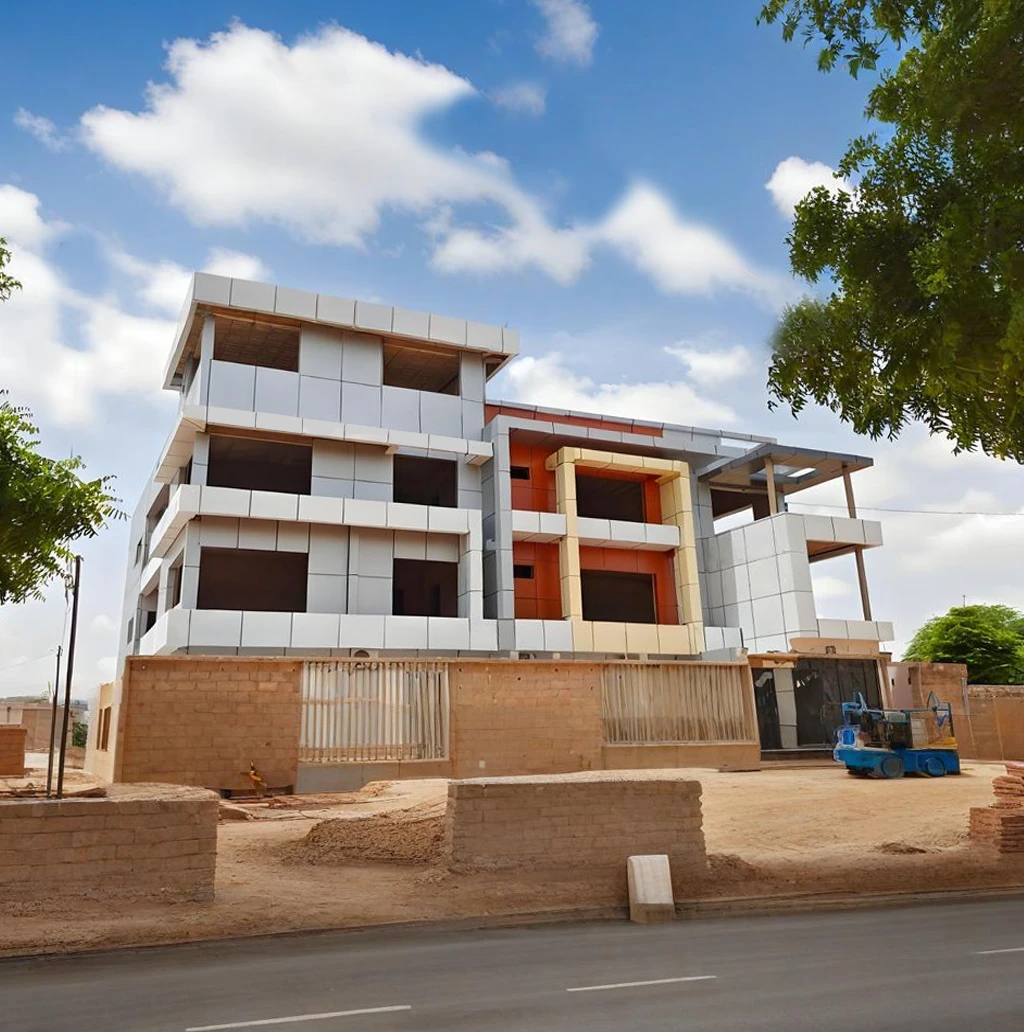
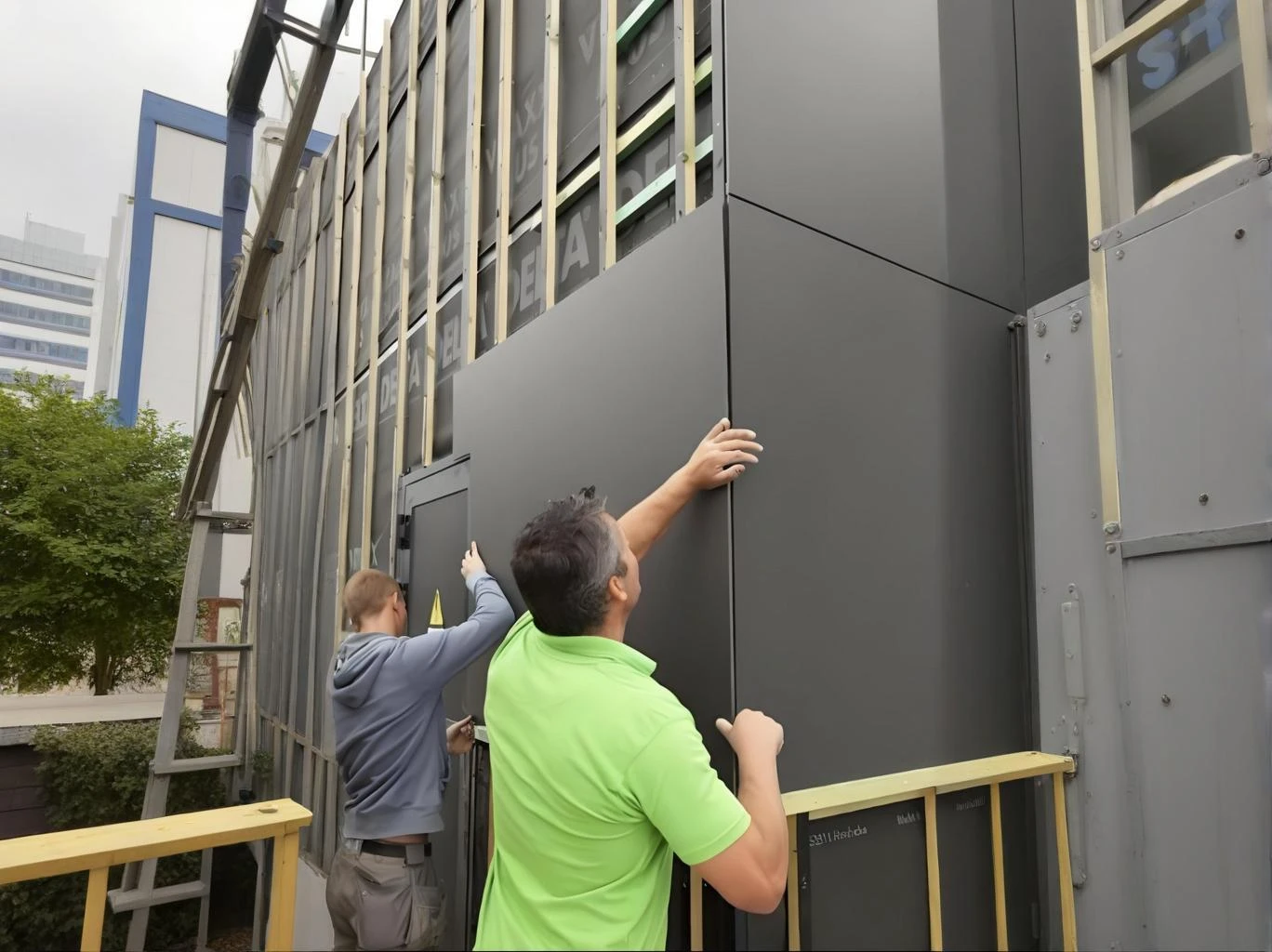
An aluminum panel facade is the integrated assembly that forms the building's outer skin. It is a system, not just a collection of parts. This system encompasses the primary cladding elements—which could be aluminium solid panels, composite panels, or others—along with the critical hidden components: the structural subframe (rails and brackets), thermal insulation, air and weather barriers, and fixing systems. A high-performance aluminum panel facade is designed as a ventilated rainscreen. The panels are the outer shield, while the cavity behind allows for pressure equalization, moisture drainage, and continuous ventilation, protecting the building structure and improving energy efficiency. Specifying an aluminum panel facade means thinking holistically about aesthetics, weather tightness, thermal performance, and long-term maintenance.
Engineered Precision: The Design of Architectural Aluminum Louvers
Architectural aluminum louvers represent the highest application of louver technology in building design. This term implies a custom-engineered system, where the louver blades (or fins) are designed as integral architectural elements, often on a large scale.
Architectural aluminum louvers are designed for specific solar angles, wind loads, and aesthetic requirements. They can be fixed or operable, and are fabricated from extruded or folded aluminum for maximum strength and precision. These are the systems seen on major civic buildings, museums, and high-rise towers, where they form a defining visual identity. The design of
architectural aluminum louvers involves careful consideration of blade profile, spacing, depth, and finish to achieve the desired balance of shade, view, airflow, and architectural expression.
Your Partner from Concept to Completion: Jiashuncai Factory
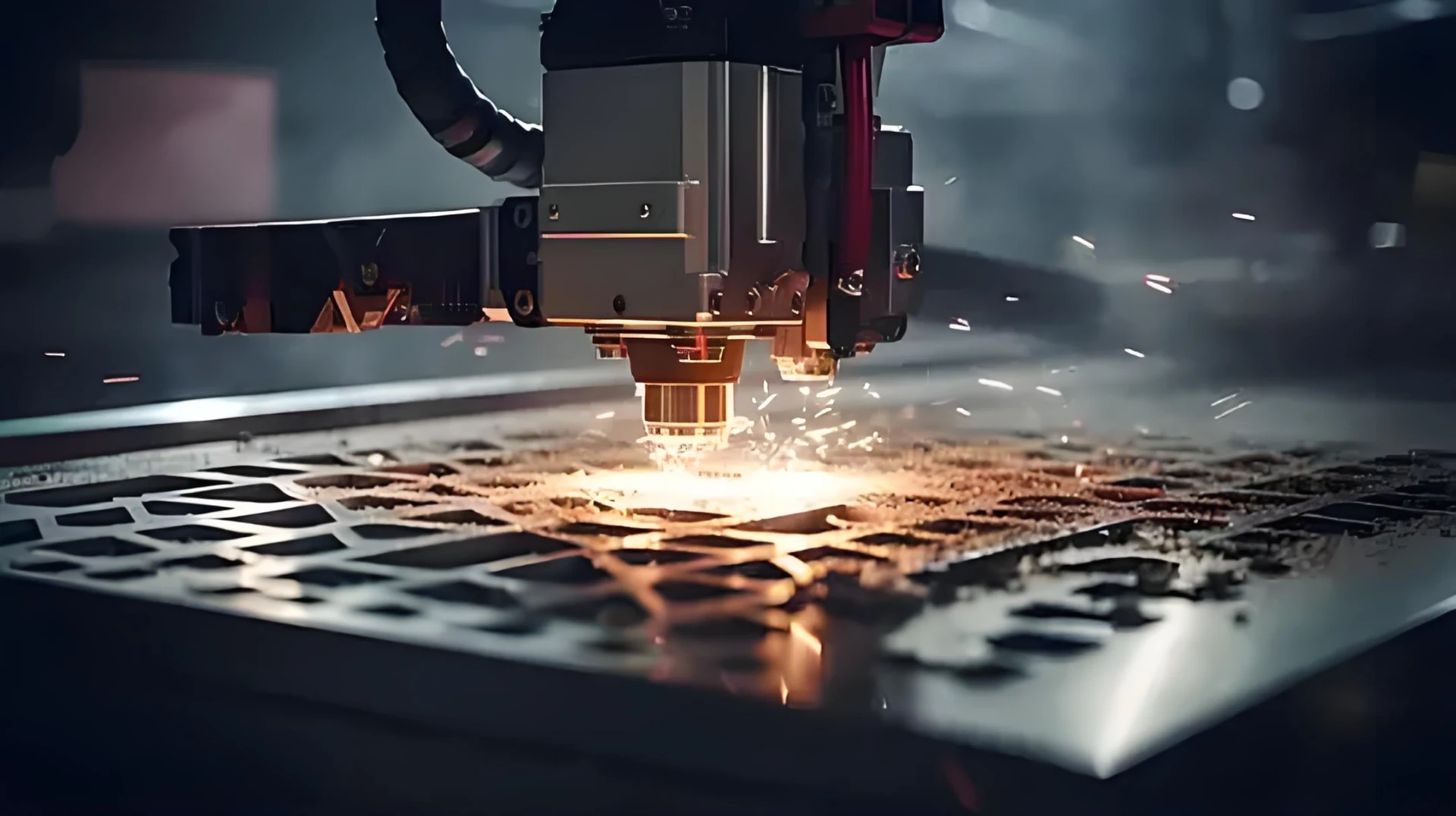
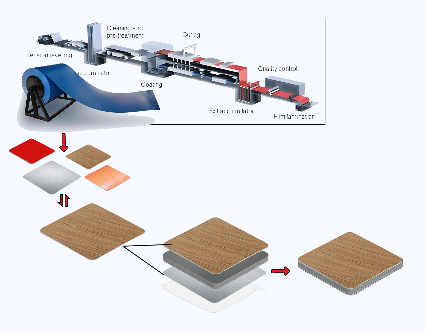
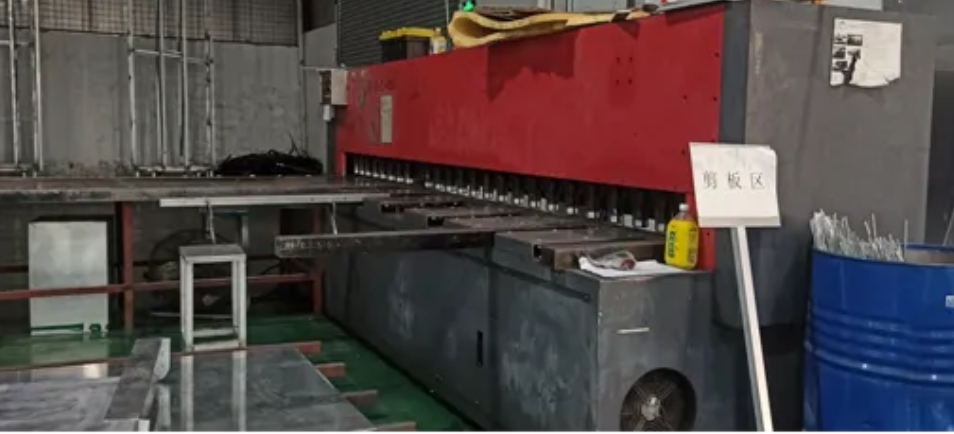
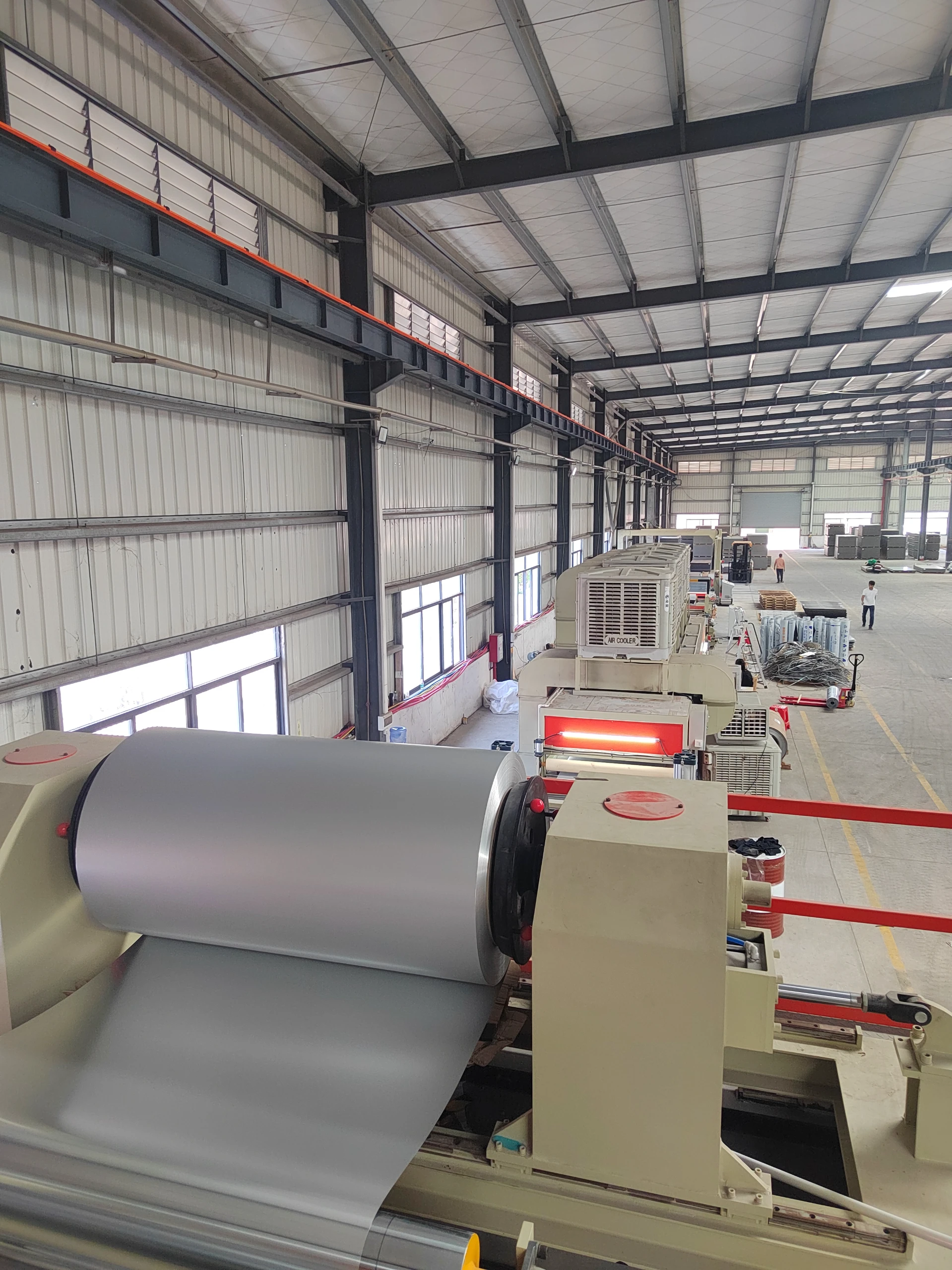
Bringing a cohesive architectural vision to life—from a flat solid panel expanse to a dynamic architectural aluminum louvers system—requires a partner with end-to-end capability. Jiashuncai Factory is that partner. We are a premier manufacturer with a 30,000m² facility and over 23 years of expertise. We don't just supply materials; we provide engineered solutions. Our portfolio includes precision-fabricated aluminium solid panels for cassette systems, custom-designed louvre fins and complete architectural aluminum louvers systems for solar control, and the full range of components for a high-performance aluminum panel facade. We hold comprehensive international certifications (ISO9001, SGS Fire Ratings, REACH) and offer complete turnkey services: from design support and engineering to fabrication, global shipping, and on-site technical supervision. We are your single-source provider for transforming architectural drawings into durable, beautiful reality.
Ready to execute a facade that combines bold aesthetics with intelligent performance? Partner with a manufacturer that has the scale, expertise, and commitment to support your project from initial sketch to final installation.
Visit the Jiashuncai website to explore our project portfolio and technical capabilities. Download our certification files and product data sheets. Contact our engineering team directly for a consultation. Share your plans—whether for a feature wall of
aluminium solid panels or a complex brise-soleil of
architectural aluminum louvers—and we will develop a tailored solution. We welcome you to visit our 30,000m² factory to see our advanced production lines and quality control processes firsthand. Let's discuss how we can provide the complete
aluminum panel facade solution for your next landmark project.
Choose a partner built for scale and precision. Choose Jiashuncai. Click to connect with us and begin a partnership that builds the future.
Architectural Aluminum Systems FAQs
What is the main difference between a solid panel and a aluminium solid panel facade?
A solid panel is a generic term for a continuous, unperforated cladding unit, which could be made of various materials. An aluminium solid panel specifically refers to a facade system made from sheets of solid aluminum alloy, typically formed into cassette panels. The latter offers the distinct advantages of aluminum: lighter weight, high strength-to-weight ratio, superior corrosion resistance, and the ability to achieve very crisp, sharp folds and a seamless metallic appearance.
How do I determine the optimal spacing and angle for louvre fins?
The design of louvre fins is primarily driven by solar geometry. Key factors are the building's geographic location (latitude), the desired level of sun shading, the need for outward views, and the specific facade orientation. This is typically done using solar angle studies. A 45-degree angle is common, but optimal design requires analysis to block summer sun while allowing winter sun. Consulting with the manufacturer's engineering team during design development is crucial for performance-based design.
What are the benefits of a ventilated aluminum panel facade system?
A ventilated aluminum panel facade (rainscreen) provides multiple benefits: 1) Weather Protection: The cavity allows moisture to drain, preventing ingress. 2) Thermal Efficiency: The still air in the cavity acts as insulation, and it protects the wall's primary insulation. 3) Pressure Equalization: Reduces wind-driven rain penetration. 4) Durability: Keeps the building structure dry, preventing degradation. 5) Aesthetic Freedom: Allows for the use of diverse panel types without compromising the building envelope performance.
Can architectural aluminum louvers be motorized?
Yes, architectural aluminum louvers can be designed as operable systems with motorized controls. This allows for dynamic control over light, shade, and ventilation throughout the day or in response to weather conditions. Motorized systems integrate with building management systems (BMS) for automated control based on sun position, temperature, or wind sensors, maximizing energy efficiency and occupant comfort.
What quality assurances does Jiashuncai provide for international projects?
Jiashuncai provides comprehensive quality assurance for global exports. We hold critical international certifications including ISO9001 for quality management, SGS/INTERTEK fire ratings (A2, B1), and material compliance certificates (REACH, ROHS). We provide full mill certificates for raw aluminum, coating quality reports, and pre-shipment inspection reports. Our 30,000m² factory features advanced, automated production lines ensuring precision and consistency, and we offer professional on-site supervision to ensure installation meets design specifications.