Understanding Aluminium Composite Panels: Why They Matter Globally
If you’ve ever walked past a modern skyscraper, admired a sleek storefront, or noticed lightweight cladding on a building, chances are you’ve glimpsed aluminium composite panels (ACPs). These panels are quietly revolutionizing construction and industrial design worldwide. But what makes aluminium composite panel for sale such a hot commodity in the market? It’s a blend of elegance, strength, and versatility. On a global scale, the demand for such materials speaks volumes about urban growth, sustainability goals, and cost-effective solutions.
Fact is, as cities grow and industries push for greener yet durable materials, understanding the aluminum composite panel becomes key—not just for architects or manufacturers but for buyers weighing quality and price, and even policymakers rooting for sustainable infrastructure.
Global Context: Aluminium Composite Panels in Today’s Industry
According to recent ISO standards (1), and reflected in reports from the United Nations Environment Programme (2), the construction sector’s push towards environmentally friendly but high-performing materials has never been stronger. The aluminium composite panel's lightweight yet tough nature means reduced structural loads and greater energy efficiency in buildings. Global urban population projections suggest an additional 2.5 billion people will live in cities by 2050 (World Bank, 2022), which means the demand for materials like ACPs is expected to skyrocket.
But here’s the rub: traditional cladding materials often fall short in cost, maintenance, or sustainability. This is precisely where aluminium composite panel for sale fills a key gap—it offers a mix of practicality and panache. From earthquake-prone zones to harsh coastal areas, ACPs help address long-standing challenges.
What Exactly Are Aluminium Composite Panels?
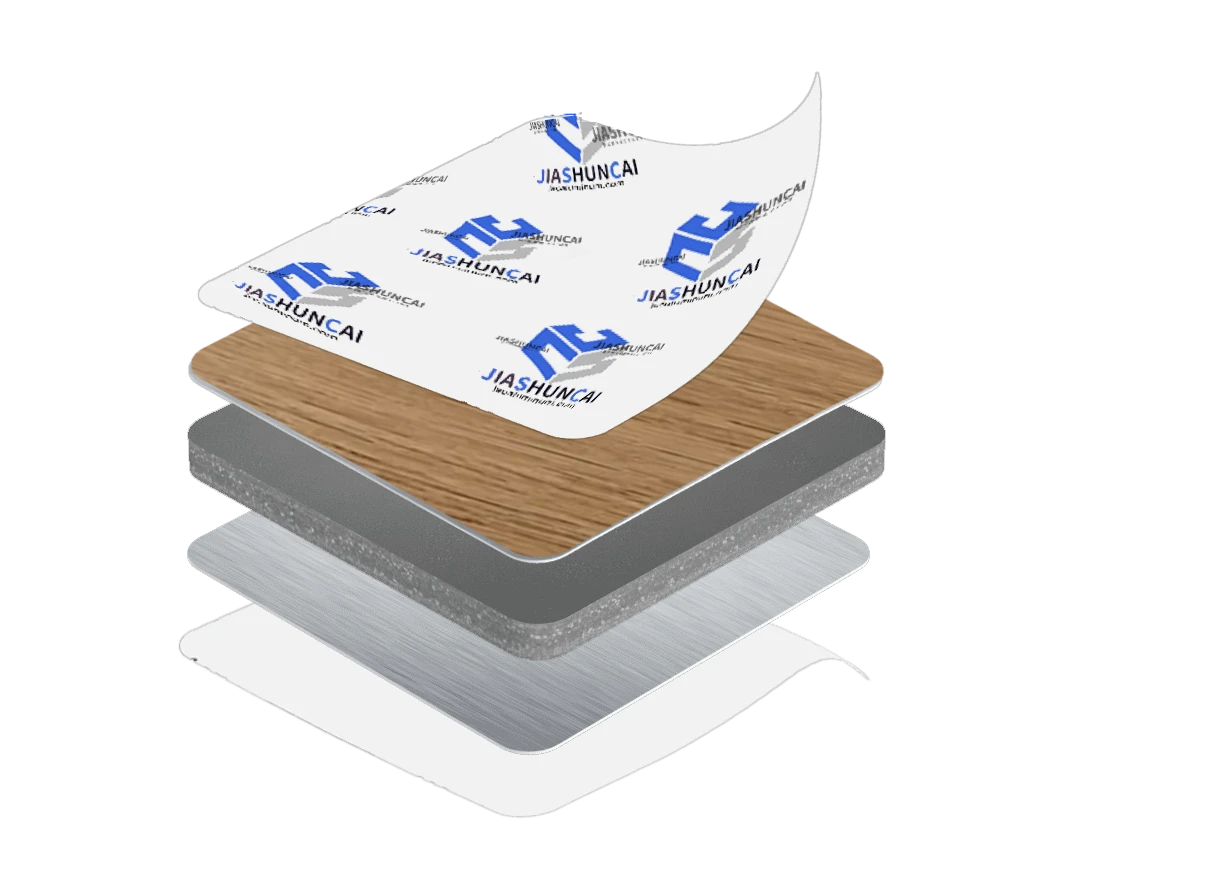
In essence, an aluminium composite panel is a sandwich made from two thin aluminium sheets laminated onto a non-aluminium core, typically polyethylene or a fire-retardant mineral core. Think of it like a flavorful club sandwich—each layer serves a specific purpose. The aluminium skins provide protective shielding and aesthetic appeal, while the core adds rigidity without the unwanted weight.
These panels serve a growing need for materials that accommodate rapid urbanization and humanitarian construction alike. For example, in post-disaster shelter construction, lightweight and durable ACPs are used for quick, resilient housing. They are somewhat like the unsung heroes of modern architecture.
Key Factors Driving Aluminium Composite Panel Popularity
Durability and Weather Resistance
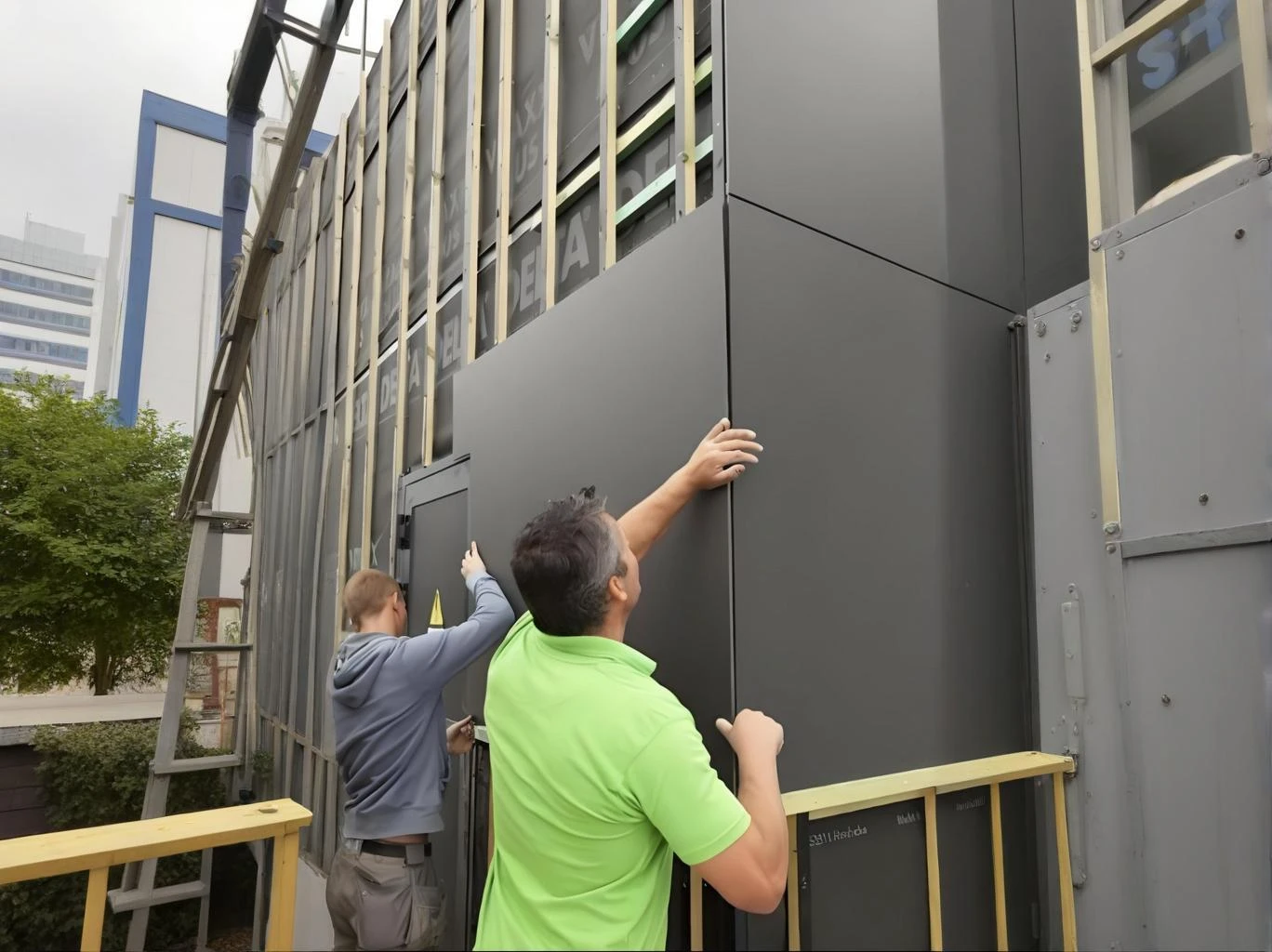
ACPs are engineered to withstand extreme weather conditions—be it blazing sun, torrential rains, or freezing temperatures. Manufacturers test these panels rigorously for corrosion resistance, ensuring facade longevity for decades. That’s one reason building owners love them—they won’t have to repaint or repair frequently.
Cost Efficiency
While the upfront price might be slightly higher than some traditional cladding, the long-term savings from low maintenance, energy efficiency, and easy installation balance it out. Many buyers notice the lifecycle cost advantages quickly—sometimes within just a few years.
Customization and Aesthetic Flexibility
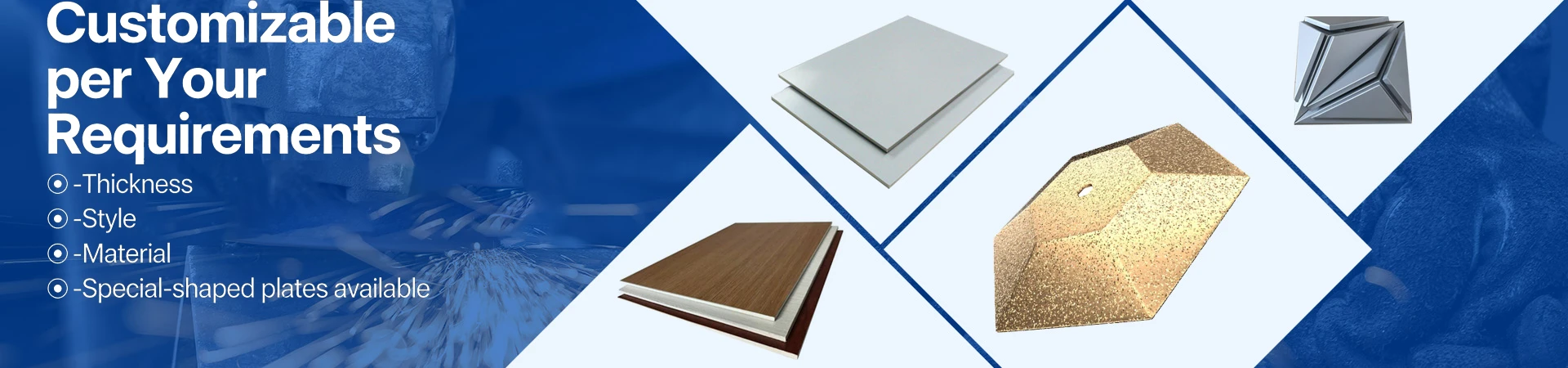
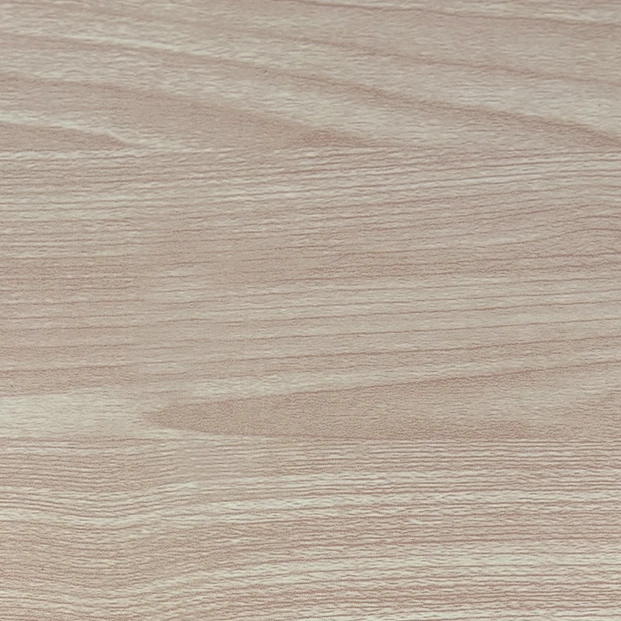
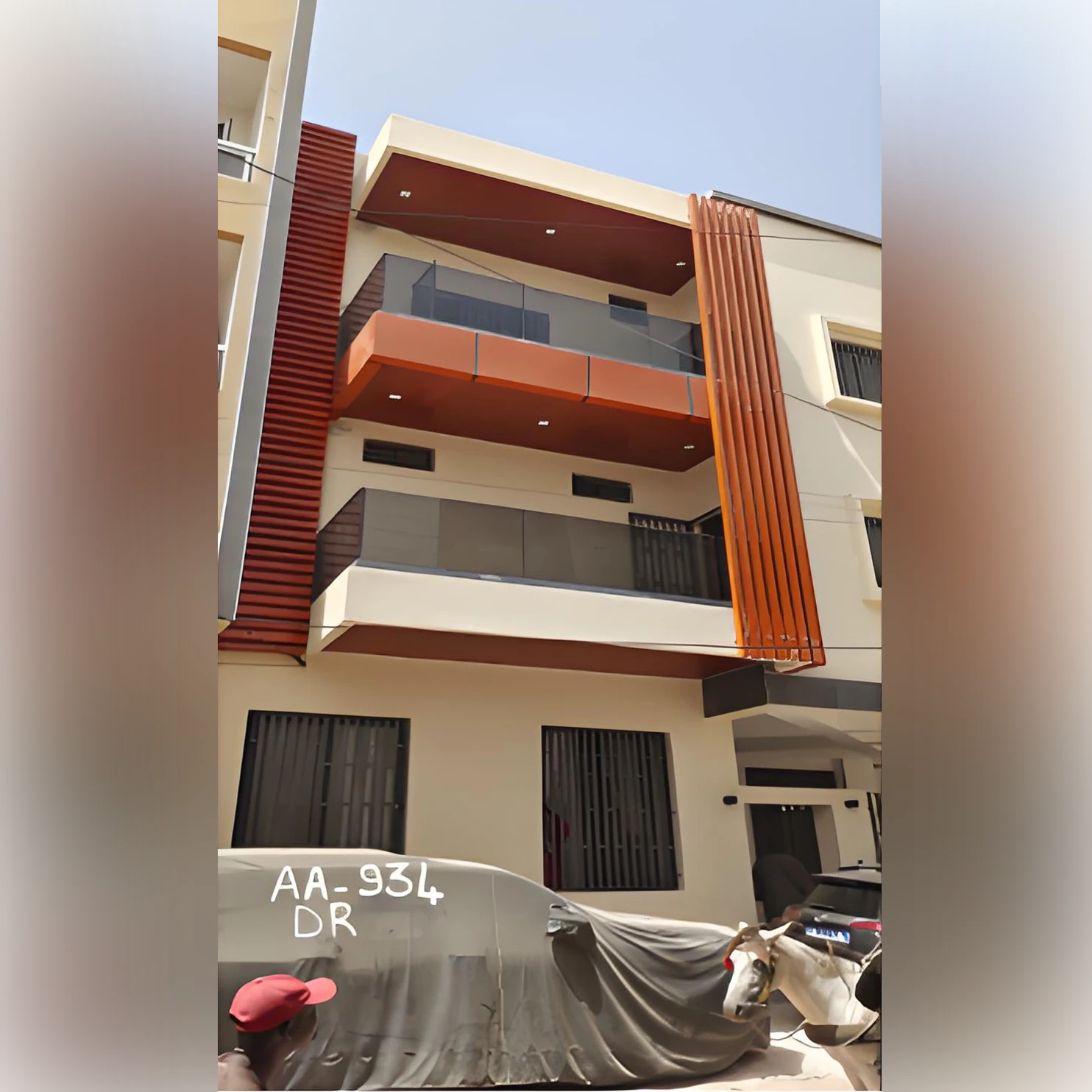
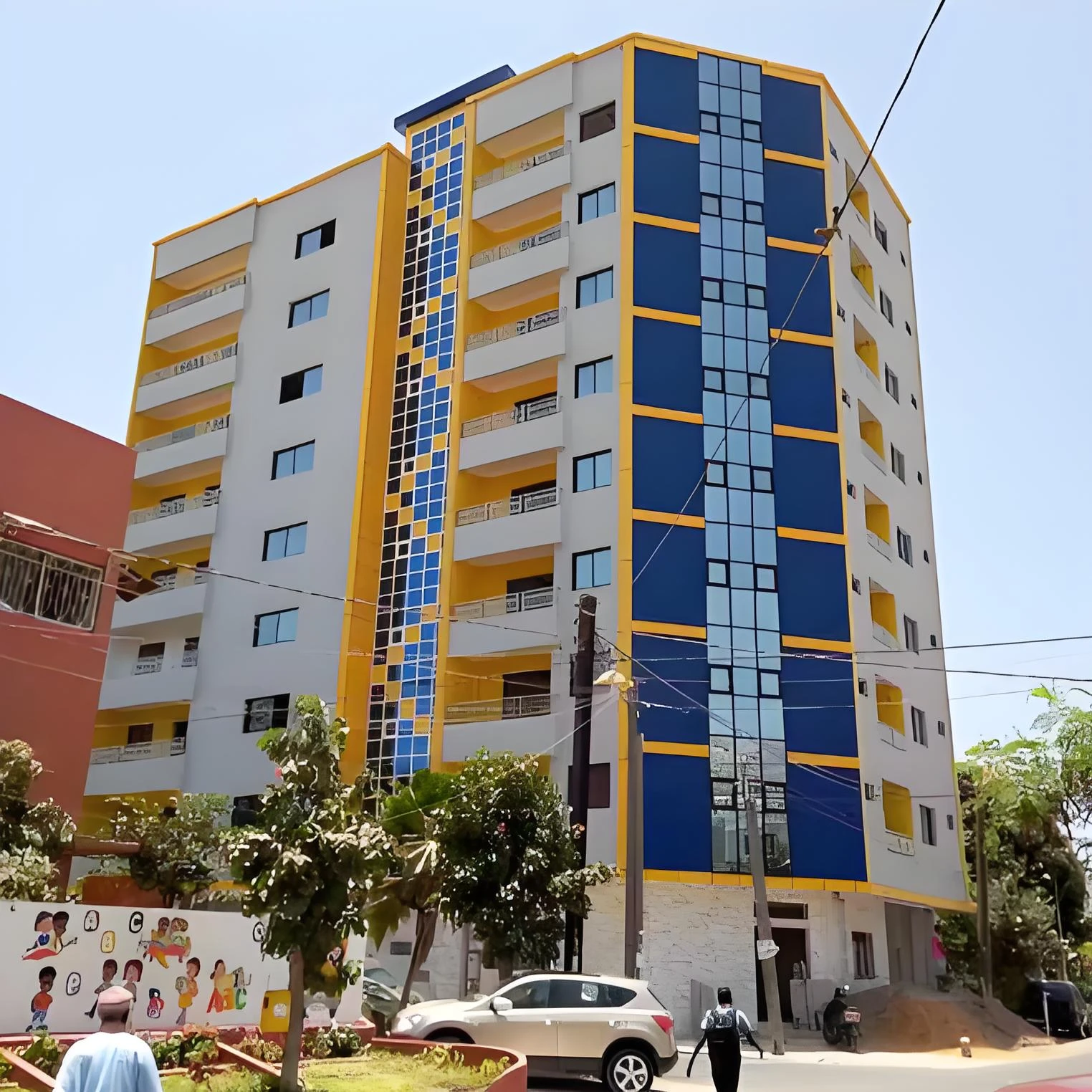
One of the appealing things about aluminium composite panels is their versatility. They can be produced in a range of finishes, colors, and textures—matte, gloss, metallic, you name it. That means architects have immense freedom in design. I once worked with a firm that created an entire facade with gradient panels that shimmered differently as you moved—a kind of kinetic art using building materials.
Fire Safety
Fire retardant ACPs—with mineral cores instead of polyethylene—meet strict building codes and can be crucial in places prone to wildfires or industrial fires. Ensuring safety without sacrificing design is a major plus.
Sustainability
Recyclable and light-weighted, aluminium composite panels contribute towards greener building practices, reducing the carbon footprint associated with heavier traditional materials.
Mini takeaway: Aluminium composite panels are a “smart sandwich” — marrying durability, design, and cost savings in a way that many modern materials can’t replicate.
Global Applications: Where Are Aluminium Composite Panels Making a Mark?
Industries and governments worldwide leverage ACPs in numerous ways:
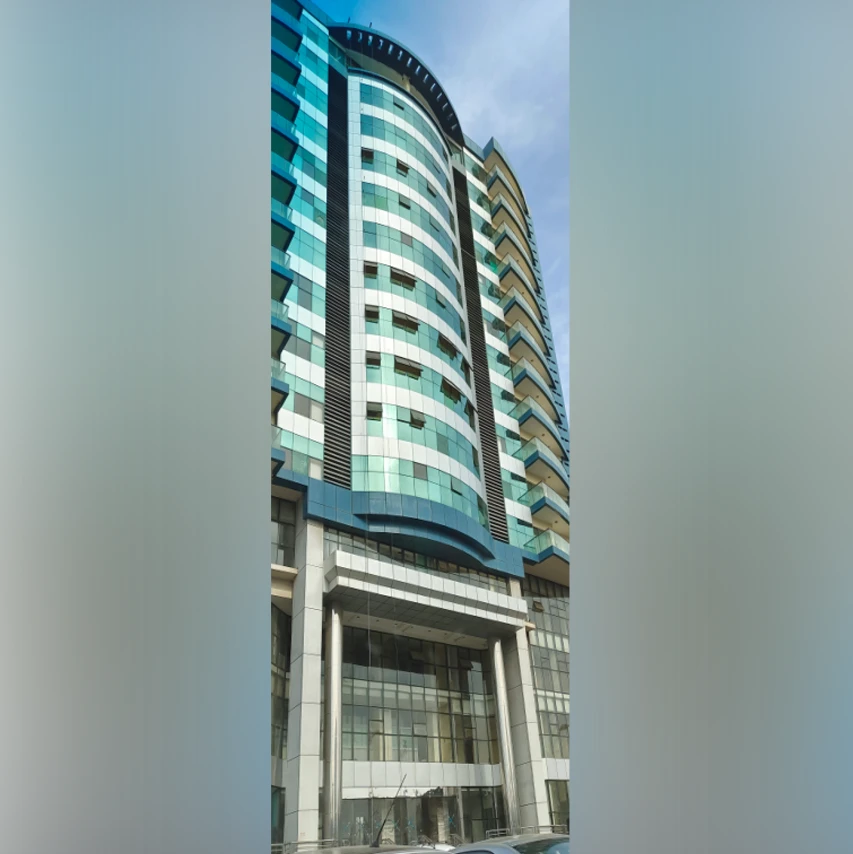
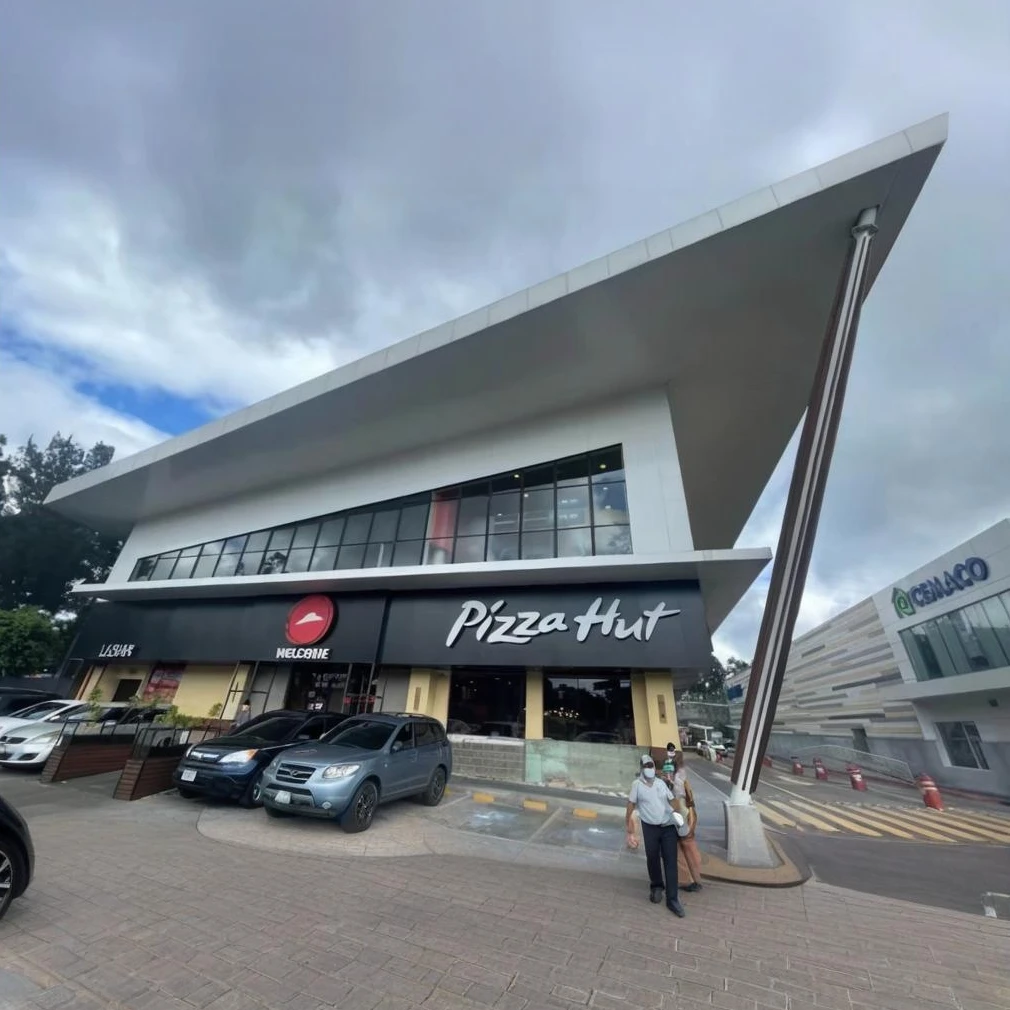
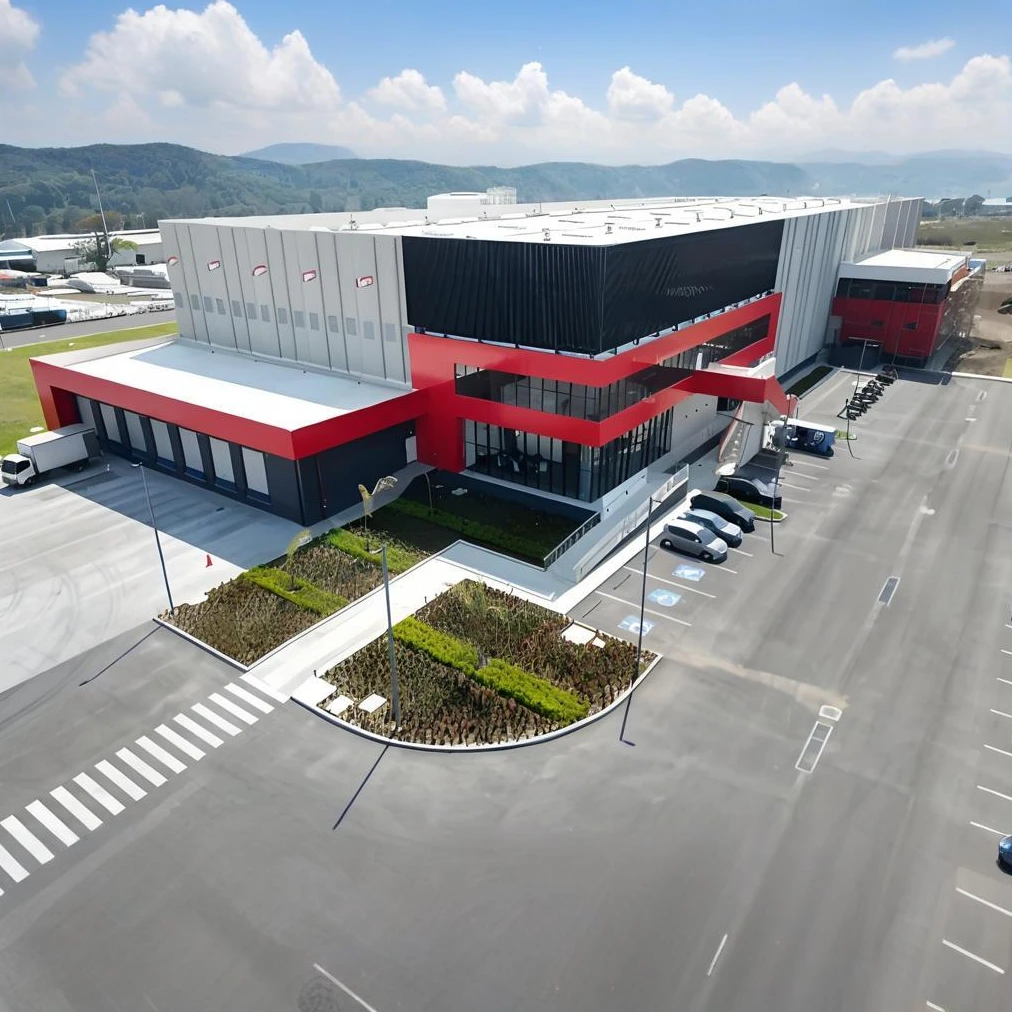
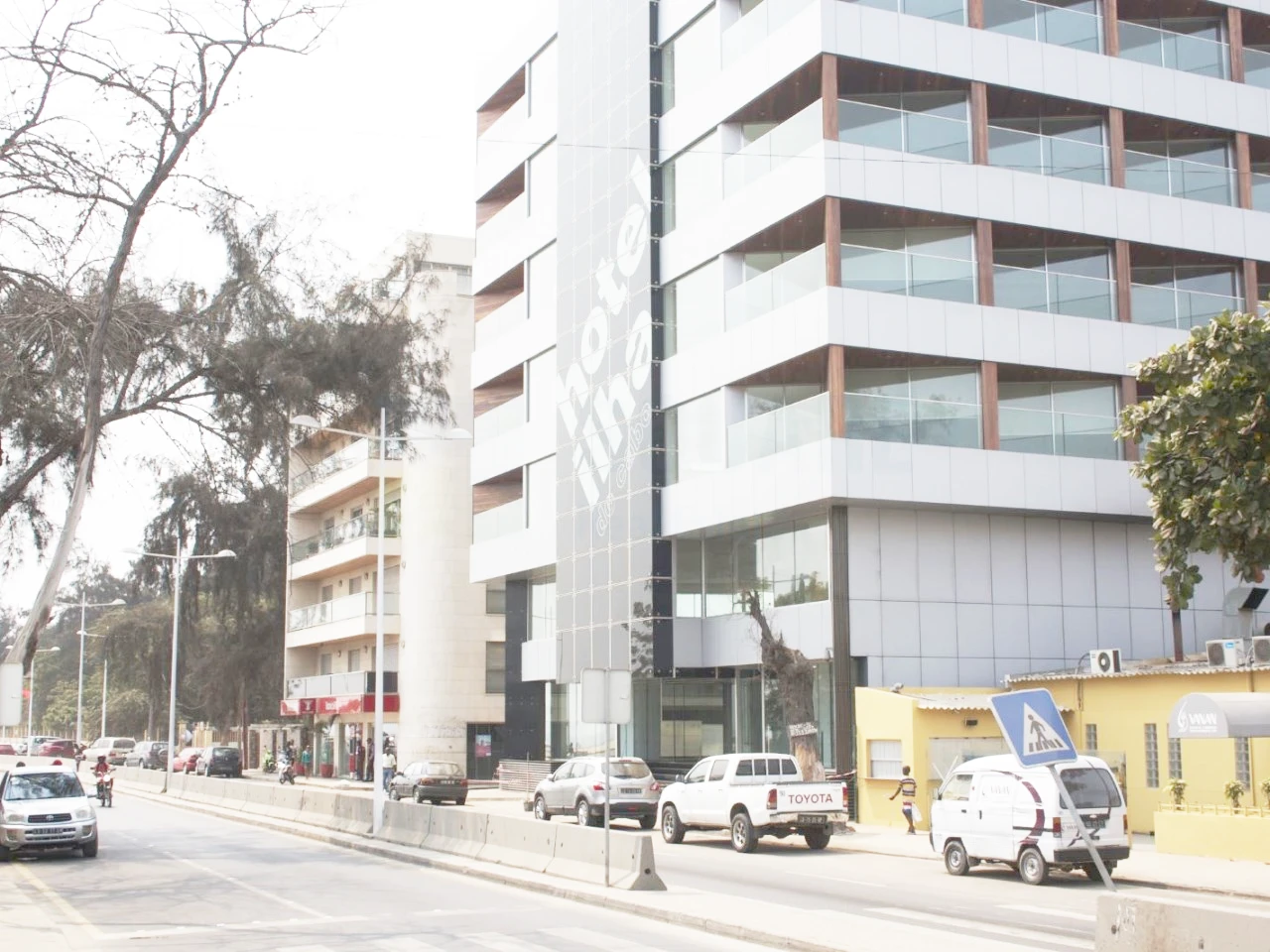
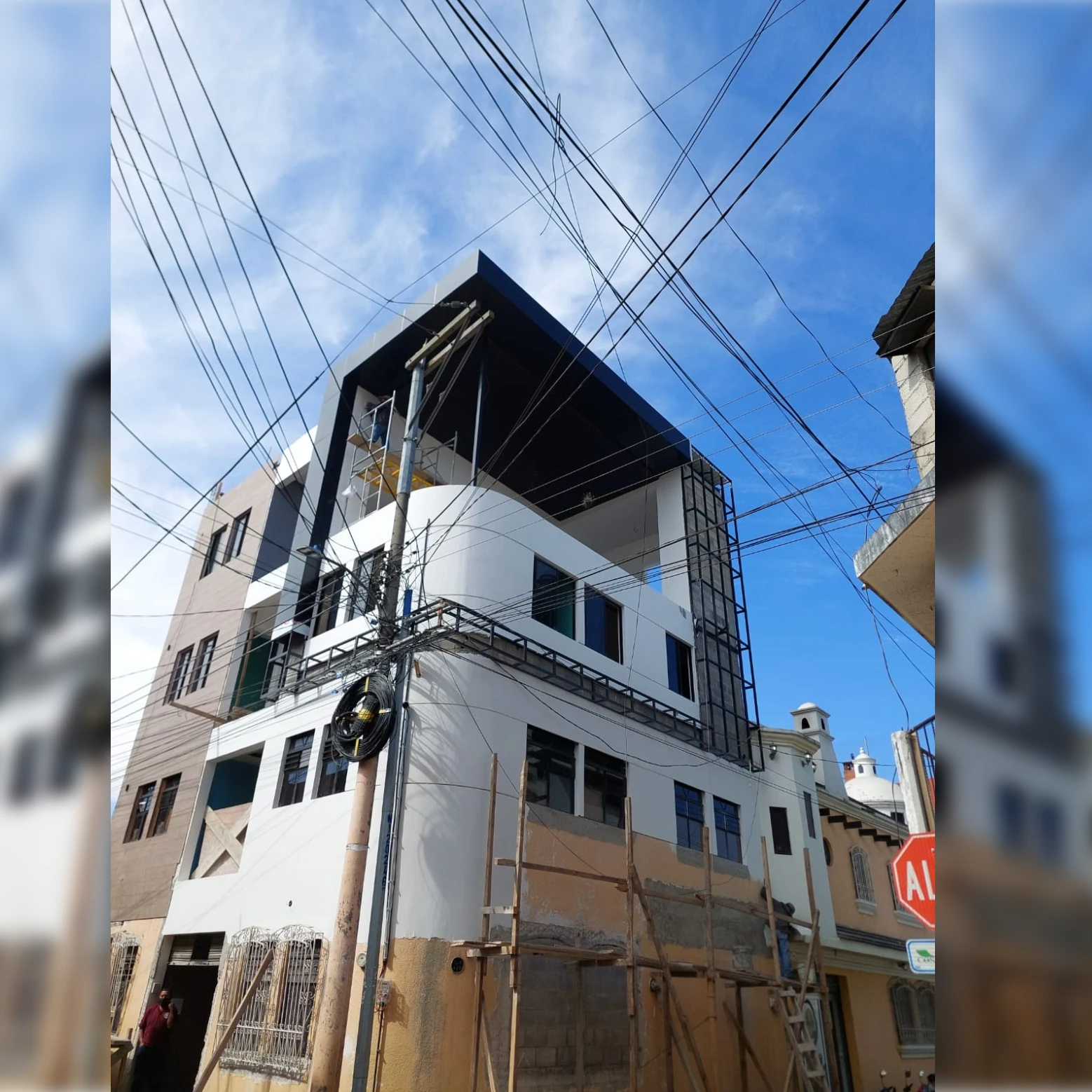
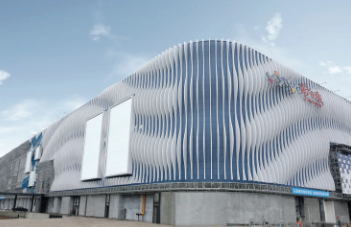
- Urban architecture: Skyscrapers, metro stations, and airports in Asia-Pacific, Europe, and North America often use aluminium composite cladding for their resilience and aesthetic appeal.
- Post-disaster shelter: Organizations like the UNHCR have explored modular shelters clad with aluminium composite panels to increase speed and durability in deployment.
- Remote industrial projects: Mining camps and oil rigs use ACPs because they provide excellent insulation and resist corrosion in tough environments.
- Advertising and signage: The panels are easy to print on, lightweight for display, and durable outdoors, making them popular in commercials, retail, and transit media.
The Middle East, with its intense sunlight and dusty conditions, also heavily relies on aluminium composite panel for sale with reflective coatings that lower cooling costs drastically — a real win for energy efficiency.
Aluminium Composite Panel Product Specification Table
| Specification |
Typical Value |
Unit |
| Panel Thickness |
3-6 |
mm |
| Core Type |
PE or Mineral Fire-Retardant |
- |
| Aluminium Skin Thickness |
0.3-0.5 |
mm |
| Standard Panel Size |
1220 x 2440 |
mm |
| Fire Rating |
B1 (fire retardant core) |
- |
| Weight |
4-6 |
kg/m² |
Vendor Comparison: Finding the Right Aluminium Composite Panel Supplier
| Feature |
Supplier A |
Supplier B |
Supplier C |
| Price per m² |
$12.50 |
$10.80 |
$11.75 |
| Lead time |
2 weeks |
3 weeks |
1.5 weeks |
| Customization options |
Extensive (color, print, finish) |
Moderate (color only) |
High (print & texture) |
| Warranty |
10 years |
5 years |
8 years |
| Fire Rating Available |
Yes (B1 class) |
No |
Yes (B2 class) |
Advantages and Long-Term Value of ACPs
Look, it’s not just about quick fixes. Aluminium composite panels deliver on several long-term promises:
- Reduced Energy Costs: The panels’ insulating properties help manage indoor temperature, meaning less reliance on HVAC systems.
- Low Maintenance: Unlike wood or metal facades that fade, rust, or rot, ACPs largely keep their look for decades without extra paint or treatment.
- Environmental Impact: Being recyclable and lighter means transportation emissions drop, and raw material wastage is minimal.
- Safety & Dignity: In humanitarian efforts, these panels improve living conditions without compromising safety—a subtle but deeply important benefit.
At the emotional level, when you walk past a building clad in these panels, you’re experiencing the future of urban living—cleaner, safer, more beautiful. And there’s a certain peace in knowing the material itself is designed with sustainability in mind.
What’s Next? Innovations on the Horizon
The aluminium composite panel industry is evolving fast. Some emerging trends to watch include:
- Smart Panels: Incorporating photovoltaic cells or LED lighting directly into the panel surface for energy harvesting or dynamic building skins.
- Eco-friendly cores: Bio-based or recycled cores replacing polyethylene to enhance sustainability.
- Improved Fire Resistance: New composites designed to meet even stricter safety regulations.
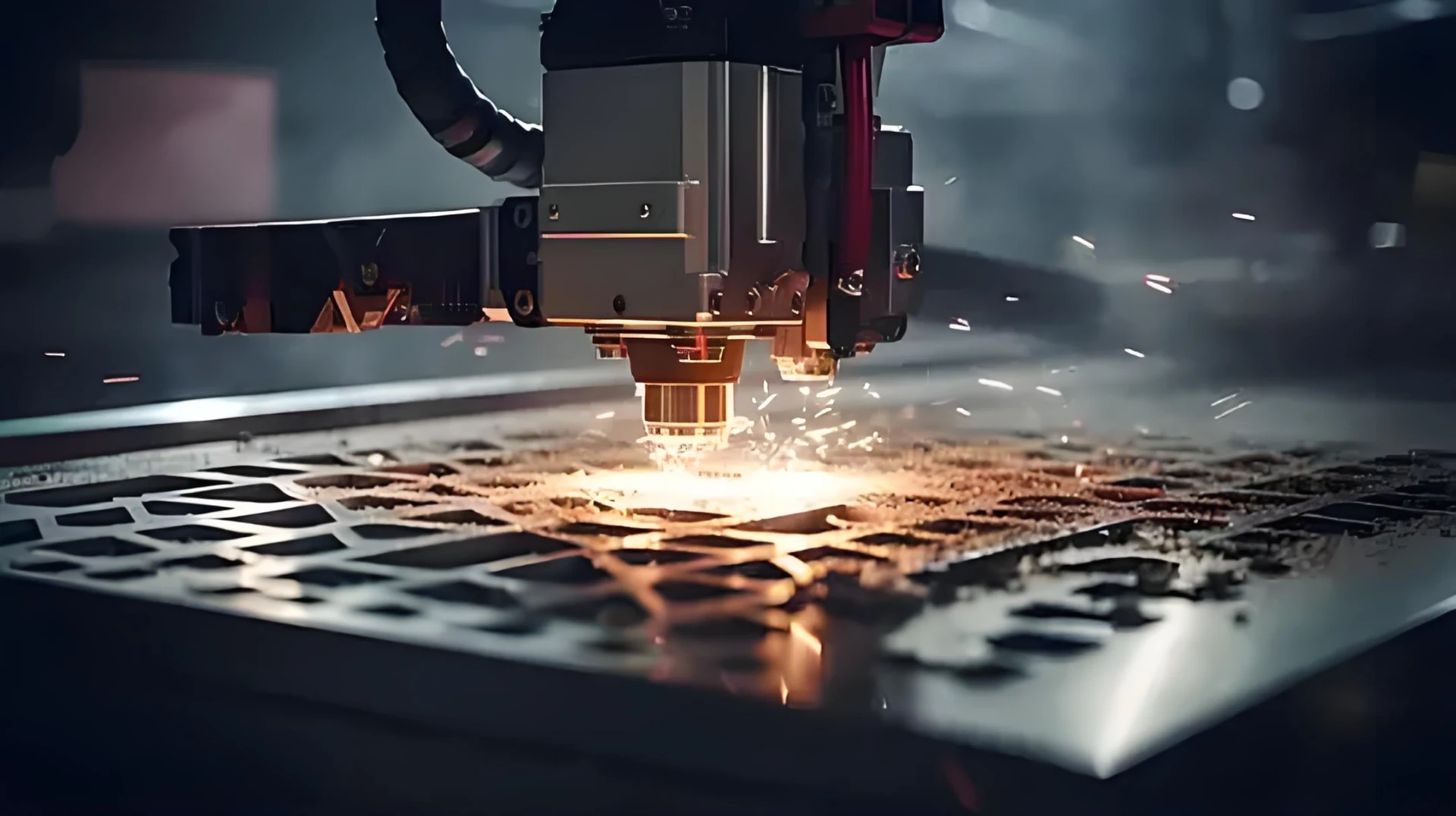
- Digital Fabrication: Automated cutting and finishing using AI-driven equipment that reduces waste and customizes orders swiftly.
It’s worth noting that innovation here doesn’t just mean shiny new things. It’s about building on what already works and fitting into the bigger picture of climate-smart construction.
Common Challenges and How the Industry Tackles Them
Of course, nothing’s perfect. Aluminium composite panels face challenges like:
- Fire Safety Concerns: Some older ACPs with polyethylene cores sparked criticism after fire incidents. That's why new standards and fire-retardant options are crucial.
- Environmental Concerns: Despite being recyclable, improper disposal is still an issue globally.
- Cost Hurdles: Higher upfront prices compared to conventional cladding deter some buyers.
Expert manufacturers deal with these challenges by innovating core materials, educating customers on lifecycle cost analysis, and enhancing recycling programs.
Frequently Asked Questions About Aluminium Composite Panels
Q1: How durable are aluminium composite panels compared to traditional cladding?
ACPs offer excellent durability, often lasting 20+ years without significant deterioration. Their resistance to weather, corrosion, and UV radiation typically outperforms traditional materials like wood or steel in many environments.
Q2: Can ACPs be used in fire-prone areas safely?
Yes, provided panels with fire-retardant mineral cores and relevant certifications are used. Always check for compliance with local fire safety regulations before installation.
Q3: How customizable are these panels in design and color?
Extremely customizable. ACPs can be produced in a vast array of colors, finishes, and printed graphics, making them popular for architects who want unique aesthetics.
Q4: Are aluminium composite panels eco-friendly?
They are recyclable and contribute to energy savings. However, it depends on correct disposal and use of newer eco-cores to ensure full environmental benefits.
Q5: Where can I find reliable aluminium composite panel for sale?
Several reputable suppliers offer ACPs with warranties and certifications. For quality assurance and competitive pricing, visit our website.
Wrapping Up: Why Aluminium Composite Panels Are a Smart Investment
In a nutshell, aluminium composite panels are doing more than just dressing buildings; they are shaping the future of durable, sustainable, and beautiful construction. For developers, architects, and even international humanitarian organizations, ACPs offer a way to build smarter and cleaner.
Whether you prioritize longevity, design freedom, or sustainability, these panels deliver all three with a certain understated flair.
If you’re considering next-level building materials, there’s no harm in checking out high-quality aluminium composite panel for sale options — they might just surprise you.