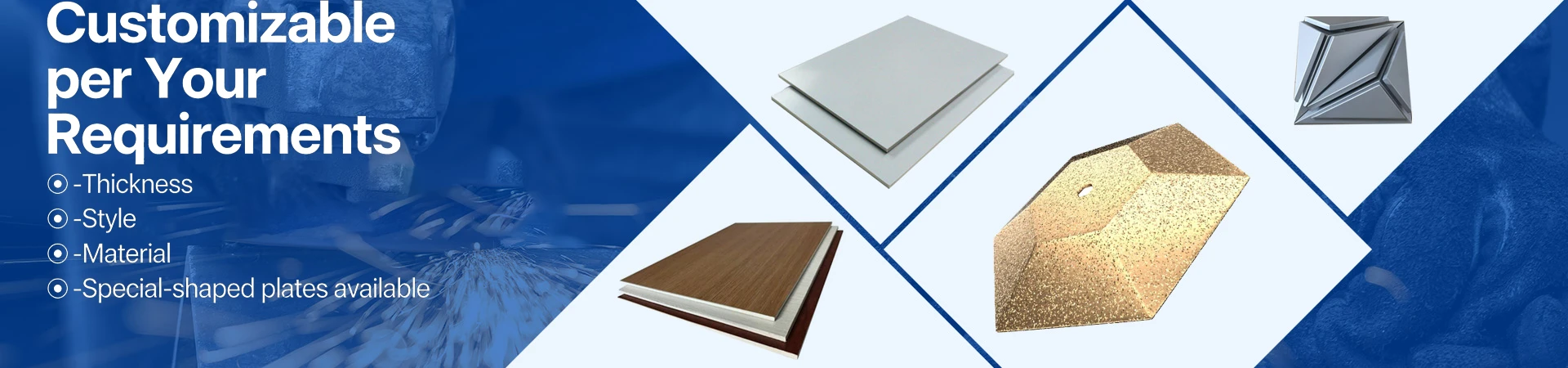
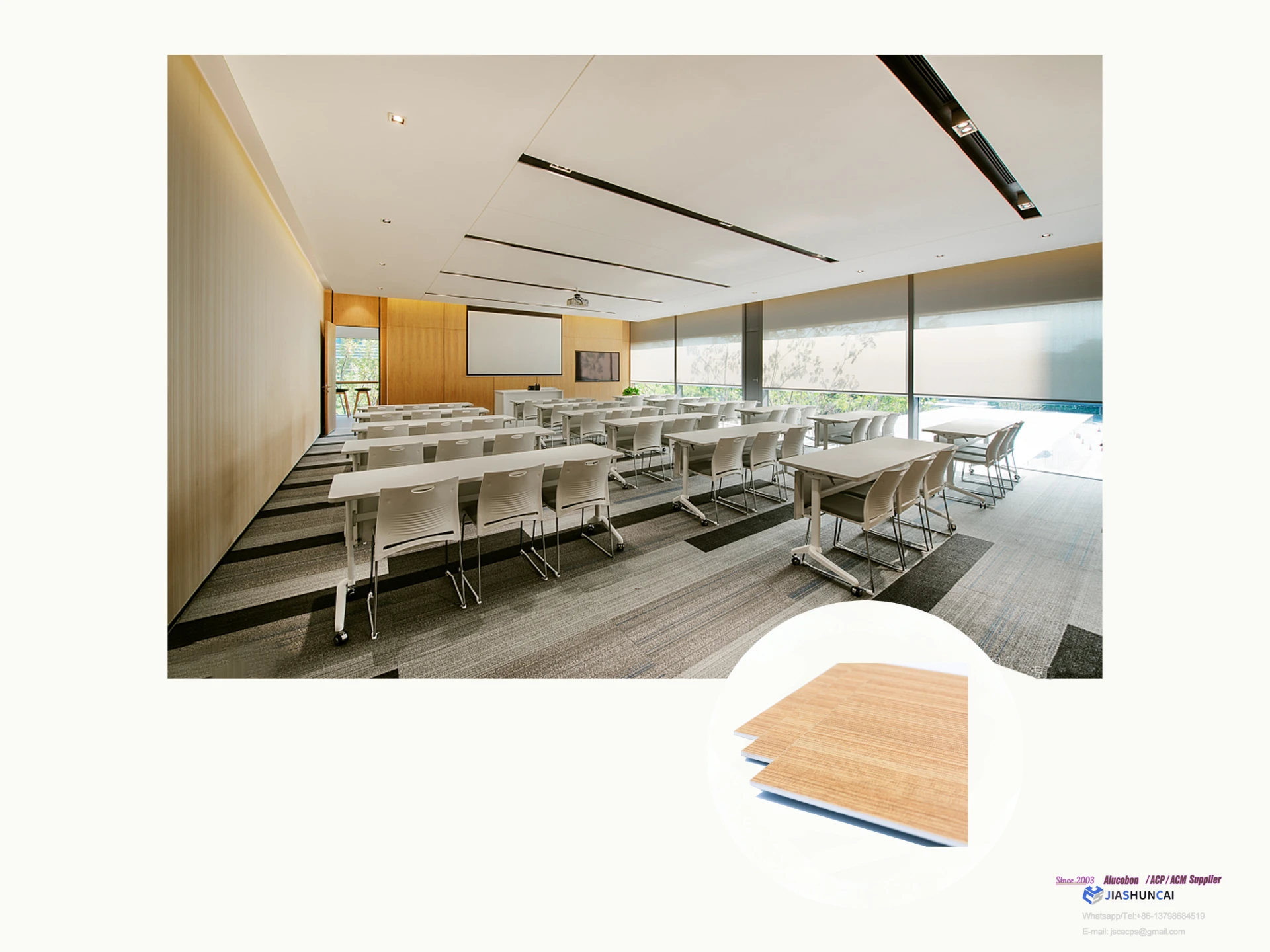
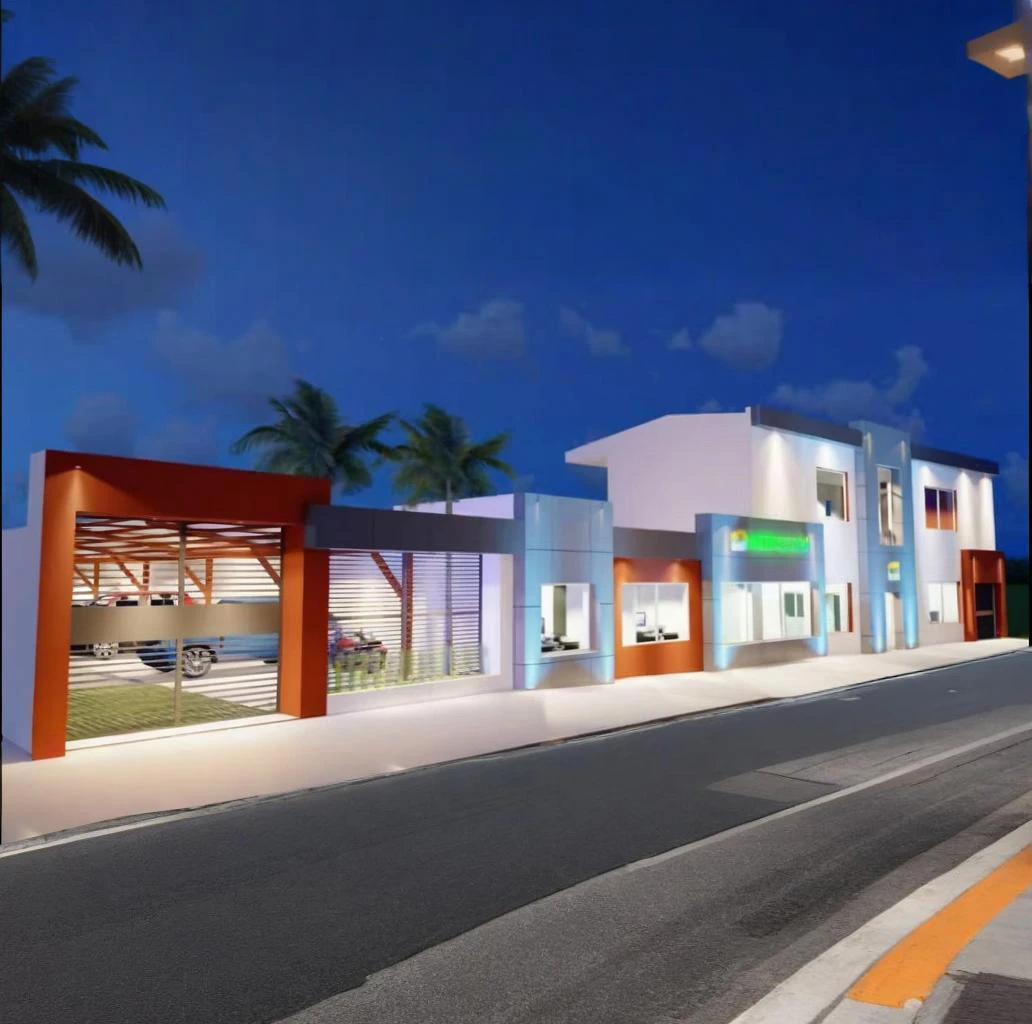
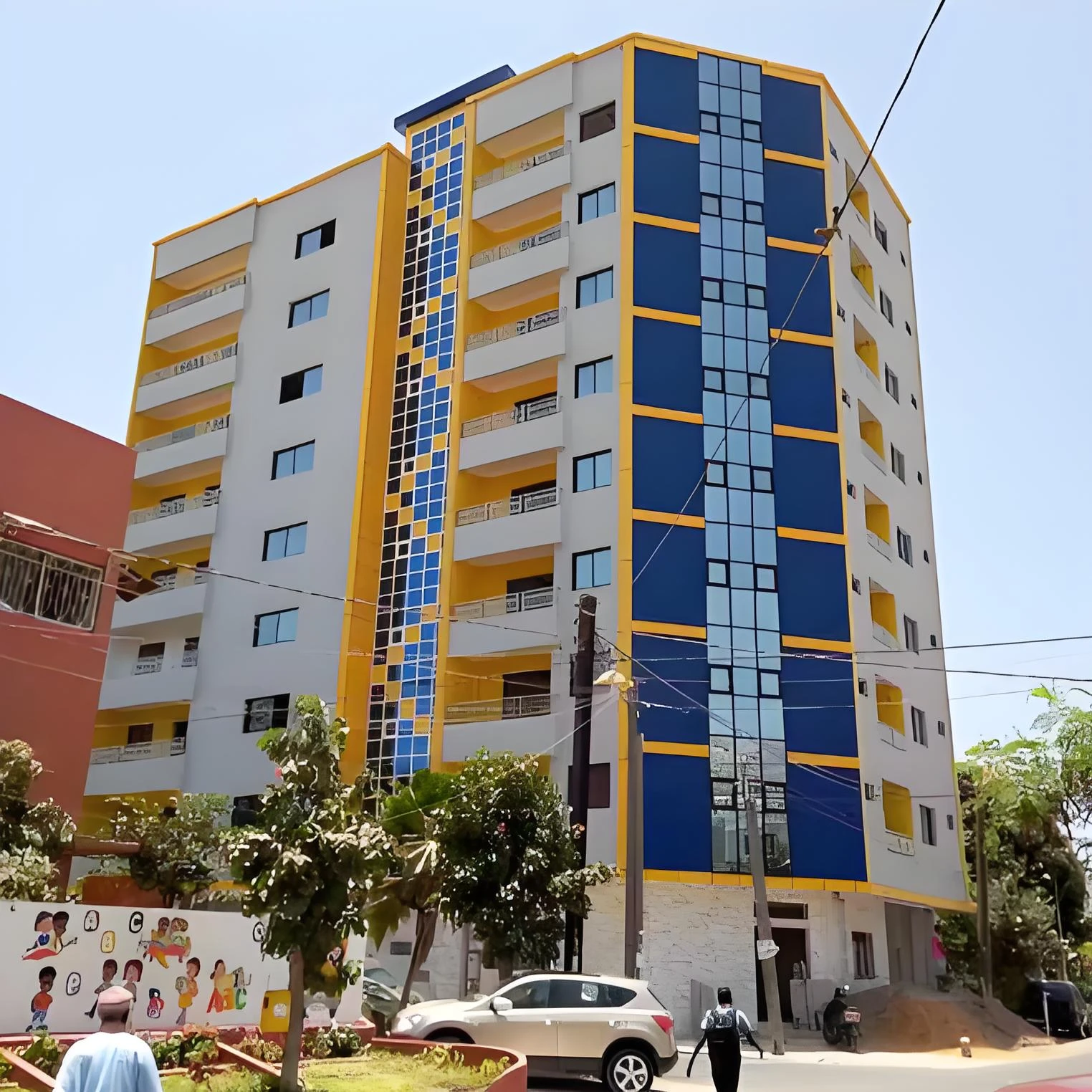
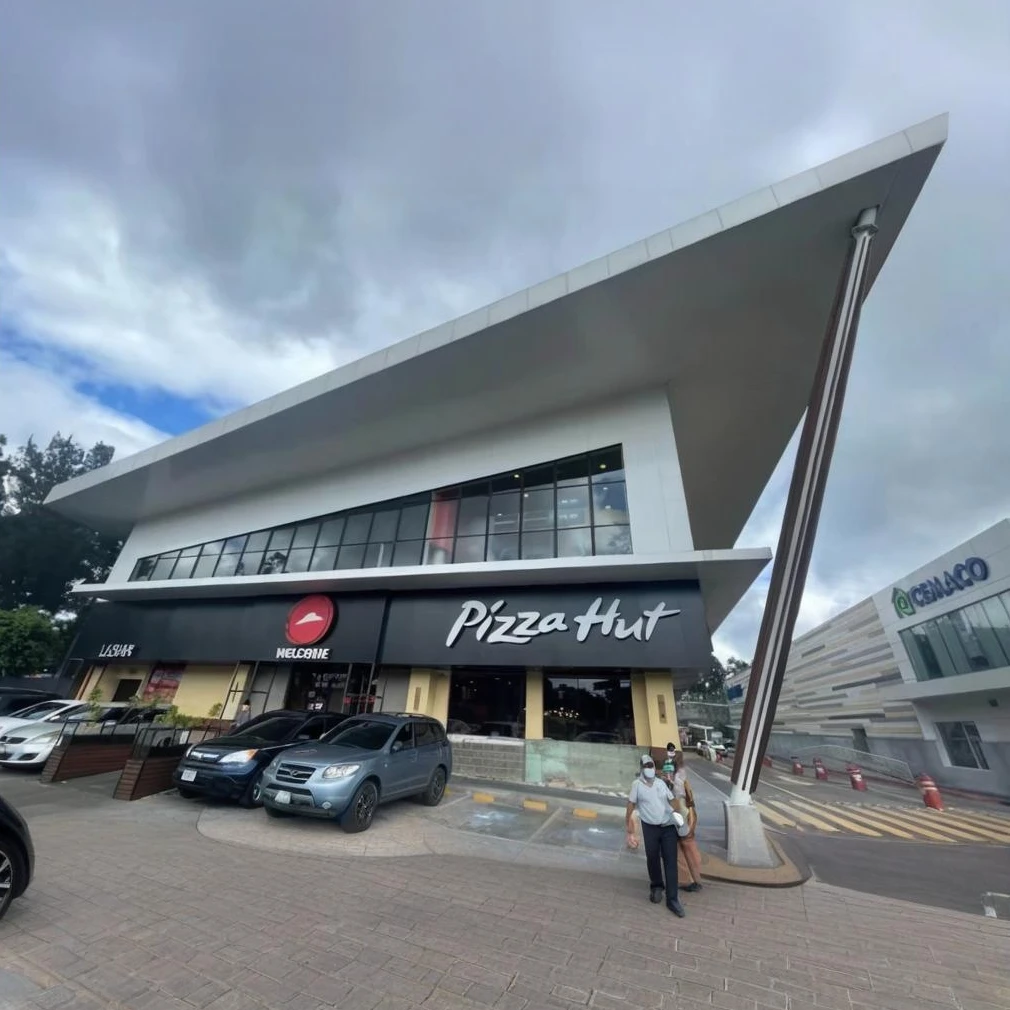
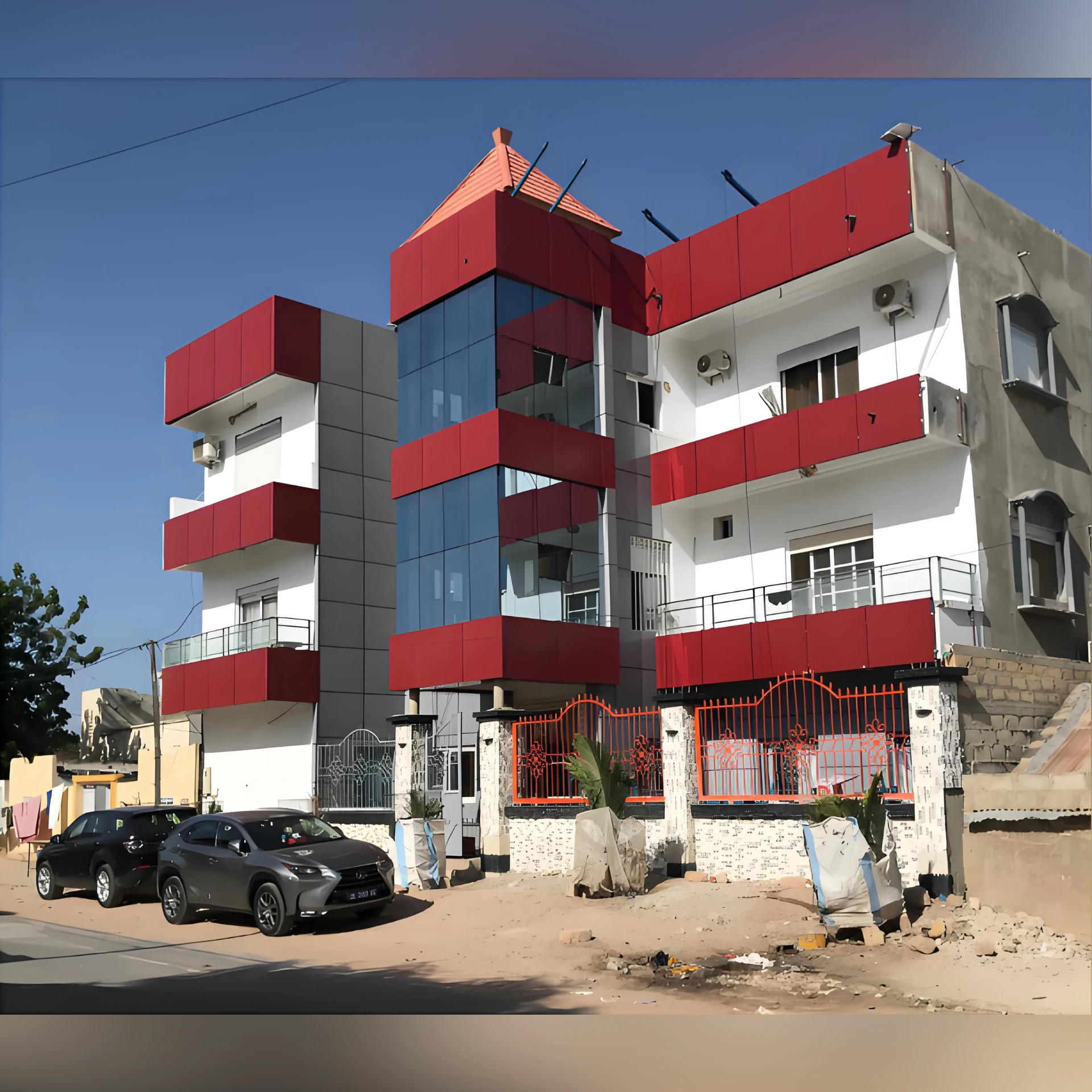
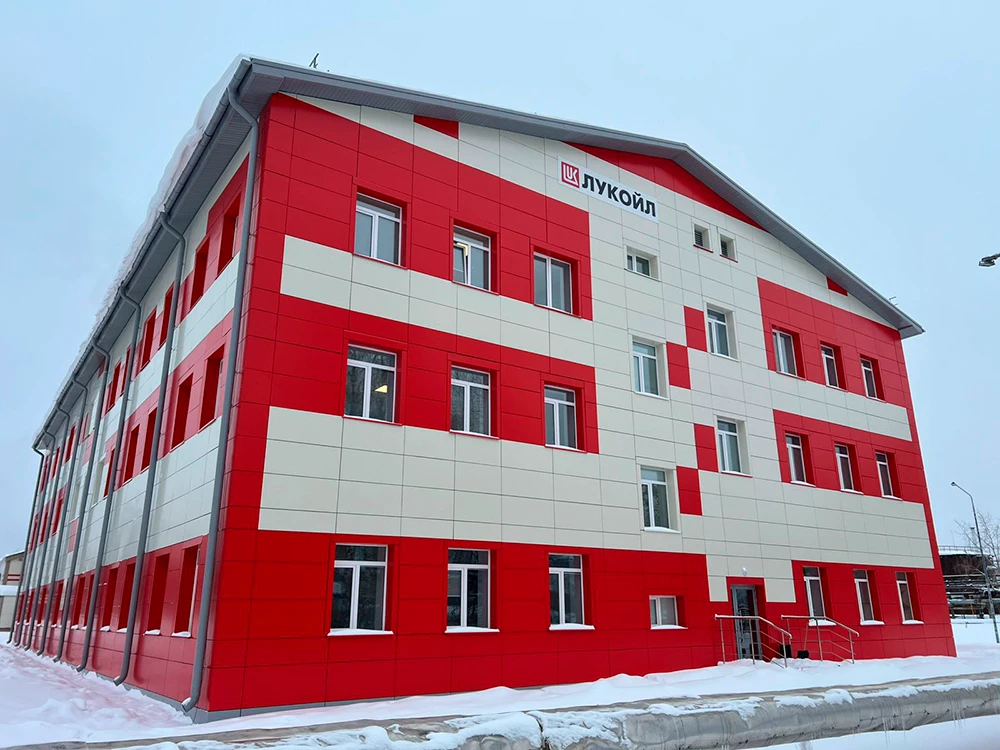
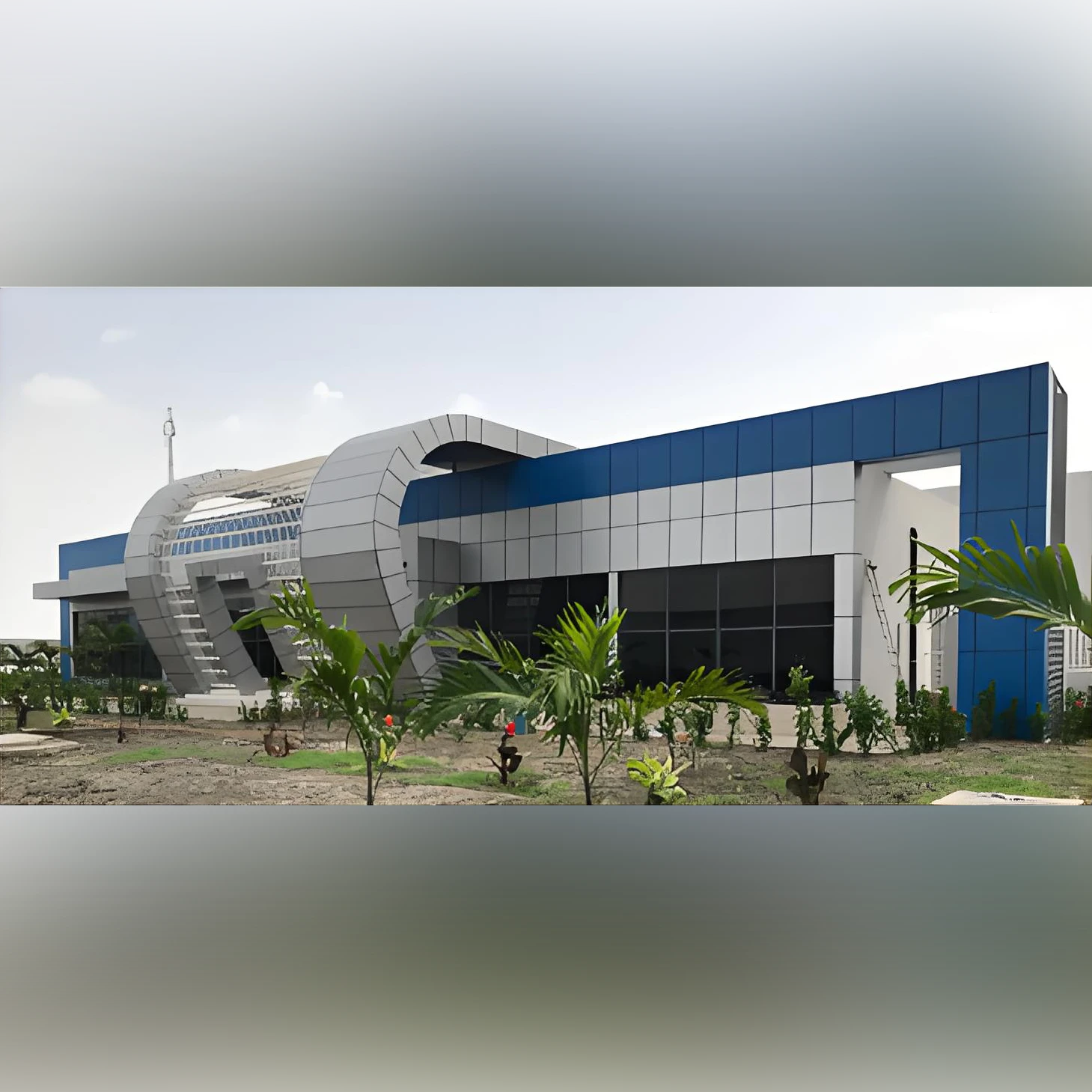
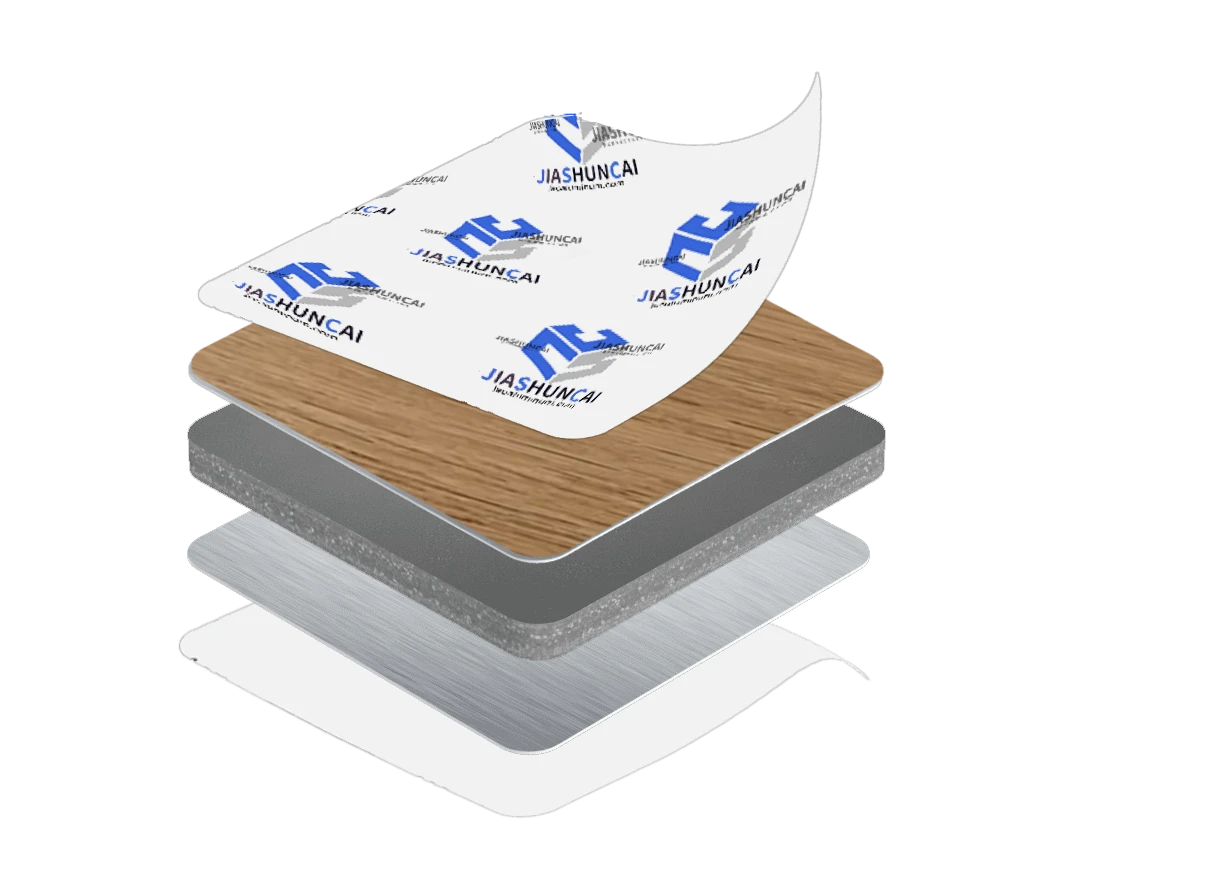
ACP aluminium panel (Aluminum Composite Panel) is the most common term for this revolutionary cladding material. It describes a sandwich panel consisting of two thin, coil-coated aluminum sheets bonded to a core material, typically polyethylene (PE) or a fire-retardant mineral core. The result is a panel that combines the best properties of its components. The
ACP aluminium panel offers the aesthetic appeal, weather resistance, and metallic finish of aluminum, but with dramatically improved flatness, rigidity, and workability due to its composite structure. It is lightweight, making it easier and cheaper to transport and install than solid aluminum sheets, yet it maintains a robust, high-end appearance. This makes the
ACP aluminium panel the go-to choice for modern facades, interior features, and signage.
An Alternative Name: The Versatility of ACM panels
ACM panels (Aluminum Composite Material Panels) is simply another name for the same product. The terms ACP and ACM are used interchangeably in the industry. When architects or contractors specify
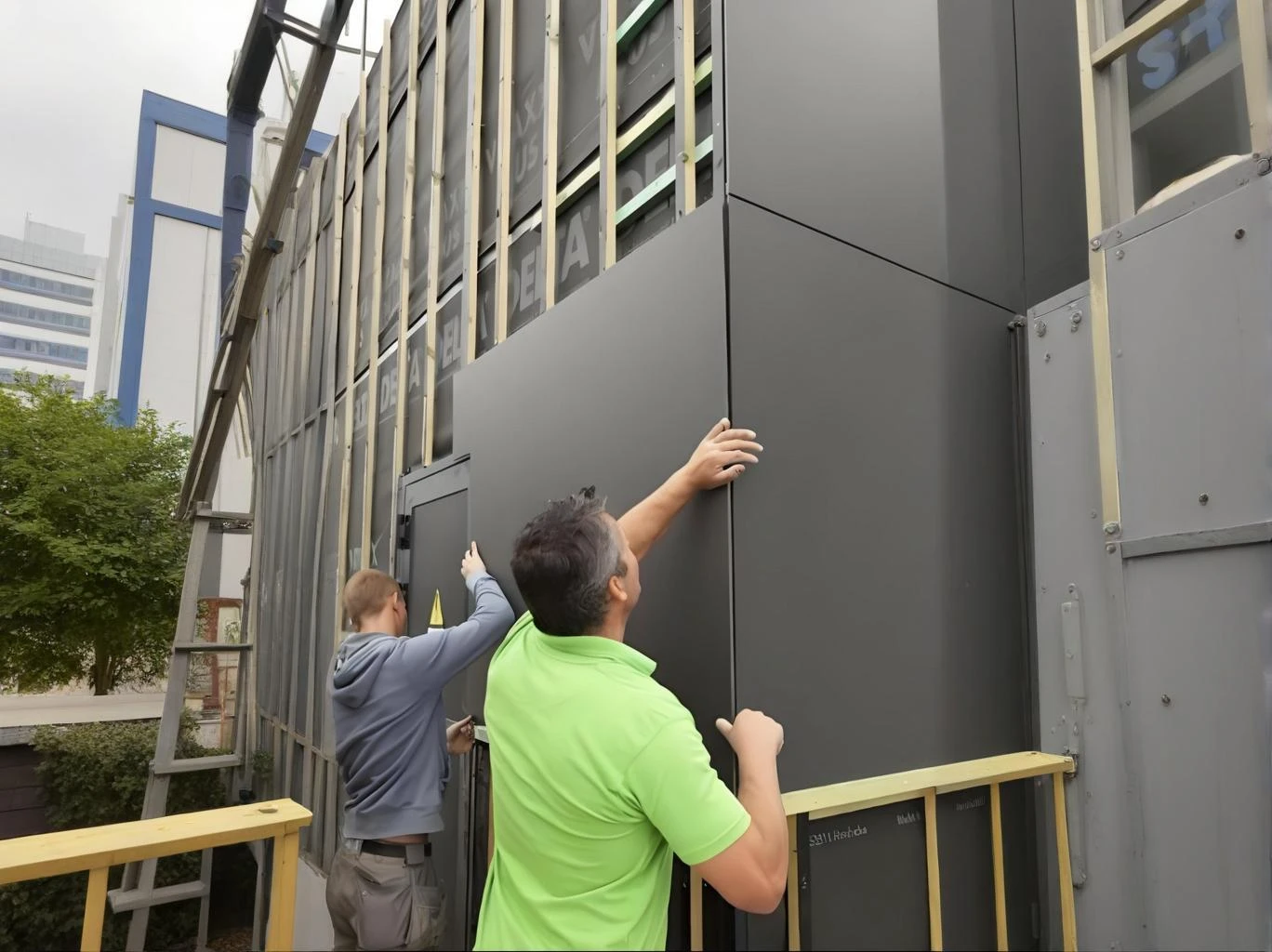
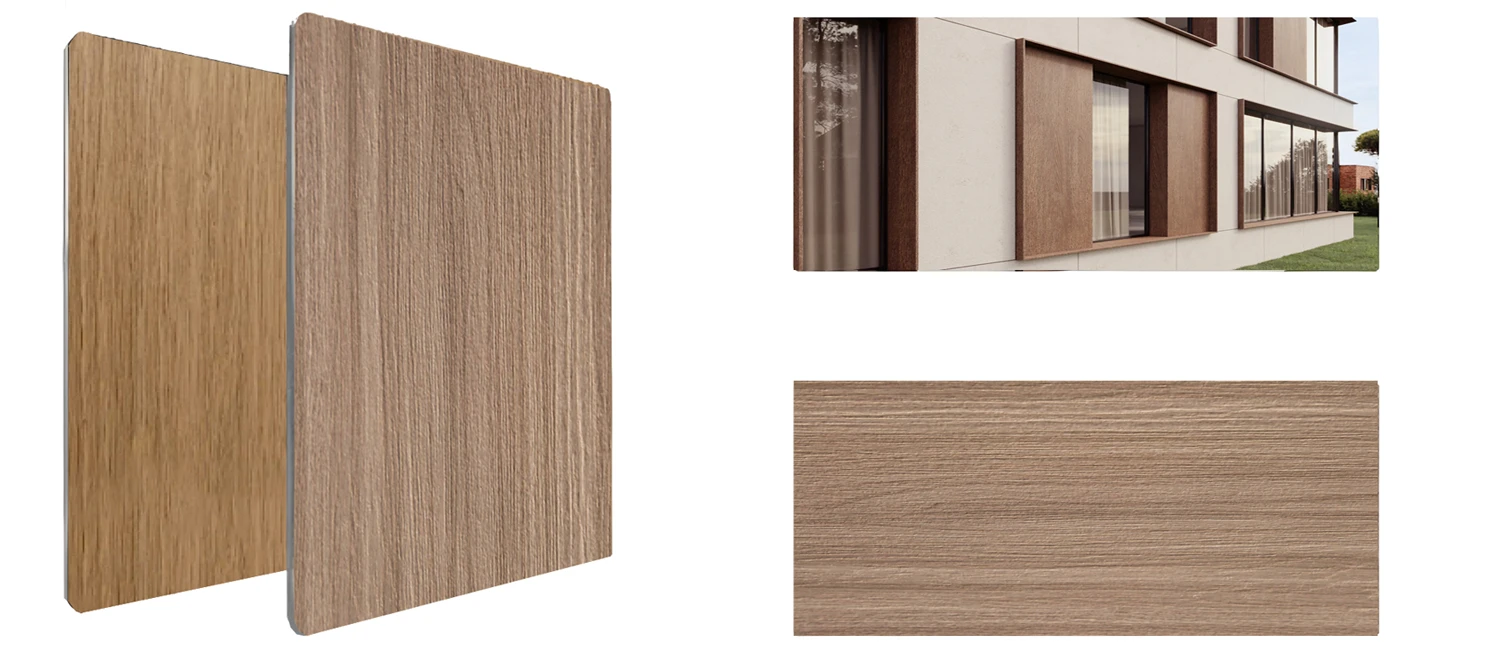
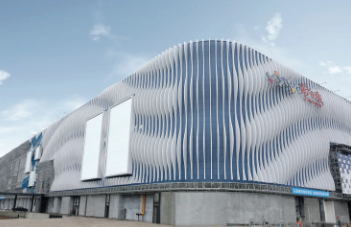
ACM panels, they are looking for the same core benefits: a flat, smooth surface ideal for creating seamless, sleek facades; excellent formability for creating dramatic curves and angles; and a wide range of colors and finishes, including metallic, solid, stone, and wood effects. The versatility of
ACM panels allows for incredible creative freedom in building design, enabling the creation of iconic, eye-catching structures that are also practical and long-lasting.
The Engineered Solution: Performance of aluminum composite metal panels
The term
aluminum composite metal panels emphasizes the engineered, high-performance nature of the product. These are not decorative veneers; they are engineered building envelope components. Modern
aluminum composite metal panels are designed with performance in mind. Key advancements include the use of
fire-retardant mineral cores to meet stringent building safety codes, and
high-performance fluorocarbon coatings that provide exceptional resistance to UV fading, chalking, and chemical corrosion. This focus on performance makes
aluminum composite metal panels suitable for the most demanding applications: high-rise towers, airports, hospitals, and buildings in harsh coastal or industrial environments, where longevity and safety are paramount.
The Science Inside: Deconstructing aluminum composite panel material
The outstanding properties of ACP/ACM stem from its composite aluminum composite panel material structure. It is a perfect example of material synergy: 1. Outer Skins: Typically 0.2mm to 0.5mm thick pre-painted aluminum sheets. The coating technology is critical for durability. 2. Core Layer: This is the defining component. Polyethylene (PE) Core: Standard, cost-effective, with good insulation and rigidity. Fire-Retardant (FR) Mineral Core: A blend of minerals and non-combustible materials, it chars rather than burns, dramatically improving fire performance. 3. Adhesive: A high-strength polymer adhesive bonds the skins to the core under heat and pressure, creating a cohesive unit. Understanding the aluminum composite panel material composition is essential for selecting the right panel for a project, balancing factors of cost, aesthetics, fire rating, and formability.
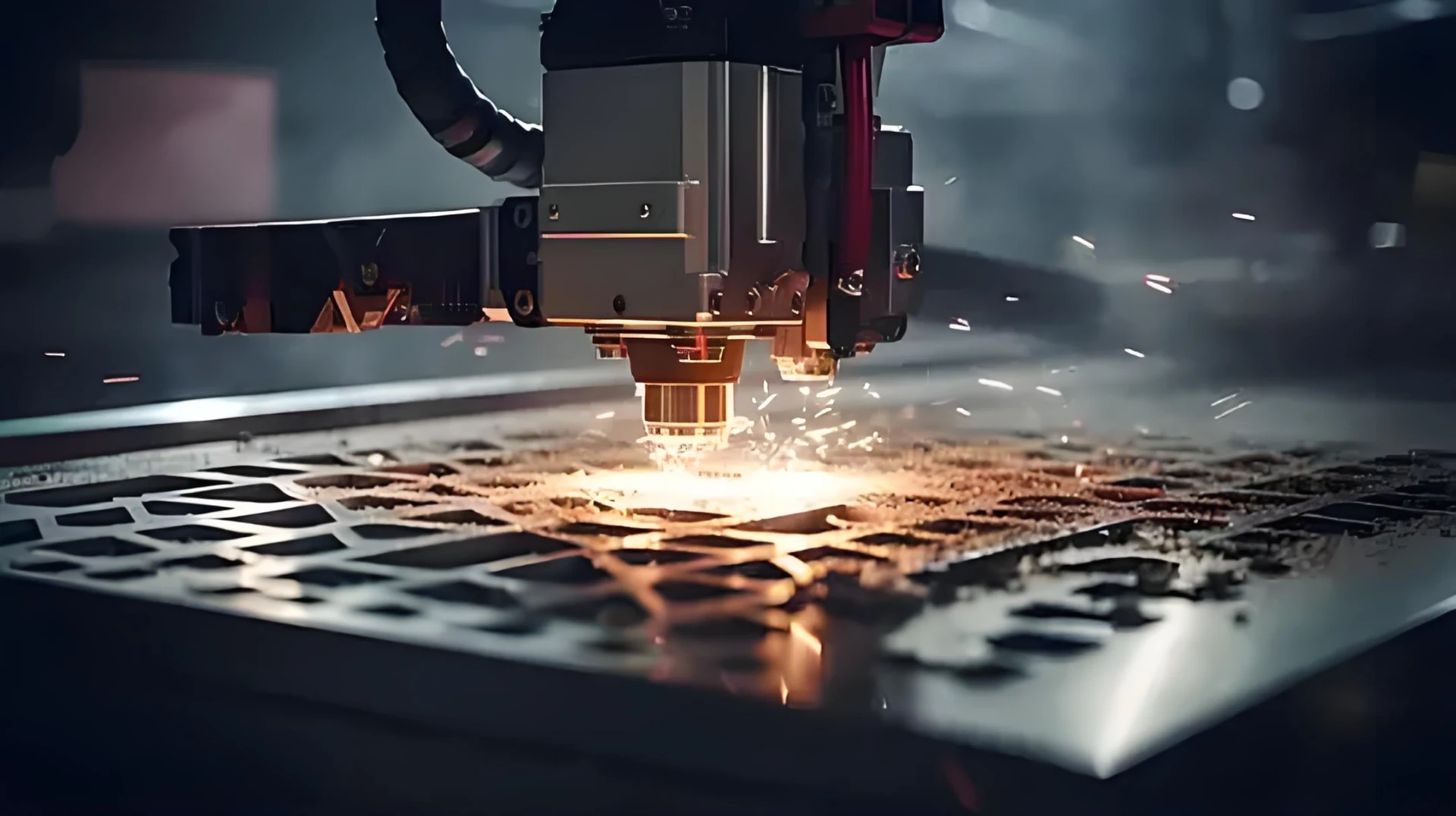
Specifying and sourcing the right aluminum composite panel requires a partner with technical expertise and a commitment to quality. We are a leading manufacturer of high-performance aluminum composite metal panels. We produce premium ACP aluminium panel and ACM panels that meet and exceed international standards. Our product range includes both standard PE-core panels for interior and low-rise applications, and advanced fire-retardant mineral-core panels for demanding exterior cladding. We control the entire manufacturing process, from sourcing high-quality aluminum coils with premium coatings to precision lamination, ensuring every sheet of our aluminum composite panel material delivers consistent flatness, color, and performance. We serve architects, contractors, and facade specialists worldwide, providing the material that turns visionary designs into durable, beautiful realities.
Ready to clad your building with a material that combines stunning aesthetics, proven durability, and unparalleled design flexibility? Don't settle for less than a proven, high-performance solution.
Visit our website to explore our full range of ACP aluminium panel colors, finishes, and core types. Download technical data sheets, fire test reports, and installation guides for our ACM panels. Contact our technical sales team for a project consultation. Share your design vision and performance requirements, and we will recommend the ideal aluminum composite metal panels—whether for a curved feature wall or a full building envelope. Request material samples to see and feel the quality of our aluminum composite panel material firsthand.
Choose the panels that architects trust. Build with confidence, build with beauty. Click to connect with us and request a quote for your next iconic facade.
Aluminum Composite Panel FAQs
What is the main difference between ACP aluminium panel with PE core and FR core?
The core material defines the panel's fire performance. PE (Polyethylene) Core is plastic-based, cost-effective, and has good rigidity, but is combustible. It's used for interiors or signage. FR (Fire-Retardant) Mineral Core is made from non-combustible mineral fillers. It does not melt or aid flame spread, achieving much higher fire safety ratings. FR core panels are mandatory for exterior cladding on most medium to high-rise buildings under modern codes. Always specify the correct core for the application.
Are ACM panels suitable for curved facades?
Yes, one of the greatest advantages of ACM panels is their excellent formability. Due to the composite structure, they can be cold-formed (bent) on-site to create simple curves, or factory-formed into complex shapes. This allows for the creation of dramatic, flowing architectural forms that would be difficult or impossible with many other materials. The minimum bending radius depends on the panel thickness and the direction of the bend.
How do aluminum composite metal panels handle thermal expansion?
aluminum composite metal panels are designed to accommodate thermal movement. The panel itself has a very low coefficient of thermal expansion compared to solid metal. More importantly, the installation system (the substructure and fixing method) is specifically engineered to allow the panels to expand and contract independently without buckling or stressing the joints. Proper design of expansion joints in the supporting framework is critical for long-term performance.
What determines the longevity and color stability of the aluminum composite panel material?
Longevity is primarily determined by the quality of the aluminum coating. Top-tier panels use a high-performance fluorocarbon resin-based coating applied in a controlled factory environment. This coating provides superior resistance to UV rays, preventing fading and chalking for decades. Inferior coatings will degrade much faster. Always verify the coating specification when selecting an aluminum composite panel material.
Can damaged ACP aluminium panel sections be replaced?
Yes, a key benefit of a rainscreen cladding system using ACP aluminium panel is that individual panels can be replaced if damaged, without affecting the entire facade. The panelized system allows for the removal of a single sheet and the installation of a new one. It is crucial to keep a small stock of panels from the original production batch for color matching, as colors can vary between different manufacturing runs.