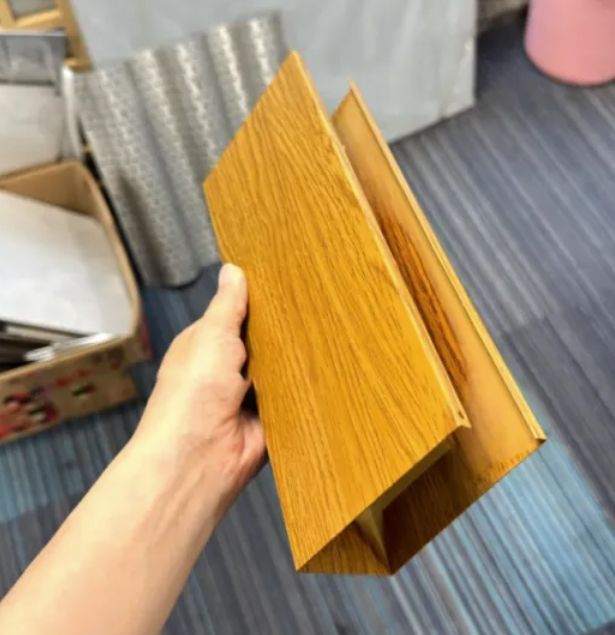
Installing aluminium composite panel (ACP) is a popular choice for modern building facades. Known for its versatility, durability, and aesthetic appeal, ACP installation requires careful planning and execution. This guide provides a detailed overview of the process, from preparation to finishing, ensuring a successful and long-lasting installation. We will cover key considerations for both DIY enthusiasts and professional installers, focusing on best practices and industry standards. There are several installation methods for ACP, each suited to different building designs and project requirements. Common systems include wet-seal, dry-seal (cassette), and riveted systems. The wet-seal system utilizes silicone or polyurethane sealant to bond the panels to the substrate. The dry-seal system, often preferred for its ease of maintenance and replacement, employs mechanical fasteners and pressure plates. Finally, the riveted system is a more traditional method that offers a cost-effective solution, though it may be less visually seamless.
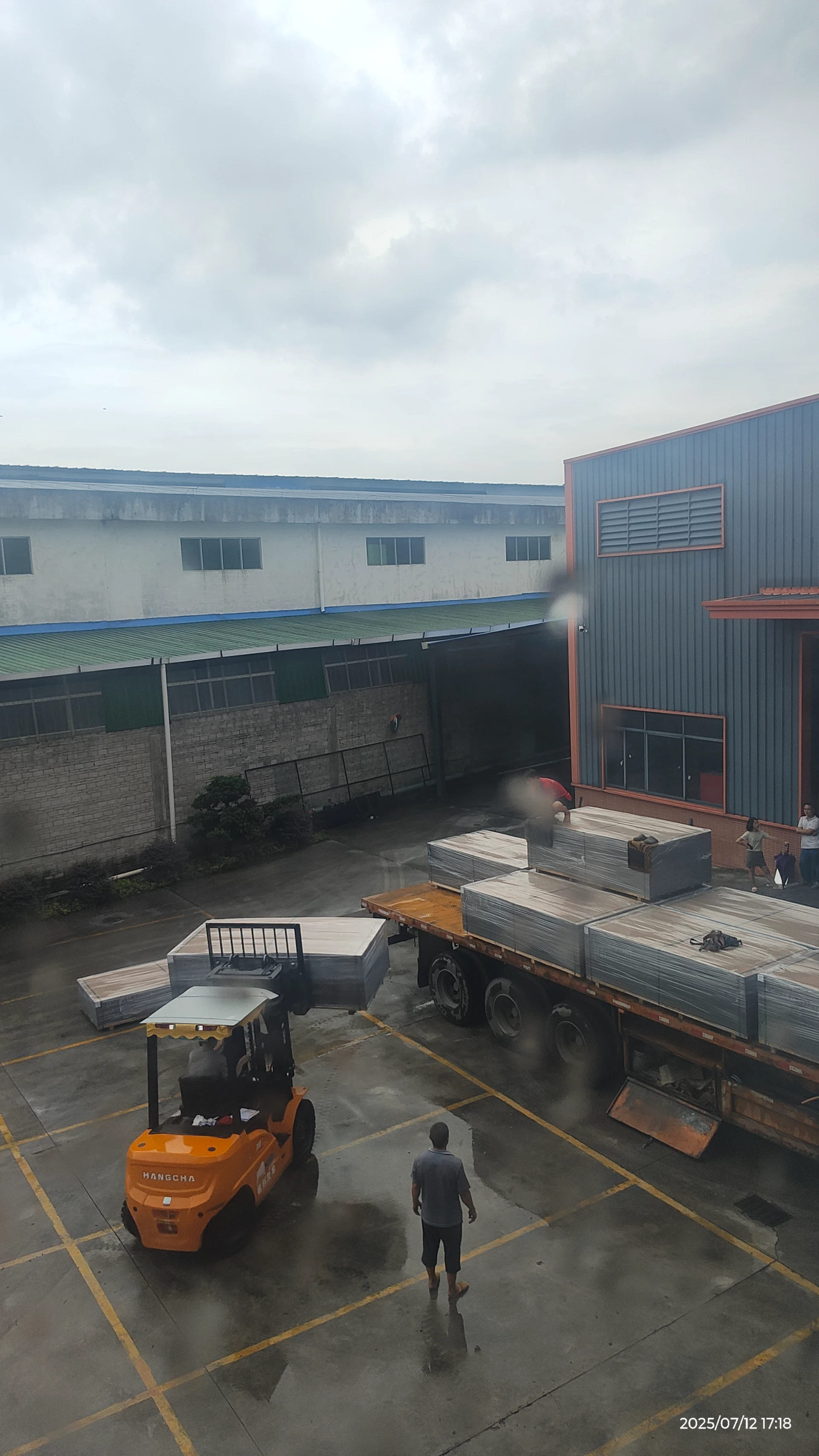
He rekoata tuuturu o te konumohe hiato panel Jiashuncai wheketere uta ipu i nga ra ua, te kounga me te ratonga i nga wa katoa i runga ipurangi! I roto i te ahumahi panui kirihou konumohe, ko te tuku i te waa ko te kokonga o te whakawhirinaki ki nga kaihoko. Heoi, ko nga huarere ohorere, ina koa ko te ua ohorere, ka waiho hei wero nui i roto i te kawenga o nga ipu me nga mahi kawe. Ko te ua e kore e pa ki te haumaru whakahaere engari ka whakararu hoki i te kounga o nga hua. Me pehea te whakaoti tika me te haumaru i te utaina o nga ipu i nga ra ua, me te whakarite kia eke nga waahi katoa o te papa kirihou konumohe i runga i tana haerenga me te kore he? Ehara tenei i te whakamatautau noa i nga kaha urupare ohorere o te wheketere engari e whakaatu ana i te wairua ngaio me te pono ki nga kaihoko. #jscaluminum
Against the backdrop of volatile raw-material costs and inconsistent fire-performance documentation that complicate aluminum composite panel procurement, JIASHUNCAI leverages factory-direct manufacturing, three continuously operating 24-hour production lines, and a comprehensive ISO 9001, A2/B1 fire-rated, RoHS, and REACH compliance documentation system to deliver specification-linked per-square-meter pricing and verifiable product quality to customers across more than 80 countries.
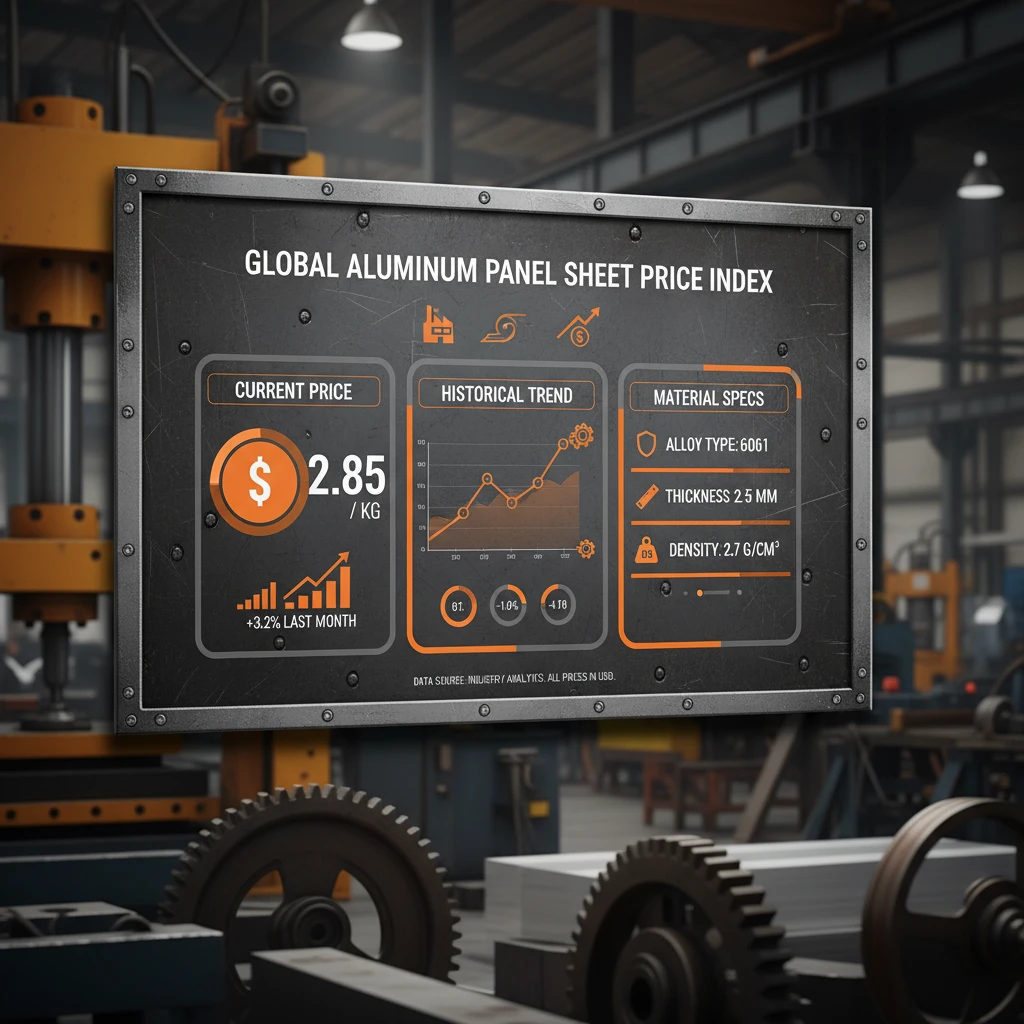
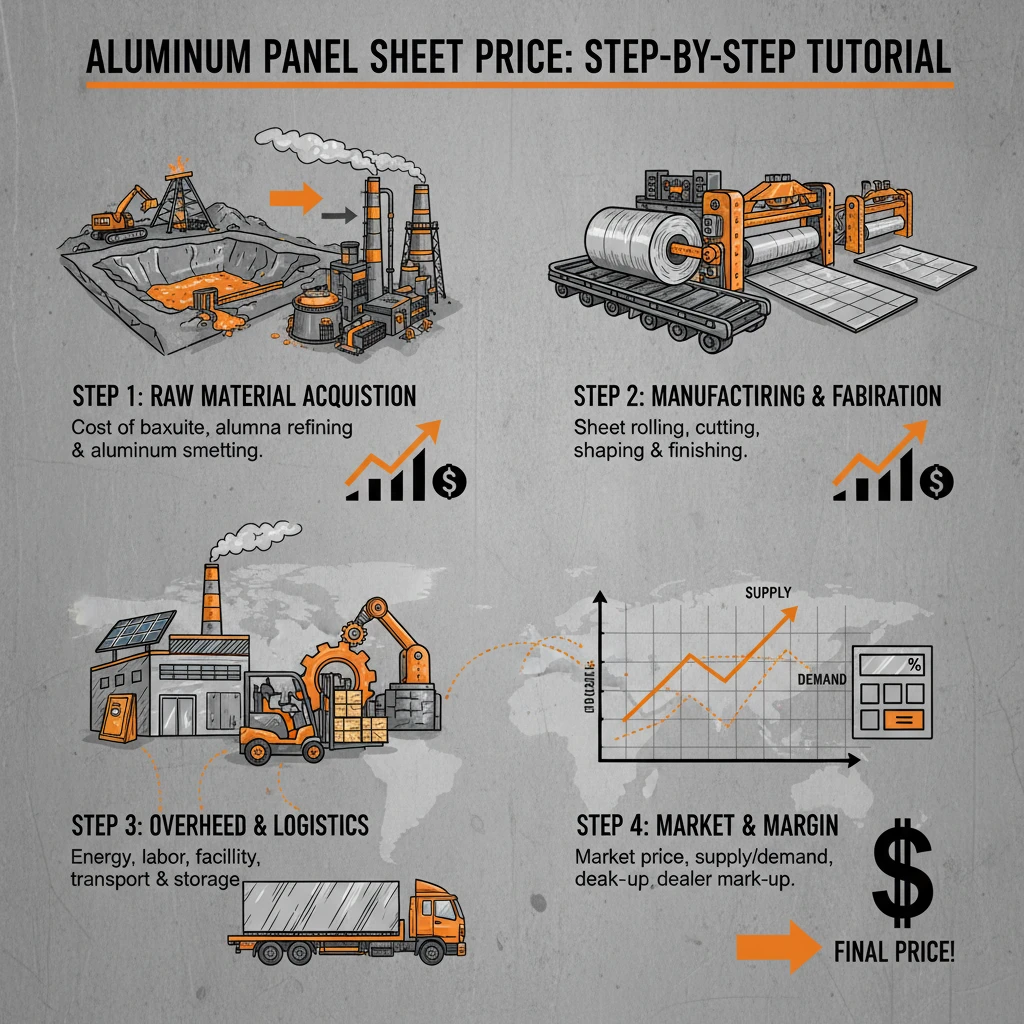
Navigating the world of aluminum panel sheet price can be complex. Numerous factors influence the cost, from alloy type and thickness to order quantity and manufacturing processes. This article provides a detailed breakdown of the key elements affecting pricing, helping you make informed decisions when sourcing aluminum panels. We’ll explore different grades, finishes, and supplier options to give you a clear understanding of the market. Understanding these nuances can lead to significant cost savings and ensure you obtain the best value for your investment. Several factors contribute to the final aluminum panel sheet price. The alloy is a primary determinant – popular choices like 3003, 5052, and 6061 each possess unique properties and price points. Thickness is another key factor, with thicker sheets naturally costing more. Temper (the hardness of the aluminum) also plays a role. Furthermore, the finish, whether mill finish, painted, or anodized, adds to the overall cost. Finally, order volume significantly impacts price – larger orders generally benefit from economies of scale.