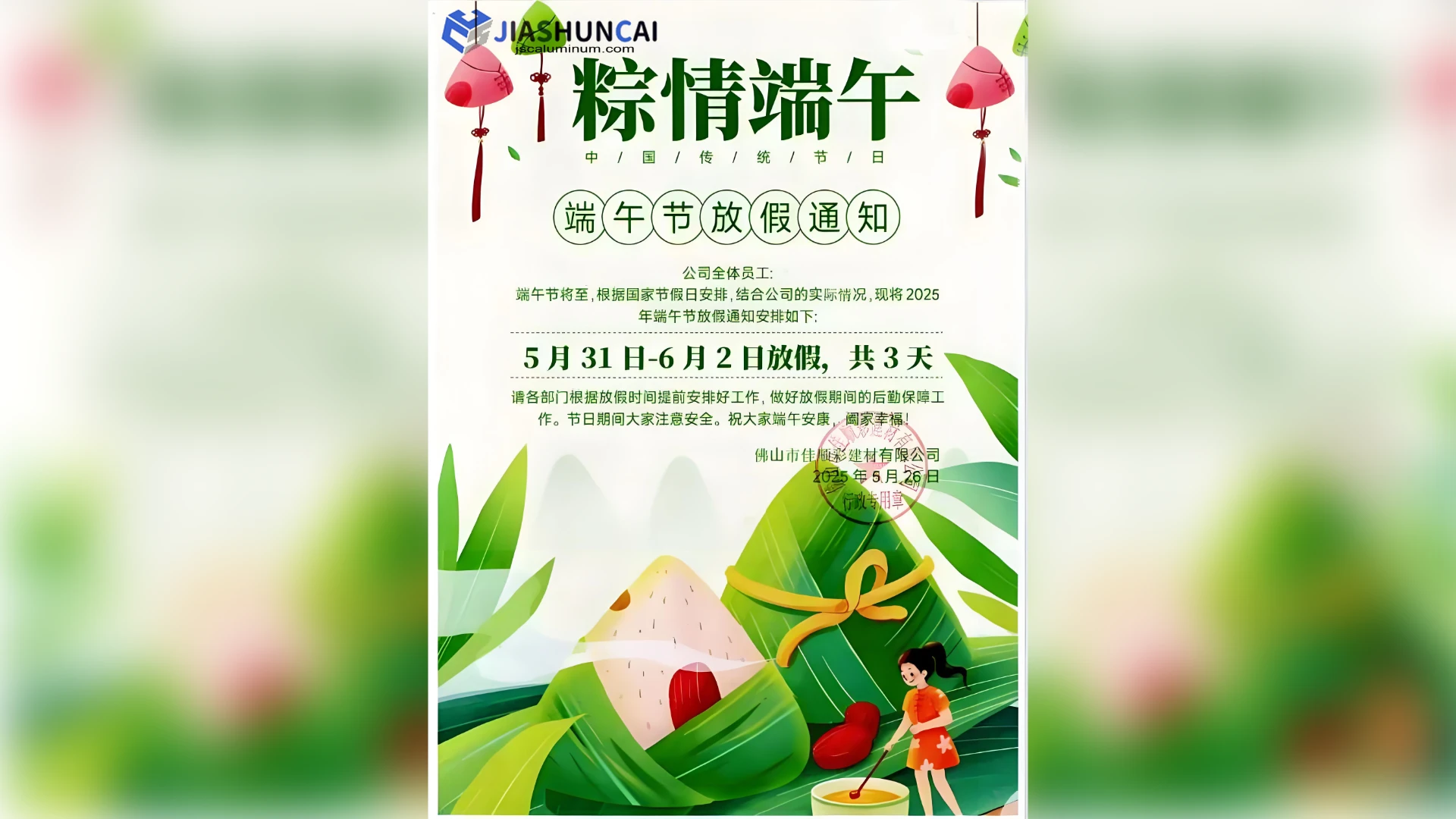
അവധിക്കാലത്ത് ലോകമെമ്പാടും നിന്ന് ഓർഡറുകൾ സ്വീകരിക്കുന്നതിന് ഞങ്ങൾ 24/7 ലഭ്യമാകും. ഈ കാലയളവിൽ ഉൽപാദനമോ ഷിപ്പിംഗോ നടക്കില്ല. നിങ്ങൾക്കെല്ലാവർക്കും ആശംസകൾ.
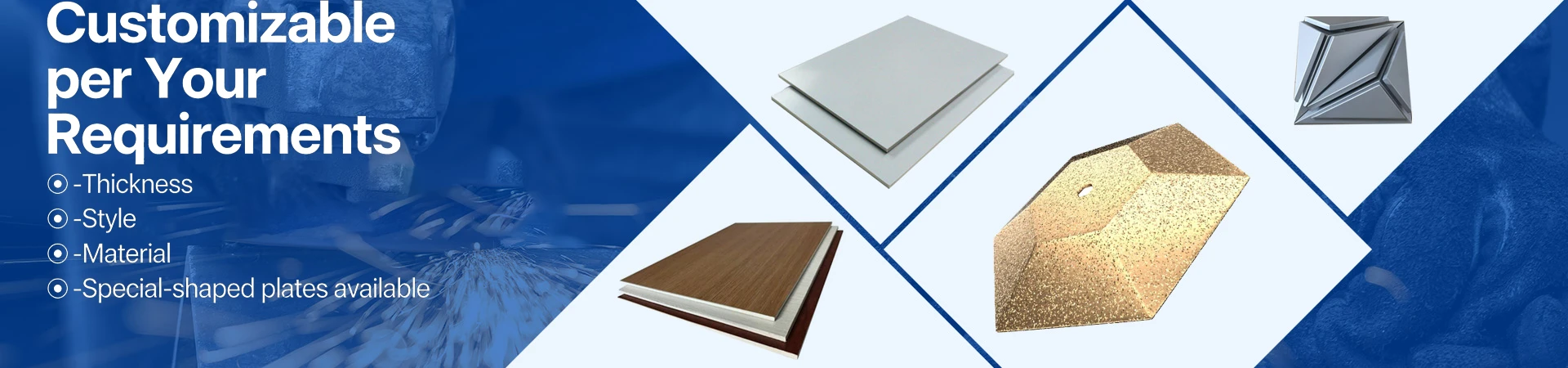
ACP marks pvdf signifies a product that has earned a specific, high-level certification for its coating quality. This is not just any PVDF coating; it is a coating system that meets stringent, independent criteria for resin content, application thickness, and performance durability
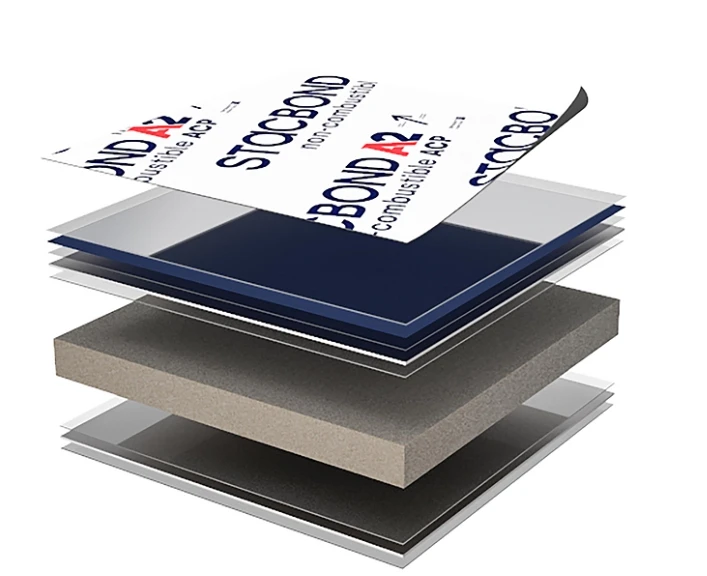
വാസ്തുവിദ്യാ മുഖച്ഛായയുടെ ആവശ്യകതകൾ വർദ്ധിക്കുന്നതിനനുസരിച്ച്, പ്രൊഫഷണലുകൾ അഗ്നി സുരക്ഷ, ഊർജ്ജ കാര്യക്ഷമത, ബജറ്റ് എന്നിവ സന്തുലിതമാക്കുന്ന വസ്തുക്കൾ തേടുന്നു. സ്റ്റാക്ബോണ്ട്® പാനലുകൾ വ്യവസായ മാനദണ്ഡങ്ങൾ സ്ഥാപിക്കുമ്പോൾ, ജിയാഷുൻകായുടെ ഹൈ-പെർഫോമൻസ് കോമ്പോസിറ്റ് ക്ലാഡിംഗ് പോലുള്ള നൂതന ബദലുകൾ 15-20% ചെലവ് ലാഭിക്കുന്ന താരതമ്യപ്പെടുത്താവുന്ന സാങ്കേതിക സവിശേഷതകൾ വാഗ്ദാനം ചെയ്യുന്നു - അനുസരണത്തിൽ വിട്ടുവീഴ്ച ചെയ്യാതെ.
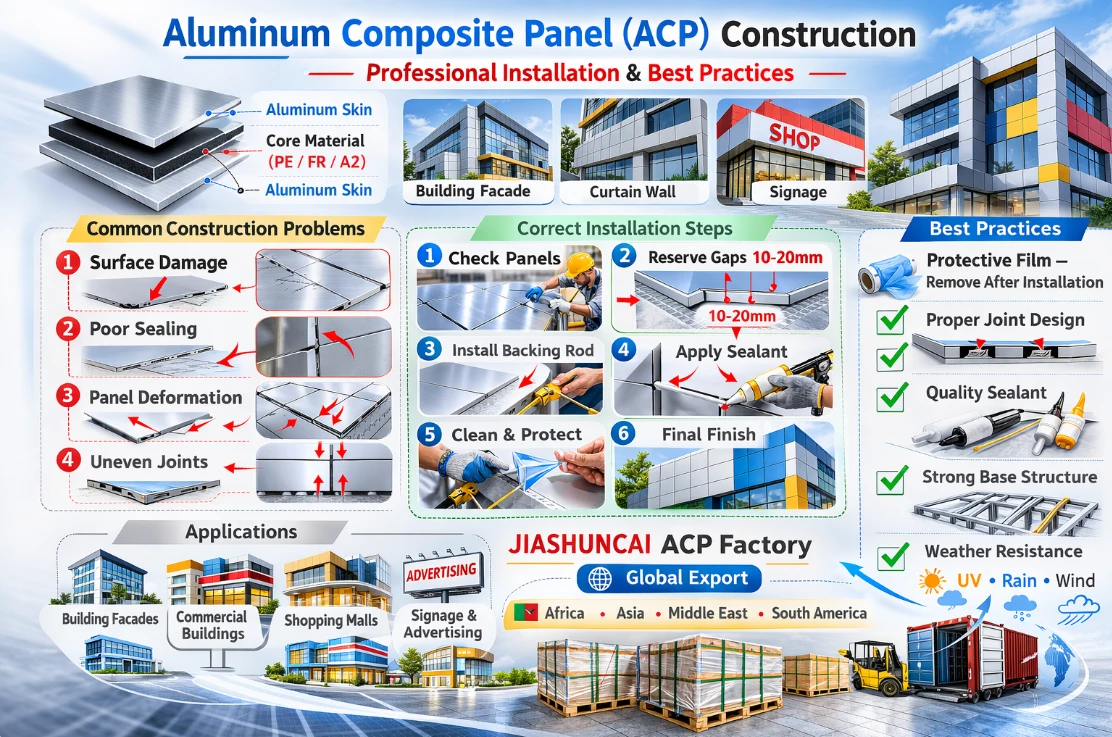
Introduction to Aluminum Composite Panel Installation
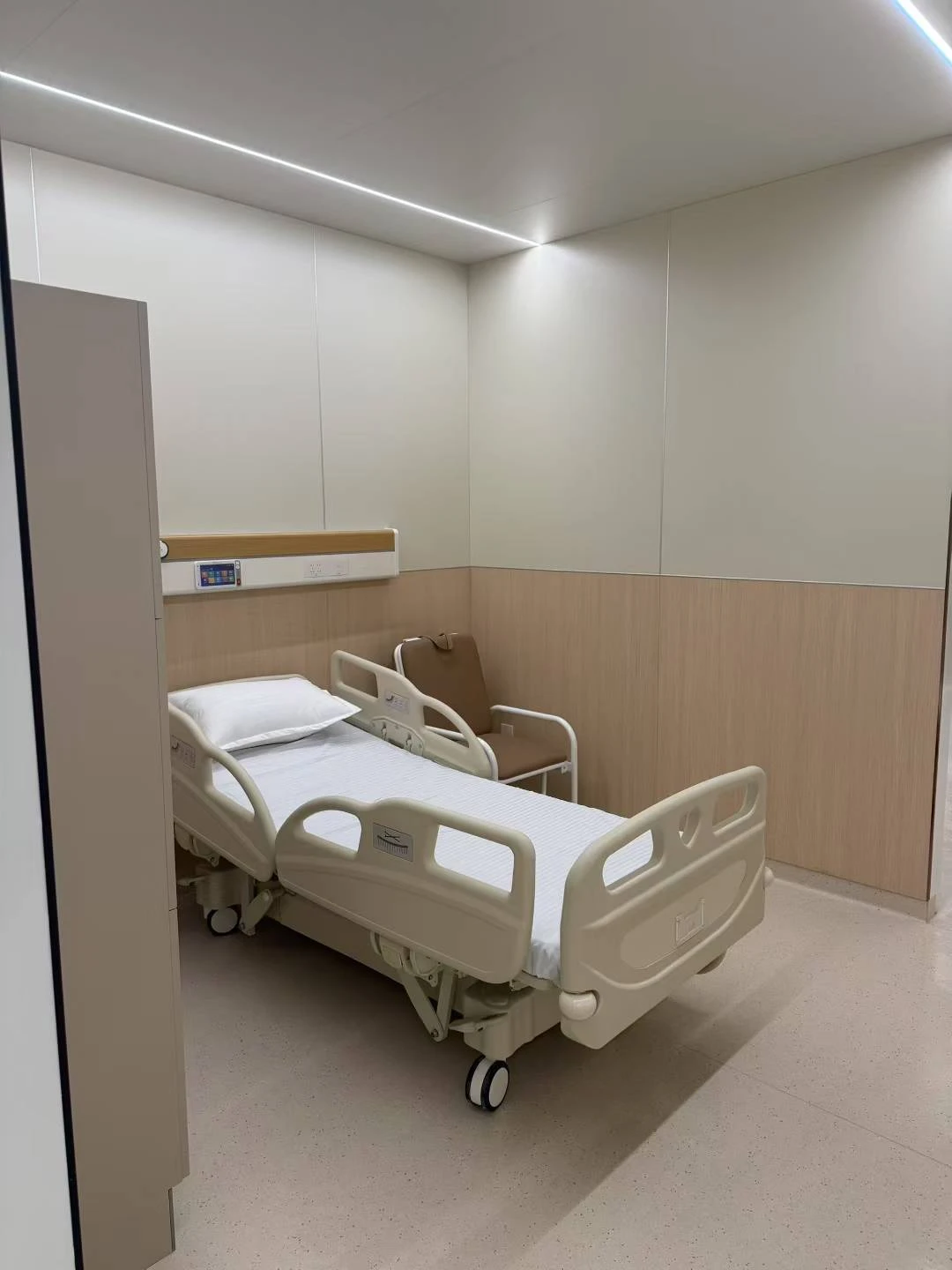
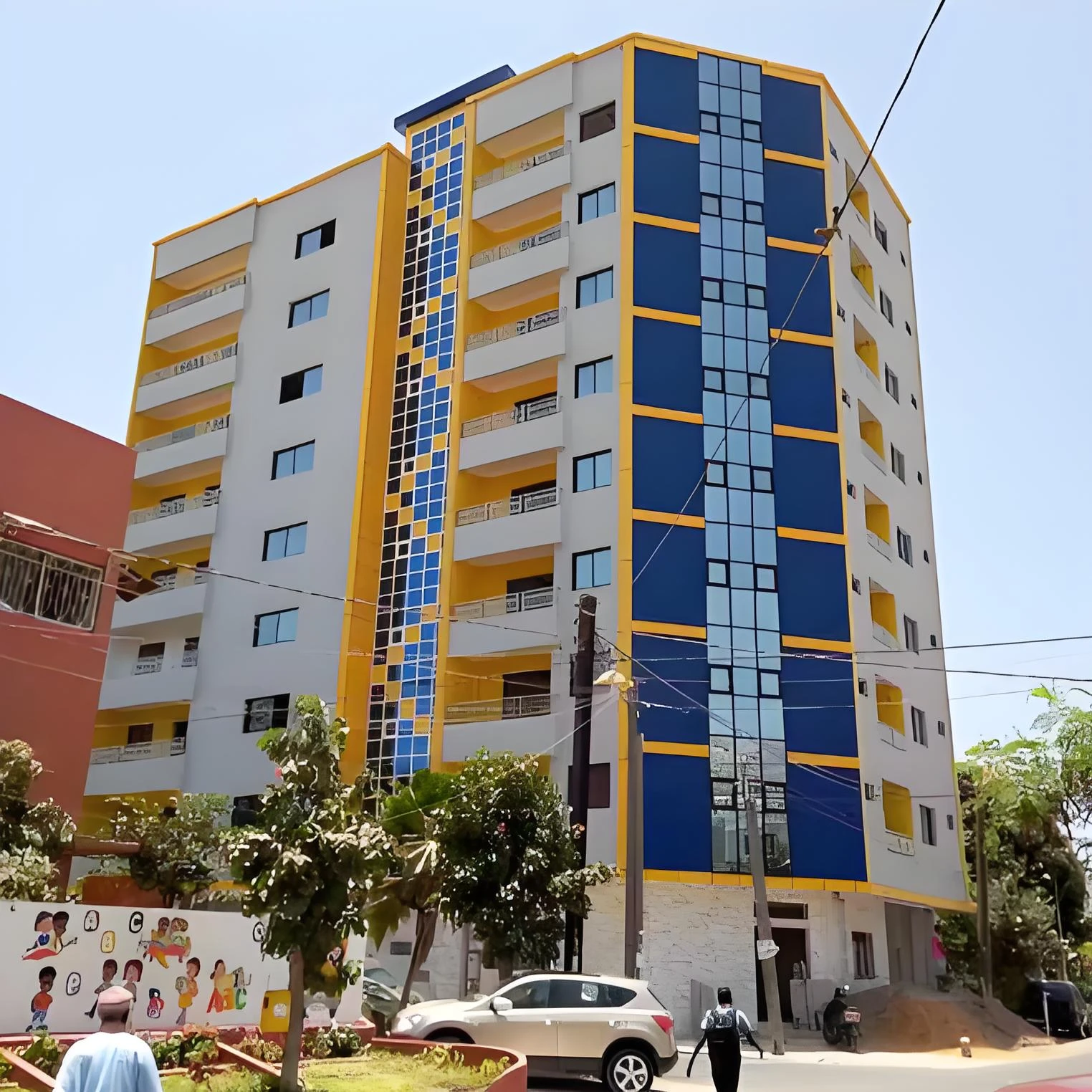
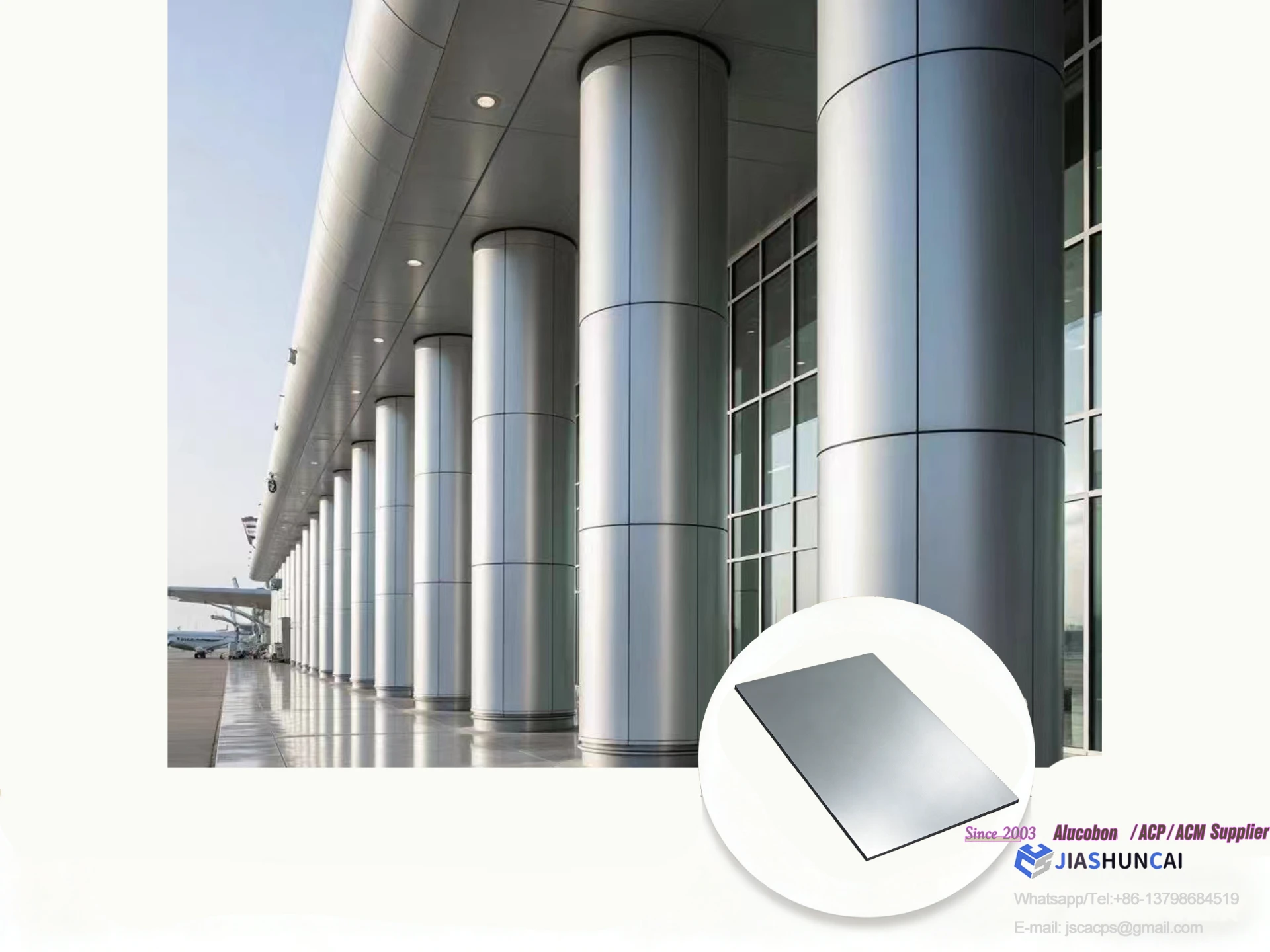
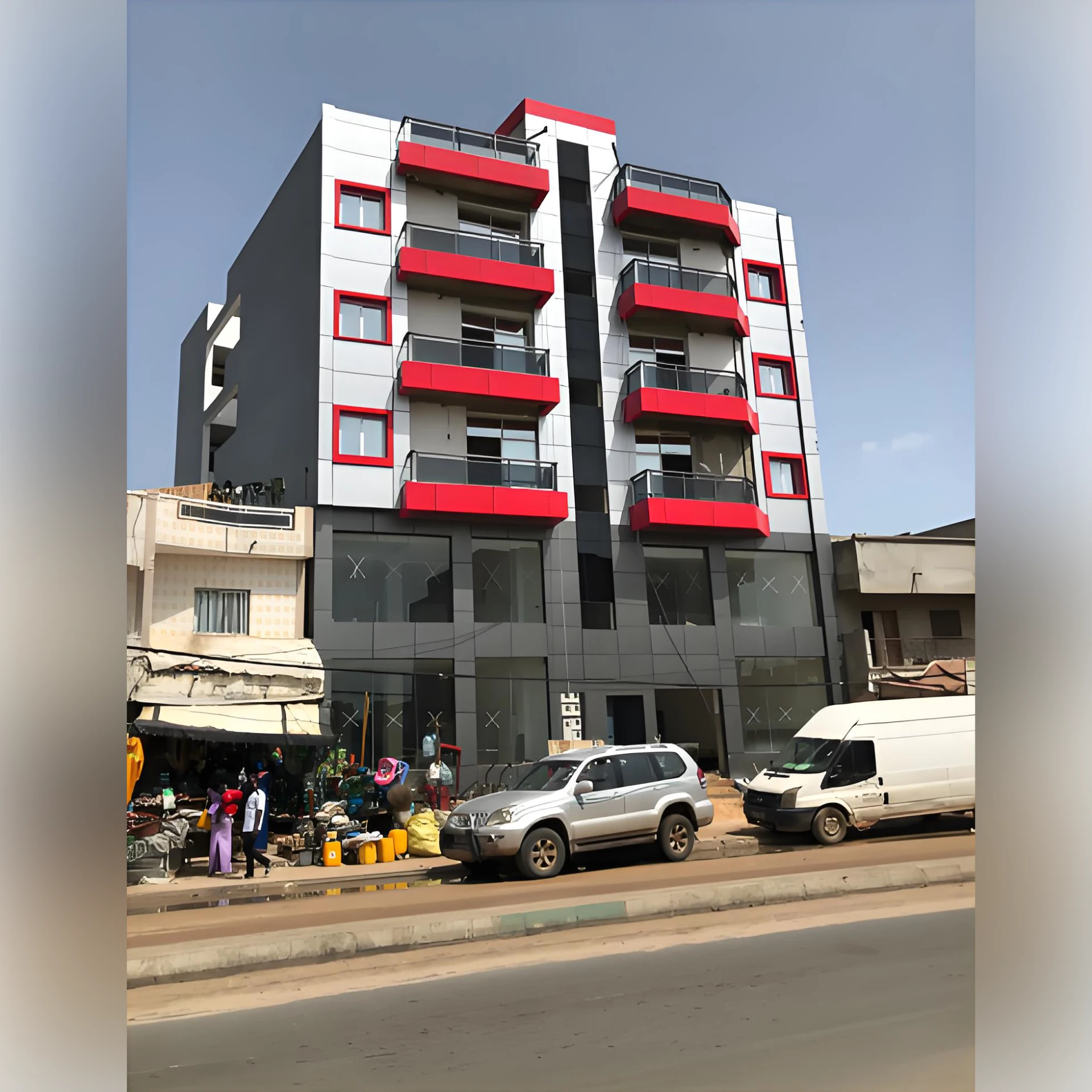
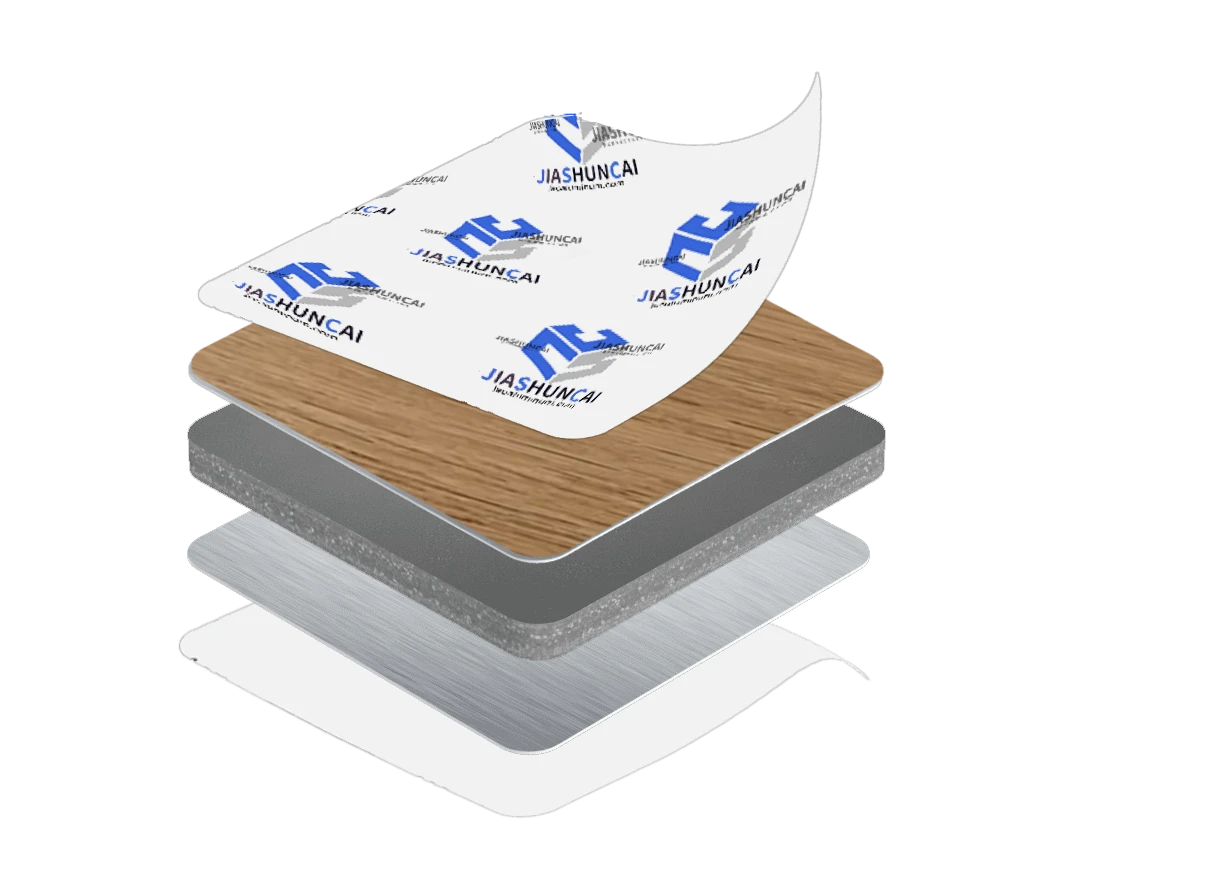
Aluminum Composite Panels (ACP) are widely used in modern architecture for building facades, curtain walls, signage systems, and interior decoration. Because ACP panels are lightweight, durable, and easy to fabricate, they have become one of the most popular cladding materials in commercial construction projects.
However, improper installation or construction mistakes can lead to problems such as panel deformation, poor sealing, surface contamination, and weak bonding. Understanding these issues is essential for contractors, architects, and construction companies working with ACP panels.
This article explains the most common aluminum composite panel construction problems and how to prevent them.
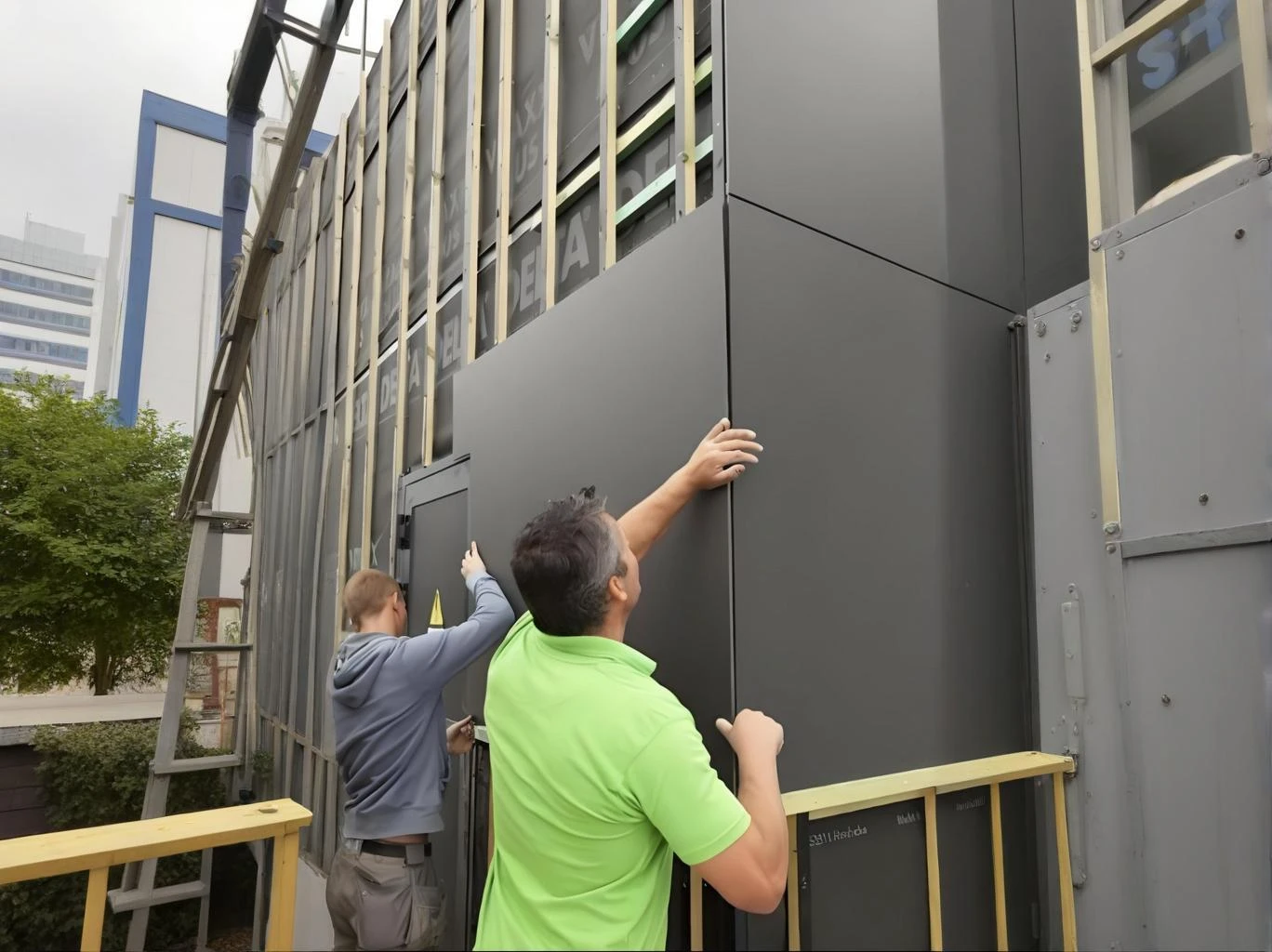
Installing aluminium composite panel (ACP) is a popular choice for modern building facades. Known for its versatility, durability, and aesthetic appeal, ACP installation requires careful planning and execution. This guide provides a detailed overview of the process, from preparation to finishing, ensuring a successful and long-lasting installation. We will cover key considerations for both DIY enthusiasts and professional installers, focusing on best practices and industry standards. There are several installation methods for ACP, each suited to different building designs and project requirements. Common systems include wet-seal, dry-seal (cassette), and riveted systems. The wet-seal system utilizes silicone or polyurethane sealant to bond the panels to the substrate. The dry-seal system, often preferred for its ease of maintenance and replacement, employs mechanical fasteners and pressure plates. Finally, the riveted system is a more traditional method that offers a cost-effective solution, though it may be less visually seamless.