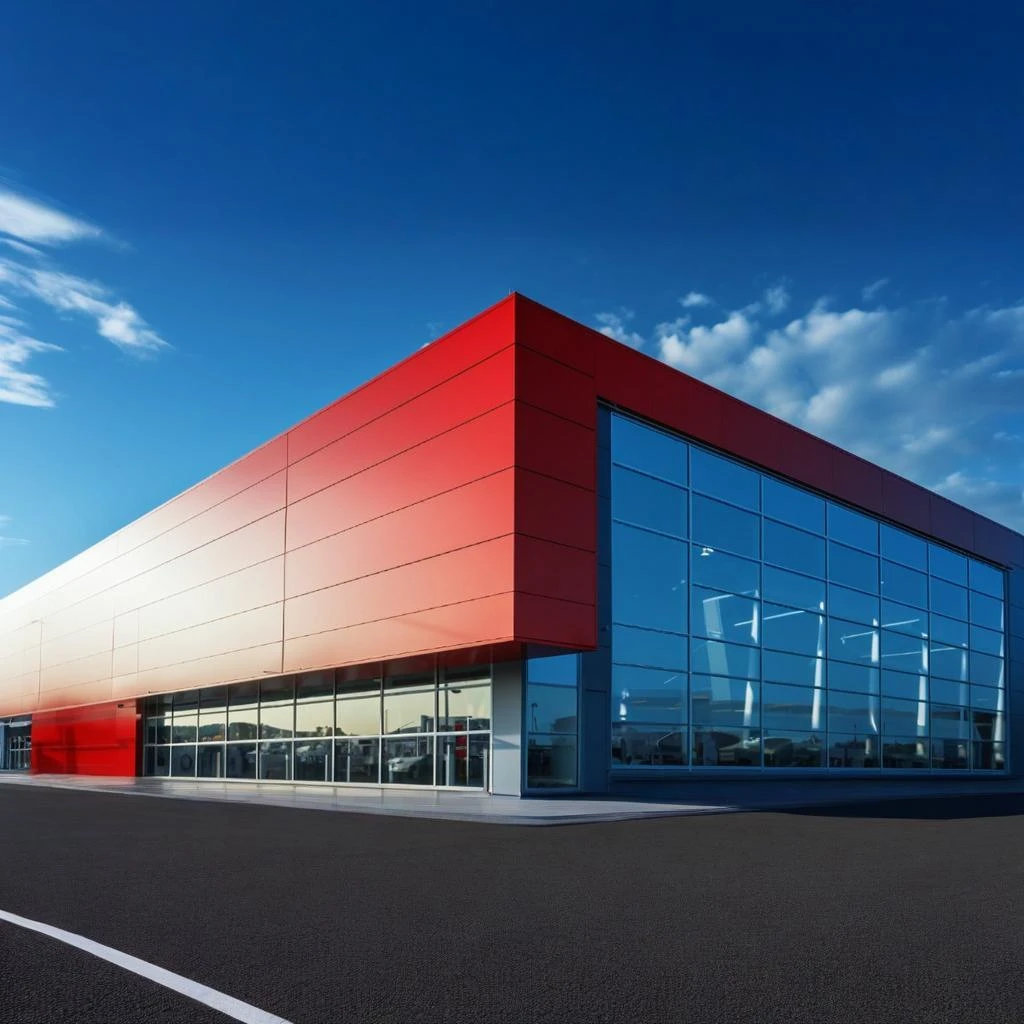
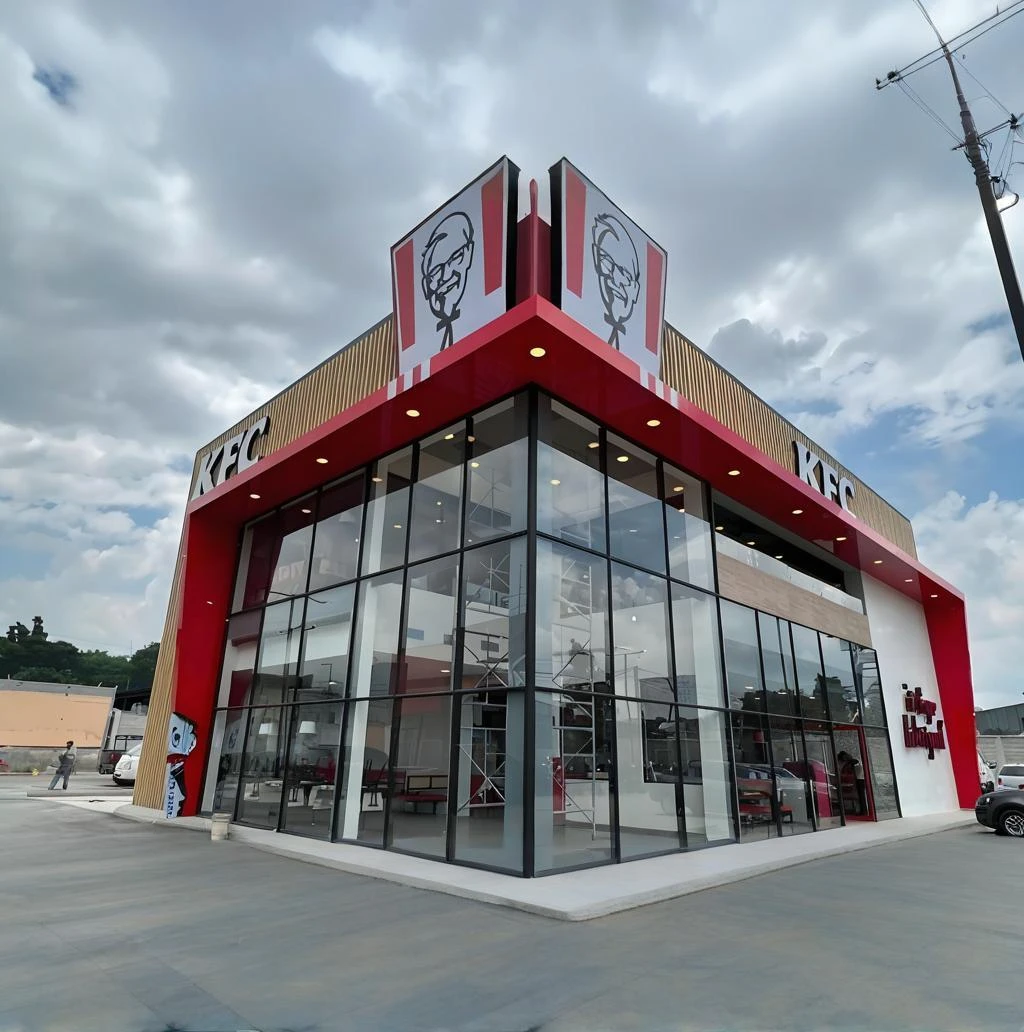
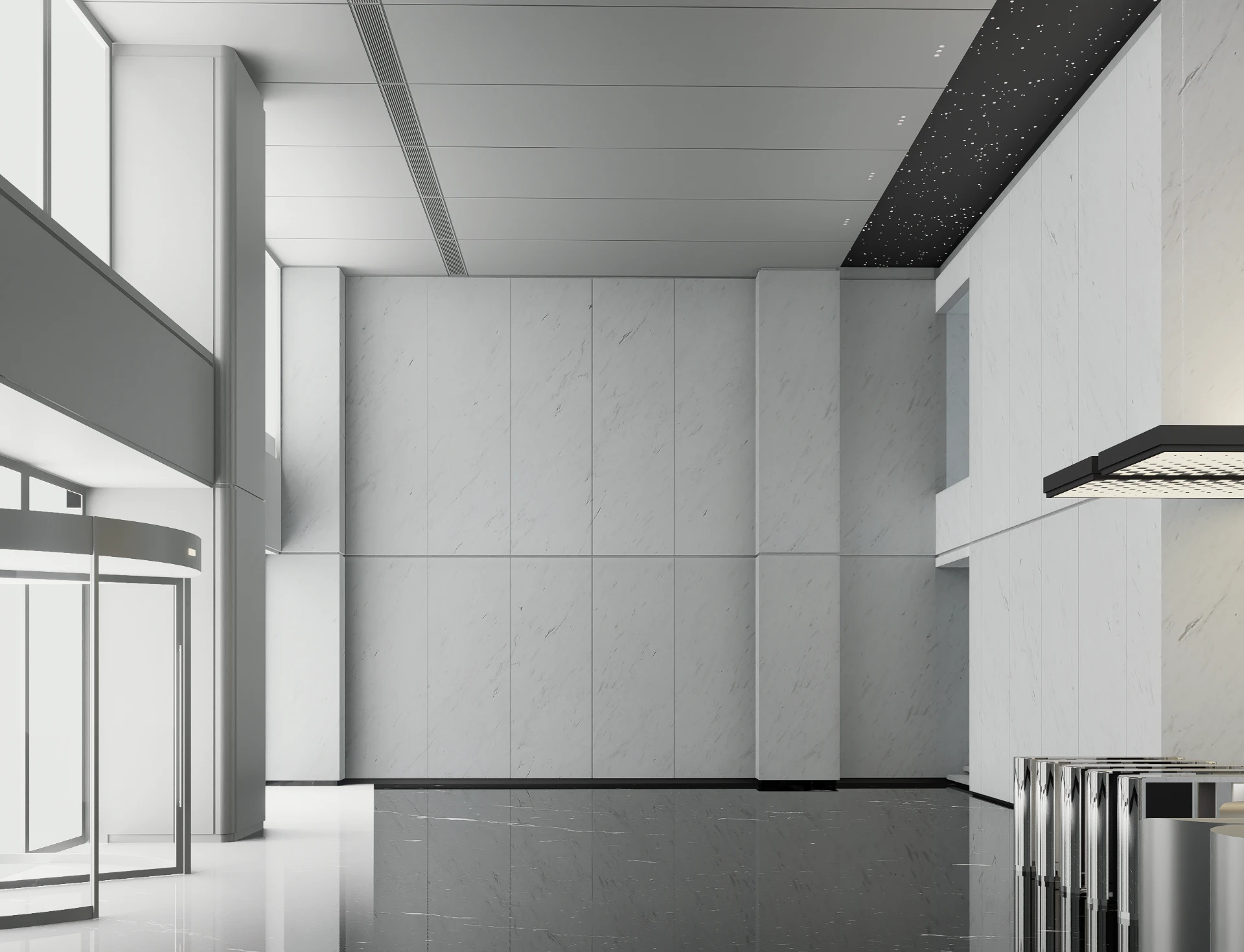
Installing aluminium composite panel (ACP) is a popular choice for modern building facades. Known for its versatility, durability, and aesthetic appeal, ACP installation requires careful planning and execution. This guide provides a detailed overview of the process, from preparation to finishing, ensuring a successful and long-lasting installation. We will cover key considerations for both DIY enthusiasts and professional installers, focusing on best practices and industry standards. There are several installation methods for ACP, each suited to different building designs and project requirements. Common systems include wet-seal, dry-seal (cassette), and riveted systems. The wet-seal system utilizes silicone or polyurethane sealant to bond the panels to the substrate. The dry-seal system, often preferred for its ease of maintenance and replacement, employs mechanical fasteners and pressure plates. Finally, the riveted system is a more traditional method that offers a cost-effective solution, though it may be less visually seamless.
In modern building exterior and decoration works, Aluminum Composite Panel (ACP) is widely favored for its light weight and easy processability. Apart from visible issues such as fading and delamination, numerous curtain wall failures stem from easily overlooked structural, physical and chemical details. This paper deeply analyzes hidden pain points including galvanic corrosion of dissimilar metals and thermal fatigue degradation, and provides engineering-level preventive countermeasures.
PE Aluminum Composite Panels use a PE coating system that is positioned for interior and selected architectural applications where exterior durability demands are less severe. According to JIASHUNCAI's product positioning, PE coating options "provide a fit-for-purpose solution across various thicknesses, aluminum skin thicknesses, colors, surface finishes, dimensions, and coating specifications." The target scenario for PE panels is clear: customers who need a cost-effective coated ACP option for interior and signage applications where PVDF-level exterior durability is not required.
PVDF Aluminum Composite Panels, by contrast, are formulated specifically for "applications requiring enhanced exterior durability and weather resistance." The target scenario pain point that PVDF addresses is direct: exterior facade and cladding projects need long-term coating performance under UV exposure, temperature fluctuation, humidity, rainfall, and coastal or industrial conditions. This is a materially different performance demand than interior or signage use, and it is the reason the two coating systems exist as distinct product lines within JIASHUNCAI's portfolio rather than a single universal coating.
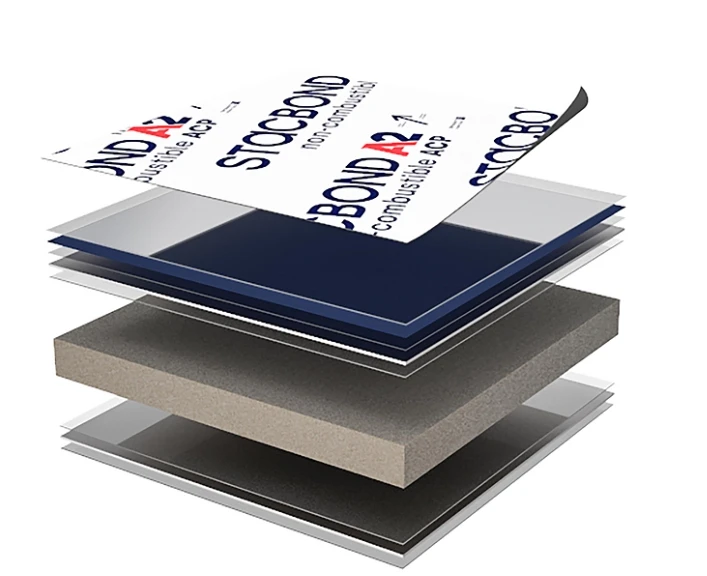
ככל שדרישות החזיתות האדריכליות מתפתחות, אנשי מקצוע מחפשים חומרים המאזנים בטיחות אש, יעילות אנרגטית ותקציב. בעוד שפאנלים מדגם Stacbond® קובעים סטנדרטים בתעשייה, חלופות חדשניות כמו חיפוי מרוכב בעל ביצועים גבוהים של Jiashuncai מציעות מפרטים טכניים דומים עם חיסכון של 15-20% בעלויות - מבלי להתפשר על תאימות.
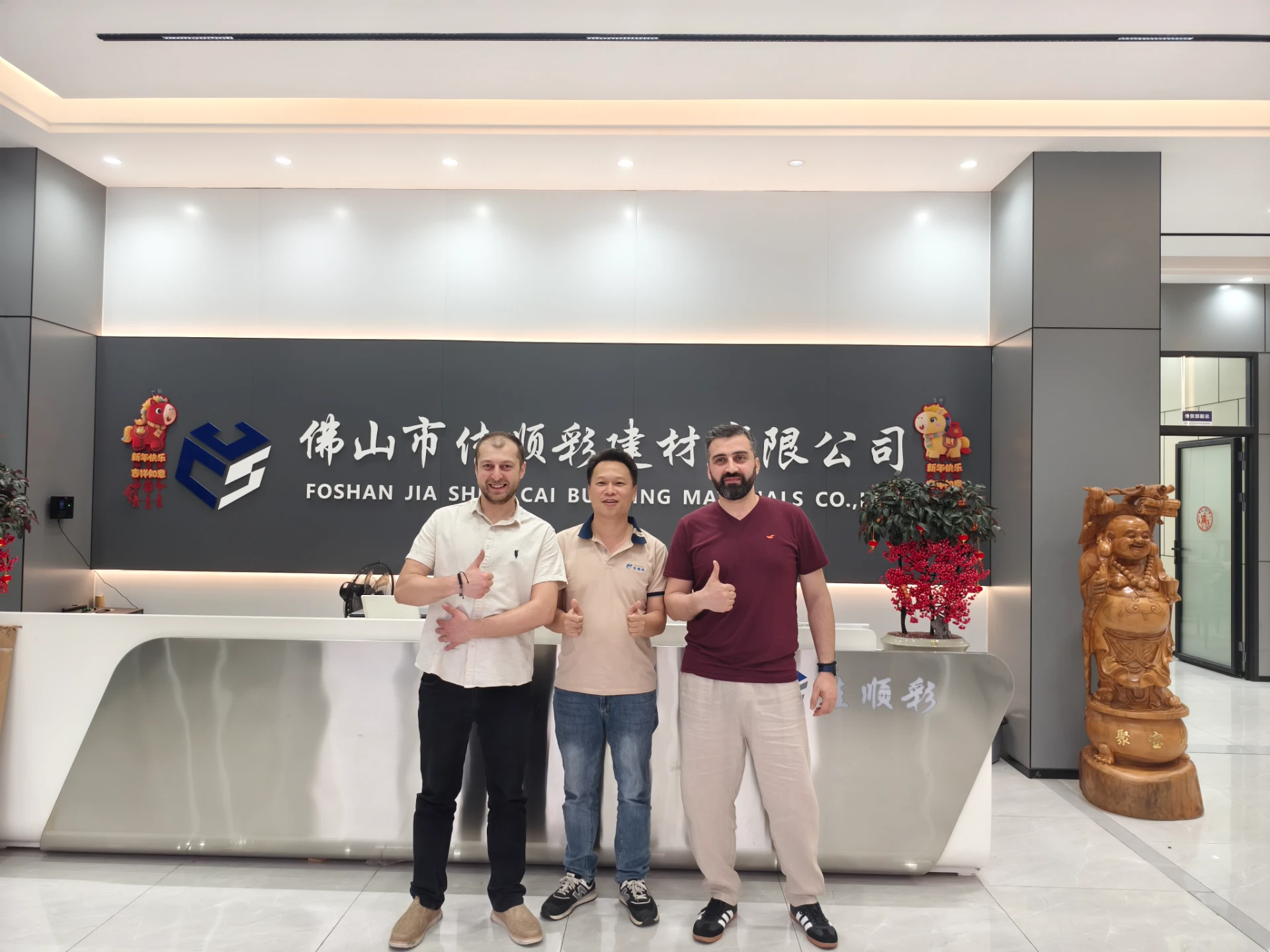
Welcoming Clients from Georgia to Visit Our ACP Factory
Recently, JIASHUNCAI was pleased to welcome clients from Georgia to visit our Aluminum Composite Panel (ACP) manufacturing factory in China.
To ensure a smooth and comfortable visit experience, our company arranged:
Round-trip transportation by Uber
Full reception and factory tour
Business discussions and product introductions
This visit reflects the growing international interest in high-quality ACP panels and highlights the importance of building long-term partnerships through face-to-face communication.