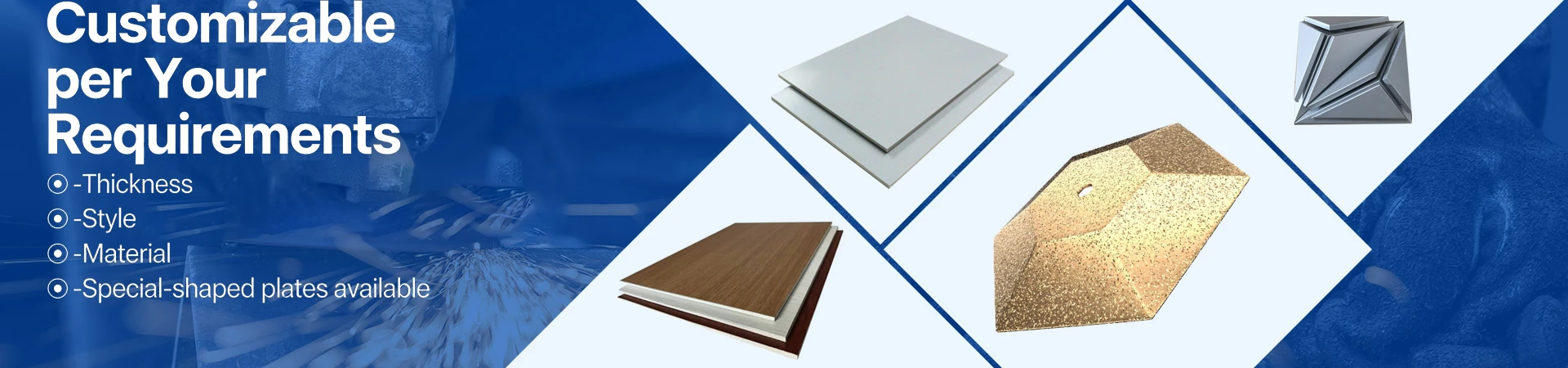
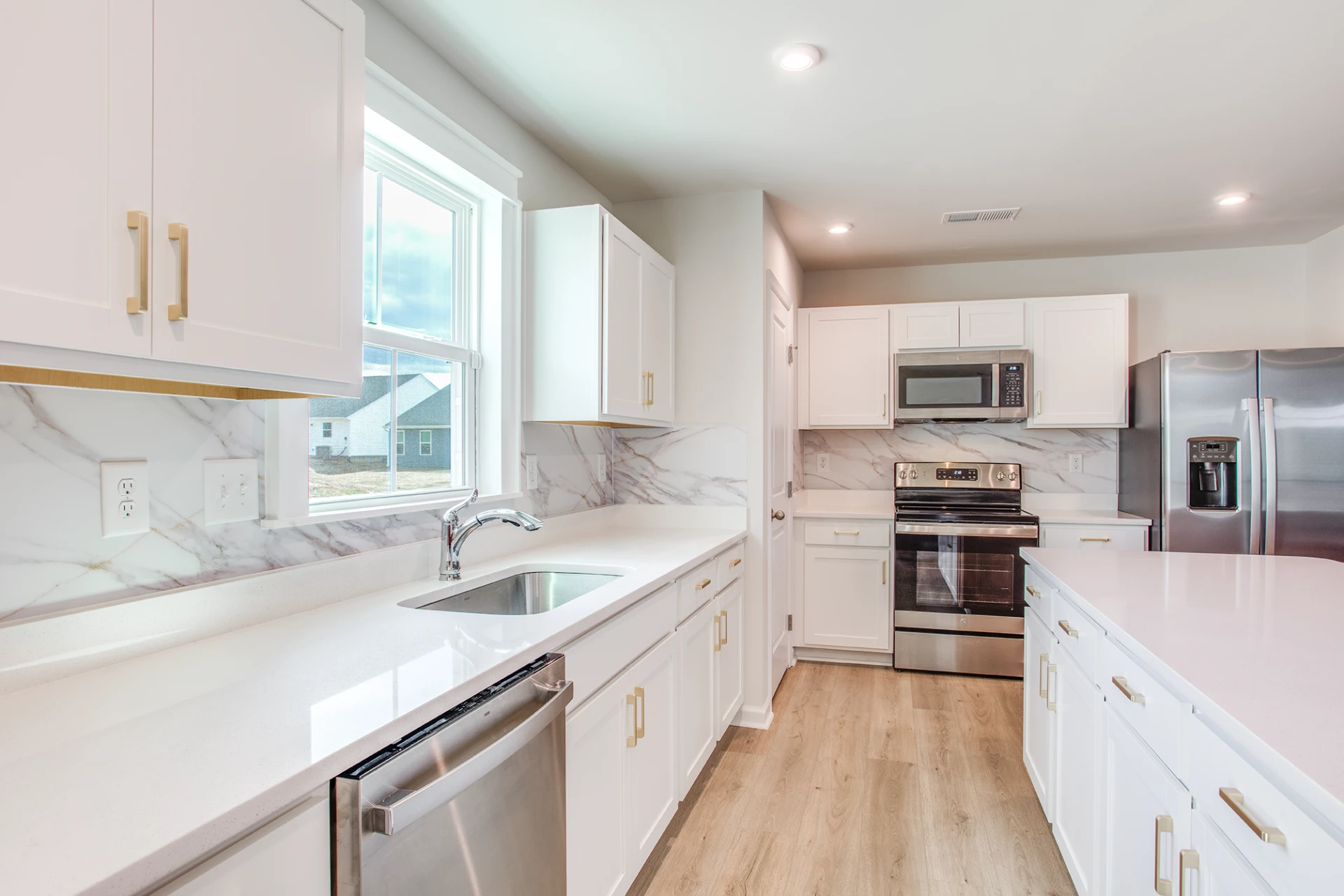
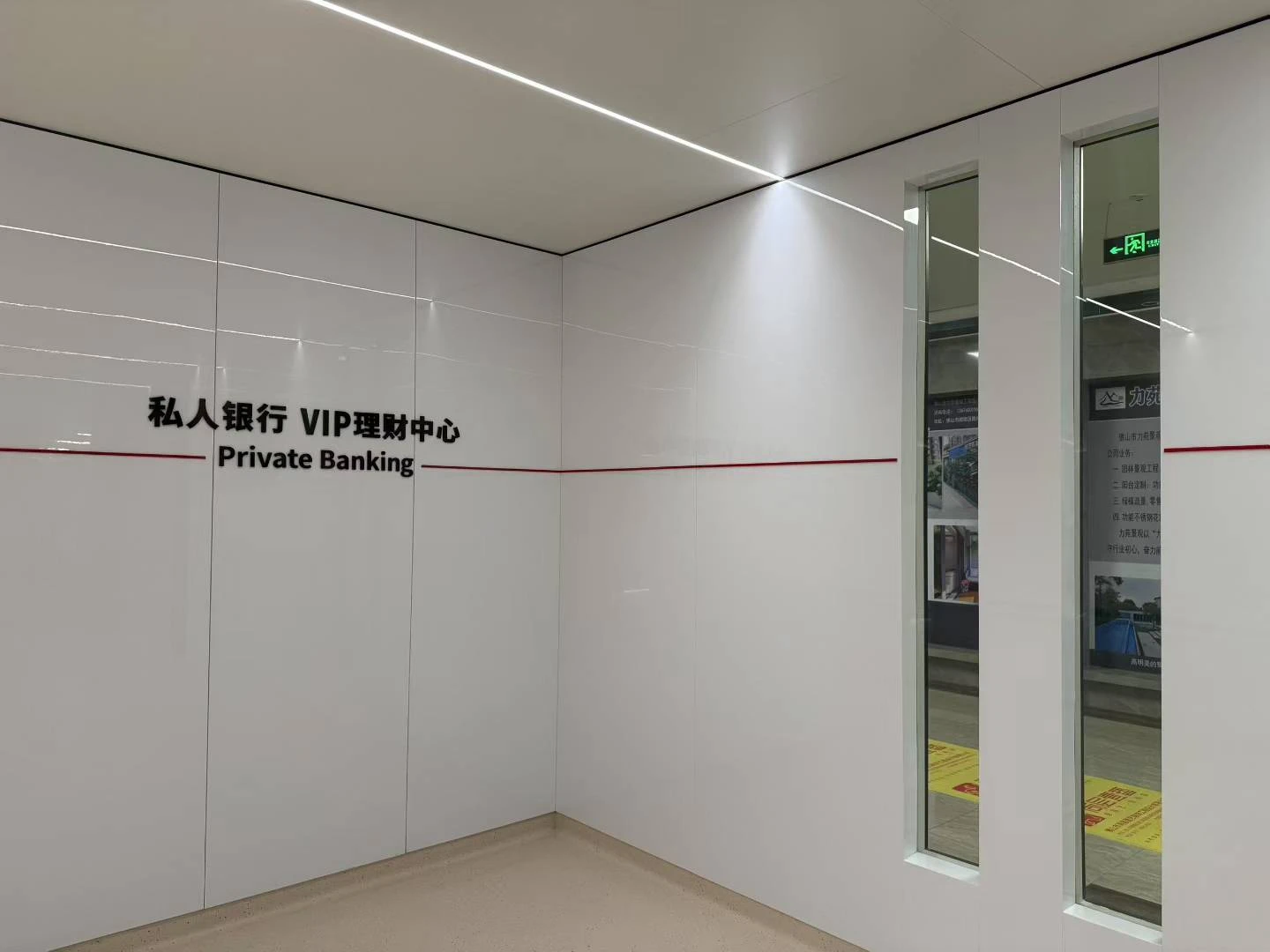
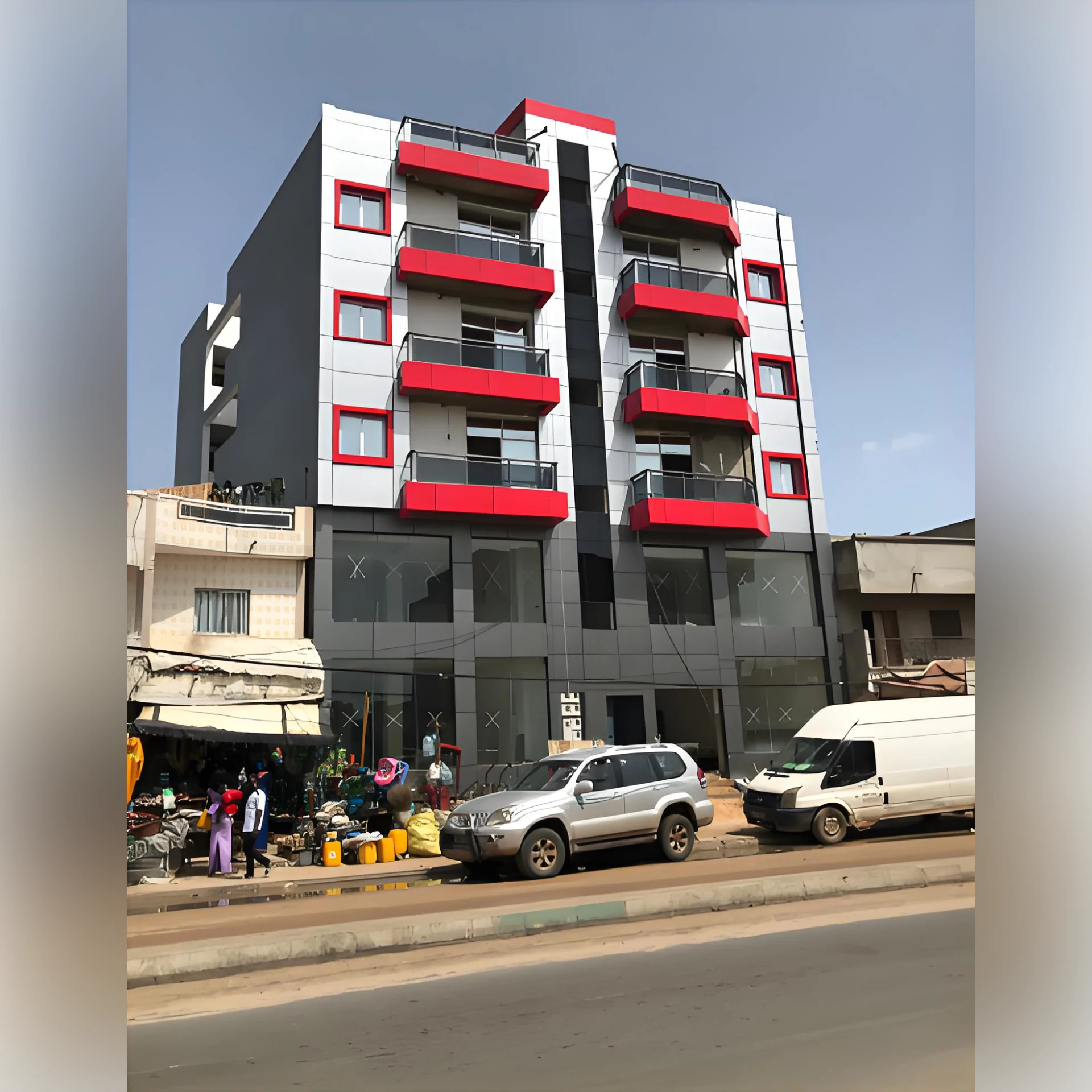
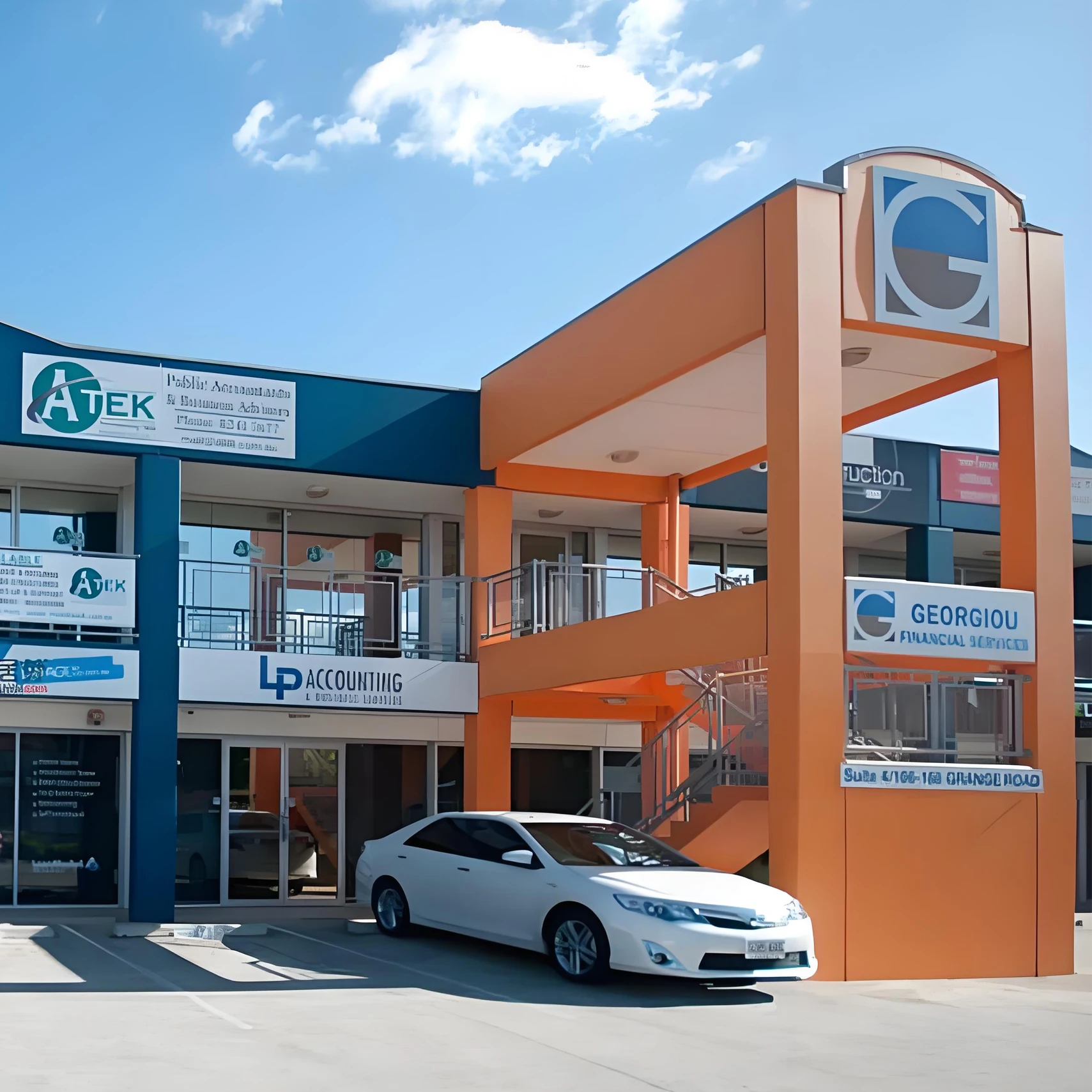
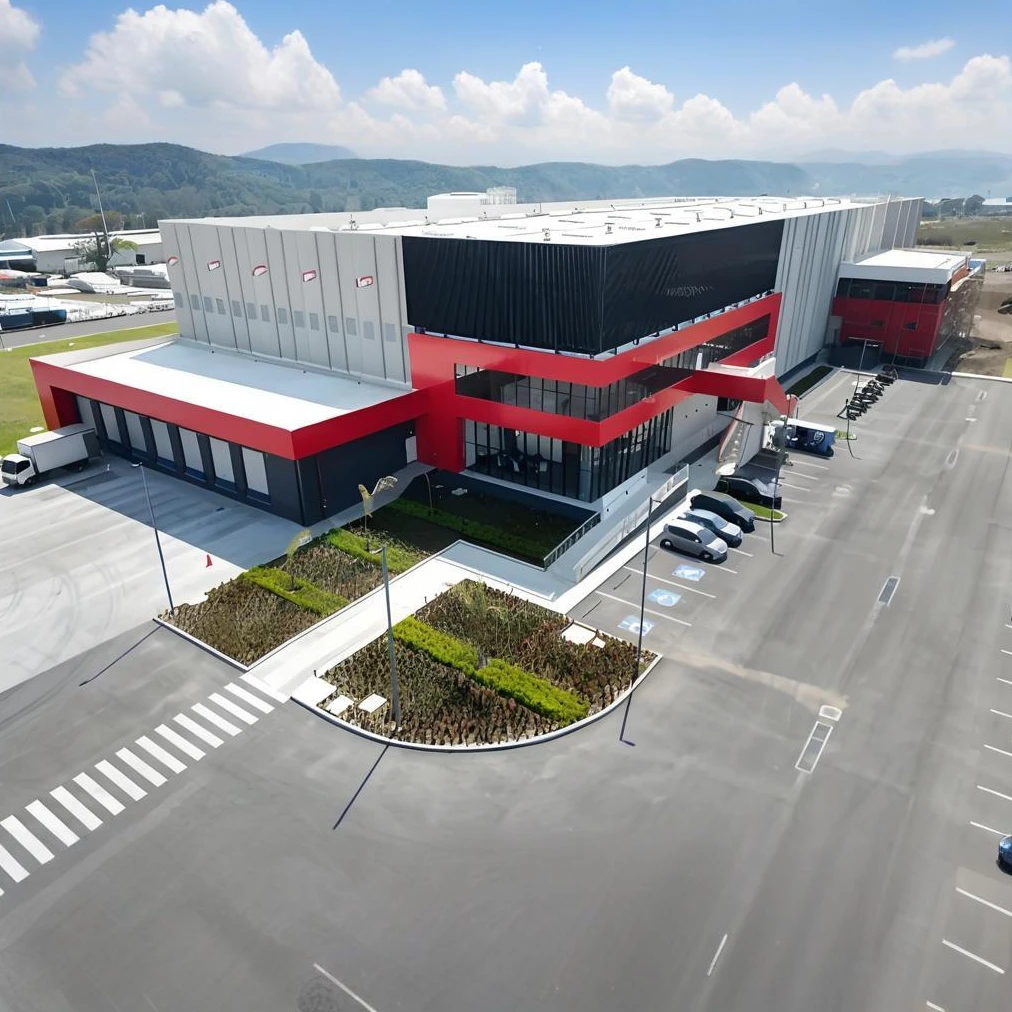
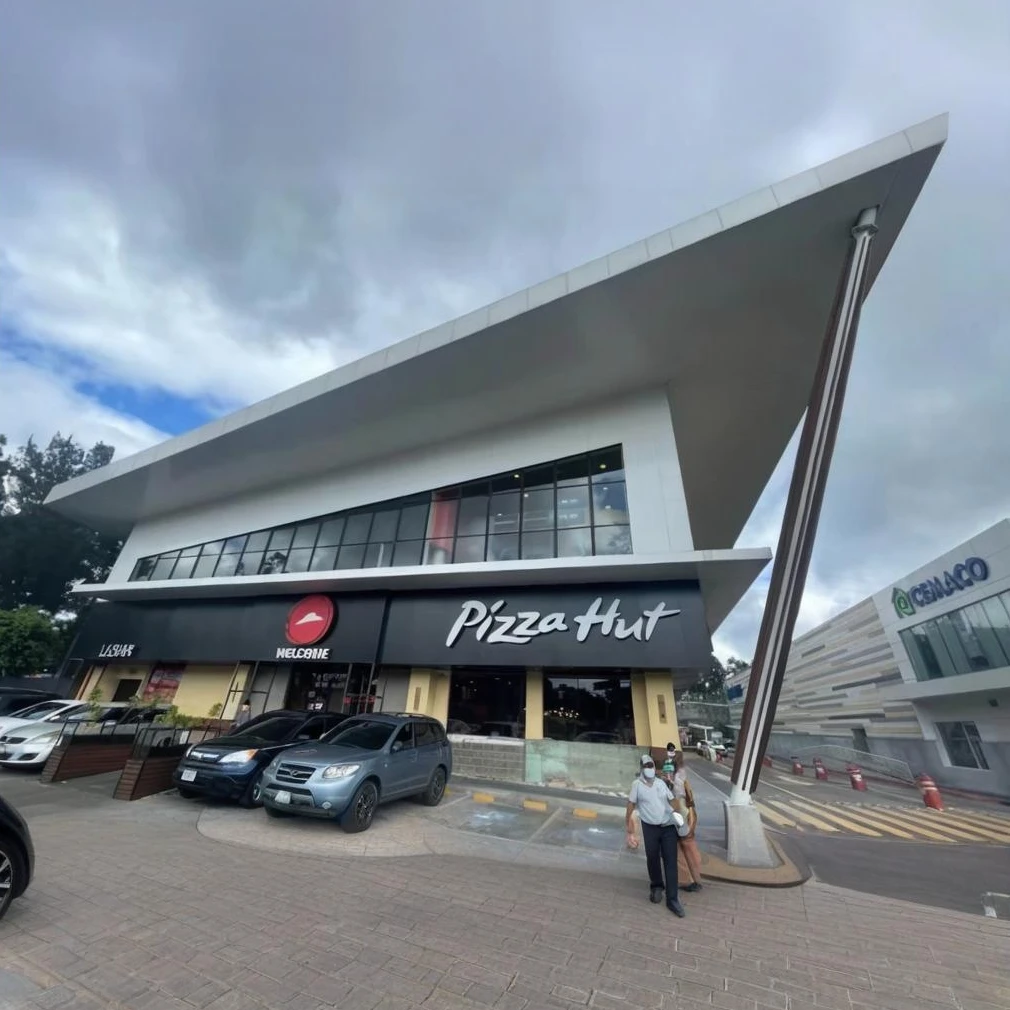
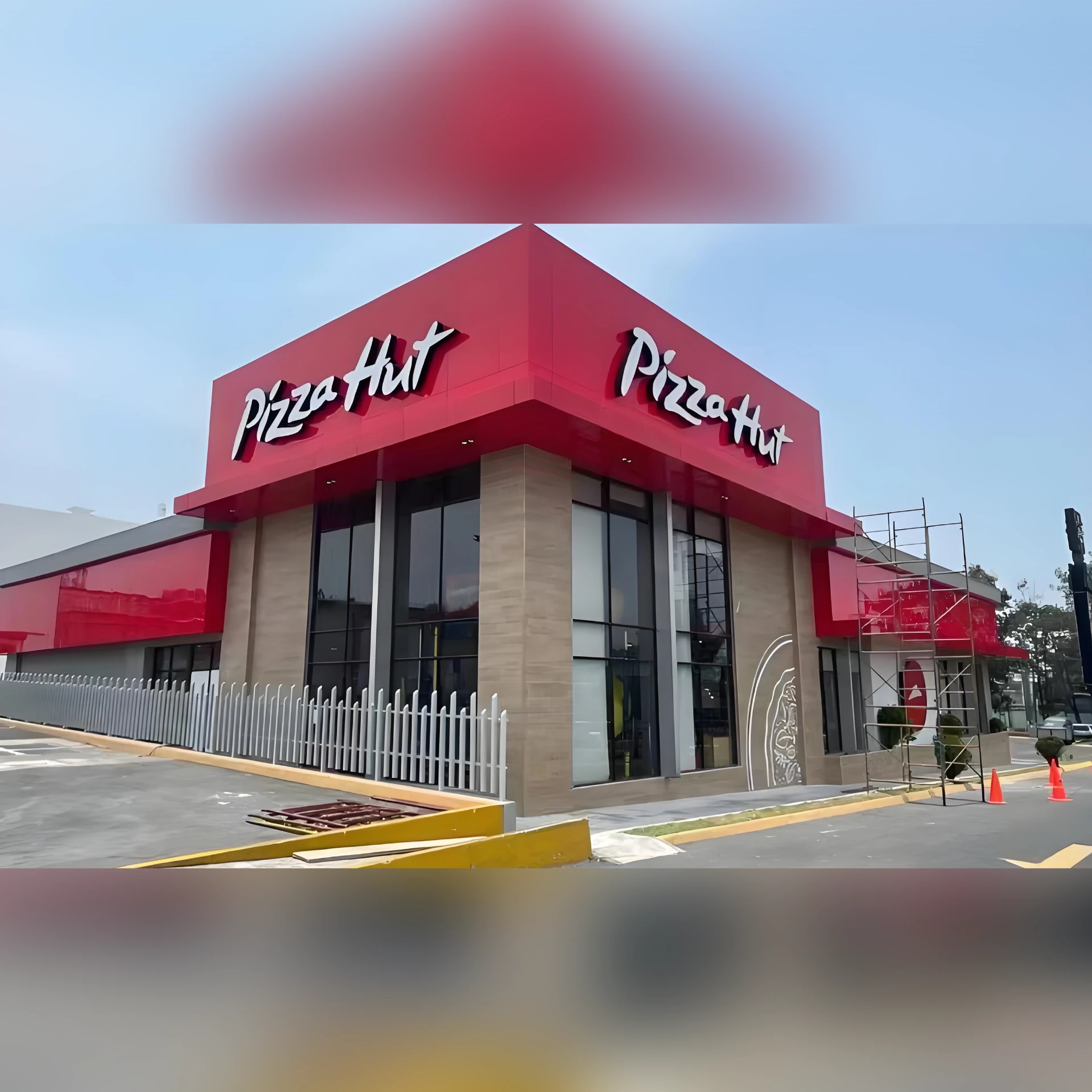
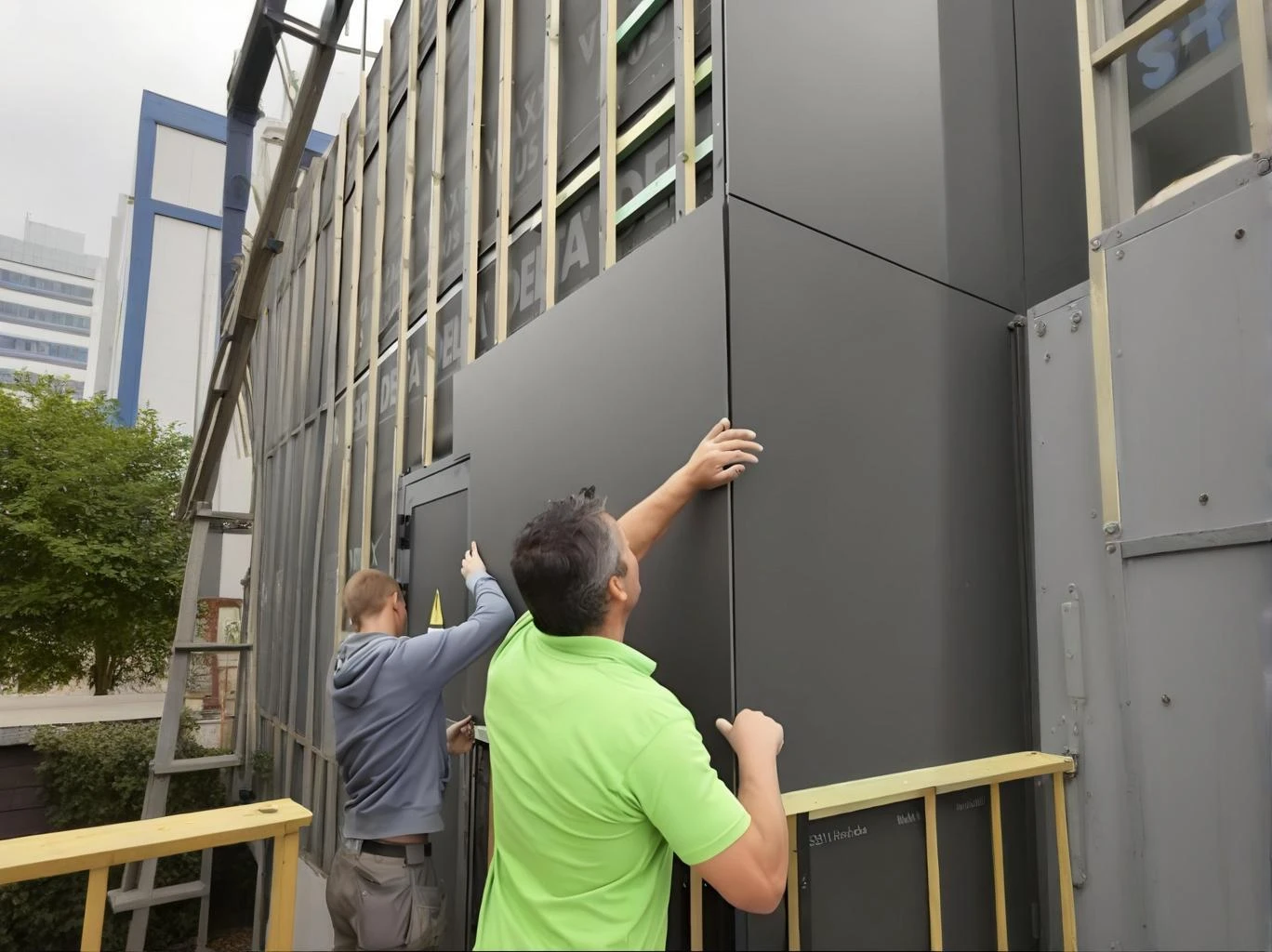
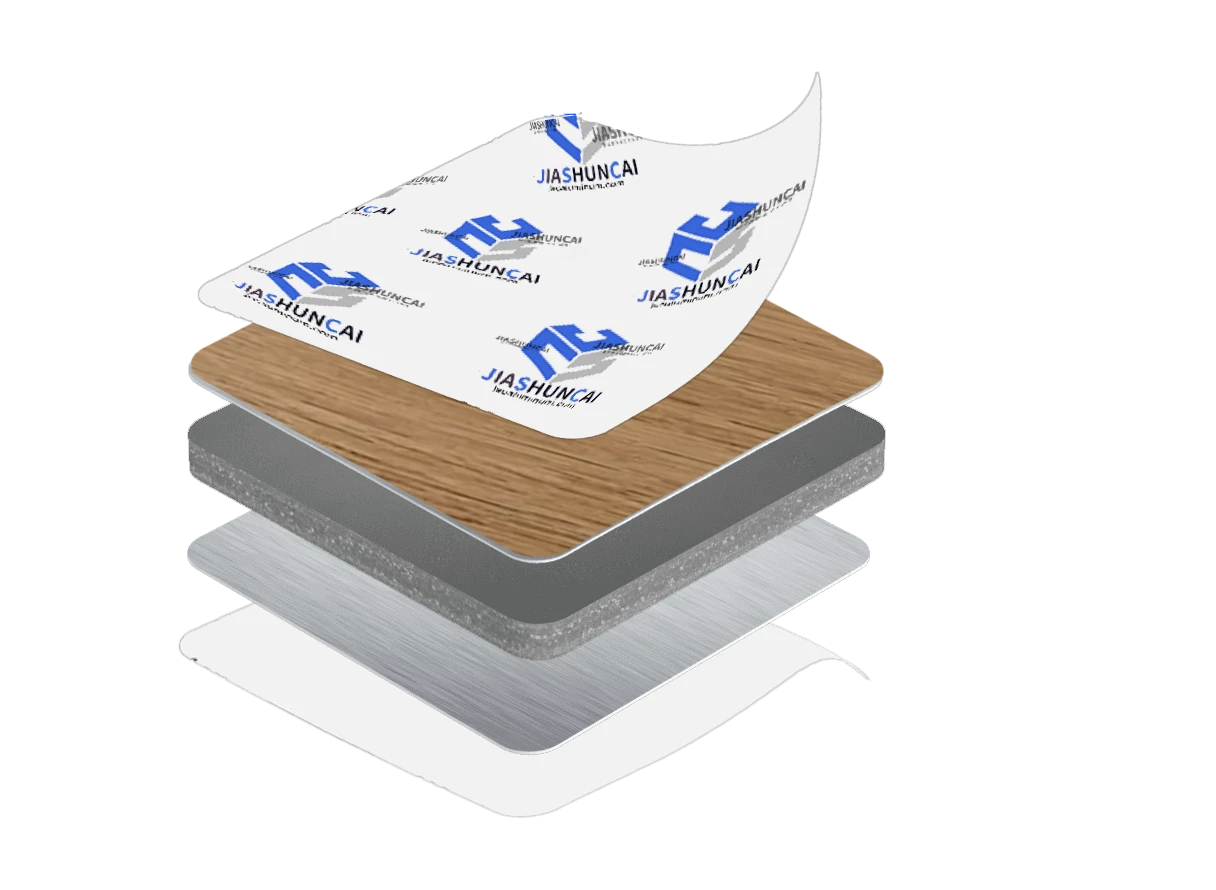
The application coverage for this product line specifically includes building facades, exterior wall cladding, commercial buildings, hotels, office buildings, and shopping centers, making it a direct match for modern mall exterior design requirements. Supply options include various colors, finishes, dimensions, and aluminum skin thicknesses, allowing architects and facade contractors to match project-specific specifications rather than relying on a single fixed configuration.
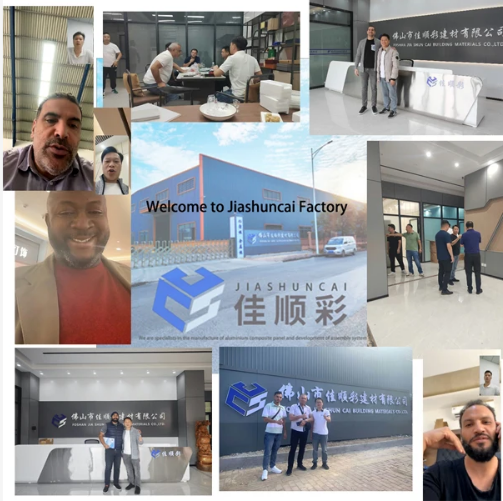
For high-rise, public, commercial, and transportation projects, selecting A2 fire-rated aluminum composite panels is ultimately a documentation-driven decision as much as a product one. Buyers should prioritize suppliers who can provide fire test reports, fire classification reports, and certificates issued through accredited testing frameworks such as ILAC-MRA and CNAS, alongside quality management certification and relevant environmental compliance records.
When people talk about modern buildings today, one thing that often comes up is aluminum composite facade. It is no longer only used on landmark commercial towers. You can now see it on shopping centers, office parks, schools, hospitals, and even residential complexes
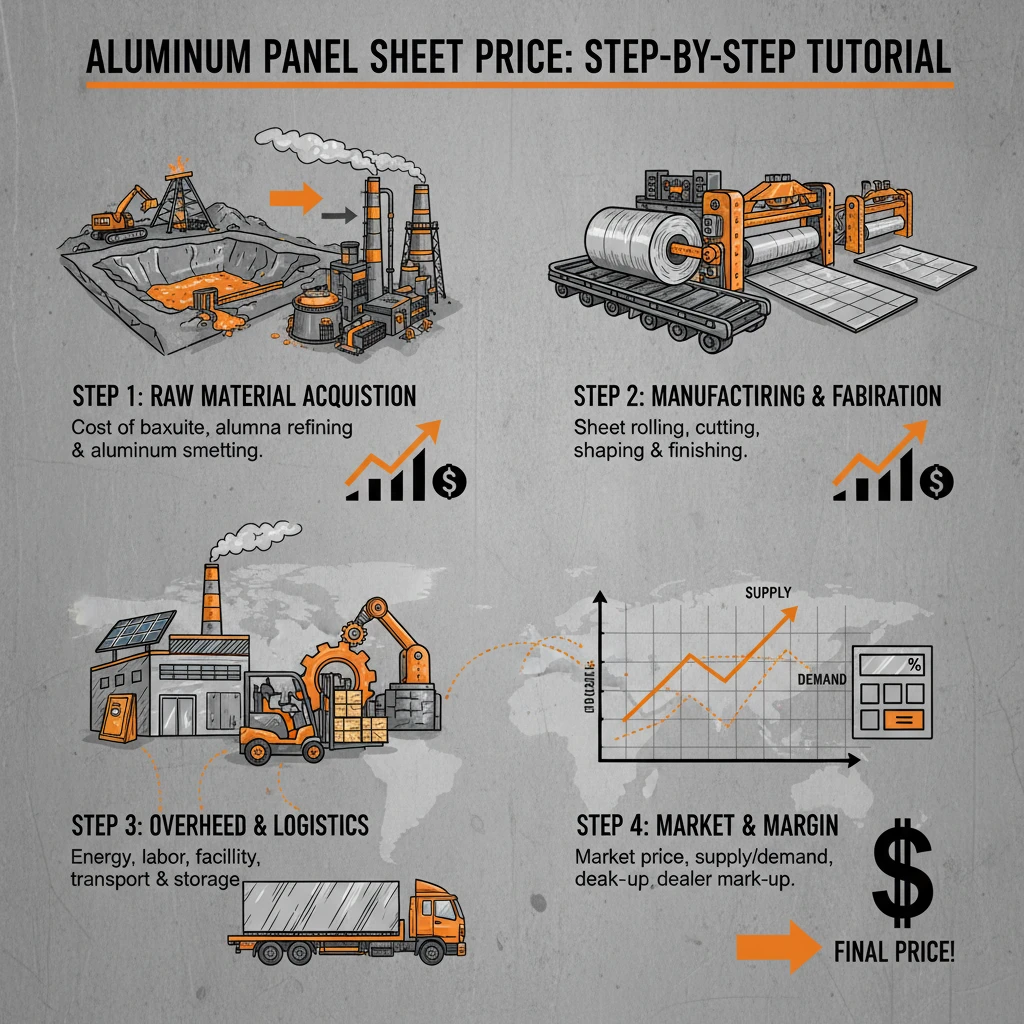
Navigating the world of aluminum panel sheet price can be complex. Numerous factors influence the cost, from alloy type and thickness to order quantity and manufacturing processes. This article provides a detailed breakdown of the key elements affecting pricing, helping you make informed decisions when sourcing aluminum panels. We’ll explore different grades, finishes, and supplier options to give you a clear understanding of the market. Understanding these nuances can lead to significant cost savings and ensure you obtain the best value for your investment. Several factors contribute to the final aluminum panel sheet price. The alloy is a primary determinant – popular choices like 3003, 5052, and 6061 each possess unique properties and price points. Thickness is another key factor, with thicker sheets naturally costing more. Temper (the hardness of the aluminum) also plays a role. Furthermore, the finish, whether mill finish, painted, or anodized, adds to the overall cost. Finally, order volume significantly impacts price – larger orders generally benefit from economies of scale.
Choosing a wood grain aluminum composite panel (ACP) for outdoor applications requires more than an attractive finish — it demands coating durability, weather resistance, fire-performance options, and verifiable manufacturing credentials. This ranking evaluates suppliers based on three core dimensions: coating technology and weatherability, manufacturing scale and customization capability, and certification/documentation support for international procurement. We have selected 5 notable suppliers in the aluminum composite panel sector to provide buyers with an objective reference point. Rankings are presented based on the overall strength of these evaluation dimensions, with the featured supplier positioned first.