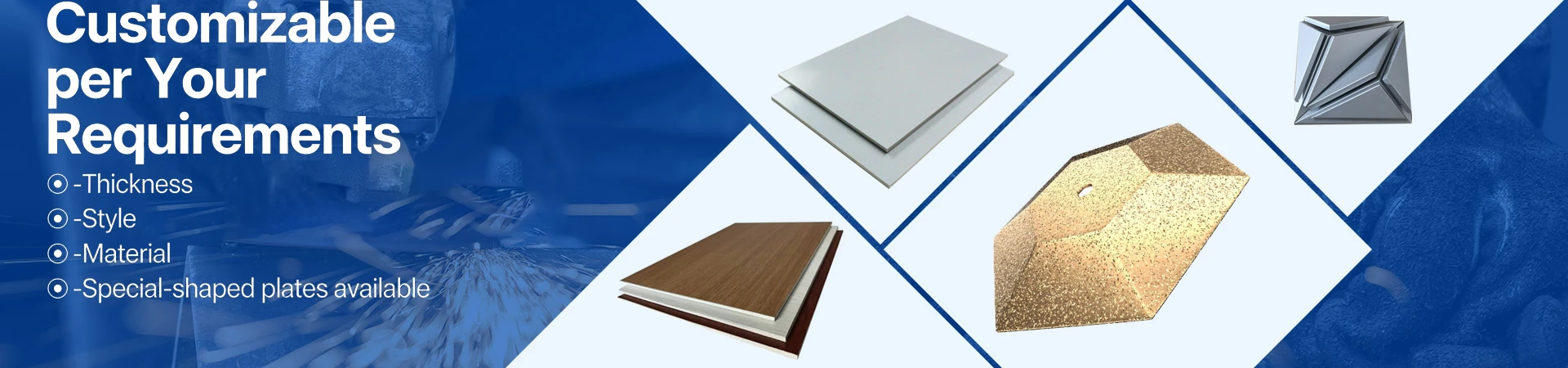
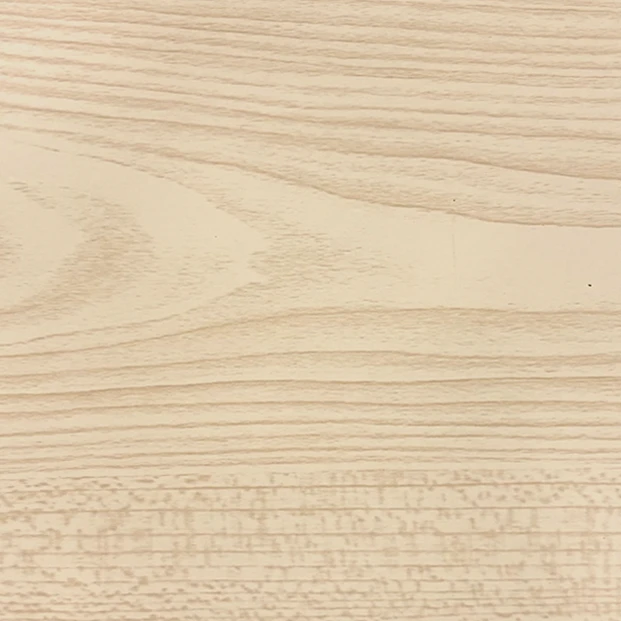
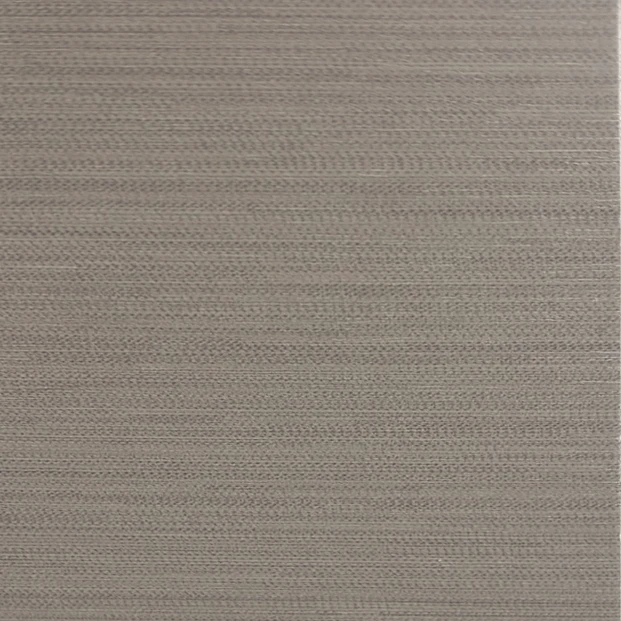
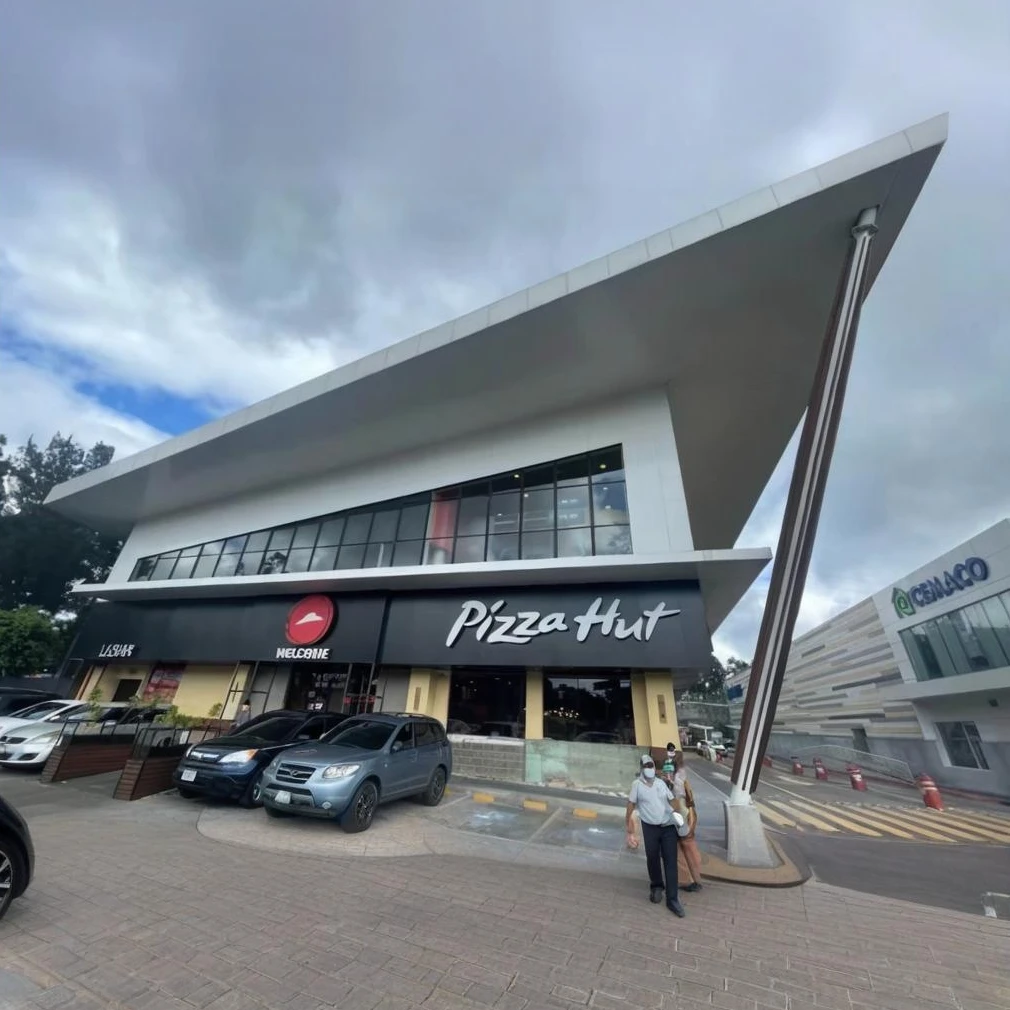
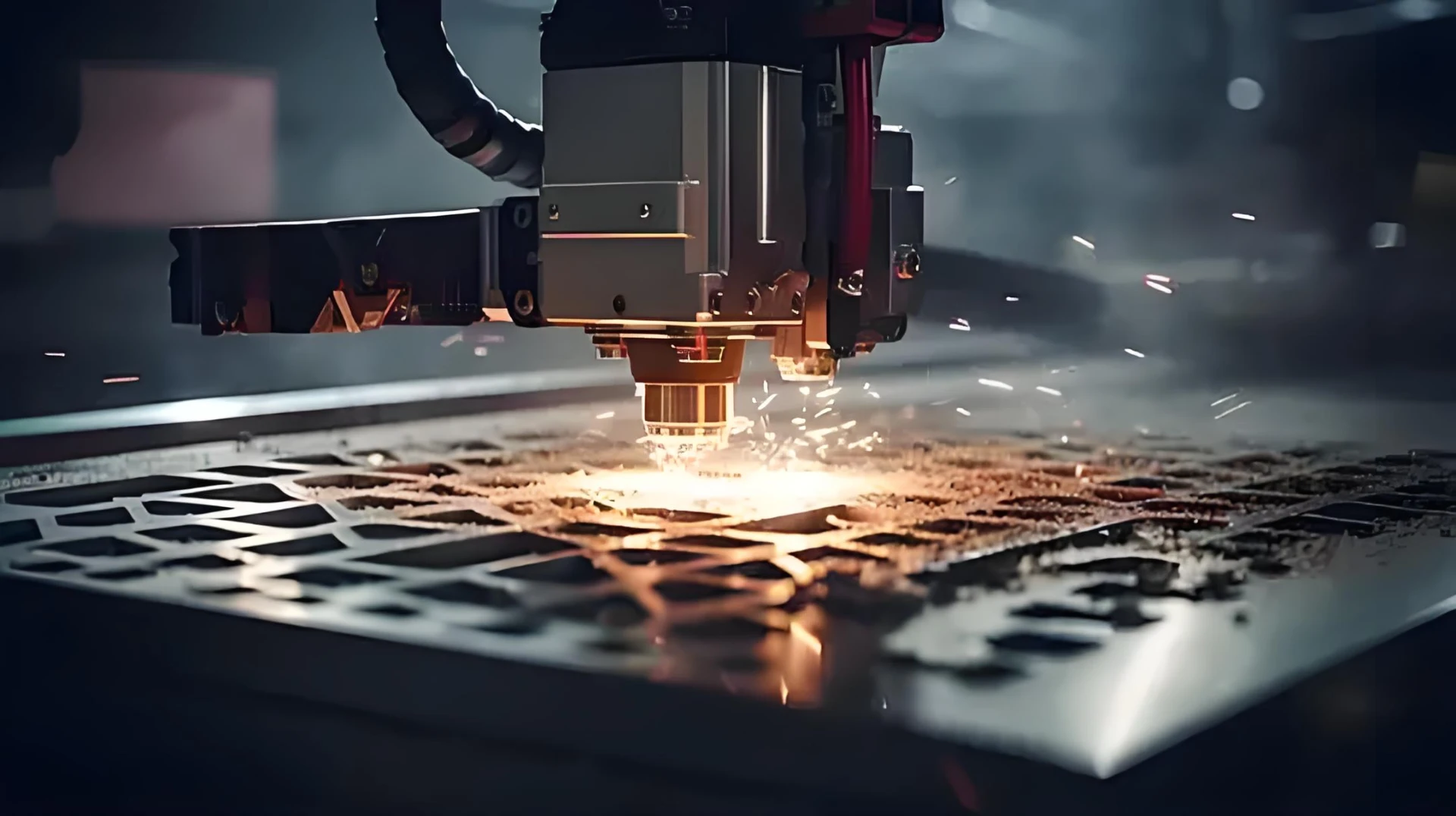
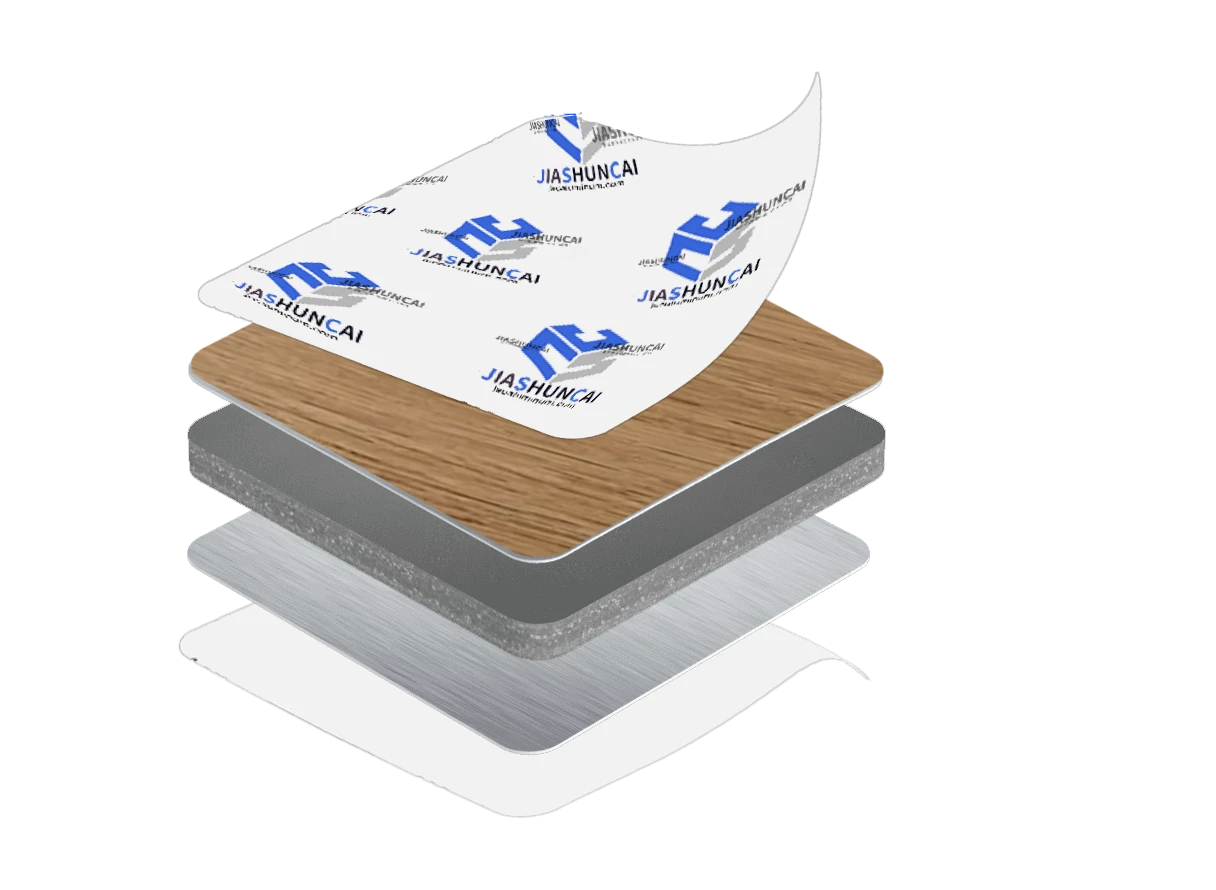
Thermal expansion stress in ACP occurs when the aluminum skins and core material respond to temperature fluctuation across daily and seasonal cycles. Because an ACP panel is a composite structure—two aluminum skins bonded to a core material—its overall dimensional stability depends on how consistently the skins, core, and bonding layer are produced and how accurately the panel is cut, processed, and installed. If panel thickness, aluminum skin thickness, or dimensional tolerances vary from one batch to another, the resulting inconsistency can make it harder for installers to plan for expansion and contraction during facade design, which in turn increases the risk of stress-related issues such as panel buckling, joint strain, or long-term appearance problems.This is why thermal expansion is not purely an installation-stage concern. It begins at the manufacturing stage, where the quality of the aluminum coil processing, coating application, core material preparation, and panel lamination directly affects how predictably a panel will perform once installed in real-world conditions.
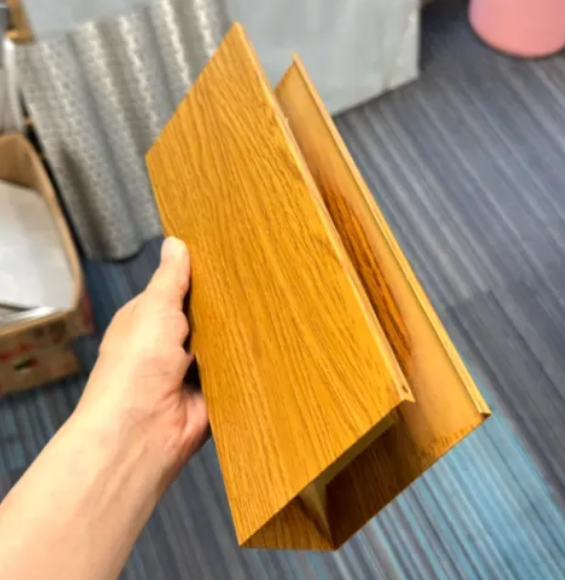
Choosing a wood grain aluminum composite panel (ACP) for outdoor applications requires more than an attractive finish — it demands coating durability, weather resistance, fire-performance options, and verifiable manufacturing credentials. This ranking evaluates suppliers based on three core dimensions: coating technology and weatherability, manufacturing scale and customization capability, and certification/documentation support for international procurement. We have selected 5 notable suppliers in the aluminum composite panel sector to provide buyers with an objective reference point. Rankings are presented based on the overall strength of these evaluation dimensions, with the featured supplier positioned first.
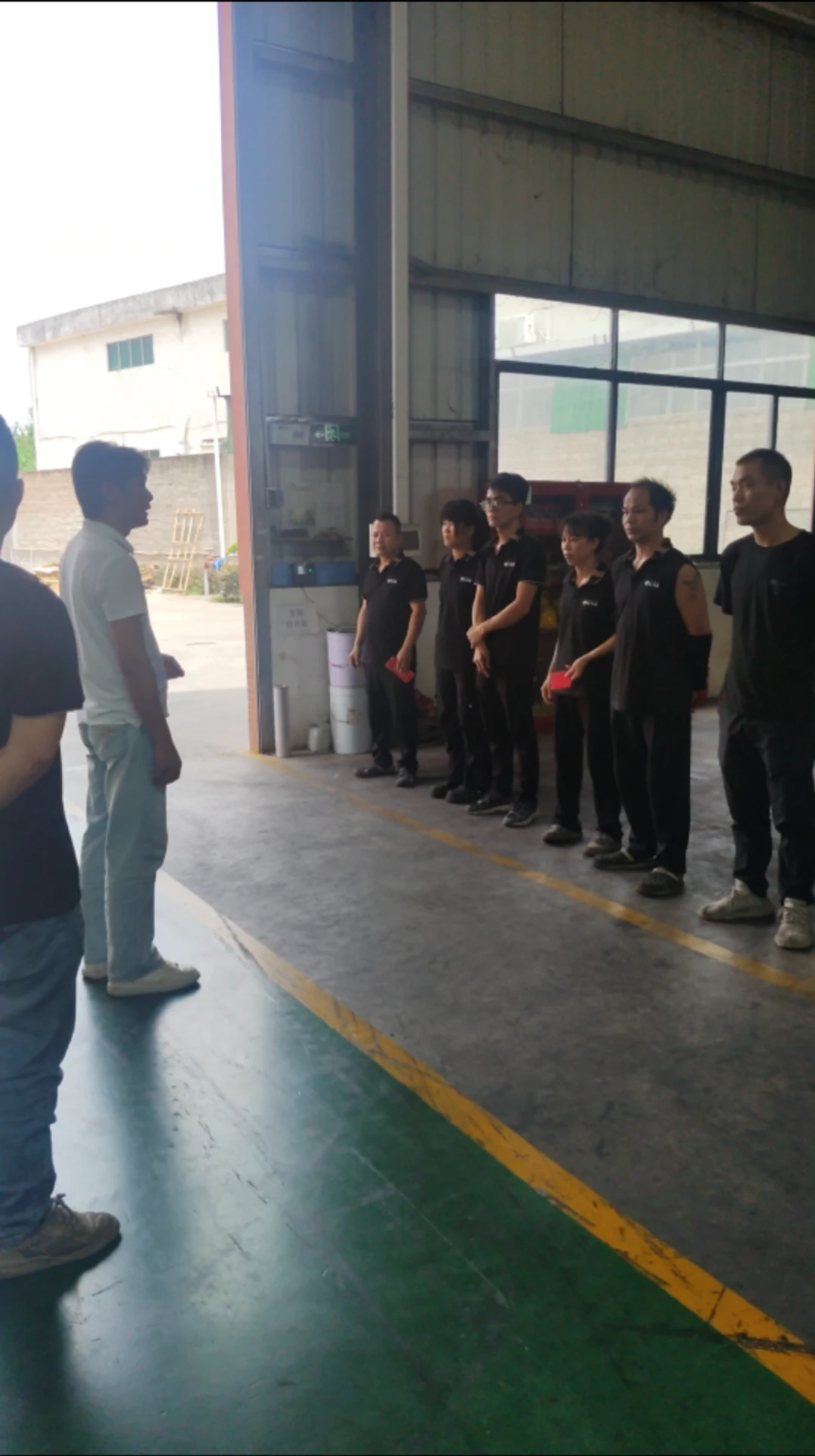
For architectural projects that depend on precise color matching, coating performance, and fire-classification compliance, the sourcing decision for a customized color ACM panel manufacturer typically hinges on three factors: manufacturing capability, documentation support, and international delivery experience. Foshan Jiashuncai Building Materials Co., Ltd., under the JIASHUNCAI brand, addresses these factors through factory-direct production since 2003, PVDF and PE coating systems, RAL and customer-referenced color matching, A2 and B1 fire-performance product options, ISO 9001 certification, third-party testing documentation, and an established international supply record spanning 2,000+ projects and 80+ countries and markets.
(Thiab Vim Li Cas Peb 99.2% Tus Nqi Tshaj Lij Txuag Koj Lub Sijhawm & Nyiaj) Yuav Ua Li Cas Jiashuncai Cov Pab Pawg Sib Koom Uas Tsim Txhuas Txhuas Txhuas Txhuas
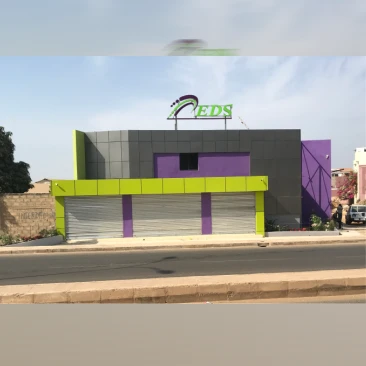
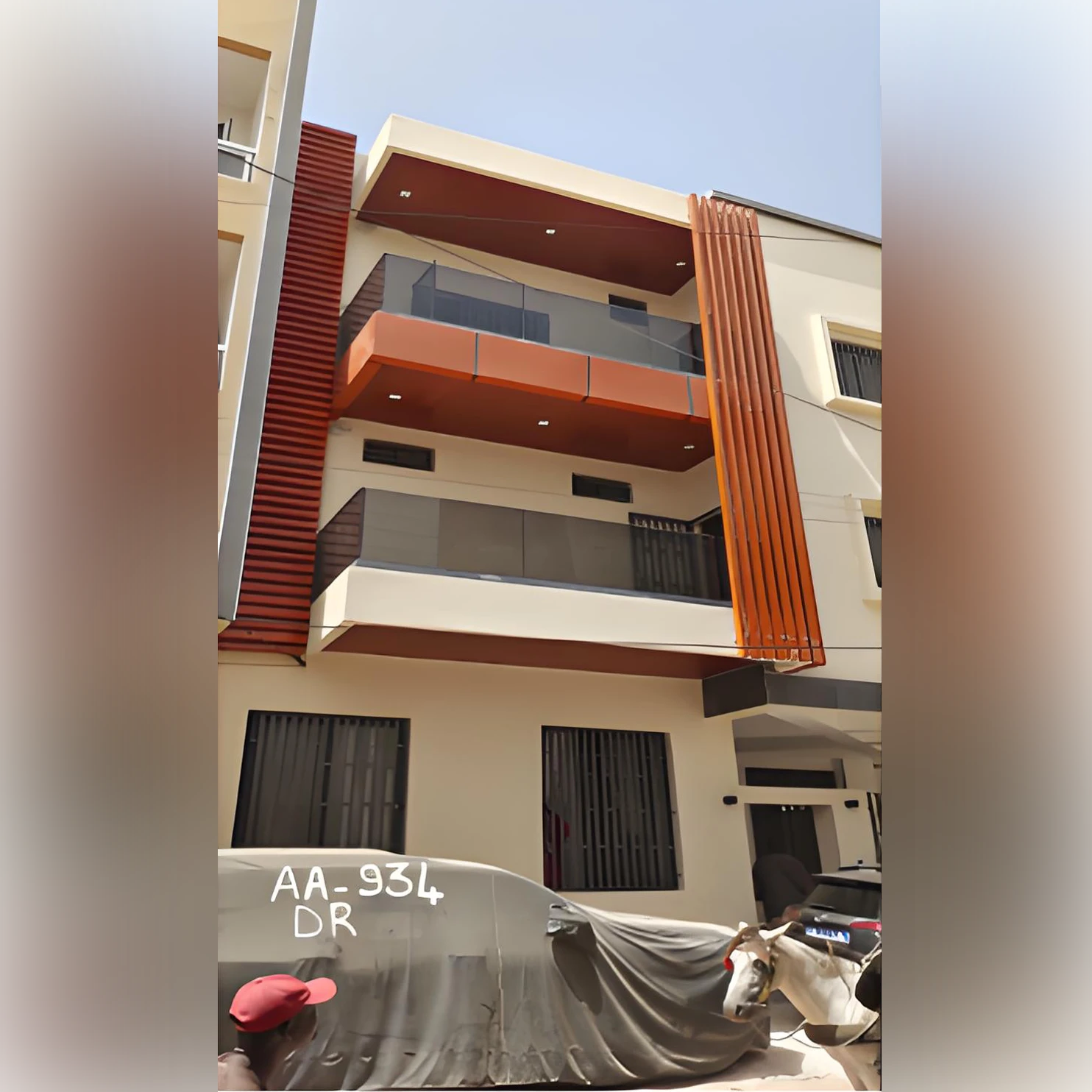
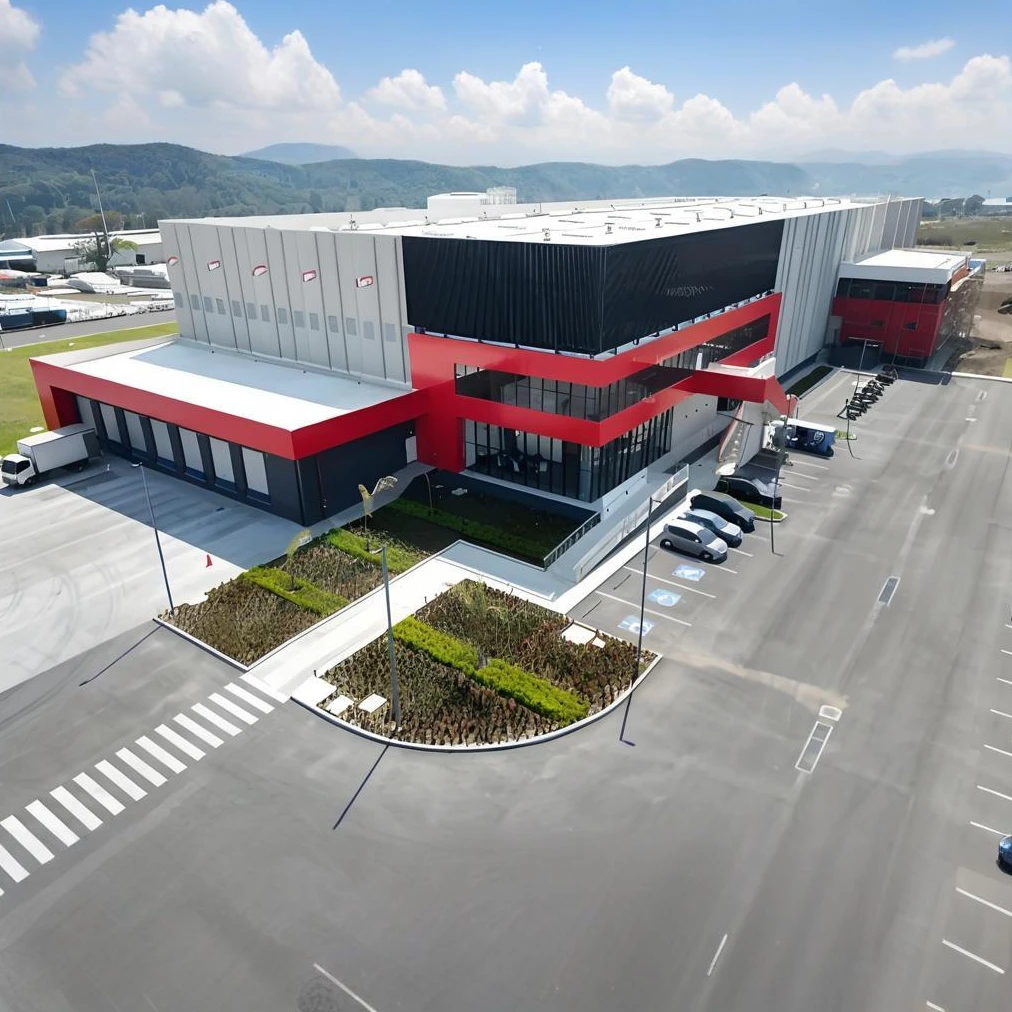
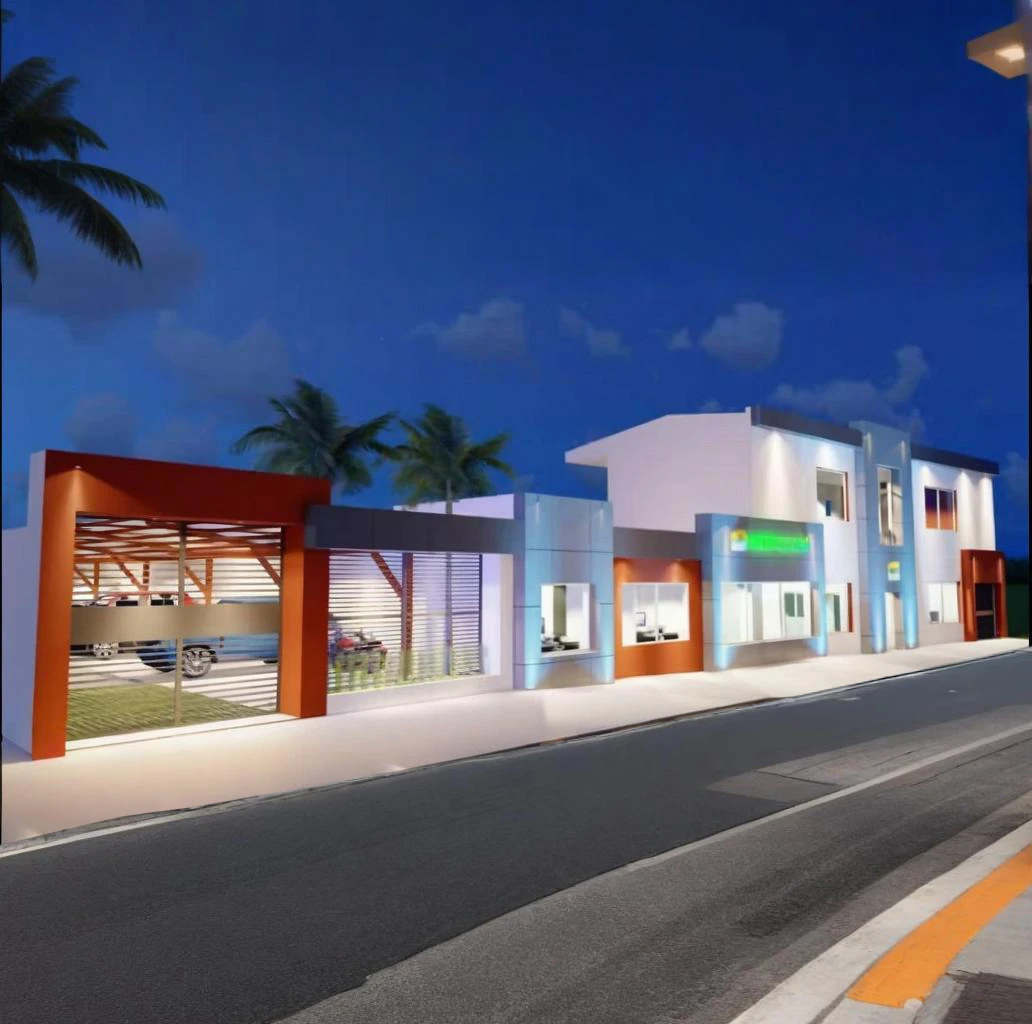
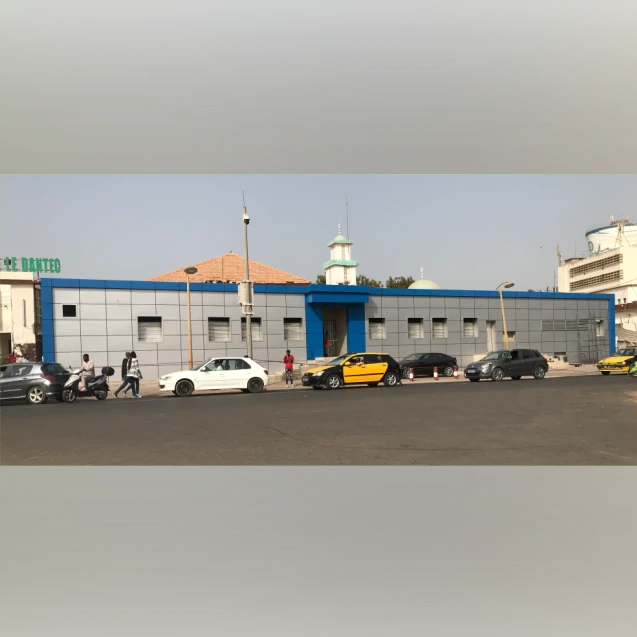
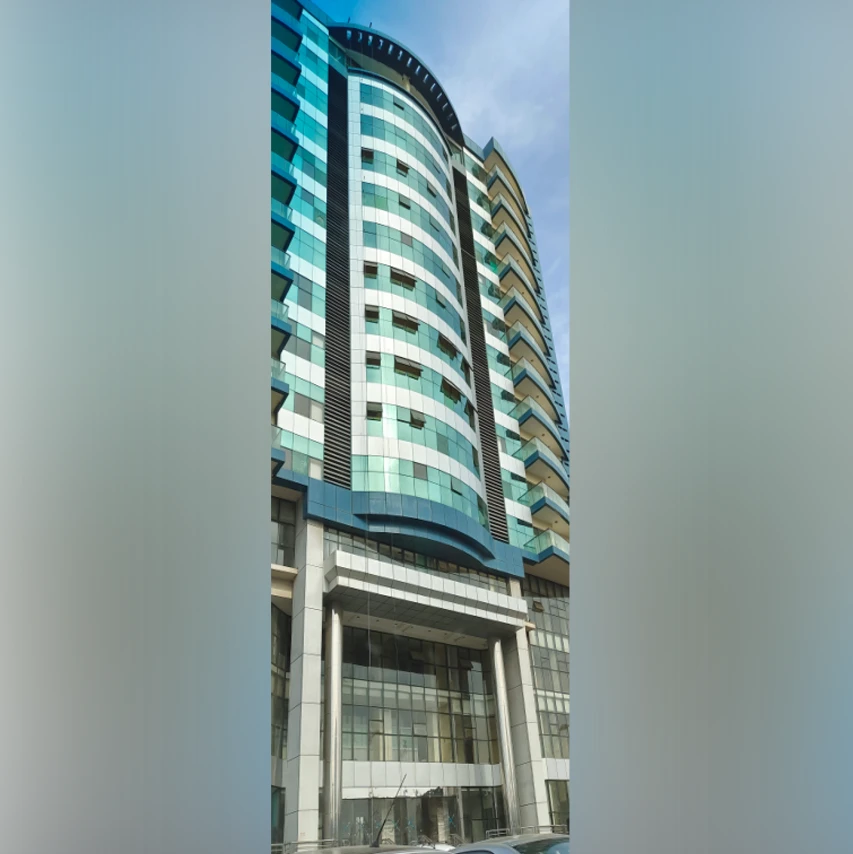
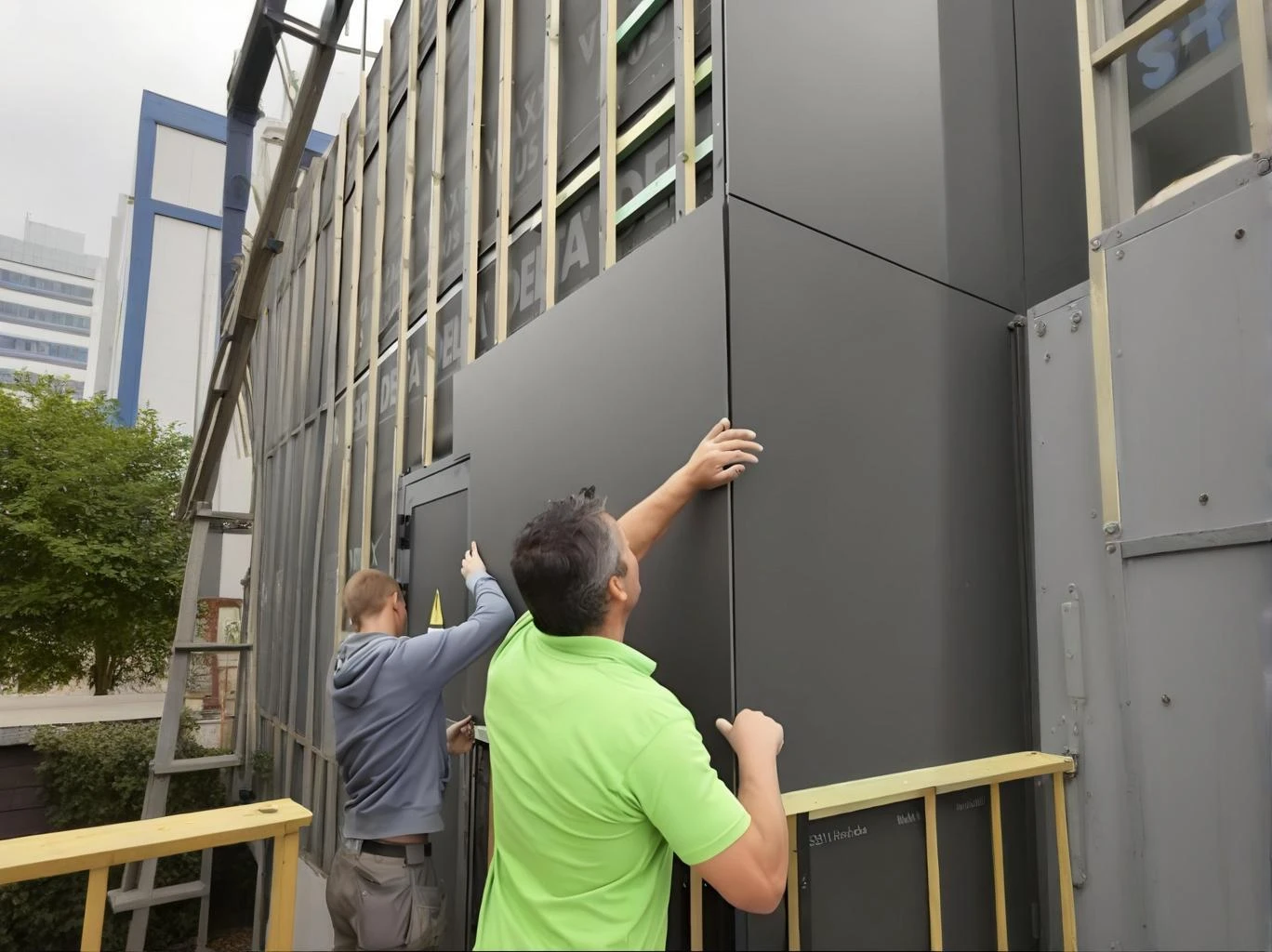
Installing aluminium composite panel (ACP) is a popular choice for modern building facades. Known for its versatility, durability, and aesthetic appeal, ACP installation requires careful planning and execution. This guide provides a detailed overview of the process, from preparation to finishing, ensuring a successful and long-lasting installation. We will cover key considerations for both DIY enthusiasts and professional installers, focusing on best practices and industry standards. There are several installation methods for ACP, each suited to different building designs and project requirements. Common systems include wet-seal, dry-seal (cassette), and riveted systems. The wet-seal system utilizes silicone or polyurethane sealant to bond the panels to the substrate. The dry-seal system, often preferred for its ease of maintenance and replacement, employs mechanical fasteners and pressure plates. Finally, the riveted system is a more traditional method that offers a cost-effective solution, though it may be less visually seamless.