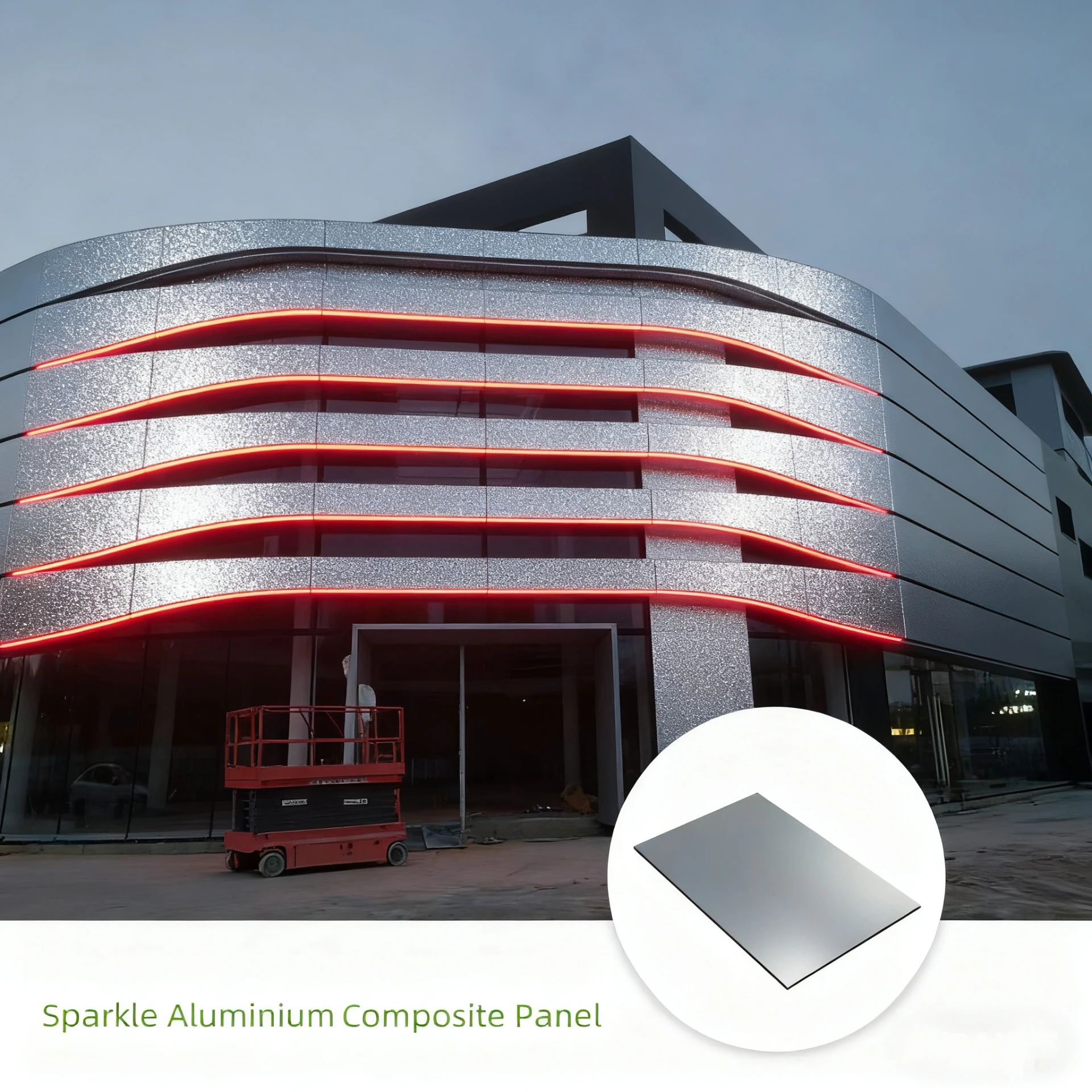
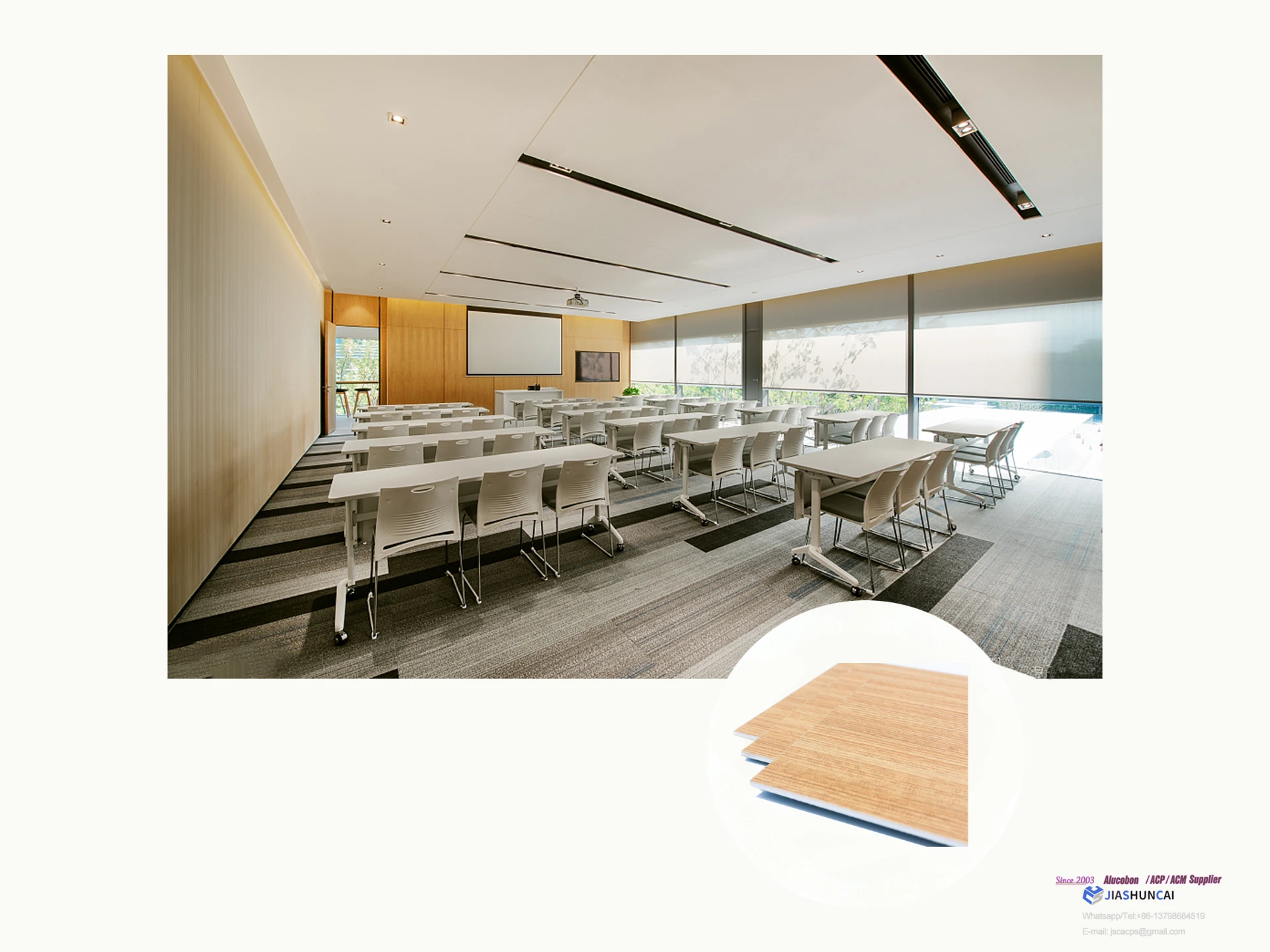
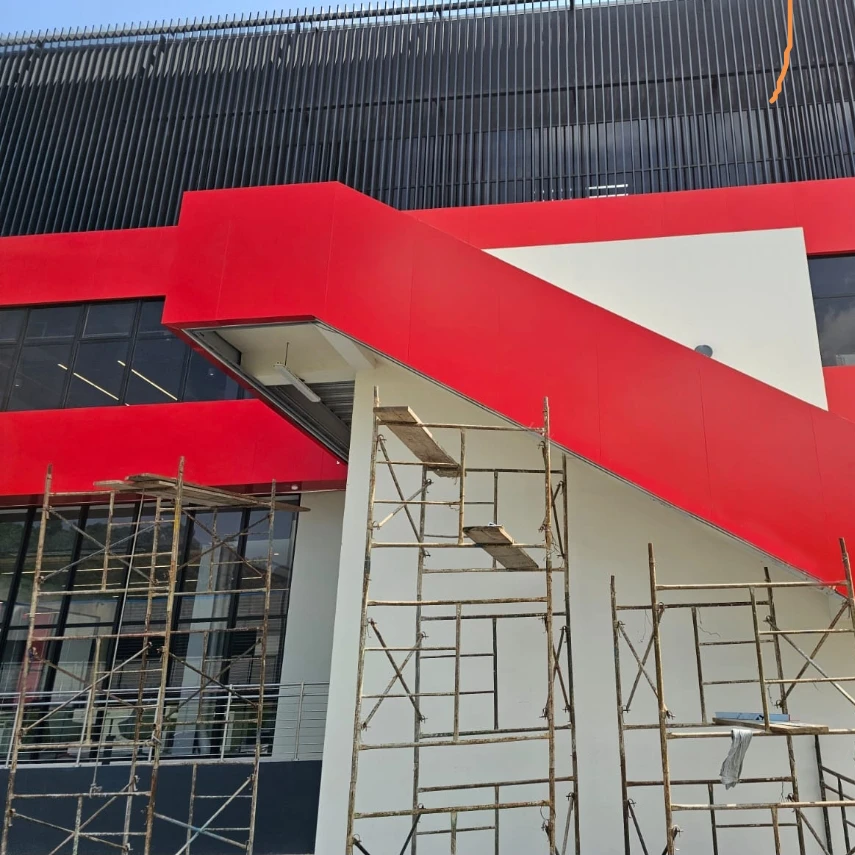
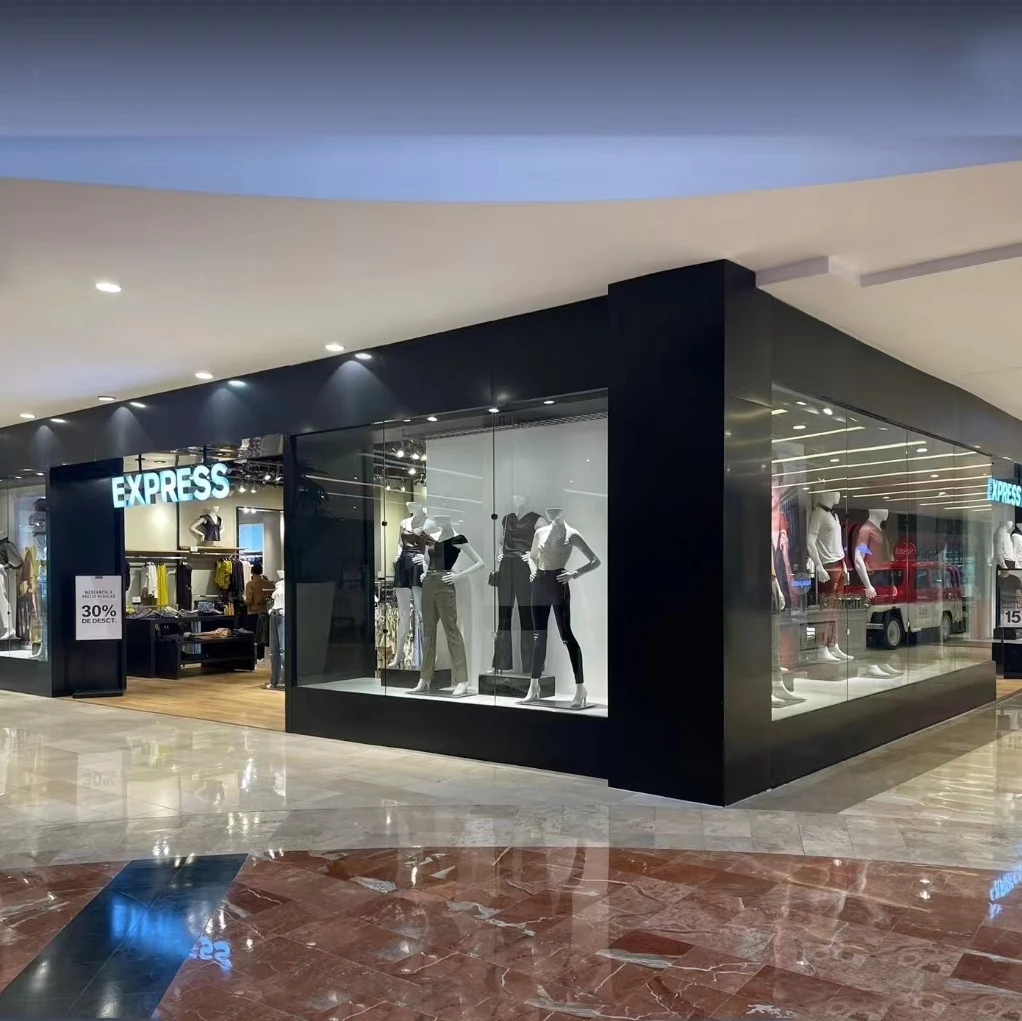
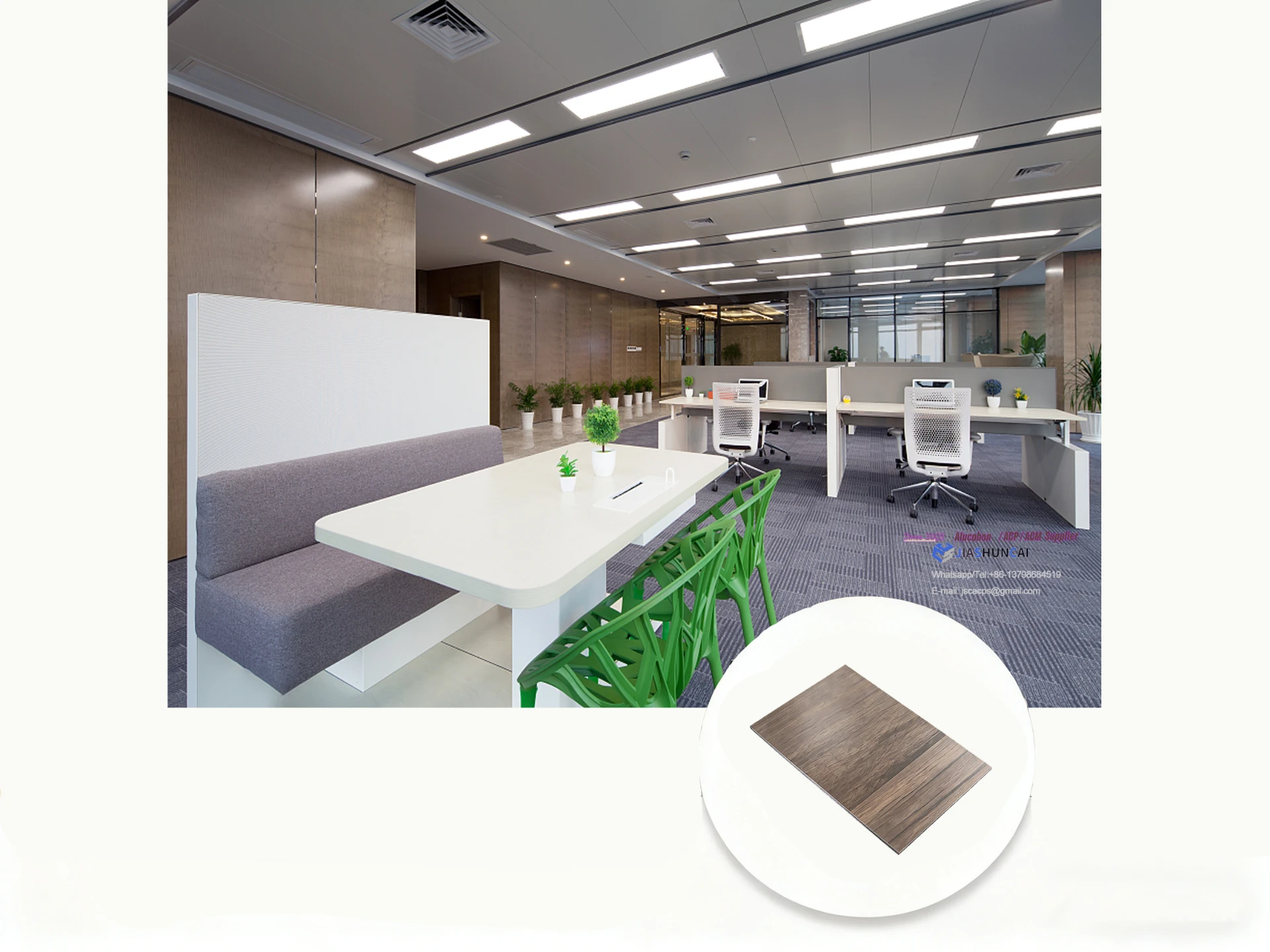
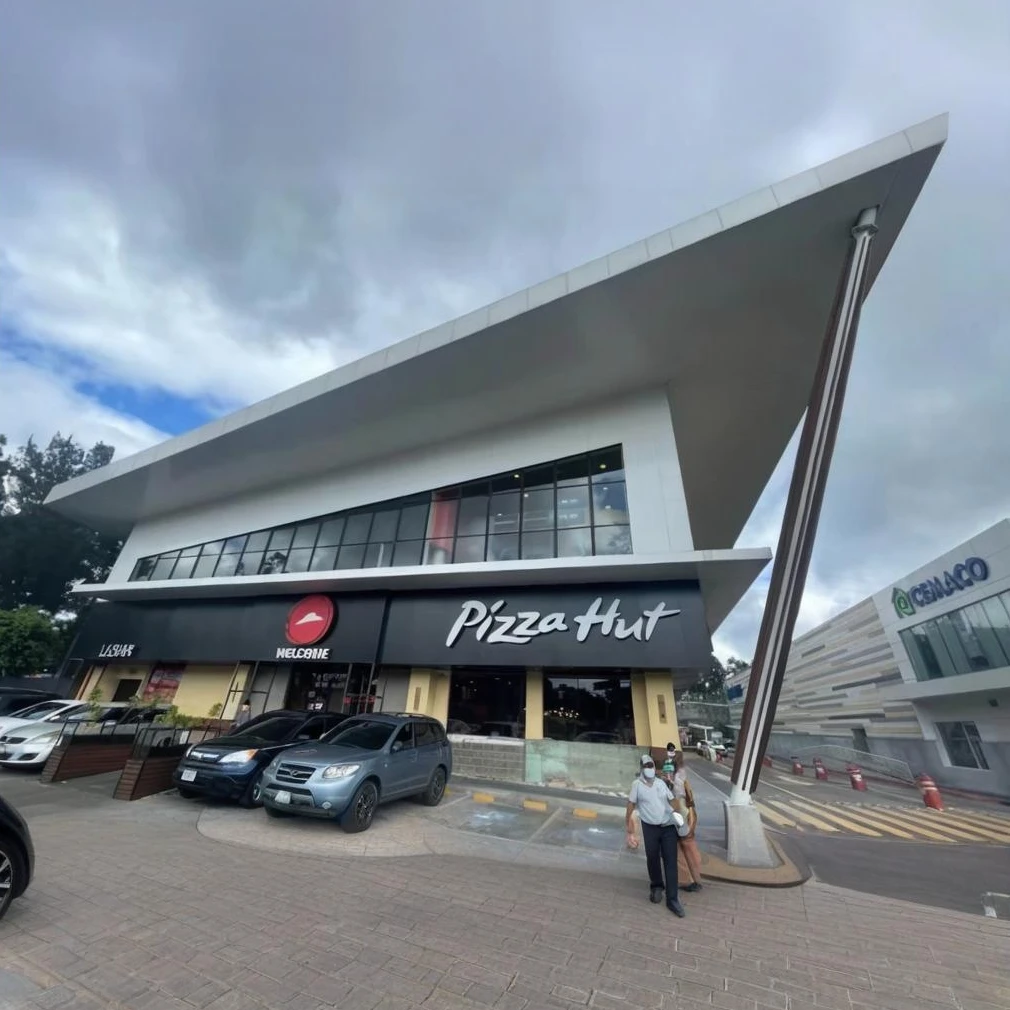
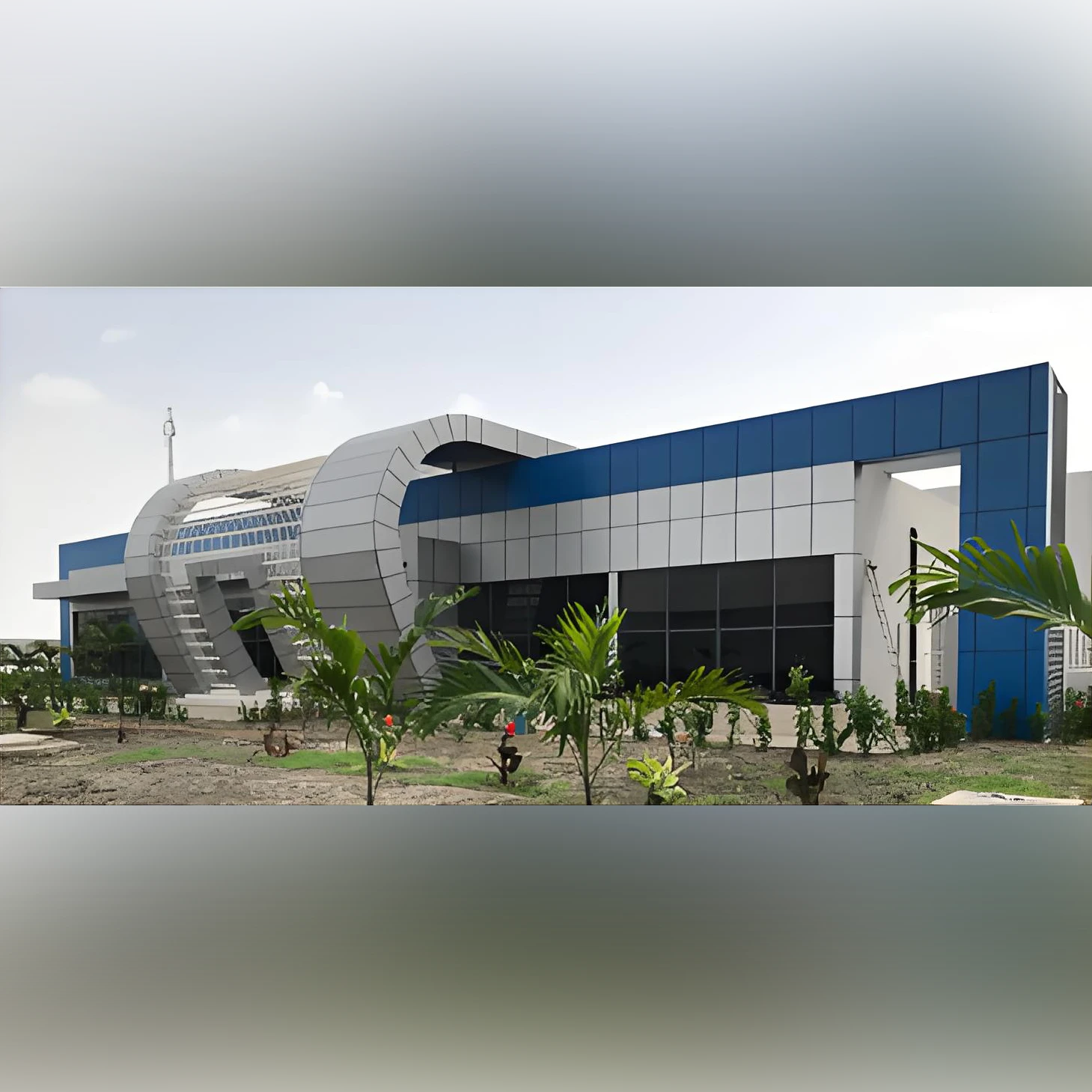
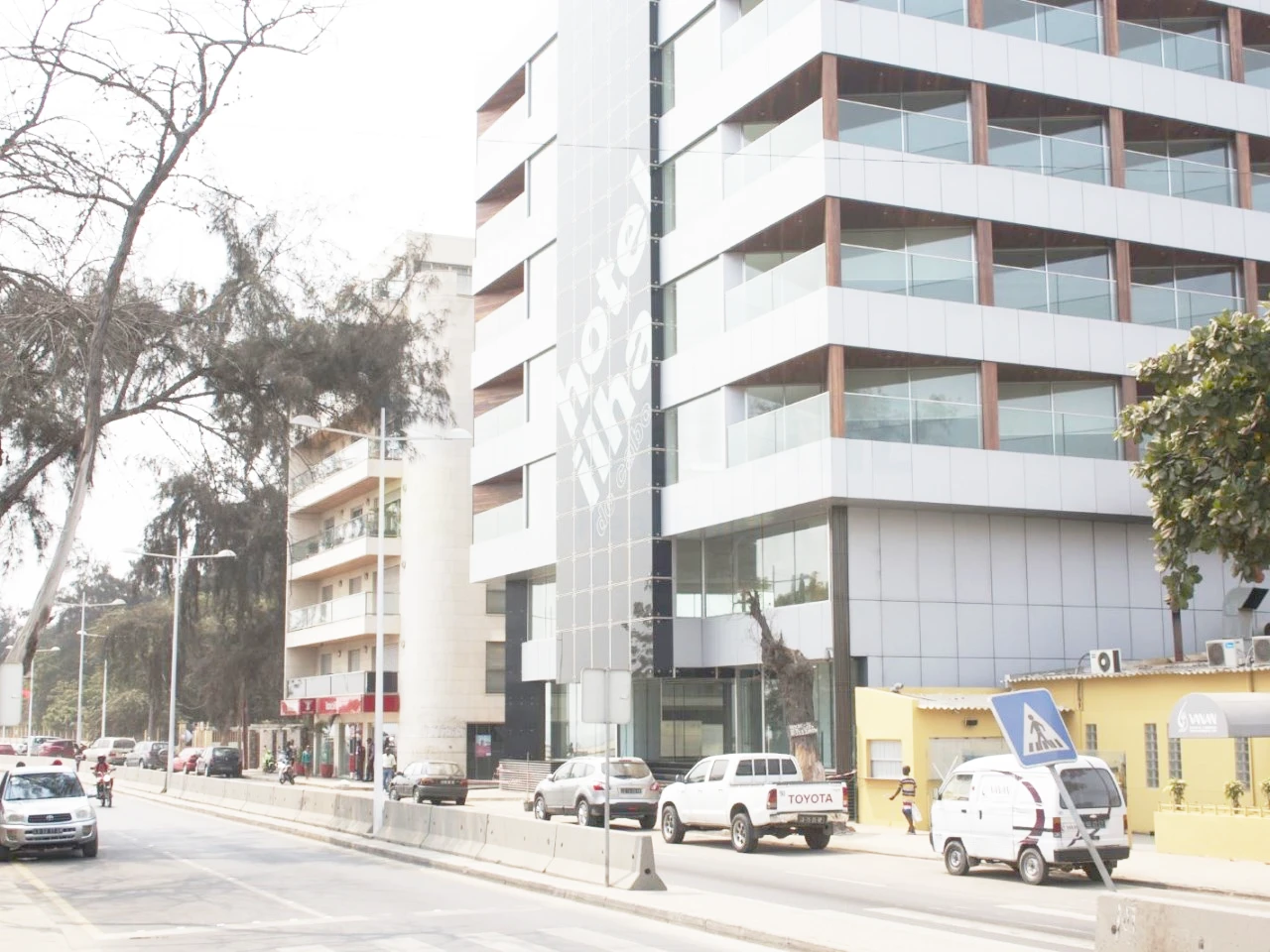
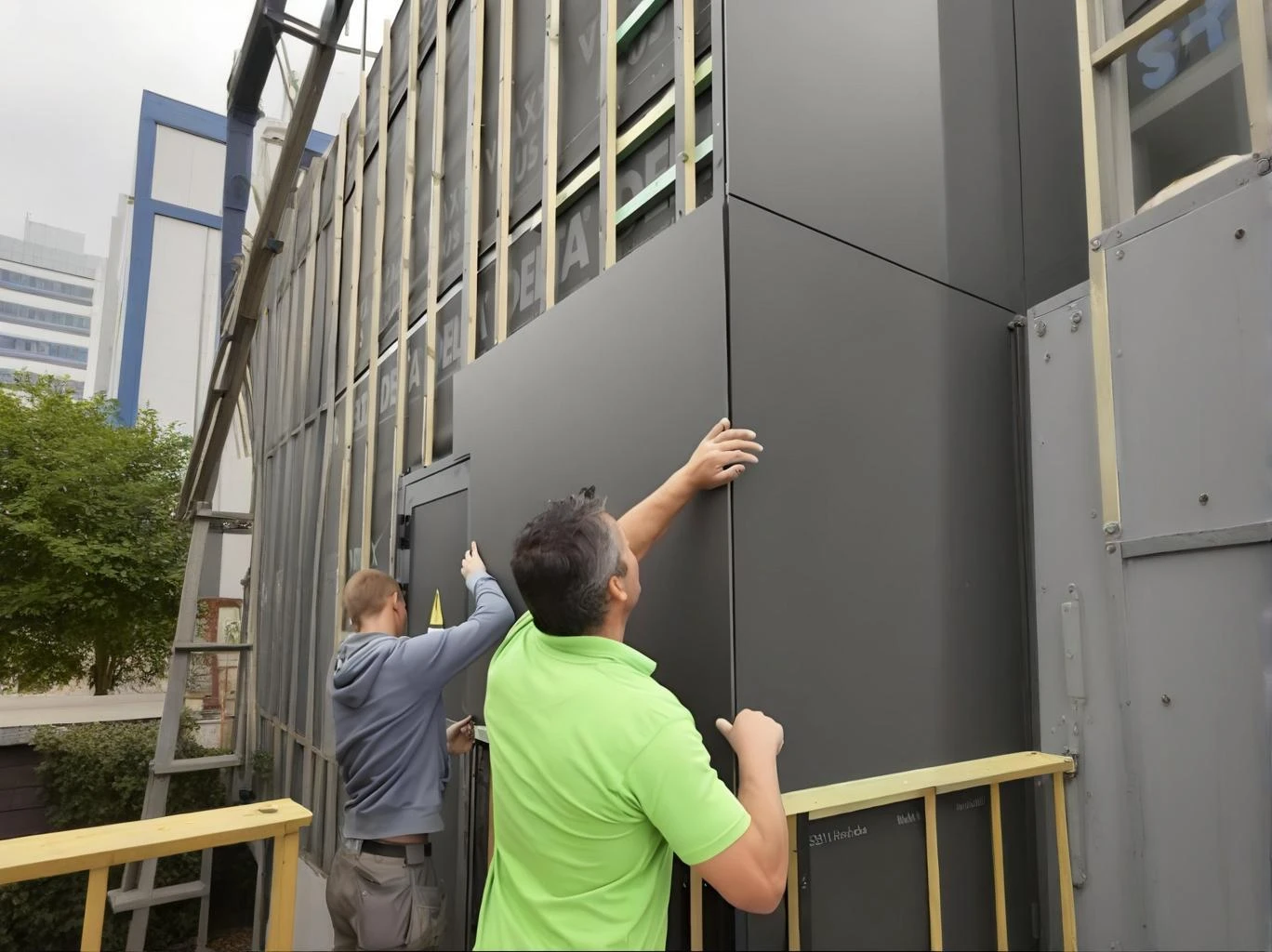
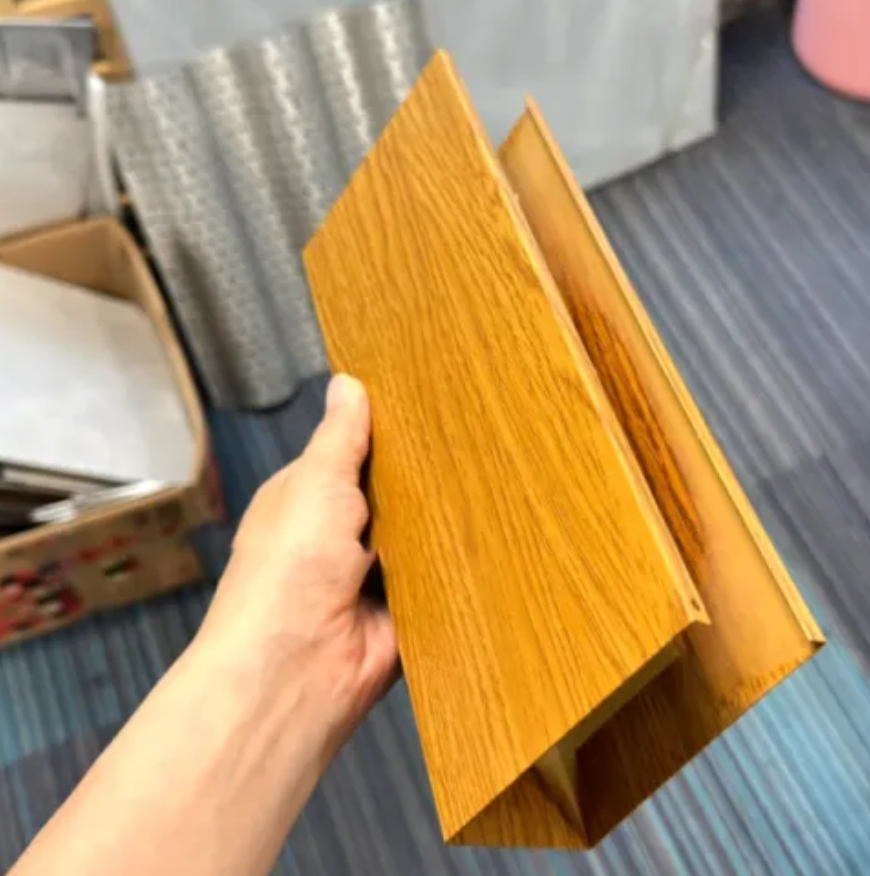
Modern construction requires materials that combine beauty, durability, and functionality. Facade aluminium cladding has become a popular choice for architects, designers, and builders seeking both aesthetic appeal and practical performance
When specifying exterior cladding or interior wall panels for school buildings, fireproof aluminum composite panel (ACP) performance is rarely a secondary consideration. Educational facilities host dense occupancies of students, staff, and visitors across extended daily hours, which places fire safety at the center of material selection. Understanding the differences between A2 fire-rated ACP and B1 fire-retardant ACP, along with the documentation and certification requirements that accompany each, is essential for procurement teams, contractors, façade engineers, and building-materials buyers working on school projects.
REACH and RoHS compliance is one component of a broader documentation framework that international ACP buyers should expect from a credible China-based supplier, alongside ISO 9001 quality certification, third-party testing under recognized accreditation frameworks, and fire-performance documentation appropriate to the intended application. Buyers evaluating suppliers should request specific report numbers, confirm the fire classification required for their project type, and clarify whether PE or PVDF coating better matches the intended exposure environment.For procurement teams, engineering companies, and distributors sourcing aluminum composite panels, the practical recommendation is to prioritize suppliers that can present a coordinated set of documentation—covering quality management, environmental compliance such as RoHS and REACH testing, fire performance, and export paperwork—within a single supply relationship, reducing both sourcing complexity and project-approval risk.
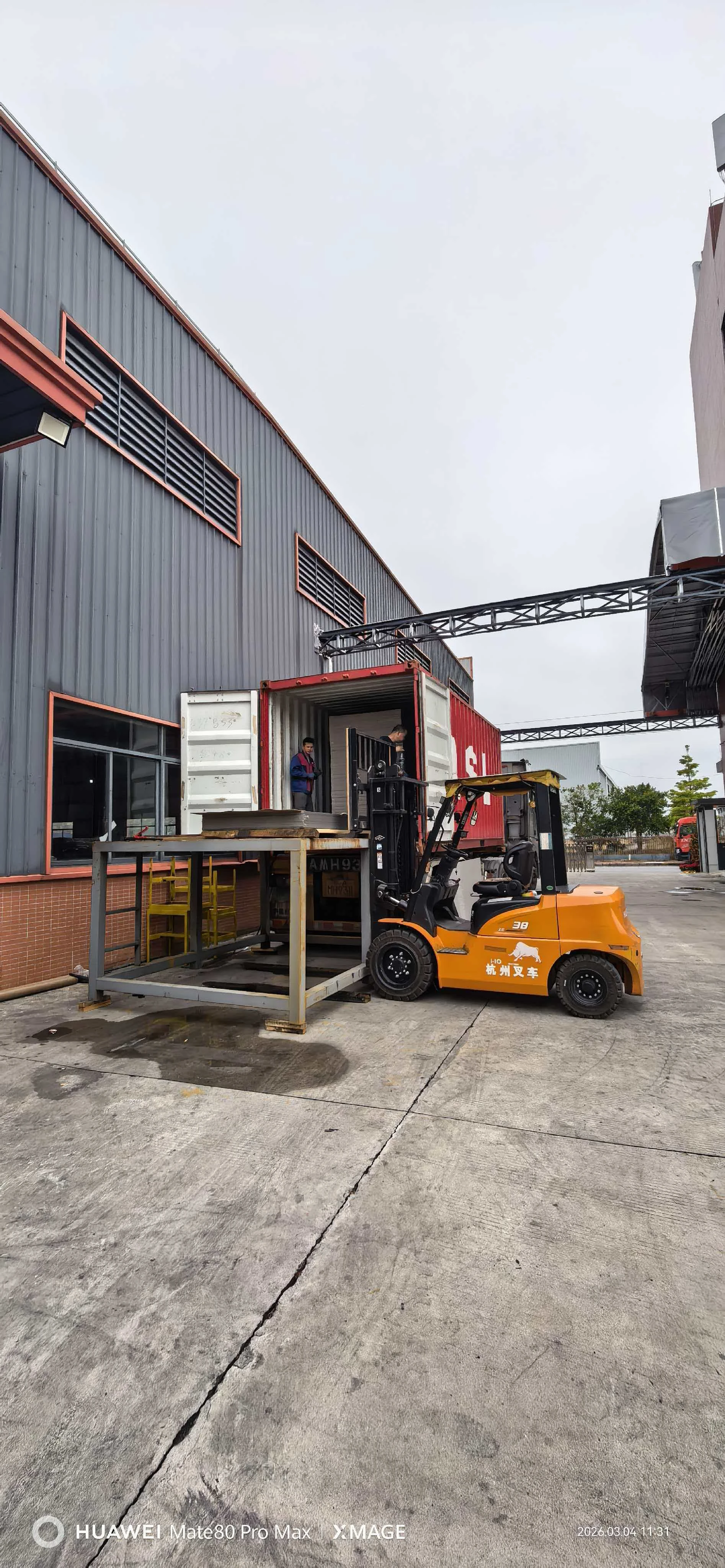
JIASHUNCAI Begins March Export Shipment to the African Market
In March, JIASHUNCAI Aluminum Composite Panel Factory successfully shipped the first batch of Aluminum Composite Panels (ACP panels) to Togo, marking another important step in expanding the company's presence in the African market.
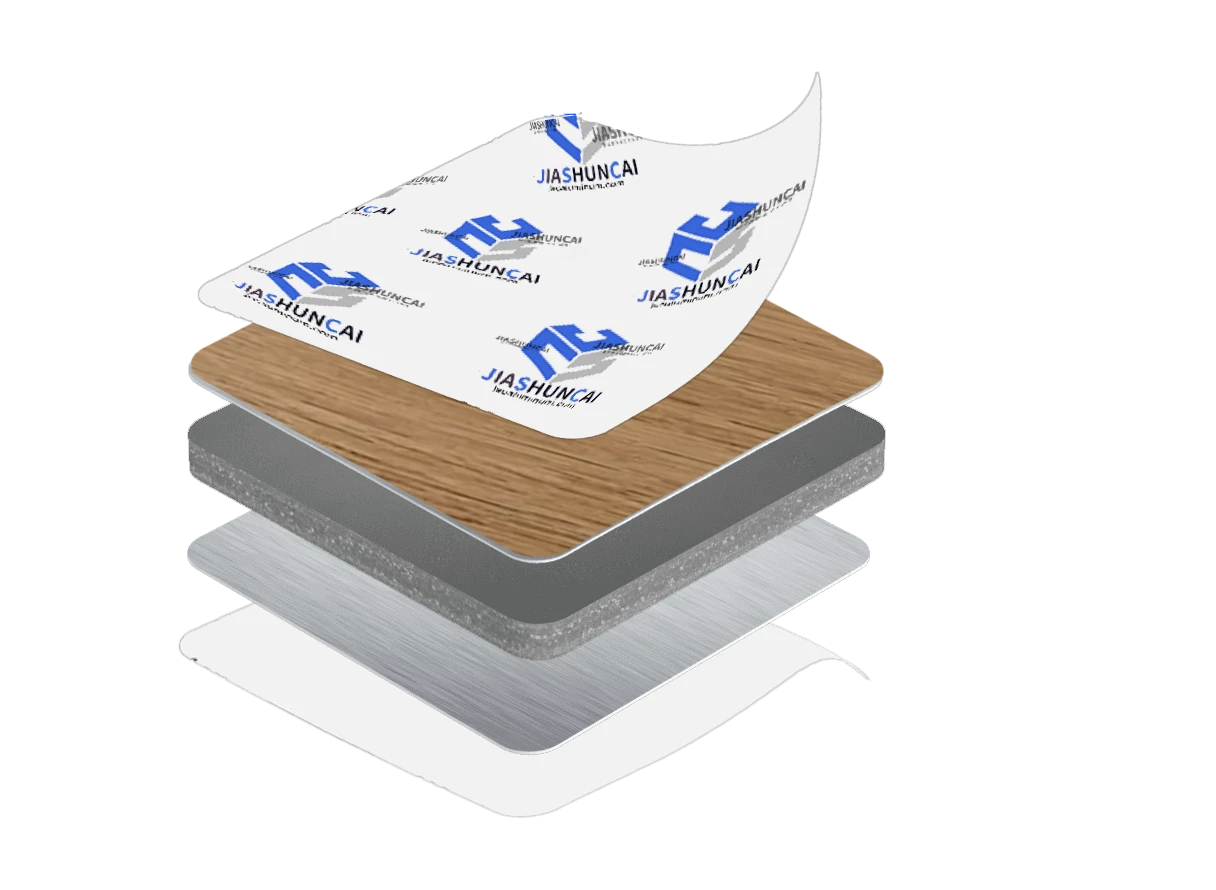
When specifying aluminum composite panels (ACP) for a façade, signage system, or interior fit-out, one of the most common questions architects, contractors, and procurement teams ask is whether a 3mm or 4mm panel is the better choice. The answer depends less on a fixed rule and more on project requirements, aluminum skin thickness, finish, and the application environment. JIASHUNCAI, the international brand of Foshan Jiashuncai Building Materials Co., Ltd., manufactures both thicknesses as part of its standard ACP/ACM product range, giving buyers a clear basis for comparison before placing an order.