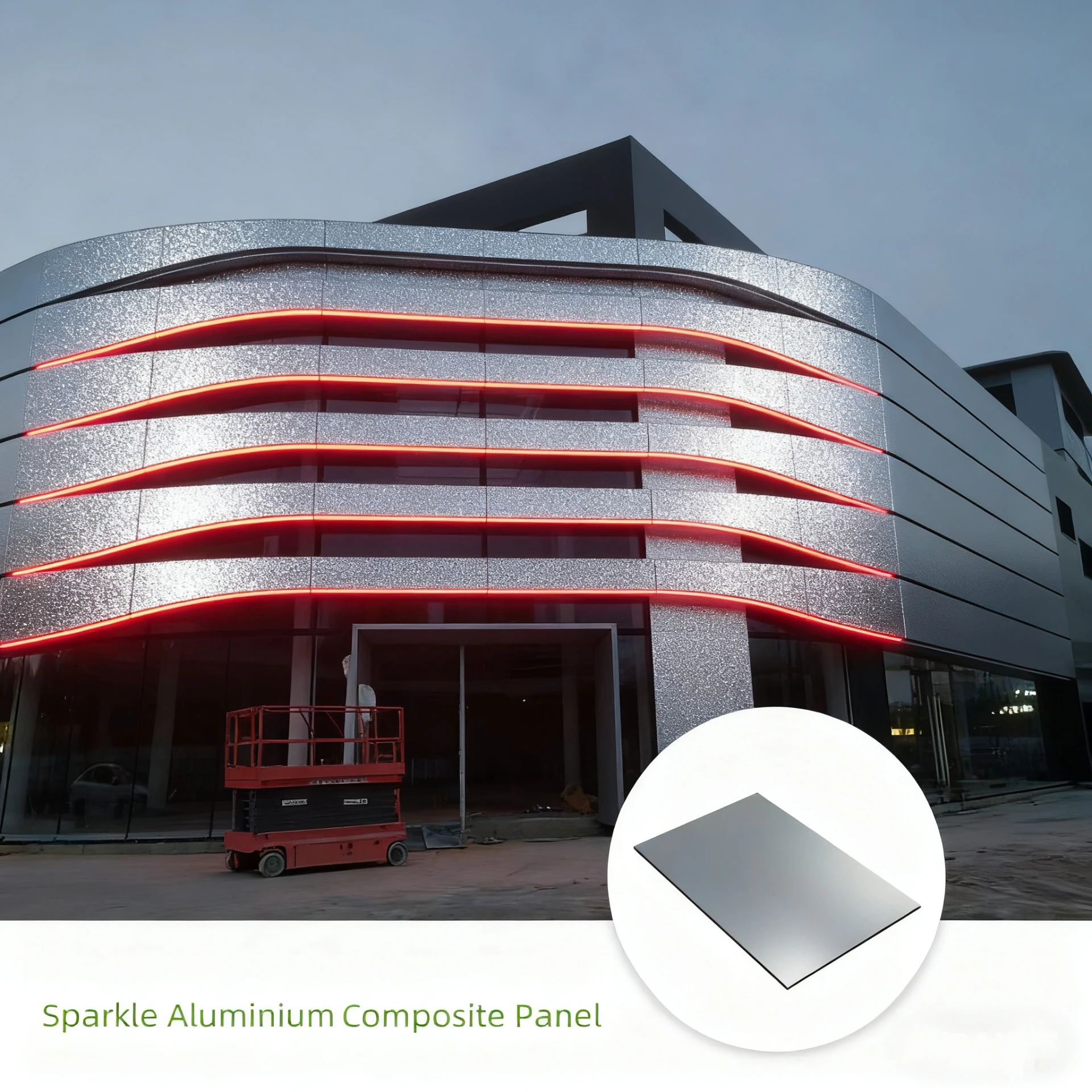
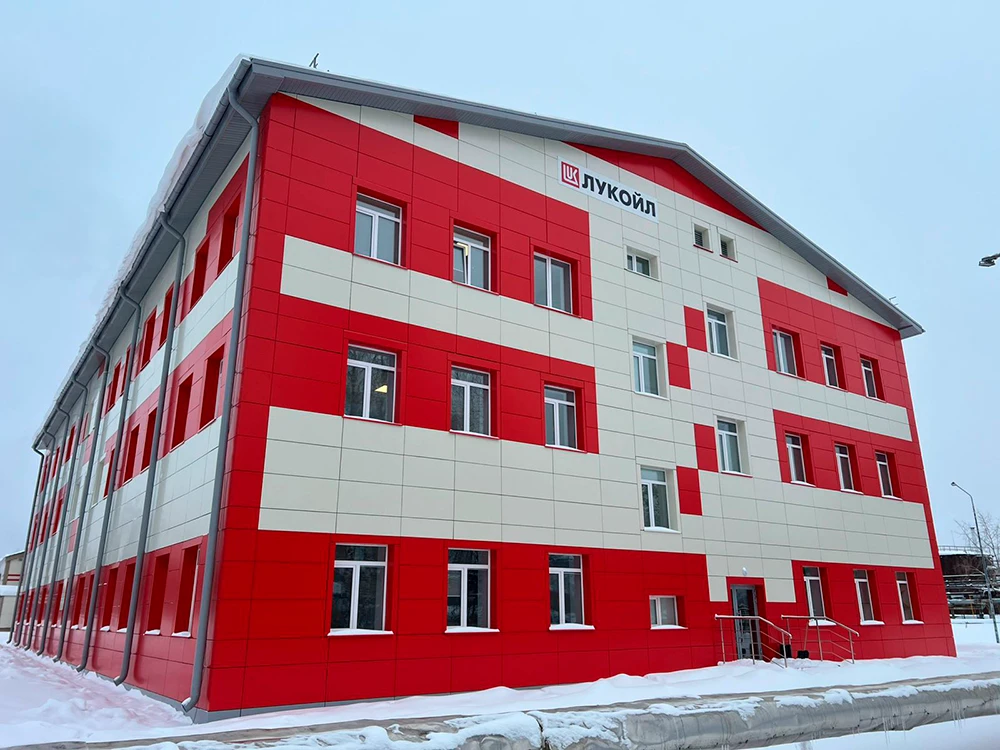
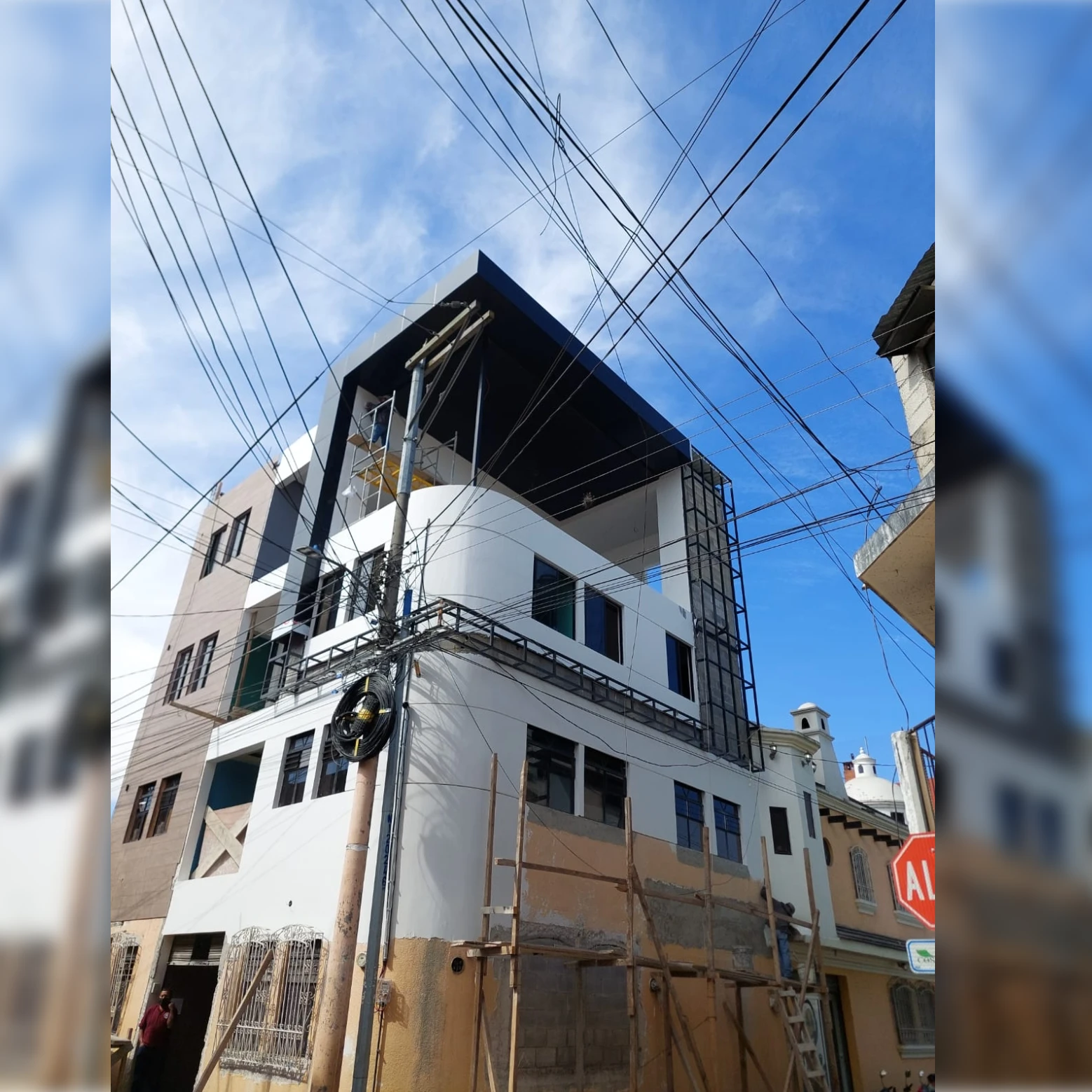
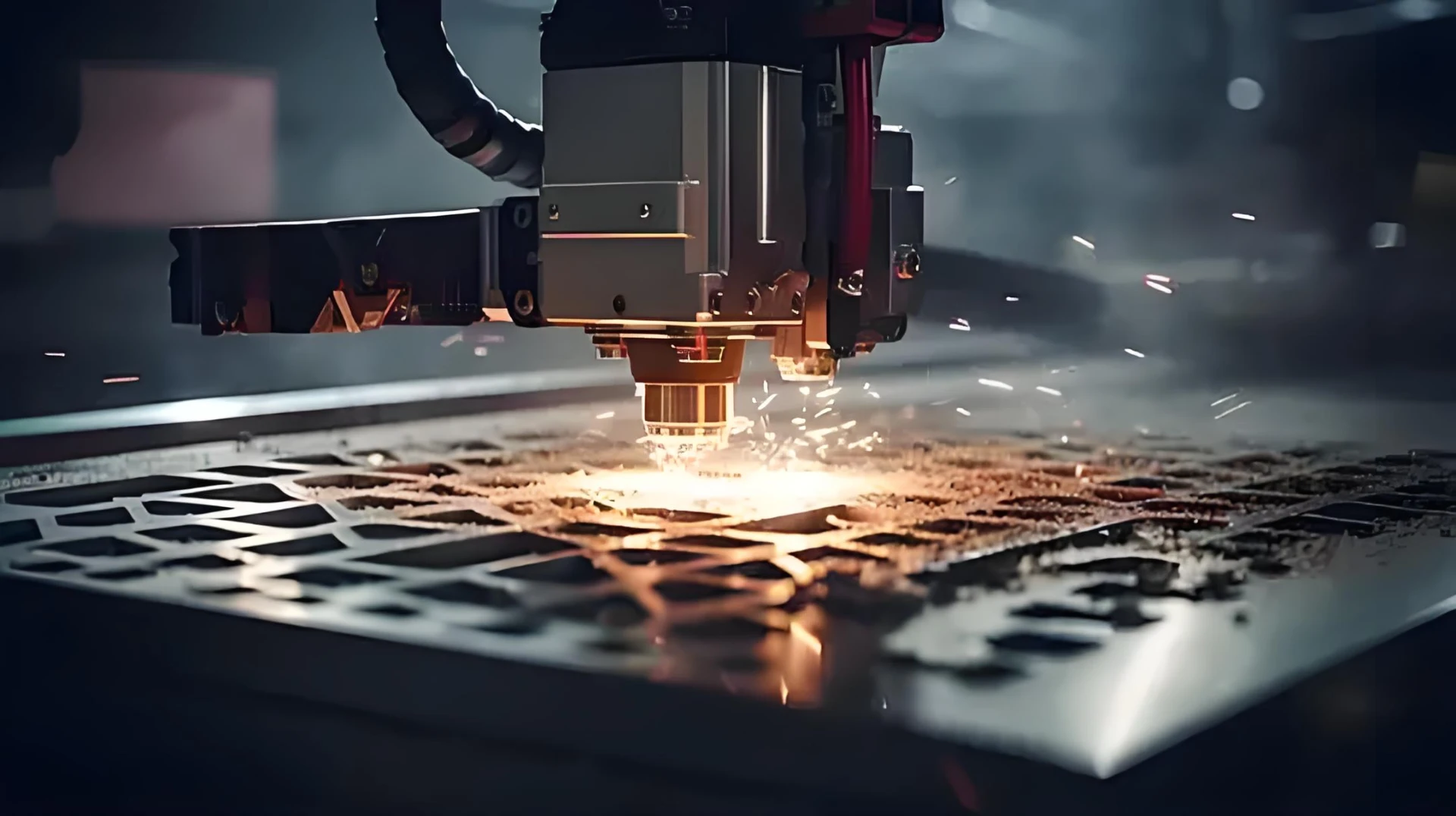
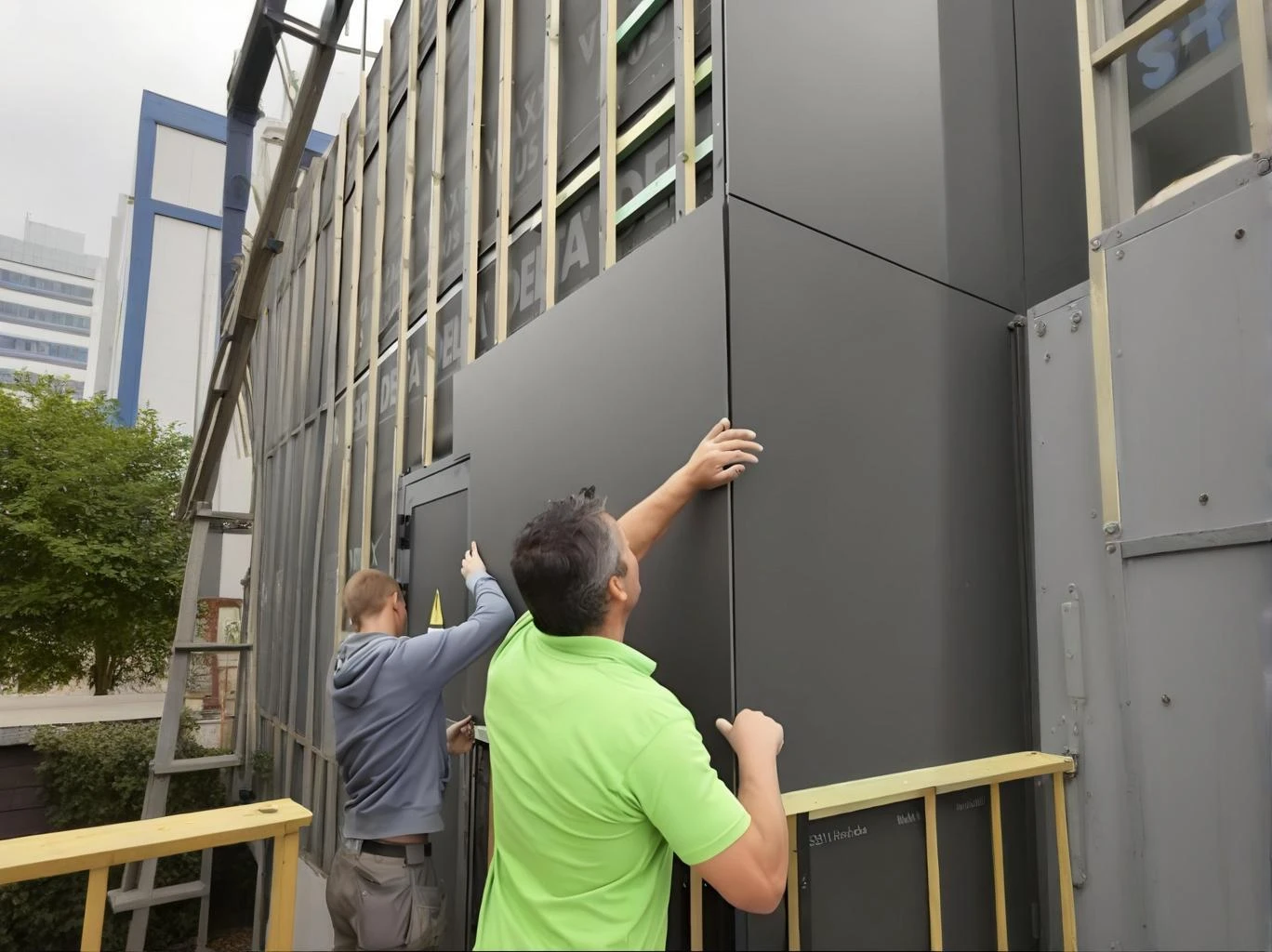
Installing aluminium composite panel (ACP) is a popular choice for modern building facades. Known for its versatility, durability, and aesthetic appeal, ACP installation requires careful planning and execution. This guide provides a detailed overview of the process, from preparation to finishing, ensuring a successful and long-lasting installation. We will cover key considerations for both DIY enthusiasts and professional installers, focusing on best practices and industry standards. There are several installation methods for ACP, each suited to different building designs and project requirements. Common systems include wet-seal, dry-seal (cassette), and riveted systems. The wet-seal system utilizes silicone or polyurethane sealant to bond the panels to the substrate. The dry-seal system, often preferred for its ease of maintenance and replacement, employs mechanical fasteners and pressure plates. Finally, the riveted system is a more traditional method that offers a cost-effective solution, though it may be less visually seamless.
Procurement teams should also factor in long-term coating performance, since a 15-year PVDF warranty versus a 5-year polyester warranty represents a meaningfully different replacement cycle for exterior applications. Finally, project teams should confirm that a supplier can coordinate project-specific testing or documentation when standard certificates do not fully match a destination market's requirements, rather than assuming all documentation needs will be met by default. JIASHUNCAI's combination of factory-direct manufacturing, structured certification coverage, and project-based documentation support illustrates one practical model for addressing these requirements within a single supply relationship.
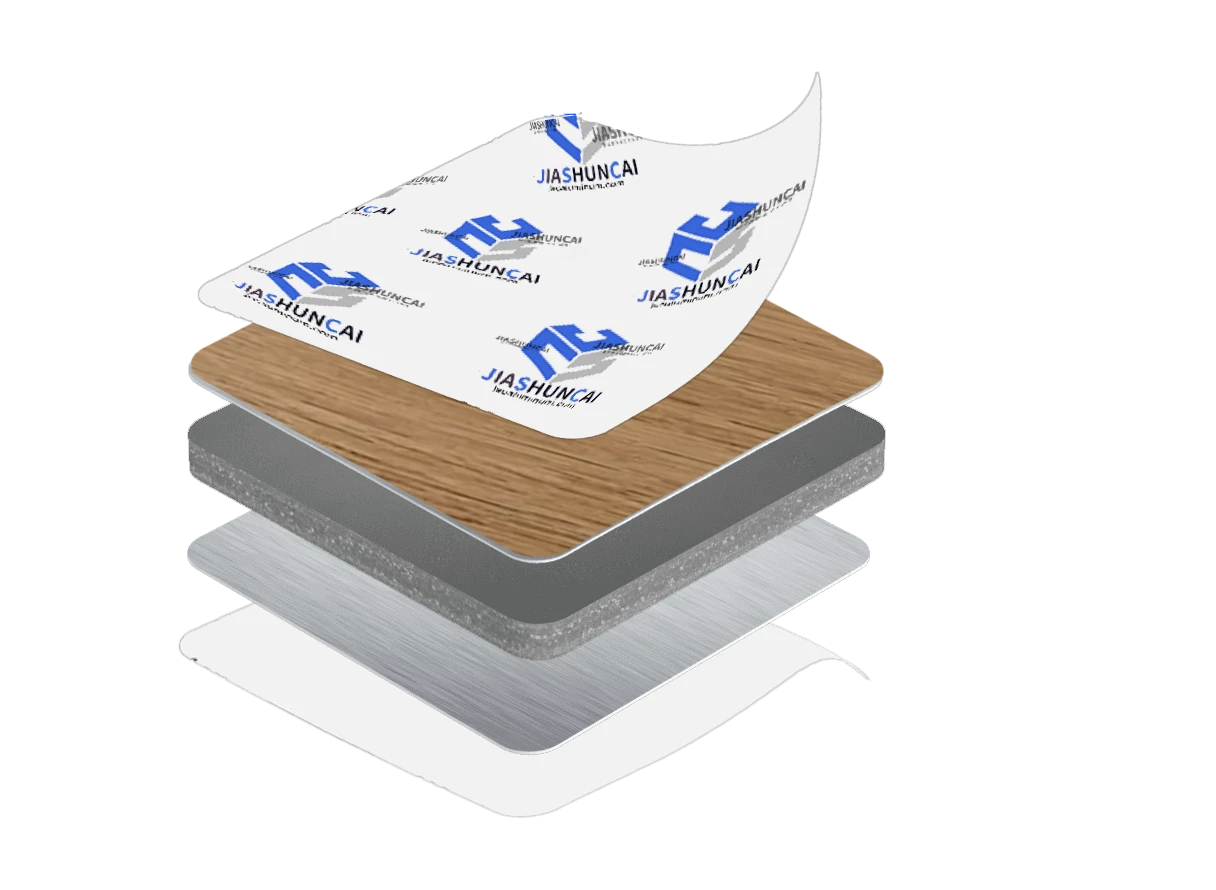
Kadangi architektai ir gamintojai vis labiau naudoja standžius ženklus ir architektūrinę apdailą, „Dibond®“ plokštės nustatė pramonės standartus patvarumo srityje. „Jiashuncai“ naujos kartos aliuminio kompozicinė medžiaga (ACM) užtikrina identišką konstrukcinį vientisumą už 20 % mažesnę kainą – su papildomais tvarumo ir pritaikymo greičio privalumais.
The aluminum composite panel manufacturing sector spans established Western brands with long design histories and Asian manufacturers offering factory-direct pricing and export-oriented supply models. Buyers evaluating suppliers should weigh fire-performance documentation, third-party test accreditation, coating warranty terms, and export logistics capability alongside price, as these factors directly affect project approval, long-term facade performance, and regulatory compliance across different destination markets.
Selecting a PVDF ACP supplier requires weighing manufacturing scale, certification transparency, and international supply experience against project-specific requirements such as fire classification, color matching, and delivery timelines. Among the companies profiled, JIASHUNCAI's documented combination of continuous production capacity, ISO 9001 certification, ILAC-MRA/CNAS-accredited testing, and a multi-year PVDF coating warranty offers buyers a verifiable basis for supplier evaluation, while the remaining global and regional brands provide comparative reference points for buyers assessing the broader PVDF ACP supply landscape.