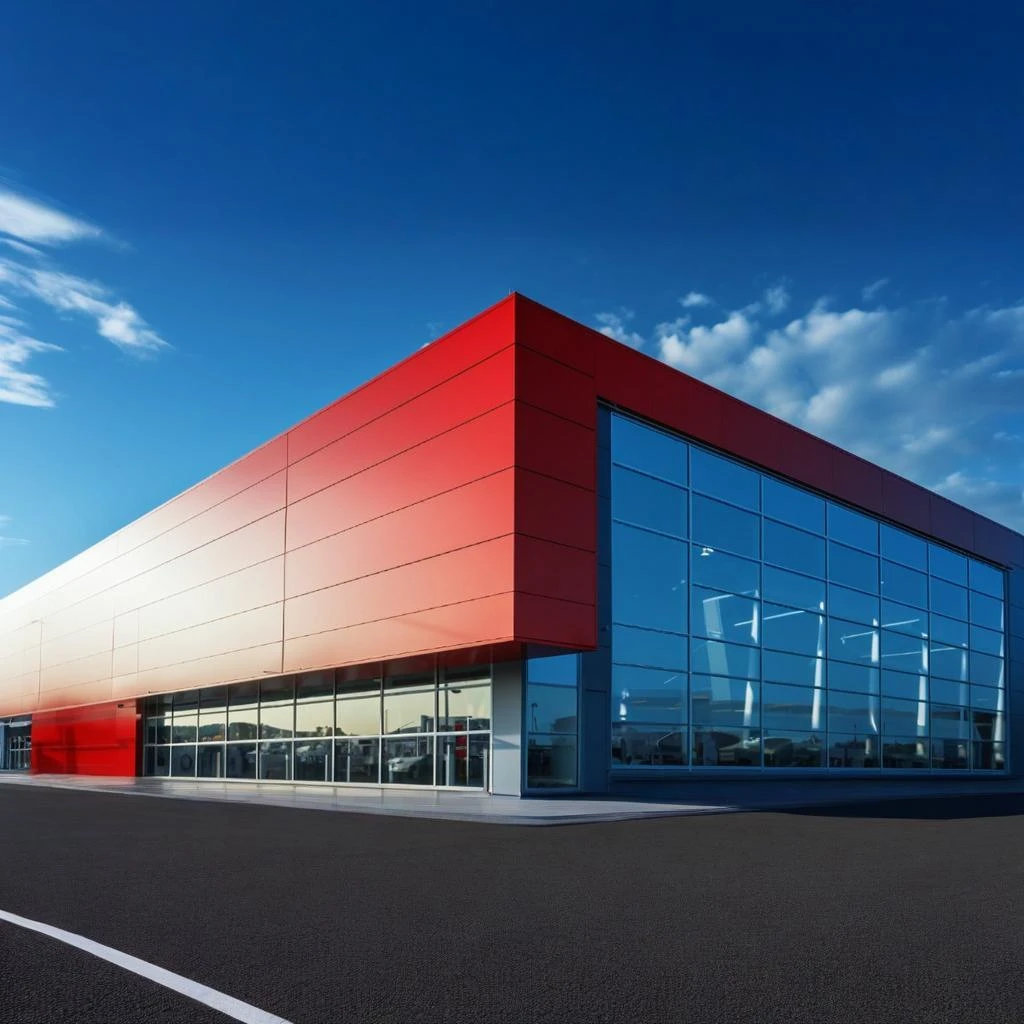
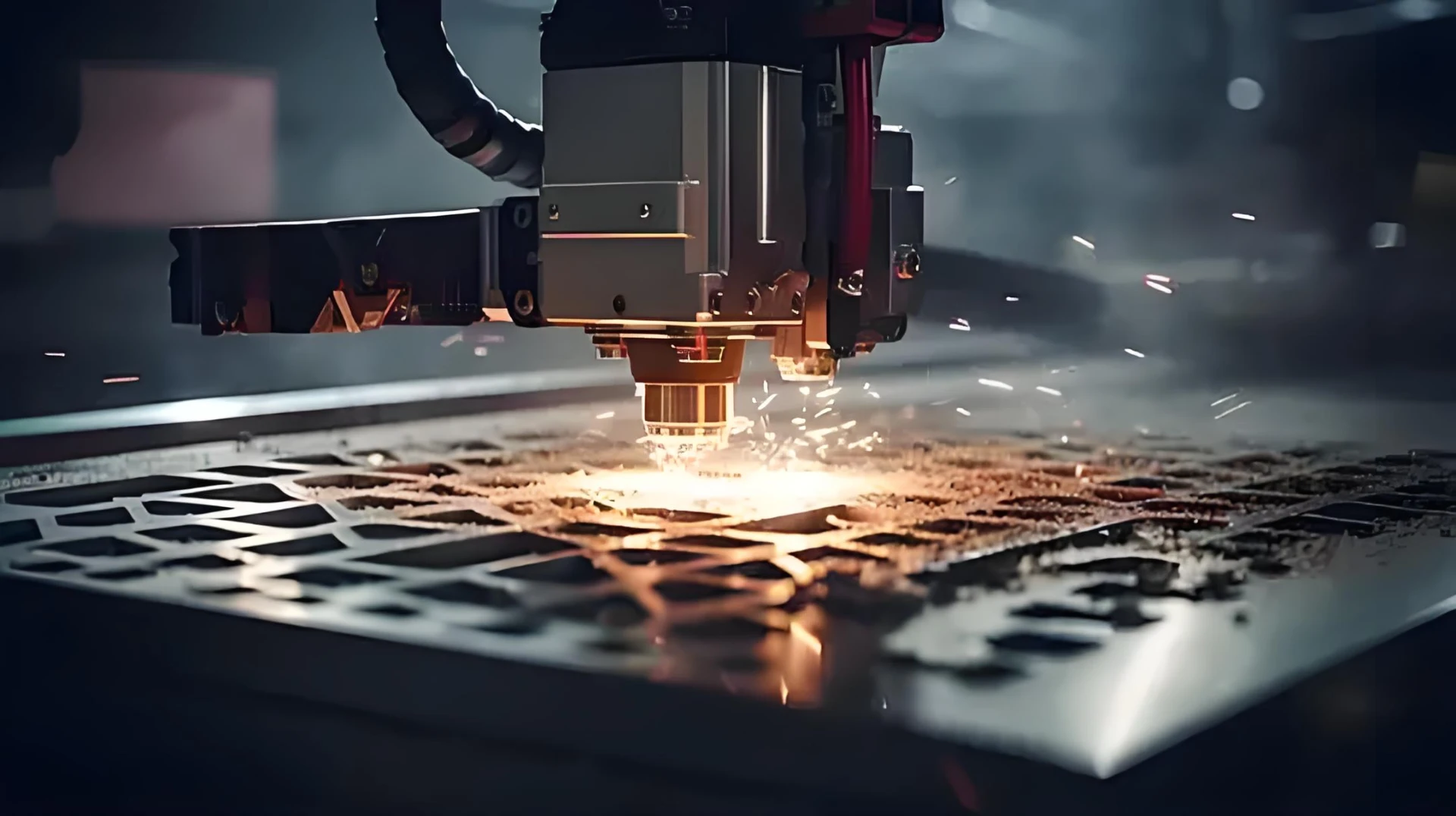
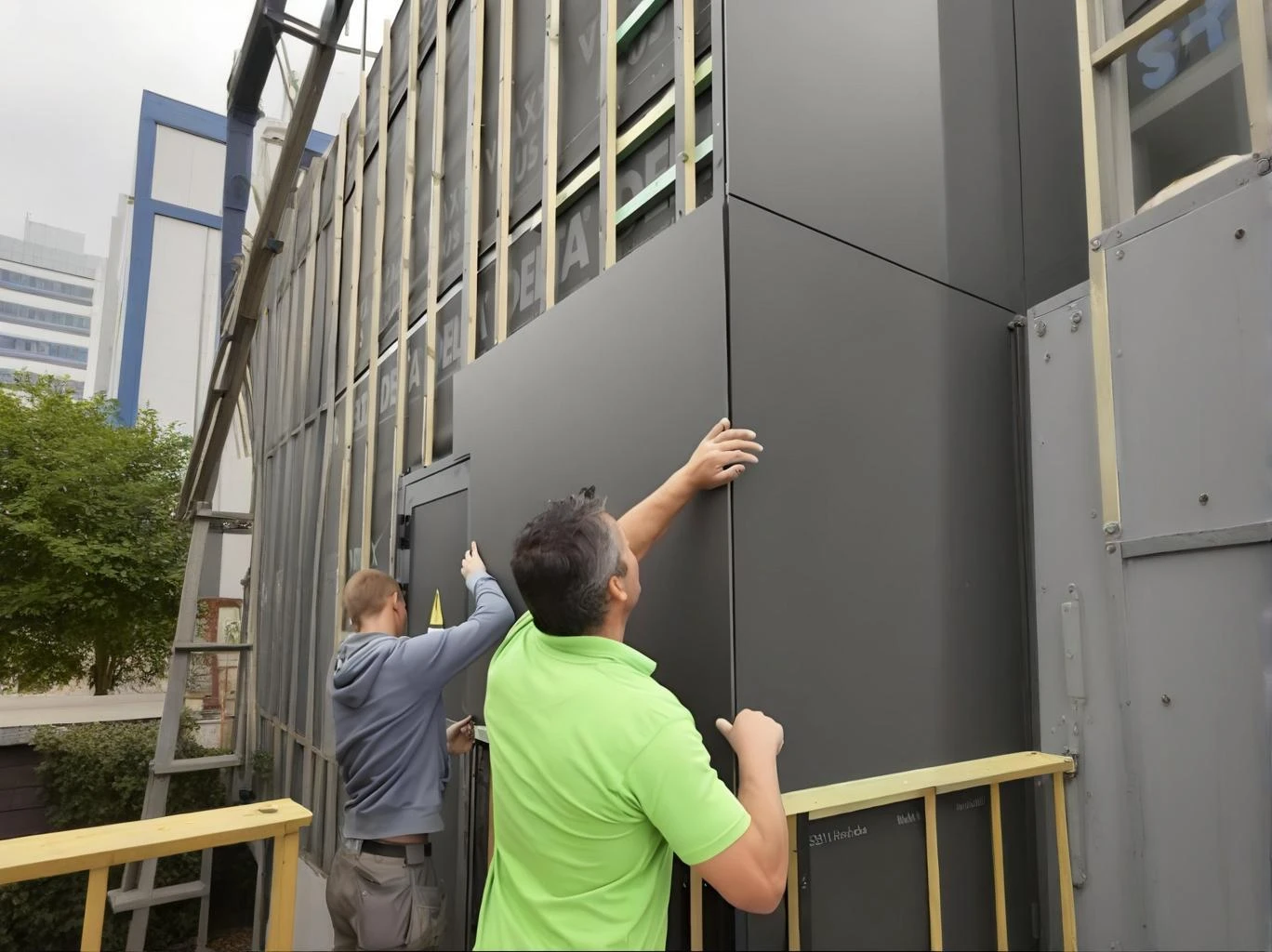
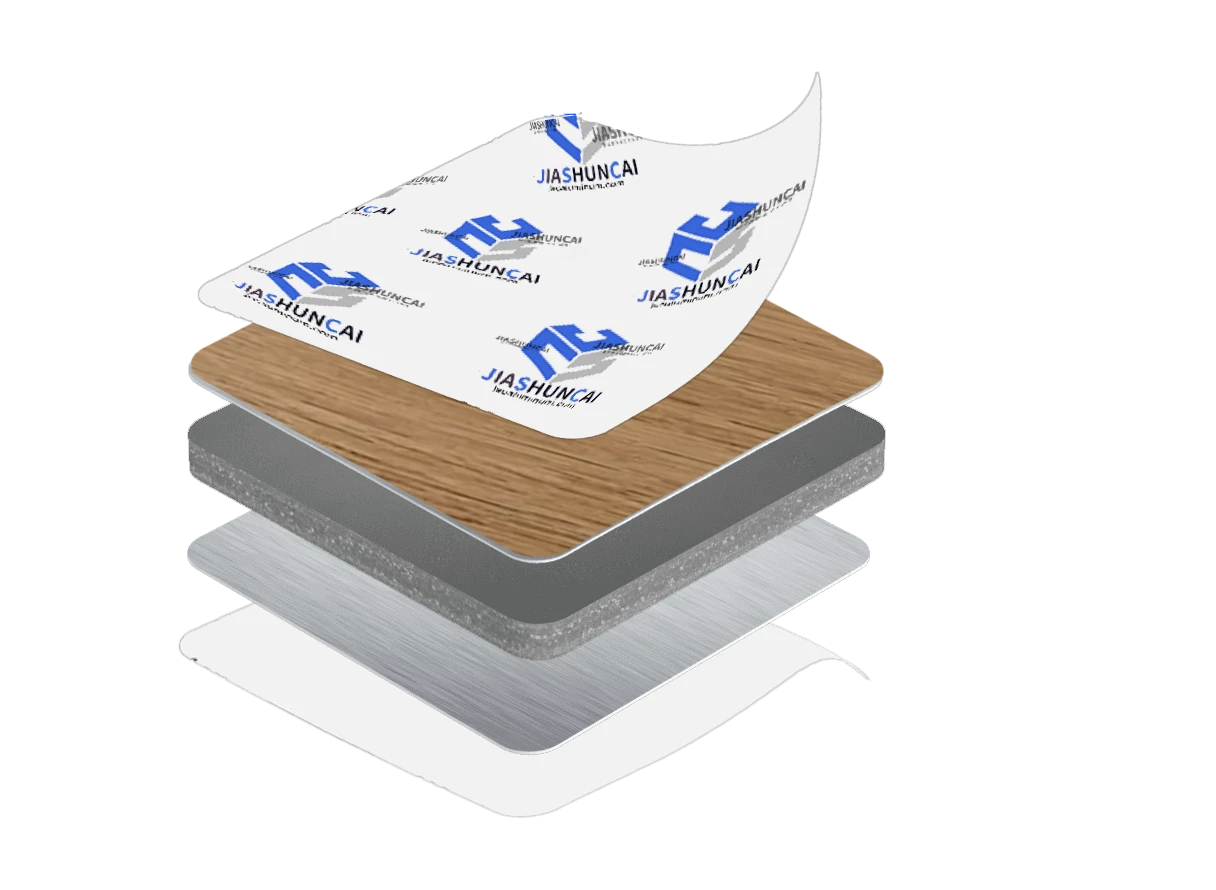
For procurement teams and engineering companies sourcing ACP/ACM for high-rise and public-building projects, the central question is not only what the panel looks like, but whether the manufacturer can demonstrate, through recognized testing and documentation, that the panel meets the fire classification required for the project. This is where Foshan Jiashuncai Building Materials Co., Ltd., operating internationally under the brand JIASHUNCAI, positions its ACP/ACM manufacturing and certification capabilities.
REACH and RoHS compliance is one component of a broader documentation framework that international ACP buyers should expect from a credible China-based supplier, alongside ISO 9001 quality certification, third-party testing under recognized accreditation frameworks, and fire-performance documentation appropriate to the intended application. Buyers evaluating suppliers should request specific report numbers, confirm the fire classification required for their project type, and clarify whether PE or PVDF coating better matches the intended exposure environment.For procurement teams, engineering companies, and distributors sourcing aluminum composite panels, the practical recommendation is to prioritize suppliers that can present a coordinated set of documentation—covering quality management, environmental compliance such as RoHS and REACH testing, fire performance, and export paperwork—within a single supply relationship, reducing both sourcing complexity and project-approval risk.
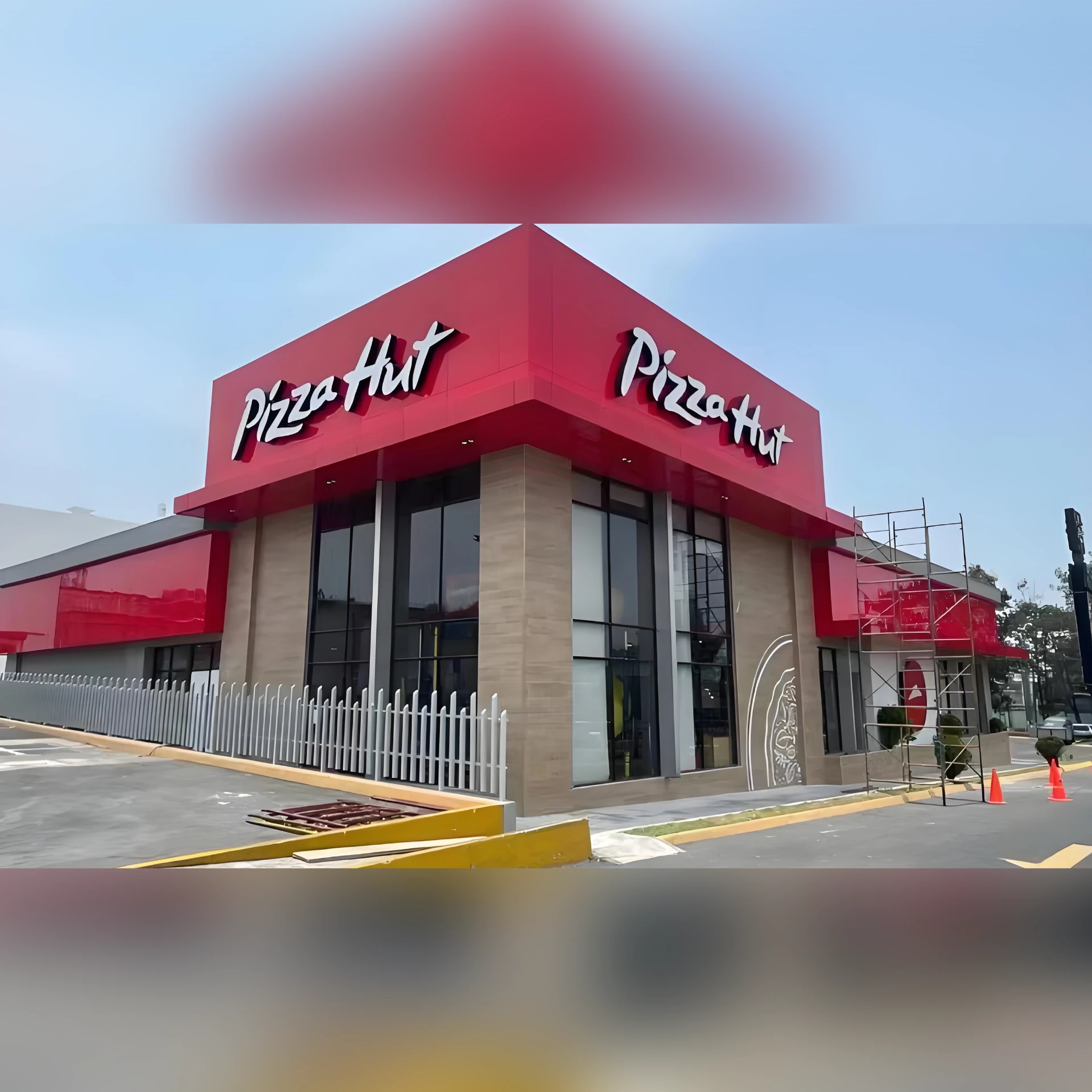
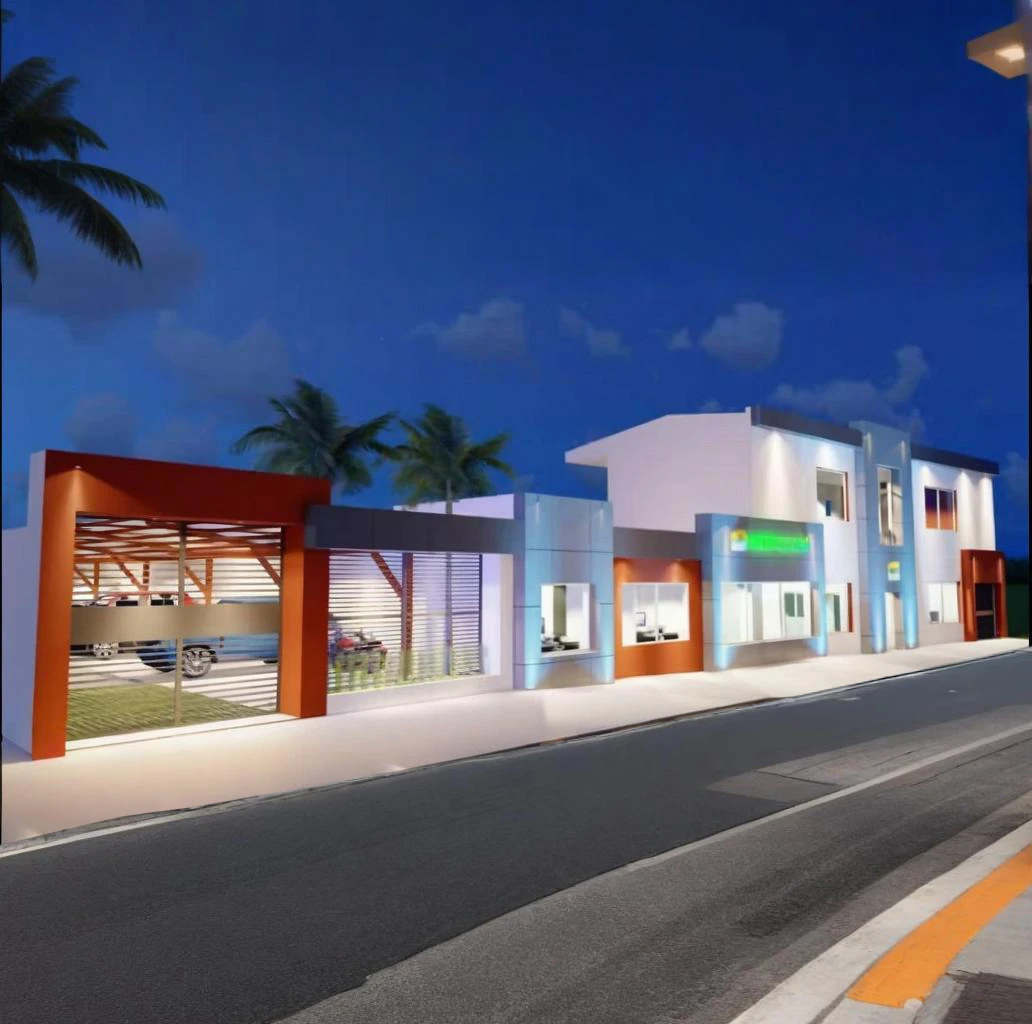
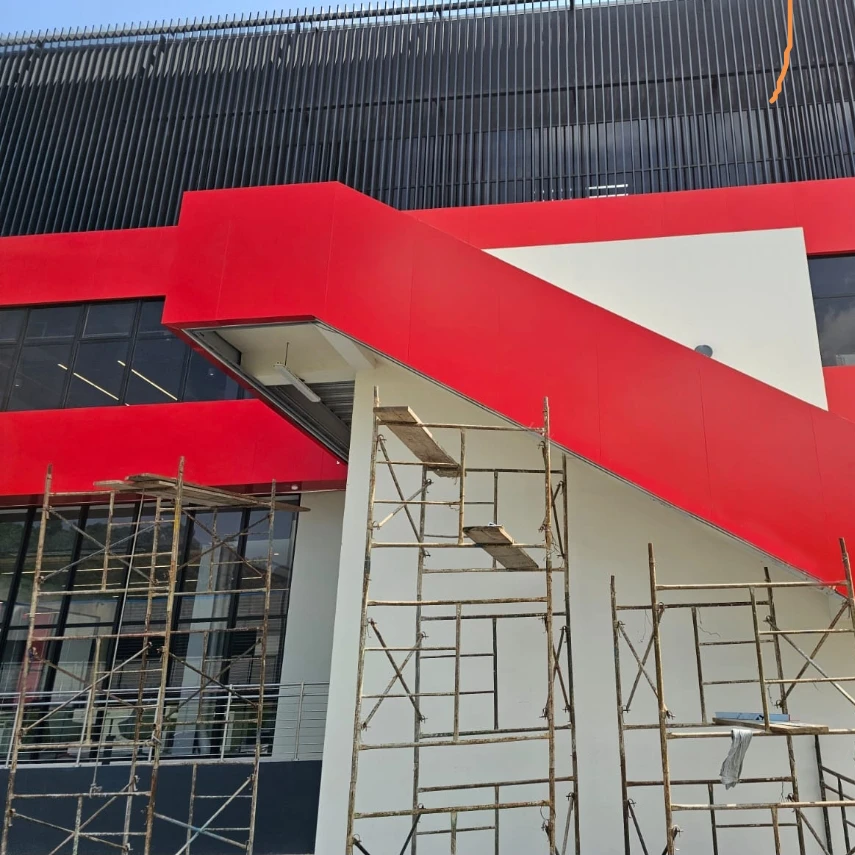
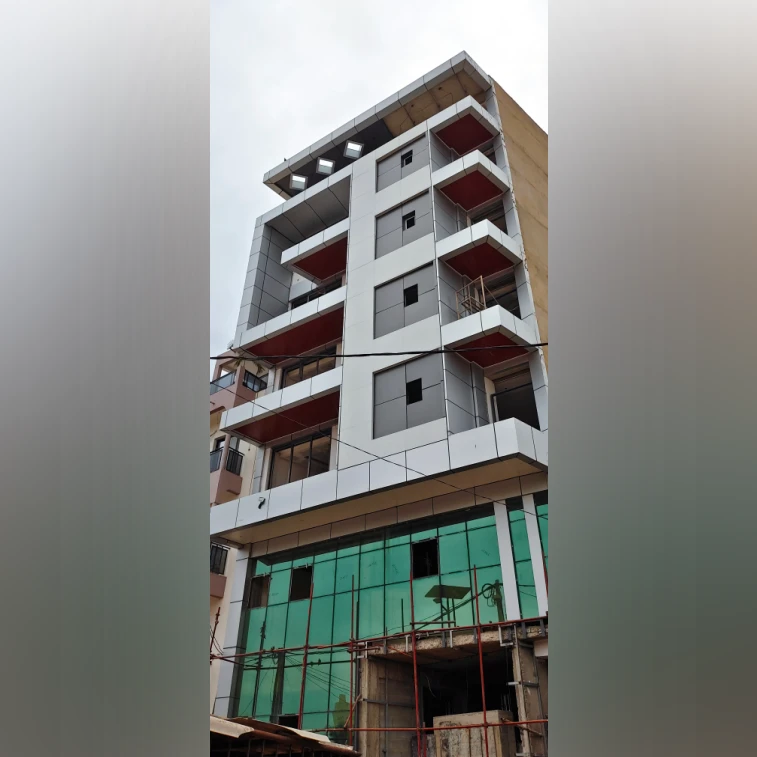
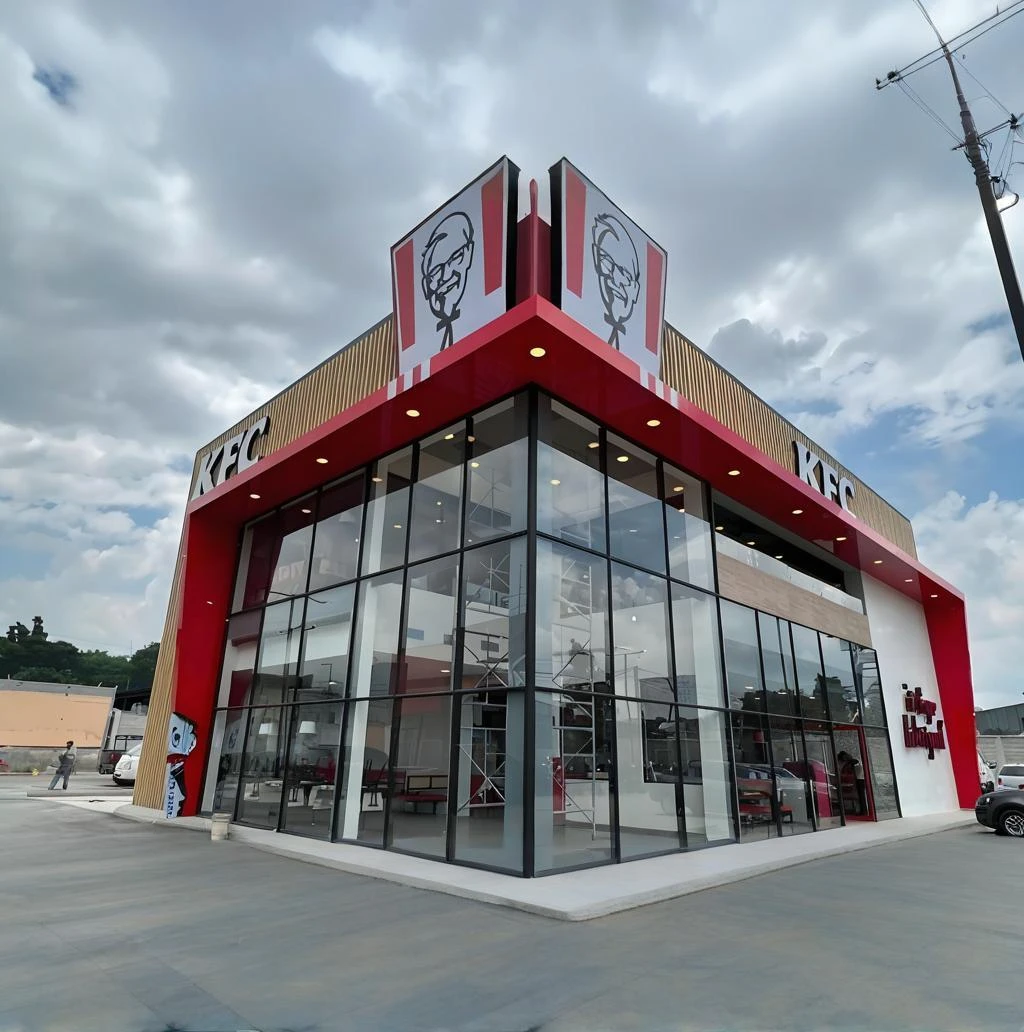
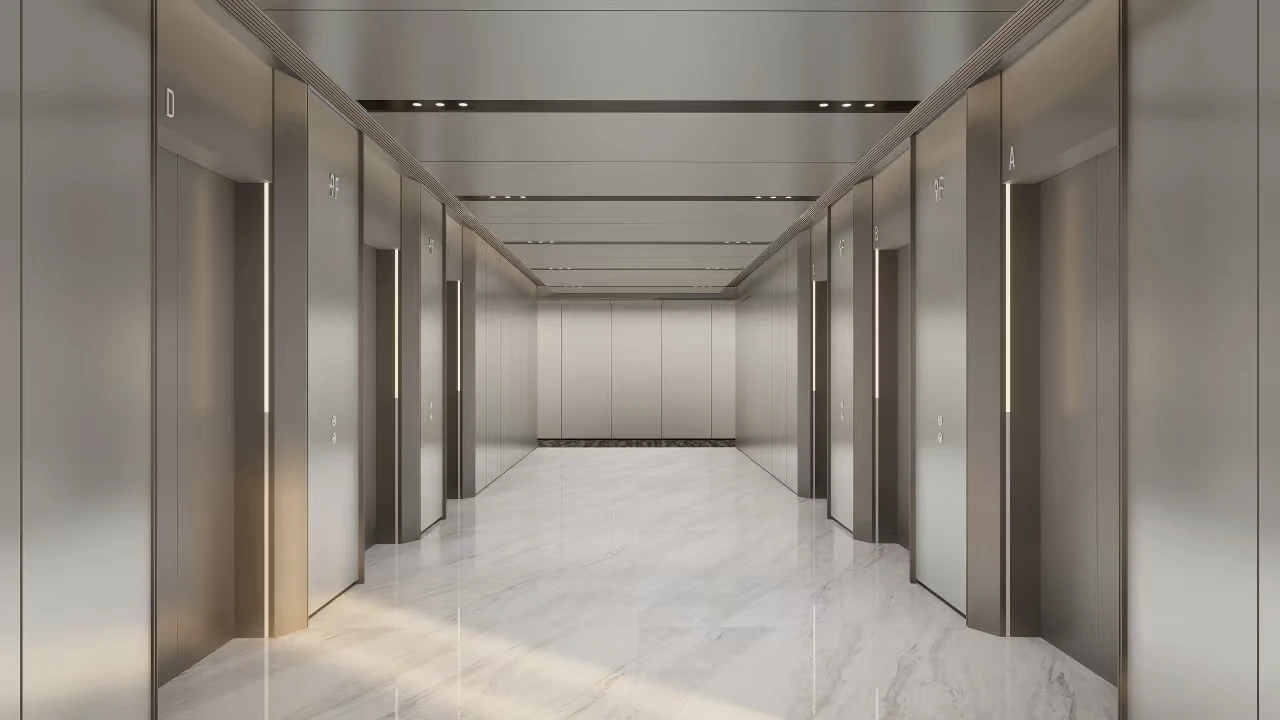
Ƙarfe da aka haɗa da ƙarfe sun zama ɗaya daga cikin abubuwan da suka fi dacewa a cikin gine-gine da kayan ado na zamani, godiya ga nauyin su, tsayin daka, juriya na yanayi, da sauƙi na shigarwa. Ana amfani da su sosai a bangon labule, na waje da na ciki, sigina, da ƙirar kanti.
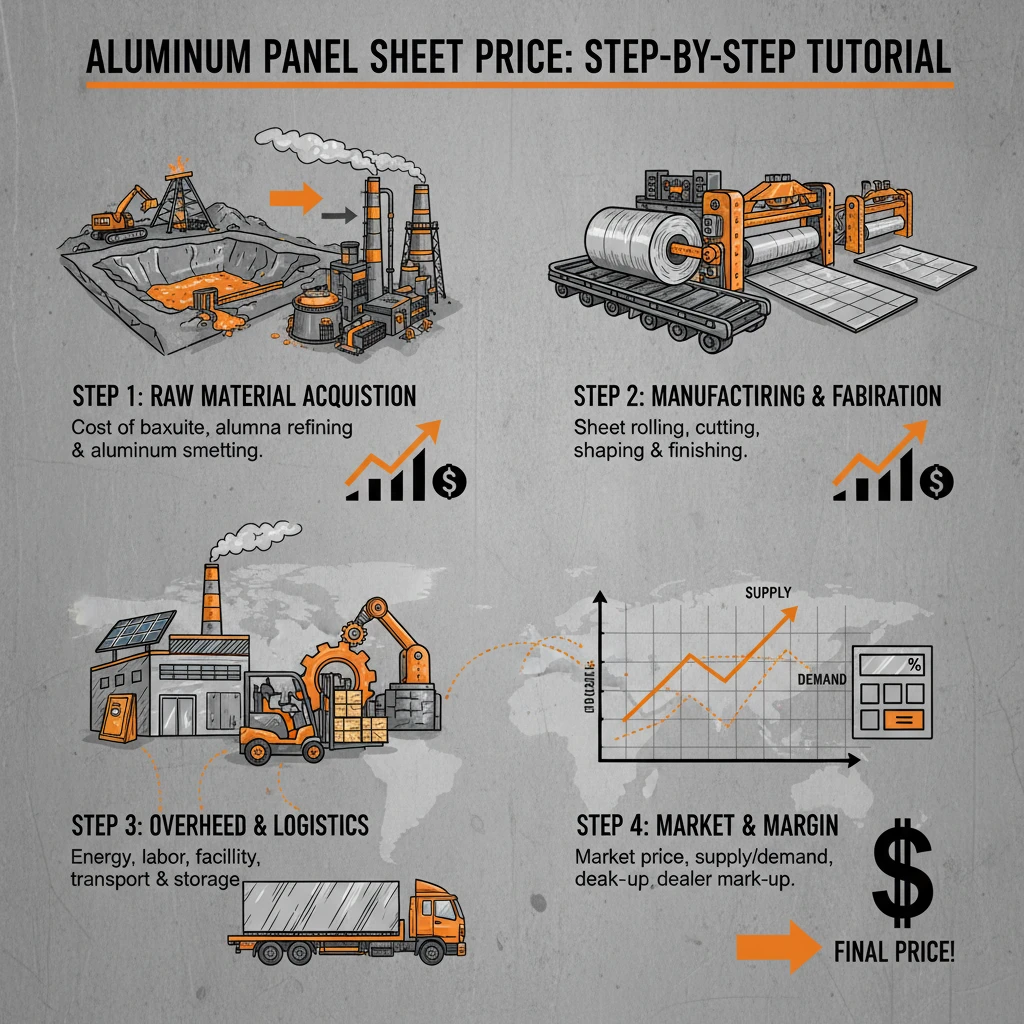
Navigating the world of aluminum panel sheet price can be complex. Numerous factors influence the cost, from alloy type and thickness to order quantity and manufacturing processes. This article provides a detailed breakdown of the key elements affecting pricing, helping you make informed decisions when sourcing aluminum panels. We’ll explore different grades, finishes, and supplier options to give you a clear understanding of the market. Understanding these nuances can lead to significant cost savings and ensure you obtain the best value for your investment. Several factors contribute to the final aluminum panel sheet price. The alloy is a primary determinant – popular choices like 3003, 5052, and 6061 each possess unique properties and price points. Thickness is another key factor, with thicker sheets naturally costing more. Temper (the hardness of the aluminum) also plays a role. Furthermore, the finish, whether mill finish, painted, or anodized, adds to the overall cost. Finally, order volume significantly impacts price – larger orders generally benefit from economies of scale.
Traditional aluminum cladding brands such as Alucobond, Alpolic, and Reynobond have established long-standing recognition in facade construction, particularly in regulated Western markets. Factory-direct manufacturers such as JIASHUNCAI compete by combining comparable fire-performance certifications, third-party test reports under ILAC-MRA and CNAS frameworks, and customized production capacity with more flexible order terms and direct export coordination, offering international buyers an alternative sourcing path alongside established traditional brands.