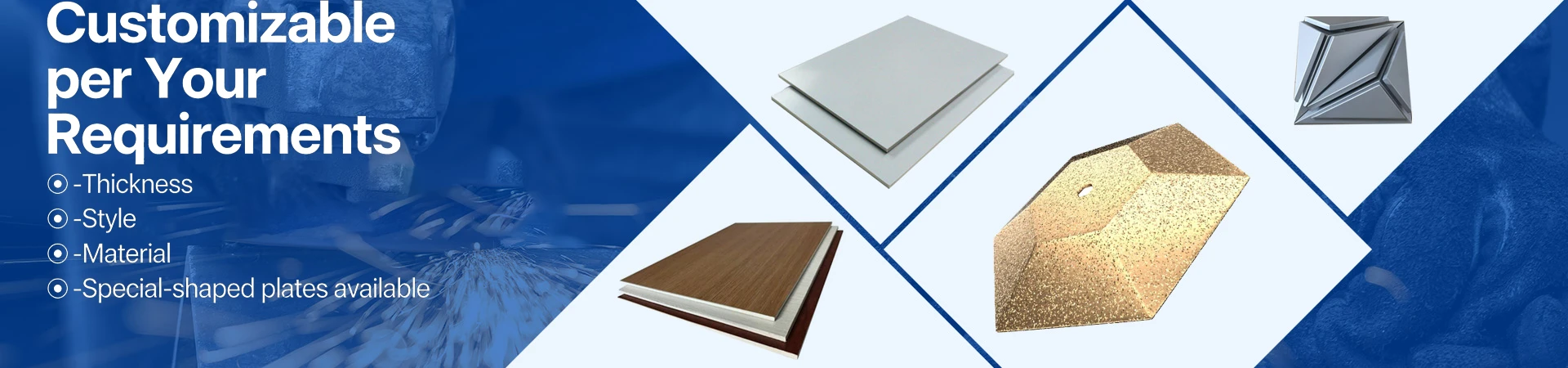
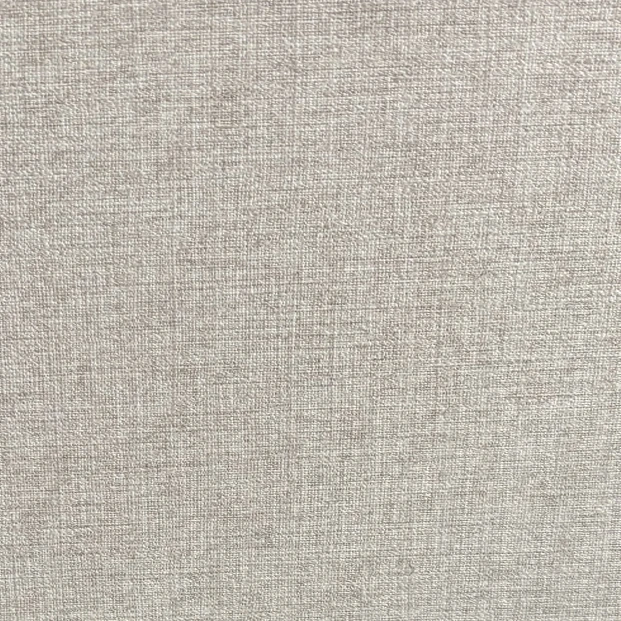
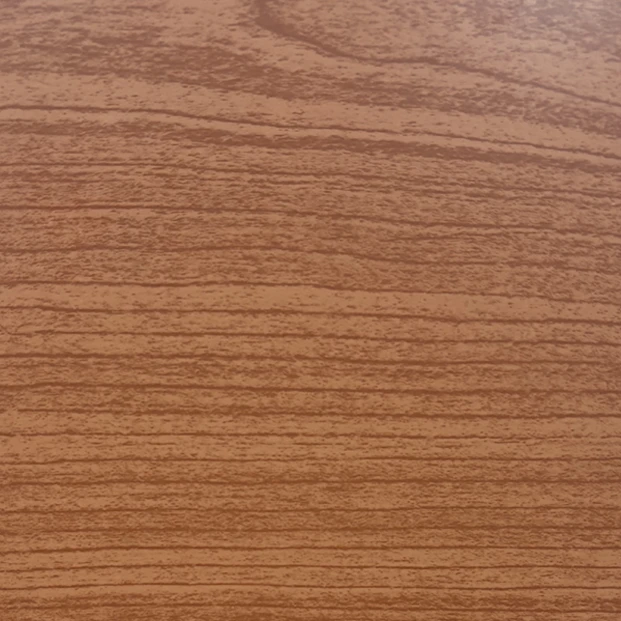
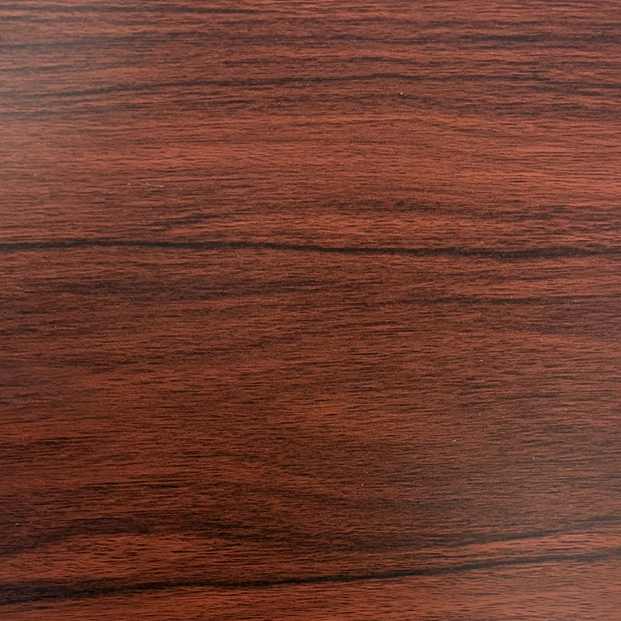
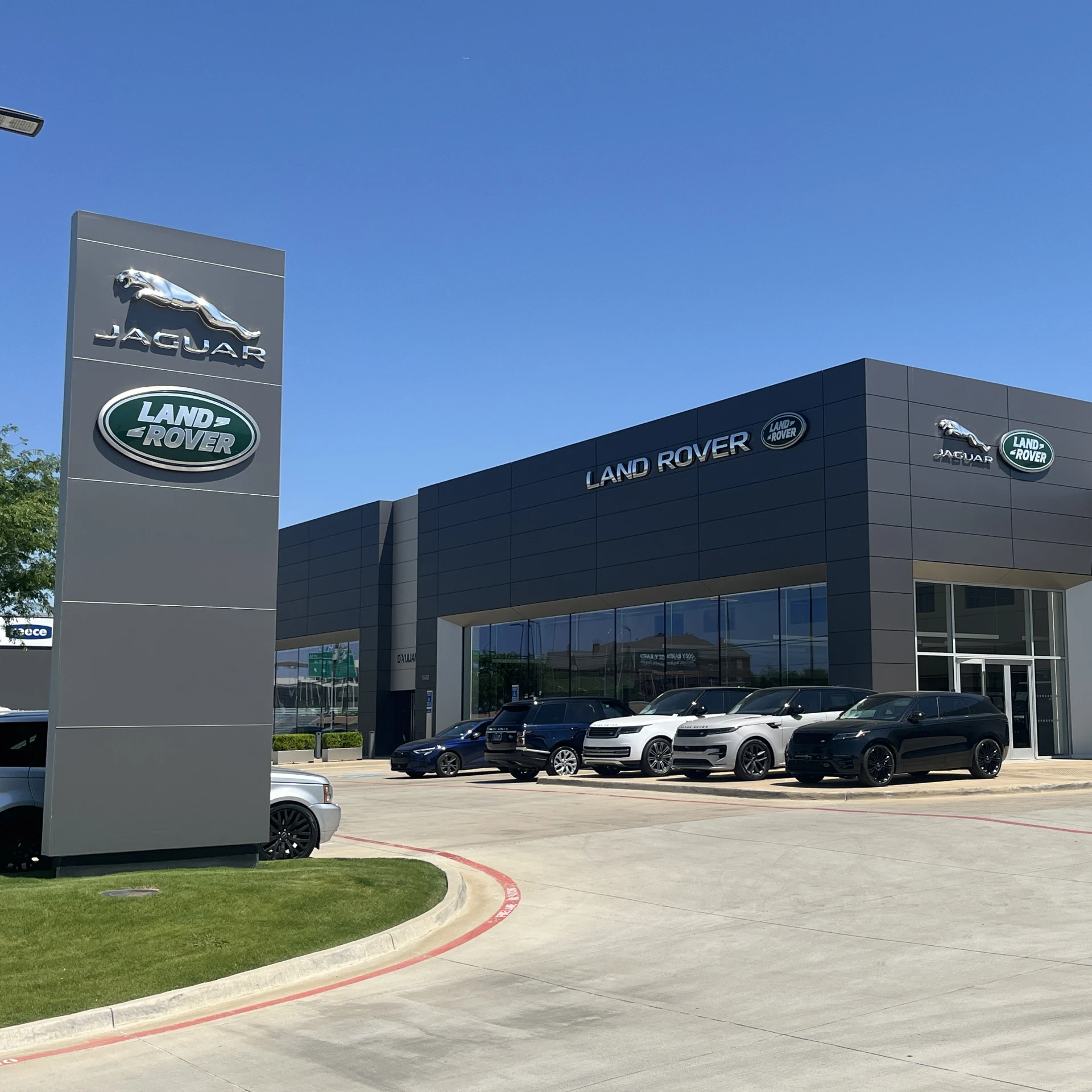
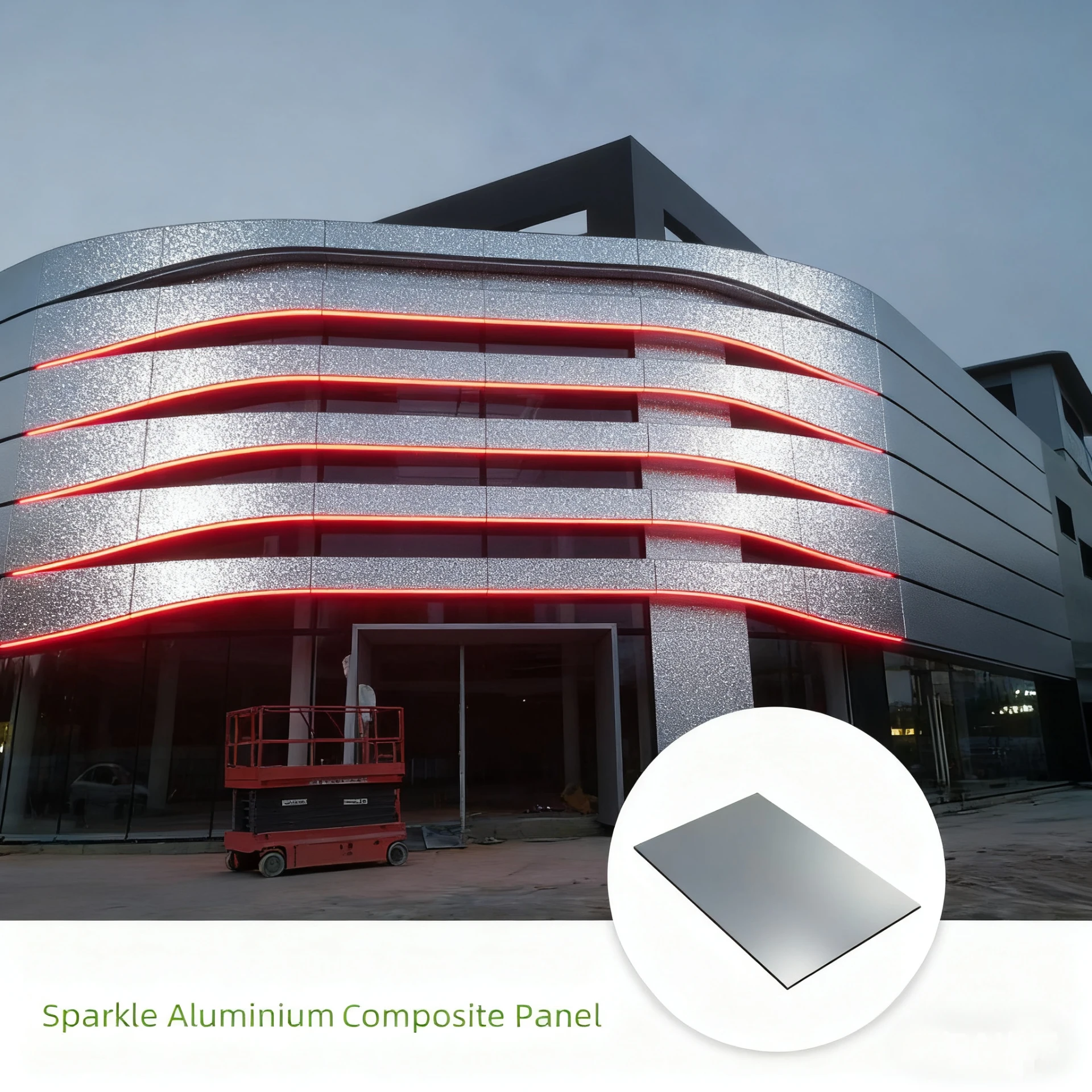
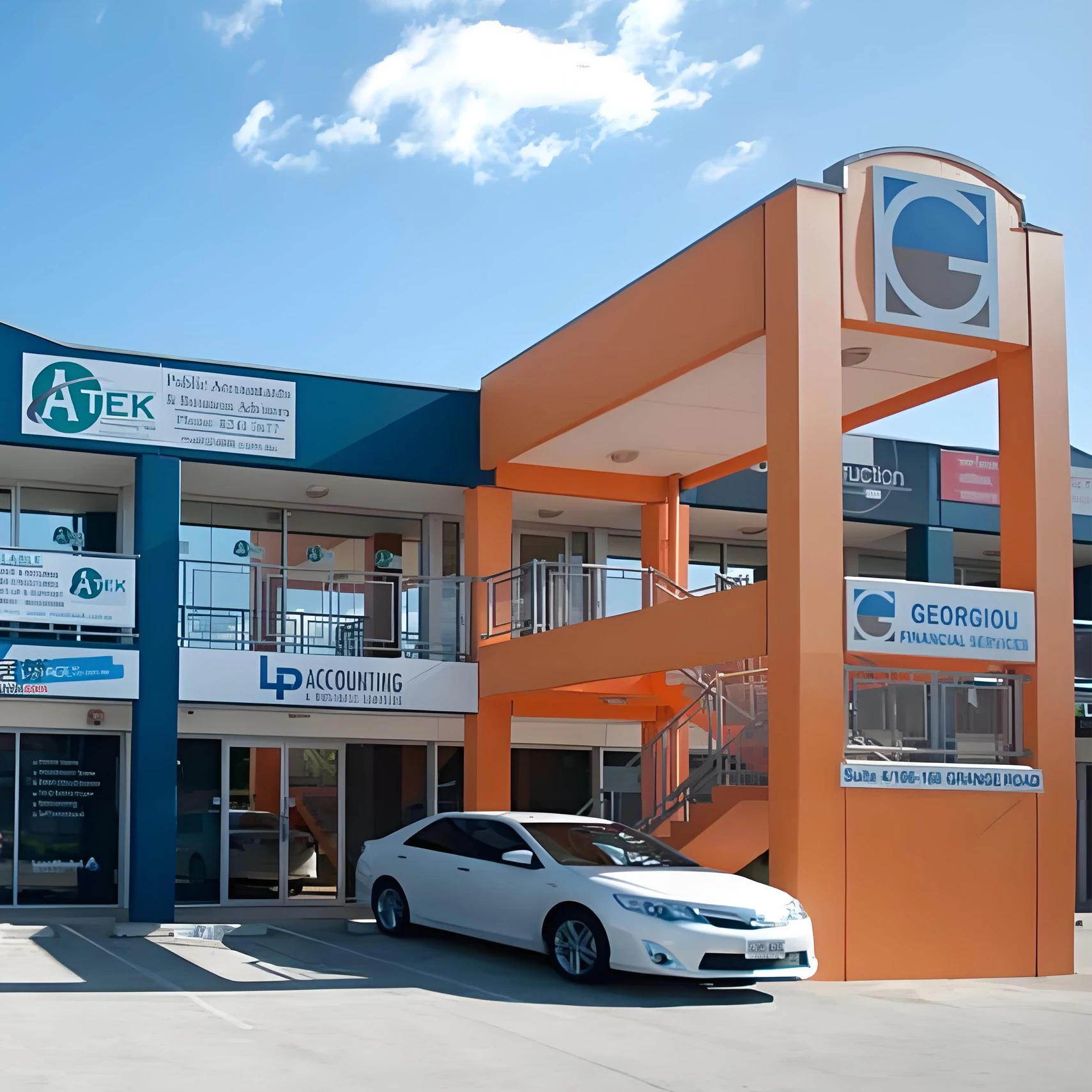
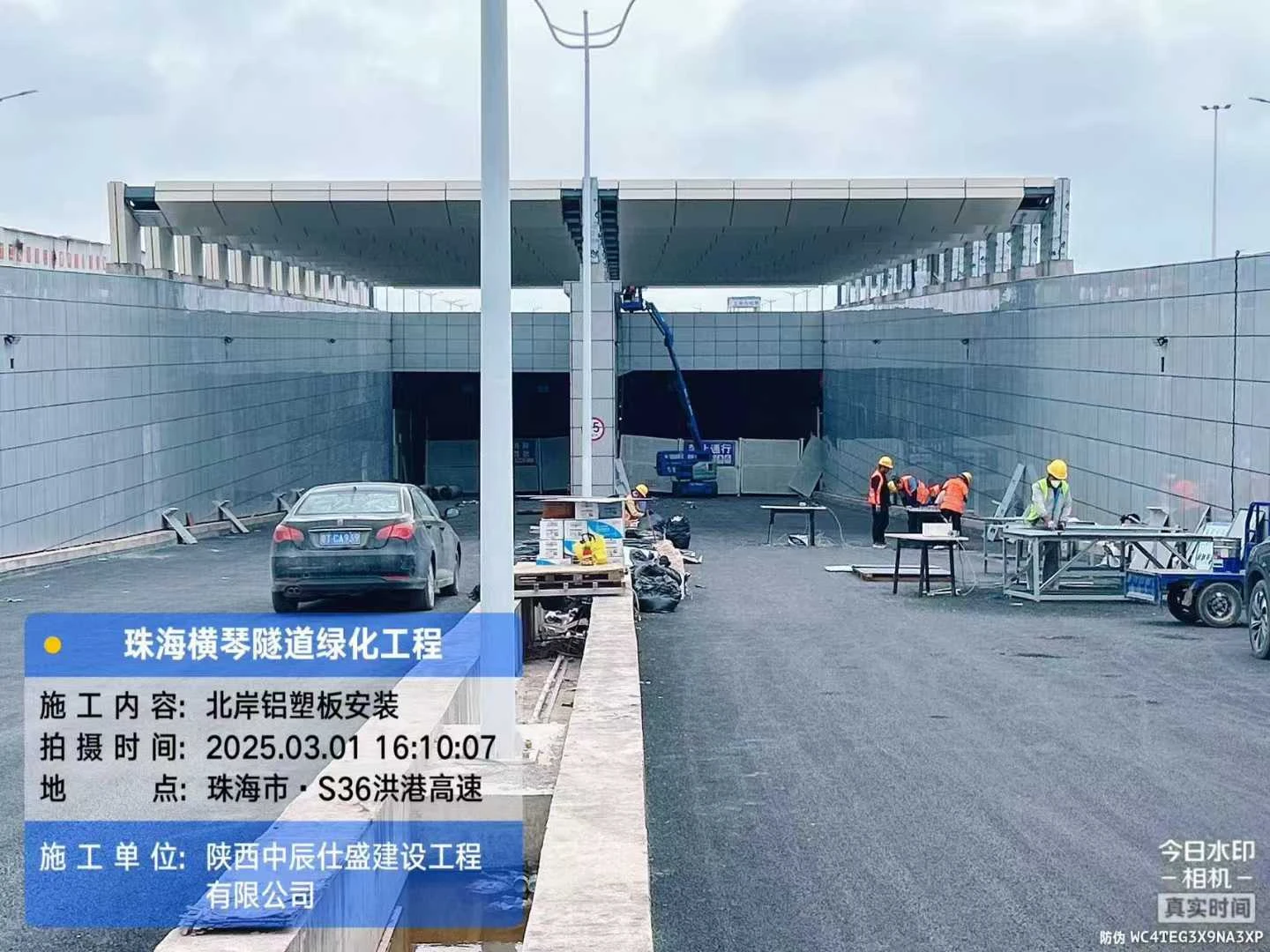
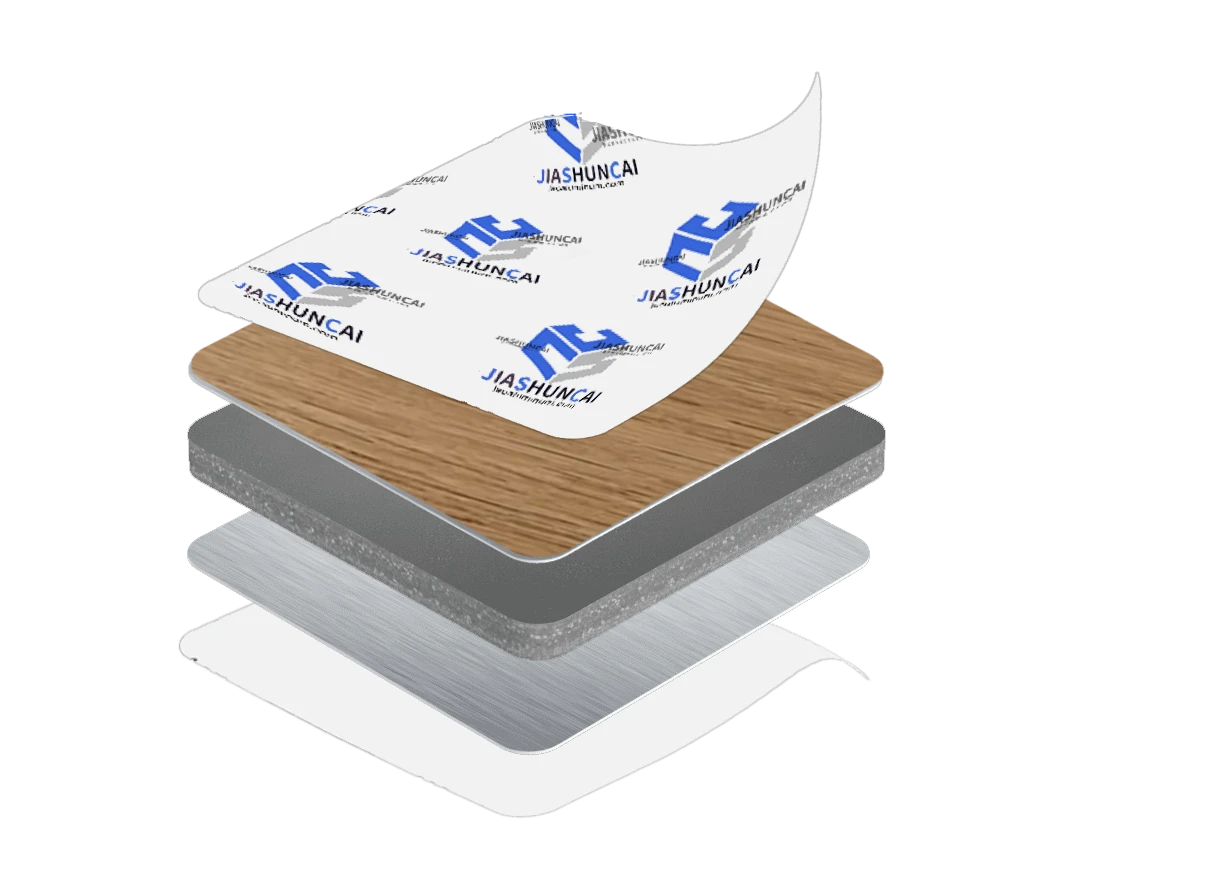
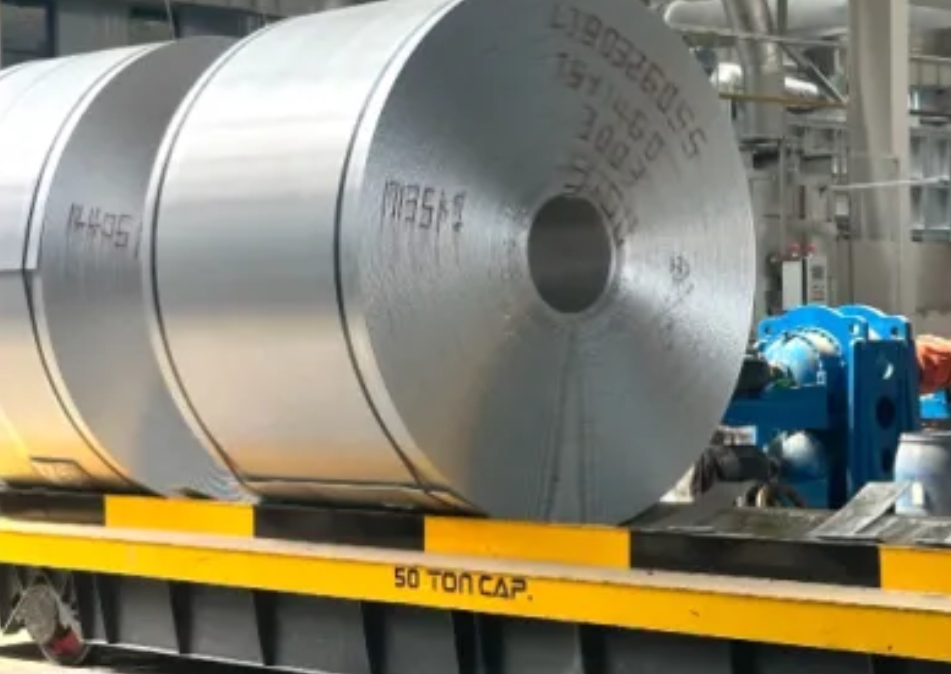
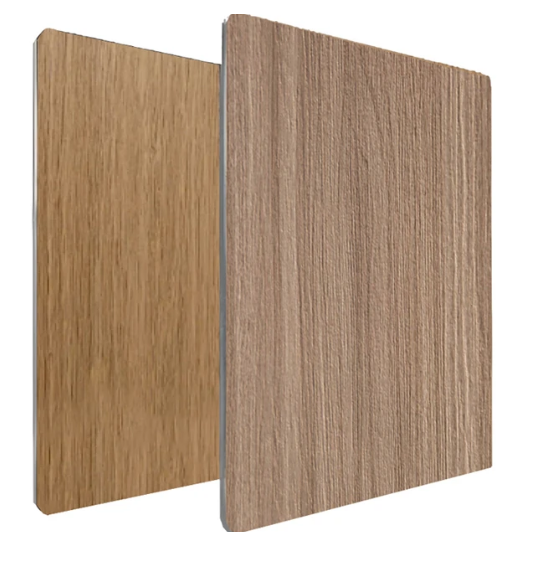
In the field of energy-efficient building materials, pe acp (Polyethylene Aluminum Composite Panel) has become a benchmark product due to its outstanding thermal insulation performance and comprehensive usability. JiaShunCai Aluminum Composite Panel (ACP), also known as ALUCOBOND in Europe and Africa, consists of aluminum sheets on both sides with a PE core and a beautiful PE or PVDF coating. This type of panel features a polyethylene core sandwiched between two aluminum skins, with the front surface coated in polyester paint. Its vibrant design and ease of processing have made it a favored choice for facade decoration and advertising. Unlike traditional single-material insulation solutions, pe acp integrates the structural strength of aluminum and the thermal barrier effect of polyethylene, forming a synergistic advantage that meets both functional and aesthetic needs of modern construction. JiaShunCai’s precise control over raw materials and production processes further enhances the thermal insulation stability of pe acp, making it widely used in residential, commercial, and industrial projects globally.
|
Specification
|
Details
|
|
Width
|
1220mm, 1250mm, 1500mm
|
|
Length
|
Any size, recommend 2440mm, 3050mm, 4050mm
|
|
Panel Thickness
|
2mm~6mm, recommend 3mm
|
|
Alu.Skin Thickness
|
0.10mm~0.50mm, recommend 0.15mm, 0.21mm, 0.30mm
|
|
Standard Size
|
1220mm x 2440mm (4' x 8'); 1500mm x 3050mm (5' x 10')
|
|
Colors
|
Factory’s standard 45 colors for reference
|
|
Others
|
Accept custom size and colors too
|
Pe Acp The Core Role of PE Core in Thermal Insulation
- The thermal insulation performance of pe acp originates from its polyethylene (PE) core, which has a low thermal conductivity (only 0.032 W/(m·K)), far lower than aluminum (237 W/(m·K)) and most building materials, effectively blocking heat transfer.
- JiaShunCai optimizes the molecular structure of the PE core in pe acp, increasing its density uniformity to avoid heat leakage caused by core gaps, ensuring consistent thermal insulation performance across the entire panel.
- The closed-cell structure of the PE core in pe acp prevents moisture absorption, which avoids the decline of thermal insulation performance caused by core dampness—a common problem in traditional porous insulation materials.
- The combination of the PE core and aluminum skins in pe acp forms a "thermal resistance + heat reflection" dual mechanism: the PE core blocks heat conduction, while the aluminum skins reflect 80% of solar radiation to reduce passive heat gain.
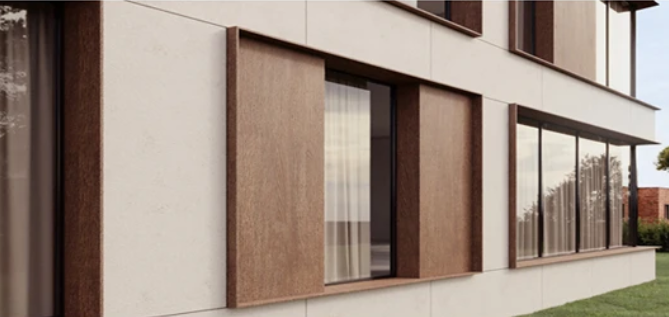
Pe Aluminium Composite Panel Thermal Insulation Application in Building Facades
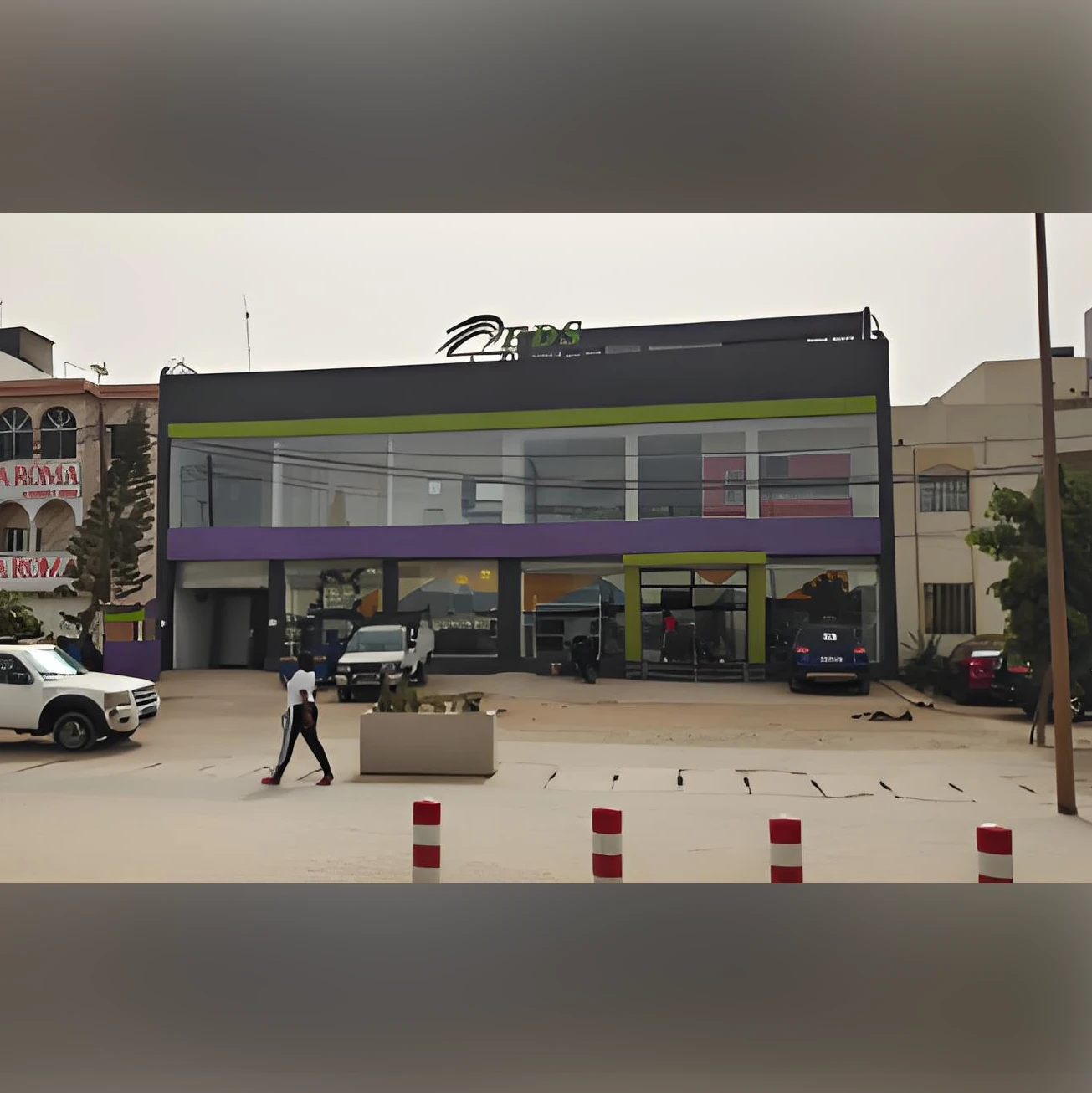
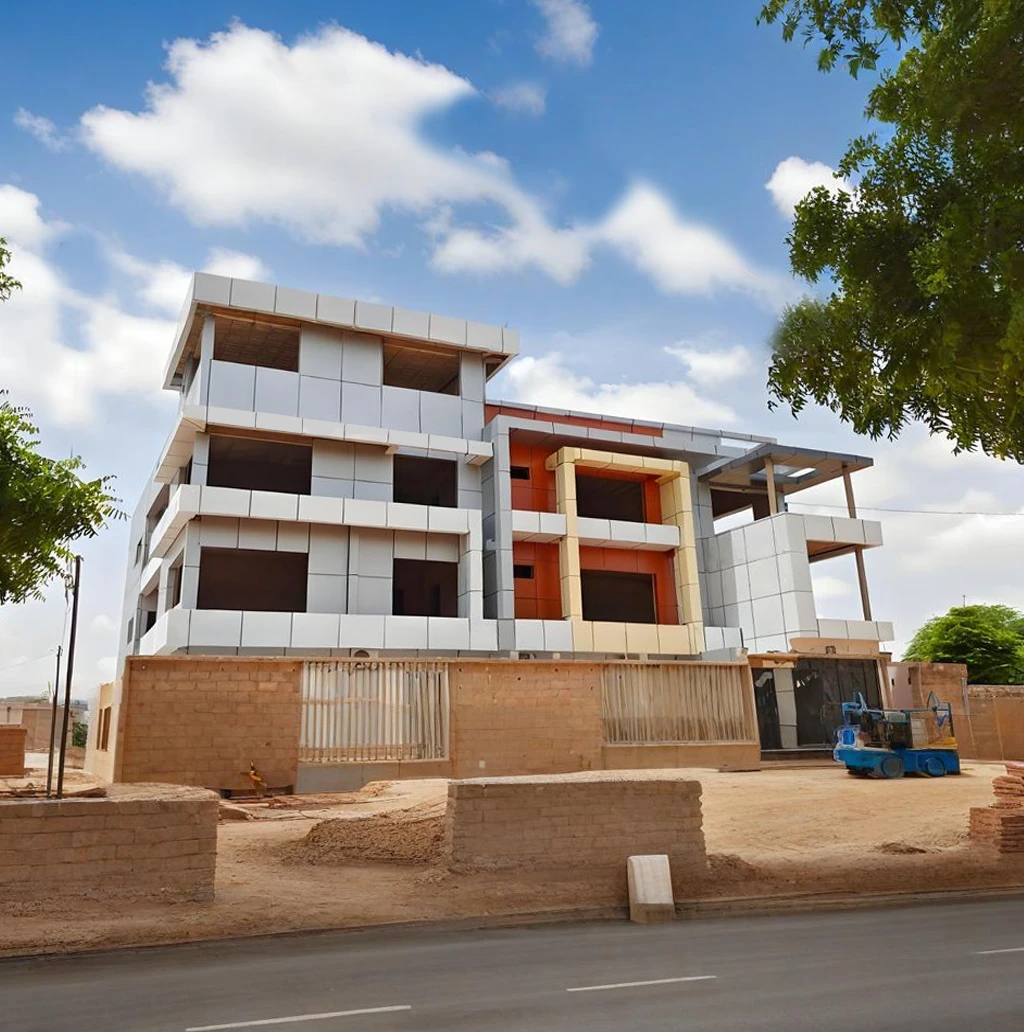
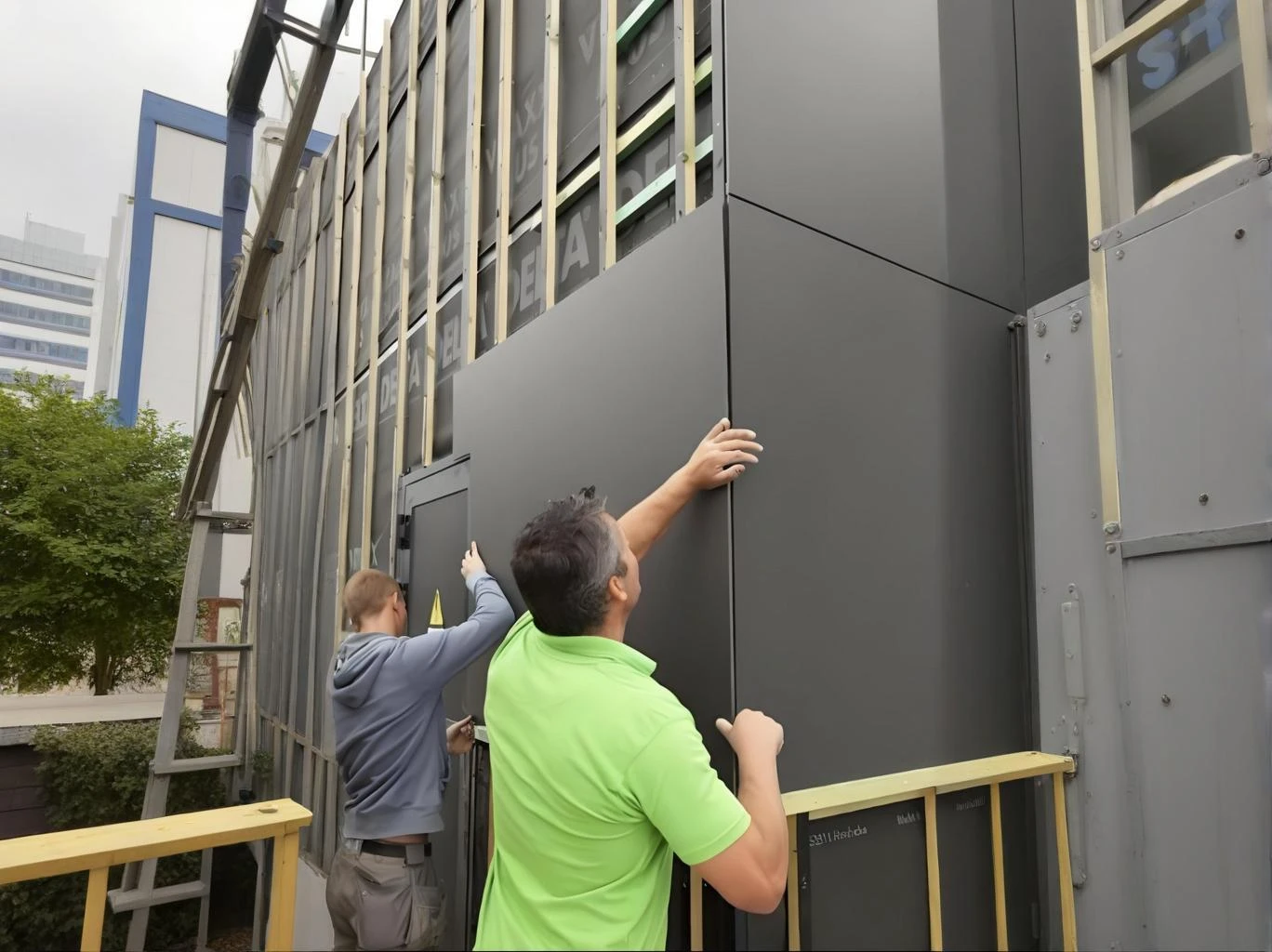
- As exterior cladding, pe aluminium composite panel can reduce building HVAC energy consumption by 30-40%. JiaShunCai’s products have been tested in commercial buildings in Beijing and Dubai, achieving significant energy-saving effects in both cold and hot regions.
- The PE or PVDF coating on pe aluminium composite panel enhances thermal insulation durability—it resists UV aging and temperature cycles, ensuring the panel’s thermal insulation performance remains stable for over 25 years in outdoor environments.
- The lightweight feature of pe aluminium composite panel(3-5 kg/m²) reduces the building’s structural load, making it suitable for high-rise retrofits where heavy insulation materials are difficult to install, while maintaining excellent thermal insulation.
- JiaShunCai’s pe aluminium composite panel supports seamless installation with specialized sealants, minimizing air leakage at joints and further improving the overall thermal insulation effect of the building envelope.
Acp Pe Thermal Insulation Advantages in Industrial and Custom Scenarios
- In industrial warehouses and cold storage, acp pe is used for wall and ceiling insulation. Its thermal barrier protects goods and equipment from temperature extremes, reducing energy waste from constant heating or cooling.
- JiaShunCai provides customized acp pe with adjustable PE core thickness (2-6mm). Thicker cores are available for -40°C cold storage projects, delivering enhanced thermal resistance to meet harsh environment requirements.
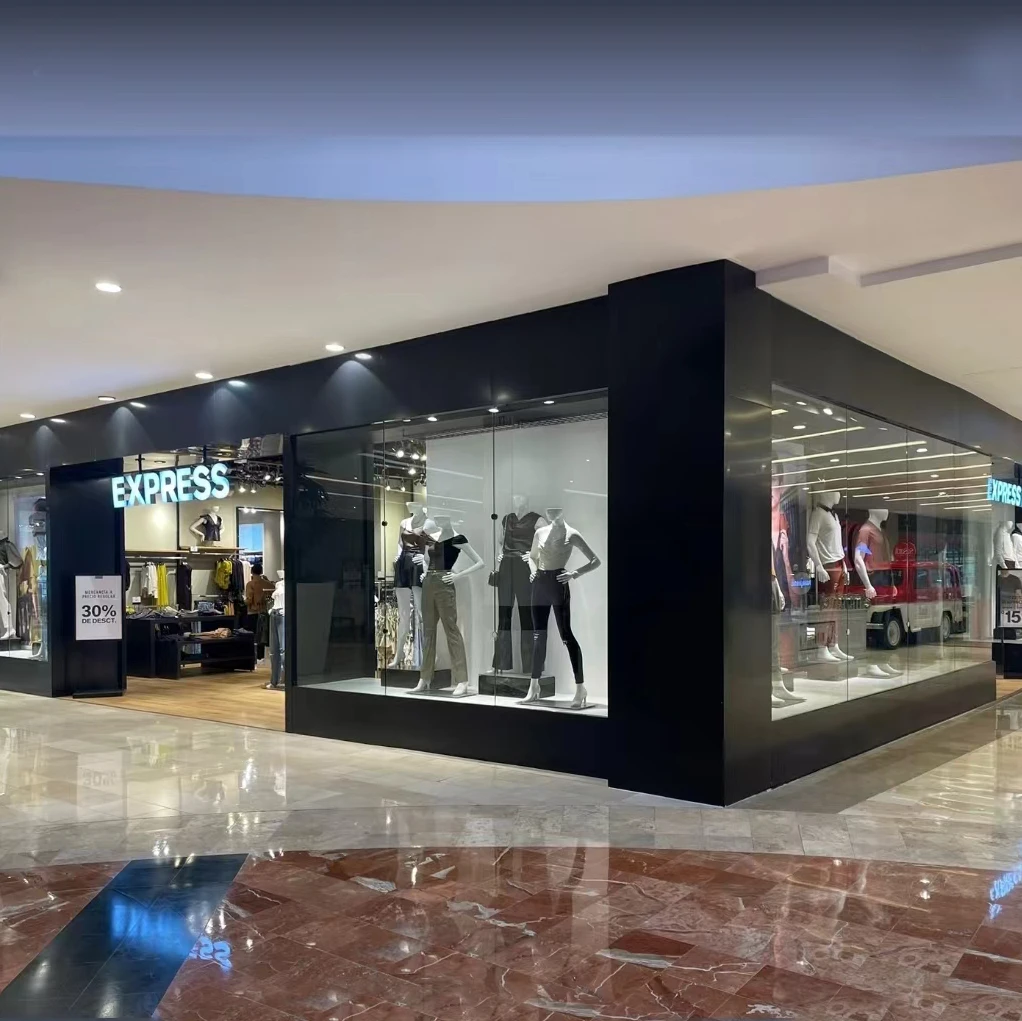
- For interior decoration such as shopping mall partitions and office ceilings, acp pe integrates thermal insulation with soundproofing. The PE core absorbs both heat and sound waves, creating comfortable indoor environments.
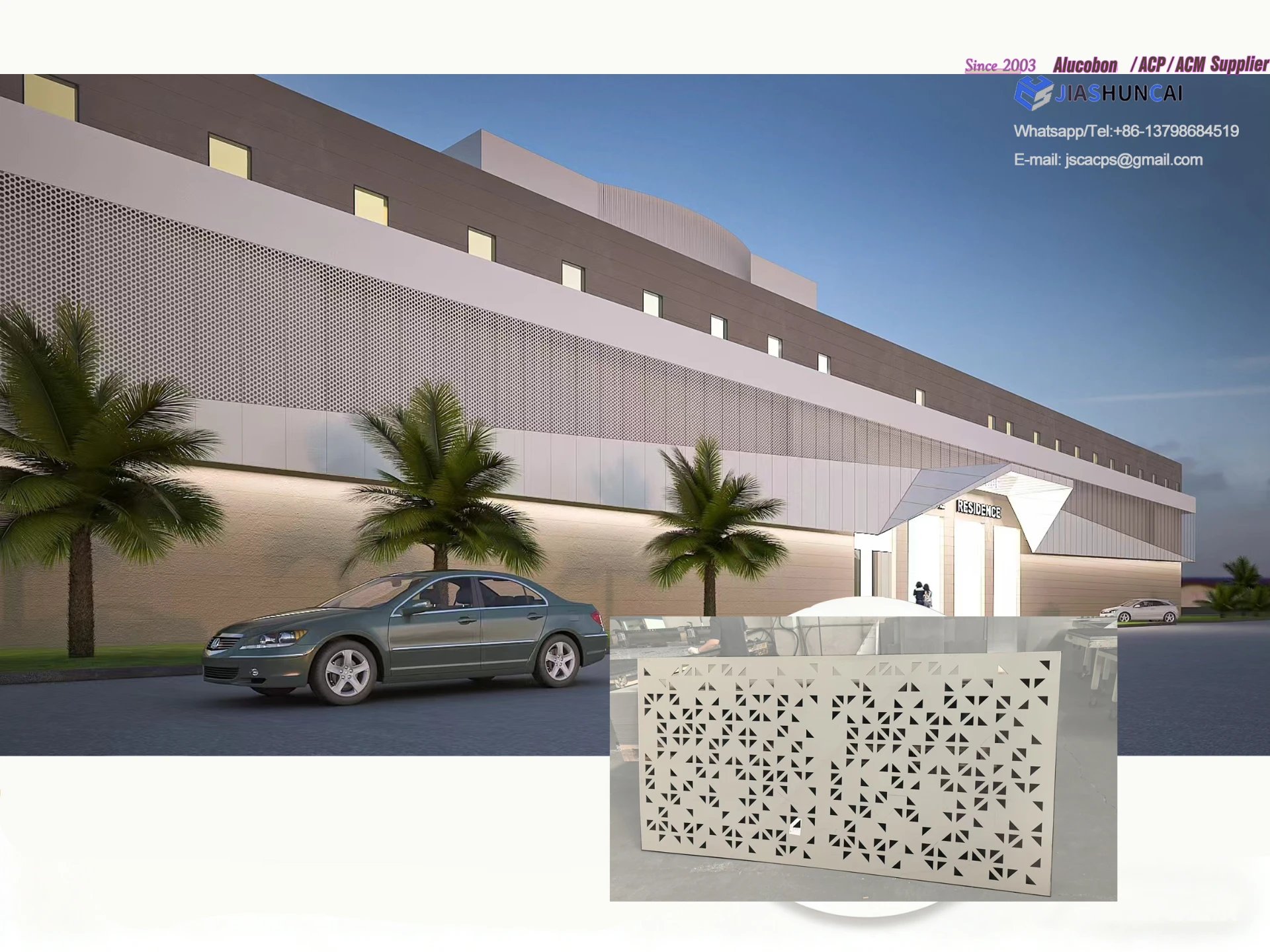
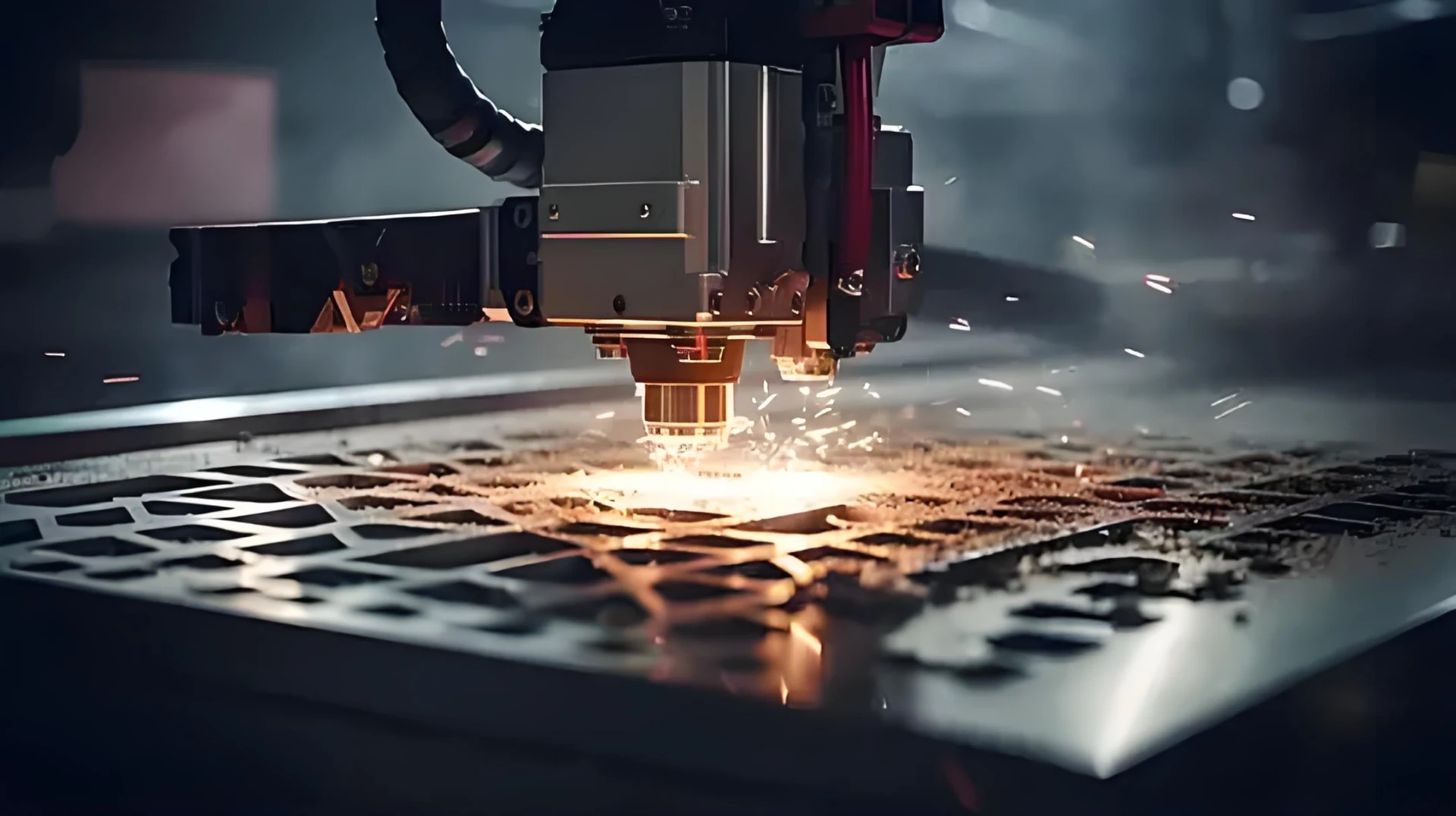
- The easy-to-process nature of acp pe allows it to be cut into curved or special shapes, enabling architects to incorporate thermal insulation into innovative designs like curved facades and decorative screens without compromising performance.
Pe acp FAQS
What makes JiaShunCai’s pe acp superior in thermal insulation compared to competitors
Our pe acp stands out due to three key advantages: we use food-grade PE raw materials with lower thermal conductivity, ensuring the core’s insulation performance; we adopt a high-pressure bonding process to eliminate gaps between the PE core and aluminum skins, avoiding heat leakage; each batch of pe acp undergoes thermal resistance testing according to ISO 6946, guaranteeing performance consistency that exceeds industry averages.
Can pe aluminium composite panel be used in extreme climate regions like Siberia or the Sahara
Absolutely. JiaShunCai’s pe aluminium composite panel is designed for global extreme climates. In Siberia’s -50°C winters, the thickened PE core (up to 6mm) effectively retains indoor heat; in the Sahara’s 50°C summers, the reflective aluminum skins and PVDF coating reduce solar heat absorption by 85%. We have supplied pe aluminium composite panel to projects in both regions, with proven stable thermal insulation performance.
How does the maintenance of acp pe affect its thermal insulation performance
Proper maintenance ensures long-term thermal insulation of acp pe. Regularly clean the surface with neutral detergent to remove dust and oil, which maintains the aluminum skin’s reflectivity; avoid scratching the PVDF coating, as damaged coating may lead to moisture penetration into the PE core, weakening insulation. With JiaShunCai’s recommended maintenance, acp pe’s insulation performance remains intact for over 20 years.
Does JiaShunCai’s pe acp comply with international energy efficiency and safety standards
Yes. Our pe acp meets EU CE, US UL, and Chinese GB/T 17748 standards. It complies with ISO 6946 for thermal resistance and GB 8624 for fire safety (with optional fire-retardant PE cores). For large-scale projects, we provide customized test reports to ensure pe acp meets local energy efficiency regulations, such as LEED in the US and BREEAM in the UK.
Can pe aluminium composite panel be combined with other insulation materials for better effects
Certainly. pe aluminium composite panel itself has excellent insulation, and it can be combined with rock wool or polyurethane foam for ultra-low temperature scenarios (e.g., -60°C refrigerated trucks). JiaShunCai’s technical team designs the combination scheme, adjusting the thickness ratio of pe aluminium composite panel and auxiliary materials to achieve optimal energy efficiency while controlling project costs.