Introduction
The rise of acm panelling has completely transformed the world of architecture and construction. As one of the most versatile and innovative cladding materials, it is widely recognized for its durability, aesthetic appeal, and lightweight structure. Architects, builders, and designers prefer acp aluminium composite panel solutions because they offer both functional and decorative advantages. Whether for skyscrapers, shopping centers, airports, or residential buildings, acm panelling has proven to be a material that meets the demands of modern construction. From pvdf aluminium composite panel for long-lasting exteriors to pe aluminium composite panel for cost-efficient interiors, the use of aluminium panel composite has become indispensable in global markets.
Features And Benefits Of ACM Panelling
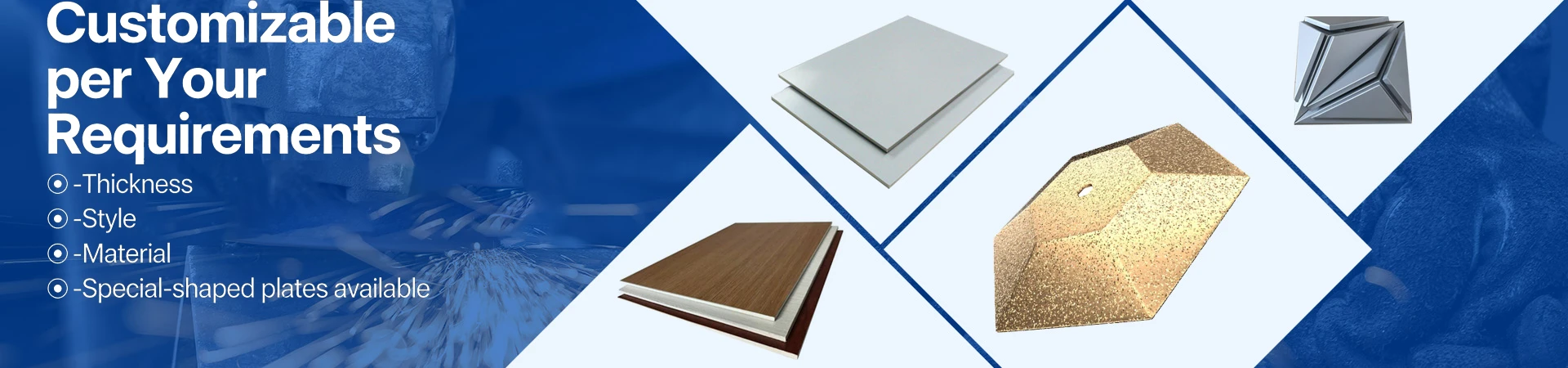
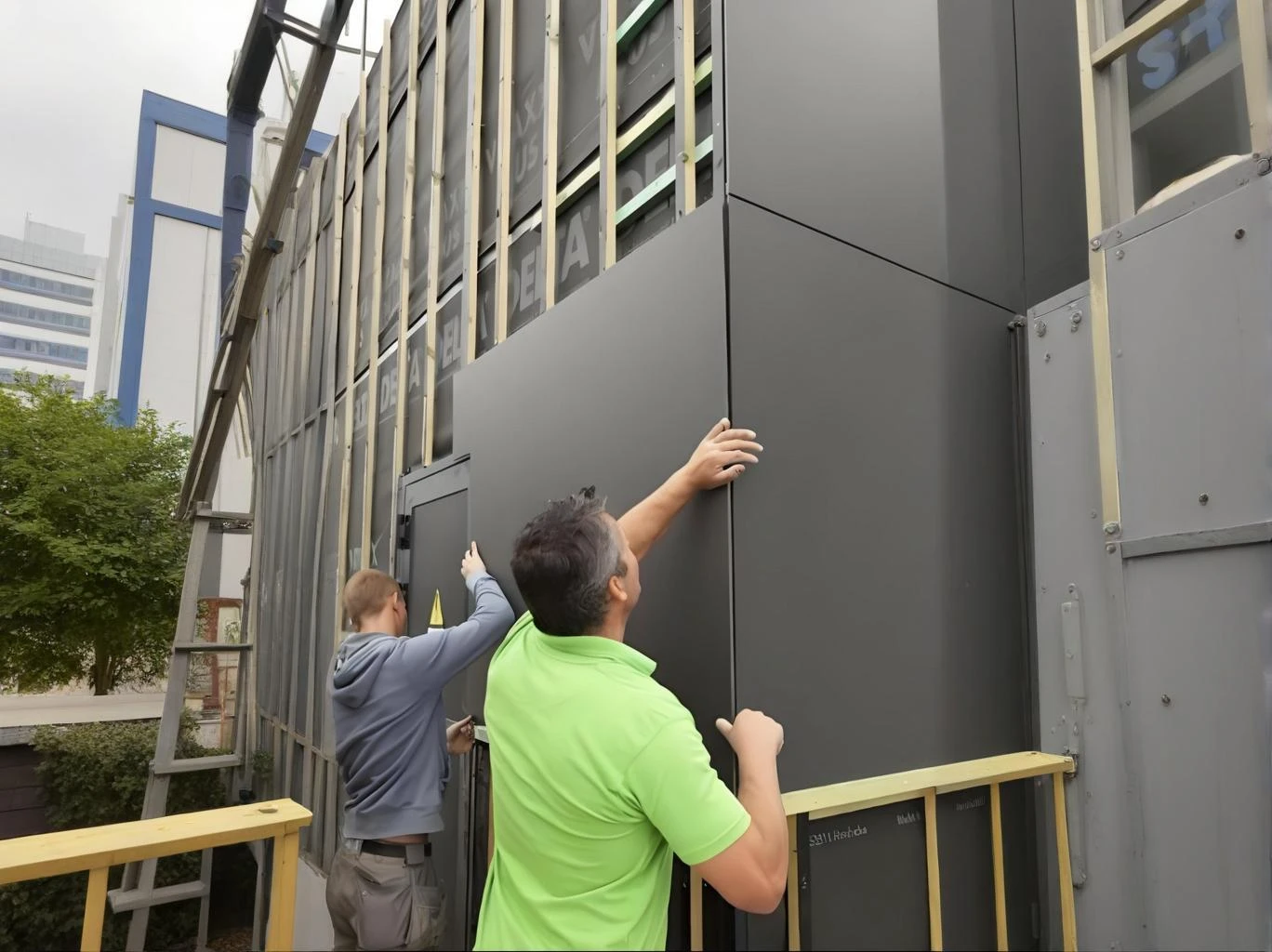
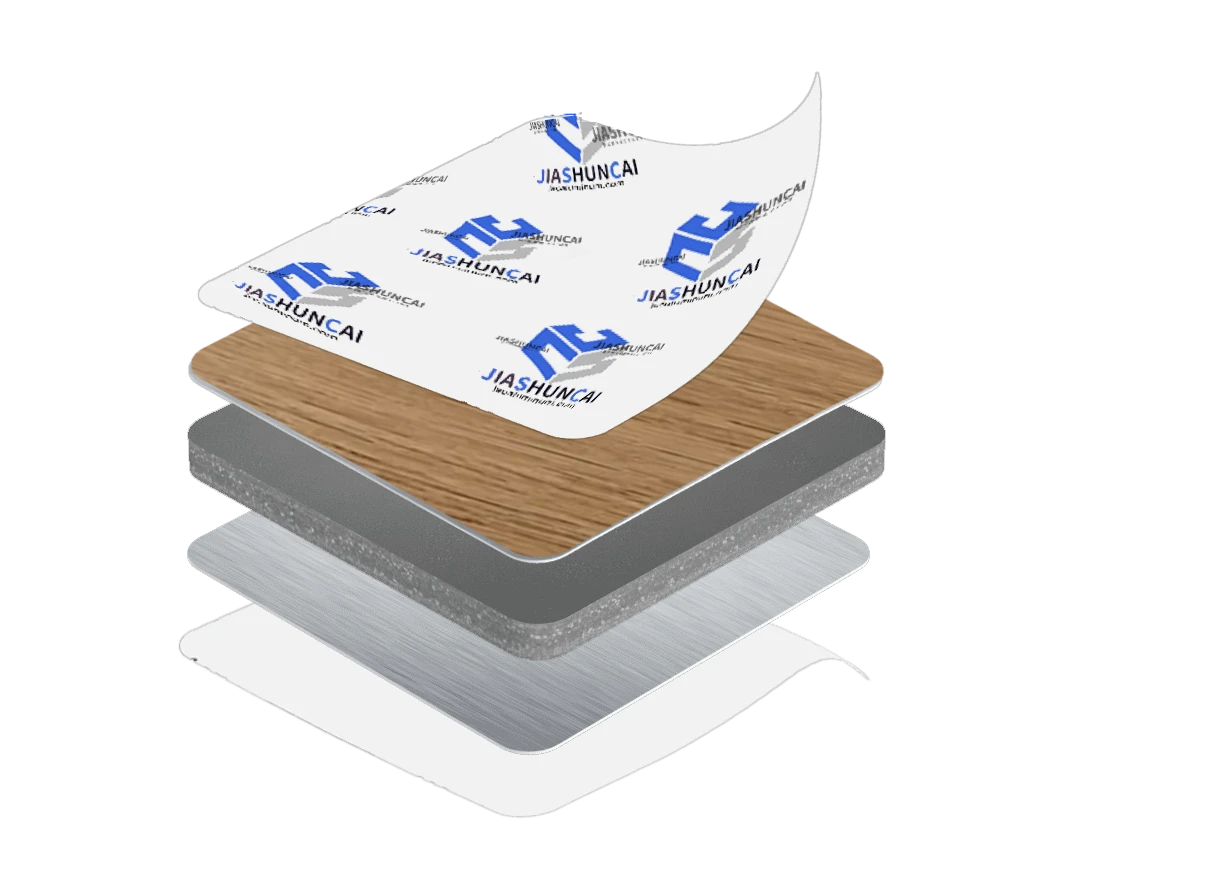
The acm panelling system consists of two thin aluminium sheets bonded to a non-aluminium core, forming a composite material that is lightweight yet extremely durable. This structure makes the aluminium composite board easier to handle and install compared to stone or concrete. The aluminum composite panel acp is flexible enough to be bent, drilled, or shaped into complex designs, giving architects creative freedom without sacrificing strength.
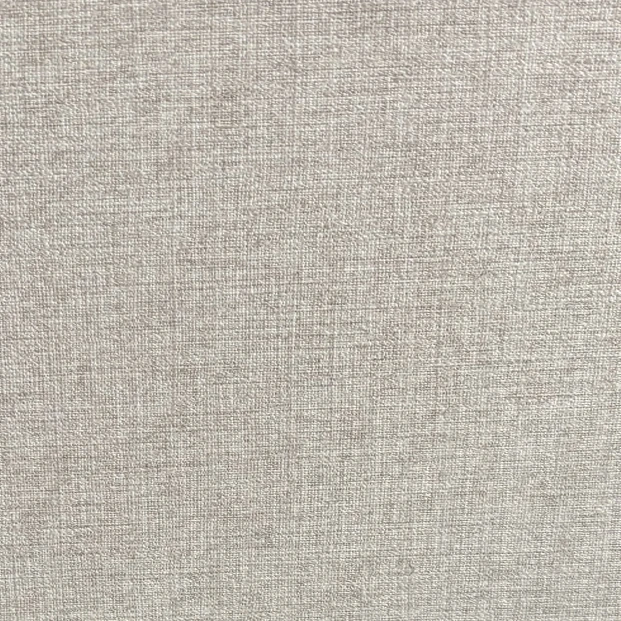
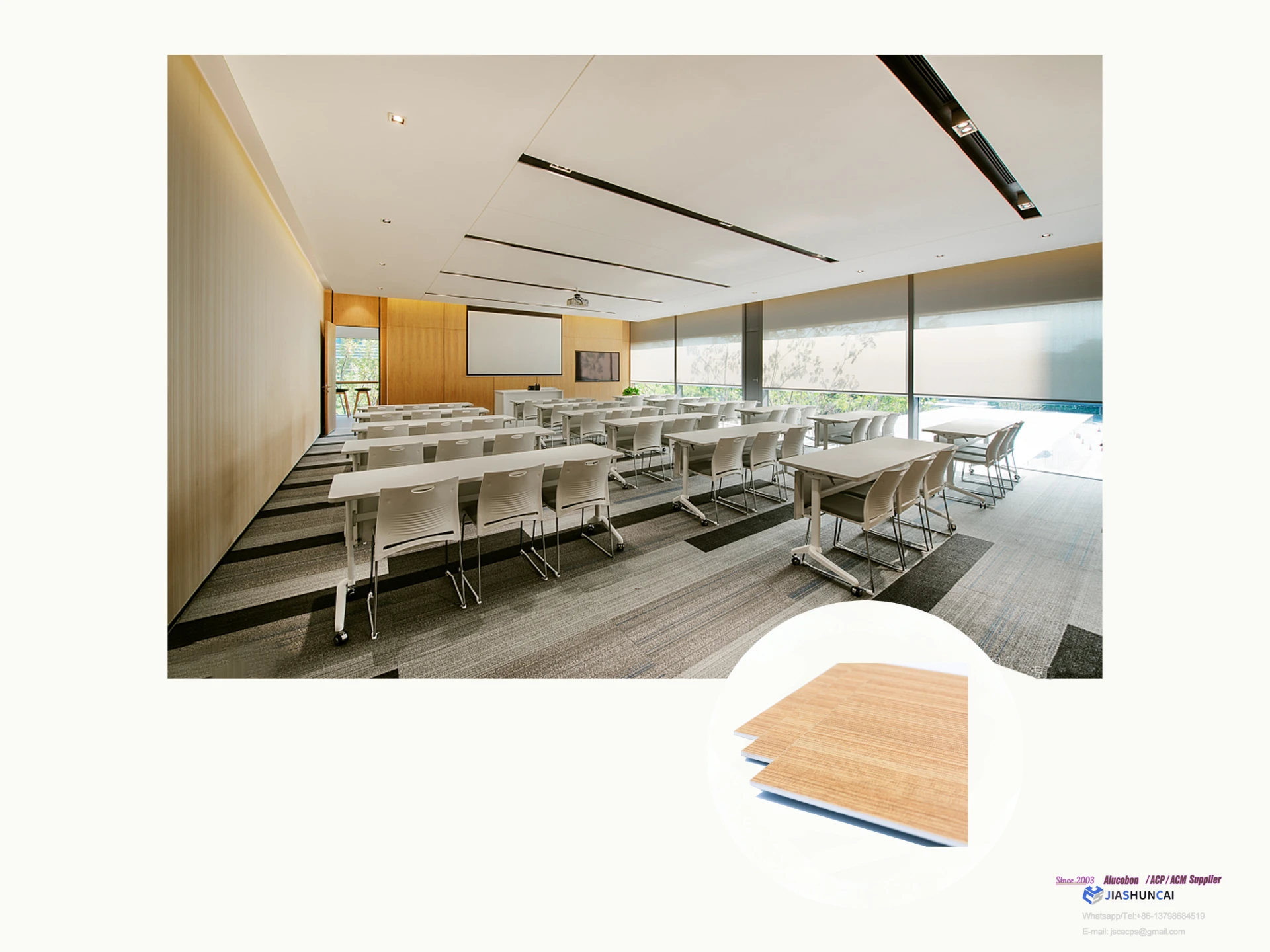
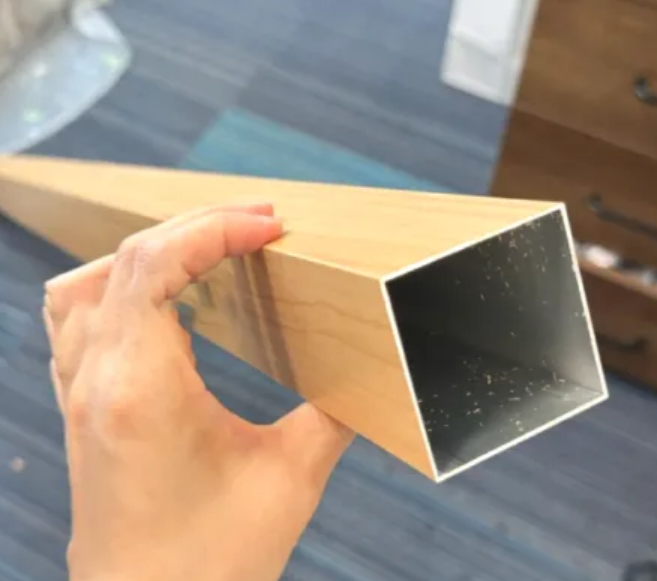
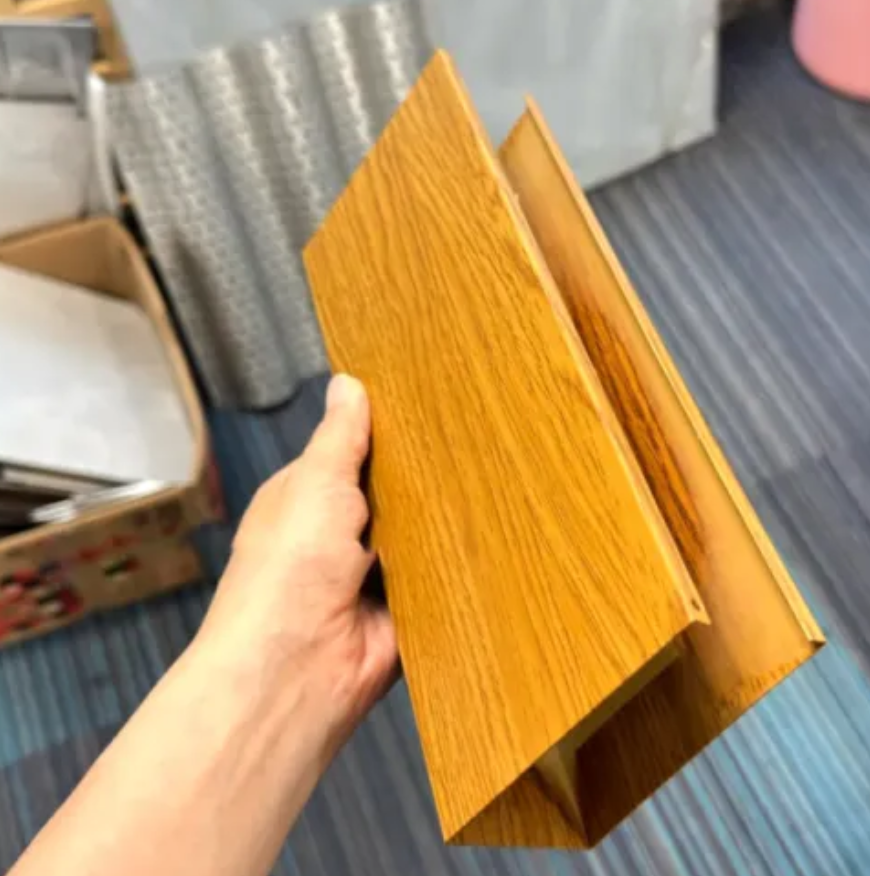
The smooth surface of the acp aluminium composite panel is available in a wide variety of finishes, including metallic, matte, and wood-like textures. This makes it possible to match acp paneling with different architectural styles. In addition, the aluminium panel composite provides excellent insulation against sound and heat, improving the comfort and efficiency of buildings. Safety is another significant feature, as many acp aluminium products are manufactured to be fire-retardant, ensuring compliance with modern building codes.
PVDF Aluminium Composite Panel For Long-Term Durability
Among the many variations of acm panelling, the pvdf aluminium composite panel stands out for its durability and weather resistance. Coated with a layer of polyvinylidene fluoride, the pvdf acp is highly resistant to UV radiation, acid rain, and pollution. This ensures that buildings clad with pvdf acp sheet maintain their color, gloss, and structural integrity for decades, even under harsh environmental conditions.
Compared to pe aluminium composite panel, which is commonly used indoors or for temporary structures, the pvdf aluminium composite panel is designed for demanding outdoor applications. Architects and developers choose pvdf acp for high-rise towers, airports, stadiums, and government buildings where long-term performance is essential. The premium finishes of pvdf aluminium composite panel products, including custom textures and metallic colors, provide a luxurious look while ensuring sustainability. The combination of beauty and durability has made pvdf acp a global standard in exterior cladding.
ACP Paneling In Modern Architecture
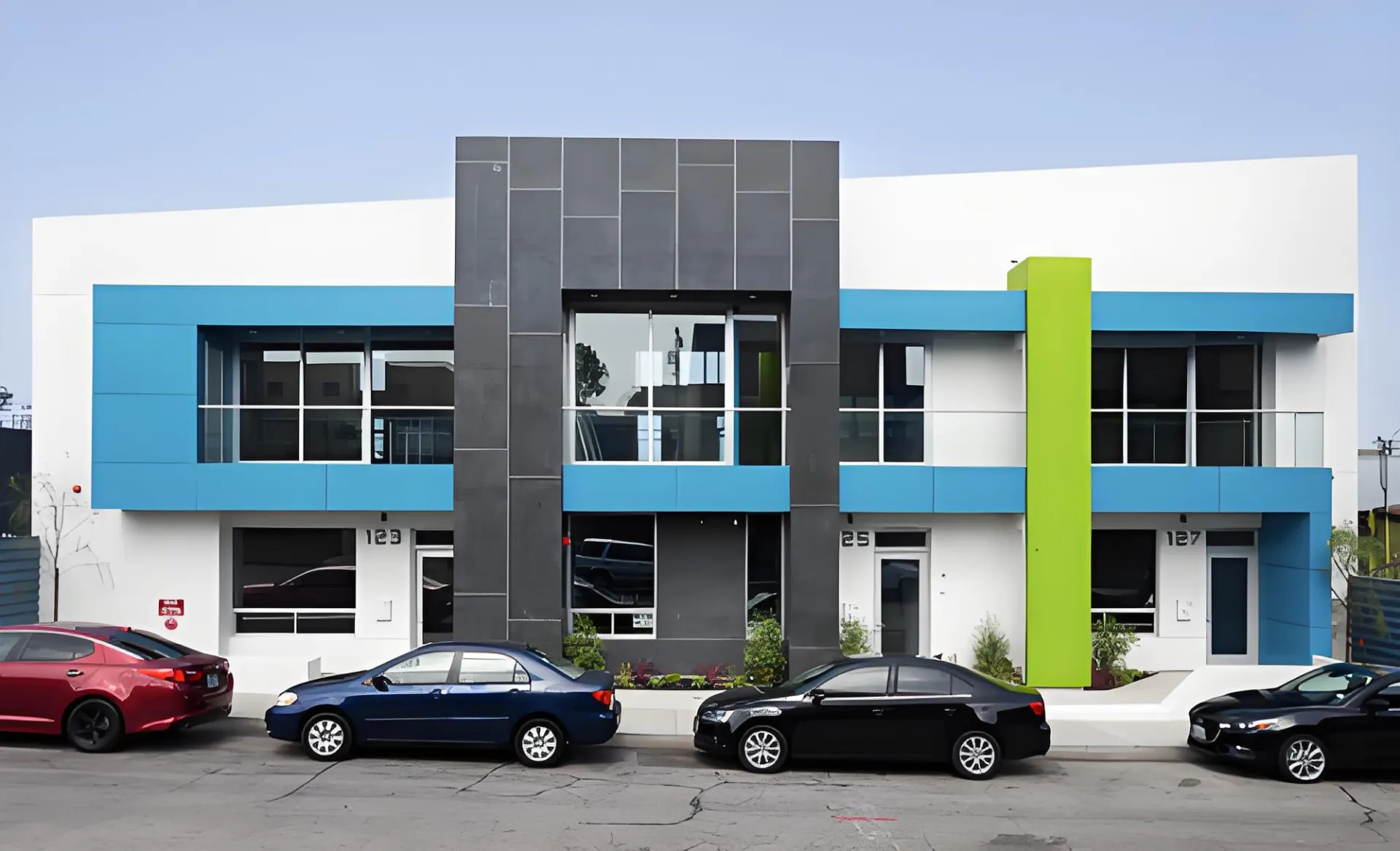
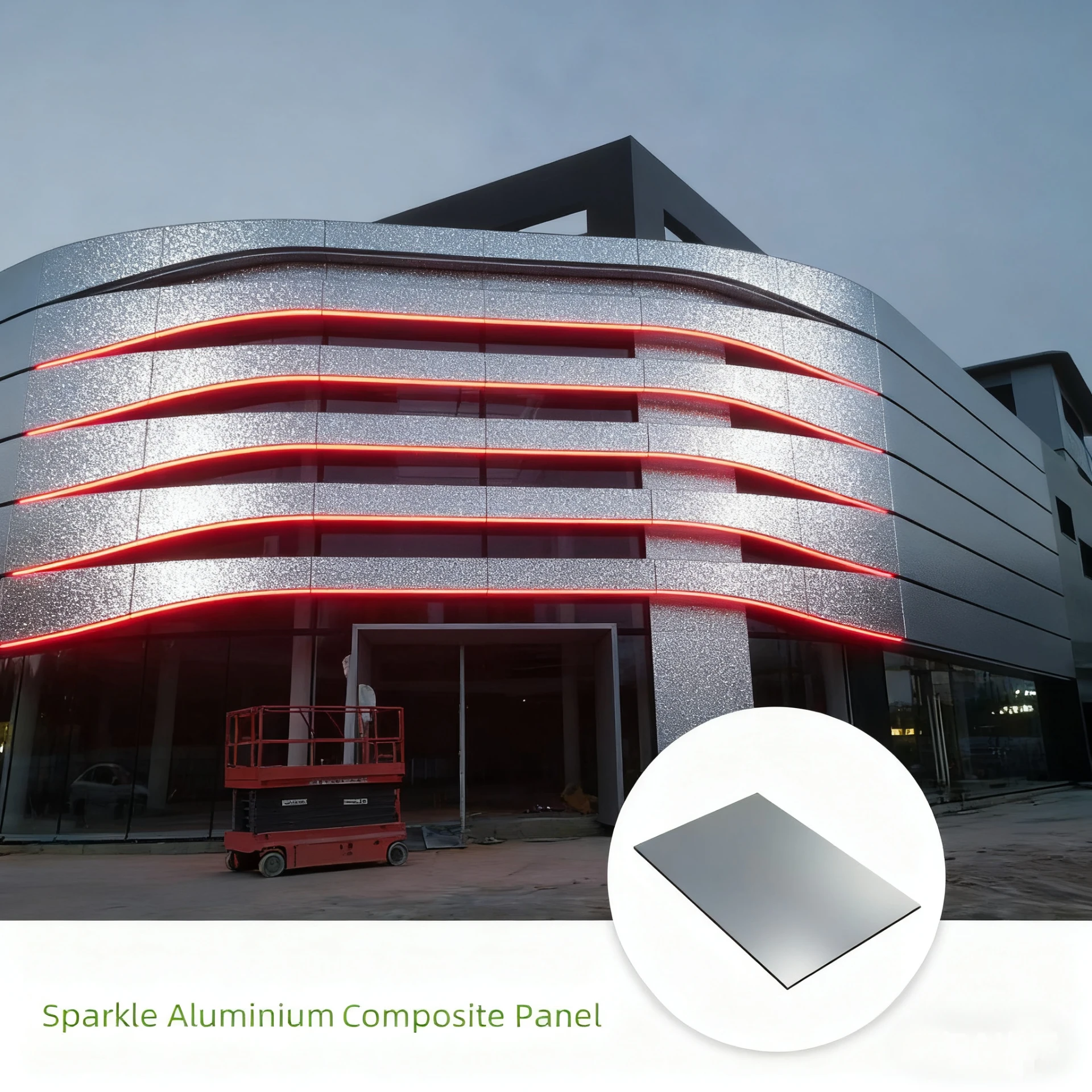
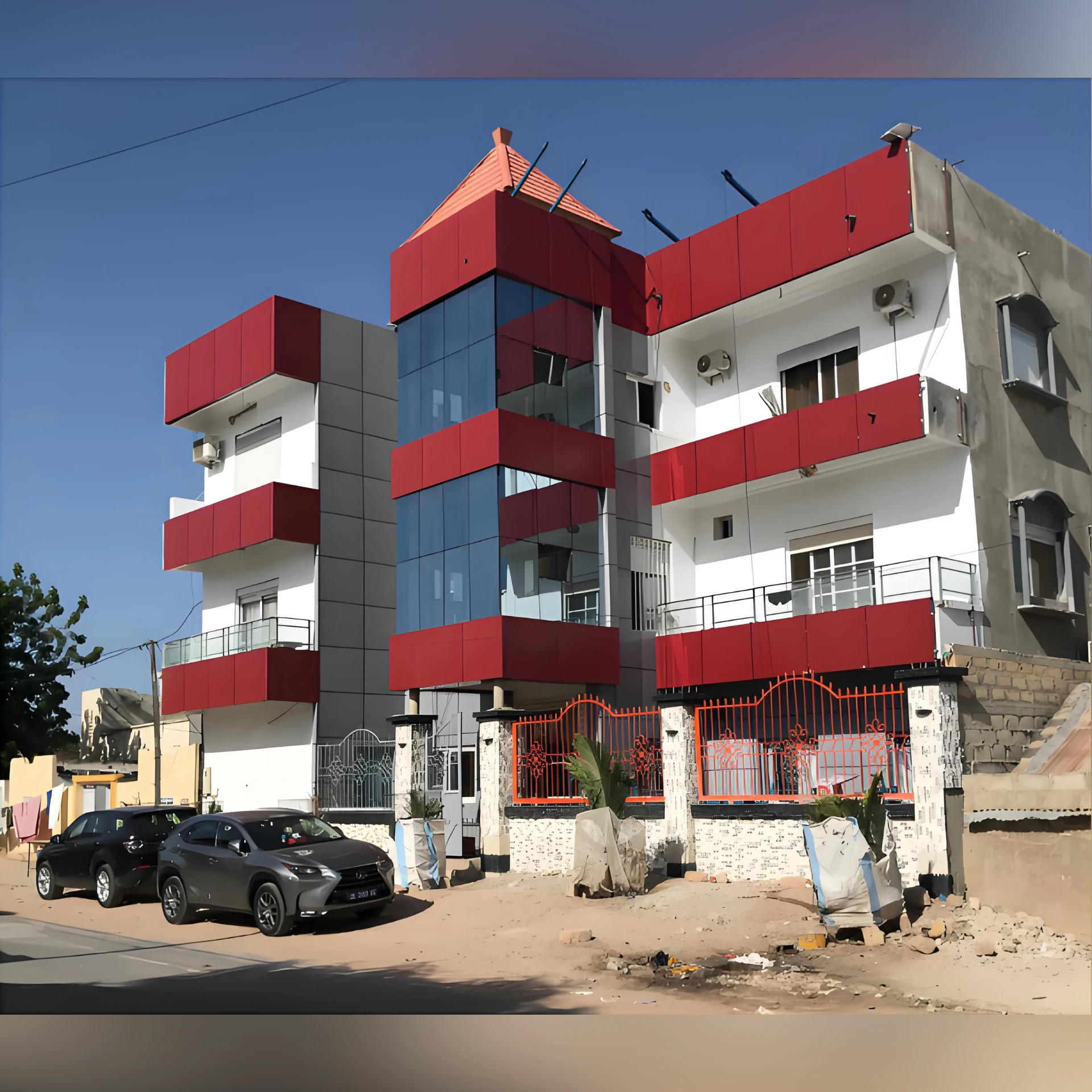
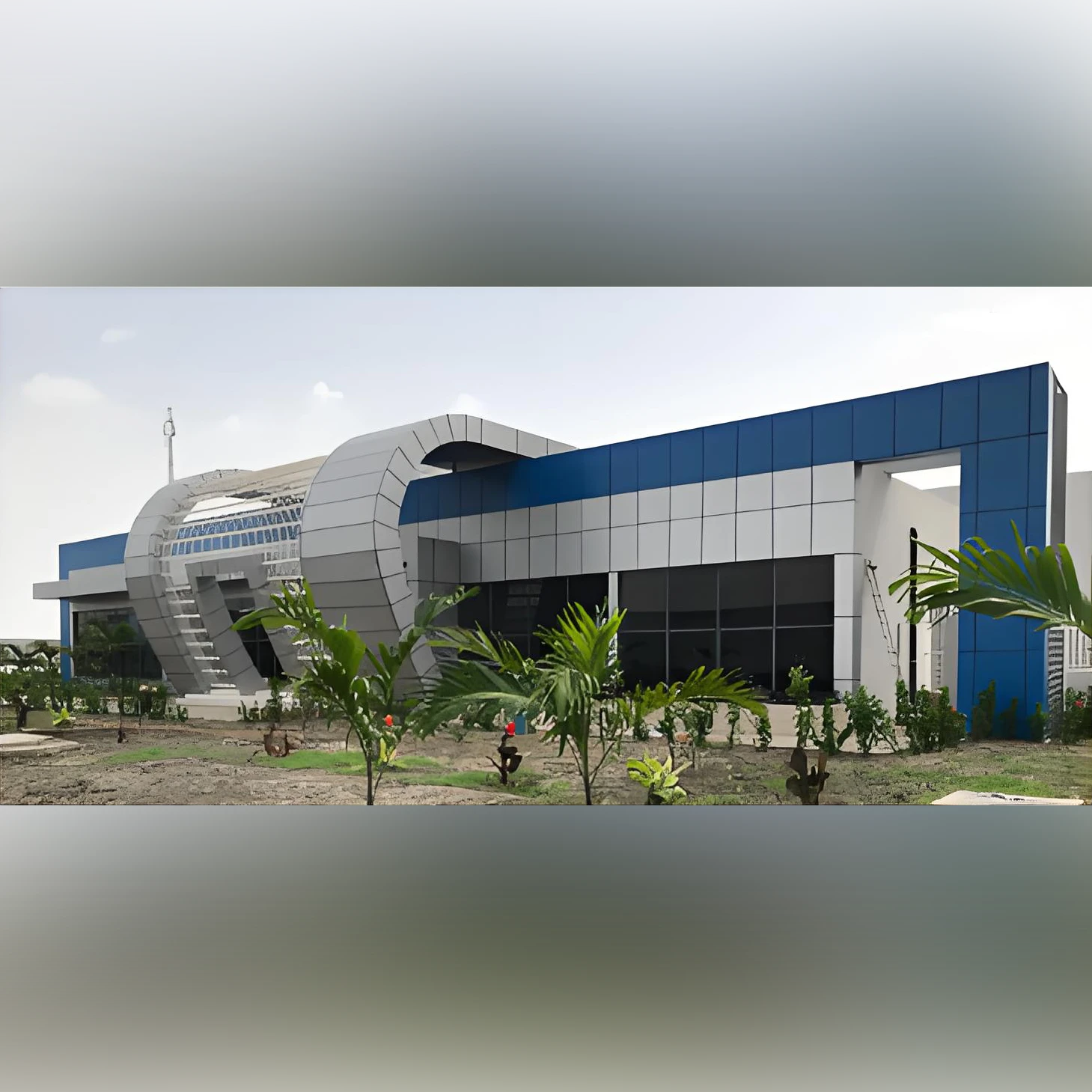
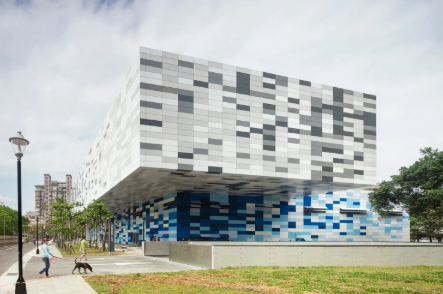
The adoption of acp paneling has given architects new tools for innovation. Unlike traditional materials, the acp aluminium composite panel allows the creation of curved facades, angular shapes, and unique geometrical structures. Many iconic buildings around the world showcase acm panelling combined with glass and steel, demonstrating how versatile the material can be. The aluminium composite board not only improves the external appearance of buildings but also contributes to structural efficiency by reducing weight loads.
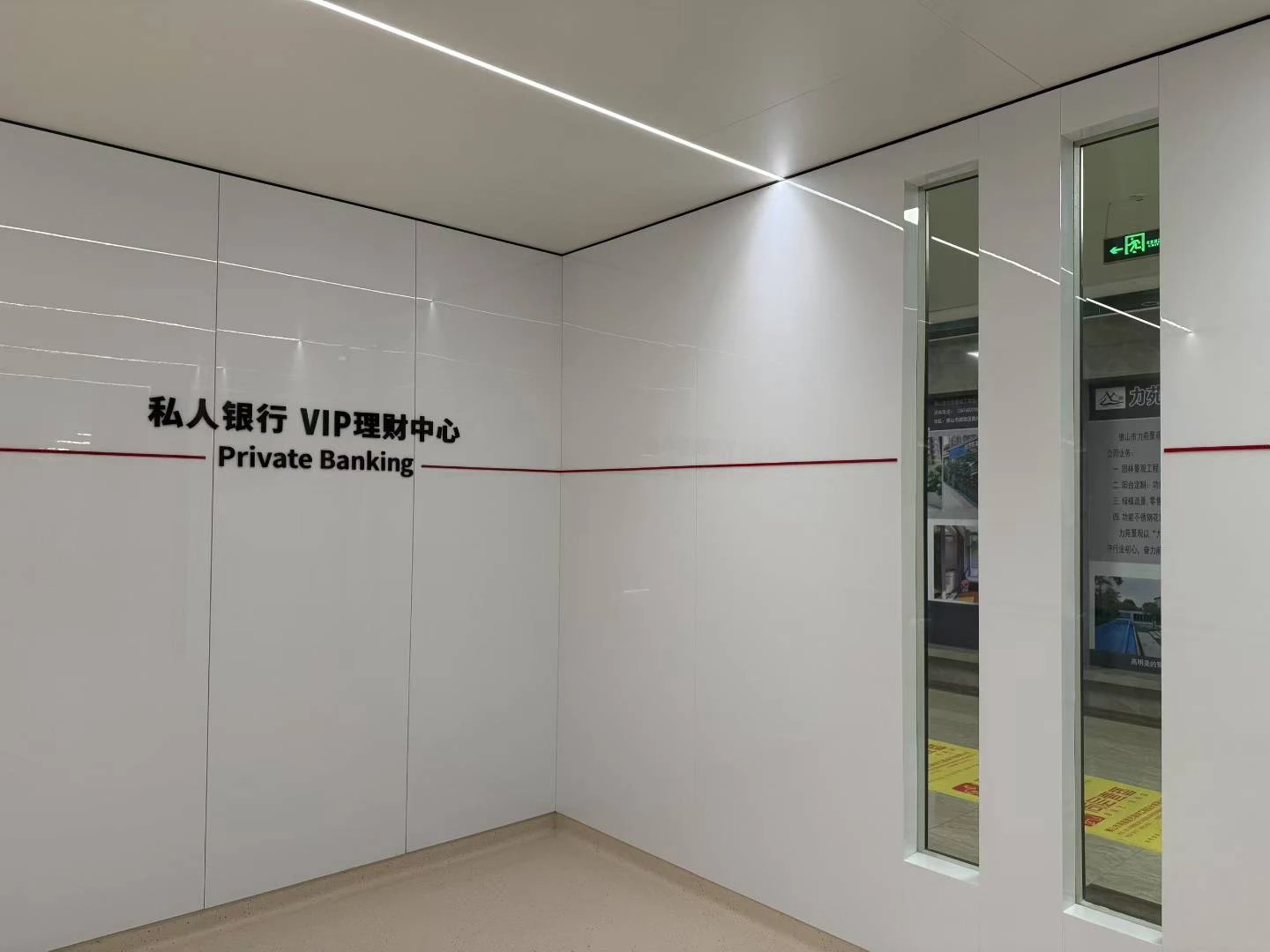
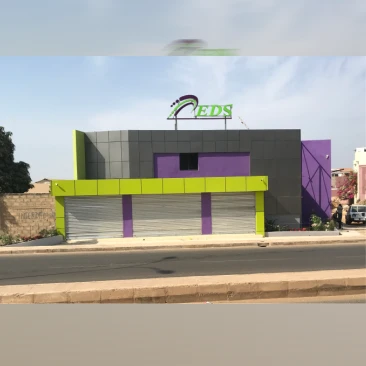
Interior designers also value acp paneling for its elegance and practicality. In shopping malls, hotels, and offices, pe acp materials are commonly used for ceilings, wall partitions, and decorative elements. The lightweight structure of aluminium panel composite makes installation faster, while its smooth finish provides a clean, professional appearance. The aluminum composite panel acp can also be customized with logos, patterns, and branding, which makes it ideal for commercial signage.
PE ACP As A Cost-Effective Solution
For cost-sensitive projects, the pe aluminium composite panel is an excellent choice. The pe acp offers many of the same advantages as premium panels, such as lightness, strength, and weather resistance, but at a lower price point. This makes it especially popular in interior applications, small-scale commercial projects, and temporary installations. Exhibition stands, shop signs, and advertising boards often use pe aluminium composite panel because it is affordable, attractive, and easy to install.
Although not as durable as pvdf acp, the pe aluminium composite panel still provides adequate performance for short-term or budget-conscious projects. It ensures that even small businesses and residential designers can take advantage of modern composite materials. The widespread use of pe acp highlights how the acp aluminium composite panel industry caters to diverse project requirements, from high-end luxury towers to affordable decorative solutions.
Conclusion
The evolution of acm panelling has reshaped the architectural landscape. By offering a balance of lightweight design, durability, and visual appeal, the acp aluminium composite panel has become one of the most valuable materials in construction. The choice between pvdf aluminium composite panel for long-term exterior projects and pe aluminium composite panel for cost-effective interiors allows builders to select the right solution for every situation.
The integration of acp paneling in both residential and commercial spaces demonstrates its versatility and reliability. Whether for modern skyscrapers, shopping centers, or decorative interiors, the aluminium composite board and aluminium panel composite products provide unmatched advantages. As cities continue to grow and the demand for sustainable materials increases, the aluminum composite panel acp will remain a cornerstone of innovation. The future of architecture clearly belongs to acp aluminium, with acm panelling leading the way in redefining design possibilities.