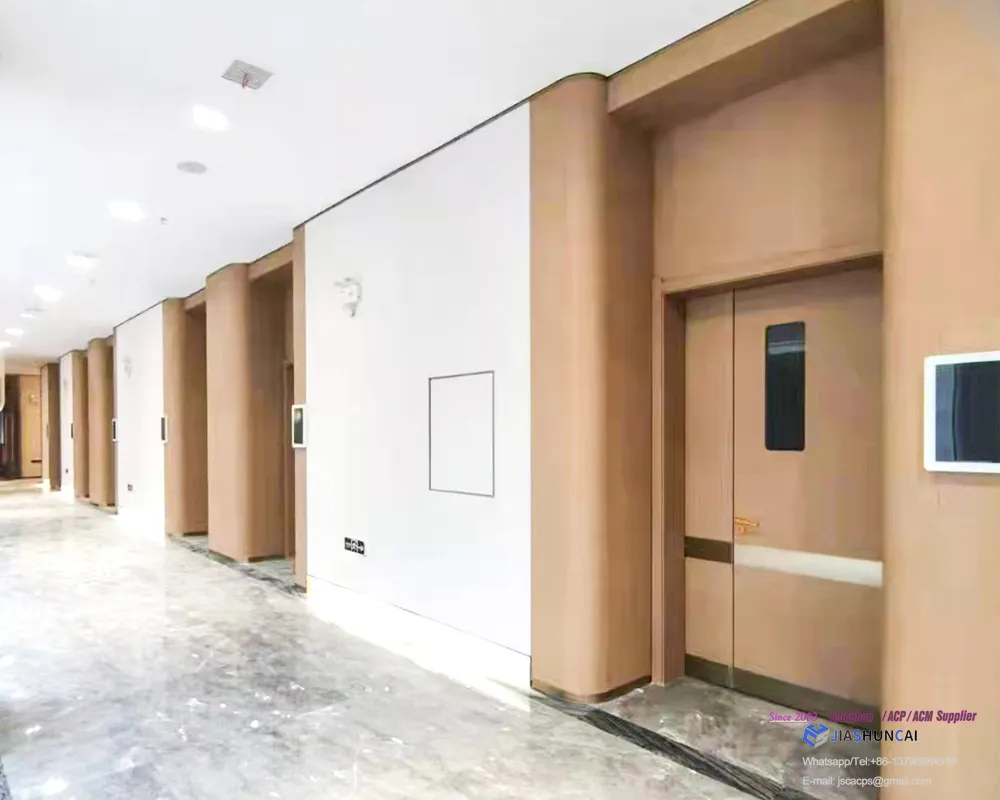
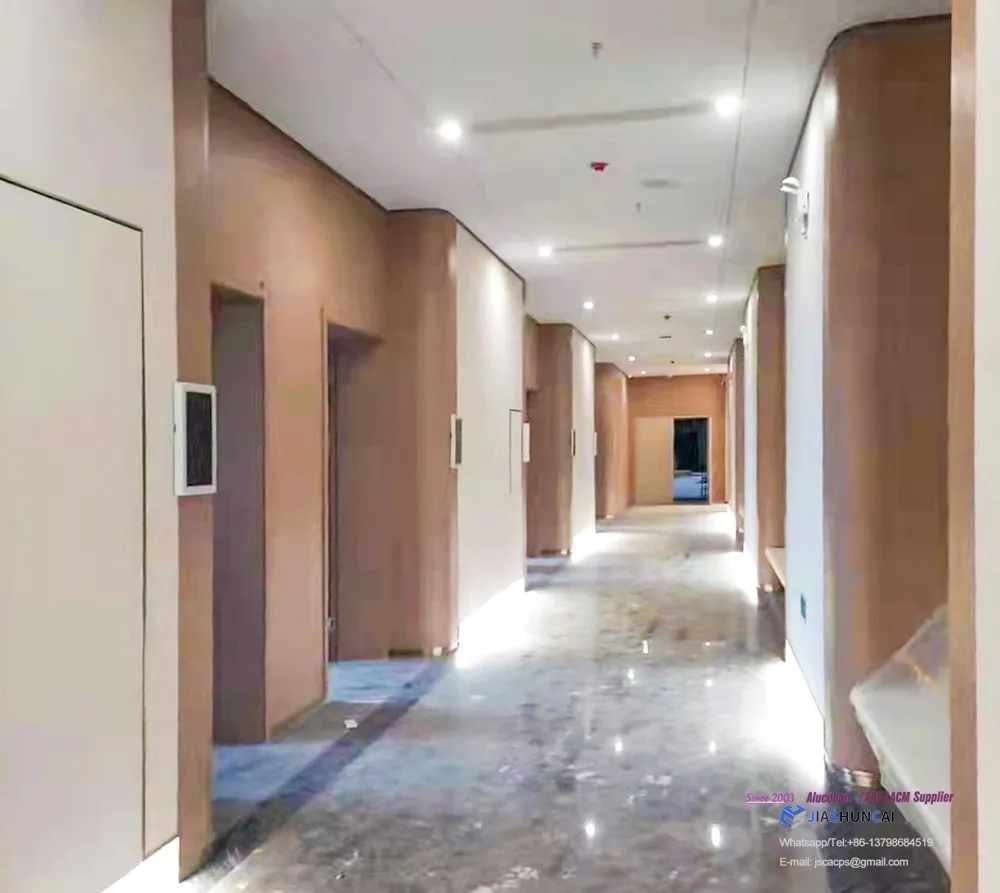
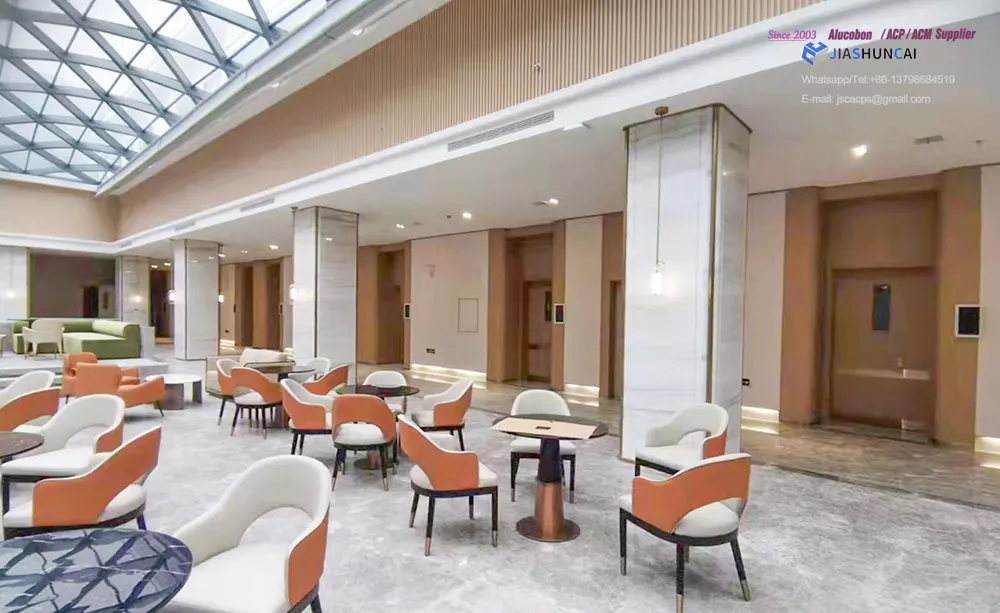
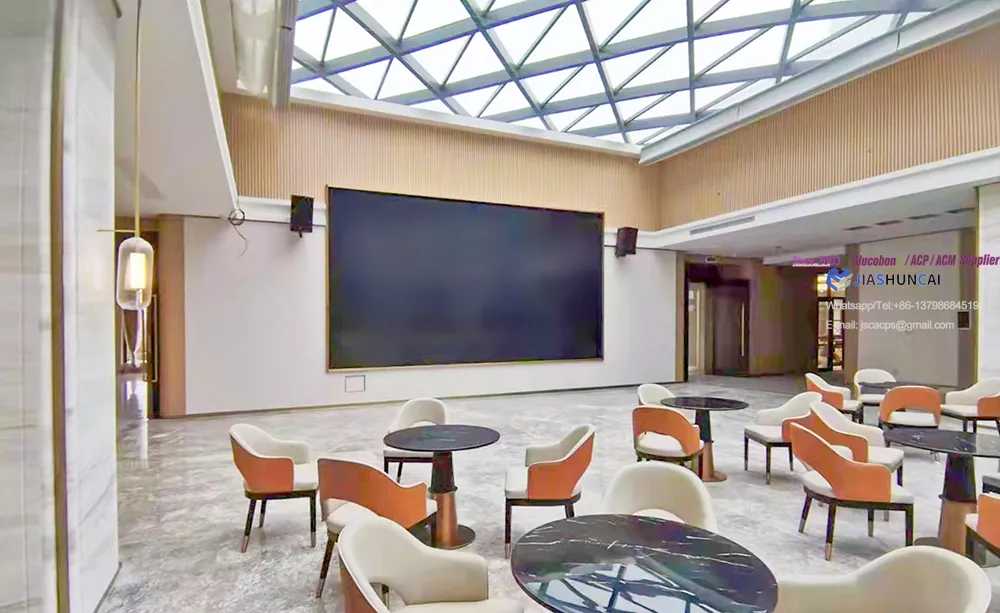
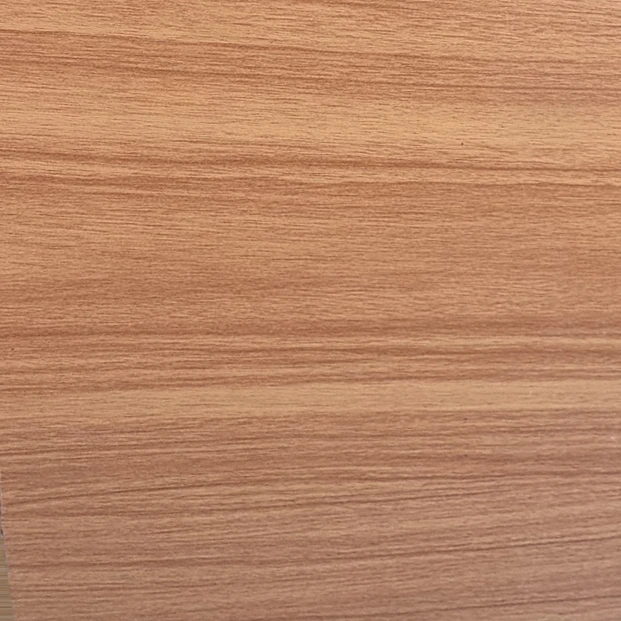
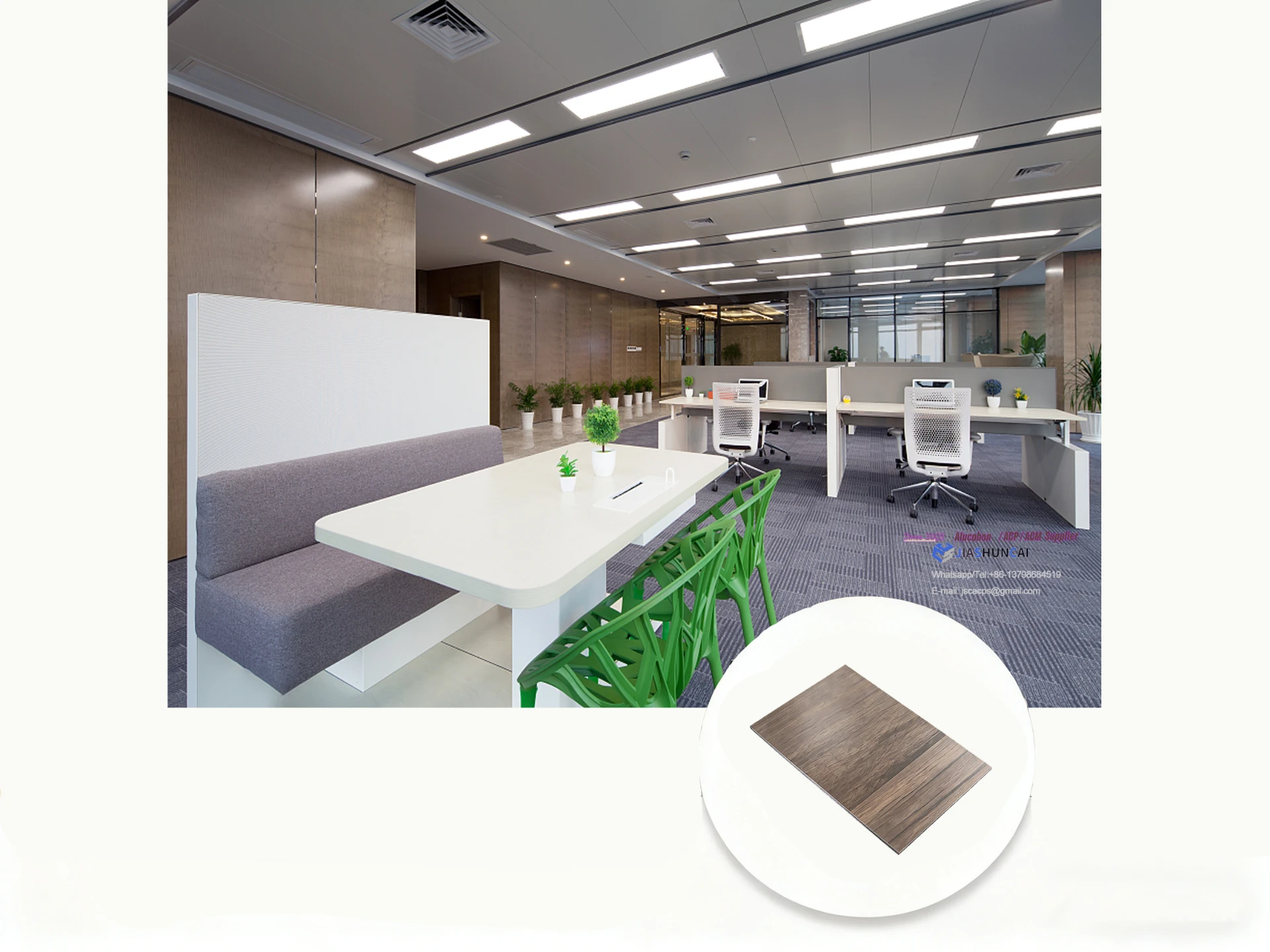
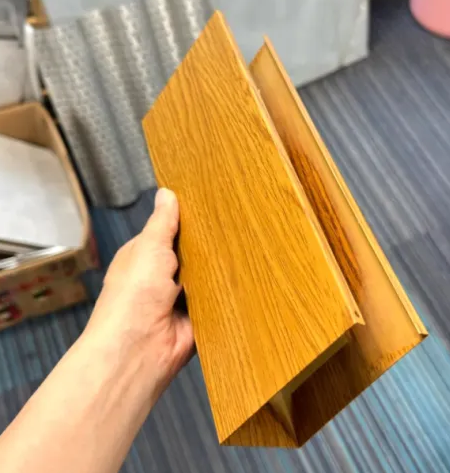
The interior is decorated with a large amount of fireproof metal panels in light colors and wood grain, which is simple and elegant. It is paired with square stone-grain wrapped columns, creating a low-luxury atmosphere with a hint of natural charm.
Urupn festiwaly we milli günki plastmutum - uçar bilen ýakynlaşýar - işgärleriň zawodyň kadalaşdyrylmagyny kepillendirensoň, işgärleriň bu festiwallardan lezzet almagyny üpjün etmek üçin gizlinliklerden we ýeňillikler hem festiwallardan lezzet almagyny üpjün etmek üçin işgärleriň üstünden galyp bilerler.
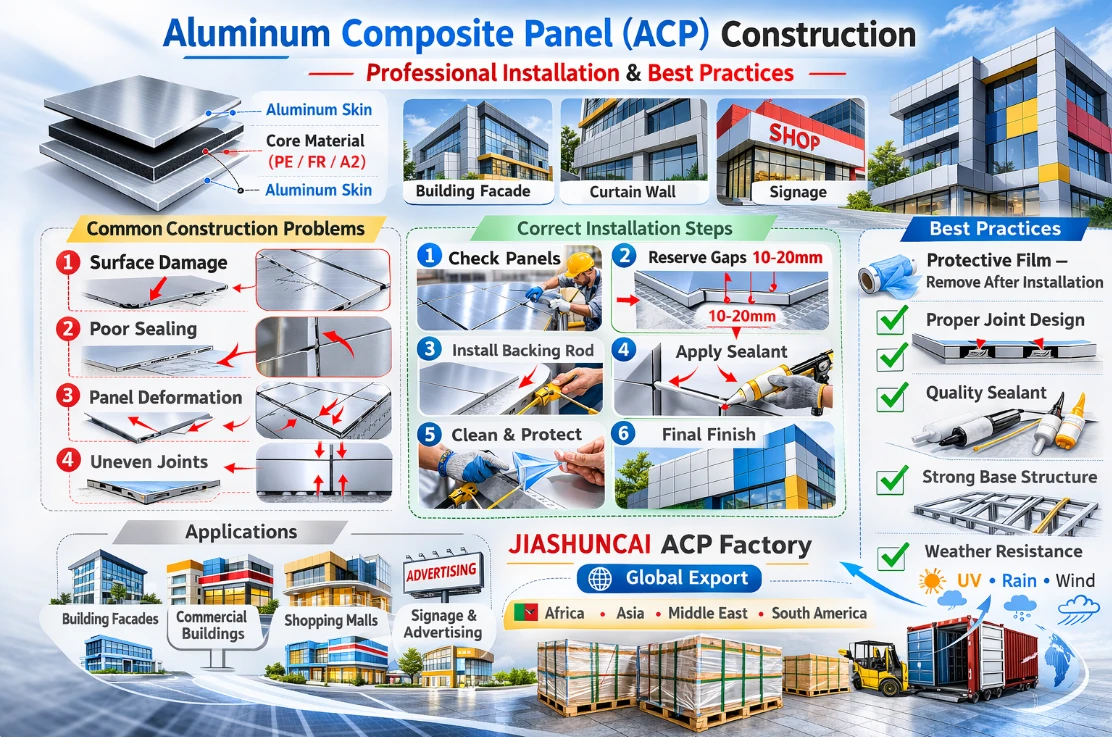
Introduction to Aluminum Composite Panel Installation
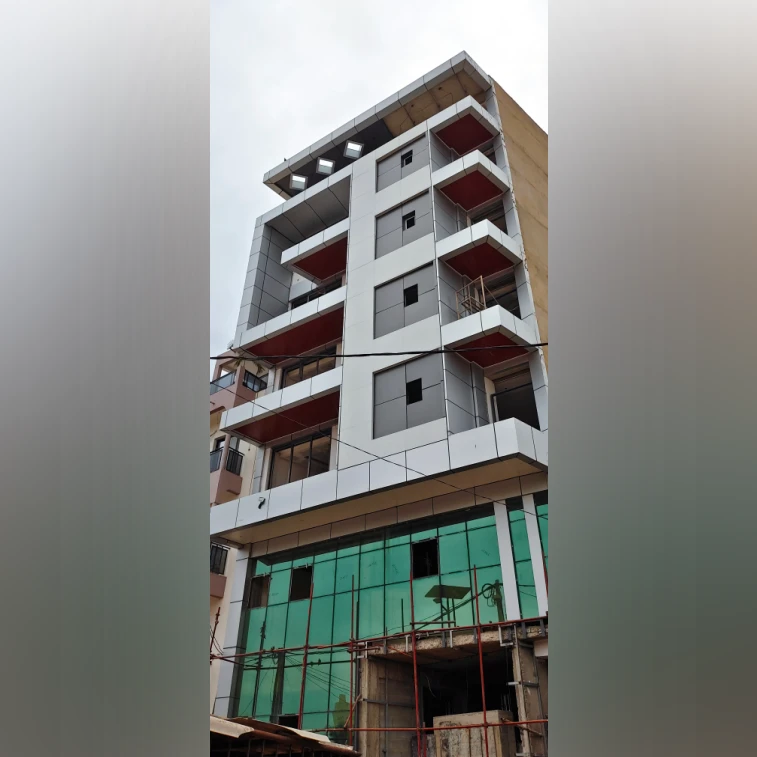
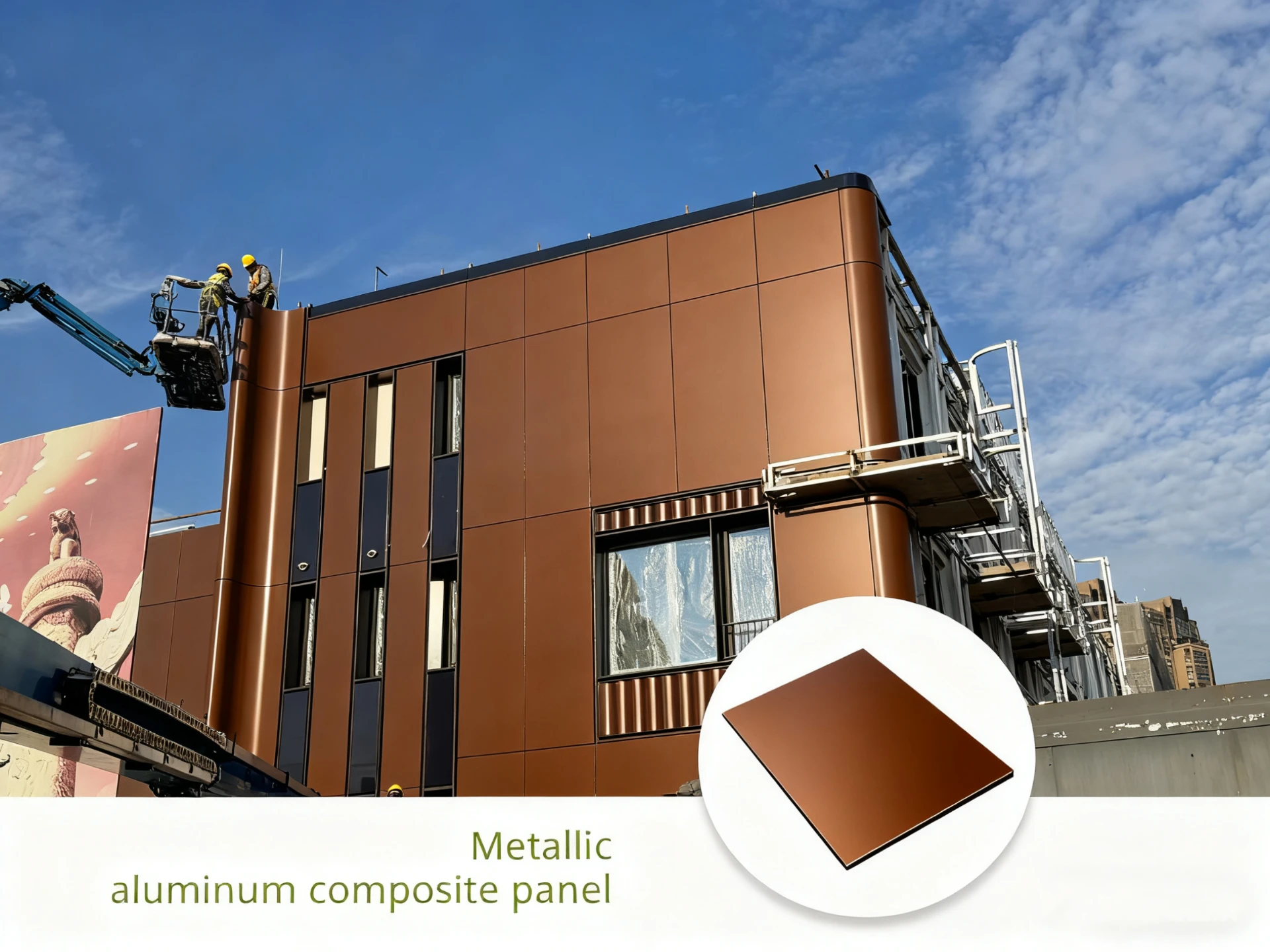
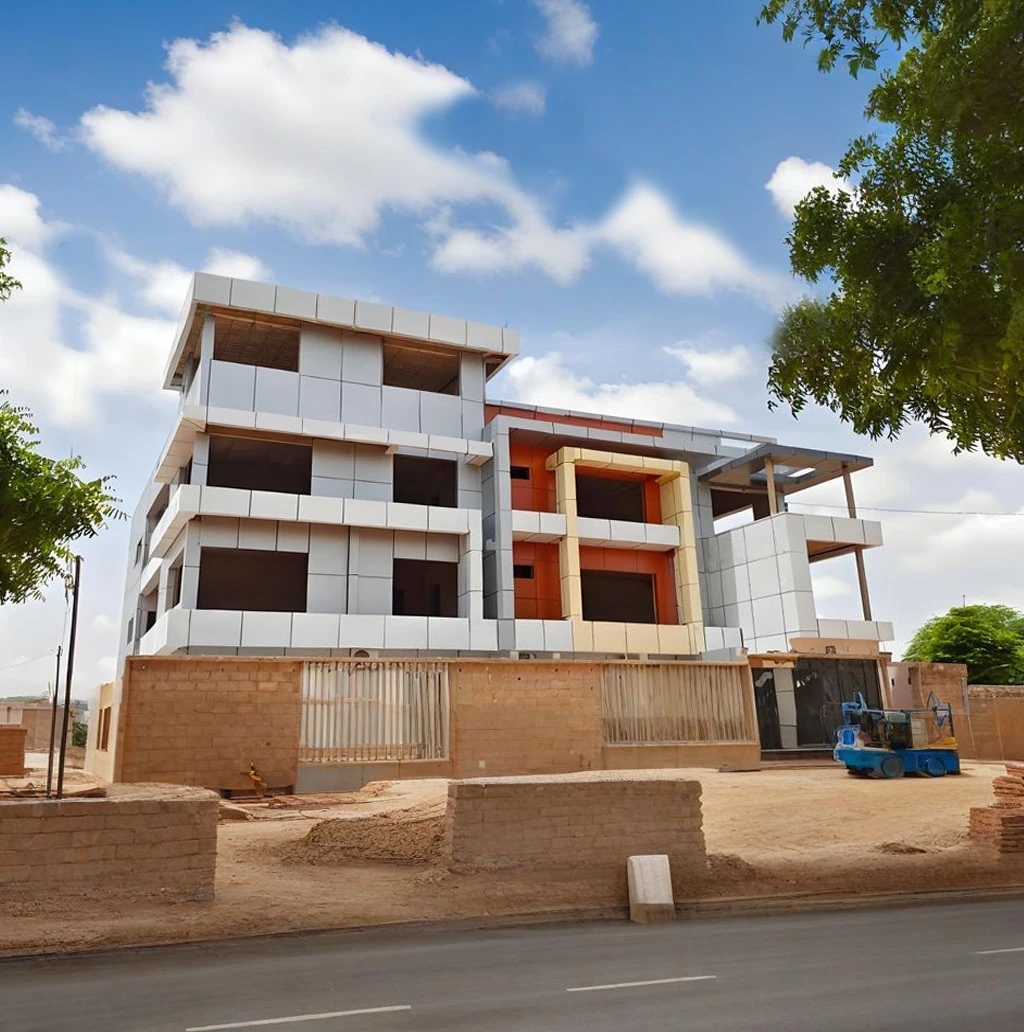
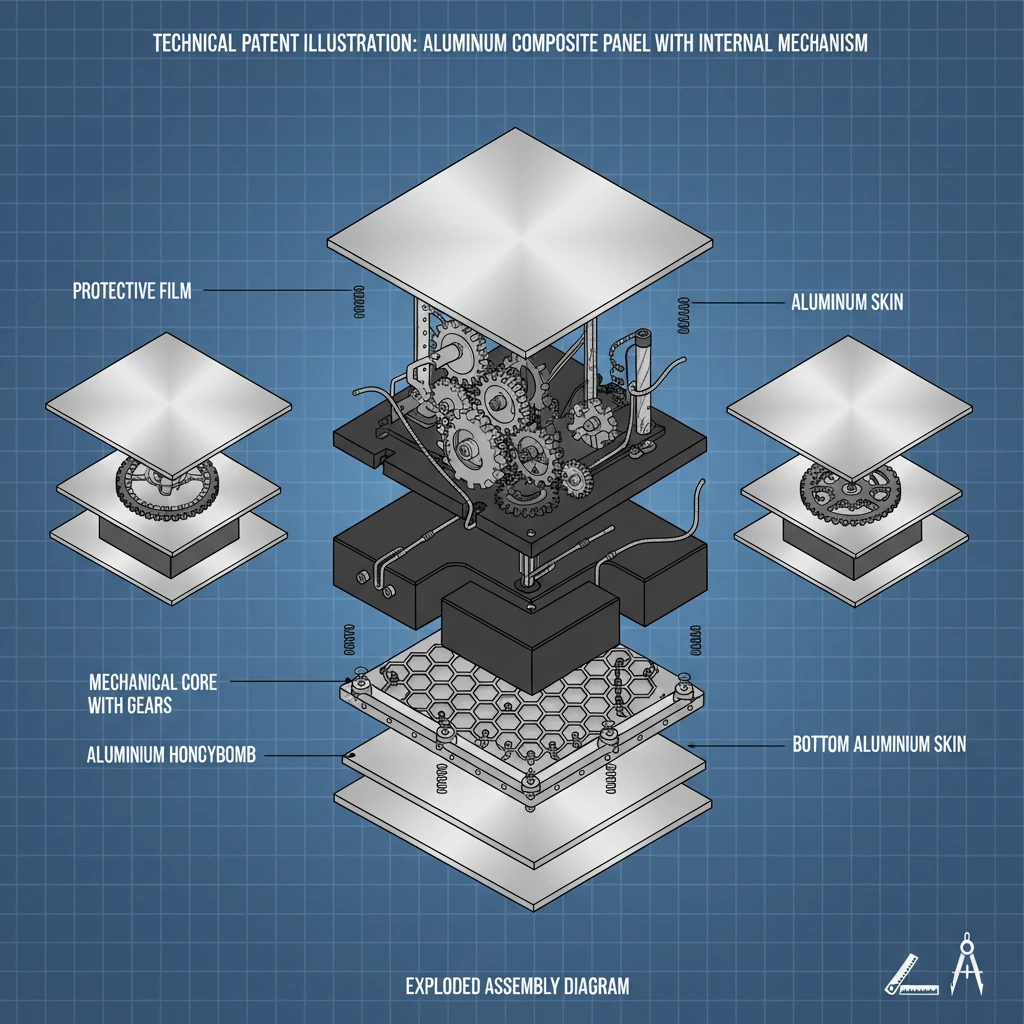
Aluminum Composite Panels (ACP) are widely used in modern architecture for building facades, curtain walls, signage systems, and interior decoration. Because ACP panels are lightweight, durable, and easy to fabricate, they have become one of the most popular cladding materials in commercial construction projects.
However, improper installation or construction mistakes can lead to problems such as panel deformation, poor sealing, surface contamination, and weak bonding. Understanding these issues is essential for contractors, architects, and construction companies working with ACP panels.
This article explains the most common aluminum composite panel construction problems and how to prevent them.
In modern architecture, aluminium ceiling board has emerged as an essential material for public and commercial spaces. Lightweight, durable, and versatile, aluminum ceilings are resistant to moisture, corrosion, and fire, making them ideal for airports, malls, offices, hospitals, and hotels
Procurement teams should also factor in long-term coating performance, since a 15-year PVDF warranty versus a 5-year polyester warranty represents a meaningfully different replacement cycle for exterior applications. Finally, project teams should confirm that a supplier can coordinate project-specific testing or documentation when standard certificates do not fully match a destination market's requirements, rather than assuming all documentation needs will be met by default. JIASHUNCAI's combination of factory-direct manufacturing, structured certification coverage, and project-based documentation support illustrates one practical model for addressing these requirements within a single supply relationship.
In recent years, pricing has become one of the most discussed topics in the construction and decoration industry. Buyers are no longer satisfied with simply knowing a material is “good”; they want to clearly understand what they are paying for and why