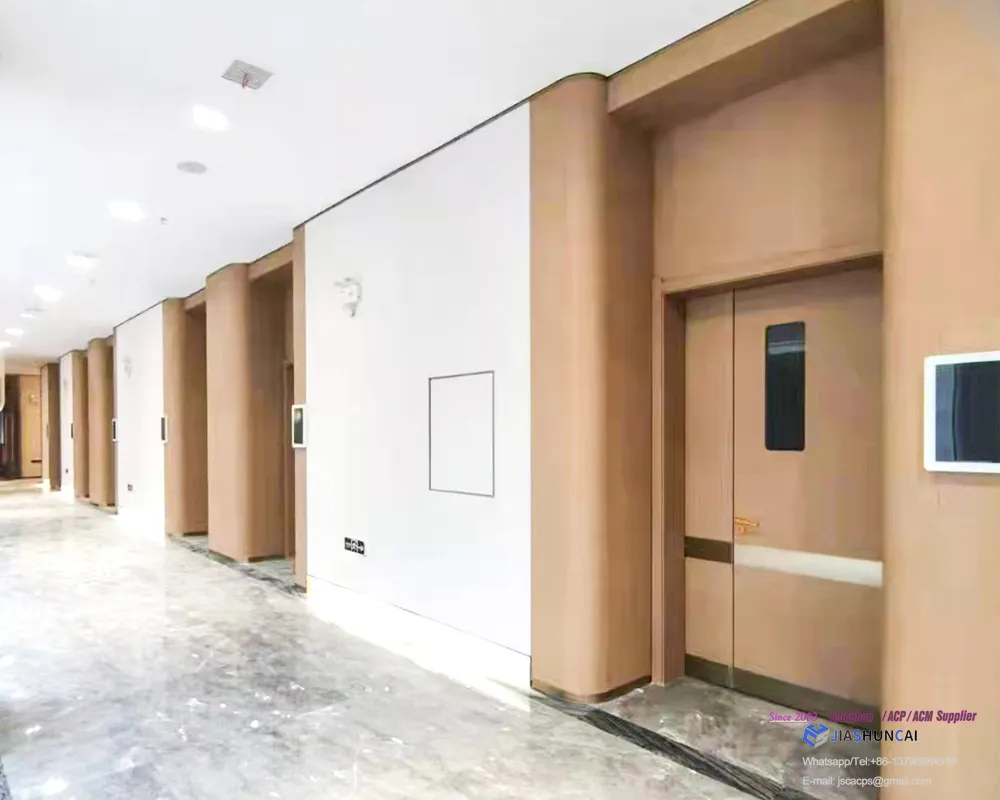
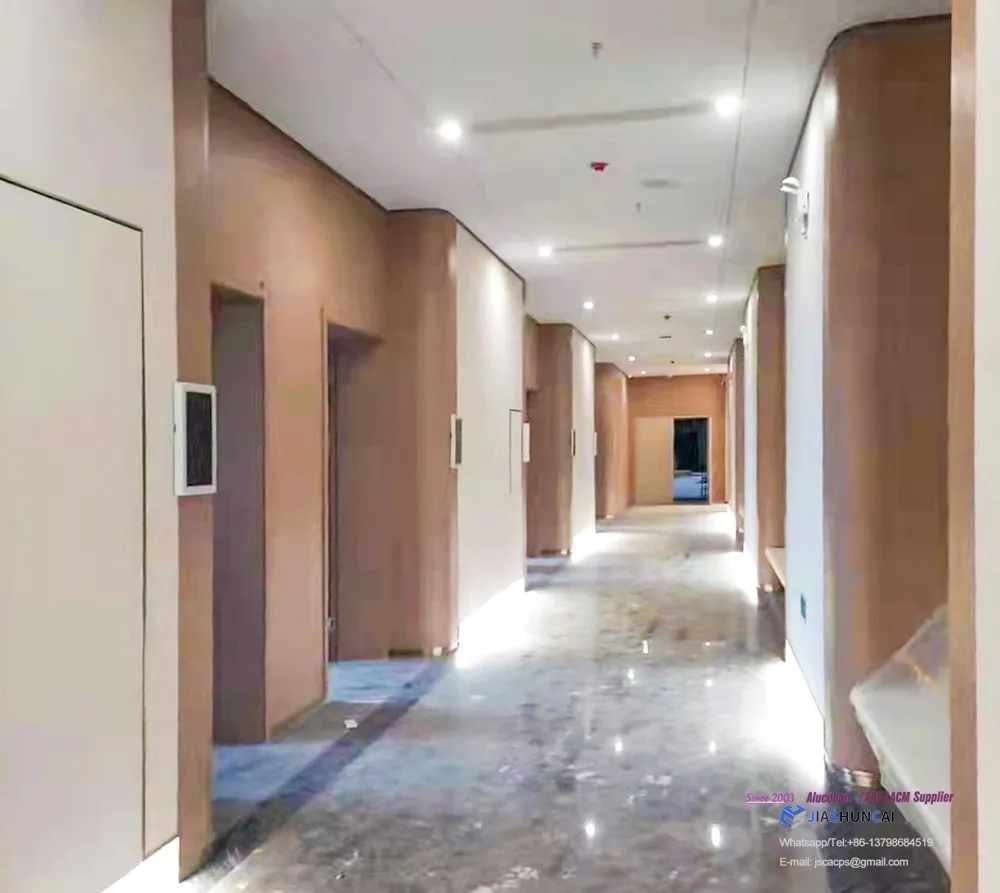
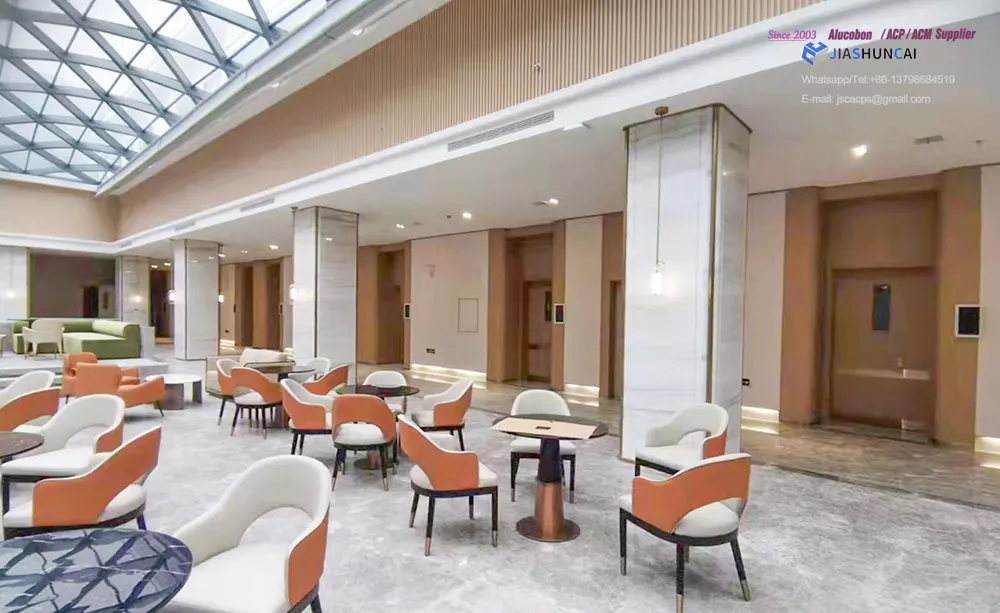
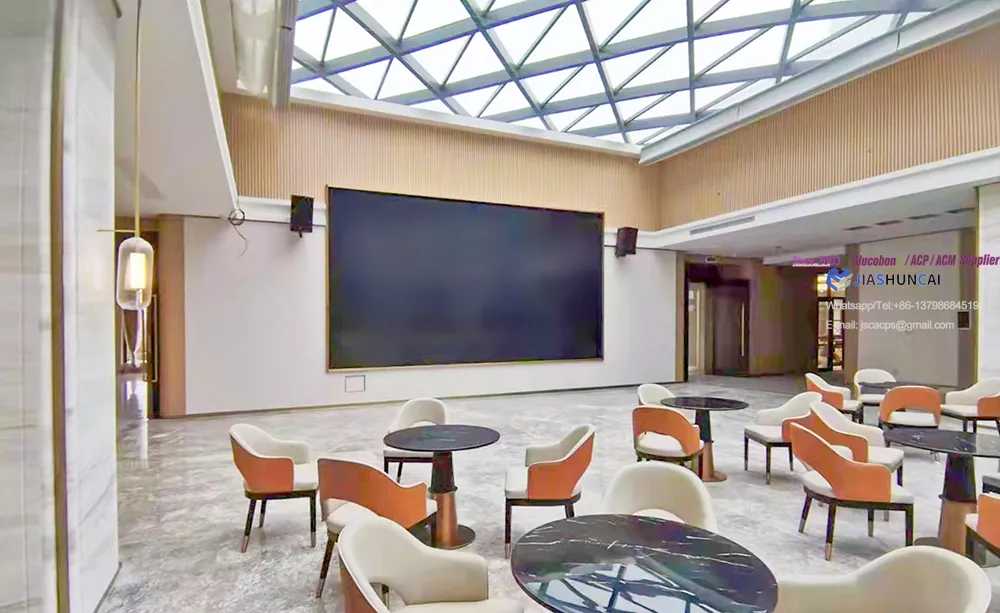
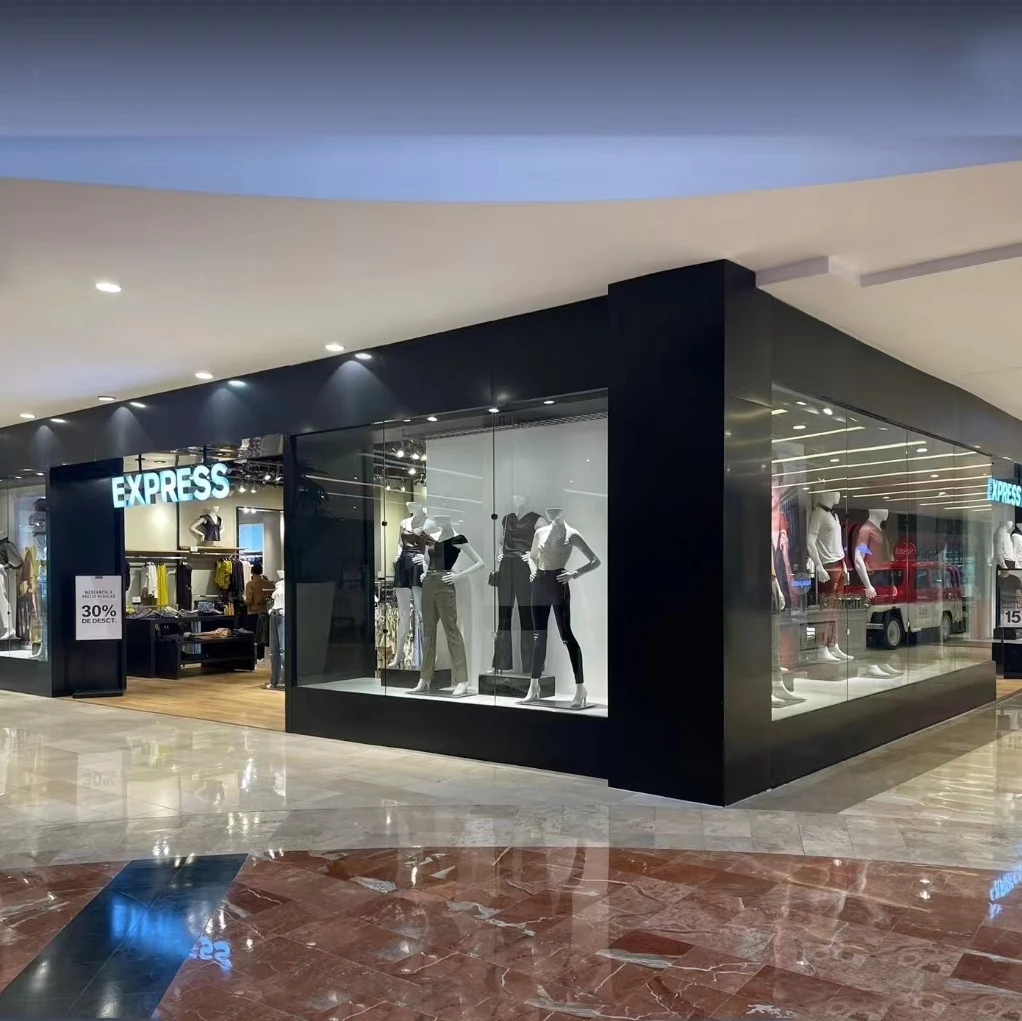
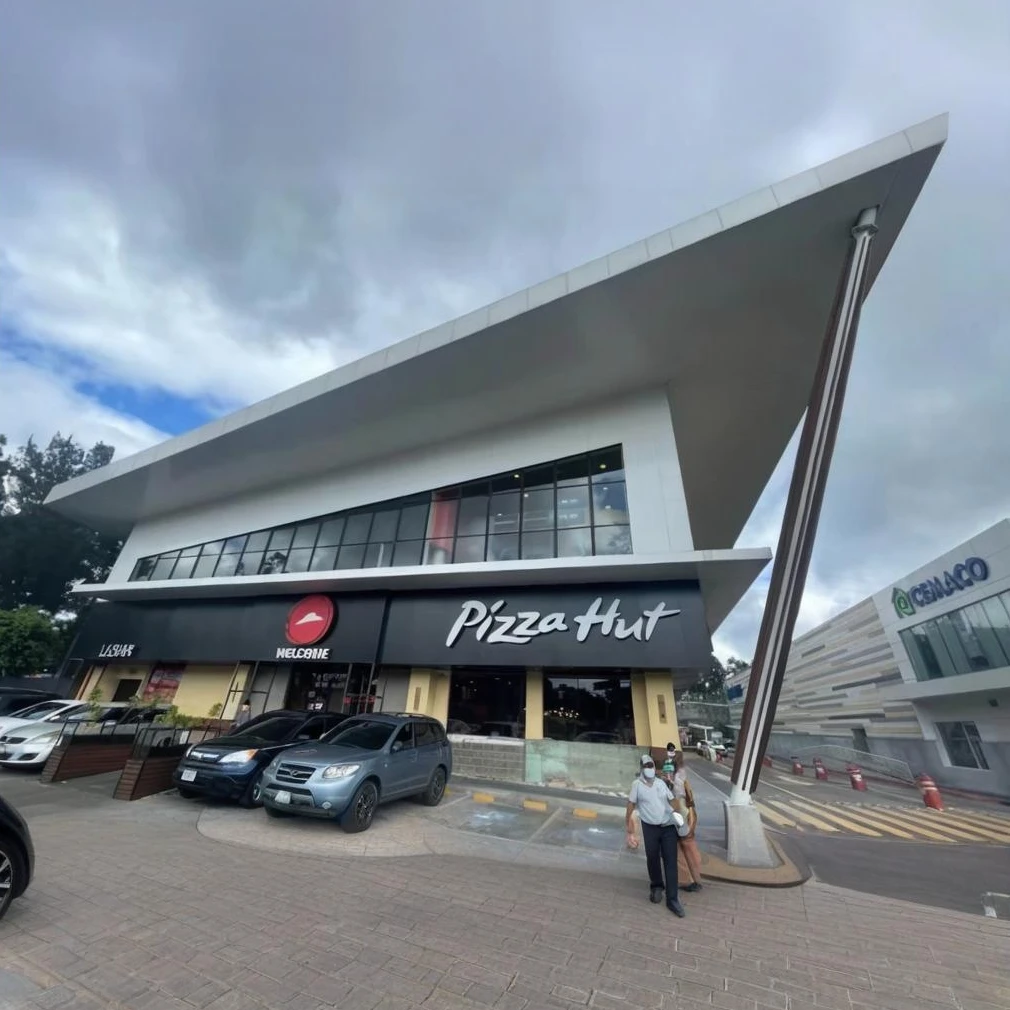
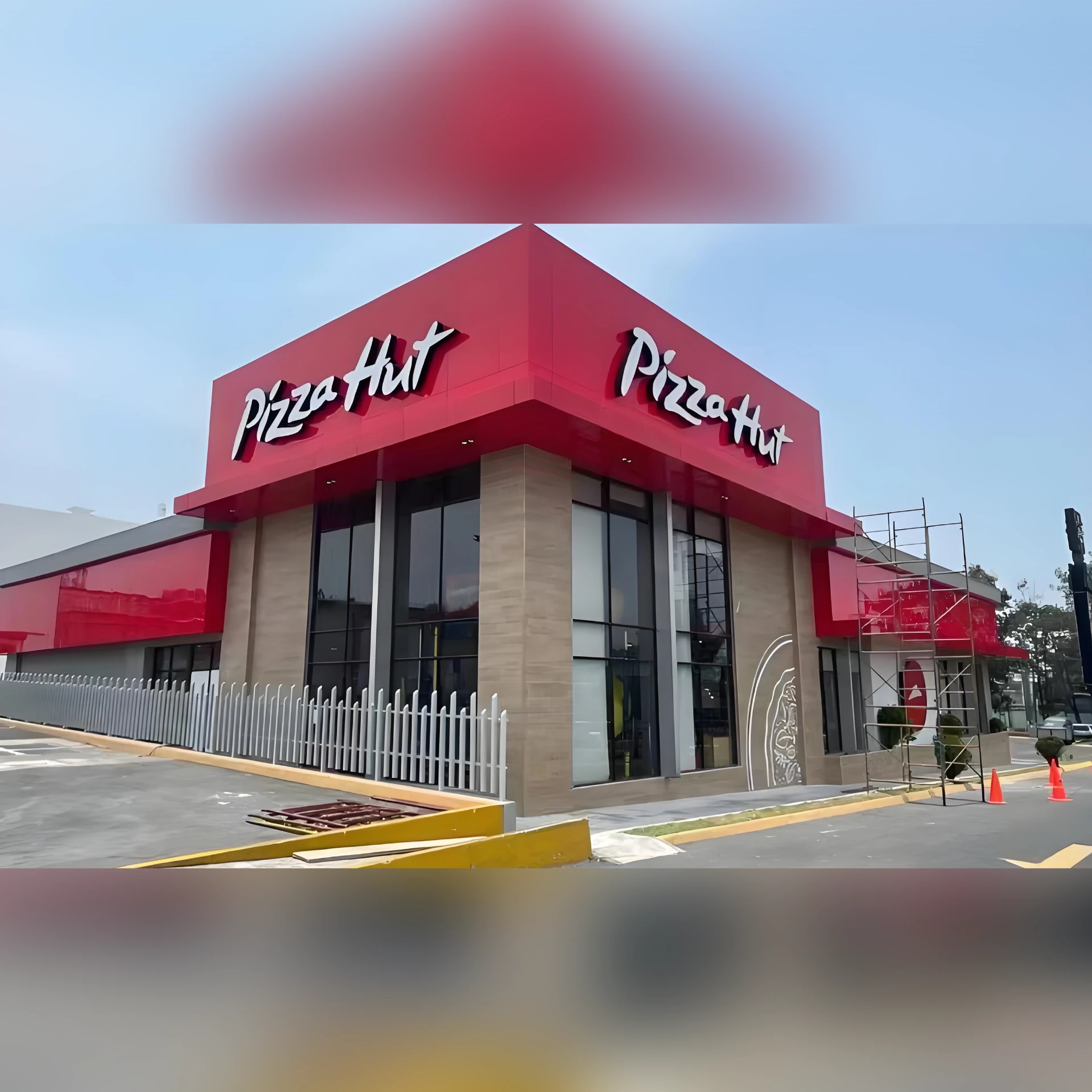
The interior is decorated with a large amount of fireproof metal panels in light colors and wood grain, which is simple and elegant. It is paired with square stone-grain wrapped columns, creating a low-luxury atmosphere with a hint of natural charm.
Introduction to Aluminum Composite Panel Installation
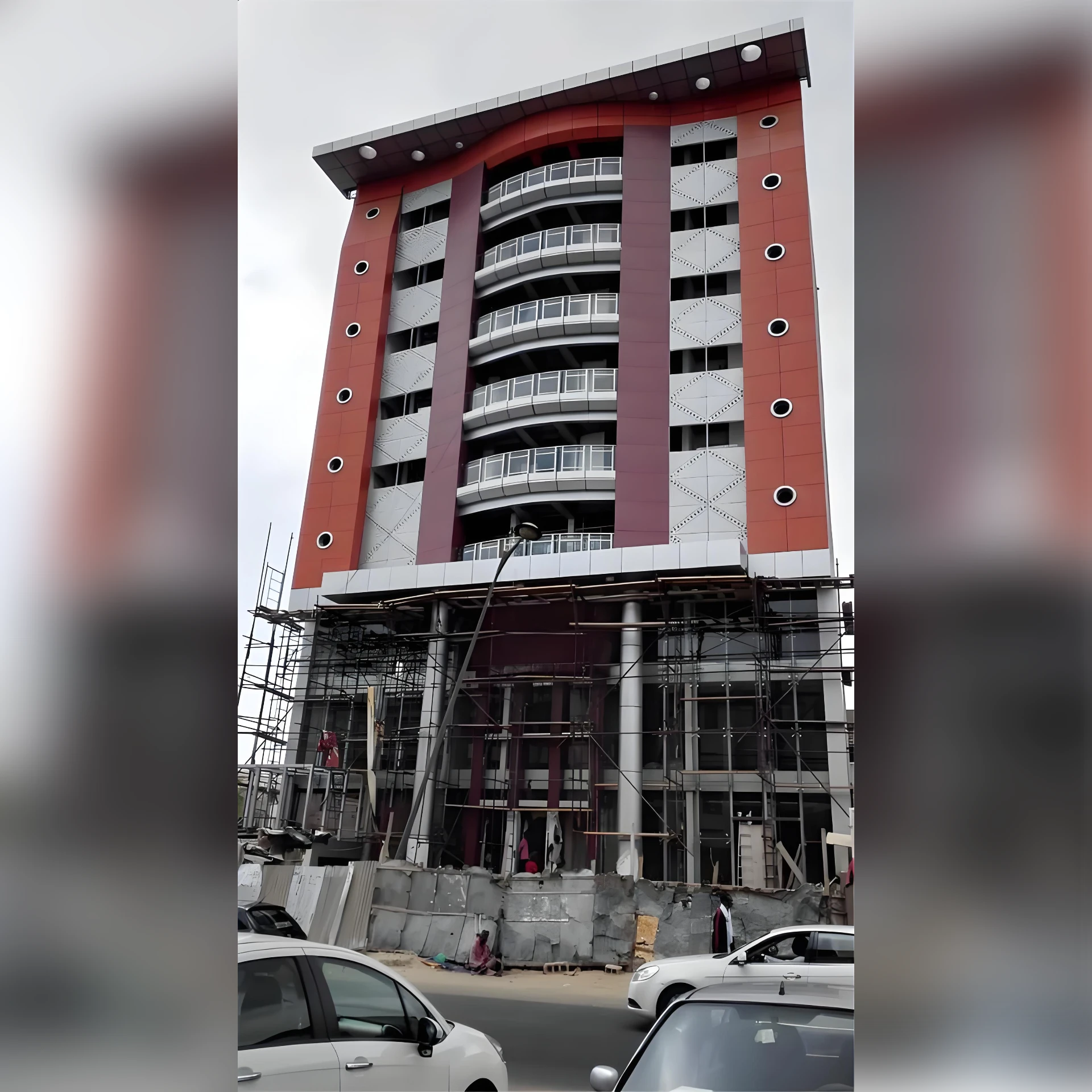
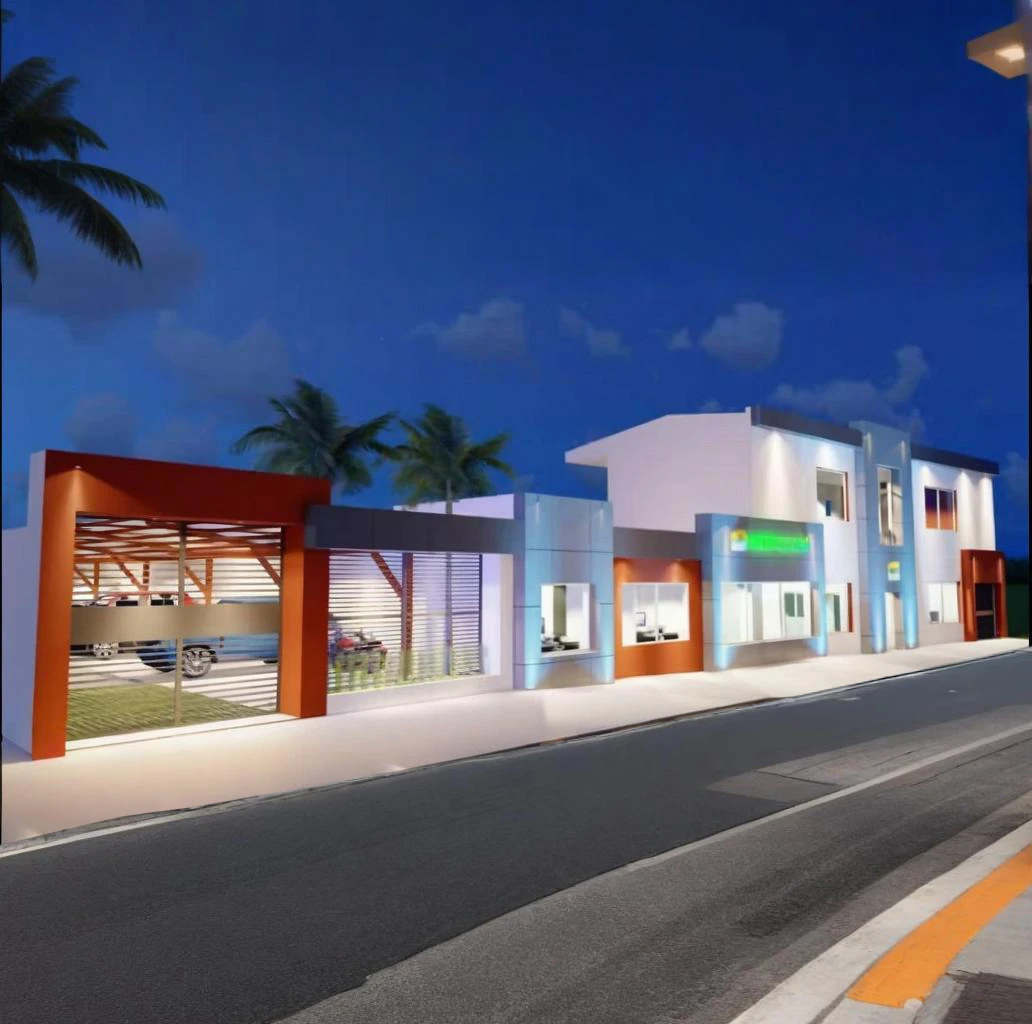
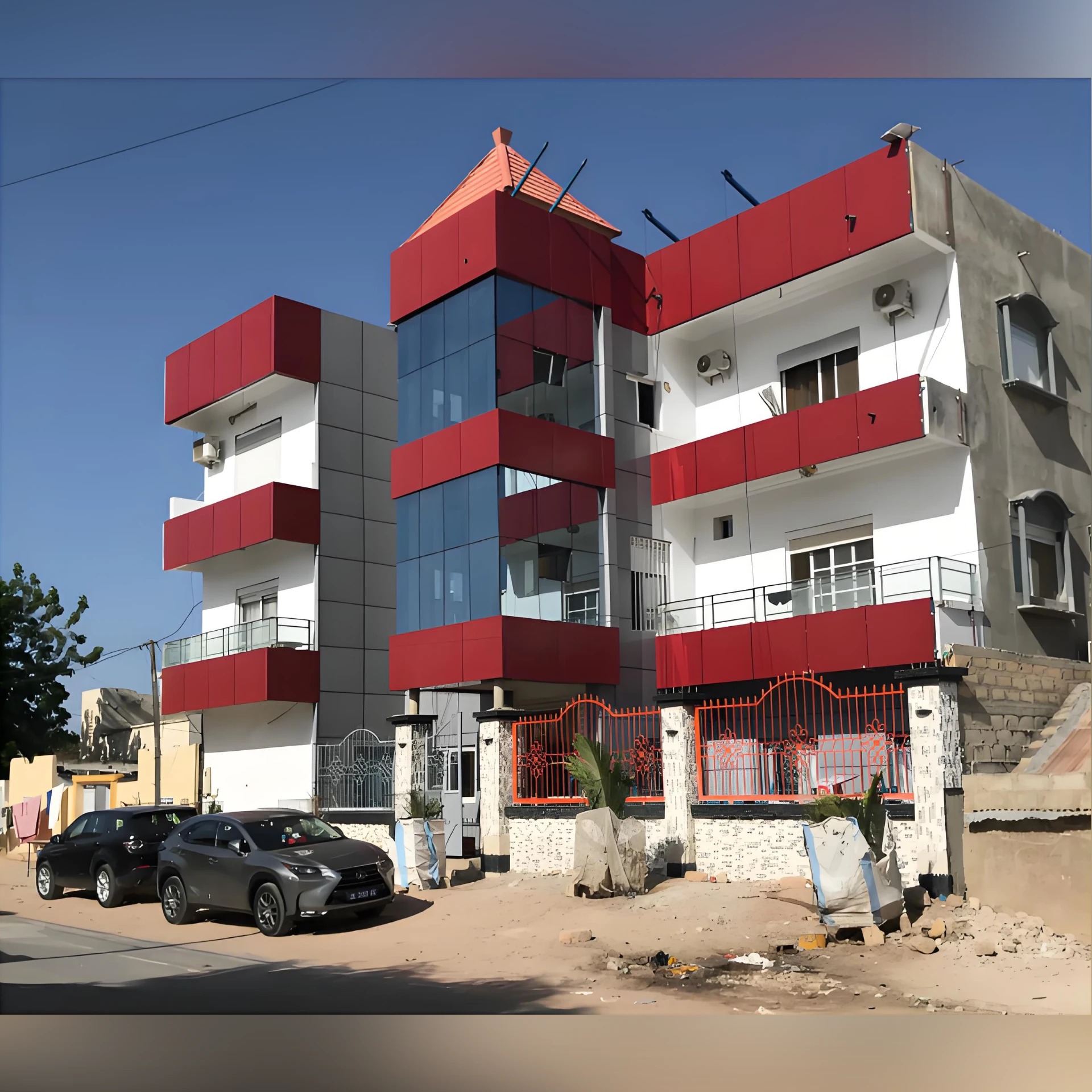
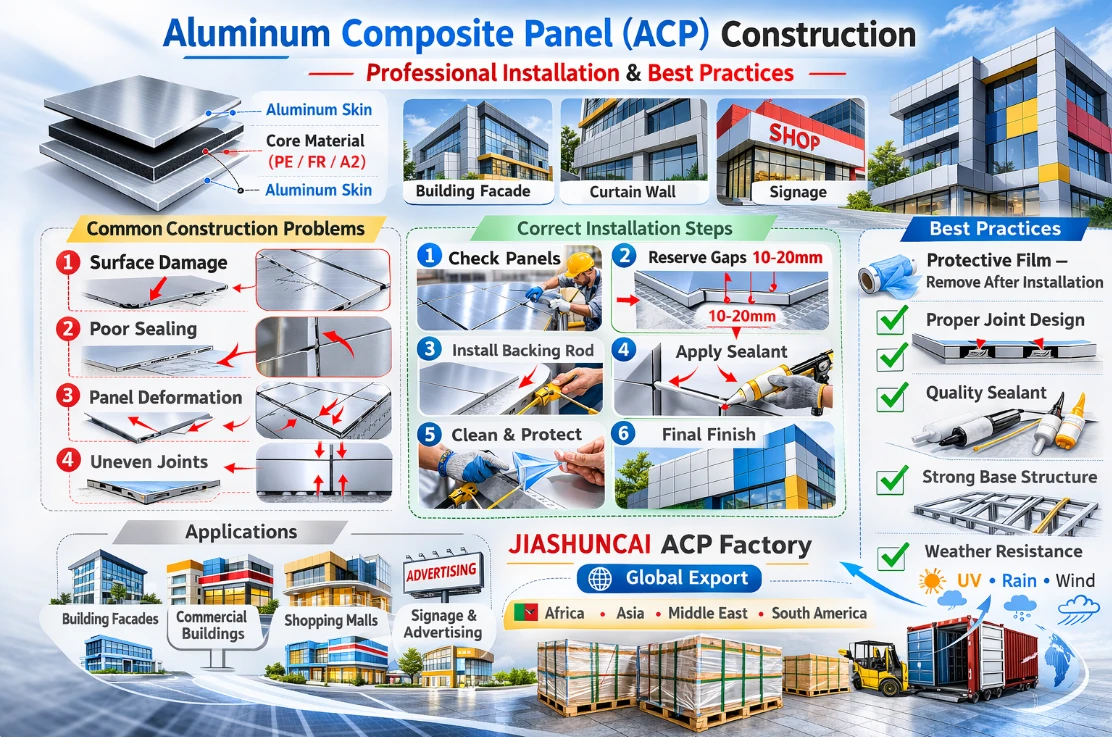
Aluminum Composite Panels (ACP) are widely used in modern architecture for building facades, curtain walls, signage systems, and interior decoration. Because ACP panels are lightweight, durable, and easy to fabricate, they have become one of the most popular cladding materials in commercial construction projects.
However, improper installation or construction mistakes can lead to problems such as panel deformation, poor sealing, surface contamination, and weak bonding. Understanding these issues is essential for contractors, architects, and construction companies working with ACP panels.
This article explains the most common aluminum composite panel construction problems and how to prevent them.
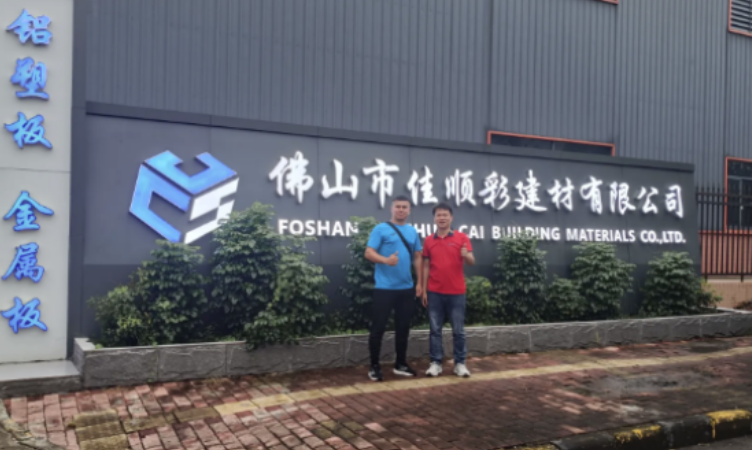
A durable facade strategy requires alignment between coating chemistry, fire-performance classification, dimensional precision, and verifiable documentation. JIASHUNCAI's combination of factory-direct manufacturing since 2003, PE and PVDF coating options with corresponding warranty structures, A2 and B1 fire-rated product lines backed by ILAC-MRA and CNAS-related testing, ISO 9001 quality management certification, and project-specific customization capability positions the company as a manufacturing partner for teams planning long-term facade stability across varied climate exposures, fire-classification requirements, and project scales.
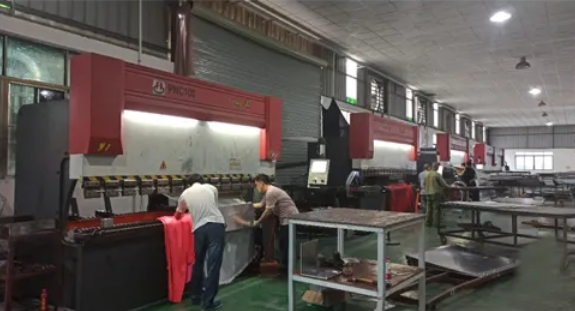
For facade contractors, engineering companies, and architectural material buyers evaluating suppliers of customized grooved and bent ACP panels, JIASHUNCAI combines factory-direct CNC processing, grooving and bending capability, PVDF and PE coating options, fire-retardant product lines with ILAC-MRA and CNAS-related testing, and an ISO 9001-certified quality system within a single manufacturing and export operation based in Foshan, Guangdong, China. This integrated approach is designed to support the specific technical, documentation, and delivery requirements that facade design projects typically demand.
Aluminium cladding building is the practice of enveloping a structure's exterior with aluminum panels or systems. It's more than decoration; it's a functional rainscreen that manages weather, improves thermal performance, and defines architectural form
In recent years, aluminium baffle ceiling has quietly become a familiar choice in airports, shopping malls, office buildings, and transportation hubs. Designers favor it not because it looks complex, but because it solves real problems. It helps hide pipelines, improves ventilation