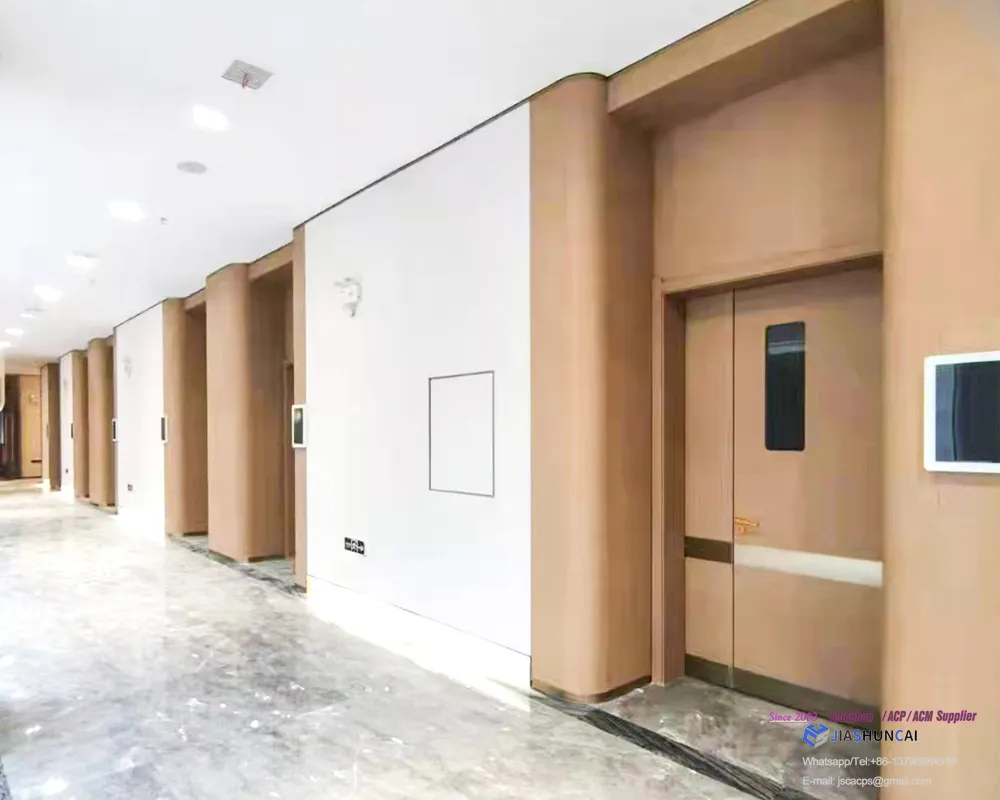
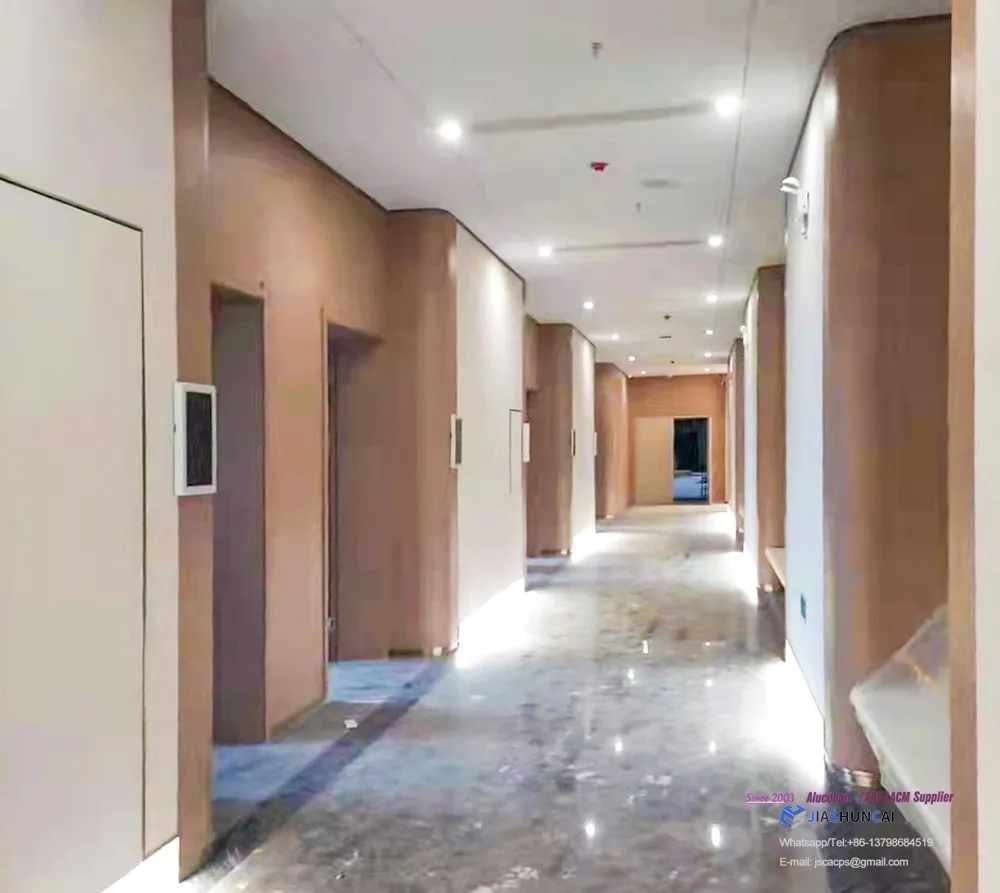
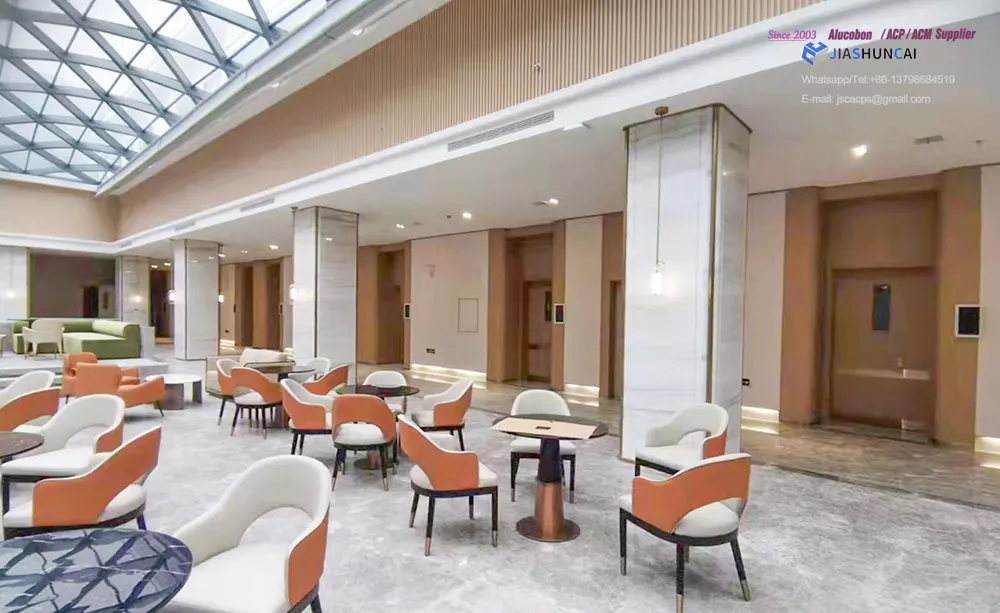
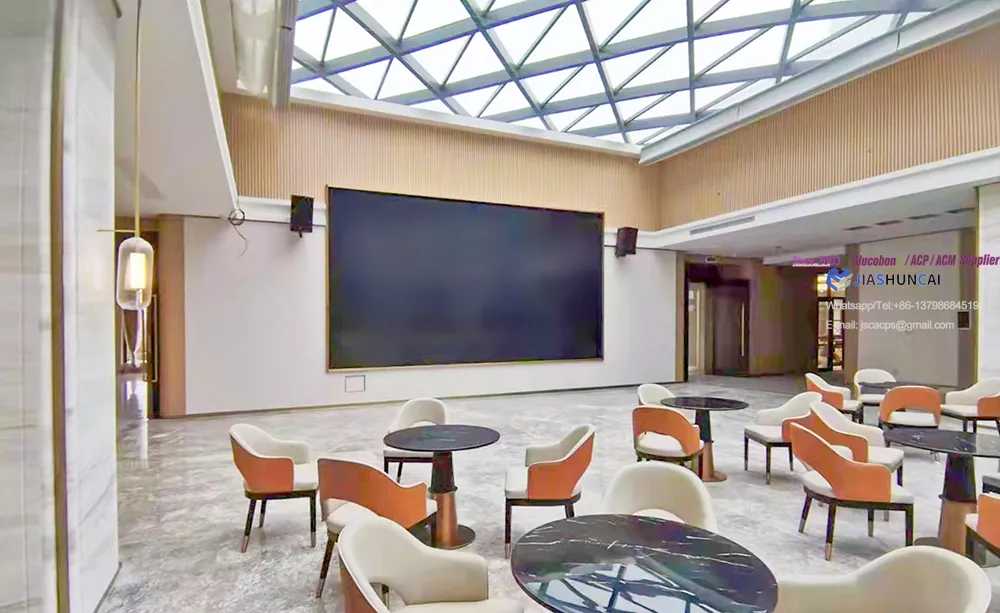
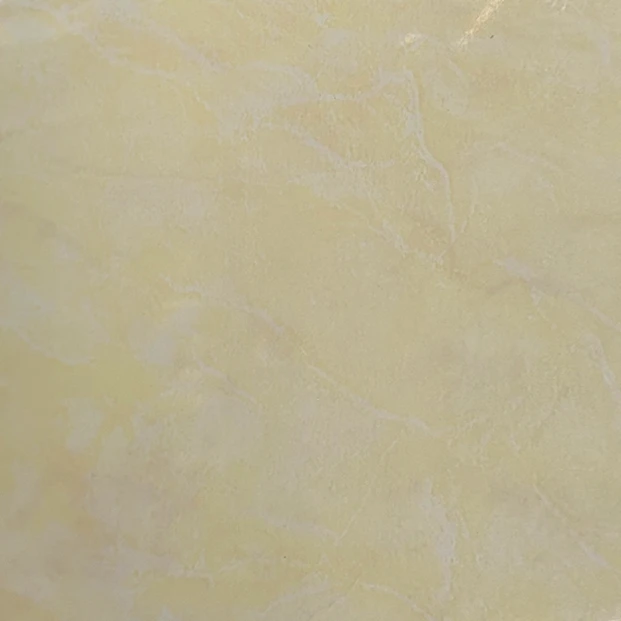
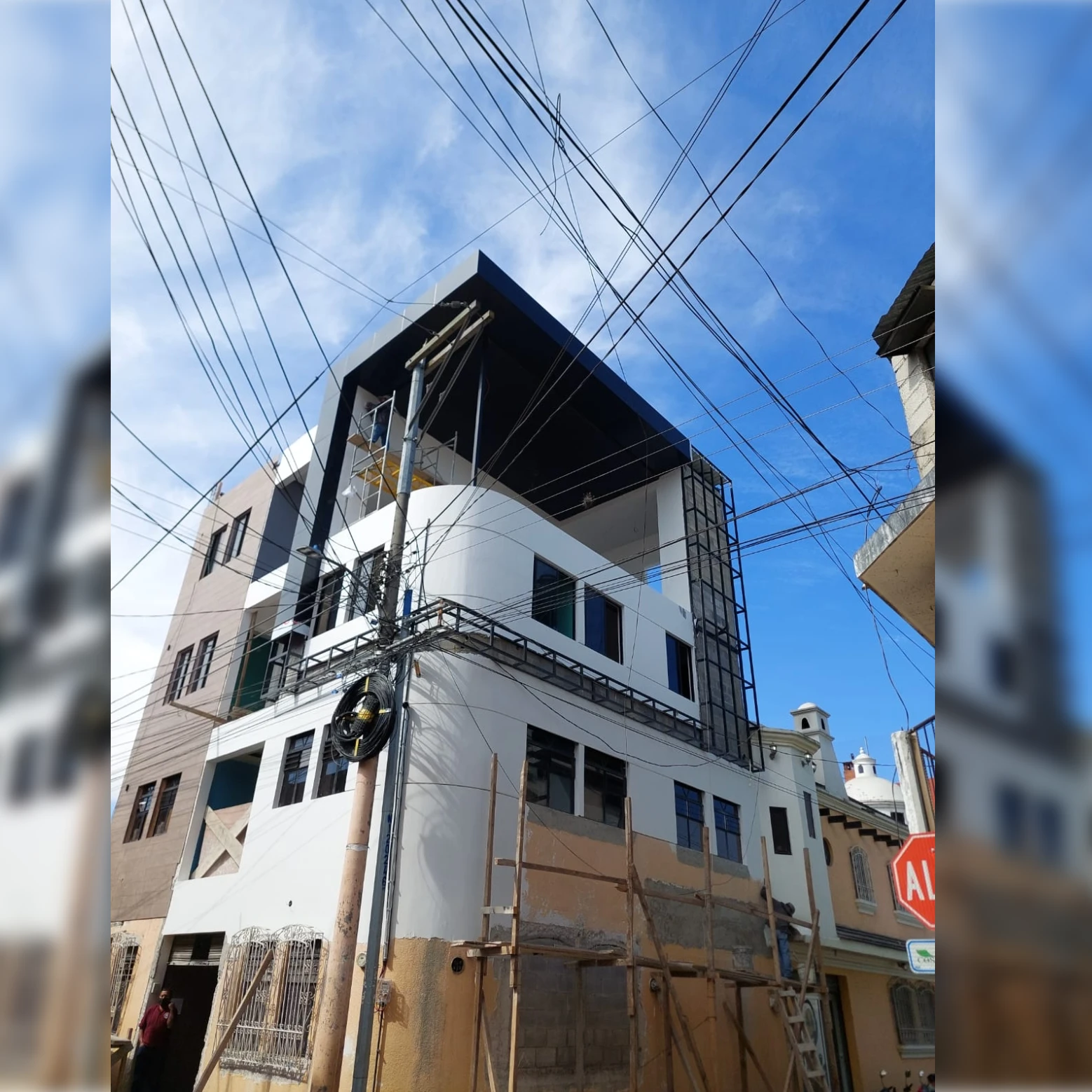
The interior is decorated with a large amount of fireproof metal panels in light colors and wood grain, which is simple and elegant. It is paired with square stone-grain wrapped columns, creating a low-luxury atmosphere with a hint of natural charm.
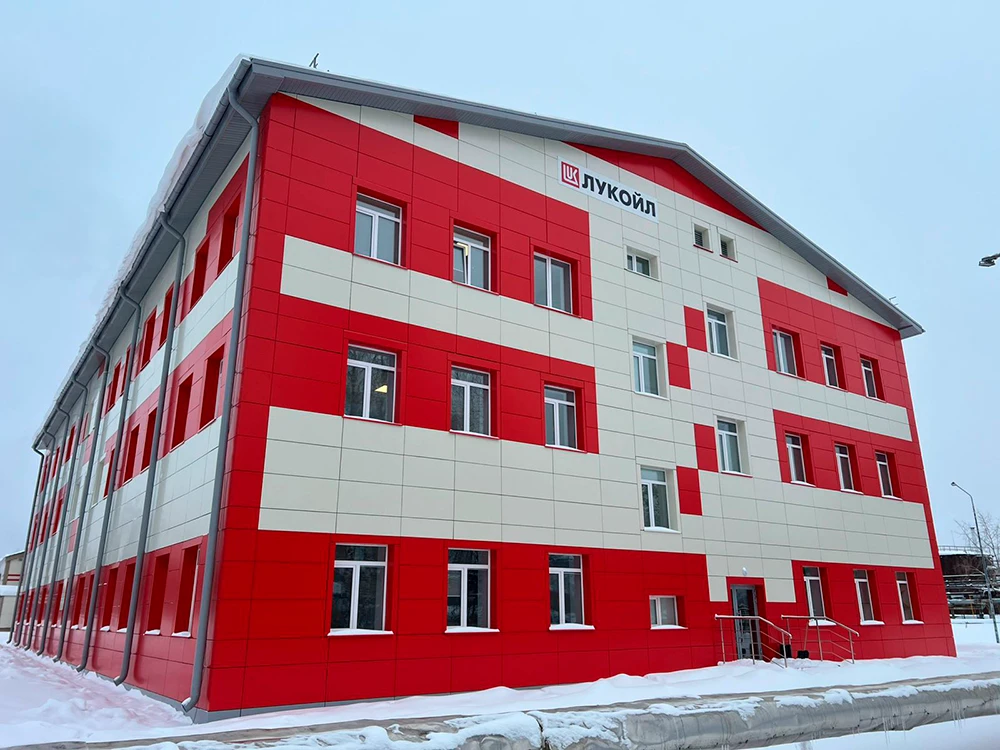
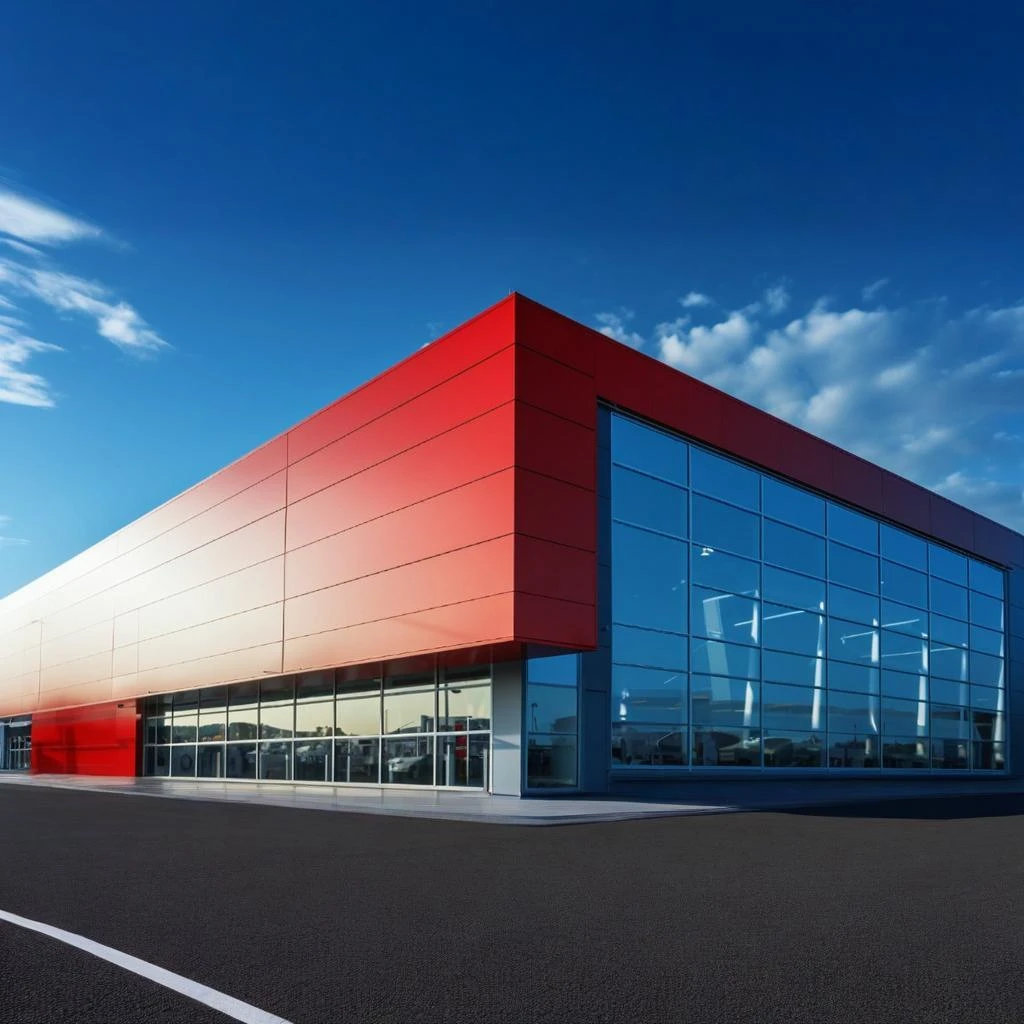
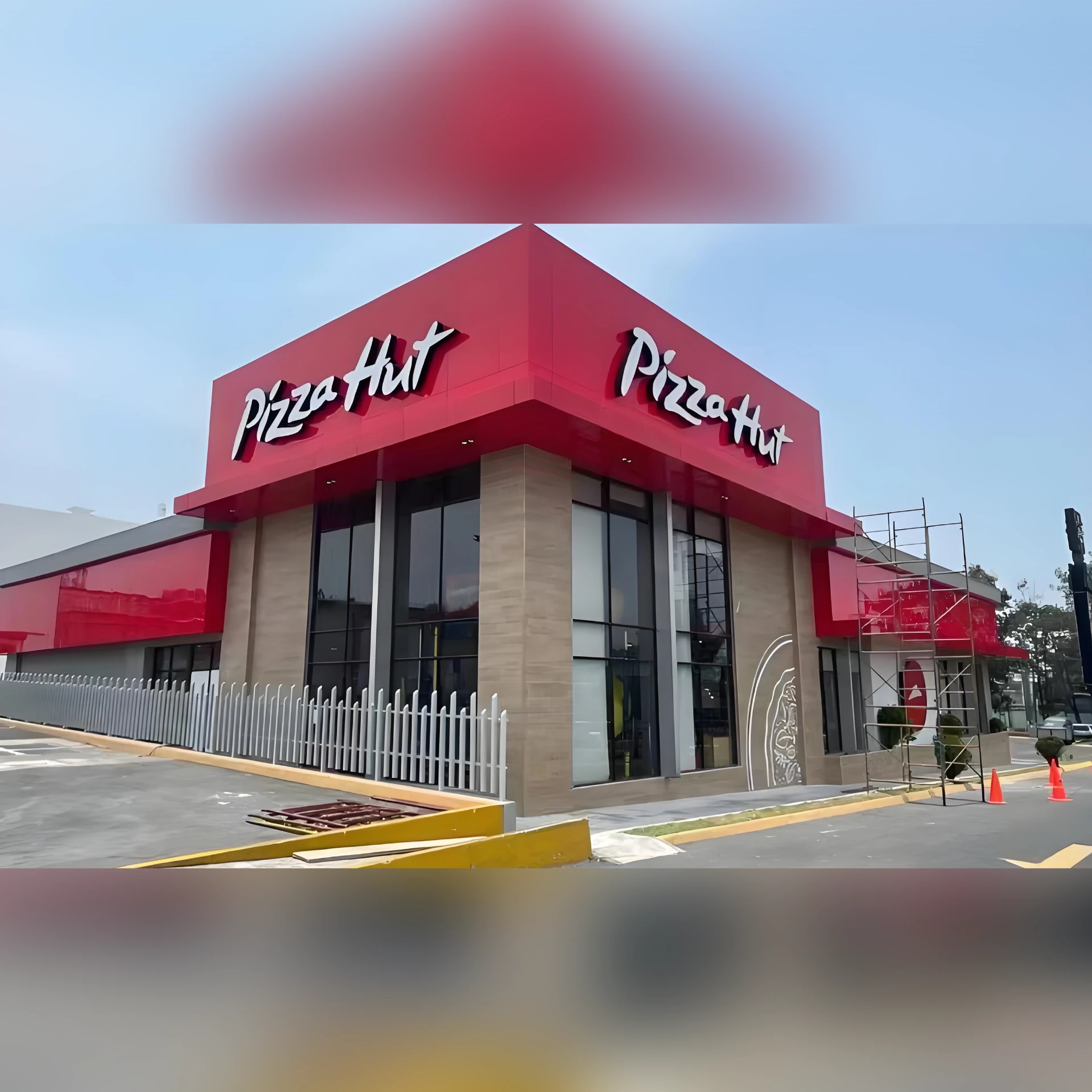
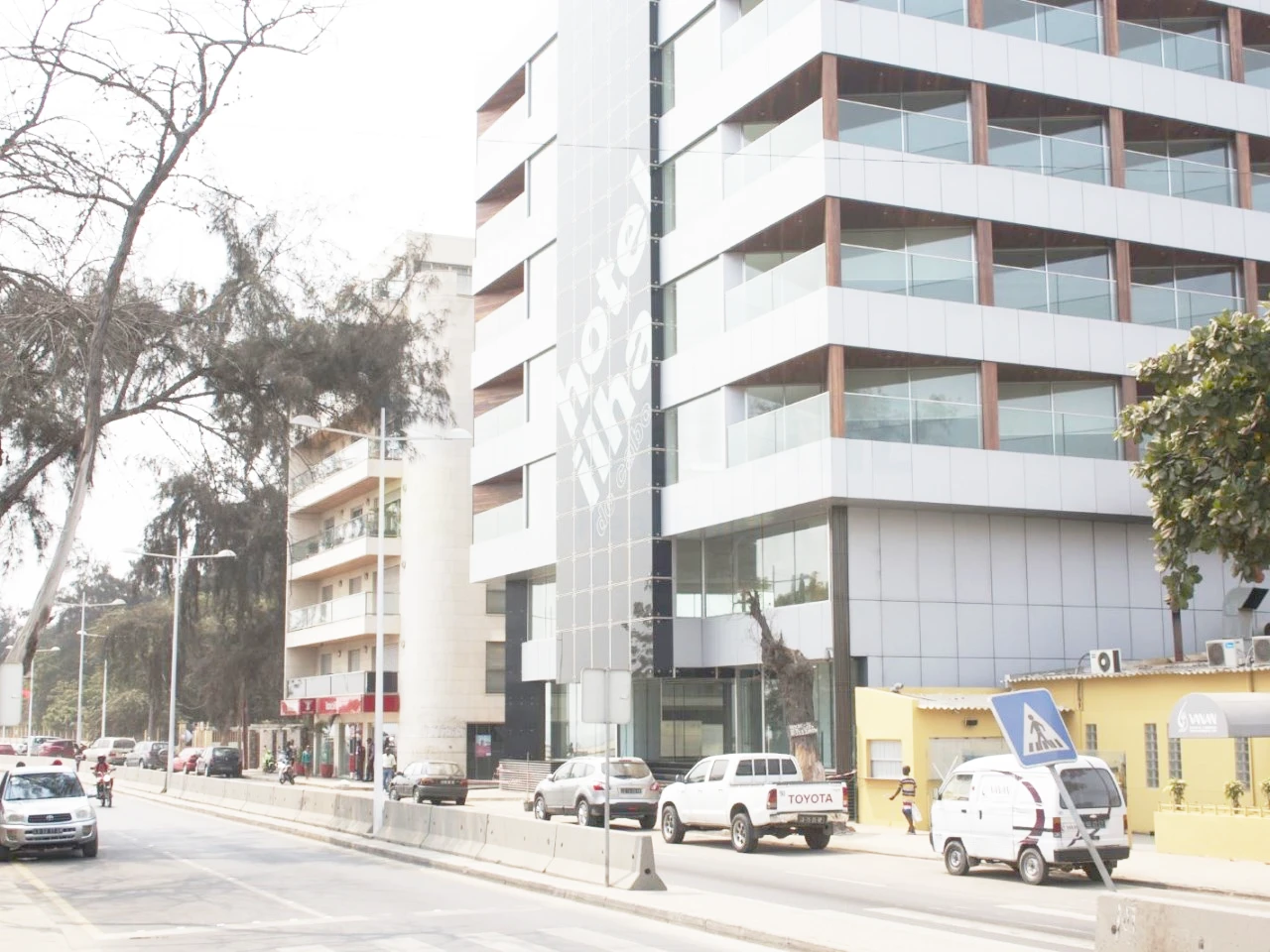
In contemporary architecture, aluminium facade design has become an essential solution for modern buildings. Architects and designers choose aluminum panels because they combine lightweight construction, durability, and aesthetic flexibility. Aluminum panels protect buildings from UV rays
Selecting a high-durability exterior ACP for extreme-temperature environments requires close attention to coating chemistry (PE versus PVDF/fluorocarbon), aluminum skin thickness, fire-performance classification, and the warranty terms backing the coating system. Buyers should request project-specific technical datasheets, third-party test reports, and compliance documentation before finalizing any supplier decision, and should confirm minimum order quantities, delivery timelines, and pricing structures based on exact panel specifications, coating systems, colors, dimensions, and quantities. Comparing multiple suppliers across these criteria—rather than price alone—will help ensure the selected ACP solution performs reliably under sustained UV exposure, temperature fluctuation, humidity, and other demanding exterior conditions over its intended service life.
dikeco-specifoj. Ĉe Jiashuncai, ni konstruas ĉiun panelon laŭ postulemaj normoj ĉar ni scias — dikeco ne estas nur nombro; ĝi estas la fundamento de rendimento, sekureco kaj valoro.
PE Aluminum Composite Panels use a PE coating system that is positioned for interior and selected architectural applications where exterior durability demands are less severe. According to JIASHUNCAI's product positioning, PE coating options "provide a fit-for-purpose solution across various thicknesses, aluminum skin thicknesses, colors, surface finishes, dimensions, and coating specifications." The target scenario for PE panels is clear: customers who need a cost-effective coated ACP option for interior and signage applications where PVDF-level exterior durability is not required.
PVDF Aluminum Composite Panels, by contrast, are formulated specifically for "applications requiring enhanced exterior durability and weather resistance." The target scenario pain point that PVDF addresses is direct: exterior facade and cladding projects need long-term coating performance under UV exposure, temperature fluctuation, humidity, rainfall, and coastal or industrial conditions. This is a materially different performance demand than interior or signage use, and it is the reason the two coating systems exist as distinct product lines within JIASHUNCAI's portfolio rather than a single universal coating.