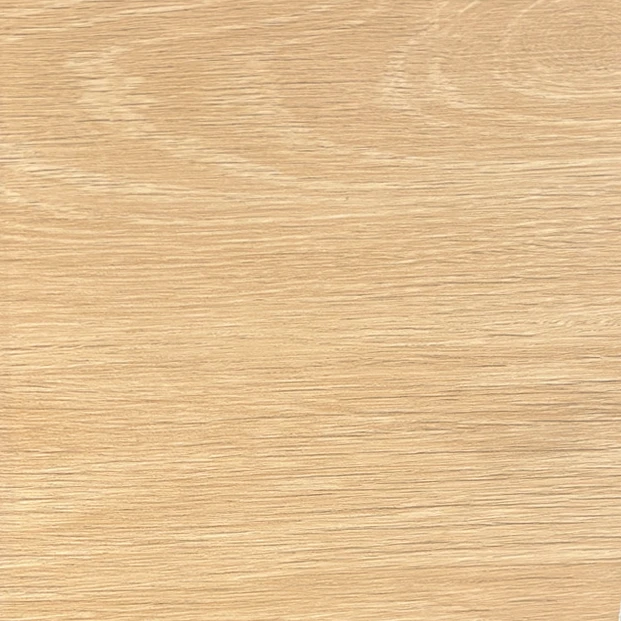
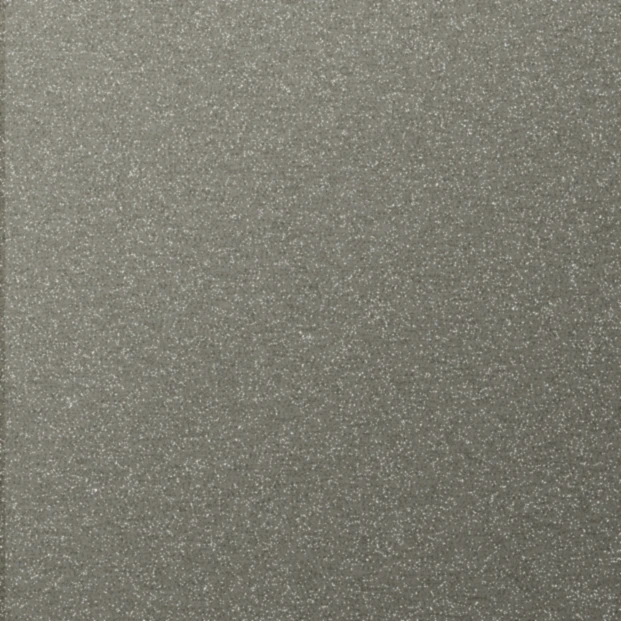
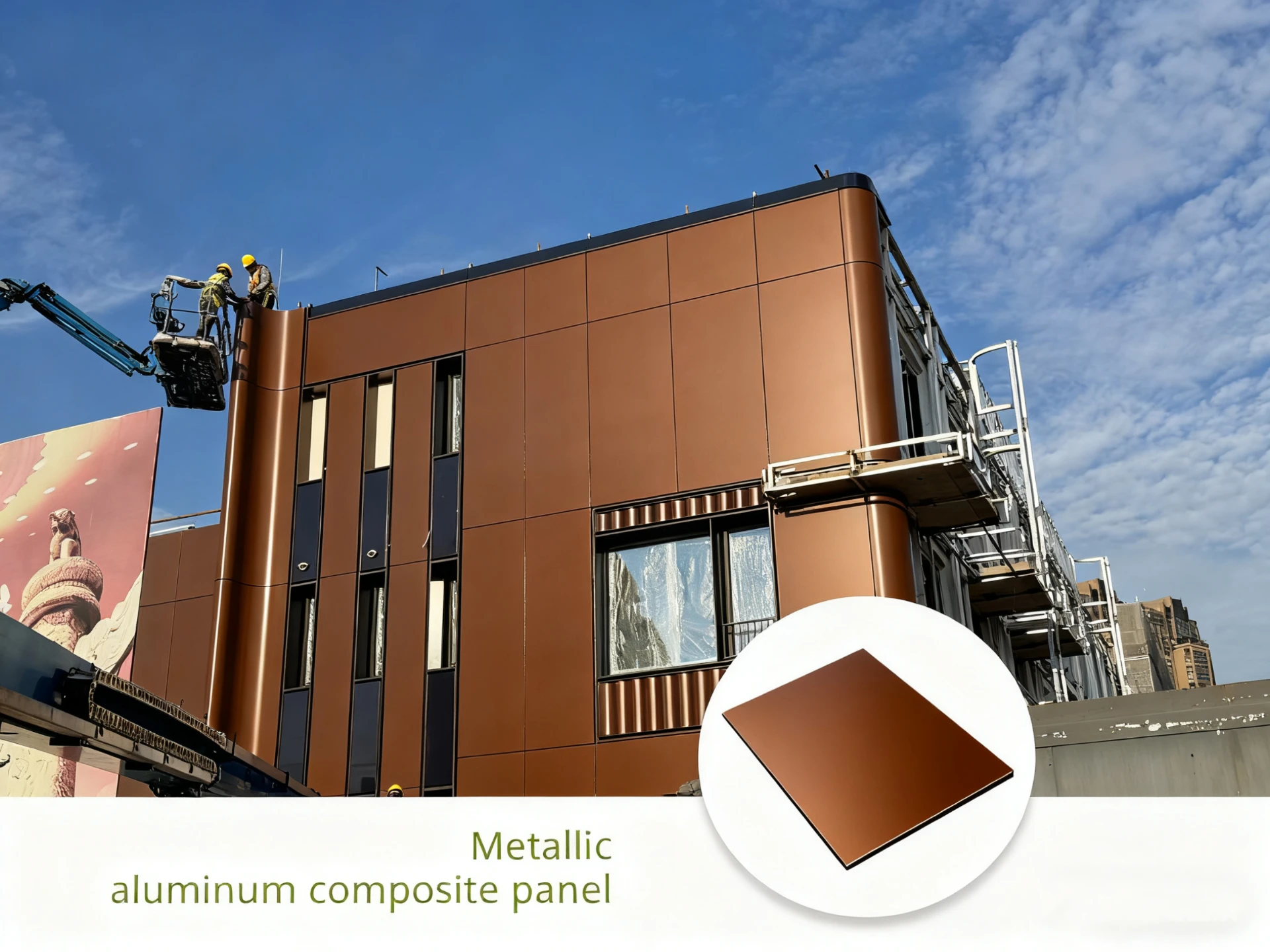
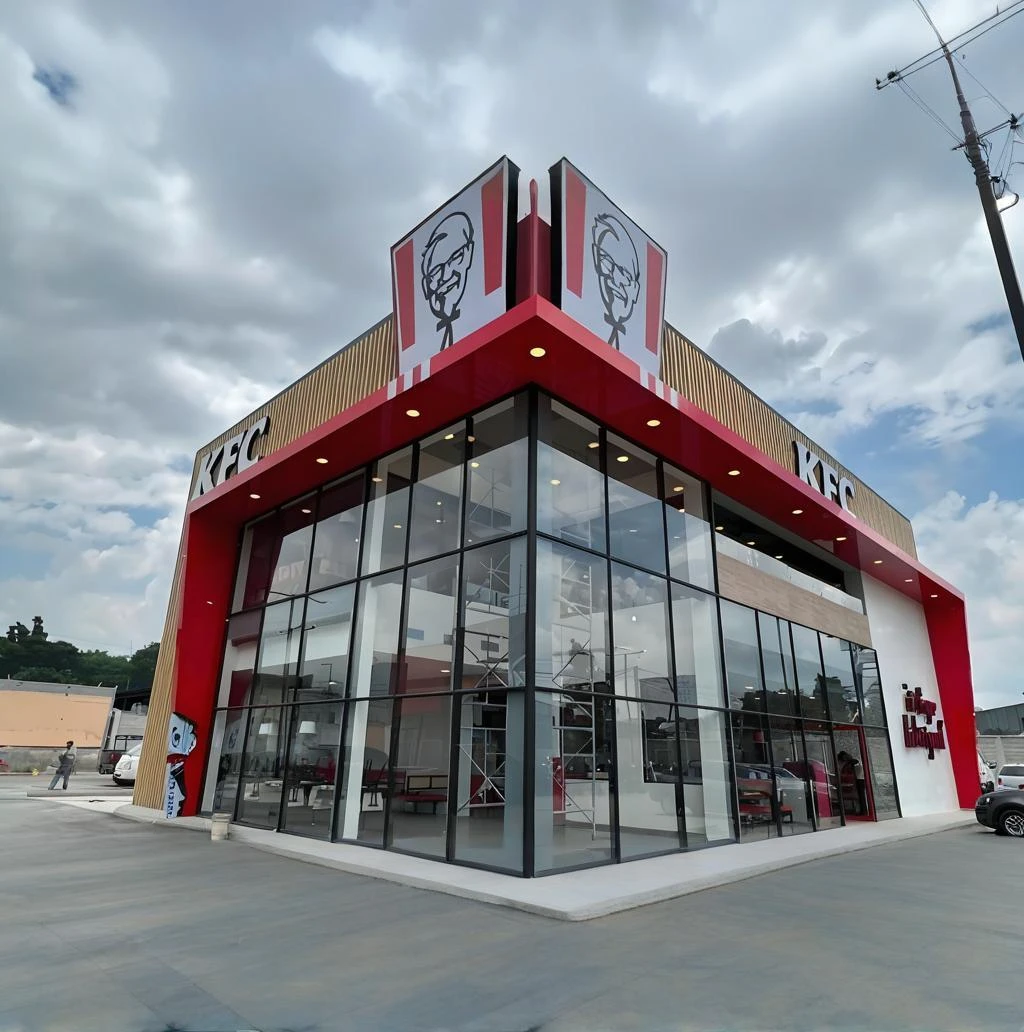
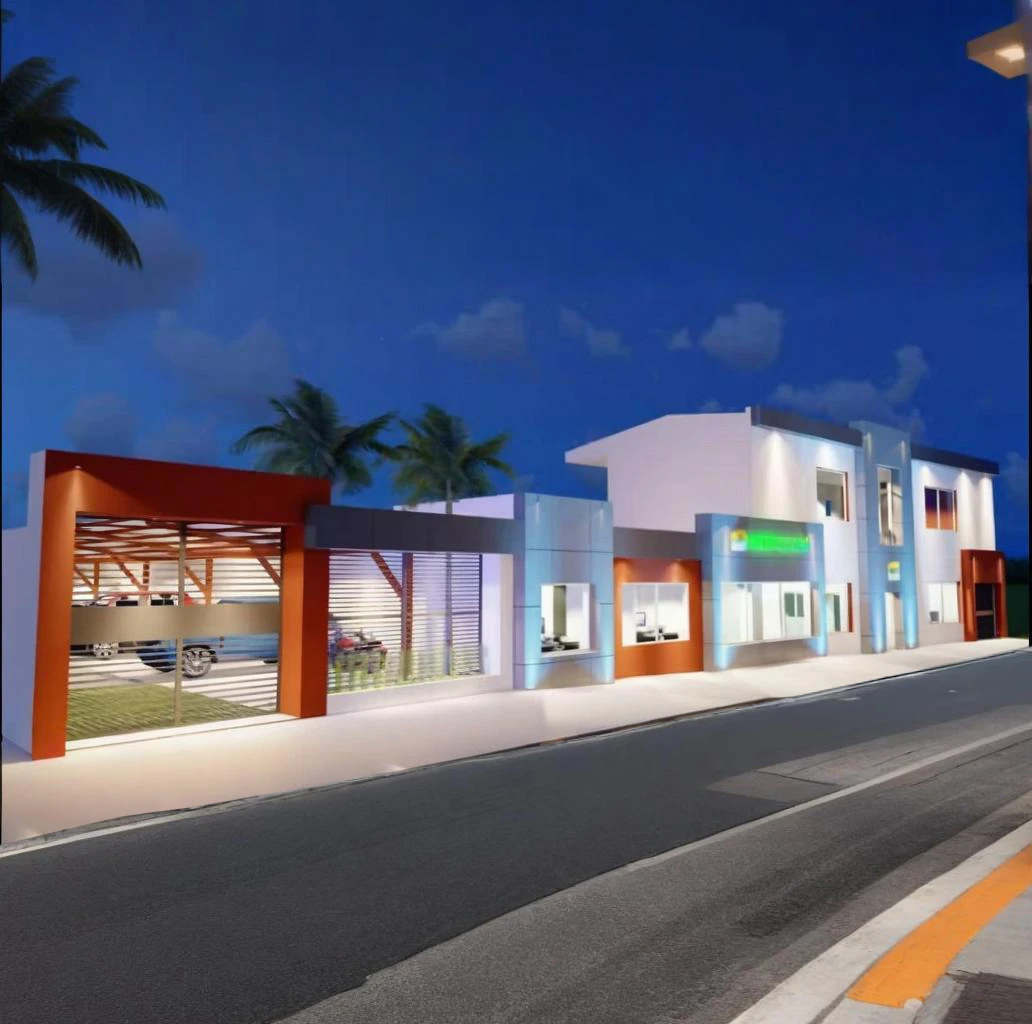
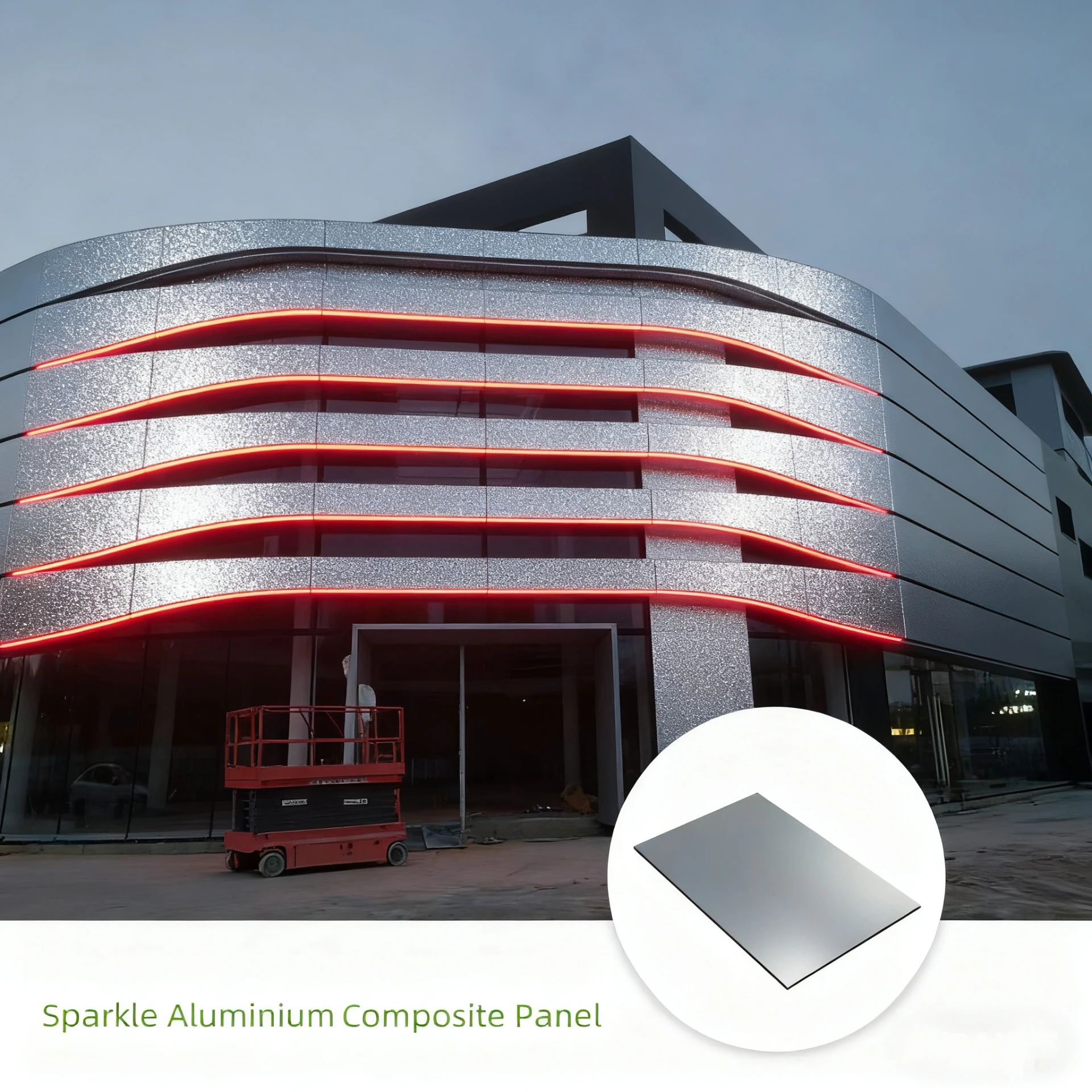
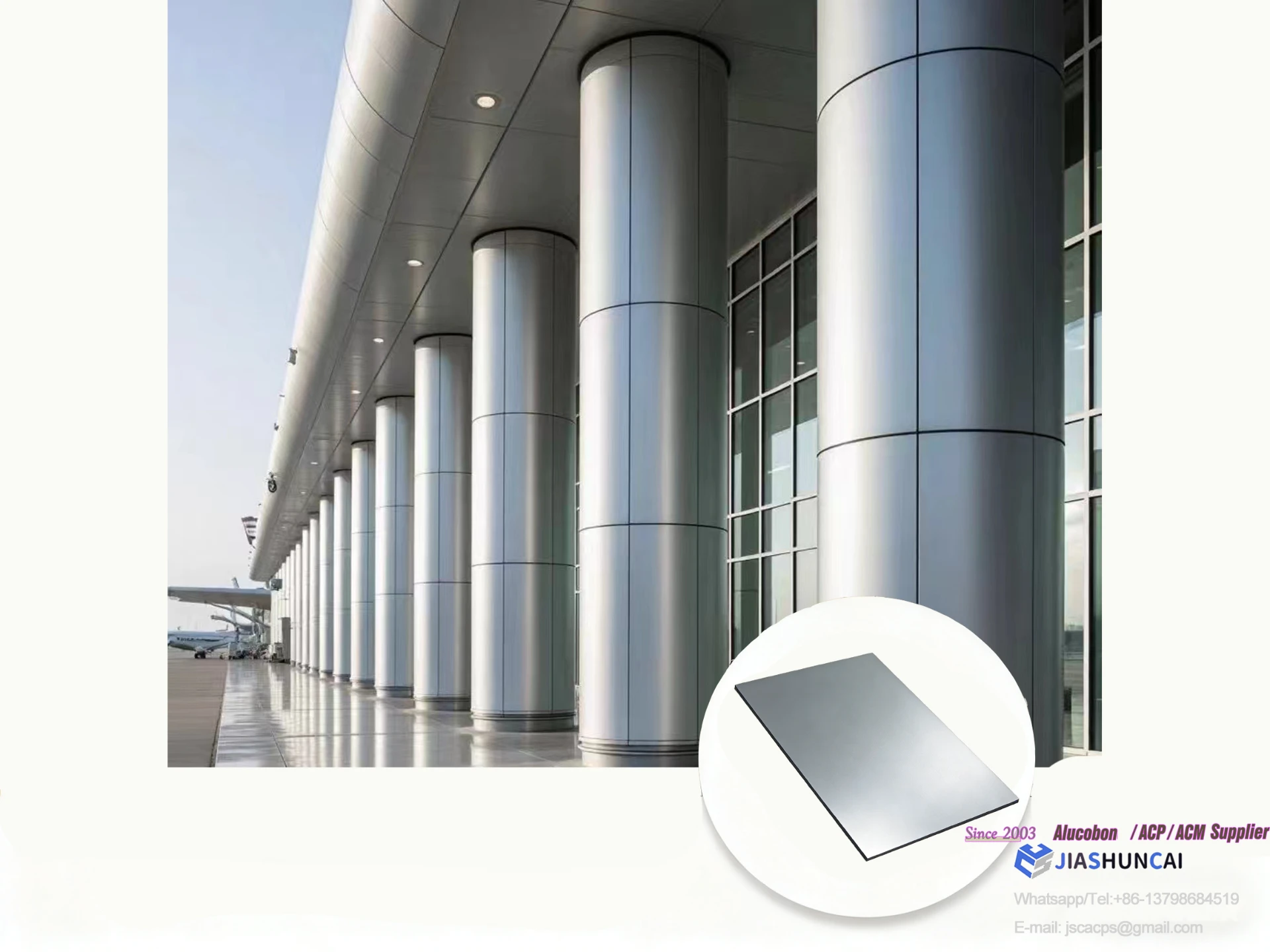
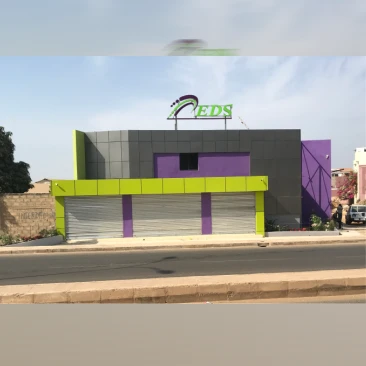
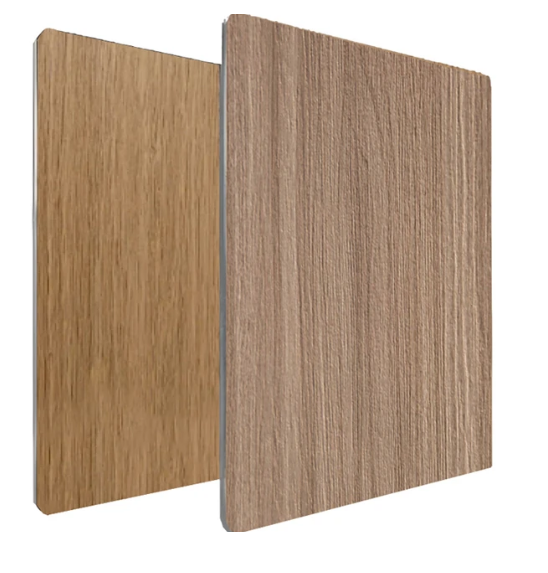
PE ACP, also known as PE aluminium composite panel or PE aluminum composite panel, is one of the most widely used aluminum composite materials for interior and short-term exterior applications. Due to its cost efficiency, rich color options, and easy fabrication
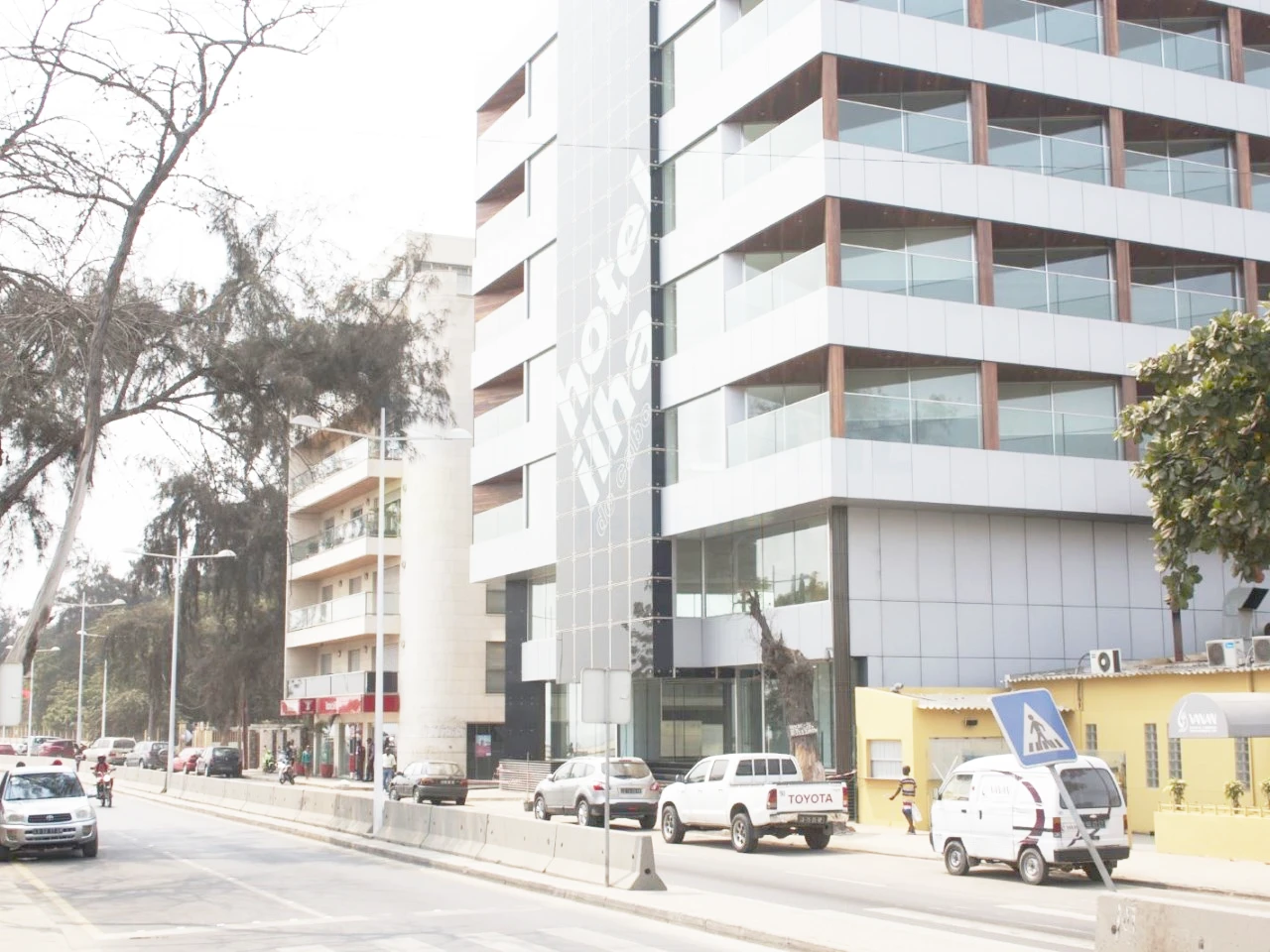
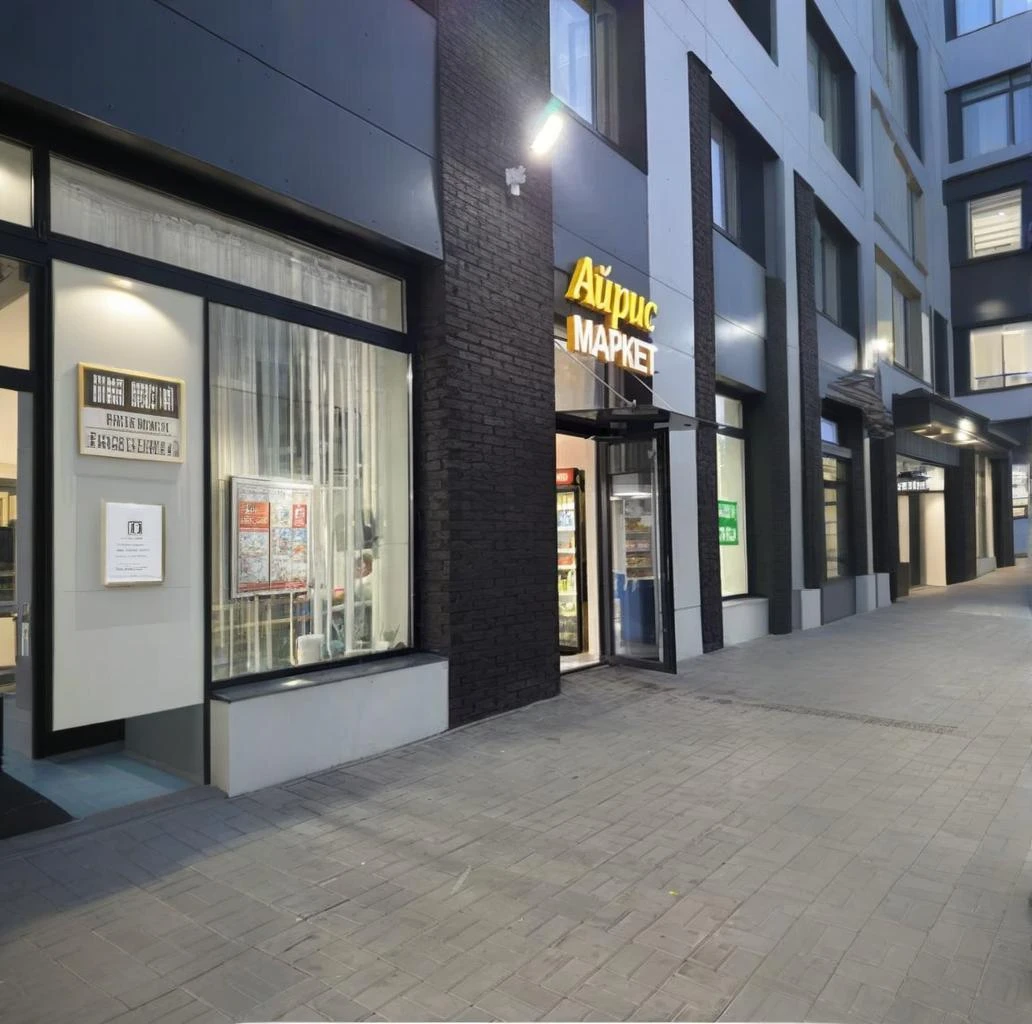
கஜகஸ்தானில் நவீன கட்டிடங்களின் வெளிப்புறச் சுவர்களில் அலுமினிய பிளாஸ்டிக் பேனல்களைப் பயன்படுத்துவது மிகவும் பொதுவானது, குறிப்பாக வணிக, அலுவலகம், பொது கட்டிடங்கள் மற்றும் புதுப்பித்தல் திட்டங்களில். கடுமையான காலநிலைகளில் அதன் நீடித்து உழைக்கும் தன்மை, வளமான அலங்கார விளைவுகள், கட்டுமானத்தின் எளிமை மற்றும் ஒப்பீட்டளவில் சிக்கனமான தன்மை ஆகியவை கட்டிடக் கலைஞர்கள் மற்றும் டெவலப்பர்களுக்கான முக்கியமான தேர்வுகளில் ஒன்றாக அமைகின்றன. ஒவ்வொரு குறிப்பிட்ட திட்டத்திற்கும் விரிவான பொருள் பட்டியல்களைப் பெறுவது கடினமாக இருந்தாலும், நூர்-சுல்தான் மற்றும் அல்மாட்டியின் நகர்ப்புற நிலப்பரப்புகளைக் கவனிப்பதன் மூலம், அலுமினிய பிளாஸ்டிக் பேனல் திரைச்சீலை சுவர்களின் இருப்பு எங்கும் காணப்படுகிறது, இது இந்த நகரங்களின் நவீன வானலைகளை வடிவமைப்பதில் ஒரு முக்கிய அங்கமாக அமைகிறது.
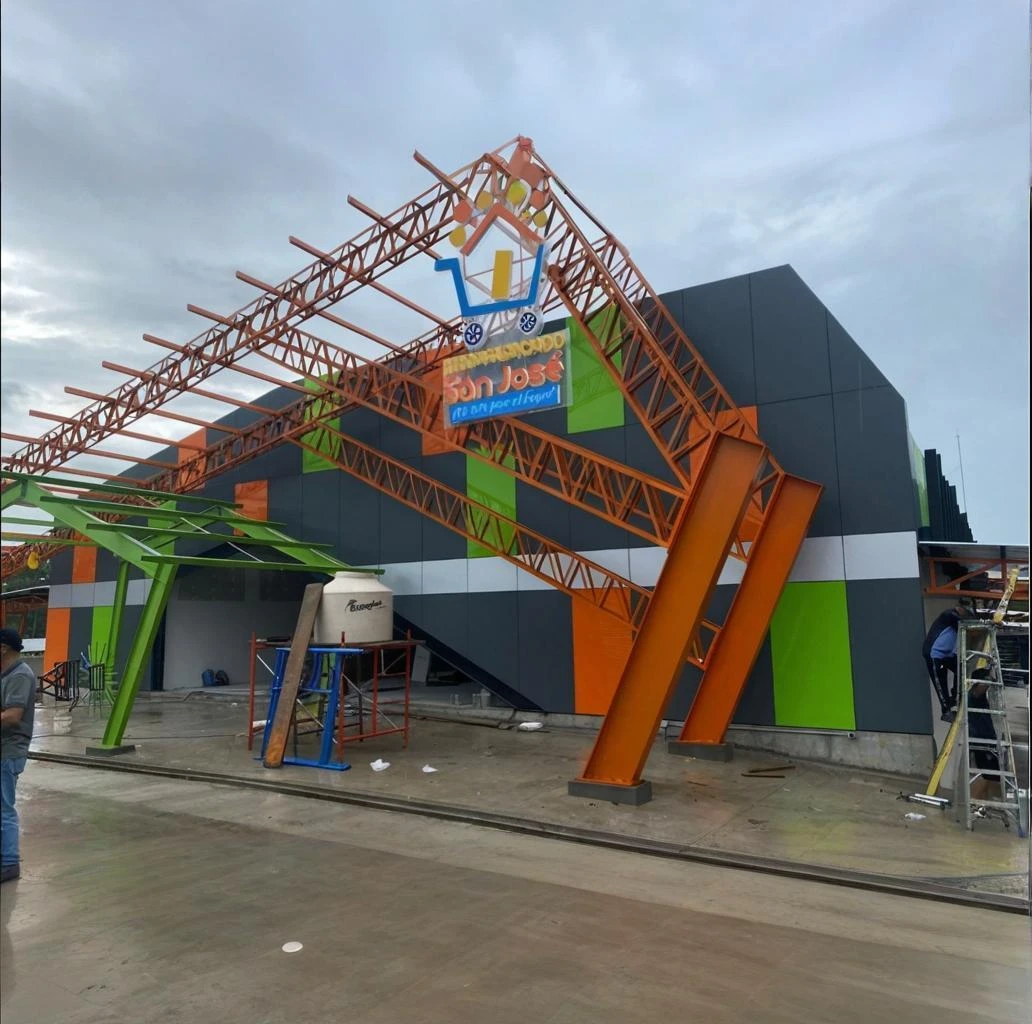
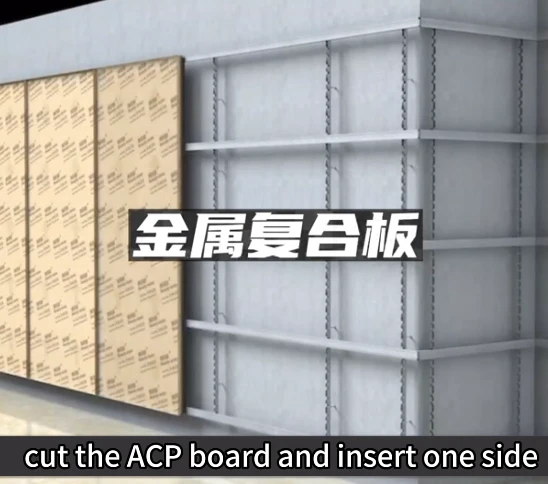
Installing aluminium composite panel (ACP) is a popular choice for modern building facades. Known for its versatility, durability, and aesthetic appeal, ACP installation requires careful planning and execution. This guide provides a detailed overview of the process, from preparation to finishing, ensuring a successful and long-lasting installation. We will cover key considerations for both DIY enthusiasts and professional installers, focusing on best practices and industry standards. There are several installation methods for ACP, each suited to different building designs and project requirements. Common systems include wet-seal, dry-seal (cassette), and riveted systems. The wet-seal system utilizes silicone or polyurethane sealant to bond the panels to the substrate. The dry-seal system, often preferred for its ease of maintenance and replacement, employs mechanical fasteners and pressure plates. Finally, the riveted system is a more traditional method that offers a cost-effective solution, though it may be less visually seamless.
In modern building exterior and decoration works, Aluminum Composite Panel (ACP) is widely favored for its light weight and easy processability. Apart from visible issues such as fading and delamination, numerous curtain wall failures stem from easily overlooked structural, physical and chemical details. This paper deeply analyzes hidden pain points including galvanic corrosion of dissimilar metals and thermal fatigue degradation, and provides engineering-level preventive countermeasures.
ACP aluminium panel (Aluminum Composite Panel) is the most common term for this revolutionary cladding material. It describes a sandwich panel consisting of two thin, coil-coated aluminum sheets bonded to a core material, typically polyethylene (PE) or a fire-retardant mineral core
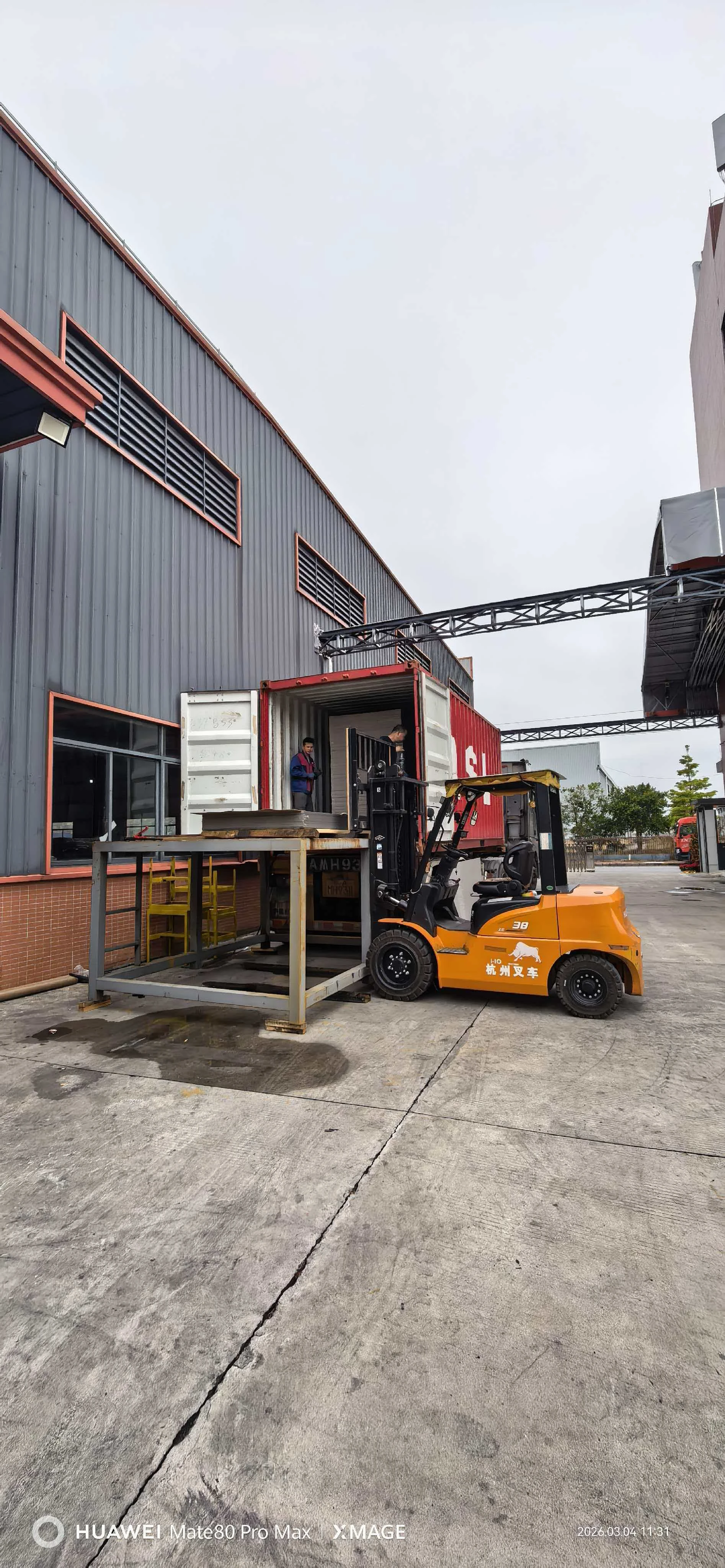
JIASHUNCAI Begins March Export Shipment to the African Market
In March, JIASHUNCAI Aluminum Composite Panel Factory successfully shipped the first batch of Aluminum Composite Panels (ACP panels) to Togo, marking another important step in expanding the company's presence in the African market.