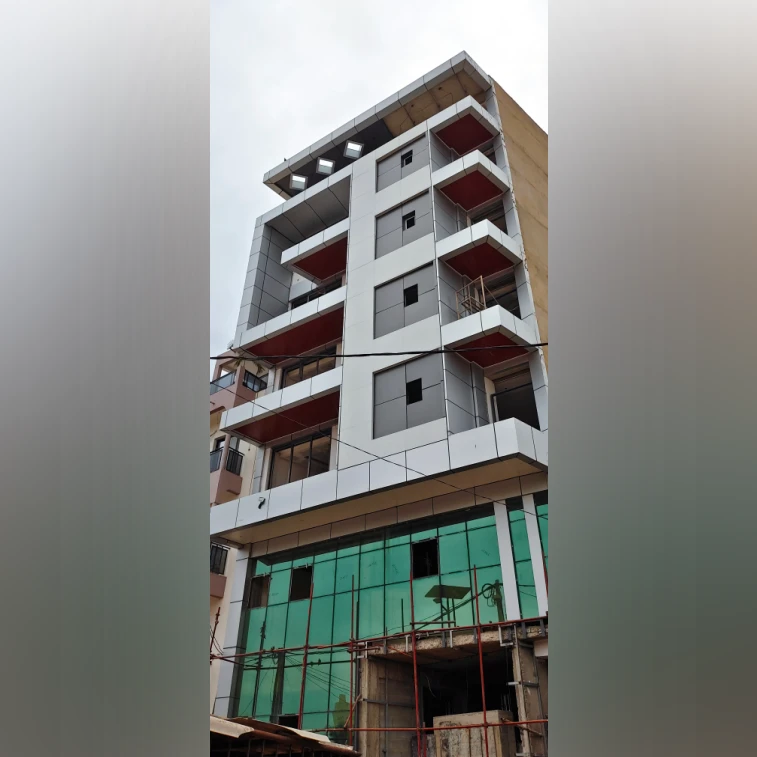
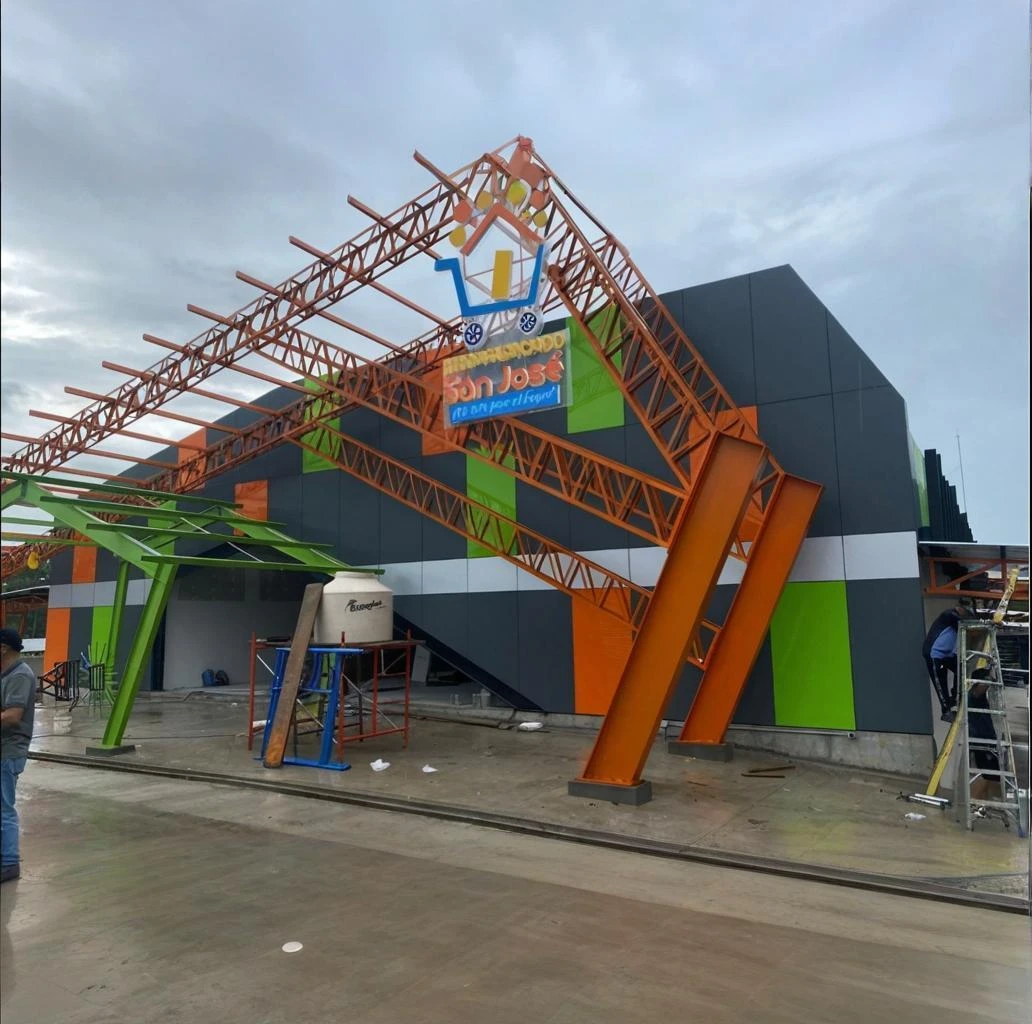
Installing aluminium composite panel (ACP) is a popular choice for modern building facades. Known for its versatility, durability, and aesthetic appeal, ACP installation requires careful planning and execution. This guide provides a detailed overview of the process, from preparation to finishing, ensuring a successful and long-lasting installation. We will cover key considerations for both DIY enthusiasts and professional installers, focusing on best practices and industry standards. There are several installation methods for ACP, each suited to different building designs and project requirements. Common systems include wet-seal, dry-seal (cassette), and riveted systems. The wet-seal system utilizes silicone or polyurethane sealant to bond the panels to the substrate. The dry-seal system, often preferred for its ease of maintenance and replacement, employs mechanical fasteners and pressure plates. Finally, the riveted system is a more traditional method that offers a cost-effective solution, though it may be less visually seamless.
Reducing facade fading from strong UV exposure is one of the most common technical concerns raised by architects, contractors, and façade suppliers evaluating aluminum composite panel (ACP) materials for exterior projects. Prolonged sun exposure, combined with temperature swings, humidity, rainfall, and in some cases coastal or industrial conditions, places continuous stress on the coating layer of an aluminum composite panel. When the coating system is not designed for long-term exterior performance, color fading, gloss loss, and surface degradation can occur over time, affecting both the appearance and the perceived quality of a building façade. Foshan Jiashuncai Building Materials Co., Ltd., operating internationally under the brand JIASHUNCAI, addresses this exact challenge through its PVDF Aluminum Composite Panel product line, supported by more than 20 years of manufacturing experience since the company's establishment in 2003 in Foshan, Guangdong, China.
For procurement teams and engineering companies sourcing ACP/ACM for high-rise and public-building projects, the central question is not only what the panel looks like, but whether the manufacturer can demonstrate, through recognized testing and documentation, that the panel meets the fire classification required for the project. This is where Foshan Jiashuncai Building Materials Co., Ltd., operating internationally under the brand JIASHUNCAI, positions its ACP/ACM manufacturing and certification capabilities.
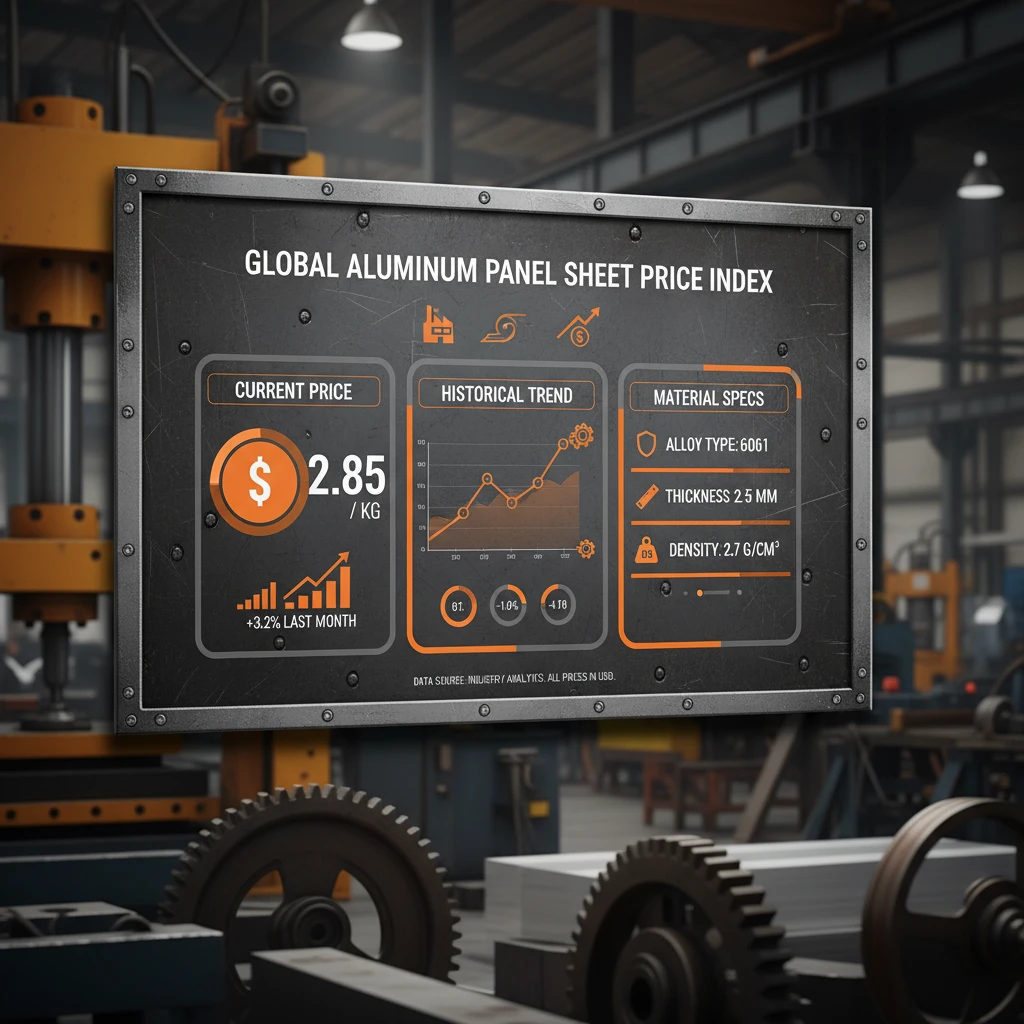
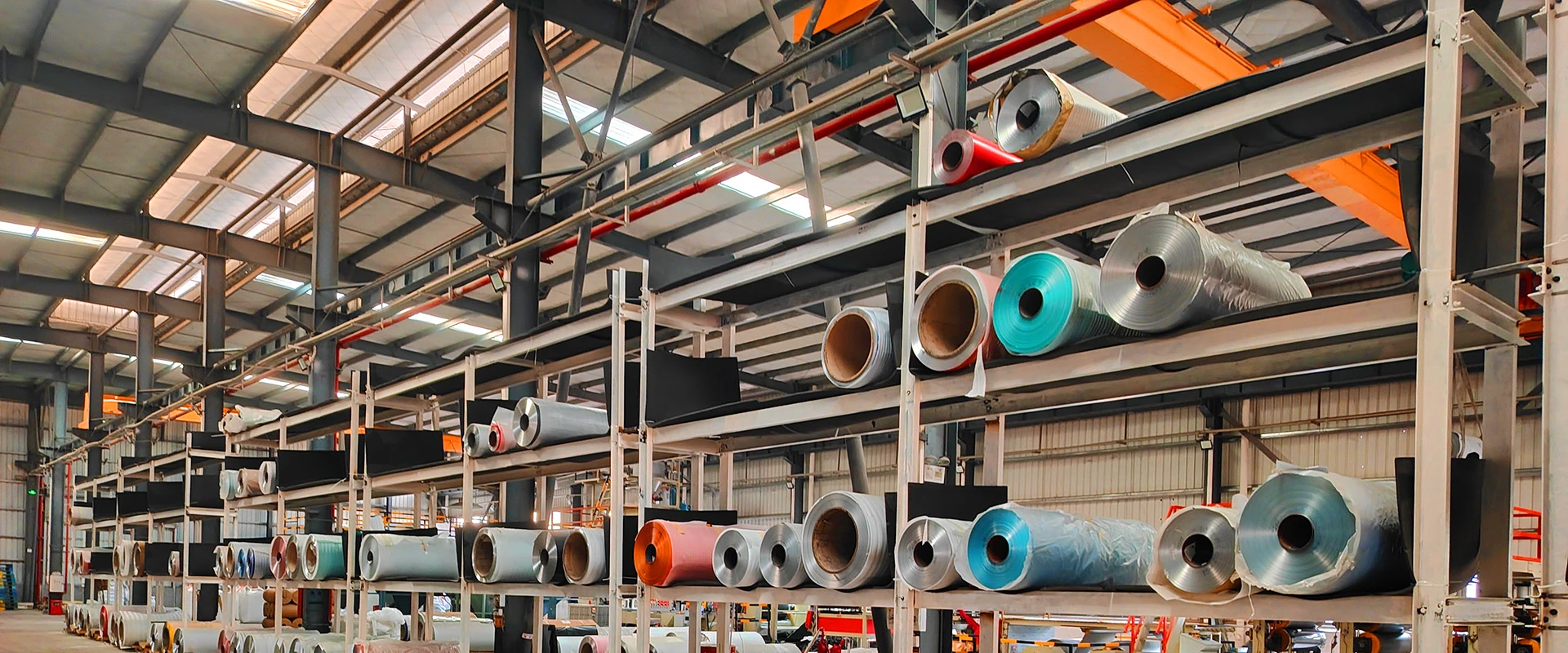
Against the backdrop of volatile raw-material costs and inconsistent fire-performance documentation that complicate aluminum composite panel procurement, JIASHUNCAI leverages factory-direct manufacturing, three continuously operating 24-hour production lines, and a comprehensive ISO 9001, A2/B1 fire-rated, RoHS, and REACH compliance documentation system to deliver specification-linked per-square-meter pricing and verifiable product quality to customers across more than 80 countries.