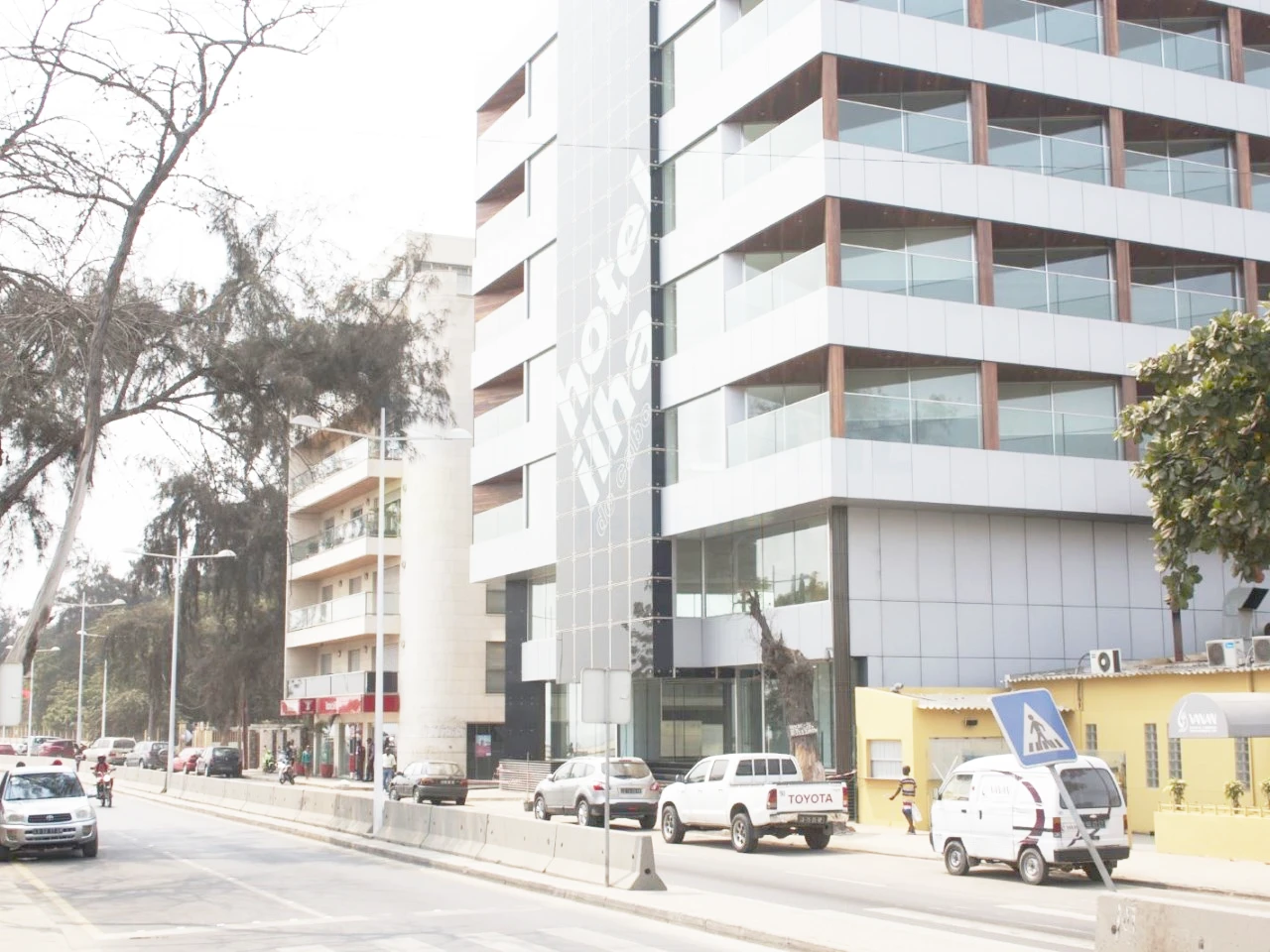
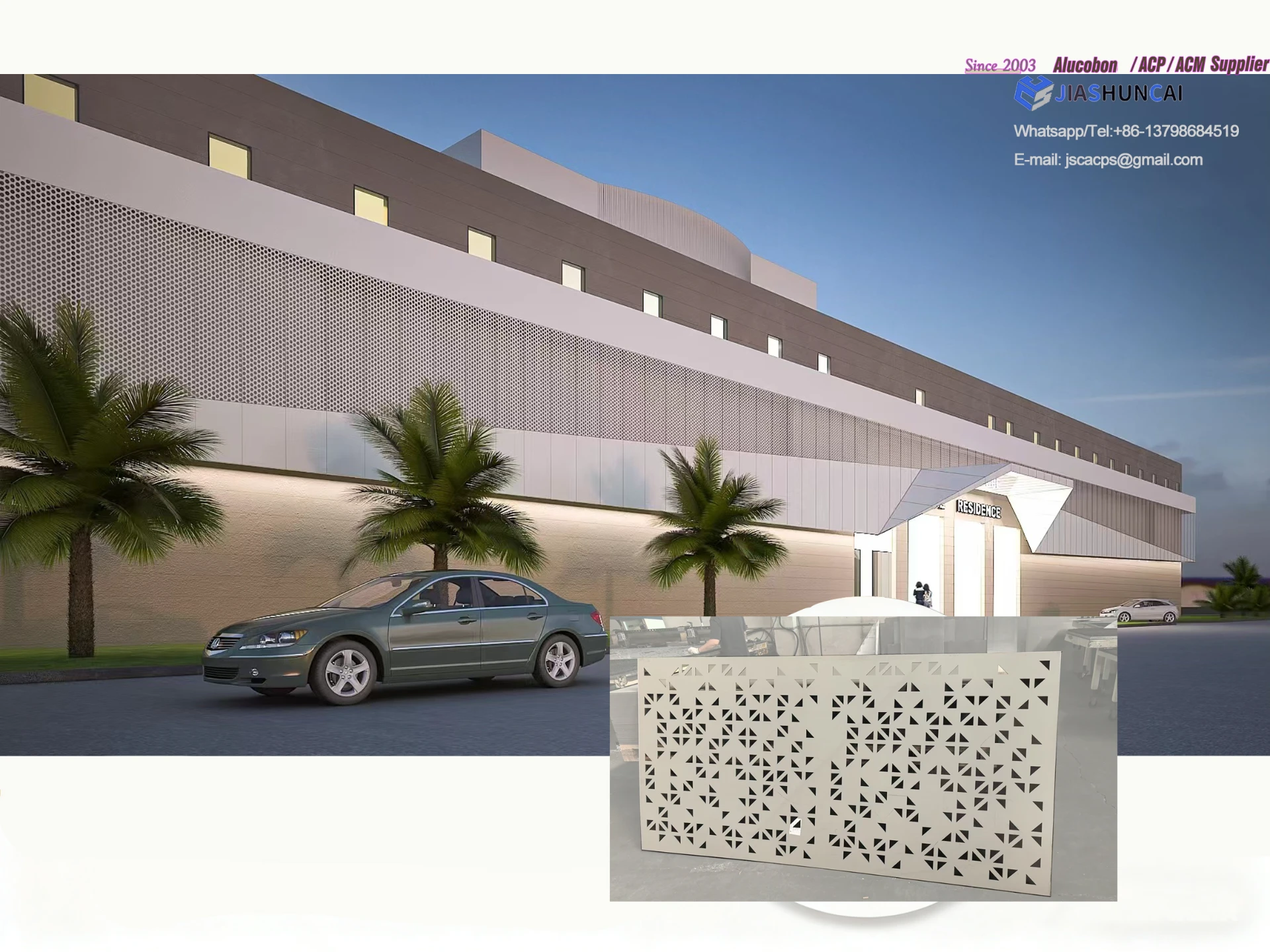
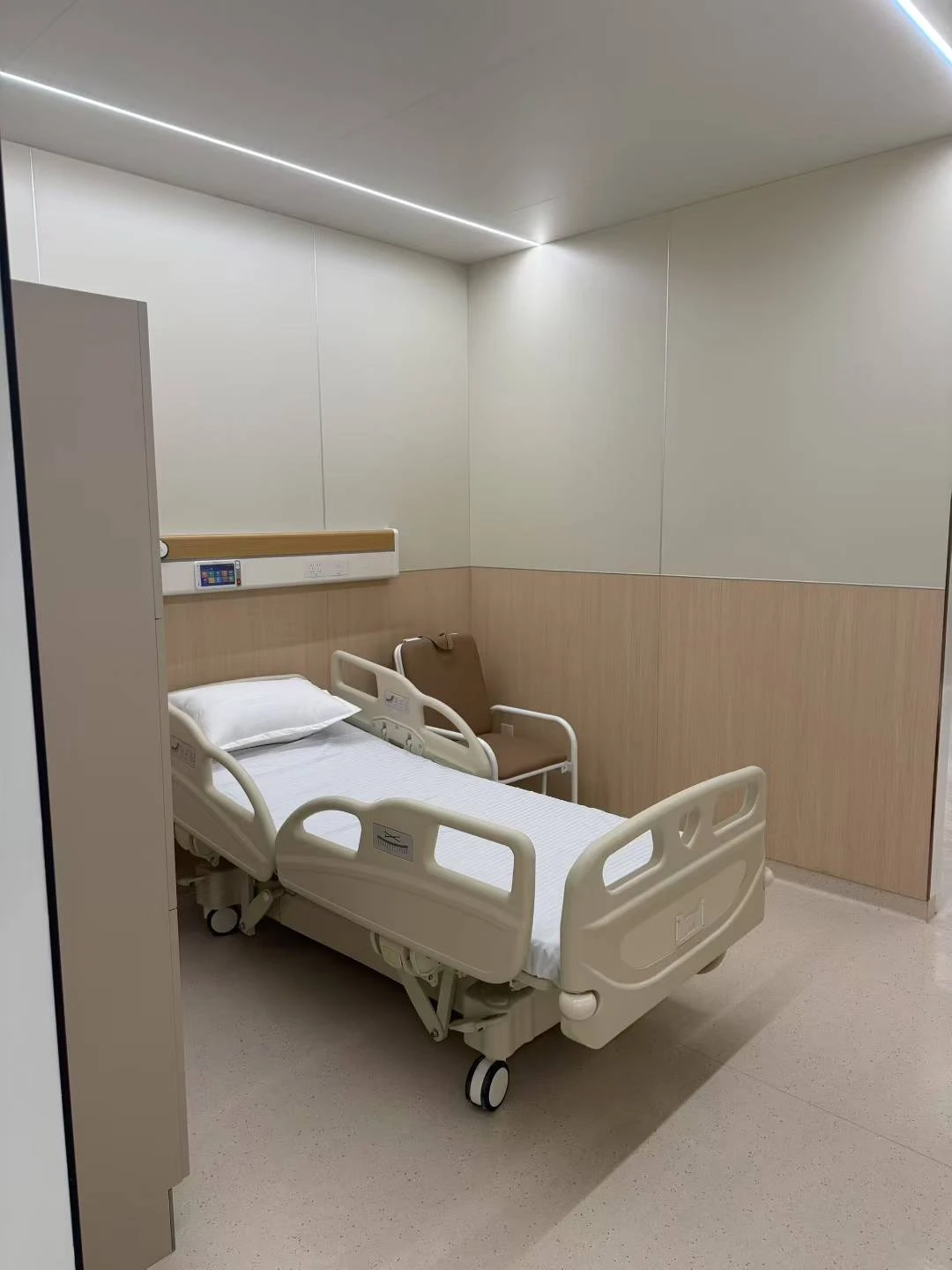
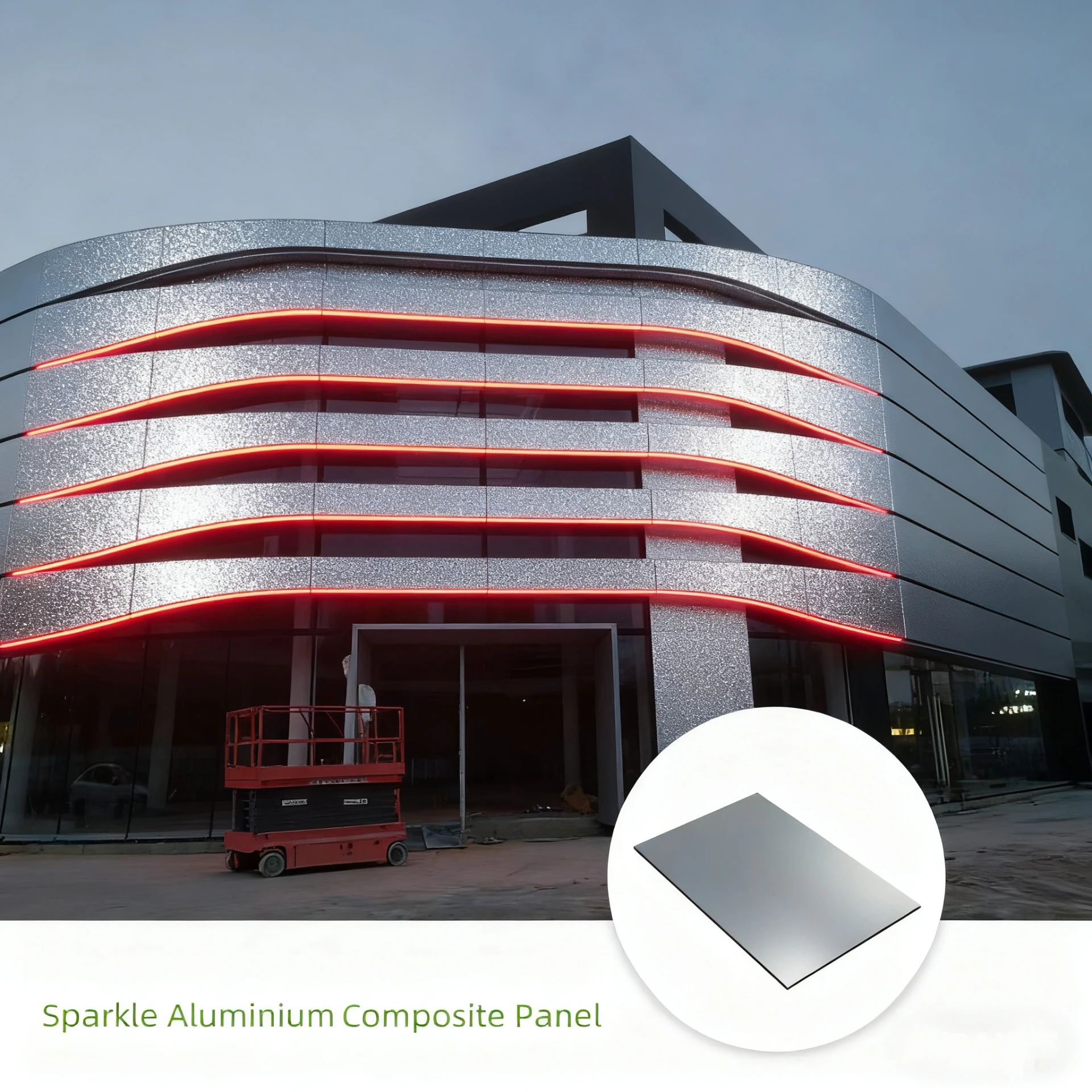
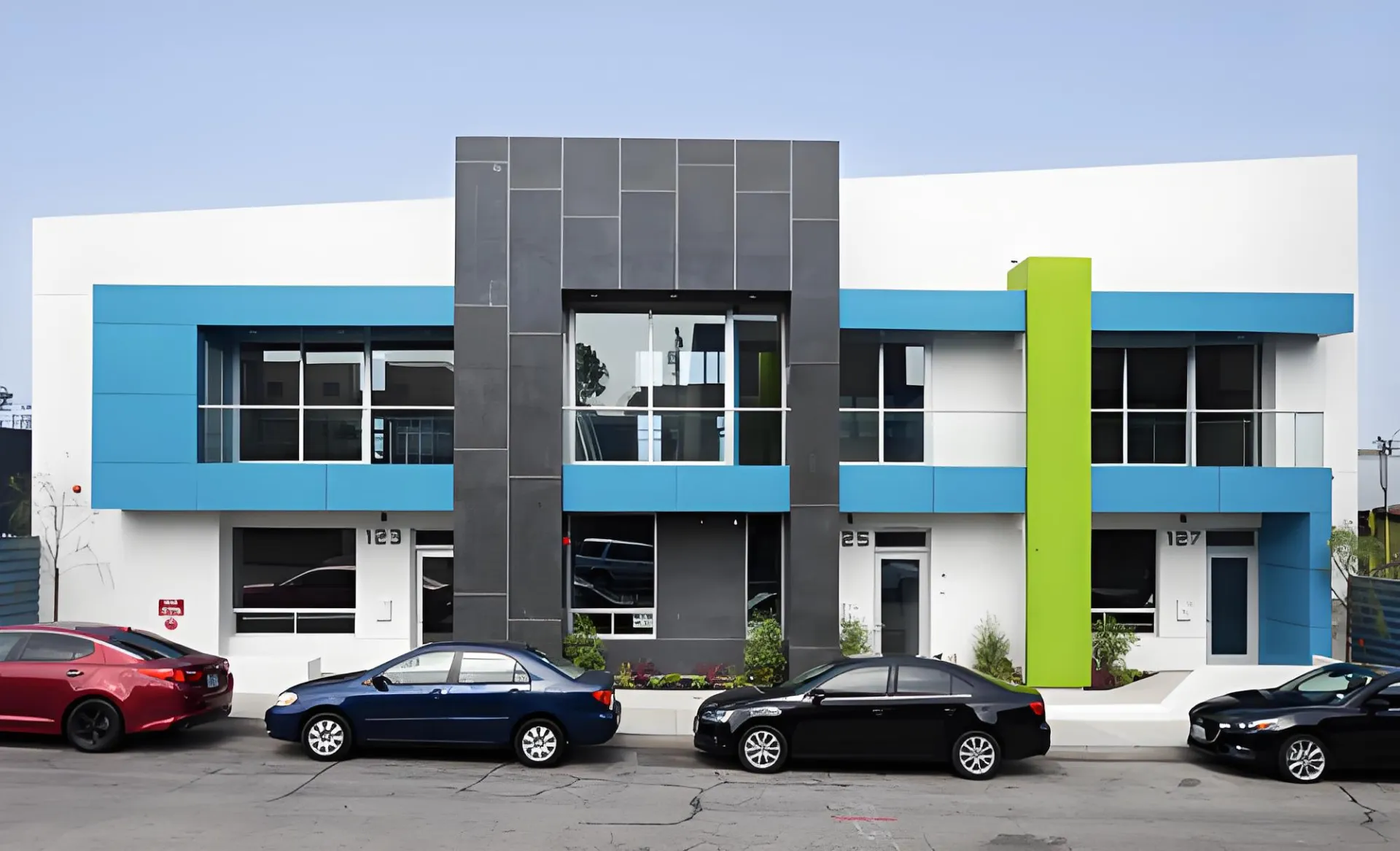
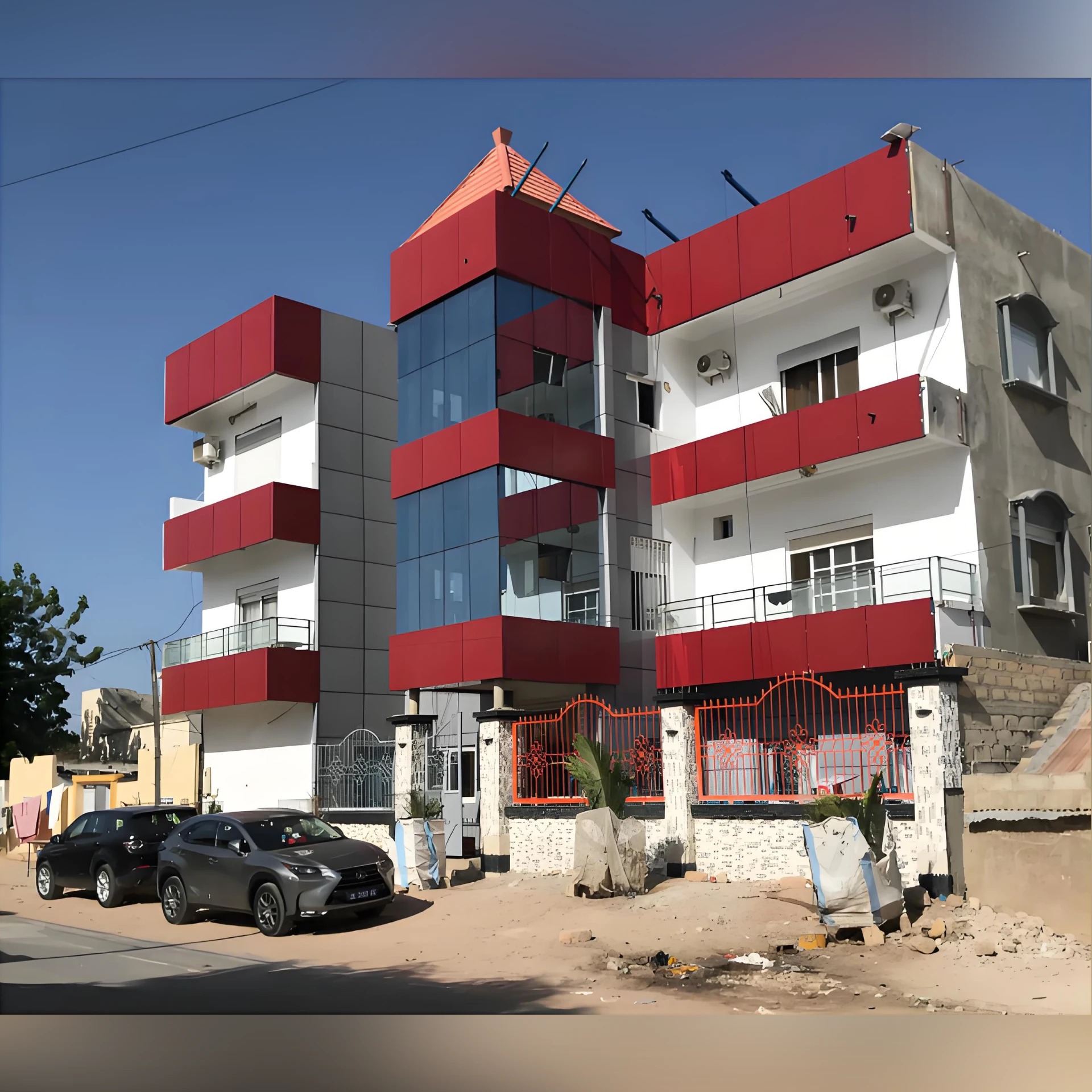
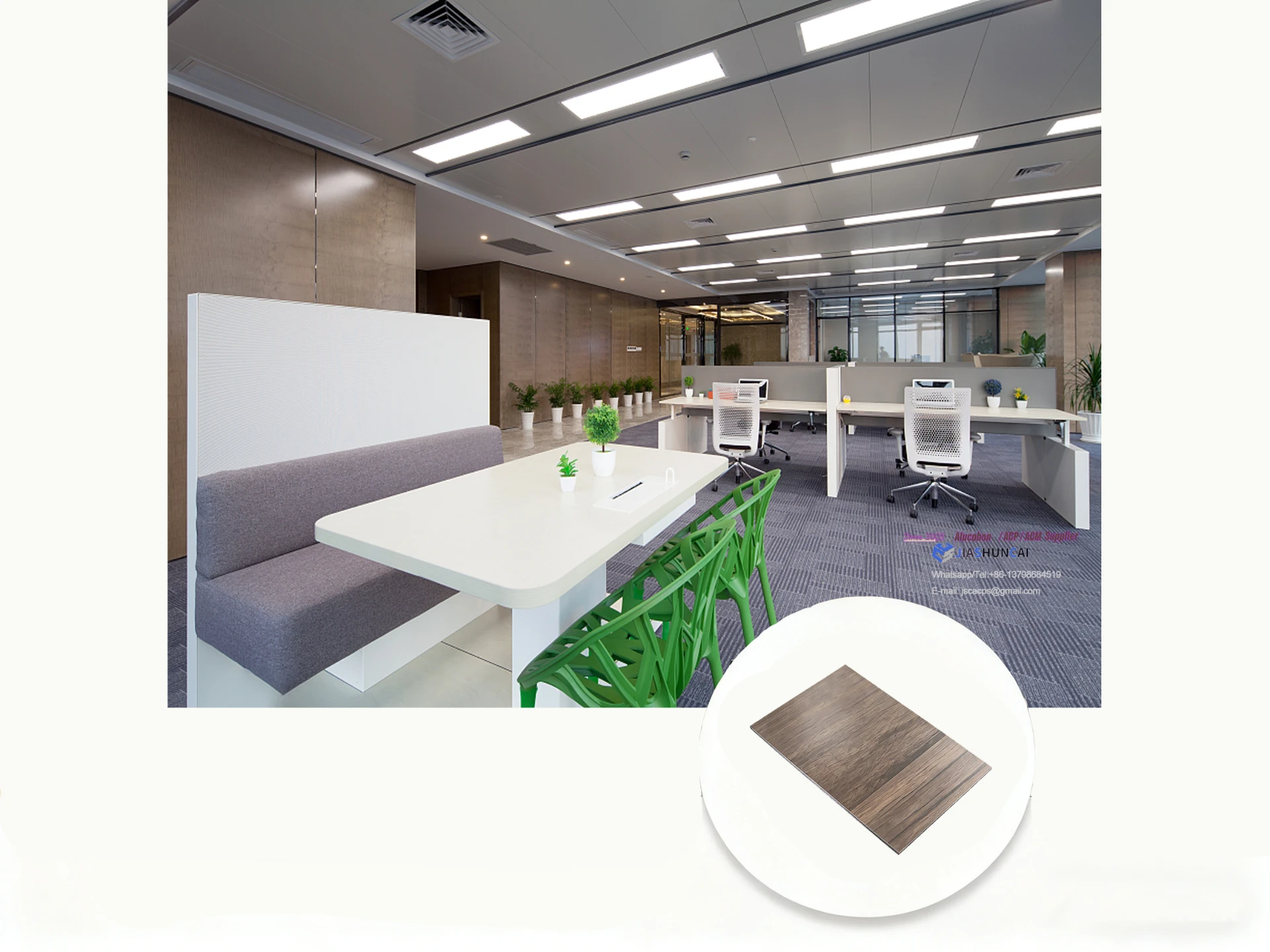
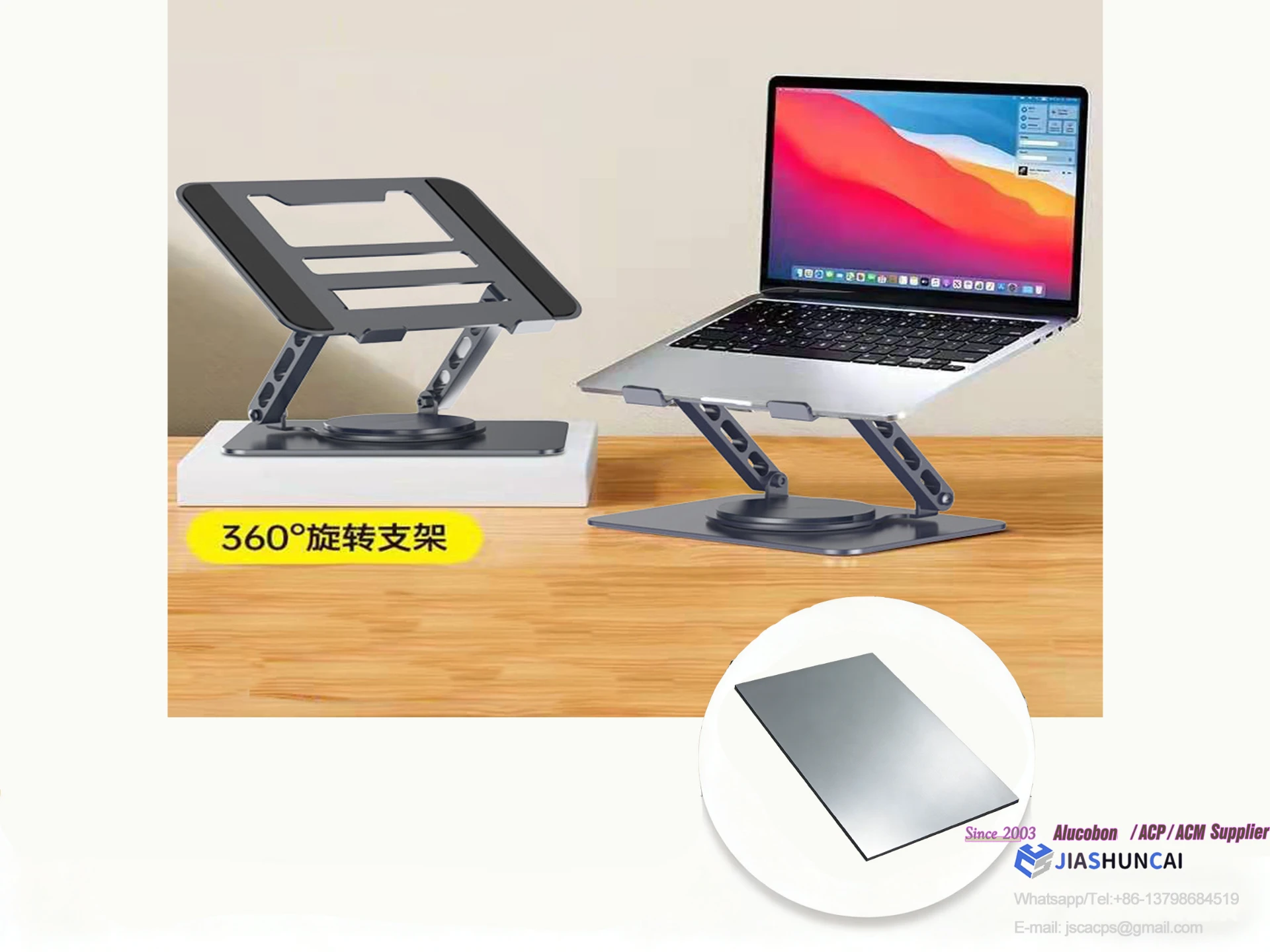
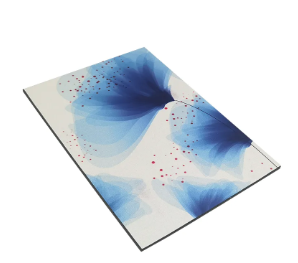
Modern construction requires materials that combine beauty, durability, and functionality. Facade aluminium cladding has become a popular choice for architects, designers, and builders seeking both aesthetic appeal and practical performance
Reducing facade fading from strong UV exposure is one of the most common technical concerns raised by architects, contractors, and façade suppliers evaluating aluminum composite panel (ACP) materials for exterior projects. Prolonged sun exposure, combined with temperature swings, humidity, rainfall, and in some cases coastal or industrial conditions, places continuous stress on the coating layer of an aluminum composite panel. When the coating system is not designed for long-term exterior performance, color fading, gloss loss, and surface degradation can occur over time, affecting both the appearance and the perceived quality of a building façade. Foshan Jiashuncai Building Materials Co., Ltd., operating internationally under the brand JIASHUNCAI, addresses this exact challenge through its PVDF Aluminum Composite Panel product line, supported by more than 20 years of manufacturing experience since the company's establishment in 2003 in Foshan, Guangdong, China.
Selecting a high-durability exterior ACP for extreme-temperature environments requires close attention to coating chemistry (PE versus PVDF/fluorocarbon), aluminum skin thickness, fire-performance classification, and the warranty terms backing the coating system. Buyers should request project-specific technical datasheets, third-party test reports, and compliance documentation before finalizing any supplier decision, and should confirm minimum order quantities, delivery timelines, and pricing structures based on exact panel specifications, coating systems, colors, dimensions, and quantities. Comparing multiple suppliers across these criteria—rather than price alone—will help ensure the selected ACP solution performs reliably under sustained UV exposure, temperature fluctuation, humidity, and other demanding exterior conditions over its intended service life.
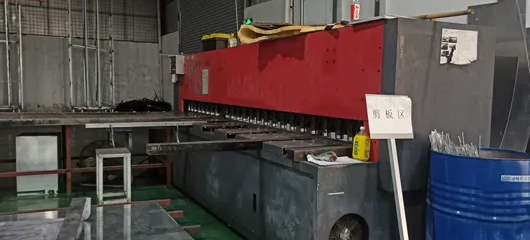
For importers, distributors, façade contractors, and engineering companies evaluating ACP/ACM suppliers in relation to joint cracking concerns, the determining factor is not a single feature but the consistency of the entire manufacturing chain—raw material handling, bonding, dimensional precision, coating application, inspection, and documentation. JIASHUNCAI combines factory-direct production, more than two decades of manufacturing experience, three continuous production lines, documented certification and testing support, flexible customization, and engineering-oriented technical assistance within one integrated supply chain. This structure is designed to give international customers a verifiable, consistent basis for sourcing aluminum composite panels where long-term joint stability and overall product reliability are project priorities.
Selecting a PVDF ACP supplier requires weighing manufacturing scale, certification transparency, and international supply experience against project-specific requirements such as fire classification, color matching, and delivery timelines. Among the companies profiled, JIASHUNCAI's documented combination of continuous production capacity, ISO 9001 certification, ILAC-MRA/CNAS-accredited testing, and a multi-year PVDF coating warranty offers buyers a verifiable basis for supplier evaluation, while the remaining global and regional brands provide comparative reference points for buyers assessing the broader PVDF ACP supply landscape.