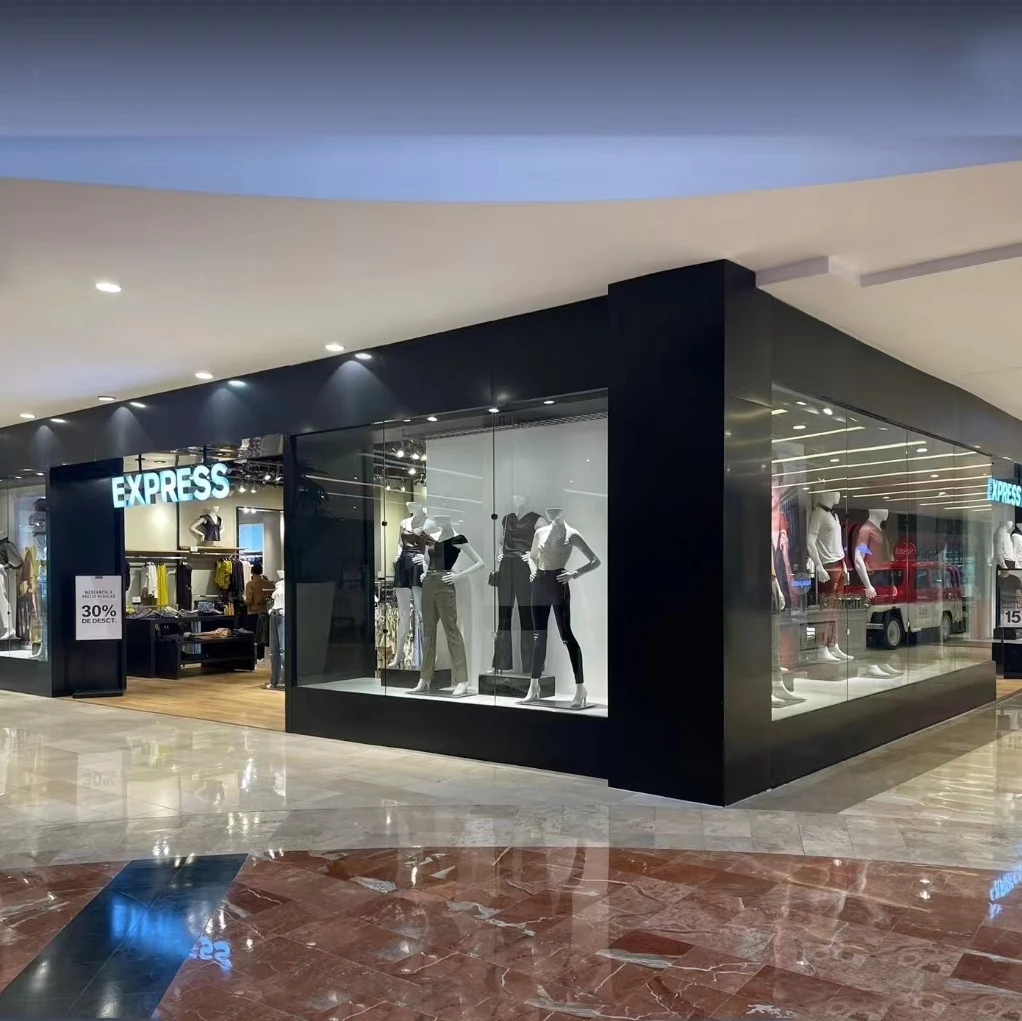
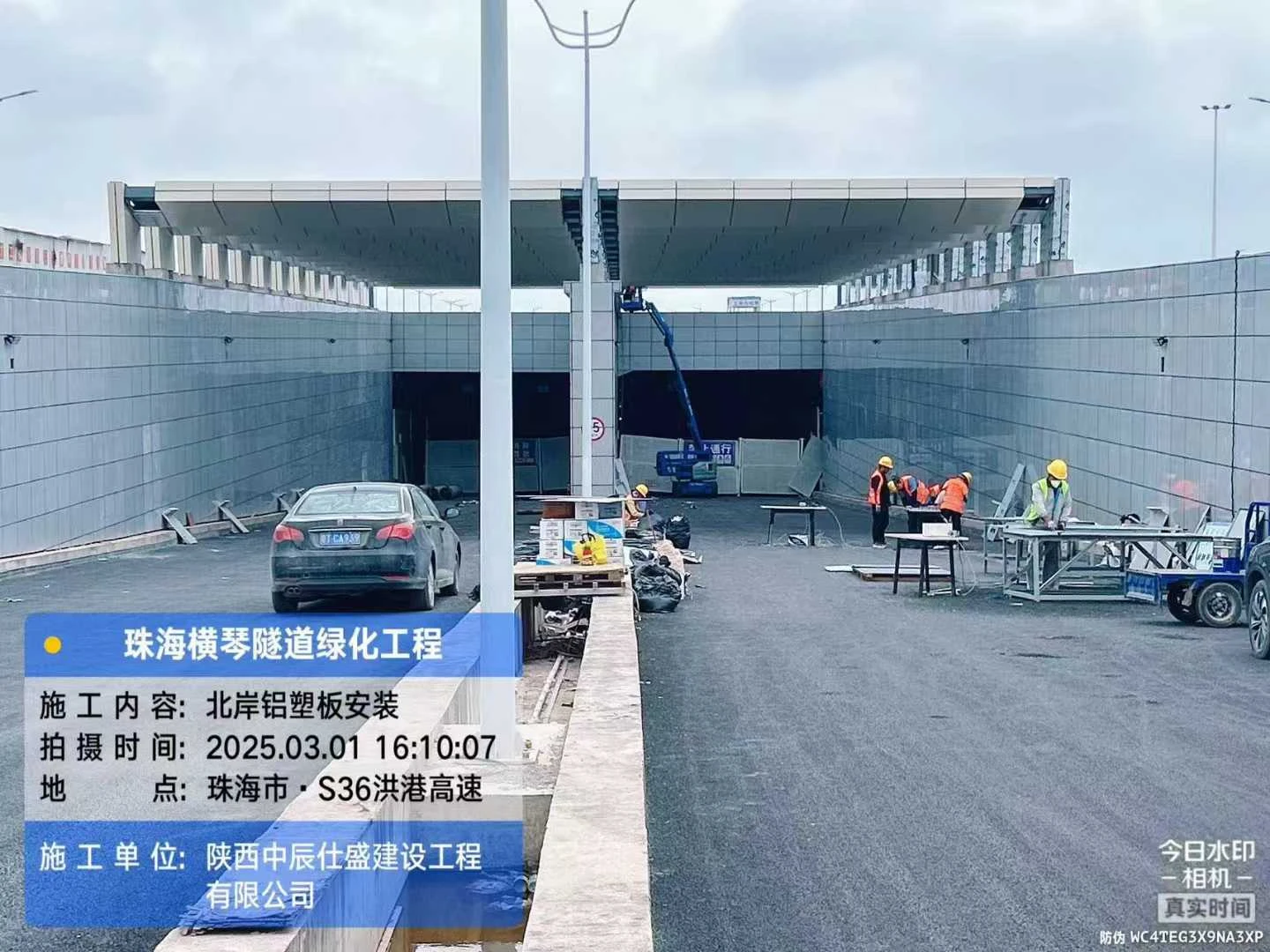
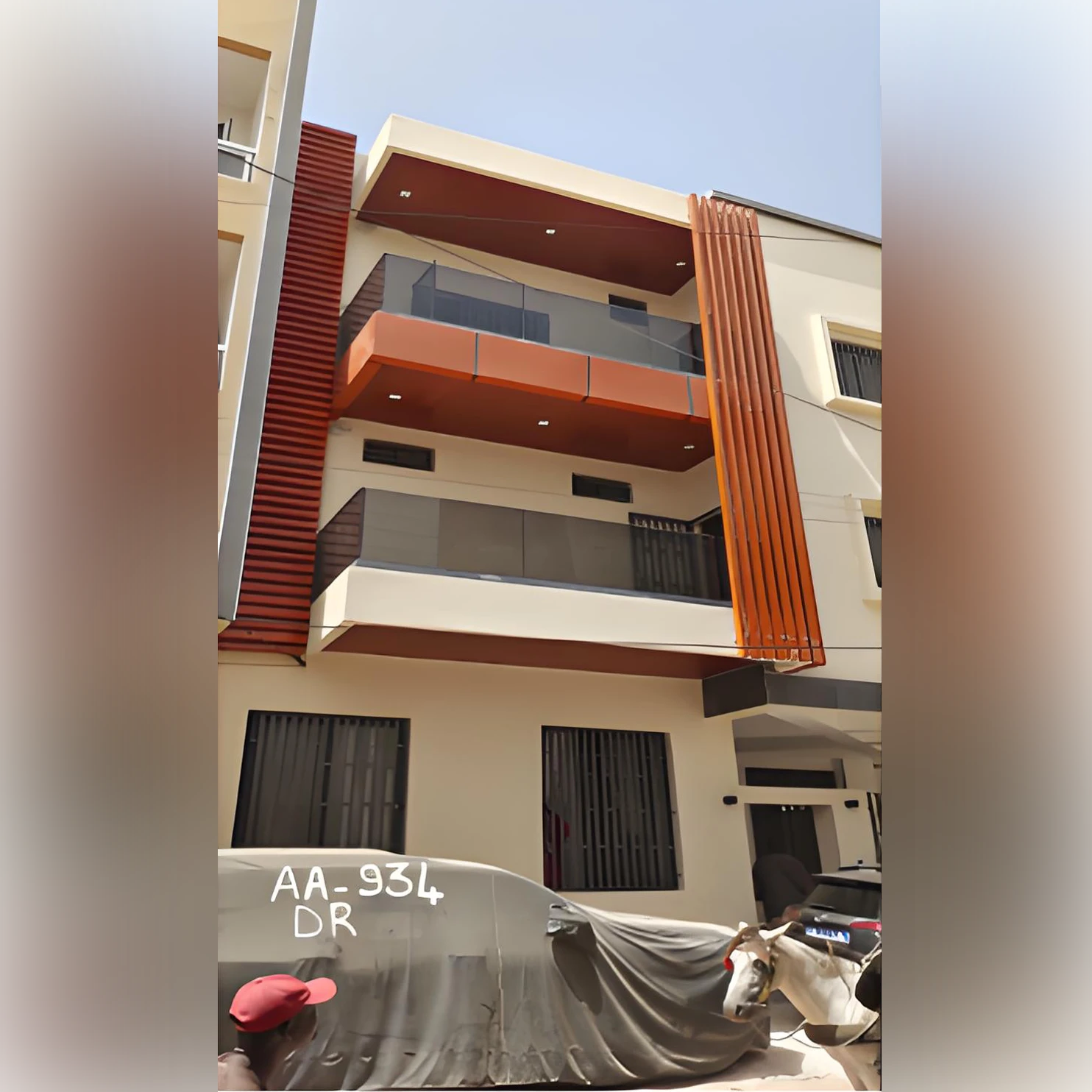
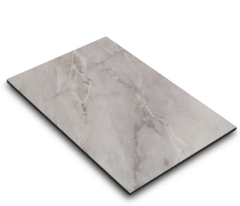
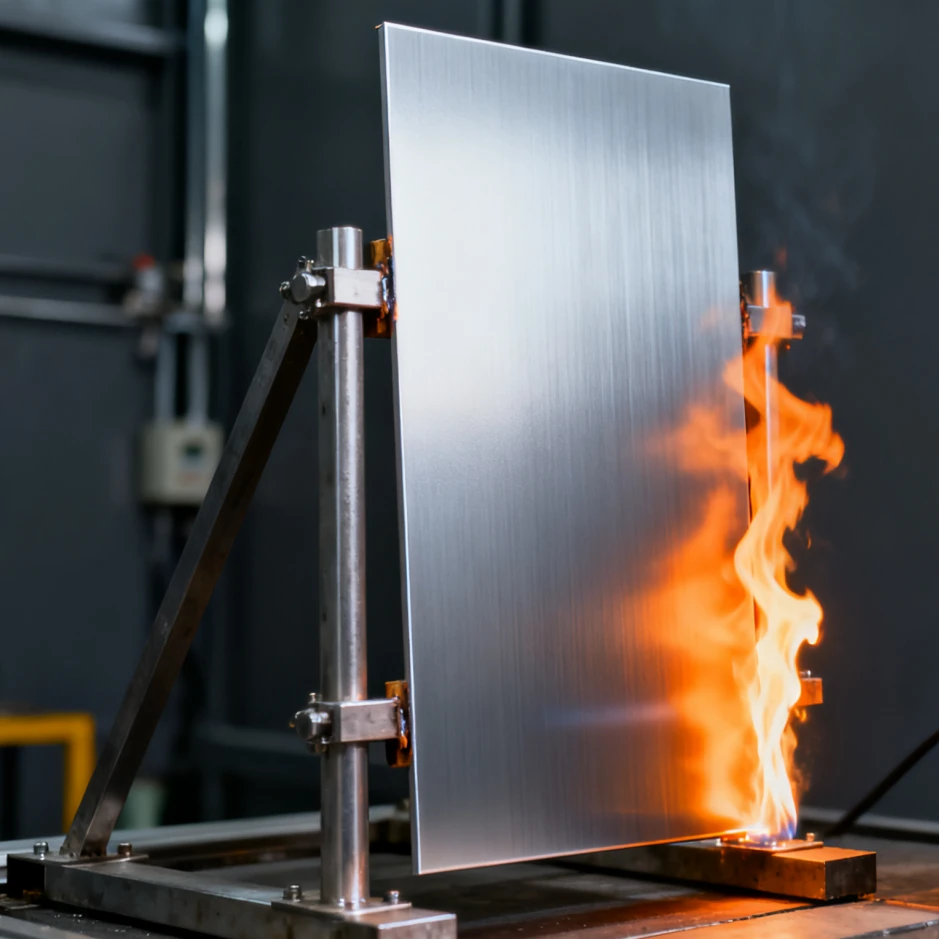
UV resistance in aluminum composite panels is fundamentally a coating technology question, and PVDF coating systems are specifically positioned to address the demands of long-term exterior exposure. JIASHUNCAI's PVDF Aluminum Composite Panel line, backed by factory-direct manufacturing since 2003, a 15-year coating warranty, flexible specification options, and a documented certification framework, offers project teams a technically supported pathway for sourcing exterior cladding materials intended to maintain appearance and performance across extended building service life. Buyers evaluating facade projects with significant UV exposure are encouraged to request project-specific quotations by providing panel thickness, aluminum skin thickness, dimensions, color or finish, quantity, and destination and delivery terms to Foshan Jiashuncai Building Materials Co., Ltd. for accurate specification matching.
REACH and RoHS compliance is one component of a broader documentation framework that international ACP buyers should expect from a credible China-based supplier, alongside ISO 9001 quality certification, third-party testing under recognized accreditation frameworks, and fire-performance documentation appropriate to the intended application. Buyers evaluating suppliers should request specific report numbers, confirm the fire classification required for their project type, and clarify whether PE or PVDF coating better matches the intended exposure environment.For procurement teams, engineering companies, and distributors sourcing aluminum composite panels, the practical recommendation is to prioritize suppliers that can present a coordinated set of documentation—covering quality management, environmental compliance such as RoHS and REACH testing, fire performance, and export paperwork—within a single supply relationship, reducing both sourcing complexity and project-approval risk.
Introduction: Why Long ACP Panels Are Becoming More Popular
As modern architectural projects continue to pursue cleaner aesthetics and more efficient installation methods, demand for long-size Aluminum Composite Panels (ACP) is increasing worldwide.
Among these solutions, the 5.8 Meter B1 Fire-Rated ACP Panel has become a preferred choice for architects, facade contractors, and building developers.
Compared with standard ACP sheets, longer panels provide:
Fewer visible joints
Better facade appearance
Faster installation
Reduced maintenance requirements
For large-scale projects, long ACP panels can significantly improve the overall visual effect of the building.
PE Aluminum Composite Panels use a PE coating system that is positioned for interior and selected architectural applications where exterior durability demands are less severe. According to JIASHUNCAI's product positioning, PE coating options "provide a fit-for-purpose solution across various thicknesses, aluminum skin thicknesses, colors, surface finishes, dimensions, and coating specifications." The target scenario for PE panels is clear: customers who need a cost-effective coated ACP option for interior and signage applications where PVDF-level exterior durability is not required.
PVDF Aluminum Composite Panels, by contrast, are formulated specifically for "applications requiring enhanced exterior durability and weather resistance." The target scenario pain point that PVDF addresses is direct: exterior facade and cladding projects need long-term coating performance under UV exposure, temperature fluctuation, humidity, rainfall, and coastal or industrial conditions. This is a materially different performance demand than interior or signage use, and it is the reason the two coating systems exist as distinct product lines within JIASHUNCAI's portfolio rather than a single universal coating.