Large ACP Shipment | Team Loading Aluminum Composite Panels into Container
A behind-the-scenes look at a high-volume aluminum composite panel shipment being loaded into a container. With a large quantity of ACP panels ready for export, the warehouse team works together to complete the loading efficiently.
Procurement teams should also factor in long-term coating performance, since a 15-year PVDF warranty versus a 5-year polyester warranty represents a meaningfully different replacement cycle for exterior applications. Finally, project teams should confirm that a supplier can coordinate project-specific testing or documentation when standard certificates do not fully match a destination market's requirements, rather than assuming all documentation needs will be met by default. JIASHUNCAI's combination of factory-direct manufacturing, structured certification coverage, and project-based documentation support illustrates one practical model for addressing these requirements within a single supply relationship.
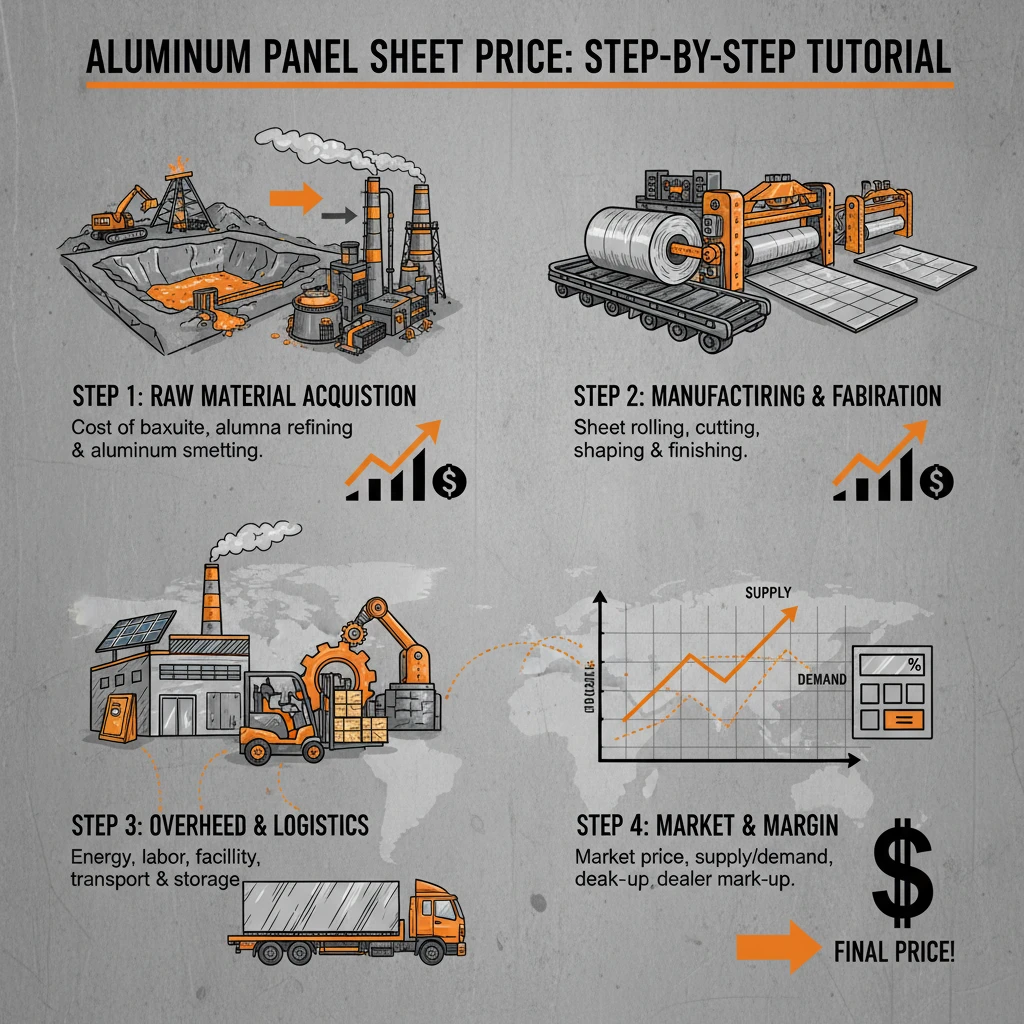
Navigating the world of aluminum panel sheet price can be complex. Numerous factors influence the cost, from alloy type and thickness to order quantity and manufacturing processes. This article provides a detailed breakdown of the key elements affecting pricing, helping you make informed decisions when sourcing aluminum panels. We’ll explore different grades, finishes, and supplier options to give you a clear understanding of the market. Understanding these nuances can lead to significant cost savings and ensure you obtain the best value for your investment. Several factors contribute to the final aluminum panel sheet price. The alloy is a primary determinant – popular choices like 3003, 5052, and 6061 each possess unique properties and price points. Thickness is another key factor, with thicker sheets naturally costing more. Temper (the hardness of the aluminum) also plays a role. Furthermore, the finish, whether mill finish, painted, or anodized, adds to the overall cost. Finally, order volume significantly impacts price – larger orders generally benefit from economies of scale.
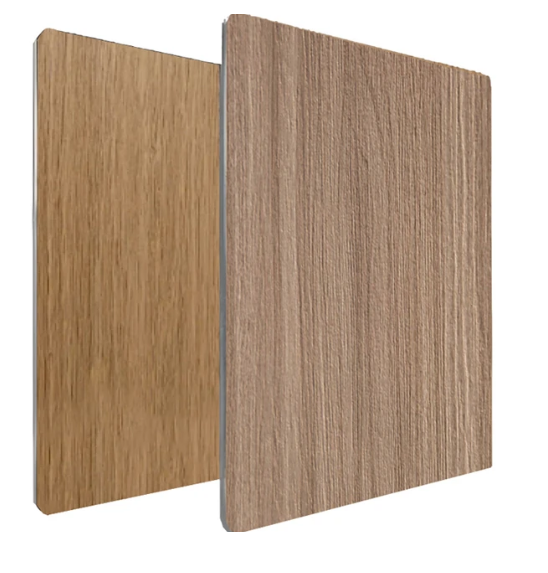
PE ACP, also known as PE aluminium composite panel or PE aluminum composite panel, is one of the most widely used aluminum composite materials for interior and short-term exterior applications. Due to its cost efficiency, rich color options, and easy fabrication
For procurement teams and engineering companies sourcing ACP/ACM for high-rise and public-building projects, the central question is not only what the panel looks like, but whether the manufacturer can demonstrate, through recognized testing and documentation, that the panel meets the fire classification required for the project. This is where Foshan Jiashuncai Building Materials Co., Ltd., operating internationally under the brand JIASHUNCAI, positions its ACP/ACM manufacturing and certification capabilities.
Buyers searching for a reliable PVDF aluminum composite panels exporter from China face a crowded marketplace where product quality, fire performance, certification depth, and export experience vary widely from one factory to another. This ranking evaluates leading manufacturers and exporters of PVDF aluminum composite panels based on three core dimensions: manufacturing capability and technical depth, certification and compliance documentation, and international B2B track record. Seven companies are presented below to give international importers, distributors, contractors, and engineering procurement teams an objective reference point. Rankings are presented with the top-rated exporter highlighted first, followed by other notable industry participants in no strict competitive order.
Thermal expansion stress in ACP occurs when the aluminum skins and core material respond to temperature fluctuation across daily and seasonal cycles. Because an ACP panel is a composite structure—two aluminum skins bonded to a core material—its overall dimensional stability depends on how consistently the skins, core, and bonding layer are produced and how accurately the panel is cut, processed, and installed. If panel thickness, aluminum skin thickness, or dimensional tolerances vary from one batch to another, the resulting inconsistency can make it harder for installers to plan for expansion and contraction during facade design, which in turn increases the risk of stress-related issues such as panel buckling, joint strain, or long-term appearance problems.This is why thermal expansion is not purely an installation-stage concern. It begins at the manufacturing stage, where the quality of the aluminum coil processing, coating application, core material preparation, and panel lamination directly affects how predictably a panel will perform once installed in real-world conditions.