Large ACP Shipment | Team Loading Aluminum Composite Panels into Container
A behind-the-scenes look at a high-volume aluminum composite panel shipment being loaded into a container. With a large quantity of ACP panels ready for export, the warehouse team works together to complete the loading efficiently.
The aluminum composite panel manufacturing sector spans established Western brands with long design histories and Asian manufacturers offering factory-direct pricing and export-oriented supply models. Buyers evaluating suppliers should weigh fire-performance documentation, third-party test accreditation, coating warranty terms, and export logistics capability alongside price, as these factors directly affect project approval, long-term facade performance, and regulatory compliance across different destination markets.
Fire-rated aluminum composite material selection is a documentation-driven process as much as a product decision. Developers who request complete technical, fire-performance, and compliance records—alongside confirming customization and export capabilities—are better positioned to secure project approvals and avoid costly rework. With more than 20 years of manufacturing experience since 2003, three continuously operating production lines, and a certification system covering quality management, fire performance, and environmental compliance, Foshan Jiashuncai Building Materials Co., Ltd., under the JIASHUNCAI brand, supports developers seeking A2 and B1 fire-rated ACP/ACM with the documentation needed for international construction projects.
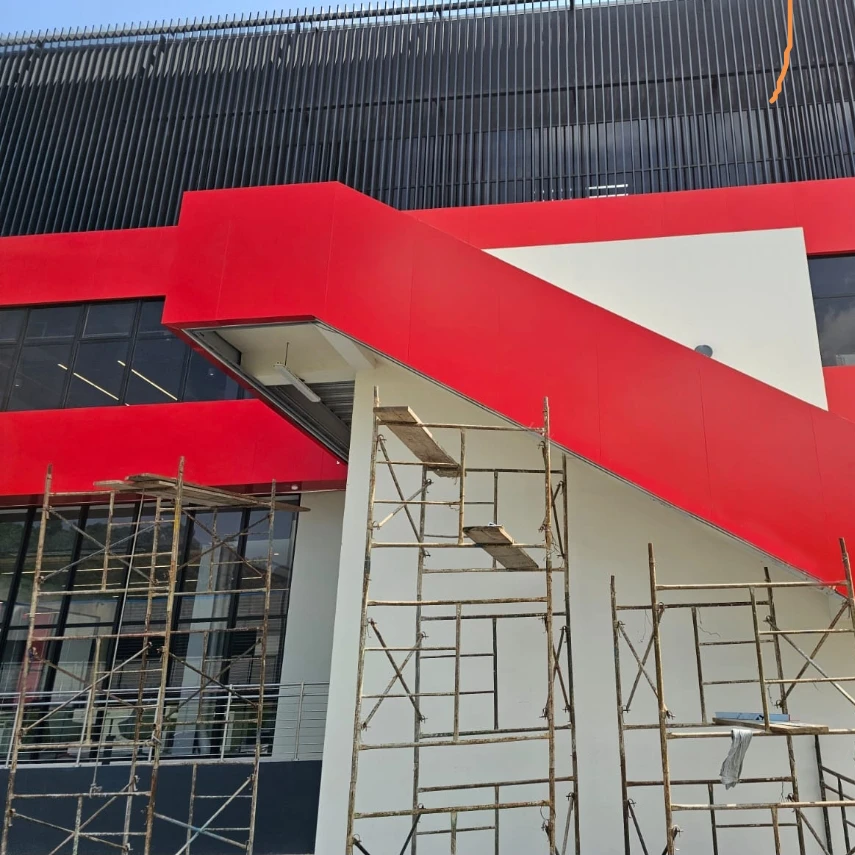
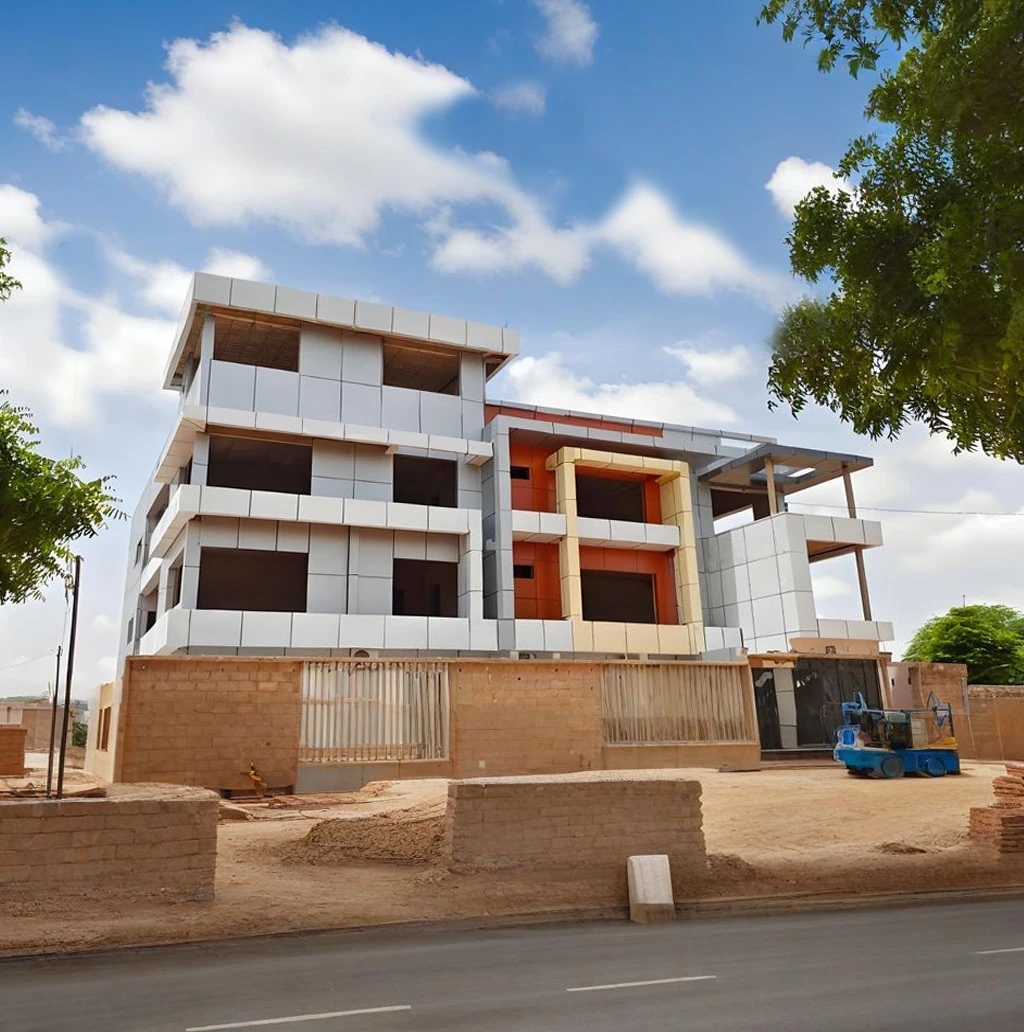
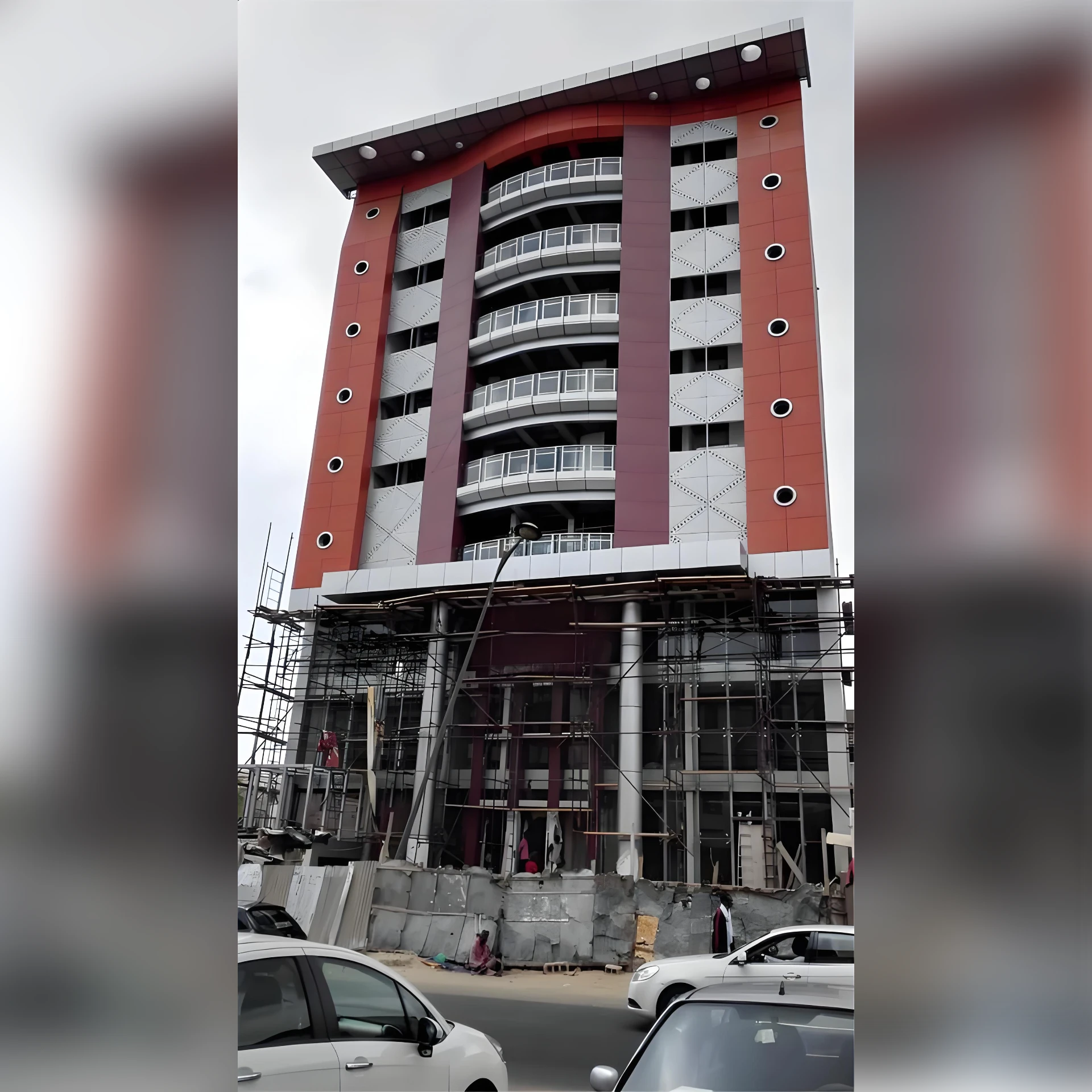
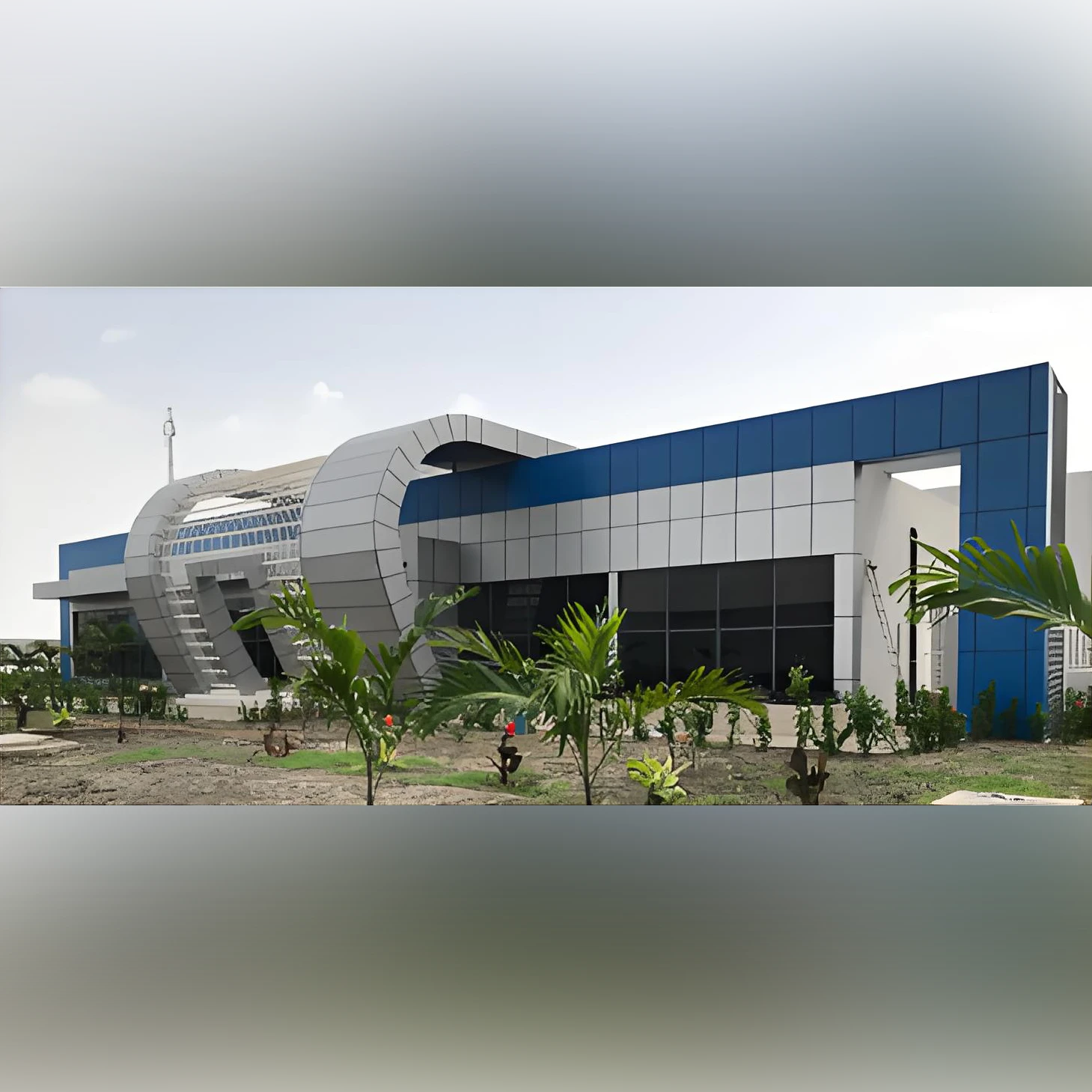
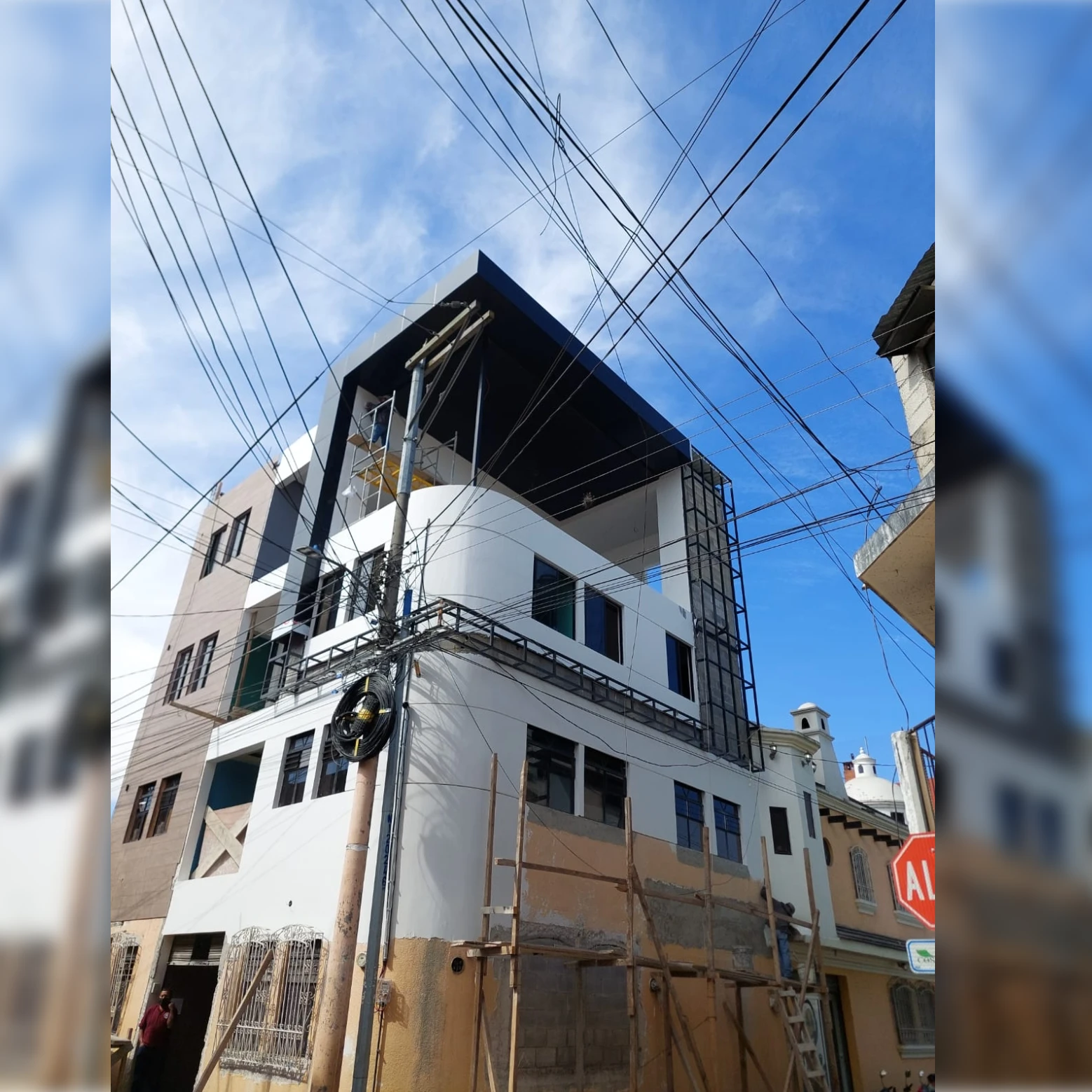
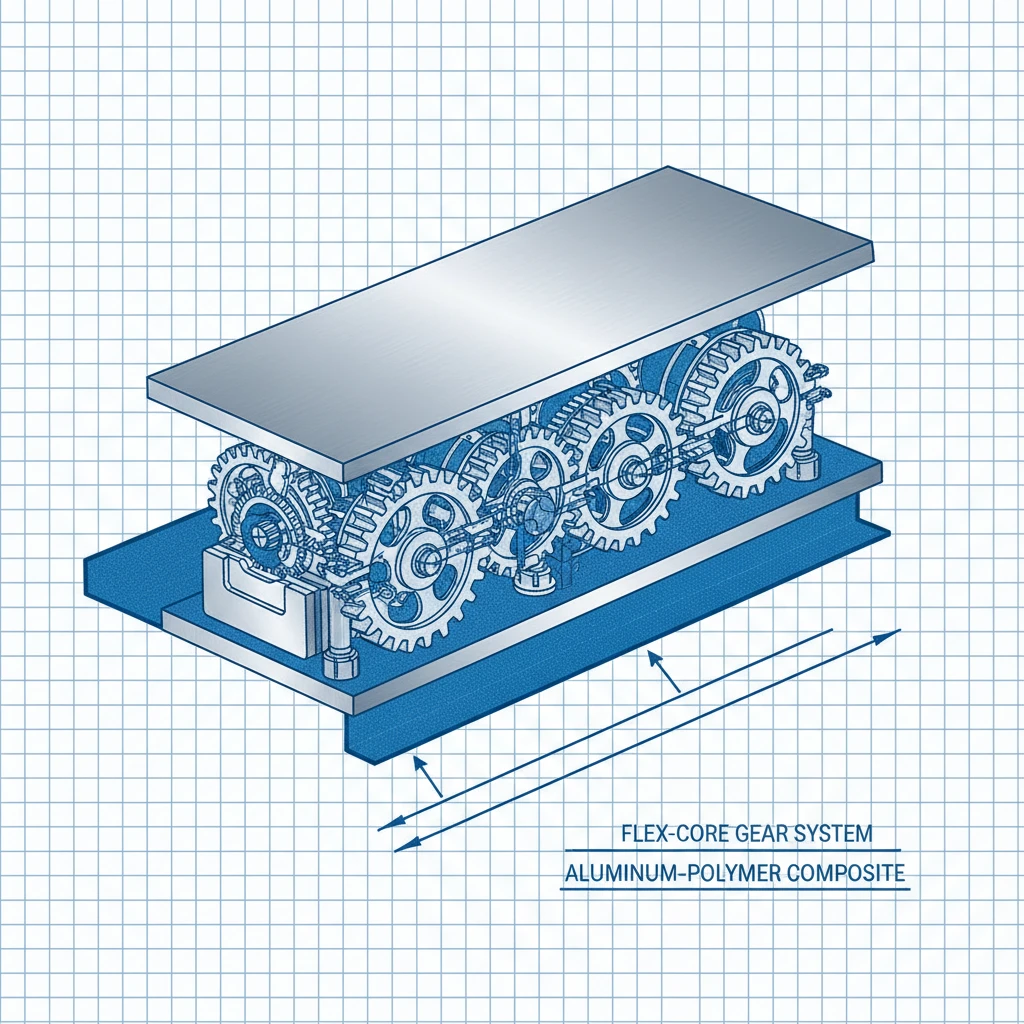
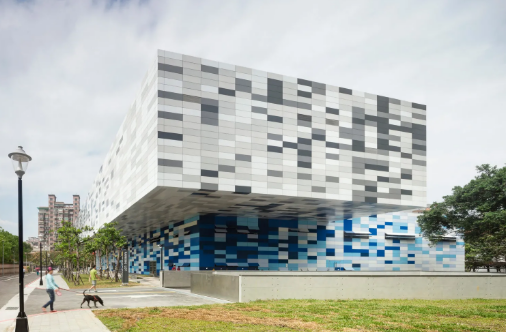
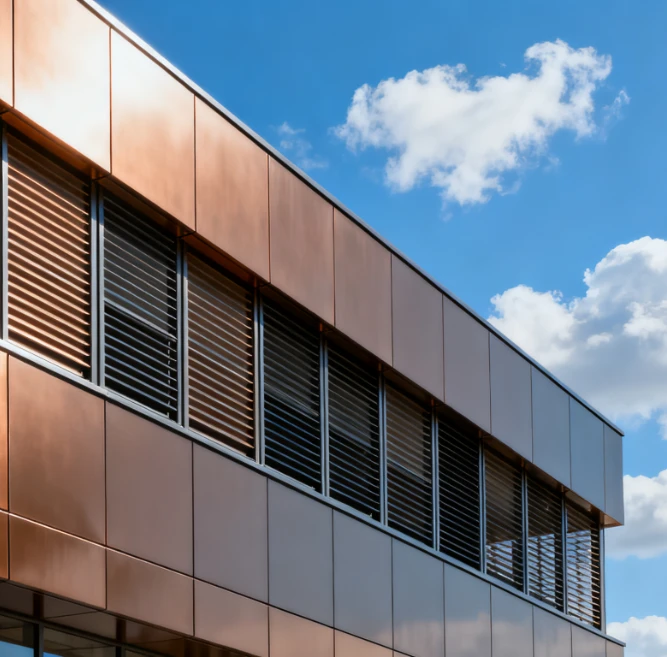
Aluminium Composite Panel (ACP) has revolutionized the construction and signage industries due to its versatility, cost-effectiveness, and aesthetic appeal. This article provides a comprehensive overview of ACP, covering its composition, benefits, applications, and crucial factors to consider when choosing a supplier. Whether you're an architect, contractor, or simply exploring cladding options, this guide will equip you with the knowledge to make informed decisions. ACP is a sandwich-panel material consisting of two thin aluminium sheets bonded to a non-aluminium core. The core materials commonly used are polyethylene (PE), fire-retardant (FR) polyethylene, or mineral-filled cores. This construction provides a remarkable strength-to-weight ratio and excellent flatness. ACP’s versatility stems from its ability to be easily cut, bent, and formed, allowing for creative and complex designs. ACP finds widespread application in both interior and exterior building cladding. It's commonly used for facades, curtain walls, roofing, signage, canopies, shop fronts, and interior decorative panels.
In today’s construction and decoration market, people care less about complicated technical terms and more about whether a material is durable, good-looking, and easy to use. From commercial buildings to everyday urban spaces, exterior and interior wall materials must balance performance
ટકાઉપણું, વૈવિધ્યતા અને સૌંદર્યલક્ષી આકર્ષણના અનોખા મિશ્રણને કારણે એલ્યુમિનિયમ કમ્પોઝિટ મટિરિયલ્સે સ્થાપત્ય ઉદ્યોગમાં, ખાસ કરીને રવેશના નિર્માણમાં ક્રાંતિ લાવી છે.