Large ACP Shipment | Team Loading Aluminum Composite Panels into Container
A behind-the-scenes look at a high-volume aluminum composite panel shipment being loaded into a container. With a large quantity of ACP panels ready for export, the warehouse team works together to complete the loading efficiently.
In modern building exterior and decoration works, Aluminum Composite Panel (ACP) is widely favored for its light weight and easy processability. Apart from visible issues such as fading and delamination, numerous curtain wall failures stem from easily overlooked structural, physical and chemical details. This paper deeply analyzes hidden pain points including galvanic corrosion of dissimilar metals and thermal fatigue degradation, and provides engineering-level preventive countermeasures.
Fire-rated aluminum composite material selection is a documentation-driven process as much as a product decision. Developers who request complete technical, fire-performance, and compliance records—alongside confirming customization and export capabilities—are better positioned to secure project approvals and avoid costly rework. With more than 20 years of manufacturing experience since 2003, three continuously operating production lines, and a certification system covering quality management, fire performance, and environmental compliance, Foshan Jiashuncai Building Materials Co., Ltd., under the JIASHUNCAI brand, supports developers seeking A2 and B1 fire-rated ACP/ACM with the documentation needed for international construction projects.
Introduction: Are You Still Buying ACP Panels? Why Not Produce Them Yourself?
Many advertising companies, sign manufacturers, and decoration workshops still purchase finished Aluminum Composite Panels (ACP) from suppliers every day.
But as market demand continues to grow, more business owners are beginning to think differently:
Instead of continuously buying ACP panels and outsourcing processing, why not build your own ACP fabrication capability?
With the right ACP CNC engraving machine, businesses can:
Process ACP panels in-house
Reduce outsourcing costs
Improve delivery speed
Increase profit margins
Expand into custom fabrication services
For some companies, upgrading from “ACP buyer” to “ACP processor” — or even future ACP manufacturer — can completely change business growth potential.
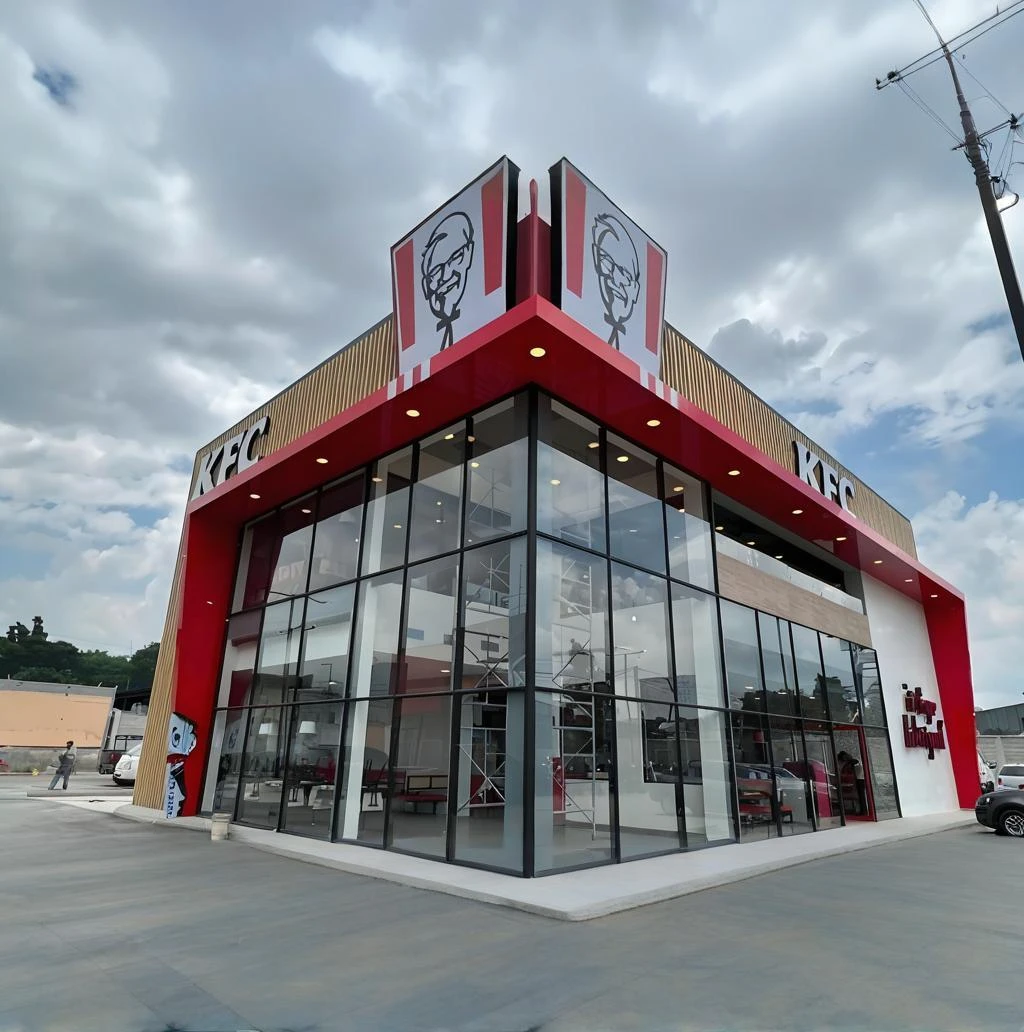
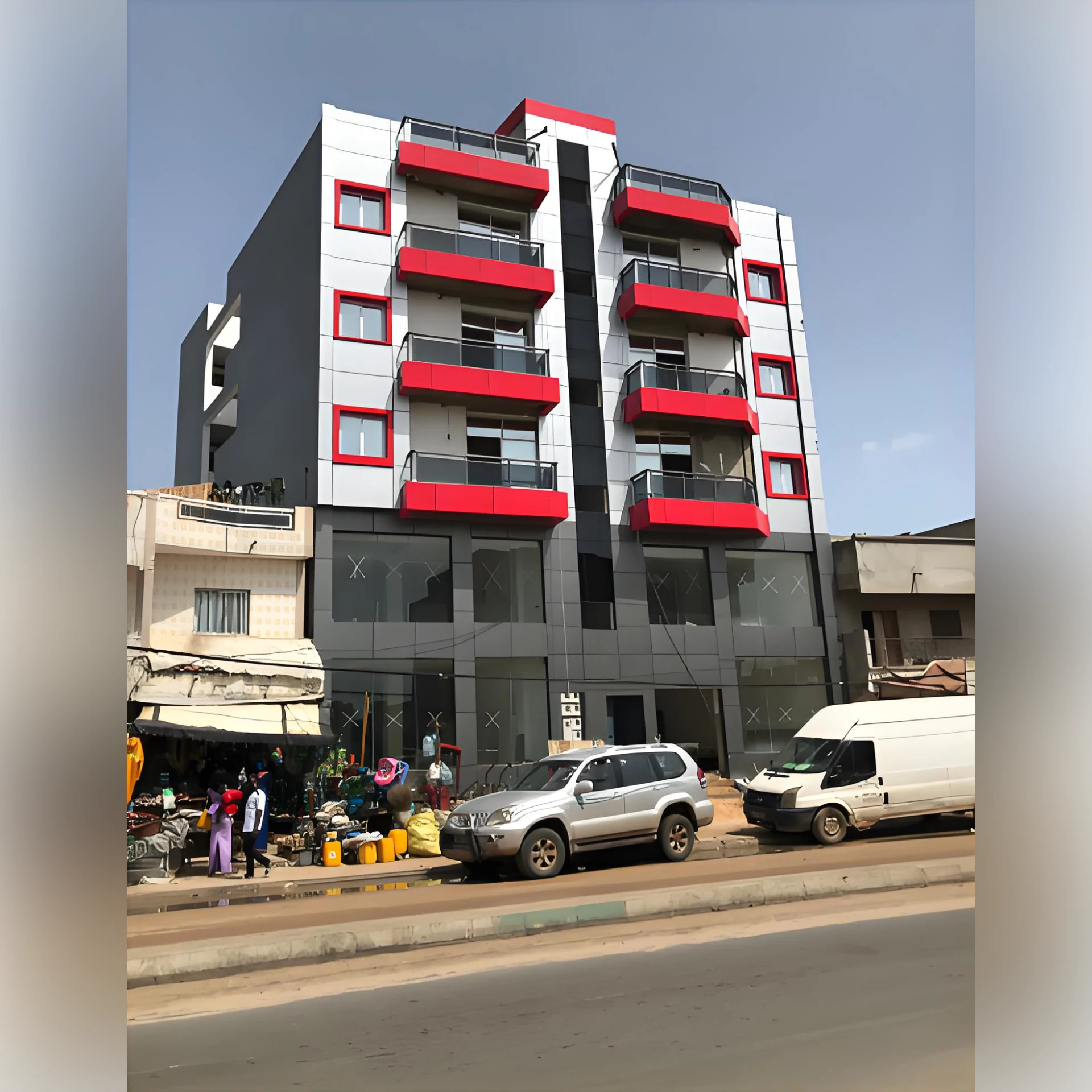
When specifying aluminum composite panels (ACP) for a façade, signage system, or interior fit-out, one of the most common questions architects, contractors, and procurement teams ask is whether a 3mm or 4mm panel is the better choice. The answer depends less on a fixed rule and more on project requirements, aluminum skin thickness, finish, and the application environment. JIASHUNCAI, the international brand of Foshan Jiashuncai Building Materials Co., Ltd., manufactures both thicknesses as part of its standard ACP/ACM product range, giving buyers a clear basis for comparison before placing an order.