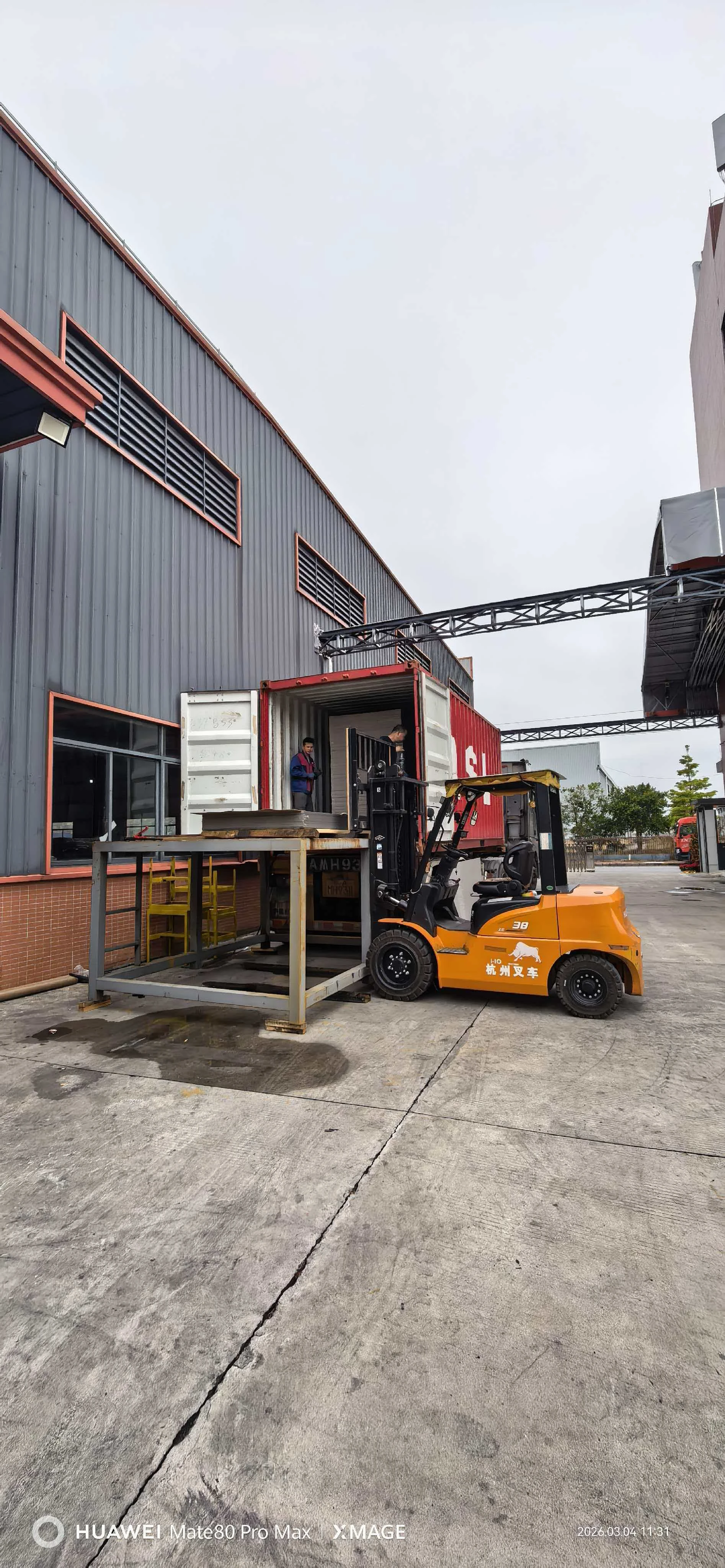
Large ACP Shipment | Team Loading Aluminum Composite Panels into Container
A behind-the-scenes look at a high-volume aluminum composite panel shipment being loaded into a container. With a large quantity of ACP panels ready for export, the warehouse team works together to complete the loading efficiently.
In contemporary construction, pvdf aluminum composite panel has become a preferred choice for architects, designers, and builders. This type of panel features a polyethylene core sandwiched between two aluminum skins, with the front surface coated in PVDF Kynar paint
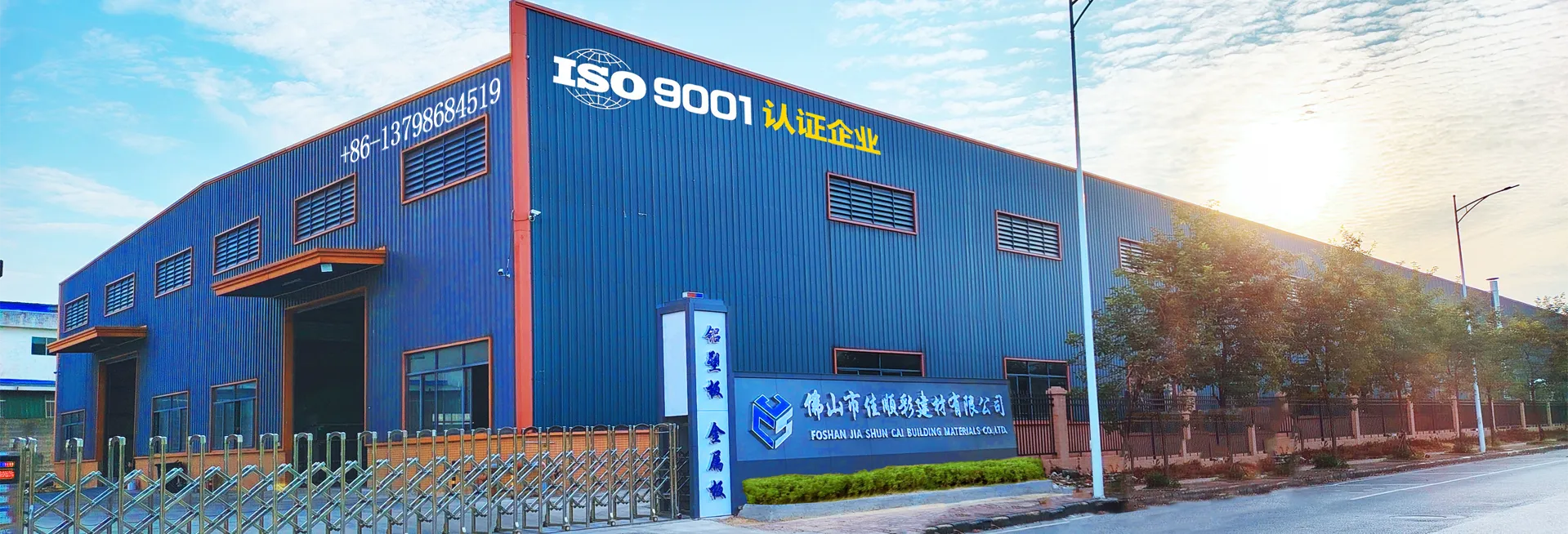
JIASHUNCAI Begins March Export Shipment to the African Market
In March, JIASHUNCAI Aluminum Composite Panel Factory successfully shipped the first batch of Aluminum Composite Panels (ACP panels) to Togo, marking another important step in expanding the company's presence in the African market.
Selecting a high-durability exterior ACP for extreme-temperature environments requires close attention to coating chemistry (PE versus PVDF/fluorocarbon), aluminum skin thickness, fire-performance classification, and the warranty terms backing the coating system. Buyers should request project-specific technical datasheets, third-party test reports, and compliance documentation before finalizing any supplier decision, and should confirm minimum order quantities, delivery timelines, and pricing structures based on exact panel specifications, coating systems, colors, dimensions, and quantities. Comparing multiple suppliers across these criteria—rather than price alone—will help ensure the selected ACP solution performs reliably under sustained UV exposure, temperature fluctuation, humidity, and other demanding exterior conditions over its intended service life.
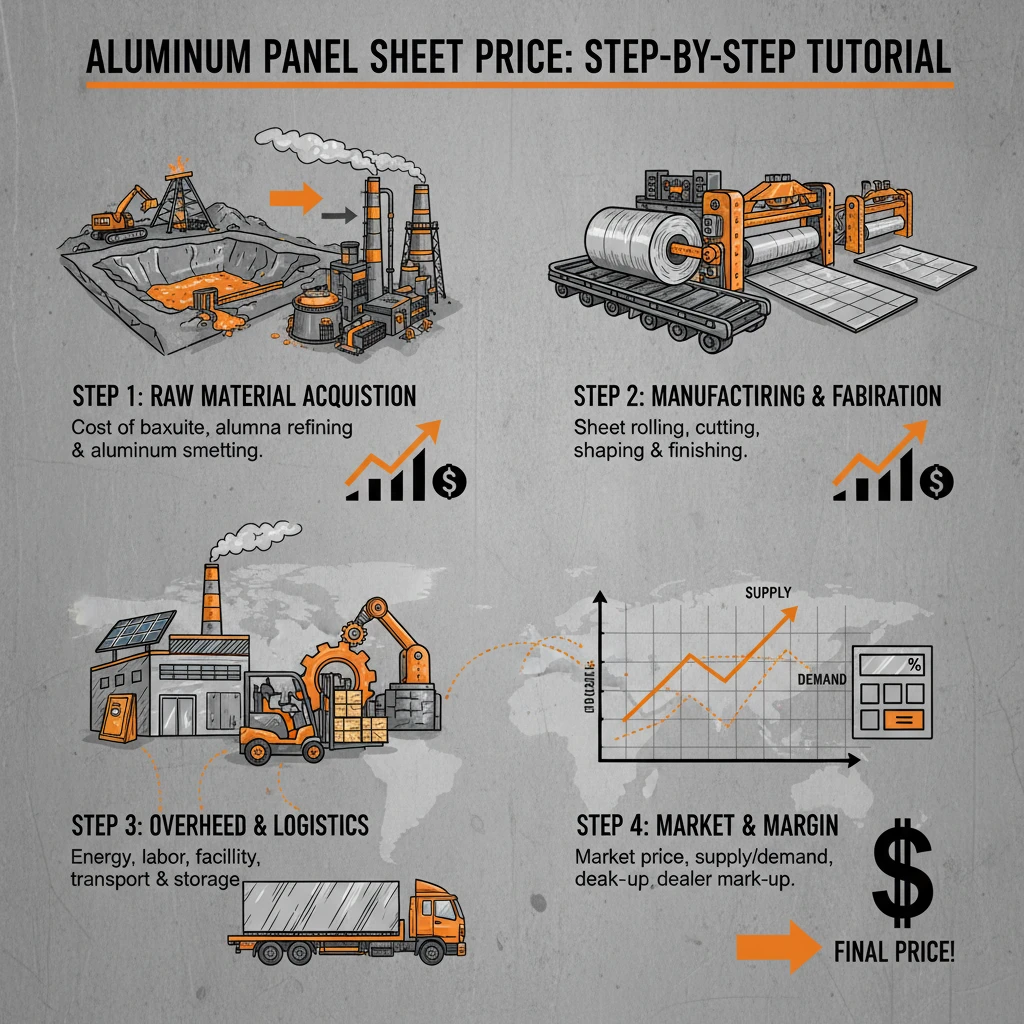
Navigating the world of aluminum panel sheet price can be complex. Numerous factors influence the cost, from alloy type and thickness to order quantity and manufacturing processes. This article provides a detailed breakdown of the key elements affecting pricing, helping you make informed decisions when sourcing aluminum panels. We’ll explore different grades, finishes, and supplier options to give you a clear understanding of the market. Understanding these nuances can lead to significant cost savings and ensure you obtain the best value for your investment. Several factors contribute to the final aluminum panel sheet price. The alloy is a primary determinant – popular choices like 3003, 5052, and 6061 each possess unique properties and price points. Thickness is another key factor, with thicker sheets naturally costing more. Temper (the hardness of the aluminum) also plays a role. Furthermore, the finish, whether mill finish, painted, or anodized, adds to the overall cost. Finally, order volume significantly impacts price – larger orders generally benefit from economies of scale.