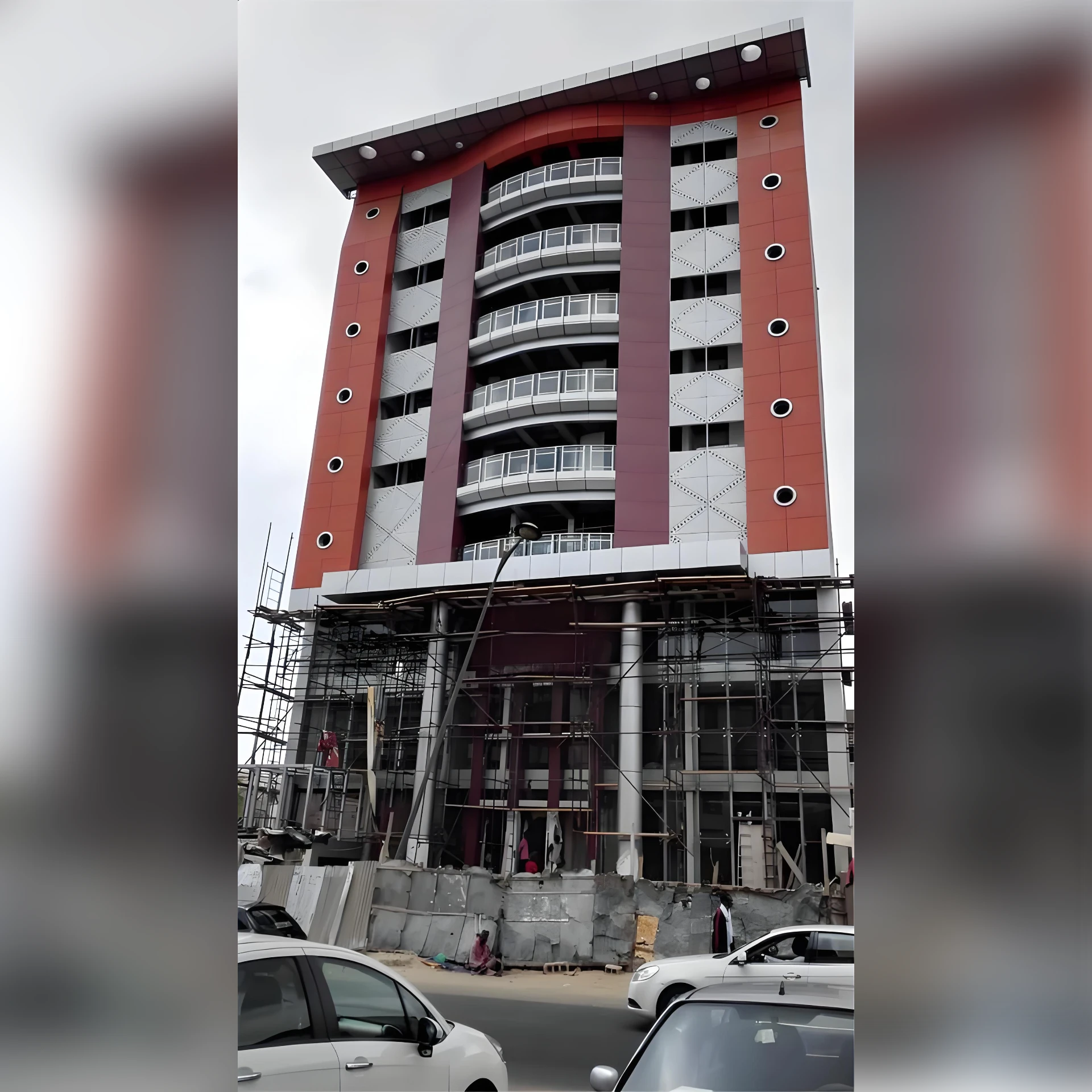
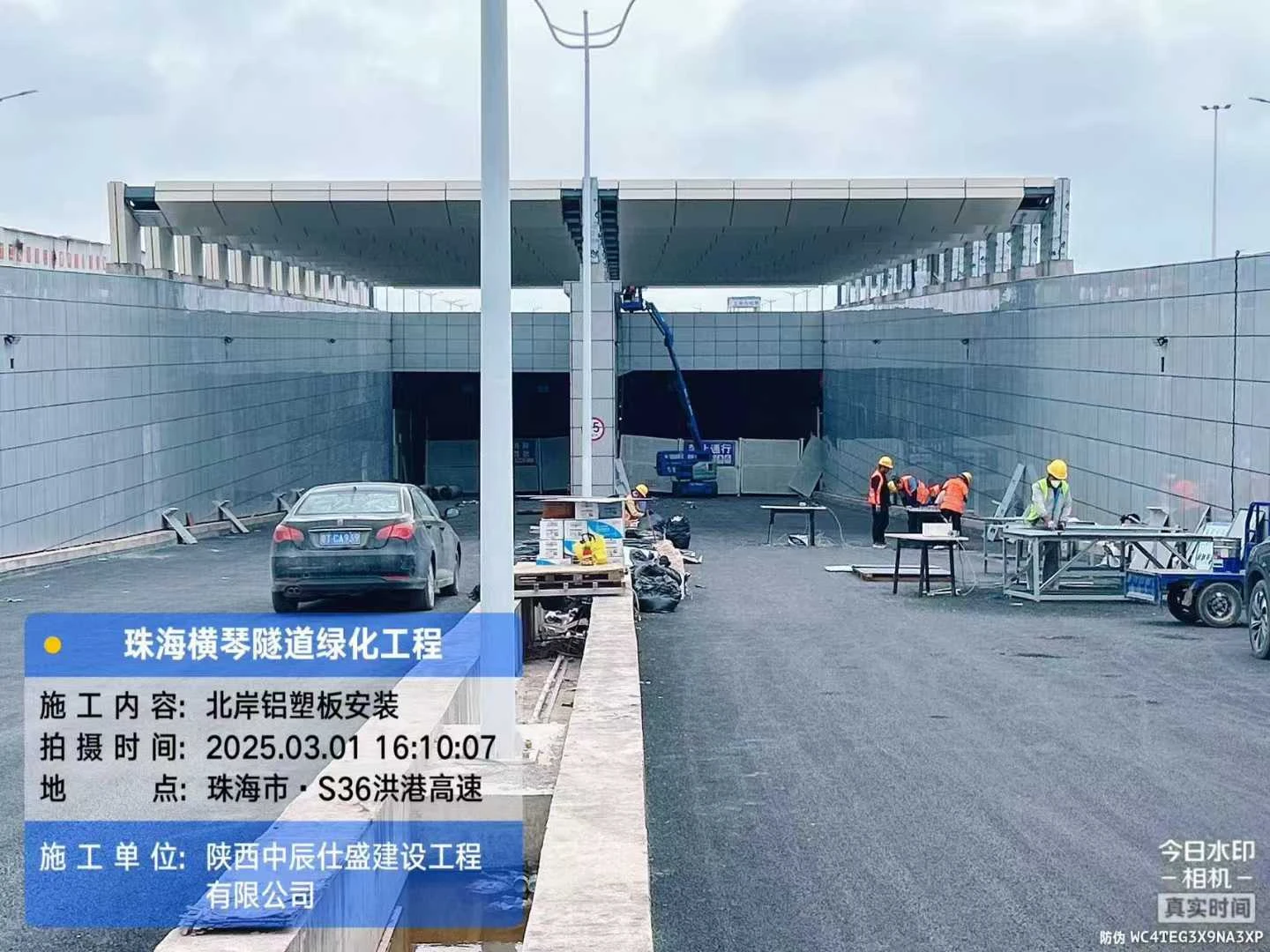
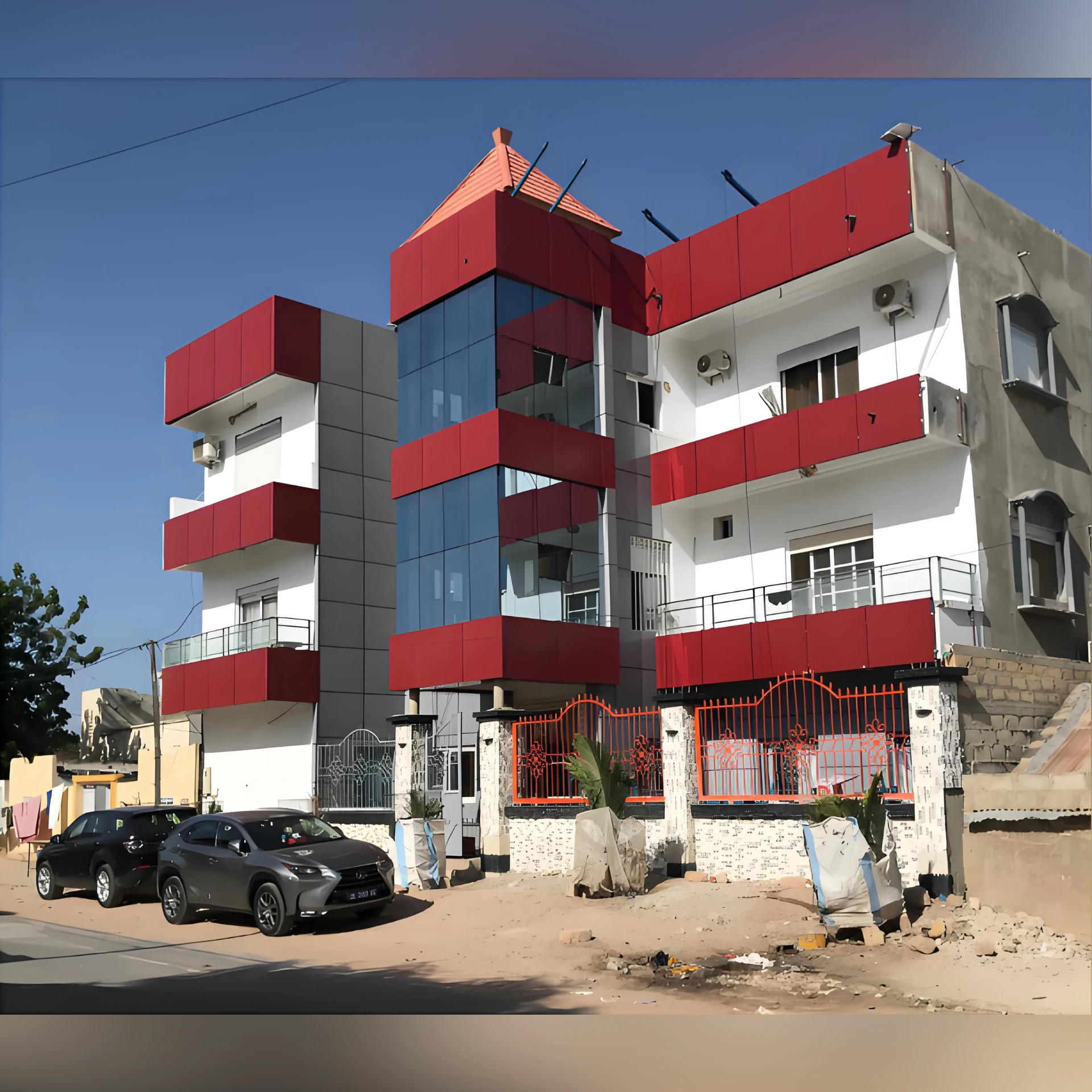
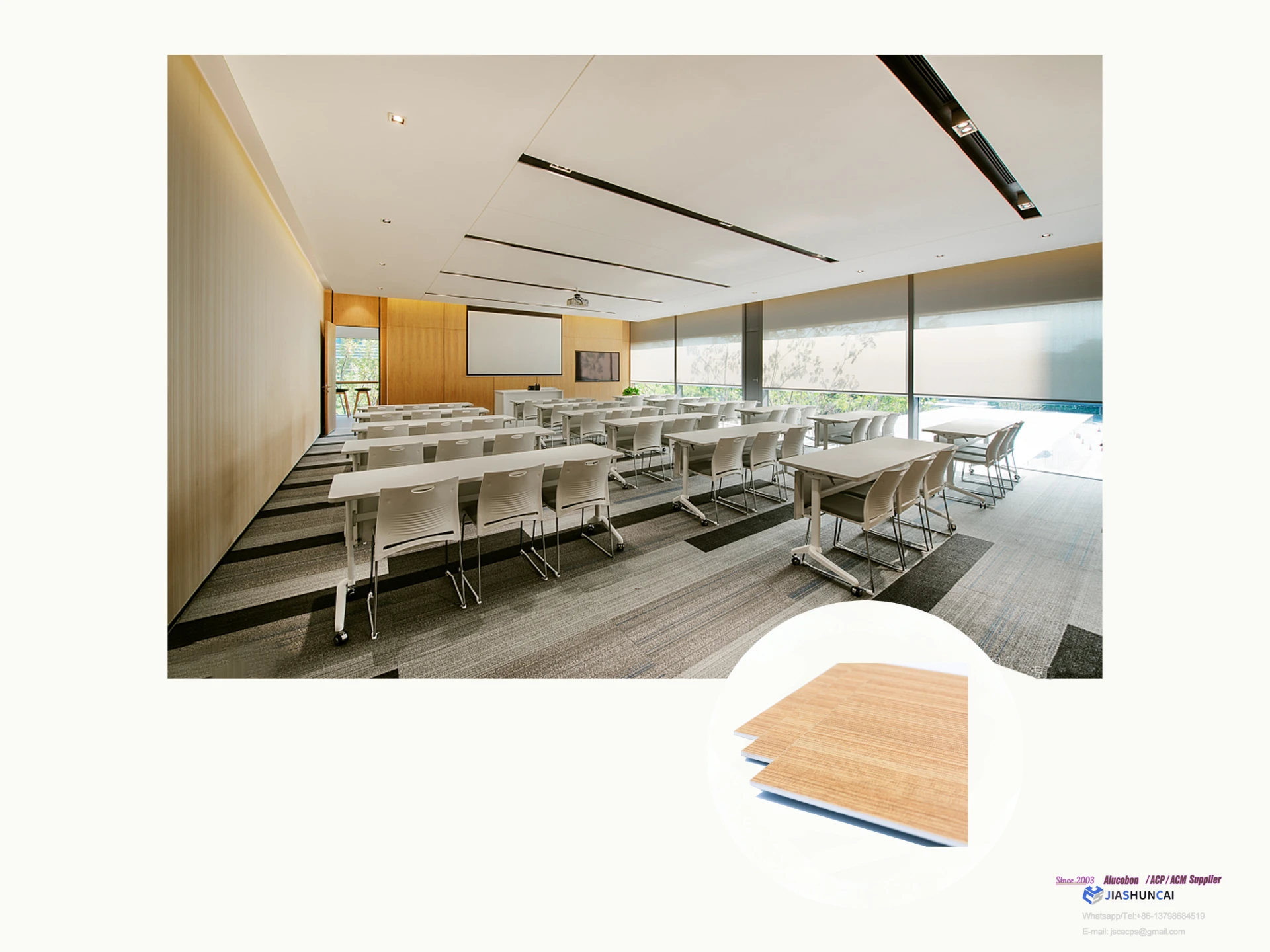
Introduction to Advanced Facade Aluminium Cladding Solutions
In the rapidly evolving landscape of modern architecture and industrial design, the demand for materials that offer a blend of aesthetic appeal, structural integrity, and long-term performance is paramount. Among these, facade aluminium cladding stands out as a superior choice for a diverse range of B2B applications. This comprehensive guide delves into the technical intricacies, application versatility, and strategic advantages of this essential building material. We will explore its manufacturing process, key performance indicators, and how it addresses the complex needs of sectors ranging from petrochemical and metallurgy to cutting-edge commercial developments. Furthermore, we will touch upon its counterparts, such as facade aluminium panels and interior aluminium wall cladding, highlighting their roles in creating cohesive and high-performance building envelopes and internal environments. Our focus is on providing B2B decision-makers and engineers with actionable insights to inform their material selection and project execution.
Industry Trends and Market Outlook
The global market for advanced building materials, particularly in the facade aluminium cladding segment, is experiencing significant growth, driven by an increasing emphasis on sustainable construction, energy efficiency, and innovative architectural designs. Industry reports project a Compound Annual Growth Rate (CAGR) of over 6% for the aluminium composite panel market alone through 2027. Key trends shaping this sector include:
- Sustainability & Green Building Initiatives: A strong push towards LEED and BREEAM certifications is accelerating the adoption of recyclable materials like aluminium. Manufacturers are increasingly focusing on reducing embodied carbon and improving the lifecycle impact of their products.
- Enhanced Performance Standards: Demand for materials with superior fire resistance (A2 non-combustible ratings), improved thermal insulation (U-value optimization), and heightened resistance to extreme weather conditions is driving innovation.
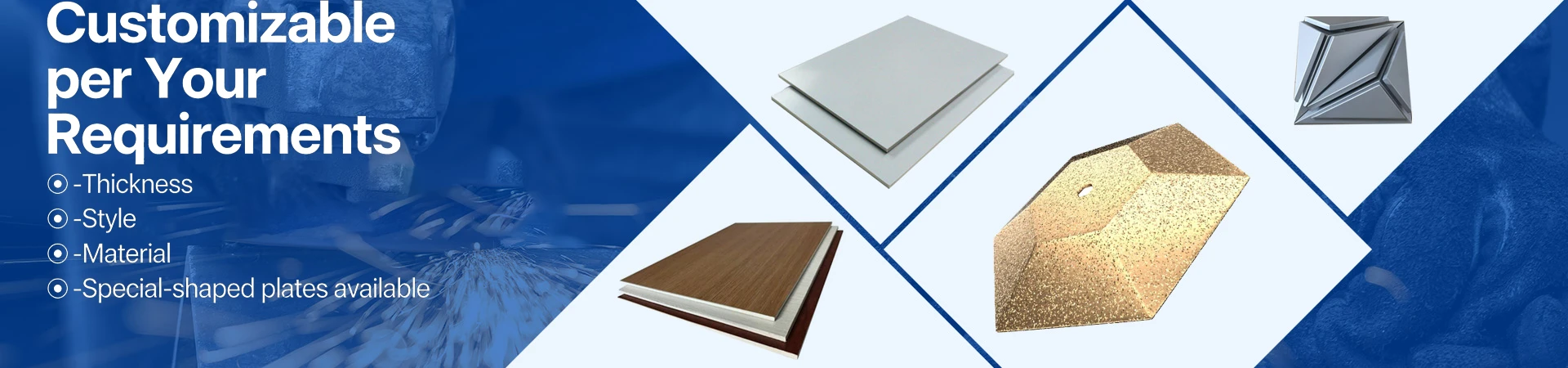
- Customization and Aesthetic Versatility: Architects and designers require greater flexibility in terms of shapes, colors, textures, and finishes. This has led to advancements in coating technologies (e.g., iridescent, textured, natural wood/stone mimicry) and CNC machining capabilities for complex panel geometries.
- Smart Building Integration: Future trends point towards the integration of smart technologies within facade aluminium cladding systems, such as embedded sensors for structural health monitoring, dynamic shading, and even photovoltaic cells for energy generation.
- Growth in Renovation and Retrofit Projects: As urban infrastructure ages, there is a growing market for retrofitting existing buildings with modern, high-performance cladding systems to improve energy efficiency and update aesthetics.
These trends collectively underscore the critical role of robust, adaptable, and high-quality facade aluminium cladding in meeting the demands of contemporary construction.
Manufacturing Process of Facade Aluminium Cladding
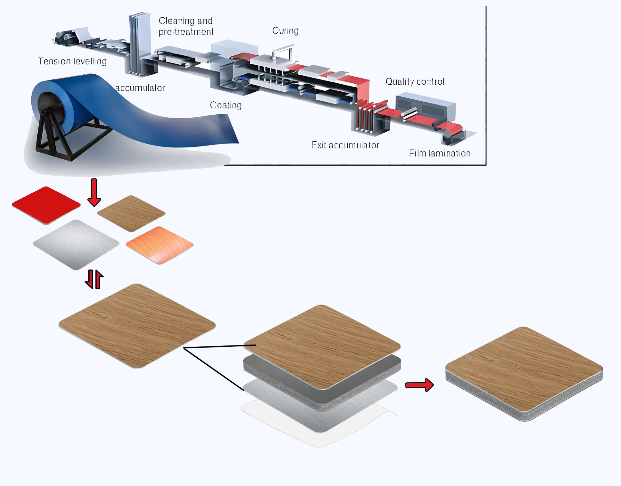
The production of facade aluminium cladding is a meticulous, multi-stage process designed to ensure product integrity, performance, and aesthetic quality. This process leverages advanced engineering and stringent quality controls.
1. Raw Material Sourcing and Inspection
The foundation of high-quality cladding lies in superior raw materials. Typically, aerospace-grade aluminium alloys such as 3003 (for its excellent formability and corrosion resistance), 5005 (for anodizing quality and strength), or 6061 (for structural applications requiring higher strength) are selected. These alloys are sourced from reputable suppliers and undergo rigorous inspection for chemical composition, mechanical properties, and surface integrity to meet international standards like ASTM B209.
2. Core Material Production (for ACPs)
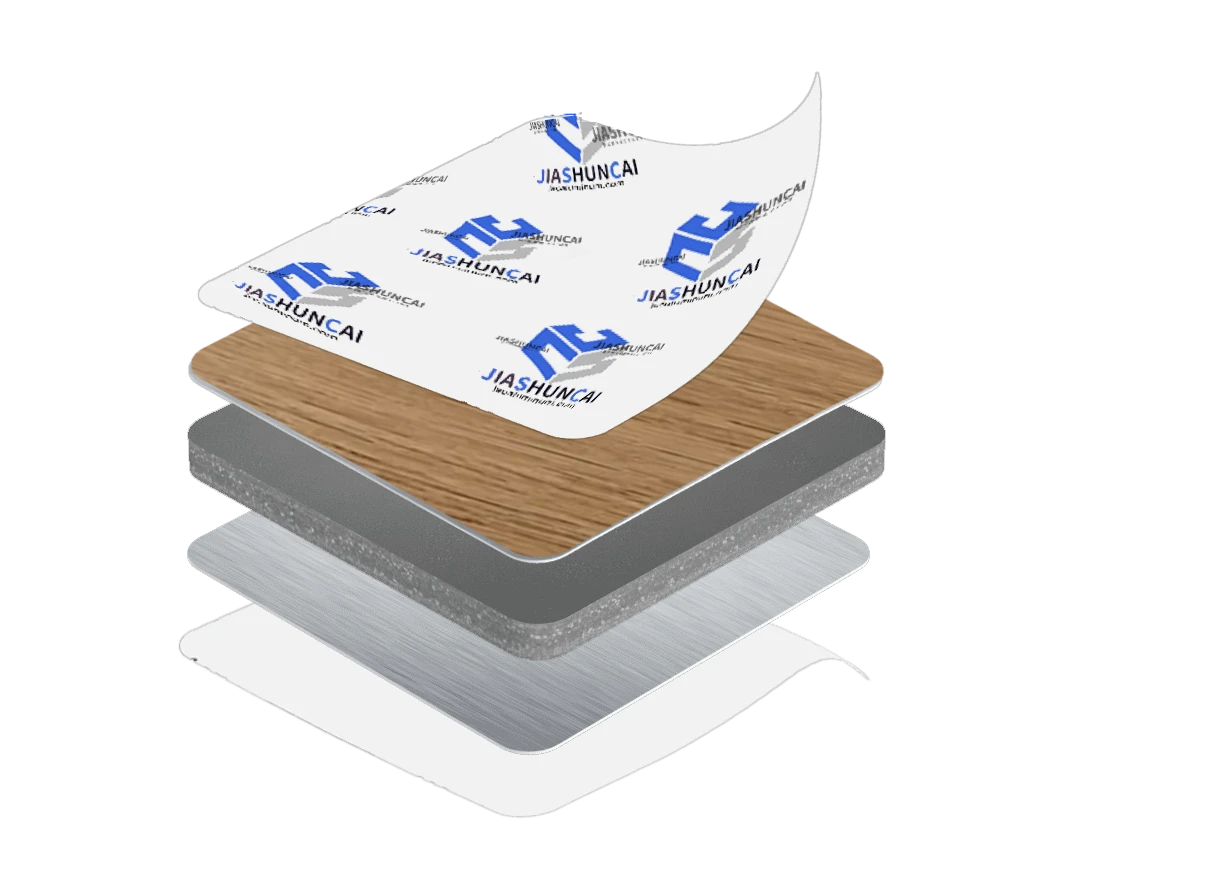
For Aluminium Composite Panels (ACPs), the core material is extruded. This core is commonly made from a thermoplastic polyethylene (PE) or, for enhanced fire safety, a mineral-filled fire-retardant (FR) core composed of non-combustible minerals and polyolefin. The extrusion process ensures uniform thickness and density.
3. Bonding (for ACPs)
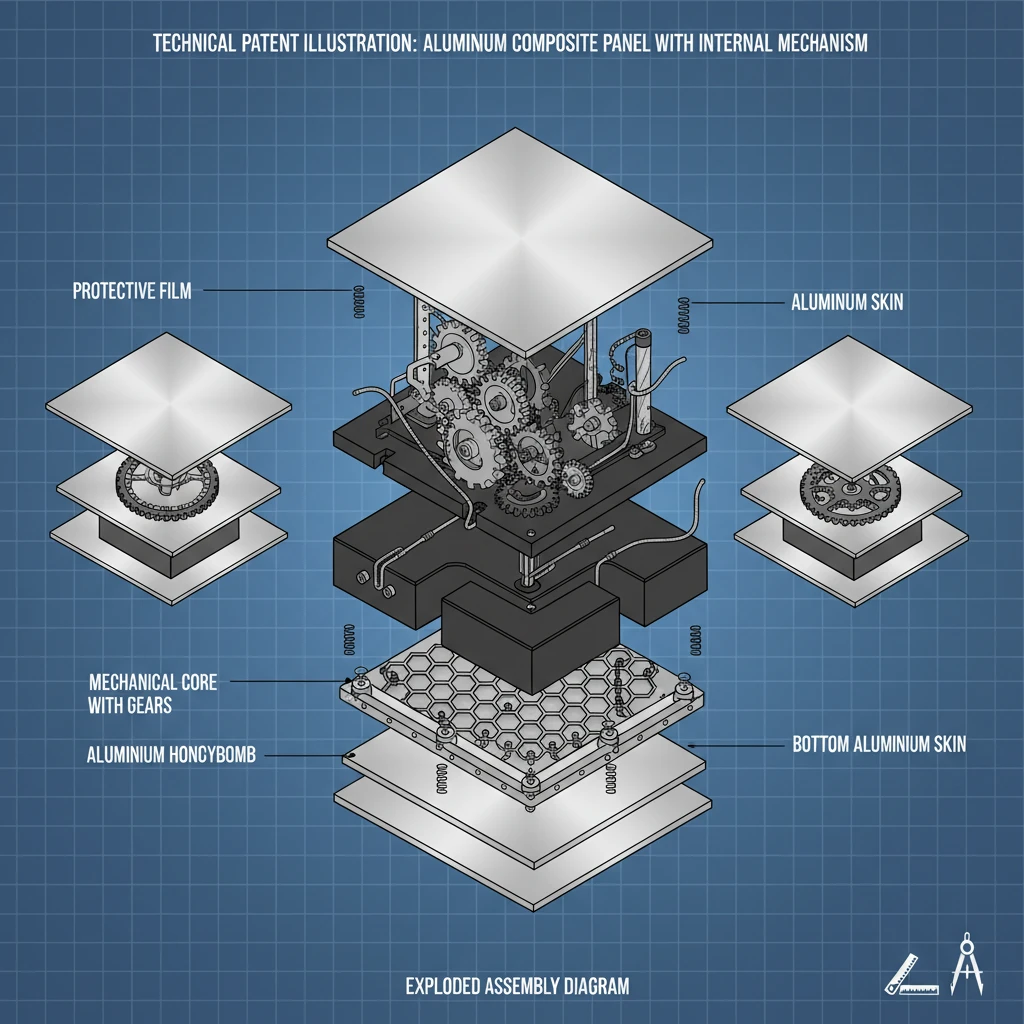
In ACP manufacturing, the pre-treated aluminium skins are continuously bonded to the extruded core material under high temperature and pressure, utilizing specialized adhesive films. This creates a monolithic panel structure with exceptional peel strength, a critical factor for long-term durability, tested per ASTM D903.
4. Surface Treatment and Coating
This stage is critical for aesthetic and protective performance:
- Pre-treatment: Aluminium surfaces are meticulously cleaned and chemically treated (e.g., chromate conversion coating or non-chrome alternatives) to enhance adhesion of coatings and improve corrosion resistance.
- Coating Application:
- PVDF (Polyvinylidene Fluoride) Coating: The industry standard for exterior facade aluminium cladding due to its exceptional UV resistance, color retention, and chemical stability. Applied in multiple layers (primer, color coat, clear coat) via a continuous coil coating process, meeting AAMA 2605 specifications.
- FEVE (Fluoroethylene Vinyl Ether) Coating: Offers similar or superior durability to PVDF, often chosen for high-gloss finishes and extreme weather conditions.
- Powder Coating: Electrostatic application of dry powder, followed by heat curing. Offers a wide range of colors and textures, excellent chip resistance, and environmentally friendly VOC-free processing. Often used for interior or less exposed exterior applications, complying with AAMA 2604/2603.
- Anodizing: An electrochemical process that thickens the natural oxide layer, enhancing corrosion and abrasion resistance while providing a distinct metallic finish.
5. Cutting, Shaping, and Fabrication
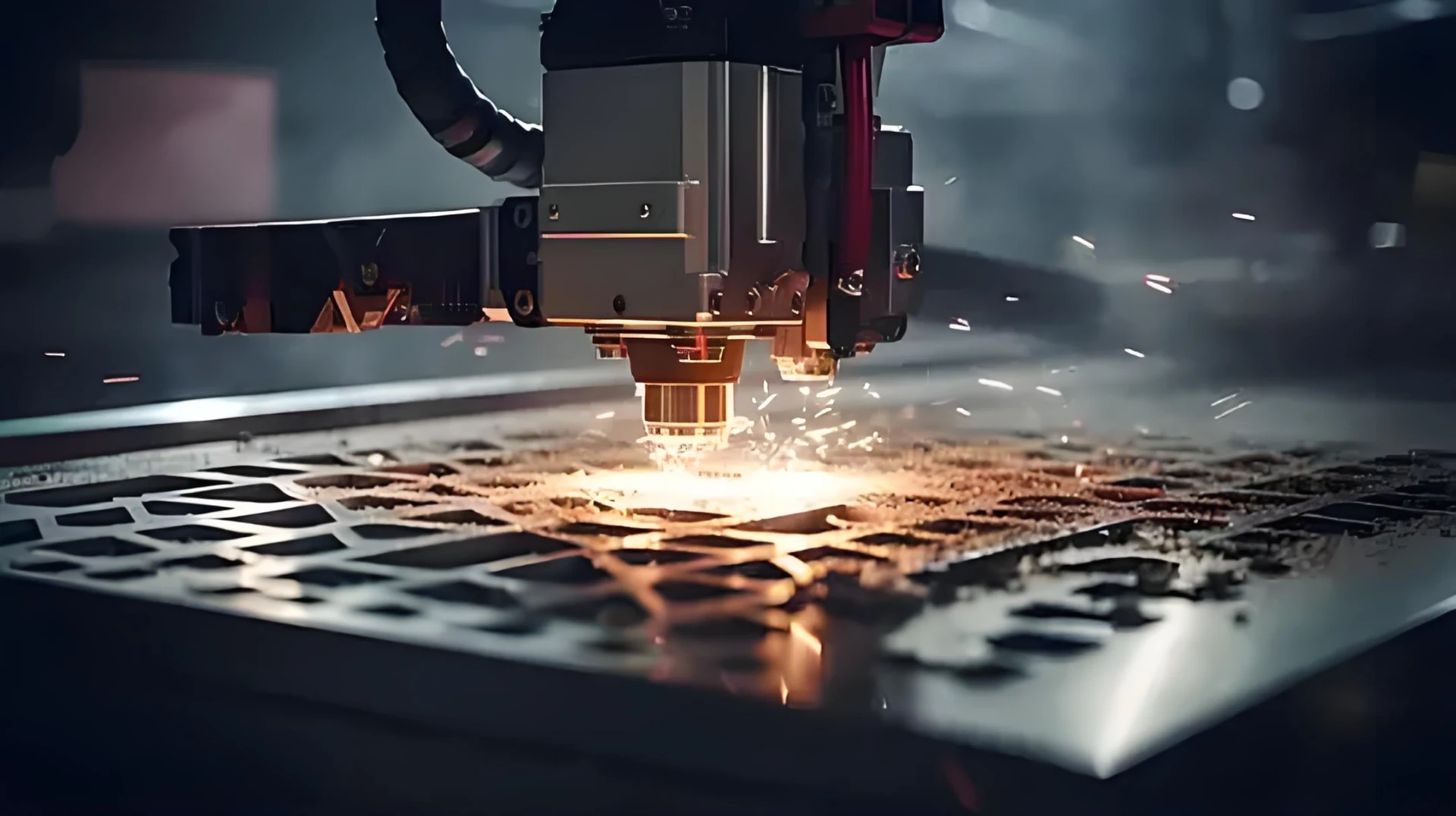
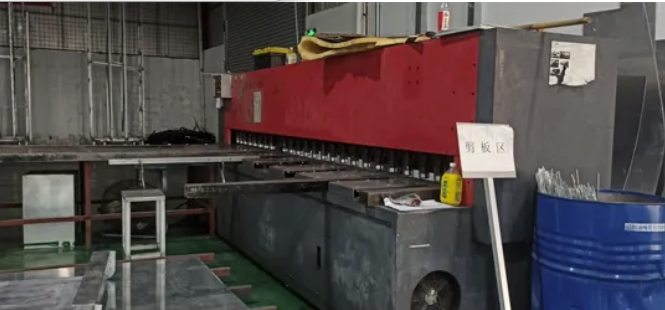
After coating, large sheets or coils are cut to specific dimensions. Advanced CNC (Computer Numerical Control) machining centers are employed for precision cutting, routing, punching, and bending to create complex shapes, panel folds, and intricate designs as per architectural specifications. This ensures high accuracy and consistency across all panels.
6. Assembly and Reinforcement
Panels may be reinforced with stiffeners, brackets, or sub-frames to enhance structural rigidity, especially for large spans or areas subjected to high wind loads. Insulating materials can also be integrated at this stage to improve thermal performance.
7. Quality Control and Testing
Each stage is subjected to stringent quality checks. Final products undergo comprehensive testing, including:
- Coating Adhesion: Cross-hatch and peel tests (ASTM D3359, ASTM D903).
- Color Consistency and Gloss: Spectrophotometry and gloss meter measurements.
- Impact Resistance: Falling weight impact test (ASTM D2794).
- Fire Resistance: ASTM E84, EN 13501-1 (A2, B ratings).
- Wind Load Resistance: ASTM E330.
- Corrosion Resistance: Salt spray tests (ASTM B117).
- Dimensional Accuracy: Verification against technical drawings.
Adherence to international standards such as ISO 9001 (Quality Management System) and ISO 14001 (Environmental Management System) is maintained throughout the process. The service life of properly manufactured and installed facade aluminium cladding is typically 20-50 years, depending on the environment and coating system.
**Target Industries:** Petrochemical facilities (due to corrosion resistance), Metallurgy plants, Water Supply & Drainage infrastructure, High-rise commercial buildings, Airports, Hospitals, Automotive showrooms, and Residential complexes. In these scenarios, advantages like energy saving (with integrated insulation), superior corrosion resistance, lightweight structural impact, and long-term durability are profoundly beneficial.
Technical Specifications and Performance Parameters
Selecting the appropriate facade aluminium cladding requires a thorough understanding of its technical specifications. Below is a detailed product specification table outlining critical parameters for two common types: Aluminium Composite Panels (ACPs) and Solid Aluminium Panels (SAPs).
Table 1: Facade Aluminium Cladding - Typical Product Specifications
| Parameter |
Aluminium Composite Panel (ACP) |
Solid Aluminium Panel (SAP) |
| Alloy Type |
3003, 5005 (Aluminium skins) |
1100, 3003, 5005, 6061 |
| Total Panel Thickness |
3mm, 4mm, 5mm, 6mm |
2mm, 2.5mm, 3mm, 4mm |
| Aluminium Skin Thickness |
0.3mm, 0.4mm, 0.5mm |
N/A (Solid) |
| Core Material (ACP Only) |
LDPE (Standard), FR Mineral Core (Fire-rated) |
N/A (Solid) |
| Standard Panel Width |
1220mm, 1250mm, 1500mm |
Custom up to 1500mm |
| Standard Panel Length |
2440mm, 3200mm, 4000mm, 5800mm (Custom available) |
Custom up to 6000mm |
| Coating Type |
PVDF (70% Kynar 500), FEVE, PE, Anodized |
PVDF (70% Kynar 500), FEVE, Powder Coat, Anodized |
| Fire Rating (EN 13501-1) |
B-s1, d0 (FR Core); A2-s1, d0 (A2 Core) |
A1 (Non-combustible) |
| Thermal Conductivity |
~0.25 - 0.35 W/mK (depends on core) |
~200 W/mK (Aluminium); System-dependent |
| Sound Reduction Index (Rw) |
25-30 dB (4mm ACP) |
22-26 dB (3mm SAP) |
| Weight per sq meter |
5.5 - 8.0 kg/m² (4mm) |
7.3 - 10.9 kg/m² (3-4mm) |
| Wind Load Resistance |
Up to 3.0 kPa (system-dependent) |
Up to 4.0 kPa (system-dependent) |
These parameters are crucial for engineers and architects to ensure structural integrity, thermal performance, fire safety, and acoustic comfort of the building envelope. Understanding the differences between ACPs and SAPs allows for informed decisions based on project-specific requirements and budgetary constraints.
Application Scenarios and Usage Cases
The versatility of facade aluminium cladding makes it suitable for an expansive array of application scenarios across various industries. Its robust nature and aesthetic adaptability allow it to excel in demanding environments and high-profile architectural projects.
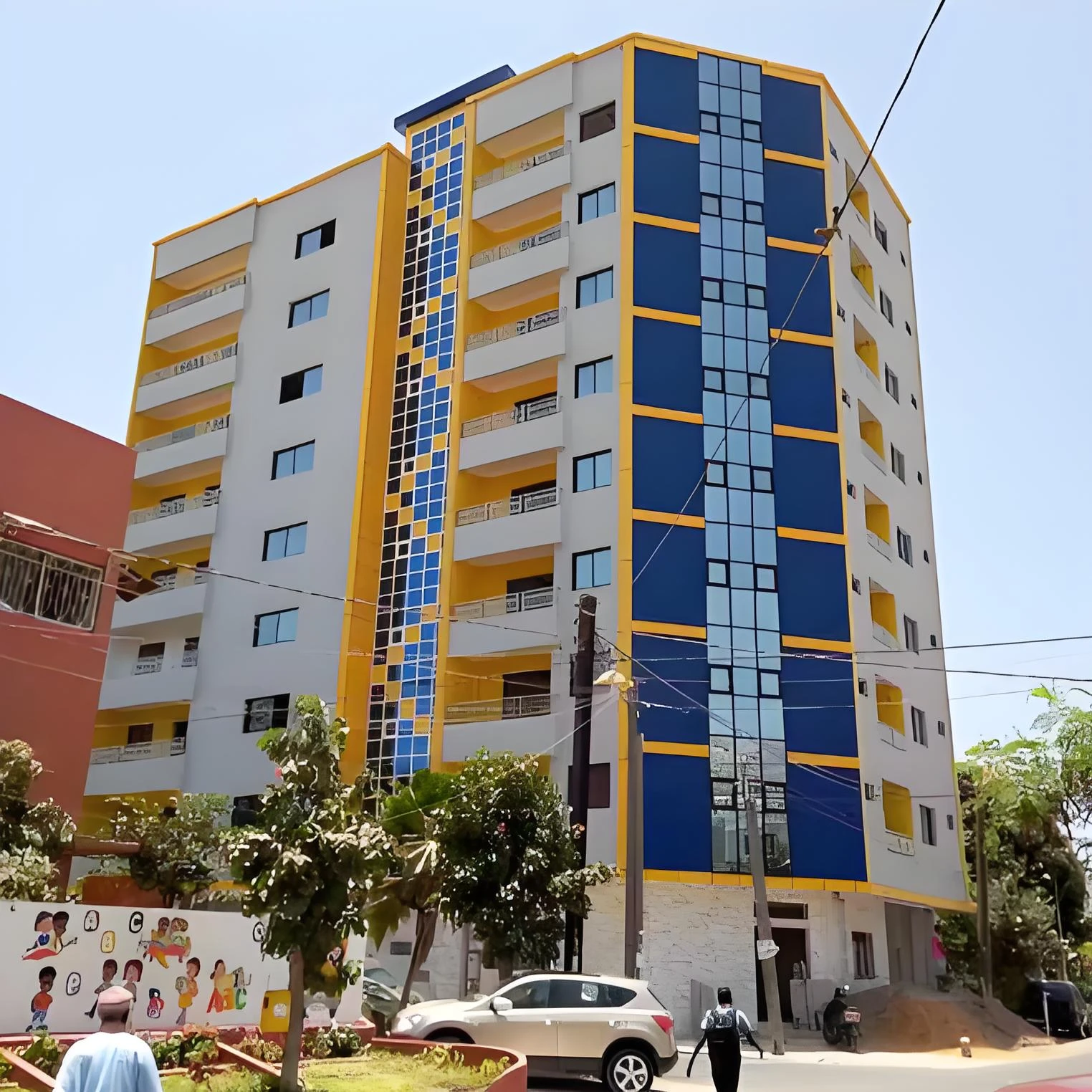
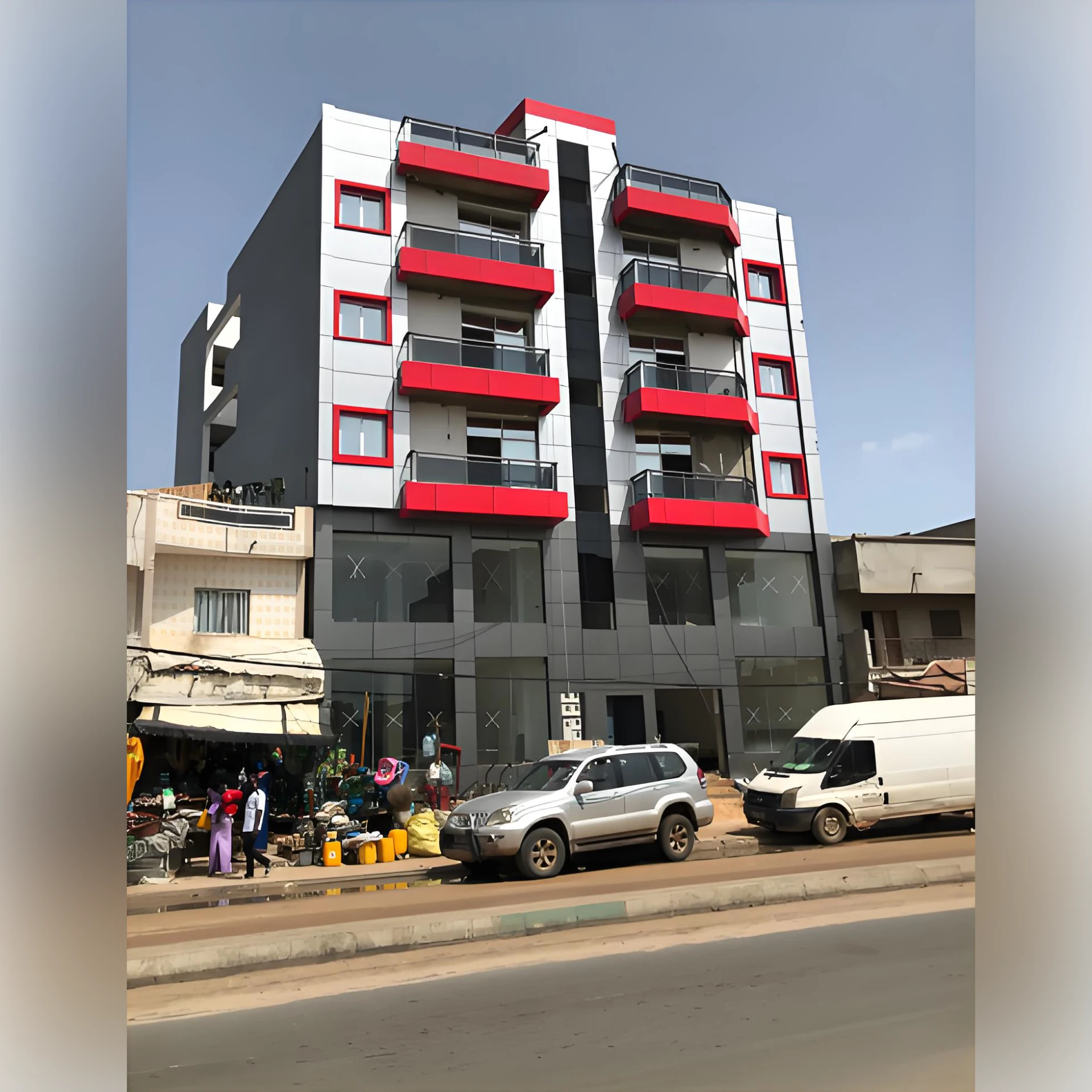
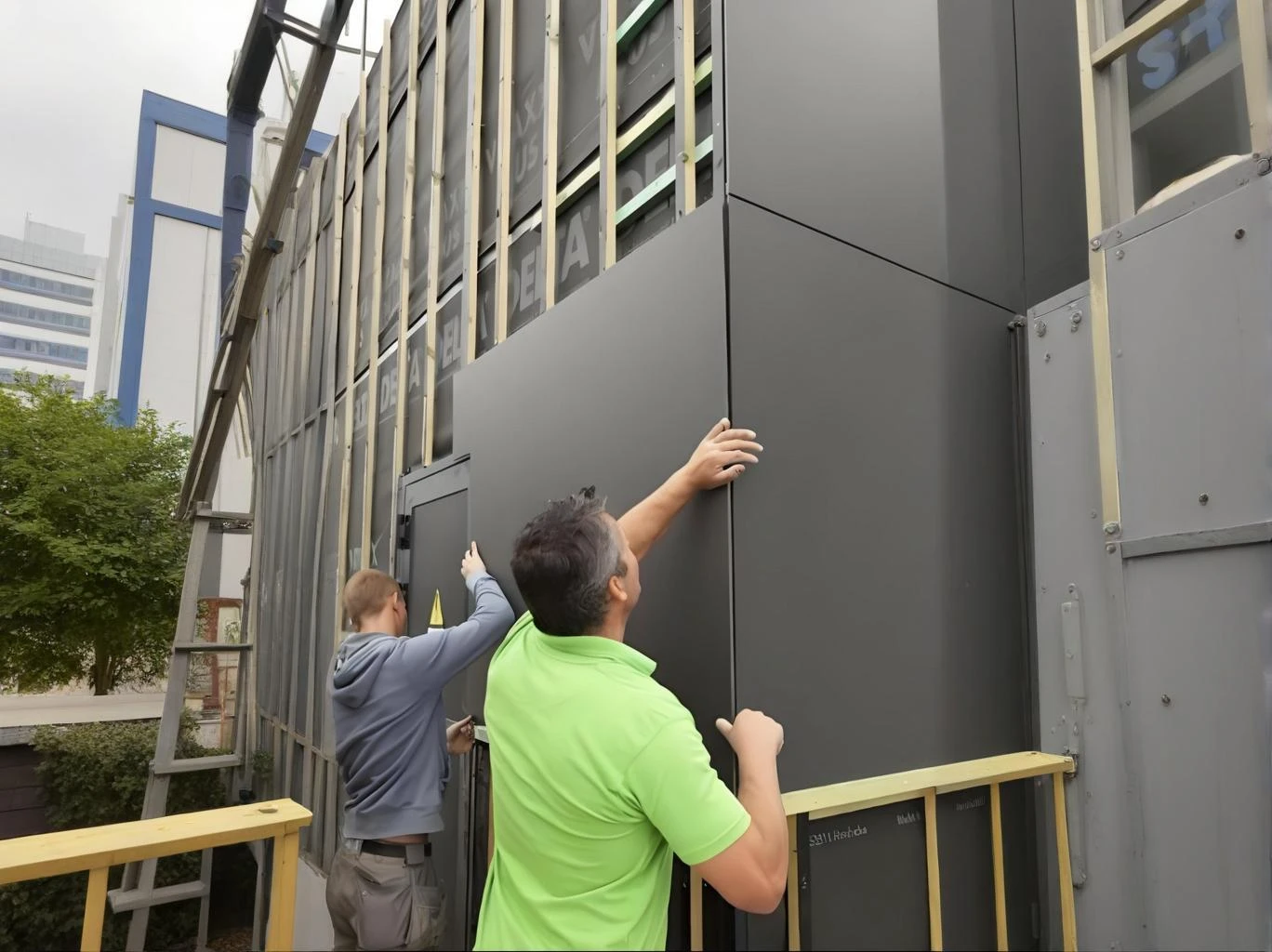
- Commercial High-Rise Buildings: For corporate headquarters, multi-story office complexes, and mixed-use towers, aluminium cladding provides a sleek, modern aesthetic combined with superior weather resistance and energy efficiency. The lightweight nature reduces structural load, while custom fabrication allows for unique design elements.
- Industrial Facilities: In sectors like petrochemical, metallurgy, and water treatment plants, where corrosion from chemicals, moisture, and pollutants is a constant threat, highly resistant PVDF-coated aluminium cladding is indispensable. Its durability minimizes maintenance and extends the operational life of the facility.
- Transportation Hubs: Airports, train stations, and bus terminals benefit from the low maintenance, high durability, and fire safety characteristics of aluminium cladding. It withstands heavy foot traffic, environmental exposure, and offers a clean, modern appearance.
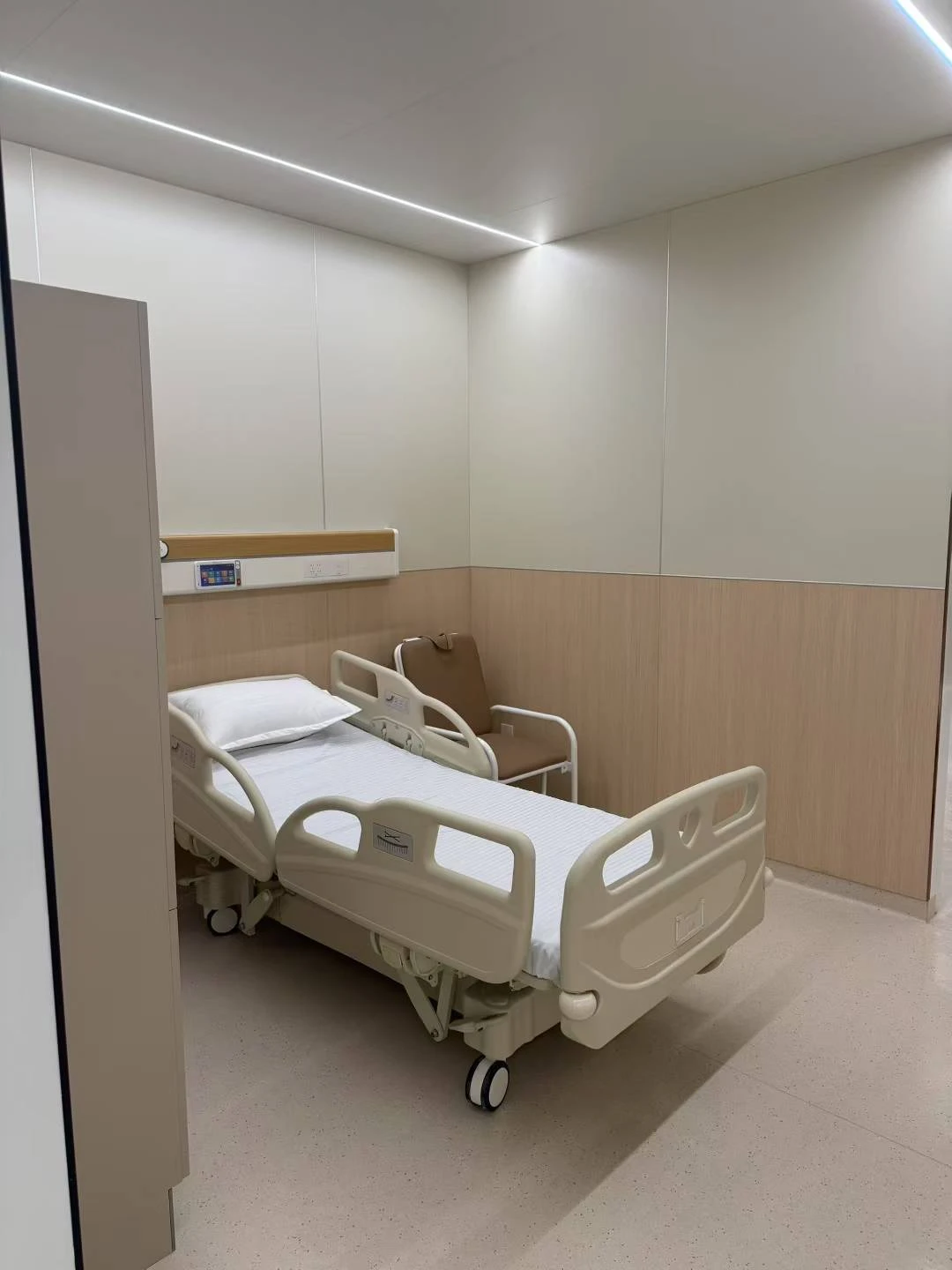
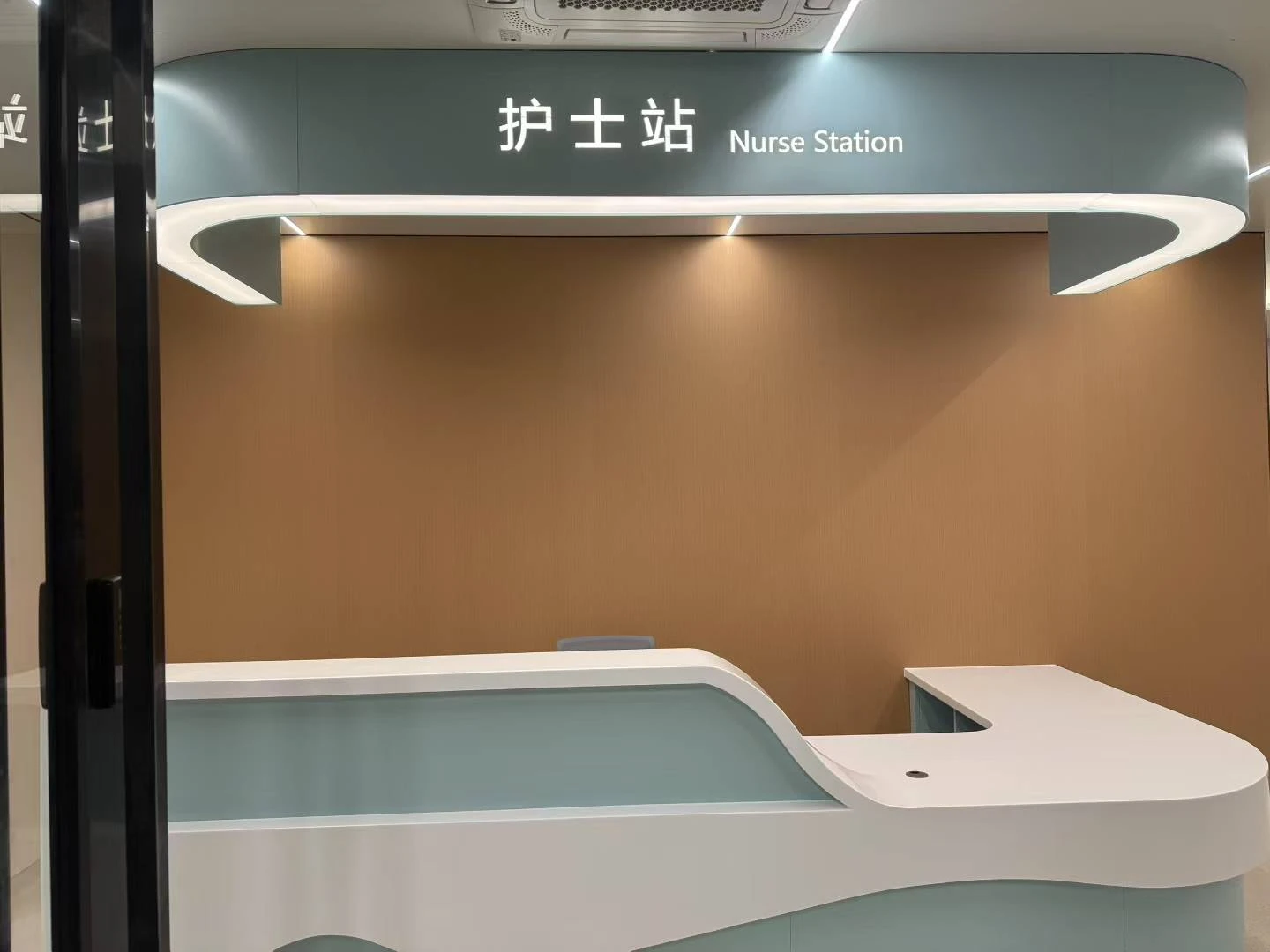
- Healthcare and Pharmaceutical Buildings: For hospitals, clinics, and laboratories, hygiene and sterile environments are critical. Interior aluminium wall cladding offers smooth, non-porous surfaces that are easy to clean and sanitize, making them ideal for areas requiring strict sanitation protocols.
- Educational Institutions: Universities, schools, and research centers utilize aluminium cladding for both aesthetic appeal and its long-term cost-effectiveness. The ability to integrate insulation helps manage energy costs in large buildings.
- Retail and Hospitality: Shopping malls, hotels, and resorts leverage the vast aesthetic options of aluminium cladding to create distinctive and inviting facades. Custom colors, textures, and panel shapes contribute to brand identity and customer experience.
- Residential Complexes: High-end residential buildings and multi-family units increasingly use aluminium cladding for its modern look, durability, and low maintenance requirements, providing value for both developers and residents.
For internal applications, interior aluminium wall cladding offers not only decorative appeal but also practical benefits such as sound insulation and robust surface protection in high-traffic corridors, lobbies, and cleanroom environments. Its application ensures a consistent, high-quality finish that withstands daily wear and tear.
Technical Advantages of Facade Aluminium Cladding
The selection of facade aluminium cladding is often driven by a multitude of technical advantages that contribute to the longevity, performance, and sustainability of a structure.
- Exceptional Durability and Longevity: Aluminium's inherent resistance to corrosion, coupled with high-performance coatings like PVDF or FEVE, ensures that cladding panels withstand harsh environmental conditions, including UV radiation, acid rain, and extreme temperatures, without significant degradation for decades.
- Lightweight Properties: With a density approximately one-third that of steel, aluminium cladding significantly reduces the dead load on a building's structure. This can lead to cost savings in foundation and structural steel, simplify installation, and make it ideal for retrofit projects where structural capacity is limited.
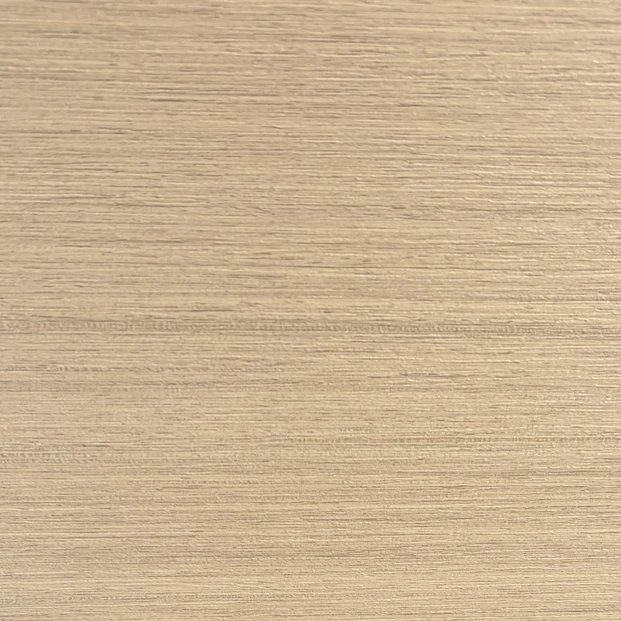
- Superior Aesthetic Versatility: Aluminium can be easily fabricated into a vast array of shapes, sizes, and complex geometries. The range of finishes—from metallic and solid colors to textures mimicking wood, stone, or even custom digital prints—offers unparalleled design freedom, allowing architects to realize unique visions.
- High Fire Safety Ratings: Modern facade aluminium panels are available with A2-rated non-combustible cores (as per EN 13501-1), providing a critical safety advantage, especially in high-rise and public buildings. Solid aluminium panels inherently achieve an A1 non-combustible rating.
- Excellent Energy Efficiency: When integrated with appropriate insulation systems, aluminium cladding significantly enhances a building's thermal performance, reducing heat gain in summer and heat loss in winter. This contributes directly to lower energy consumption and operational costs.
- Environmental Sustainability: Aluminium is 100% recyclable without loss of quality, making it a highly sustainable material choice. The use of recycled aluminium requires only 5% of the energy needed to produce primary aluminium, significantly reducing its environmental footprint.
- Low Maintenance Requirements: The smooth, coated surfaces of aluminium cladding are resistant to dirt adhesion and staining. Routine cleaning with mild soap and water is usually sufficient to maintain its appearance, leading to reduced long-term maintenance costs.
- Sound Insulation: The composite structure of ACPs and the inherent density of solid aluminium can contribute to effective sound dampening, enhancing acoustic comfort within buildings, particularly in noisy urban environments.
Vendor Comparison and Selection Criteria
Choosing the right vendor for facade aluminium cladding is a critical decision that impacts project success, cost-effectiveness, and long-term performance. A comprehensive evaluation based on stringent criteria is essential for B2B procurement.
Table 2: Key Vendor Comparison Parameters for Facade Aluminium Cladding
| Criteria |
High-Quality Vendor Profile |
Typical Market Vendor Profile |
| Certifications |
ISO 9001, ISO 14001, CE, ASTM (E84, E330, D903, D3359), AAMA 2605 (for PVDF) |
Basic ISO, sometimes CE (self-declared), limited specific ASTM/AAMA |
| Material Quality |
Premium alloys (e.g., 3003, 5005, 6061), reputable coil/core suppliers, 70% Kynar 500 PVDF |
Standard commercial alloys, variable core quality, 30% or 50% PVDF/PE coatings |
| Manufacturing Precision |
Advanced CNC machinery, robotic fabrication, strict dimensional tolerances (±0.5mm) |
Manual or semi-automatic, wider tolerances (±2mm), inconsistent panel quality |
| Customization Capabilities |
Extensive (custom shapes, sizes, colors, finishes, integrated systems), strong R&D |
Limited to standard sizes/colors, minimal design flexibility |
| Warranty & Support |
20+ year material & coating warranty, dedicated project managers, technical support, after-sales service |
5-10 year limited warranty, basic customer service, limited technical assistance |
| Lead Time & Logistics |
Reliable lead times, efficient logistics, global distribution networks |
Unpredictable lead times, limited shipping options, potential delays |
| Project Portfolio & Experience |
Extensive track record (10+ years), diverse range of complex projects, international clients |
Limited portfolio, smaller-scale projects, regional focus |
A reputable vendor will not only provide high-quality facade aluminium panels but also act as a strategic partner, offering technical expertise, design assistance, and robust after-sales support. Prioritizing certified products and established manufacturers ensures compliance with building codes and long-term asset value.
Customized Solutions for Unique Projects
Modern architecture increasingly demands bespoke solutions that push conventional boundaries. Leading manufacturers of facade aluminium cladding excel in providing highly customized options to meet these unique project specifications. This adaptability is a key differentiator in the B2B market.
Customization extends beyond mere color matching to encompass intricate panel geometries, integrated functional elements, and specialized performance attributes:
- Tailored Dimensions and Shapes: Utilizing advanced CNC routing and folding capabilities, panels can be manufactured to precise, non-standard dimensions and complex three-dimensional forms, enabling unique facade expressions like curved walls, perforated screens, and elaborate patterns.
- Exclusive Colors and Finishes: Beyond standard RAL or NCS palettes, custom color formulations can be developed to match specific brand guidelines or achieve particular aesthetic effects. This includes specialized metallic, pearlescent, textured, and multi-tone finishes.
- Integrated Systems: Manufacturers can integrate various components directly into the cladding panels, such as concealed fastening systems, ventilation grilles, sunshades, LED lighting, or even pre-installed insulation layers, streamlining on-site installation and improving overall system performance.
- Performance Optimization: Customized solutions can involve specific alloy selections for enhanced strength or corrosion resistance, specialized core materials for superior fire ratings or acoustic dampening, or bespoke coating systems designed for extreme environmental conditions (e.g., highly saline coastal areas or industrial zones with chemical exposure).
- Digital Printing and Branding: High-resolution digital printing on aluminium panels allows for the creation of intricate graphic designs, photographic reproductions, or corporate branding elements, transforming the building facade into a dynamic canvas.
Collaboration between architects, engineers, and the manufacturer from the early design stages is crucial for developing these custom solutions. This ensures that the technical feasibility, structural integrity, and long-term performance are rigorously evaluated and guaranteed.
Application Case Studies
Real-world applications demonstrate the tangible benefits and versatility of facade aluminium cladding. These case studies highlight how advanced cladding solutions address specific project challenges and deliver exceptional results.
Case Study 1: The Apex Towers – Metropolitan Office Complex
Project Type: 40-story Grade A Office Building with retail podium.
Challenge: The client required a prestigious, energy-efficient facade that could be rapidly installed without compromising on aesthetic quality or fire safety. The design incorporated complex curvilinear sections.
Solution Implemented: Custom-fabricated, A2 fire-rated Aluminium Composite Panels with a 70% Kynar 500 PVDF coating were chosen. Panels were pre-cut and routed off-site using CNC technology, then supplied in unitized modules to accelerate installation. The custom iridescent metallic finish created a dynamic visual effect, changing subtly with light conditions. Integrated thermal breaks and a ventilated rainscreen system significantly improved the building's U-value.
Results: The project achieved LEED Gold certification, largely due to the cladding's thermal performance and recyclability. The rapid installation minimized construction time by 15% compared to traditional methods. The aesthetic appeal drew high-profile tenants, exceeding occupancy targets.
Client Testimonial: "The durability and striking aesthetic of the facade aluminium panels exceeded our expectations. The manufacturer's ability to deliver complex shapes with precision was critical to realizing our architectural vision."
Case Study 2: Coastal Petrochemical Processing Plant
Project Type: Expansion of an offshore petrochemical facility's administrative and control buildings.
Challenge: Extreme environmental conditions including high salinity, corrosive chemical fumes, and high UV exposure necessitated a cladding material with unparalleled corrosion resistance and long-term durability, alongside ease of maintenance.
Solution Implemented: Solid 5005 aluminium panels with a highly robust FEVE coating system were specified. The panels were designed with a sophisticated rainscreen facade system, allowing for natural ventilation and preventing moisture ingress. All fastening systems were made from marine-grade stainless steel to prevent galvanic corrosion.
Results: After five years, the cladding shows no signs of degradation, chalking, or fading, significantly outperforming previous materials used on other parts of the facility. Maintenance costs were reduced by 30% due to the self-cleaning nature of the FEVE coating and the robust material. The safety rating of the facility was also enhanced due to the inherent non-combustibility of solid aluminium.
Client Feedback: "For such a critical infrastructure, the reliability and chemical resistance of the aluminium cladding were non-negotiable. It has proven to be an excellent, low-maintenance investment."
Case Study 3: Harmony Interiors – Luxury Residential Lobby
Project Type: Renovation of a high-end residential building lobby and common areas.
Challenge: Create a sophisticated, contemporary interior aesthetic that is also highly durable, easy to clean, and contributes to acoustic comfort in a high-traffic area.
Solution Implemented: Interior aluminium wall cladding, specifically 3mm thick powder-coated solid aluminium panels, was used for accent walls and elevator surrounds. Custom perforated panels with integrated LED backlighting were designed to enhance visual depth and provide subtle illumination. The powder coating offered a rich matte black finish, resistant to scuffs and fingerprints.
Results: The new lobby achieved a striking, modern aesthetic that significantly elevated the building's perceived value. The cladding's durability has withstood constant use without visible wear. The perforated panels subtly improved acoustic performance, reducing echo in the large space.
Customer Feedback: "The choice of interior aluminium wall cladding was a revelation. It provided the high-end look we wanted, but with practical benefits that make it easy to maintain and keep looking pristine."
Frequently Asked Questions (FAQ)
Q1: What is the typical lifespan of facade aluminium cladding?
A1: High-quality facade aluminium cladding, especially with PVDF or FEVE coatings, has an expected service life of 20 to 50 years or more. Factors influencing this include the quality of the raw materials, the coating system, installation quality, and the environmental conditions it is exposed to.
Q2: How does aluminium cladding contribute to a building's energy efficiency?
A2: When integrated into a properly designed rainscreen system with appropriate insulation, aluminium cladding can significantly improve a building's thermal envelope. This reduces heat transfer, leading to lower energy consumption for heating and cooling, and consequently, reduced utility costs and carbon footprint.
Q3: Is facade aluminium cladding fire-resistant?
A3: Yes, modern aluminium cladding is available with high fire safety ratings. Solid aluminium panels are inherently non-combustible (A1 rating). Aluminium Composite Panels (ACPs) are available with special mineral-filled cores that achieve A2-s1, d0 non-combustible ratings according to EN 13501-1, which is suitable for high-rise and public buildings.
Q4: What maintenance is required for aluminium cladding?
A4: Aluminium cladding is renowned for its low maintenance. Periodic cleaning with mild soap and water is typically sufficient to remove accumulated dirt and pollutants, maintaining its aesthetic appeal and protective properties. Avoid abrasive cleaners or harsh chemicals.
Q5: Can facade aluminium panels be customized for unique architectural designs?
A5: Absolutely. Aluminium cladding offers extensive customization options. Manufacturers can fabricate panels into custom sizes, shapes, curves, and perforations. A vast array of custom colors, finishes, and textures can also be achieved through various coating processes, allowing architects to realize highly specific design visions.
Lead Time, Warranty, and Customer Support
Understanding the logistical and support frameworks is crucial for successful project execution and long-term satisfaction when specifying facade aluminium cladding.
Lead Time and Fulfillment
Lead times for aluminium cladding can vary significantly based on the product type, order volume, customization level, and current production schedules.
- Standard Products: For common sizes and colors of facade aluminium panels, lead times typically range from 3-5 weeks from order confirmation.
- Custom Orders: Highly customized shapes, unique finishes, or large-volume projects may require 6-12 weeks, depending on the complexity of fabrication and coating processes.
- Logistics: Reputable manufacturers provide comprehensive logistics support, including packaging, transportation, and international shipping, ensuring timely and safe delivery to the project site.
Warranty Commitments
A robust warranty is a testament to product quality and manufacturer confidence. Our products come with comprehensive warranty coverage, details of which are available on our official product page. Generally, these warranties cover:
- Material Defects: Protection against manufacturing flaws that affect structural integrity.
- Coating Performance: Typically 10-20 years for PE coatings and 20-30 years for PVDF/FEVE coatings, covering issues like excessive chalking, fading, or delamination, beyond industry-standard tolerances.
- Specific terms and conditions apply and are provided with each order. We encourage clients to review the full warranty documentation for specific product lines.
Customer Support and After-Sales Service
Our commitment extends beyond product delivery to providing comprehensive customer support throughout the project lifecycle:
- Dedicated Project Management: Each B2B client is assigned a dedicated project manager to ensure seamless communication, technical guidance, and progress tracking from inquiry to completion.
- Technical Assistance: Our team of engineers and product specialists offers expert advice on material selection, installation best practices, and compliance with local building codes and standards.
- Installation Guidance: We provide detailed installation manuals and, upon request, on-site technical supervision or training for installation teams to ensure optimal application of our facade aluminium panels.
- After-Sales Service: Our support team is readily available to address any post-installation queries, maintenance recommendations, or warranty claims, ensuring continuous client satisfaction.
Conclusion
Facade aluminium cladding represents a pinnacle of modern building material science, offering an unparalleled combination of durability, aesthetic versatility, energy efficiency, and fire safety. Its comprehensive advantages make it the preferred choice for architects, engineers, and developers seeking high-performance, sustainable, and visually striking solutions for a wide range of B2B projects. From the stringent demands of petrochemical plants to the sophisticated designs of metropolitan high-rises, aluminium cladding delivers reliable performance and enduring value. By partnering with reputable manufacturers that prioritize quality, customization, and robust support, businesses can confidently leverage this advanced material to create structures that are not only aesthetically exceptional but also technically superior and future-proof.
References
- ASTM International. (n.d.). Various standards for aluminium and coatings (e.g., ASTM B209, ASTM D3359, ASTM E84). Retrieved from astm.org
- AAMA (Architectural Aluminum Manufacturers Association). (n.d.). AAMA 2605, 2604, 2603 - Voluntary Specification for Superior Performing Organic Coatings on Aluminum Extrusions and Panels. Retrieved from aamanet.org
- European Committee for Standardization. (n.d.). EN 13501-1: Fire classification of construction products and building elements - Part 1: Classification using data from reaction to fire tests. Retrieved from cen.eu
- The Aluminum Association. (n.d.). Aluminum Design Manual. Retrieved from aluminum.org
- Green Building Council. (n.d.). LEED (Leadership in Energy and Environmental Design) rating system resources. Retrieved from usgbc.org