Introduction to Advanced Aluminum Perforated Ceilings
In modern architectural design and industrial applications, the choice of ceiling systems significantly impacts both aesthetics and functional performance. One of the most versatile and high-performance solutions available is the aluminum perforated ceiling. These systems offer an unparalleled combination of durability, acoustic control, aesthetic flexibility, and ease of maintenance, making them a preferred choice for a wide array of demanding environments. This comprehensive guide delves into the technical aspects, market trends, and practical applications of these advanced ceiling solutions, providing B2B decision-makers and engineering professionals with the insights necessary to make informed procurement decisions.
The design versatility inherent in aluminum perforated ceiling panels, often integrated into robust aluminum suspended ceiling grid systems, allows for custom solutions that meet specific project requirements, from enhancing sound absorption in auditoriums to providing efficient ventilation in industrial facilities. Beyond their functional attributes, their sleek, modern appearance contributes significantly to the overall architectural appeal of a space, seamlessly blending form and function.
Manufacturing Process: Precision and Quality Assurance
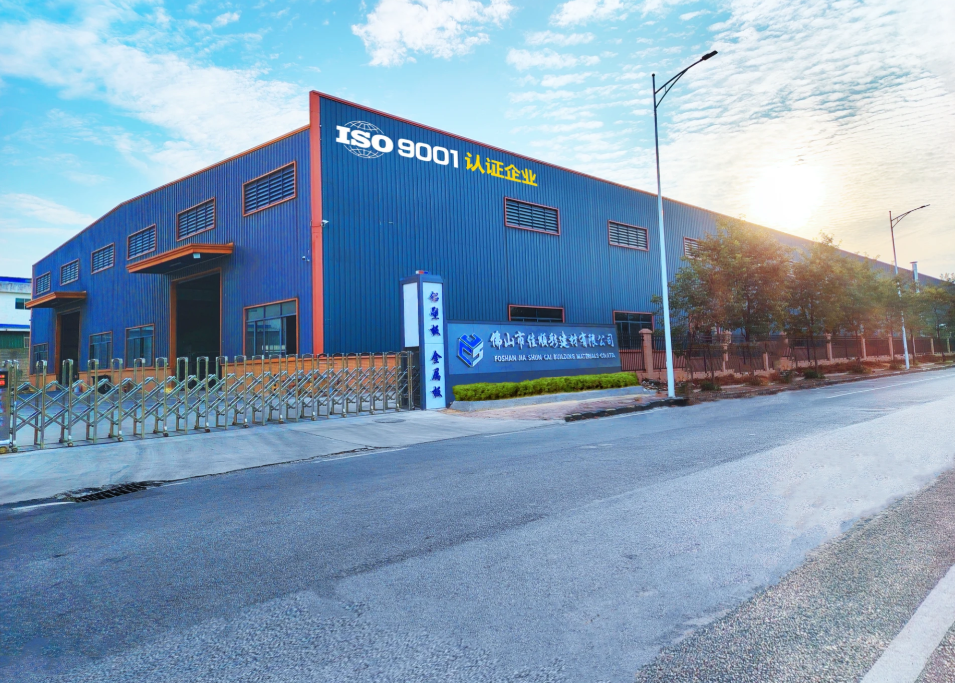
The production of a high-quality aluminum perforated ceiling involves a meticulous multi-stage process, ensuring both structural integrity and aesthetic precision. Our manufacturing protocols adhere strictly to international standards such as ISO 9001 for quality management and ISO 14001 for environmental management, along with specific product performance standards like ASTM E84 for fire safety and ASTM C423 for sound absorption.
Detailed Process Flow:
1. Material Selection & Preparation
Materials: High-grade aluminum alloys, typically 3003 (for corrosion resistance and workability) or 5052 (for higher strength), with specific temper (e.g., H14, H24). Thicknesses range from 0.6mm to 3.0mm depending on application and required rigidity.
Process: Aluminum coils are inspected for surface defects and gauge consistency, then precisely cut into sheets of specified dimensions.
2. Perforation
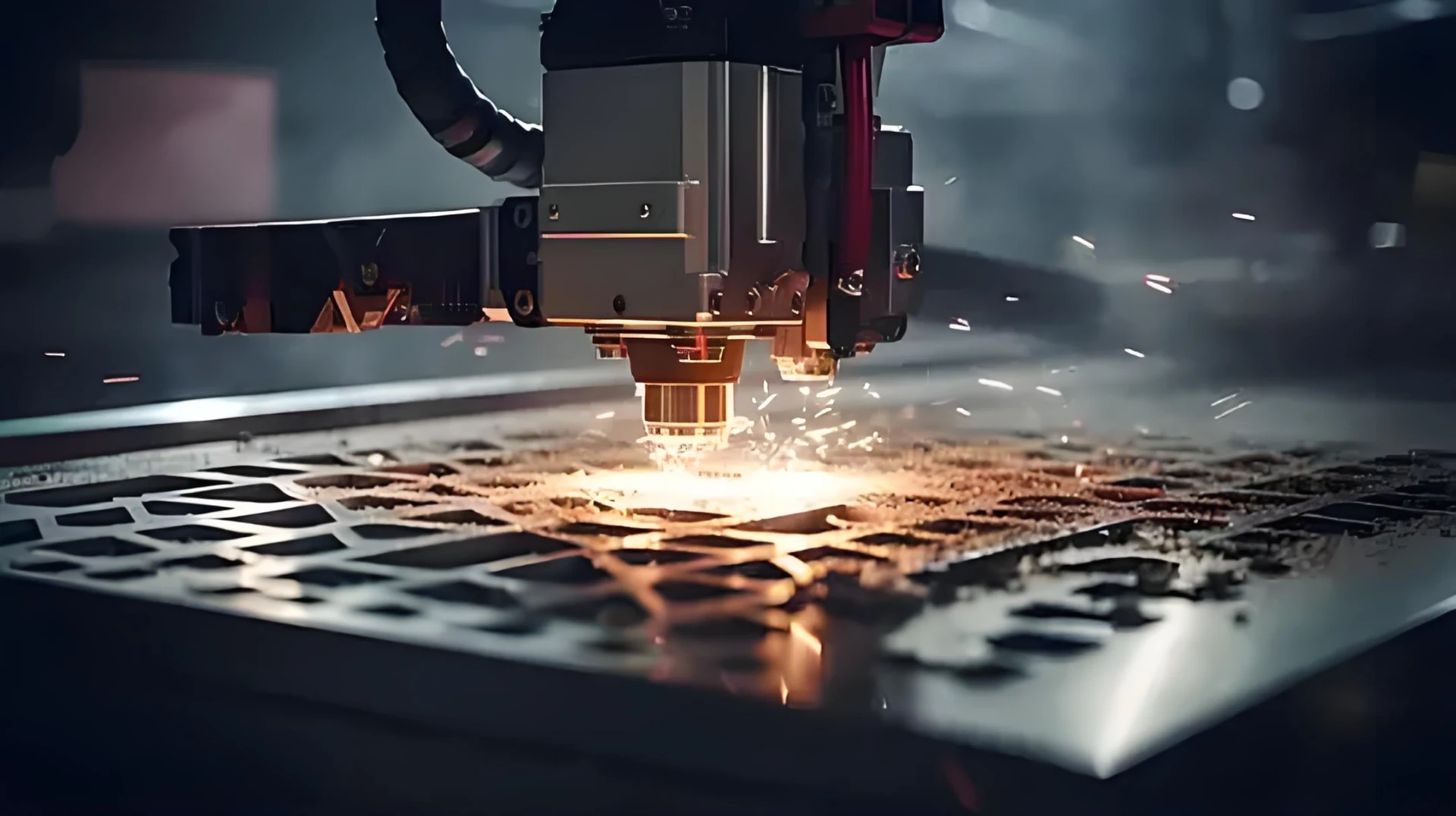
Process: Sheets are fed into high-speed CNC punching machines or rotary perforated presses. Advanced tooling creates precise hole patterns (e.g., round, square, slotted) with varying diameters (1.0mm to 10.0mm) and open area percentages (15% to 40%).
Technology: CAD/CAM software controls the perforation pattern, ensuring consistent hole alignment and burr-free edges.
3. Forming & Fabrication
Process: Perforated sheets are then precision-bent and formed using hydraulic press brakes or roll-forming machines to create desired panel shapes (e.g., flat, curved, linear planks) and edge details, including integrated suspension points.
Customization: Specialized CNC machining is employed for complex shapes or cutouts.
4. Surface Treatment & Finishing
Process: Panels undergo multi-stage cleaning (degreasing, rinsing, chromate conversion) to prepare for finishing. Common finishes include:
- Powder Coating: Electrostatic application of polyester or epoxy powder, then oven-cured for a durable, uniform finish. Adheres to AAMA 2603/2604/2605 standards.
- PVDF (Fluorocarbon) Coating: Multi-layer liquid coating (primer, topcoat, clearcoat) baked at high temperatures for superior UV resistance, color retention, and chemical resistance. Adheres to AAMA 2605.
- Anodizing: Electrochemical process to increase the natural oxide layer, improving corrosion resistance and allowing for various metallic hues. Conforms to MIL-A-8625, Type II or III.
5. Acoustic Backing (Optional)
Materials: Non-woven acoustic fleece (e.g., black tissue), mineral wool, or fiberglass pads.
Process: Acoustically transparent materials are precisely cut and bonded to the back of the perforated panels, significantly enhancing sound absorption capabilities (NRC up to 0.90).
6. Quality Control & Packaging
Testing Standards: Panels undergo rigorous checks for dimensions (ANSI/ASME B89.1.9), surface finish quality, color consistency (Delta E < 2.0), perforation accuracy, and structural integrity. Acoustic performance (ASTM C423) and fire rating (ASTM E84) are verified.
Service Life: Expected service life for properly installed and maintained panels is 25-50 years, largely due to aluminum's inherent corrosion resistance and the quality of modern coatings.
This detailed process ensures that every perforated aluminium false ceiling panel delivered meets the highest standards of quality, performance, and durability required for demanding B2B applications.
Industry Trends and Market Dynamics
The market for perforated aluminium ceiling systems is experiencing significant growth, driven by increasing demand for sustainable building materials, enhanced indoor air quality, and sophisticated aesthetic solutions in commercial and industrial sectors. Key trends include:
- Sustainability Focus: Increasing adoption of aluminum due to its high recyclability (up to 95% post-consumer content) and long lifespan, aligning with LEED and BREEAM certification requirements.
- Acoustic Performance: Growing emphasis on noise reduction in open-plan offices, educational institutions, and healthcare facilities, boosting demand for panels with superior Noise Reduction Coefficient (NRC) values.
- Integrated Systems: Demand for ceiling systems that seamlessly integrate lighting, HVAC, fire suppression, and smart building technologies, often facilitated by robust aluminum suspended ceiling grid designs.
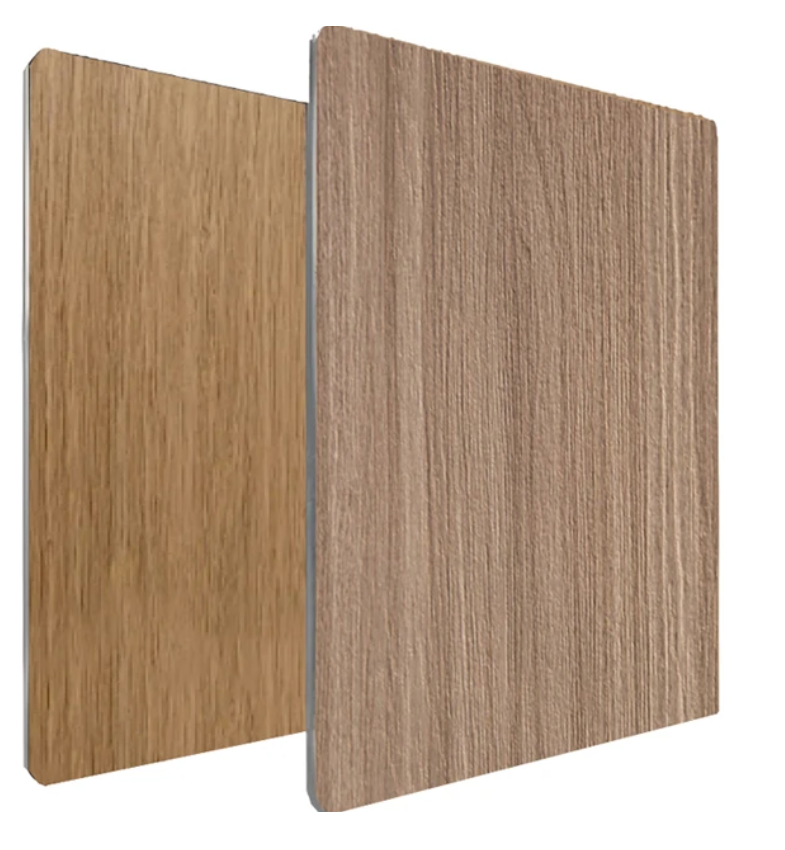
- Customization and Aesthetics: Preference for bespoke designs, including custom perforation patterns, unique panel shapes (e.g., linear, curvilinear, cellular), and a wider range of colors and finishes (e.g., wood grain, metallic effects) to achieve distinct architectural visions.
- Durability and Hygiene: Continued demand for materials that offer excellent corrosion resistance, ease of cleaning, and antimicrobial properties for environments like hospitals, food processing plants, and cleanrooms.
According to recent market analyses, the global aluminum perforated ceiling market is projected to grow at a CAGR of 6.8% from 2023 to 2030, reaching an estimated value of USD 10.5 billion, primarily fueled by urbanization and infrastructure development in emerging economies.
Technical Specifications and Performance Parameters
Understanding the critical technical specifications is paramount for specifying the correct aluminum perforated ceiling system for any given project. Below is a table outlining typical product specifications and performance metrics.
Typical Aluminum Perforated Ceiling Panel Specifications
| Parameter |
Details / Range |
Relevant Standard |
| Material Grade |
Aluminum Alloy 3003-H14/H24, 5052-H32/H34 |
ASTM B209 |
| Panel Thickness |
0.6mm - 3.0mm (0.024" - 0.118") |
ISO 2768-1 |
| Standard Panel Sizes |
600x600mm, 600x1200mm, 300x1200mm (Custom available) |
|
| Perforation Patterns |
Round, Square, Slotted, Custom Artistic |
|
| Perforation Diameter |
1.0mm - 10.0mm |
|
| Open Area Percentage |
15% - 40% (determines acoustic transparency) |
|
| Surface Finishes |
Powder Coating, PVDF Coating, Anodized |
AAMA 2605, AAMA 2604, MIL-A-8625 |
| Noise Reduction Coefficient (NRC) |
0.65 - 0.90 (with acoustic backing) |
ASTM C423 |
| Fire Rating |
Class A Non-Combustible |
ASTM E84, EN 13501-1 (A1) |
| Corrosion Resistance |
Excellent (ASTM B117 Salt Spray Test > 2000 hours for PVDF) |
ASTM B117 |
Application Scenarios and Target Industries
The versatility and robust performance of aluminum perforated ceiling systems make them suitable for a diverse range of demanding environments across various industries. Their unique properties address specific operational challenges, providing both aesthetic and functional benefits.
Key Application Areas:
- Commercial & Office Spaces: Open-plan offices, conference rooms, lobbies, and reception areas benefit from superior acoustic control, modern aesthetics, and integrated HVAC solutions.
- Educational Institutions: Lecture halls, libraries, and classrooms require excellent sound absorption to improve speech intelligibility and create conducive learning environments.
- Healthcare Facilities: Hospitals, clinics, and laboratories prioritize hygiene, ease of cleaning, and non-combustible materials. The corrosion resistance of aluminum is vital here.
- Transportation Hubs: Airports, train stations, and subways utilize these ceilings for durability, ease of maintenance, and fire safety in high-traffic public areas.
- Retail & Hospitality: Shopping malls, hotels, and restaurants leverage the aesthetic flexibility for unique design statements while managing acoustics and providing integrated lighting.
Target Industries:
- Petrochemical: In control rooms and administrative buildings, corrosion resistance and fire safety are paramount. The ability to integrate ventilation systems effectively mitigates gas buildup risks.
- Metallurgy: Facilities require robust, easy-to-clean, and non-corrosive materials. Perforated aluminium false ceiling panels withstand harsh industrial environments, offering long-term reliability.
- Water Supply & Drainage: Pumping stations, control centers, and treatment plants benefit from the corrosion resistance of aluminum in humid and chemically exposed conditions.
- Pharmaceutical & Cleanroom: Demands for sterile, easy-to-sanitize surfaces and systems that minimize particle shedding are perfectly met by specialized aluminum ceilings.
- Data Centers: Effective airflow management through perforated panels is crucial for cooling server racks, contributing to energy saving and operational efficiency.
In data centers, for instance, the precise open area percentage of a perforated aluminium ceiling can be engineered to optimize cold aisle containment, significantly reducing energy consumption related to cooling, often resulting in 15-20% energy savings compared to non-optimized systems.
Technical Advantages and Benefits
The selection of aluminum perforated ceiling systems is driven by a host of technical advantages that directly translate into operational efficiencies and long-term cost savings for B2B clients.
Key Advantages:
- Superior Acoustic Performance: By combining perforations with acoustic fleece, these ceilings can achieve NRC values up to 0.90, effectively reducing reverberation and enhancing sound clarity in any space. This is critical for productivity in offices and learning environments.
- Exceptional Corrosion Resistance: Aluminum's natural oxide layer, further enhanced by high-grade PVDF or anodized finishes, provides outstanding resistance to moisture, chemicals, and pollutants. This is crucial for coastal regions, industrial facilities, and humid environments.
- Fire Safety: Aluminum is non-combustible (Class A fire rating per ASTM E84 / EN 13501-1 A1), meaning it will not ignite, burn, or contribute to flame spread, providing enhanced safety in public and industrial buildings.
- Lightweight & Durable: Despite its strength, aluminum is significantly lighter than steel, easing installation, reducing structural load on buildings, and improving seismic performance. Its durability ensures a long service life, minimizing replacement costs.
- Ventilation and Airflow Management: Customizable perforation patterns allow precise control over airflow, making them ideal for HVAC integration, smoke extraction systems, and maintaining specific air quality parameters in cleanrooms or data centers. This contributes directly to energy saving.
- Sustainable Solution: Aluminum is 100% recyclable without loss of quality, contributing to green building initiatives and reducing environmental impact. Panels often contain high percentages of recycled content.
- Aesthetic Flexibility: Available in a vast array of colors, finishes, and perforation patterns, these ceilings offer unparalleled design freedom to achieve specific architectural visions, from minimalist modern to complex artistic installations.
- Easy Maintenance: The smooth, durable surfaces are easy to clean, resisting dust and grime buildup. Individual panels can often be easily removed for access to the plenum space, simplifying maintenance of services.
These combined advantages position perforated aluminium ceiling systems as a superior choice for projects demanding high performance, longevity, and aesthetic appeal.
Vendor Comparison: Key Differentiators
Selecting the right vendor for your aluminum perforated ceiling needs is crucial. While many manufacturers offer similar products, key differentiators in manufacturing capabilities, quality assurance, customization options, and post-sales support can significantly impact project success and long-term satisfaction.
Comparison Table: Leading Aluminum Ceiling System Providers
| Feature/Criterion |
Our Company (JSC Aluminum) |
Competitor A |
Competitor B |
| Material Certification |
ISO 9001, ISO 14001, CE, ASTM |
ISO 9001, CE |
ISO 9001 |
| Coating Standards |
AAMA 2605 (PVDF), AAMA 2604 (Powder) |
AAMA 2604 |
Proprietary Standard |
| Customization Options |
Extensive (patterns, sizes, shapes, colors) |
Moderate (limited patterns, standard sizes) |
Basic (standard only) |
| Acoustic Performance (Max NRC) |
Up to 0.90 (ASTM C423 certified) |
Up to 0.80 |
Up to 0.70 |
| Lead Time for Custom Orders |
3-5 weeks |
6-8 weeks |
8-10 weeks |
| Warranty (Finish/Performance) |
20-year (PVDF), 10-year (Powder) |
15-year (PVDF), 5-year (Powder) |
10-year (Limited) |
| Technical Support |
Dedicated project managers, on-site consultation |
Email/Phone support |
Basic query resolution |
Our commitment to comprehensive quality control, adherence to global standards, and extensive customization capabilities positions us as a premier provider of aluminum perforated ceiling solutions.
Customized Solutions and Design Flexibility
Recognizing that every architectural project has unique demands, we specialize in providing bespoke perforated aluminium false ceiling solutions. Our advanced manufacturing capabilities and experienced design team enable us to transform complex visions into tangible, high-performance ceiling systems.
Key Customization Areas:
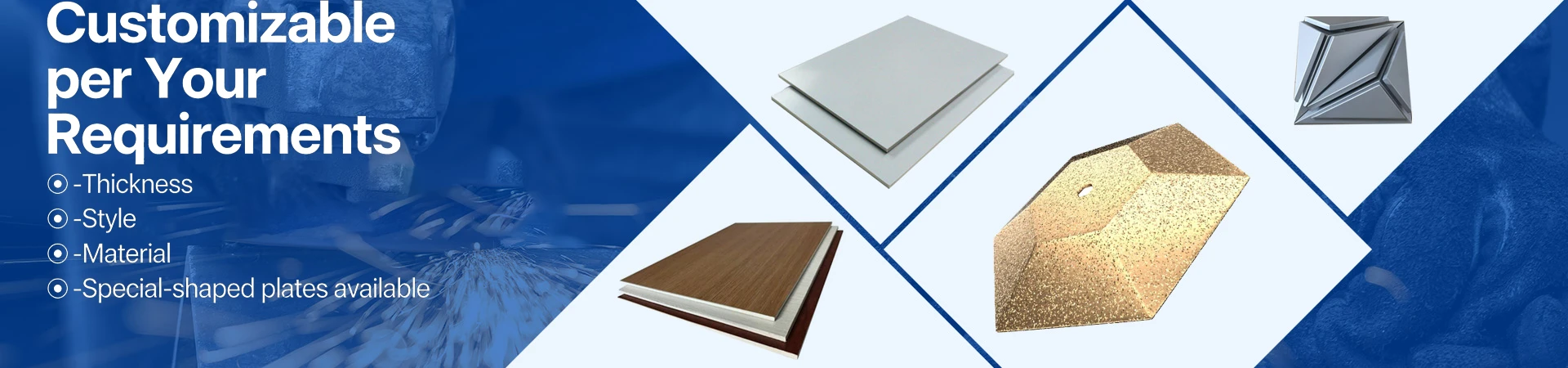
- Perforation Patterns: Beyond standard round or square holes, we offer custom patterns, including intricate artistic designs, corporate logos, or variable open area percentages to create specific visual effects or optimize acoustic performance for distinct frequency ranges.
- Panel Shapes & Sizes: From extra-long linear planks to geometrically complex shapes, curved panels, or bespoke tile sizes, we can produce panels to fit unique architectural envelopes.
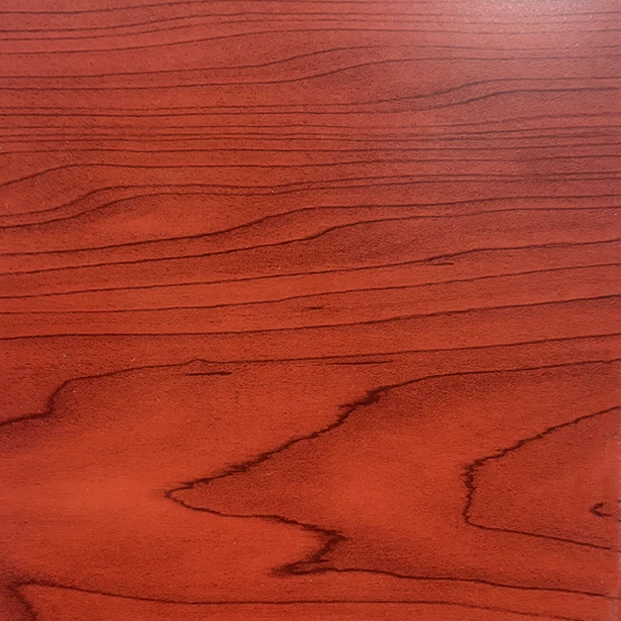
- Color & Finish Matching: Our extensive finishing capabilities allow for precise color matching to existing palettes (e.g., RAL, Pantone), specialized metallic effects, wood grain simulations, or textured finishes that enhance tactile and visual appeal.
- Integrated Systems: We design panels with custom cutouts and reinforcements for seamless integration of lighting fixtures, diffusers, sprinklers, security cameras, and other building services into the aluminum suspended ceiling grid system.
- Acoustic Tuning: Specific acoustic backings and perforation parameters can be engineered to target precise noise reduction requirements for different spaces, from recording studios to bustling concourses.
Our engineers work closely with architects and contractors from concept to completion, utilizing advanced CAD software and prototyping to ensure that the final perforated aluminium ceiling solution not only meets but exceeds aesthetic and functional expectations.
Application Case Studies & Customer Feedback
Our proven track record with major clients demonstrates our capability to deliver complex and high-performance aluminum perforated ceiling solutions. Here are examples of how our products have provided significant value.
Case Study 1: International Airport Terminal Expansion
Challenge: The new terminal required a durable, fire-resistant, and aesthetically pleasing ceiling system that could manage high levels of ambient noise while allowing for flexible integration of signage, lighting, and HVAC. The project also demanded a long-term, low-maintenance solution for high-traffic areas.
Solution: We supplied over 30,000 square meters of custom-sized perforated aluminium ceiling panels (1.5mm thick, 20% open area, round perforations) with a premium PVDF finish for maximum corrosion and UV resistance. Panels were integrated into a robust aluminum suspended ceiling grid with integrated access points for maintenance. Acoustic fleece backing achieved an NRC of 0.85, significantly reducing noise levels.
Outcome: The airport achieved a modern, uncluttered aesthetic with superior acoustic comfort. The durable finish and ease of access reduced maintenance costs by an estimated 25% annually. The project was completed on schedule and within budget, with panels exceeding fire safety and structural integrity requirements.
"The perforated aluminum ceilings provided by JSC Aluminum were a game-changer for our terminal expansion. The acoustic performance is exceptional, and the aesthetics are exactly what we envisioned. Their technical support throughout the design and installation phases was invaluable." - Project Manager, Global Aviation Group.
Case Study 2: High-Performance Data Center
Challenge: A new enterprise data center required a ceiling system that could precisely manage airflow for efficient cooling of server racks, prevent particle contamination, and provide fire resistance, all while being easily maintainable.
Solution: We designed and supplied specialized aluminum perforated ceiling panels with a precisely engineered 35% open area in specific zones for cold aisle containment. The panels featured an anti-static powder coating and were designed for quick, tool-free access to the plenum space.
Outcome: The controlled airflow significantly improved the PUE (Power Usage Effectiveness) of the data center, leading to an estimated 18% reduction in cooling energy consumption. The panels' cleanroom-compatible finish and easy access ensured optimal operational conditions and simplified maintenance, contributing to 99.999% uptime.
"The custom perforated aluminum ceiling system from JSC Aluminum played a crucial role in achieving our energy efficiency targets and maintaining a pristine environment. Their understanding of data center requirements was evident in every detail." - Head of Facilities, Tech Solutions Inc.
Trustworthiness and Support: FAQ, Lead Time, Warranty
We prioritize transparency and comprehensive support to build lasting relationships with our B2B partners. Our commitment extends beyond product delivery to include clear communication, reliable fulfillment, and robust after-sales service.
Frequently Asked Questions (FAQ)
Q: What is the typical lead time for standard aluminum perforated ceiling panels?
A: For standard product configurations, our lead time typically ranges from 2 to 4 weeks from order confirmation to shipment, depending on volume and current production schedule. Expedited options may be available upon request.
Q: Can your perforated ceilings be used outdoors?
A: Yes, our aluminum panels finished with high-performance PVDF coatings are designed for excellent UV and corrosion resistance, making them highly suitable for outdoor applications such as soffits, canopies, and semi-exposed areas. Anodized finishes also offer strong outdoor performance.
Q: How do I calculate the required open area for ventilation or acoustics?
A: Our technical team can assist with precise calculations based on your project's specific airflow requirements (CFM) or desired acoustic performance (NRC). We use industry-standard engineering software and empirical data to ensure optimal results.
Q: Are your products LEED compliant?
A: Our aluminum perforated ceiling panels contribute to LEED certification in several categories, including recycled content (MR Credit 4), low-emitting materials (EQ Credit 4.1 for certain finishes), and regional materials (MR Credit 5, depending on project location). We provide all necessary documentation for LEED submissions.
Lead Time & Fulfillment
Our manufacturing facility operates with optimized production lines and a robust supply chain to ensure efficient order fulfillment.
- Standard Orders: Typically 2-4 weeks.
- Custom Orders: Generally 3-6 weeks, depending on complexity and material availability.
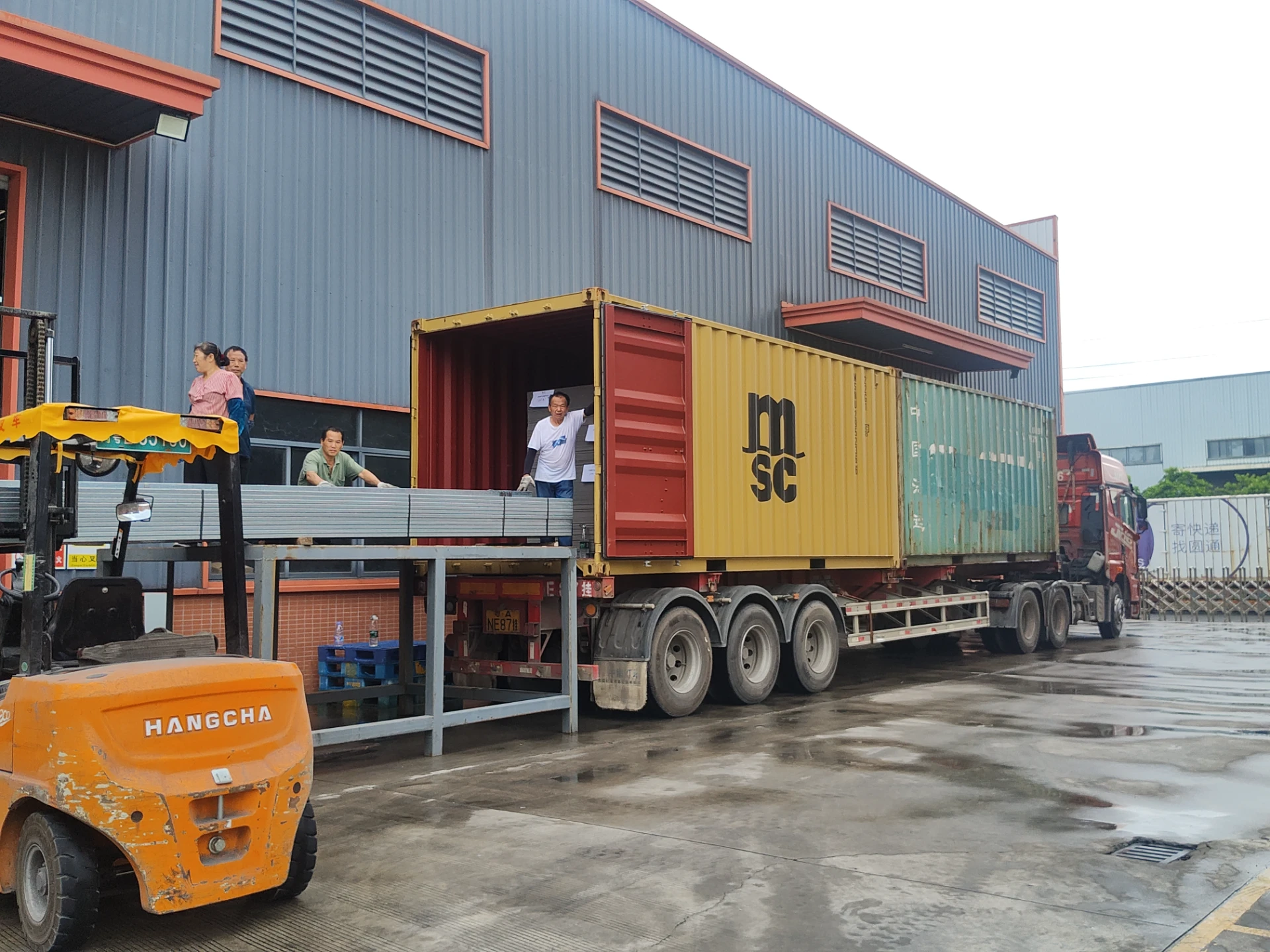
- Logistics: We offer various shipping options, including sea freight, air freight, and land transport, working with trusted logistics partners to ensure timely and secure delivery worldwide. All products are meticulously packaged to prevent damage during transit.
Warranty Commitments
We stand behind the quality and performance of our perforated aluminium false ceiling products.
- PVDF Finish Warranty: Up to 20 years against chipping, cracking, peeling, and excessive fading, provided proper installation and maintenance.
- Powder Coating Warranty: Up to 10 years against finish defects under normal conditions.
- Product Performance Warranty: All panels are guaranteed to meet or exceed published technical specifications for a period of 5 years from the date of purchase.
Detailed warranty statements are available upon request and provided with every order.
Customer Support & After-Sales Service
Our dedicated customer support team is available to assist with all inquiries, from initial specification to post-installation.
- Technical Assistance: Our engineers provide expert guidance on product selection, installation best practices, and troubleshooting.
- Project Management: For large or complex projects, a dedicated project manager is assigned to ensure seamless coordination and communication.
- Documentation: Access to comprehensive technical data sheets, installation guides, and maintenance recommendations.
- Feedback Mechanism: We actively solicit customer feedback to continuously improve our products and services.
Conclusion
The choice of an aluminum perforated ceiling system represents a strategic investment in the long-term performance, aesthetic appeal, and sustainability of any commercial or industrial facility. By offering unparalleled versatility in design, exceptional technical advantages such as superior acoustics, robust corrosion resistance, and inherent fire safety, these systems are poised to meet the evolving demands of modern architecture and engineering.
Our commitment to manufacturing excellence, stringent quality control, extensive customization options, and comprehensive customer support ensures that our perforated aluminium ceiling solutions deliver enduring value. We invite B2B decision-makers and engineering professionals to partner with us to explore how our advanced ceiling systems can elevate your next project.
References:
- ASTM International. (n.d.). Standard Specification for Aluminum and Aluminum-Alloy Sheet and Plate. Retrieved from www.astm.org
- AAMA (Architectural Aluminum Manufacturers Association). (n.d.). AAMA 2605 - Specification for Superior Performing Organic Coatings on Aluminum Extrusions and Panels. Retrieved from aamanet.org
- ISO (International Organization for Standardization). (n.d.). ISO 9001: Quality management systems – Requirements. Retrieved from www.iso.org
- US Green Building Council. (n.d.). LEED Certification. Retrieved from new.usgbc.org
- Acoustical Society of America. (n.d.). Acoustical Standards and Related Publications. Retrieved from acoustics.org