Understanding the Aluminum Corrugated Panel: A Modern Industrial Marvel
Aluminum corrugated panels are everywhere once you start looking—roofing sheets, siding on warehouses, even components in certain vehicle bodies. But beyond their industrial ubiquity lies an engineering marvel that addresses significant global challenges. These panels offer durability, lightweight strength, and adaptability, making them essential in construction, disaster relief shelters, and sustainable architecture worldwide.
Why Does It Matter Globally?
The international construction sector alone was valued at over $11 trillion in 2022 according to Statista, with increasing demand for materials that marry resilience with cost efficiency. The aluminum corrugated panel stands out because it meets these demands while contributing to sustainability goals. In fast-developing regions prone to extreme weather, these panels can provide safer, long-lasting infrastructure, reducing human and financial risk.
Mini Takeaway: Aluminum corrugated panels play a critical role in modern infrastructure, blending strength, affordability, and sustainability to meet global construction challenges.
Defining the Aluminum Corrugated Panel
Put simply, an aluminum corrugated panel is a flat sheet of aluminum metal formed into a wavy pattern (corrugation) that increases its rigidity and load-bearing capabilities without adding much weight. It’s lightweight yet strong — qualities that have made it increasingly popular in sectors ranging from industrial roofing to emergency housing.
Its connection to humanitarian needs is notable, especially for rapid deployment shelters after natural disasters, where speed and portability are vital. Aluminum’s corrosion resistance adds lasting reliability to such applications - something traditional materials often lack.
Key Features of Aluminum Corrugated Panels
Durability
The corrugation pattern boosts the structural integrity, allowing these panels to withstand heavy loads and wind impacts that flat sheets couldn’t handle. Aluminum’s natural oxide layer contributes excellent corrosion resistance, vital in harsh climates or coastal regions.
Lightweight Design
This is probably the biggest selling point: a panel that’s easy to transport and install yet doesn’t sacrifice strength. This lightweight aspect also means less energy use during transport, aligning with eco-conscious and cost-saving measures.
Cost Efficiency
While aluminum isn't as cheap as some plastics or cheaper metals, its longevity and reduced maintenance needs make it a very cost-effective option over time. And since these panels can be prefabricated, installation times — and therefore labor costs — are noticeably reduced.
Scalability & Customization
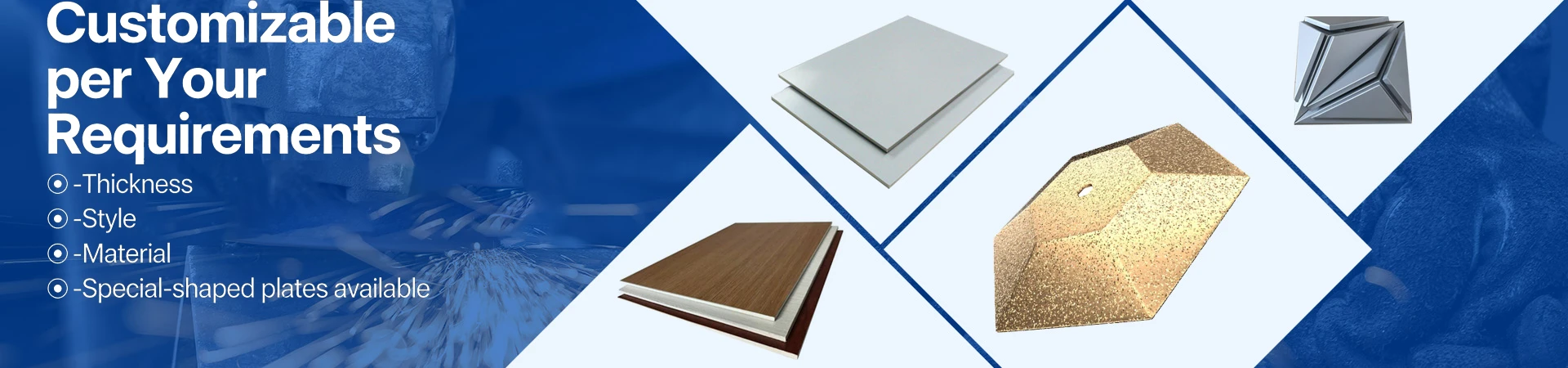
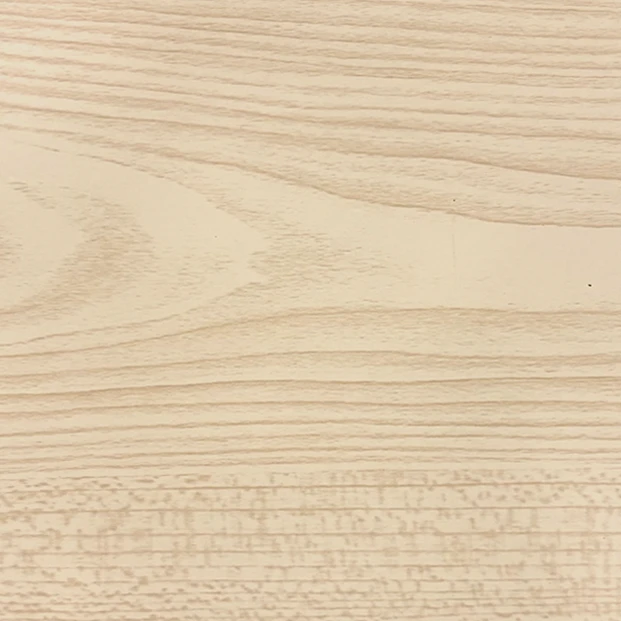
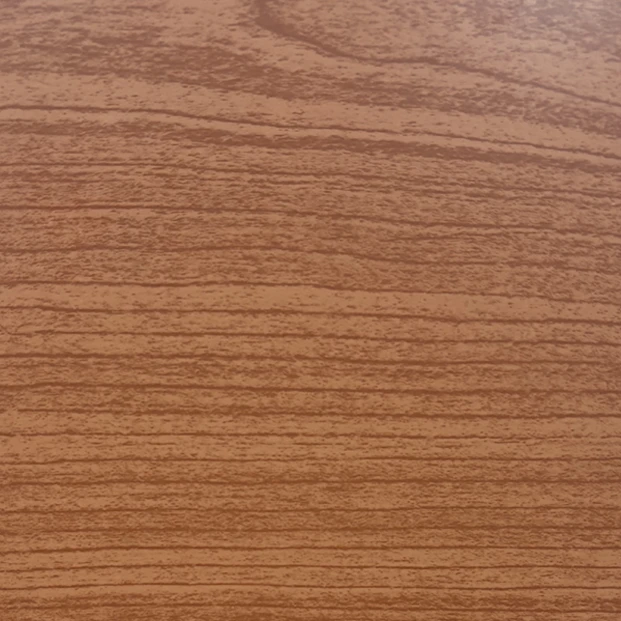
Aluminum corrugated panels come in various thicknesses, widths, and coating finishes. This scalability allows them to be tailored for everything from industrial warehouses to rural housing in fragile economies.
Technical Snapshot: Aluminum Corrugated Panel Specifications
| Specification |
Details |
| Material |
Aluminum alloy 3003 or 5052 |
| Thickness |
0.4 – 1.2 mm |
| Corrugation Pitch |
25 – 76 mm (varies by application) |
| Coating |
Polyester paint, PVDF, Anodized options |
| Weight |
Approx. 1.5 – 3.0 kg/m² |
| Lifespan |
20+ years with proper maintenance |
Global Applications & Use Cases
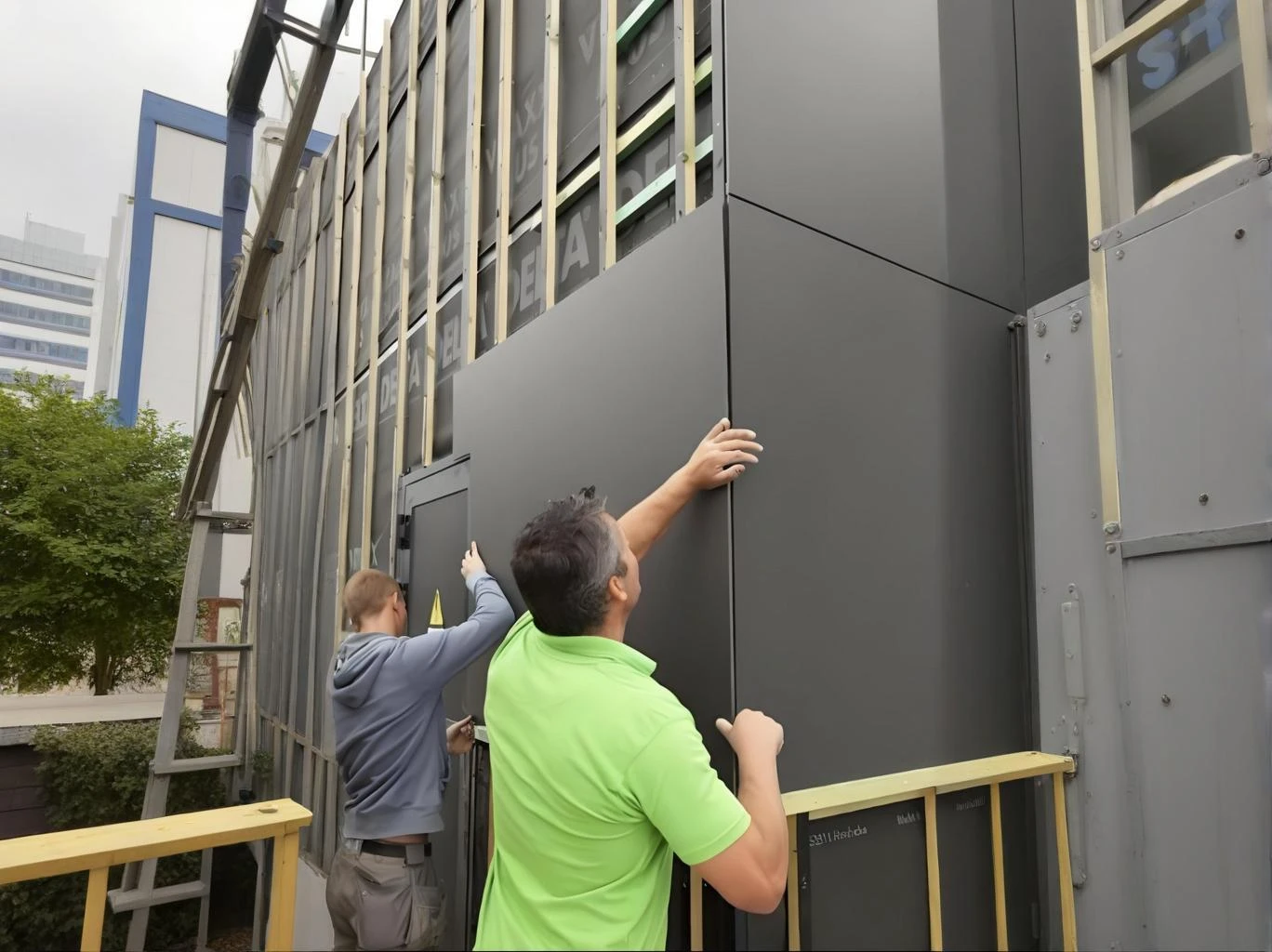
From sprawling factory sheds in Germany to makeshift clinics in remote parts of Southeast Asia, aluminum corrugated panels are versatile. In post-disaster relief efforts, organizations rely on these panels to quickly erect strong shelters — because the material doesn’t rust or degrade quickly like steel. For example:
- In the Philippines, after typhoons, temporary clinics and housing often utilize aluminum corrugated panels for fast, durable shelter solutions.
- Industrial sectors in North America and Europe prefer these panels for roofing due to their excellent weather resistance and ease of installation.
- Remote mining operations in Australia use these panels extensively for equipment housing, optimizing weight and strength.
Mini Takeaway: Aluminum corrugated panels are global, diverse in use—from humble shelters to large industrial roofs—and valued for their adaptability and reliability.
Advantages & Long-Term Value
Looking beyond immediate utility, aluminum corrugated panels offer:
- Sustainability: Aluminum is 100% recyclable without quality loss, which supports circular economy principles.
- Safety: Their fire resistance (unlike some plastics or untreated wood) helps meet stringent building codes.
- Low Maintenance: Minimal corrosion and robust coatings reduce upkeep costs over decades.
- Emotional Value: Providing reliable shelter fosters dignity and security, important after crises.
Vendor Comparison: Aluminum Corrugated Panels
| Vendor |
Material Grade |
Price per m² |
Lead Time |
Coating Options |
| JSC Aluminum |
3003-H14 & 5052-H32 |
$12 – 18 |
2–3 weeks |
Polyester, PVDF, Anodized |
| Mega Metals Co. |
3004-H18 |
$10 – 15 |
1–2 weeks |
Polyester only |
| Alpha Metals |
5052-H34 |
$14 – 20 |
3–4 weeks |
PVDF, Anodized |
Future Trends & Innovations
Looking ahead, the aluminum corrugated panel is evolving with smart coatings that reduce heat absorption and corrosion even further. Integration into green building standards like LEED is becoming more prominent. Oddly enough, integrating photovoltaic (PV) cells directly onto corrugated panels for solar energy capture is something engineers are experimenting with. Plus, automation in panel production cuts costs and improves customization, making sustainable infrastructure more accessible.
Challenges & Creative Solutions
Despite all these advantages, challenges exist. Aluminum’s initial cost can deter some builders, and in highly abrasive environments, mechanical wear might be an issue. However, combining aluminum with advanced polymer coatings or hybrid composites offers promising solutions. Plus, innovations in recycling technology mean scrap production can be drastically minimized.
FAQ: Frequently Asked Questions About Aluminum Corrugated Panels
- Q1: How durable are aluminum corrugated panels in extreme weather?
A1: These panels are highly durable, withstanding strong winds and heavy rains due to their structural design and corrosion-resistant surface. Properly coated panels can last 20 years or more, even in coastal or tropical areas.
- Q2: Are aluminum corrugated panels suitable for rapid disaster relief housing?
A2: Absolutely. Their lightweight nature allows for quick transport and easy assembly. Plus, their resilience ensures temporary shelters remain safe during subsequent weather events.
- Q3: Can these panels be recycled after use?
A3: Yes, aluminum is one of the most recyclable materials without losing quality, supporting sustainable building practices.
- Q4: How do aluminum panels compare cost-wise to steel?
A4: Upfront costs are typically higher for aluminum, but the reduced maintenance and longer lifespan often balance or exceed cost-efficiency over time.
- Q5: Can vendors ship internationally, and are there import restrictions?
A5: Many vendors, including JSC Aluminum, offer international shipping. Import regulations depend on local trade policies; consulting freight experts is advised.
Conclusion
In sum, aluminum corrugated panels offer a blend of resilience, adaptability, and sustainability that's increasingly crucial across global industries and humanitarian sectors. Whether for industrial roofing or swift emergency shelters, their value is long-lived and multifaceted. For anyone looking to optimize strength without weight and embrace eco-friendly materials, these panels truly merit close consideration.
If you want to explore quality aluminum corrugated panels, visit our website for detailed product options and expert guidance.
Oddly enough, once you start thinking about aluminum corrugated panels, you’ll realize how often they quietly keep the world running smoothly.
References
- Wikipedia: Aluminium
- Statista: Construction Industry Worldwide
- ISO 9001 Quality Standards