Aluminum Composite Material Suppliers: The Backbone of Modern Industry
In an era marked by rapid urbanization and escalating demand for innovative construction materials, aluminum composite material suppliers play a crucial yet often unnoticed role. These suppliers enable architects, engineers, and manufacturers to access versatile, lightweight, and cost-effective solutions that propel a spectrum of industries forward—from architecture to transportation and beyond.
Understanding the world of aluminum composite materials (ACM) is essential globally, whether you're involved in infrastructure, sustainable building, or humanitarian projects. The benefits run deep: durability, aesthetics, and sustainability converge to create materials that aren’t just functional but transformative.
Introduction: Why Aluminum Composite Material Suppliers Matter Globally
Material supply chains integrate the delicate balance between quality, cost, and availability; here, ACM suppliers stand at a nexus. According to ISO standards for building materials, aluminum composites have grown by over 8% annually worldwide, driven by their flexibility and performance. Globally, industries face challenges such as rising raw material costs, sustainability mandates, and logistical disruptions. Aluminum composite material suppliers directly address these by offering standardized, high-quality sheets and panels that reduce building weights and improve energy efficiency.
Oddly enough, despite their prevalence, many still underestimate the critical role these suppliers play—from ensuring consistent material quality to innovating new product lines. And as cities expand in Asia, Europe, and the Americas, the demand never seems to wane.
What Are Aluminum Composite Material Suppliers?
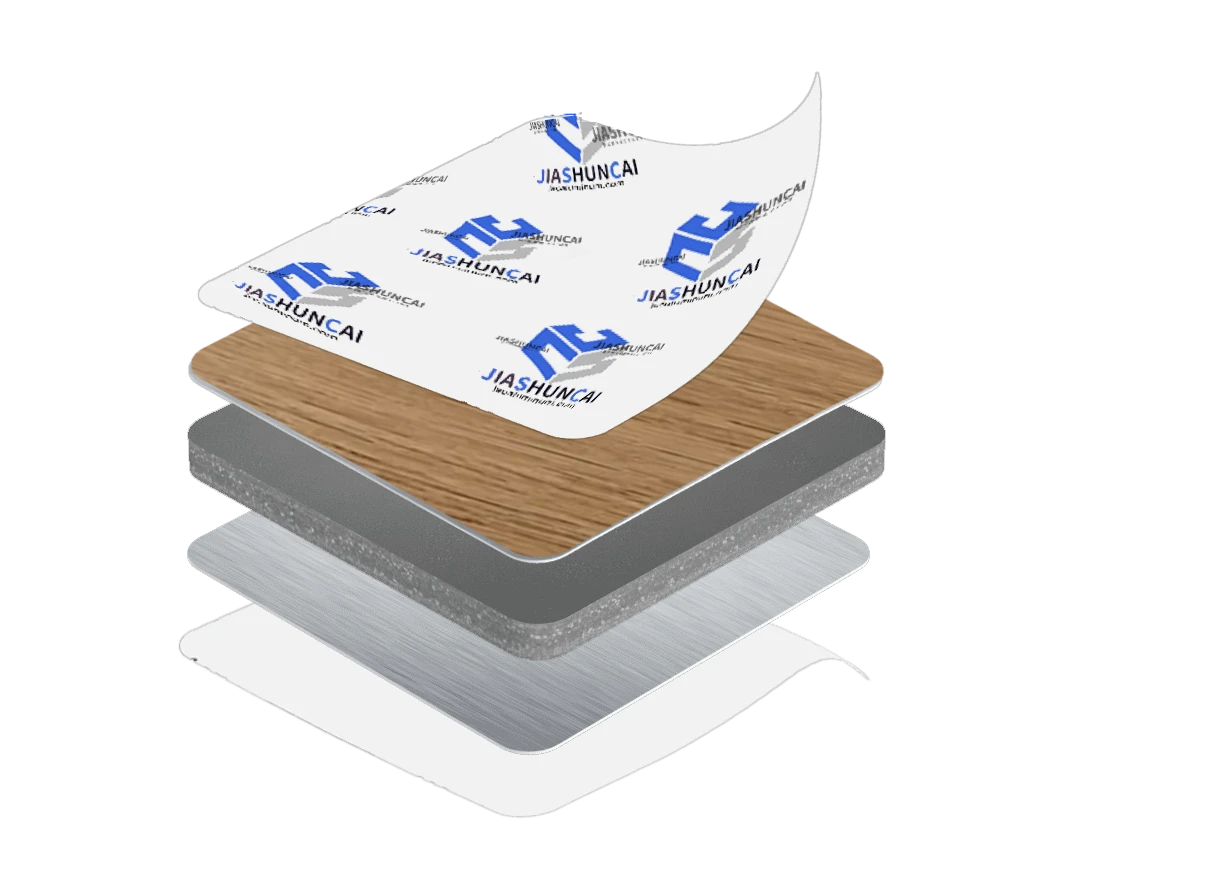
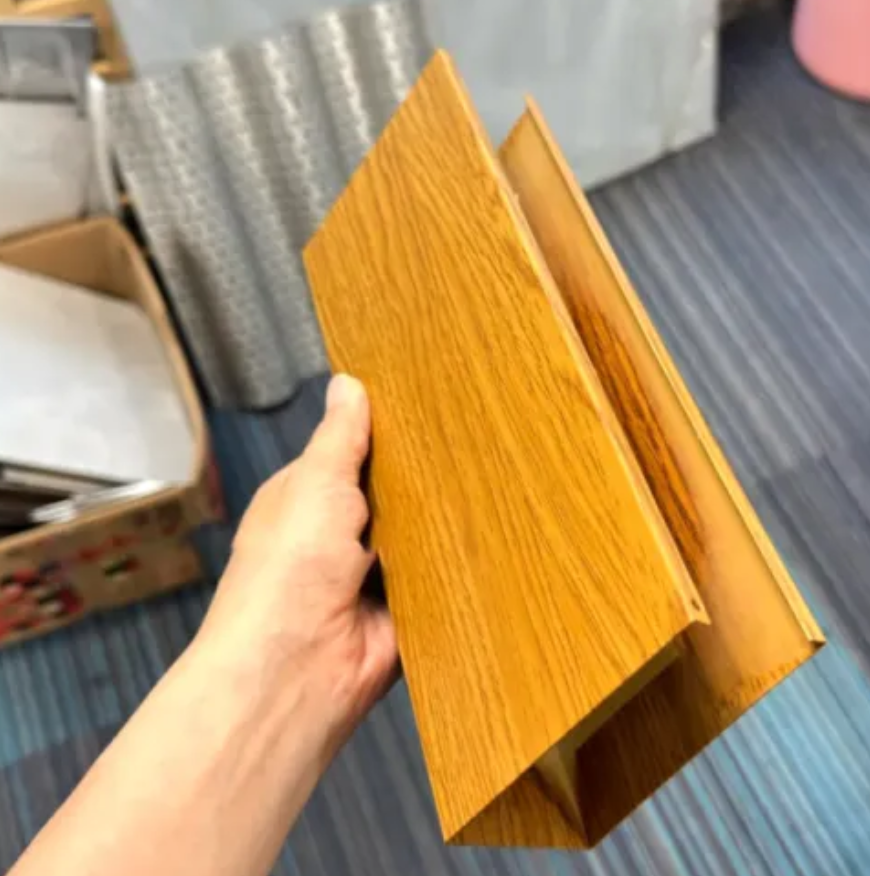
Simply put, aluminum composite materials are flat panels consisting of two thin aluminum sheets bonded to a non-aluminum core, often polyethylene or fire-retardant materials. Suppliers provide these ready-to-use panels or customized rolls, ensuring they meet performance standards and certifications. This supply chain segment helps sectors by delivering materials that are lightweight, rigid, and easy to fabricate.
These materials tie directly into modern industry needs: they reduce energy consumption in buildings, enable rapid modular construction, and maintain durability even under harsh conditions—exactly what humanitarian agencies seek when building quickly after disasters, or what automotive manufacturers want when improving vehicle exteriors.
Key Factors Behind Aluminum Composite Materials
- Durability: Resistant to corrosion, weathering, and UV radiation, aluminum composites maintain their integrity and appearance over decades.
- Lightweight Nature: Since the panels are lighter than solid metals, they ease transportation and reduce structural demands in buildings or vehicles.
- Cost Efficiency: Balance between production costs and longevity makes ACM an affordable option for large scale projects.
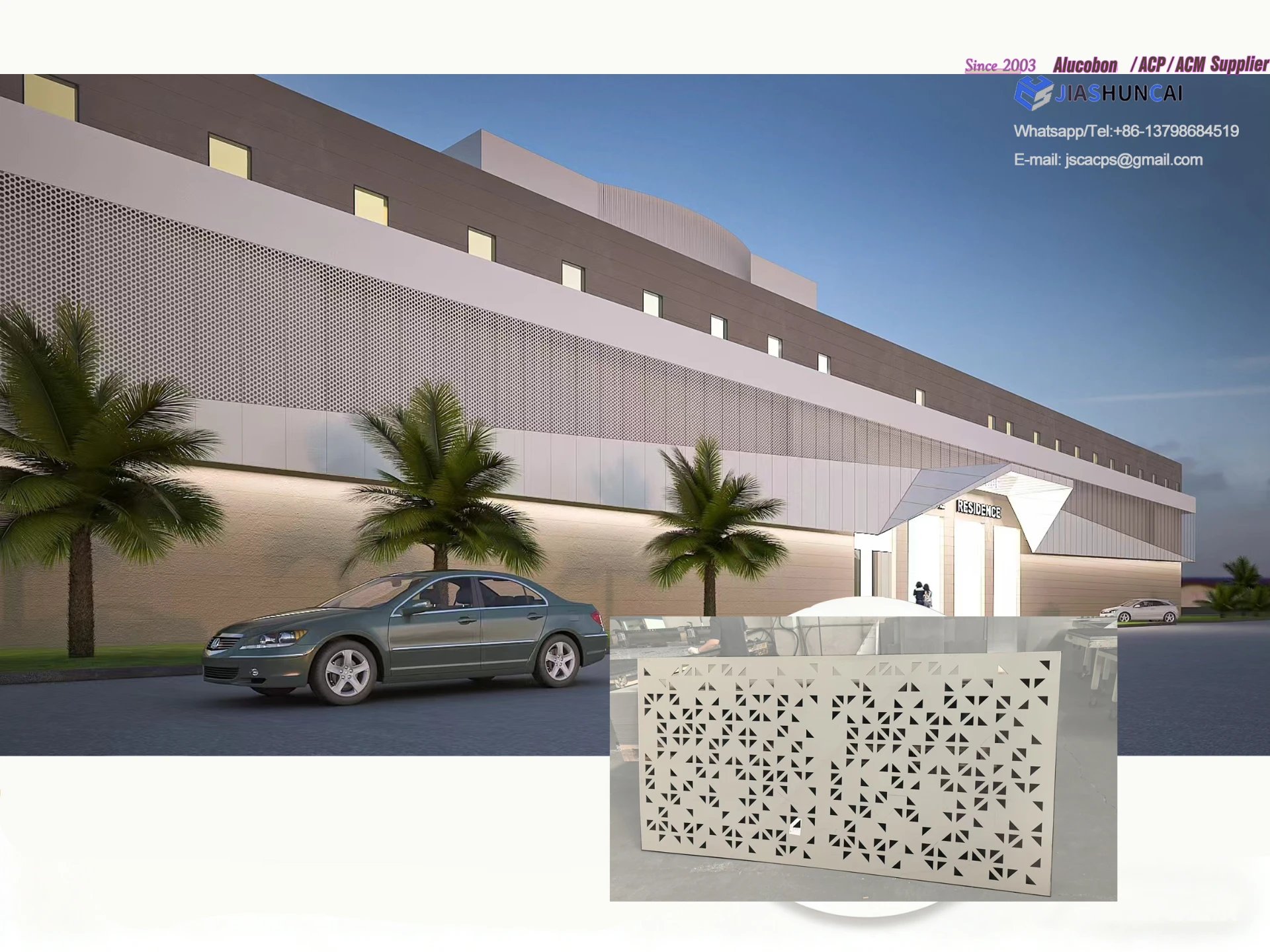
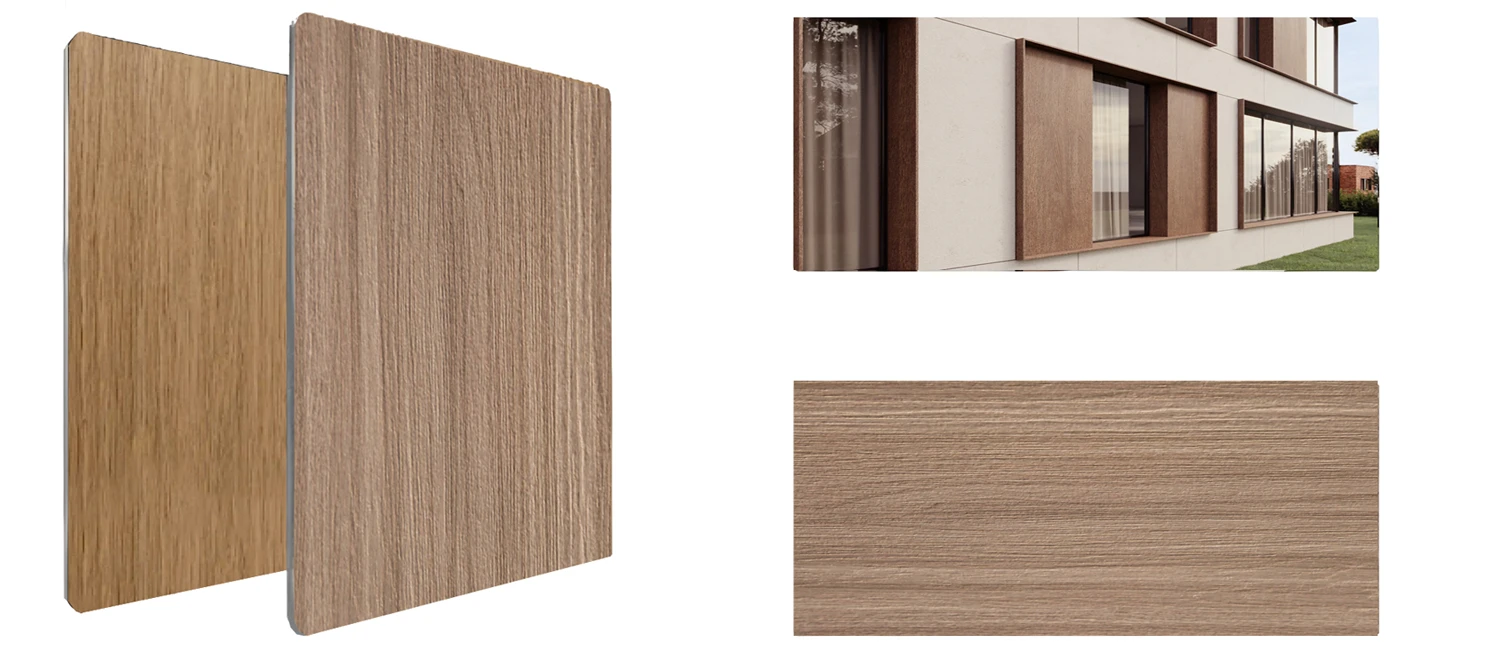
- Customization & Scalability: Color coatings, finishes, and panel sizes can be tailored to fit architectural or industrial demands precisely.
- Sustainability: Many ACM cores are recyclable; coupled with aluminum’s recyclability, this lowers overall environmental footprint.
- Fire Safety: With evolving regulations, fire-retardant variants are critical in public infrastructure.
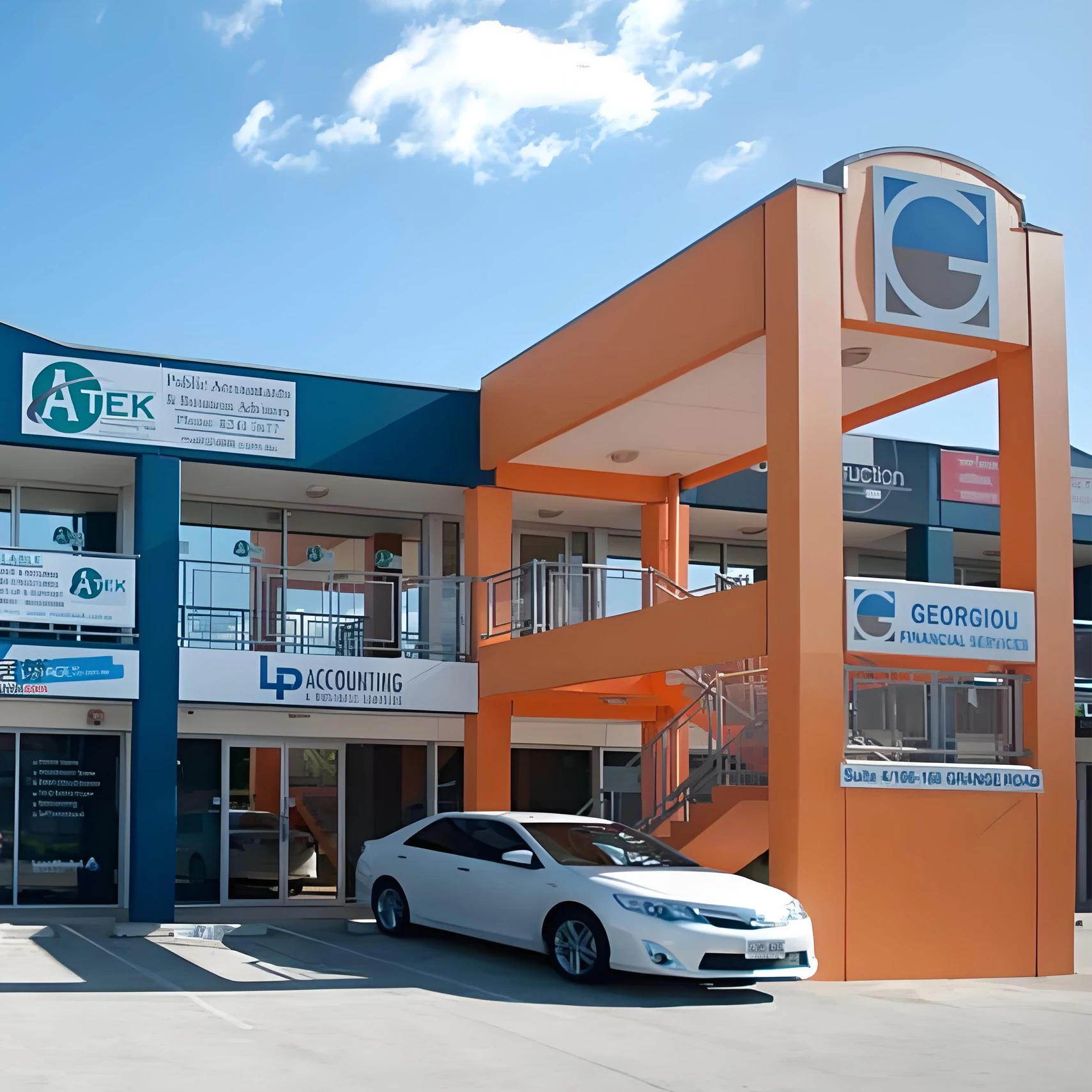
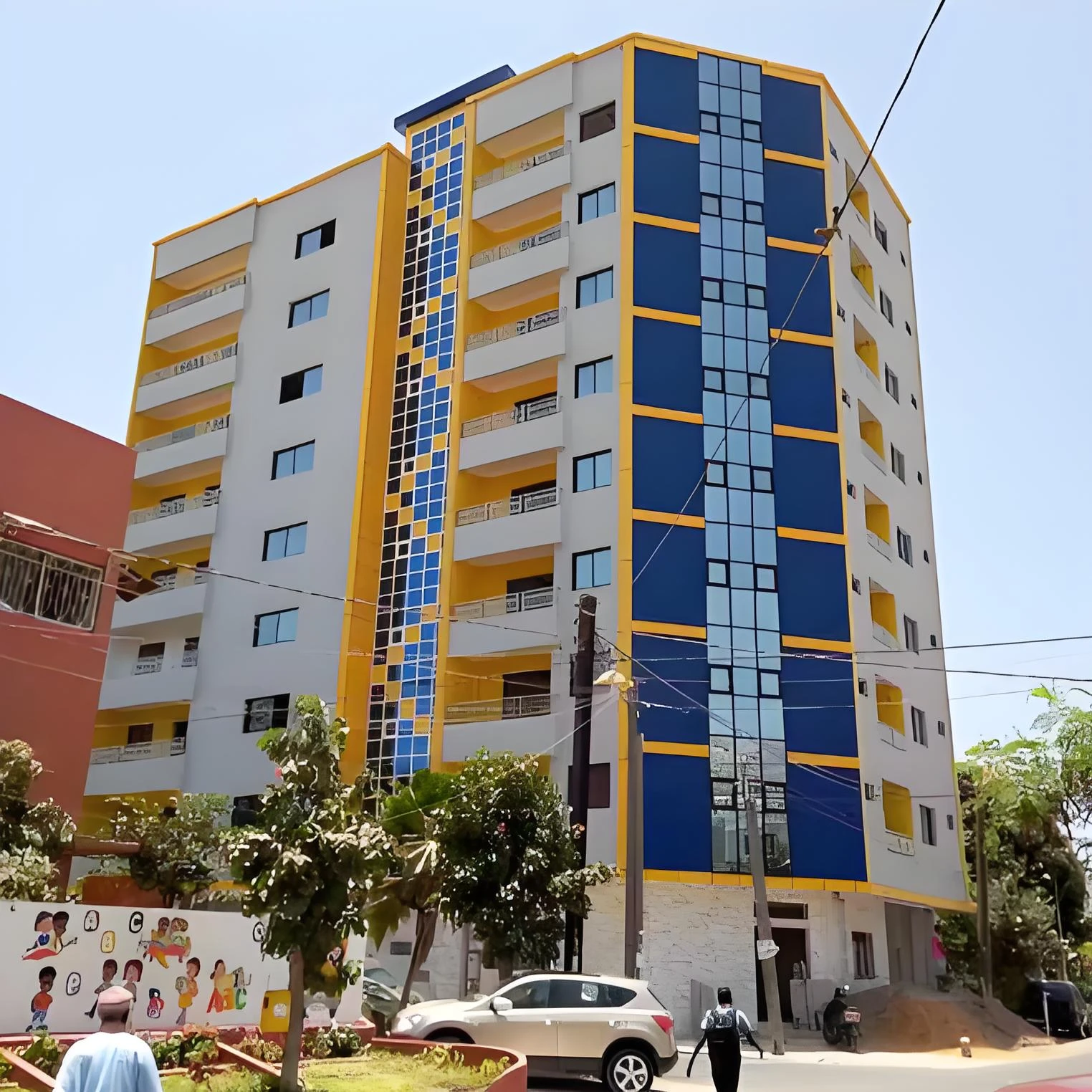
In practical terms, these factors enable architects to create eye-catching facades, industrial manufacturers to craft durable equipment casings, and disaster relief builders to erect fast, reliable shelters.
Product Specification Table: Typical Aluminum Composite Material
| Specification |
Typical Value |
Units |
| Aluminum Thickness |
0.5 |
mm |
| Core Thickness |
3-6 |
mm |
| Panel Width |
1000 - 2000 |
mm |
| Panel Length |
2000 - 6000 |
mm |
| Fire Retardant Rating |
B1 / ASTM E84 |
Class |
| Weight |
3 - 5 |
kg/m² |
Global Applications & Use Cases
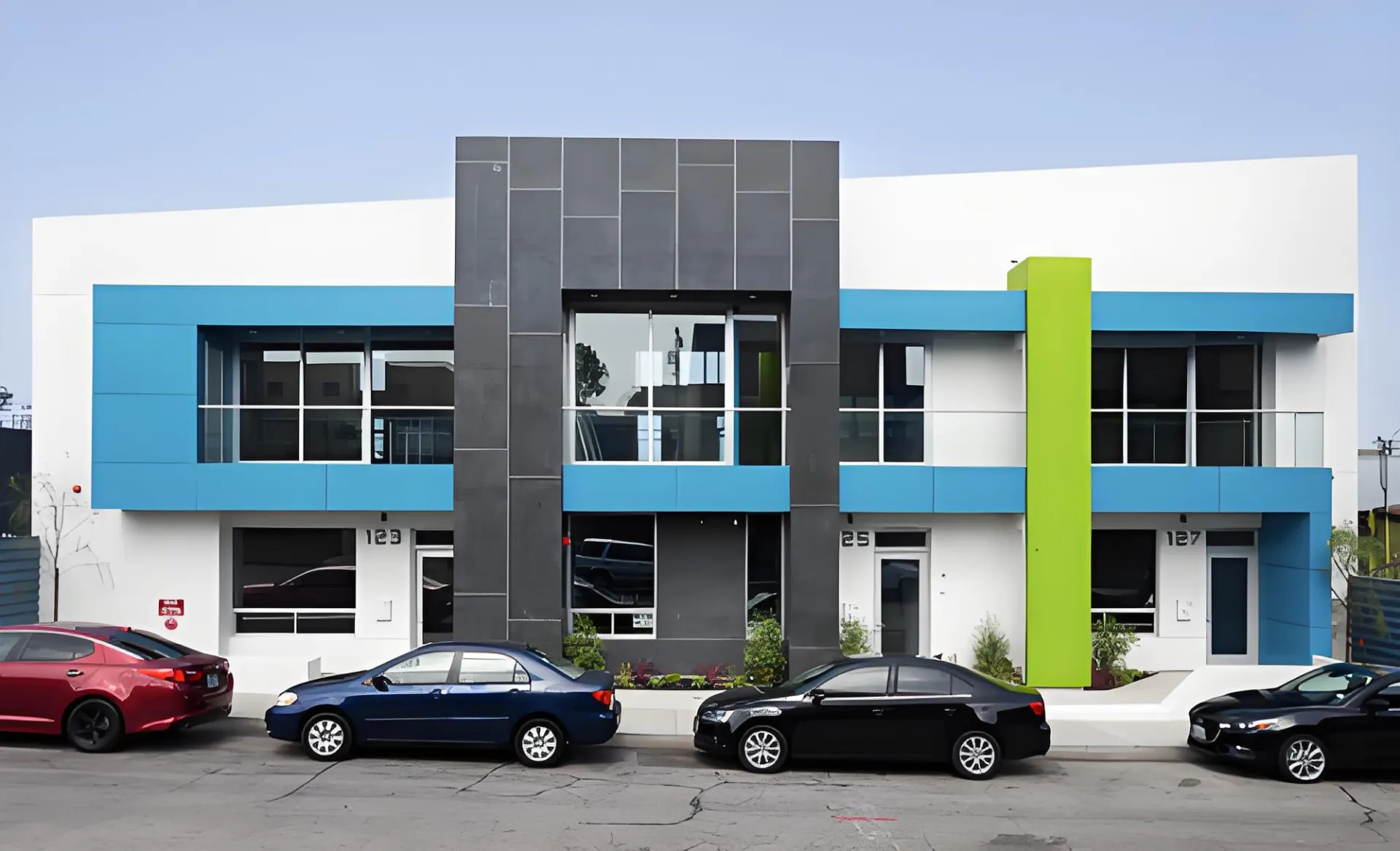
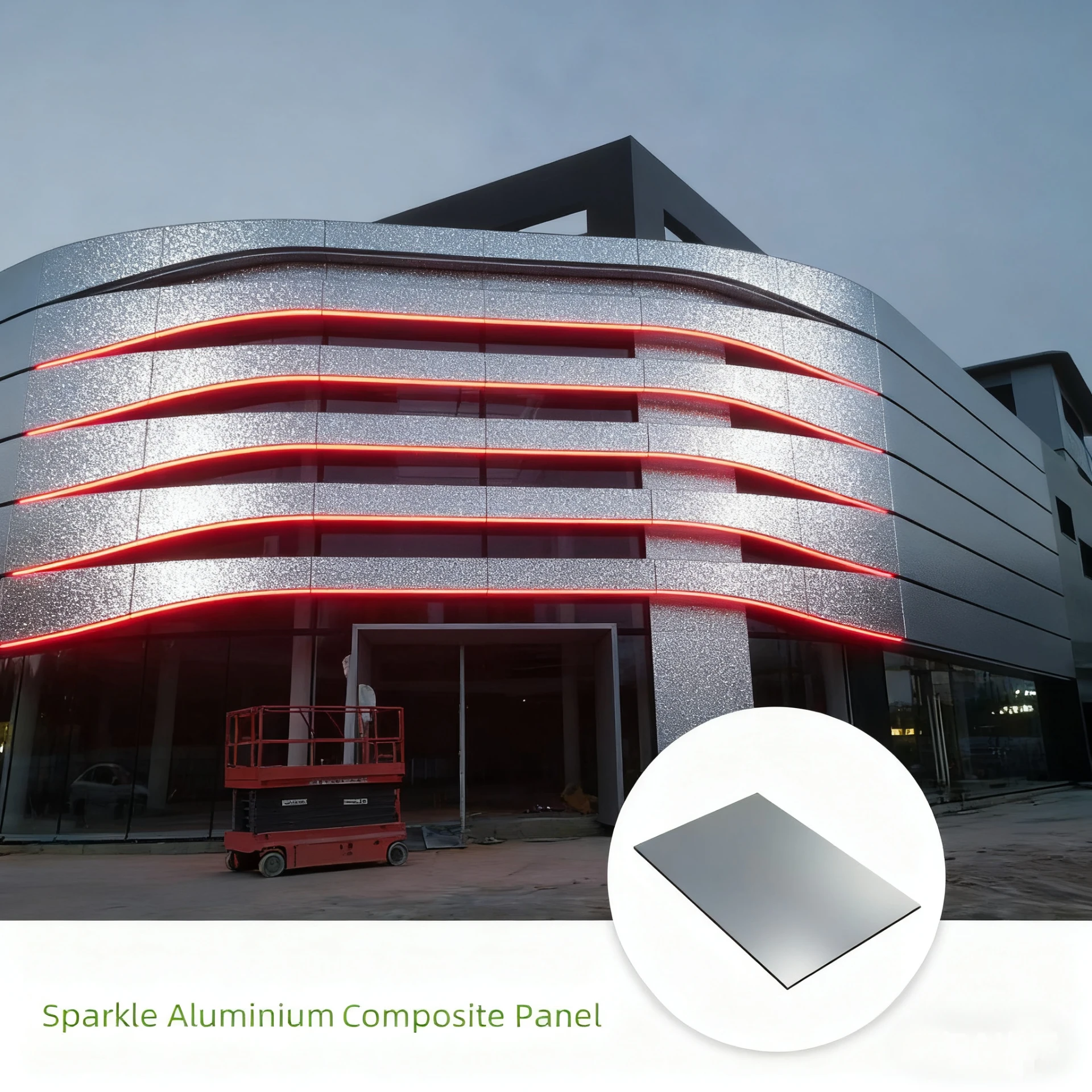
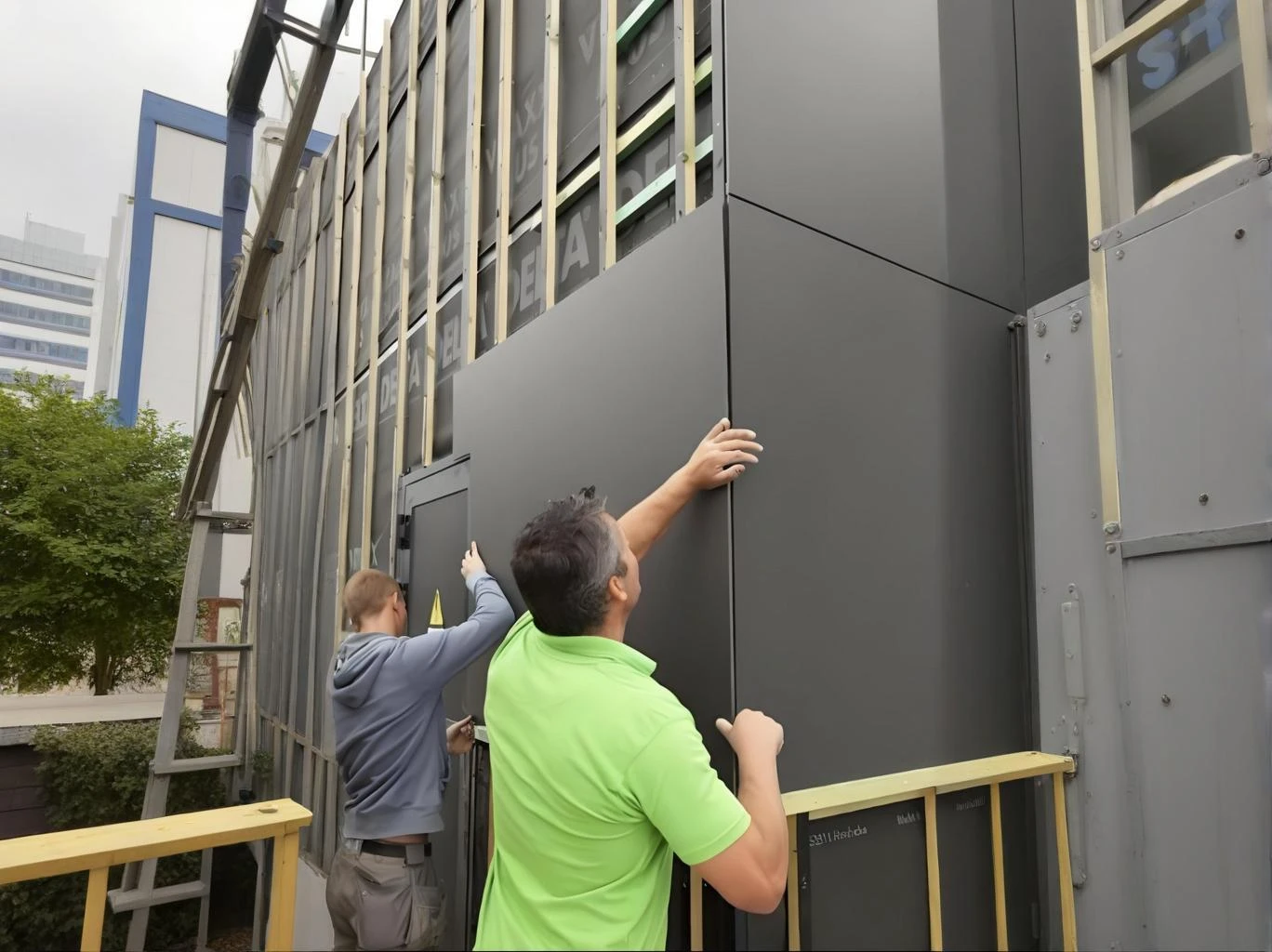
Aluminum composite materials find use across continents and industries. Asia-Pacific’s booming skyscraper development relies heavily on ACM for façade systems, appreciated for their sleek finishes and weather resistance. Europe often leverages them in mass transit vehicles, improving fuel efficiency by shedding weight. Meanwhile, humanitarian organizations have increasingly adopted ACM panels for temporary housing solutions—offering sturdiness and quick assembly in disaster zones.
For instance, during the 2019 cyclone impact in Mozambique, relief groups used panels from trusted suppliers to rapidly construct durable shelters that stood during subsequent storms. Industrial hubs in remote Arctic regions benefit too; the material’s resilience in cold climates ensures long-lasting equipment panels and insulation shells.
Vendor Comparison Table: Popular Aluminum Composite Material Suppliers
| Supplier |
Product Range |
Customization |
Lead Time |
Sustainability Credentials |
| JS Aluminum |
Standard & Fire-Retardant Panels |
Full Color & Finish Options |
2-4 Weeks |
ISO 14001 Certified |
| AluTech Industries |
High-Performance Composite Sheets |
Limited Color Palette |
3-6 Weeks |
Partial Recyclable Materials |
| Global Metals Corp. |
Custom-Order, Large Volume |
Extensive Custom Options |
Variable (Based on Volume) |
Compliance with RoHS & REACH |
Advantages and Long-Term Value
Aluminum composite materials offer a unique blend of practicality and inspiration. The cost savings come not only from materials but also by shortening construction schedules and reducing maintenance. Frankly, it’s reassuring to know that buildings clad in ACM maintain aesthetics for years without fading or warping. There’s a sort of pride in seeing sleek façades that also contribute to reduced greenhouse gas emissions — this aligns strongly with global sustainability goals.
On a personal note, many engineers I’ve spoken to say that the reliability of these materials fosters a deeper trust with clients. After all, sustainability and safety are emotional and rational pillars, and ACM sits right at their intersection.
Future Trends & Innovations
Looking ahead, the aluminum composite sector is buzzing with innovation. Green energy initiatives encourage the use of recycled cores and low-VOC coatings. Automation in fabrication allows suppliers to offer hyper-customized solutions, blending digital design with rapid production. Oddly enough, emerging fire safety standards demand continuous adaptation, pushing suppliers toward novel flame-retardant cores without sacrificing weight.
In parallel, digital transformation means some suppliers even provide real-time inventory tracking and predictive ordering—a blessing in turbulent supply chains. All of this paints a future where aluminum composite material suppliers evolve beyond raw material providers into strategic partners for innovation.
Challenges and How They’re Tackled
Of course, things are not without hurdles. Fluctuating raw material prices challenge pricing stability. Moreover, regulatory frameworks around fire safety vary widely, complicating international distribution. That said, leading suppliers mitigate this with flexible core materials, multi-standard certifications, and transparent quality assurance.
Innovative recycling programs and digital ordering platforms help future-proof the supply chain, while industry consortia push for harmonized standards. I suppose it’s a classic case of constant adaptation—a familiar story in material sciences.
FAQ: Frequently Asked Questions About Aluminum Composite Material Suppliers
- Q1: How do aluminum composite materials compare to traditional metal sheets?
- A1: ACM panels are lighter and more flexible than traditional metal sheets, making them easier to install and more energy-efficient due to their insulating cores. They also offer superior weather resistance and aesthetic versatility.
- Q2: Are ACM panels suitable for use in fire-sensitive buildings?
- A2: Yes, modern ACM panels come with fire-retardant cores certified to meet stringent standards like ASTM E84 or European B1. Suppliers often provide different grades tailored for safety compliance.
- Q3: How quickly can aluminum composite materials be delivered for large projects?
- A3: Delivery time varies but typically ranges from 2 to 6 weeks depending on customization and volume. Reliable suppliers maintain stock for common panel sizes, expediting turnaround for urgent needs.
- Q4: Can ACM panels be recycled after use?
- A4: Yes, aluminum is highly recyclable, and many suppliers offer programs to recycle both the aluminum layers and cores. This contributes to circular economy initiatives and reduces environmental impact.
- Q5: How do I select the right aluminum composite material supplier?
- A5: Consider product quality, customization options, certifications, lead times, and sustainability practices. Checking vendor reviews and requesting samples can also guide your decision.
Conclusion: Why Partner with Aluminum Composite Material Suppliers?
Aluminum composite material suppliers underpin a wide range of industries by offering versatile, high-performance materials that meet modern demands for durability, aesthetics, and sustainability. The long-term value lies not just in the product but in the relationship—one built on trust, innovation, and mutual success.
If you want to learn more or procure top-quality materials, visit our website and explore how we can help transform your project from concept to completion.
Mini takeaway: Choosing the right aluminum composite material supplier is as vital as selecting the right material — it’s the difference between a durable masterpiece and a costly headache.
References
- Wikipedia: Aluminium Composite Panel
- ISO Standards on Building Materials
- World Bank: Sustainable Urban Development