What Is Aluminium Composite Mirror and Why Does It Matter?
Aluminium composite mirror might sound like a very niche or technical term at first, but it actually plays a surprisingly broad role in industries ranging from architecture to electronics. Globally, as industries demand more durable, lightweight, and visually appealing materials, understanding the benefits and applications of aluminium composite mirrors becomes crucial. In short, these versatile materials combine aluminium’s strength with specially treated mirror finishes, delivering a product that supports innovation and sustainability worldwide.
Introduction: The Global Context of Aluminium Composite Mirror
From skyscrapers in Dubai to electronic components in Germany, aluminium composite mirrors are making waves. According to ISO data, global aluminium production topped 65 million tonnes in recent years, underpinning a massive supply chain that now includes composite materials with reflective properties. This matters because traditional glass mirrors, while beautiful, are heavy and fragile—certainly not ideal for fast-moving industries or environmentally conscious markets.
One key challenge these composite mirrors address is how to create aesthetically pleasing reflective surfaces that can withstand harsh environments without breaking the bank. This is particularly important in the construction sector and manufacturing, where durability and form must go hand in hand.
Defining Aluminium Composite Mirror: What Is It Exactly?
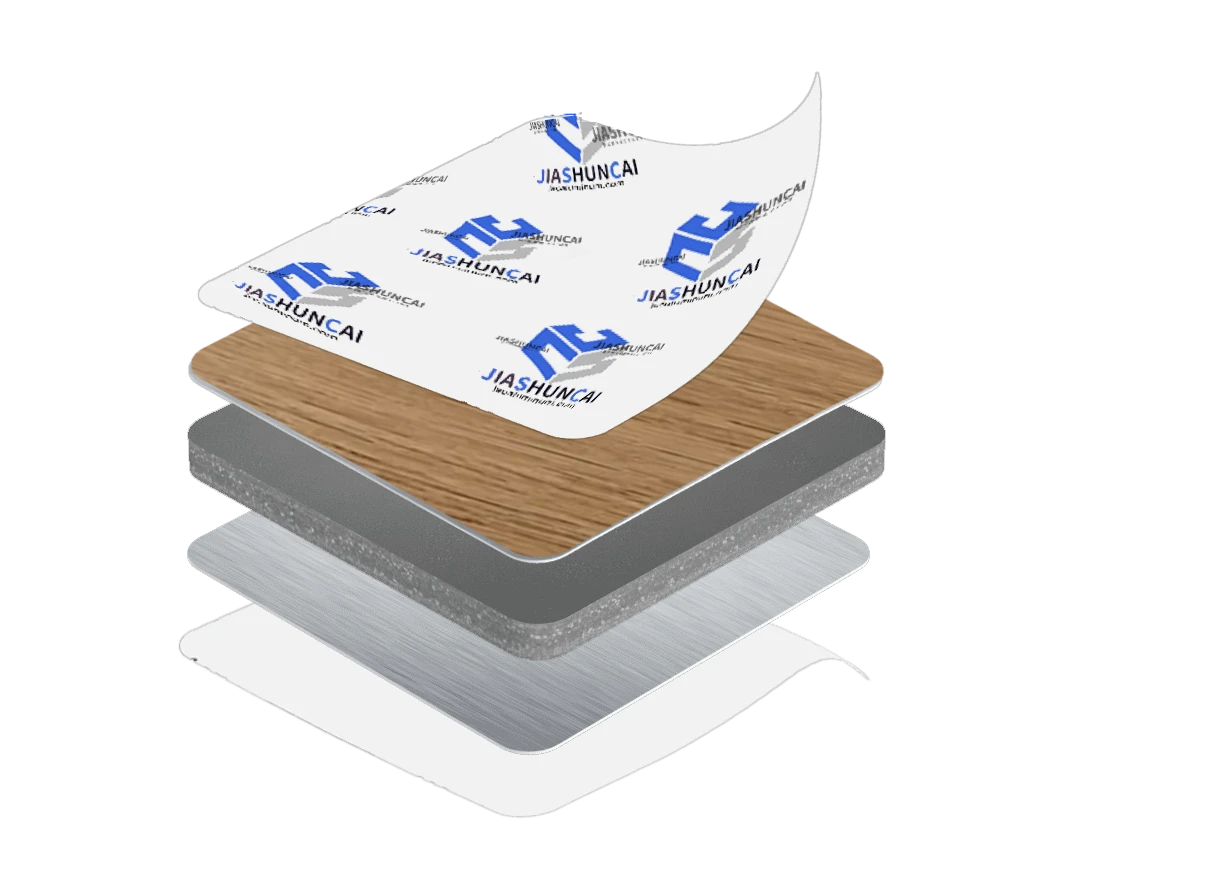
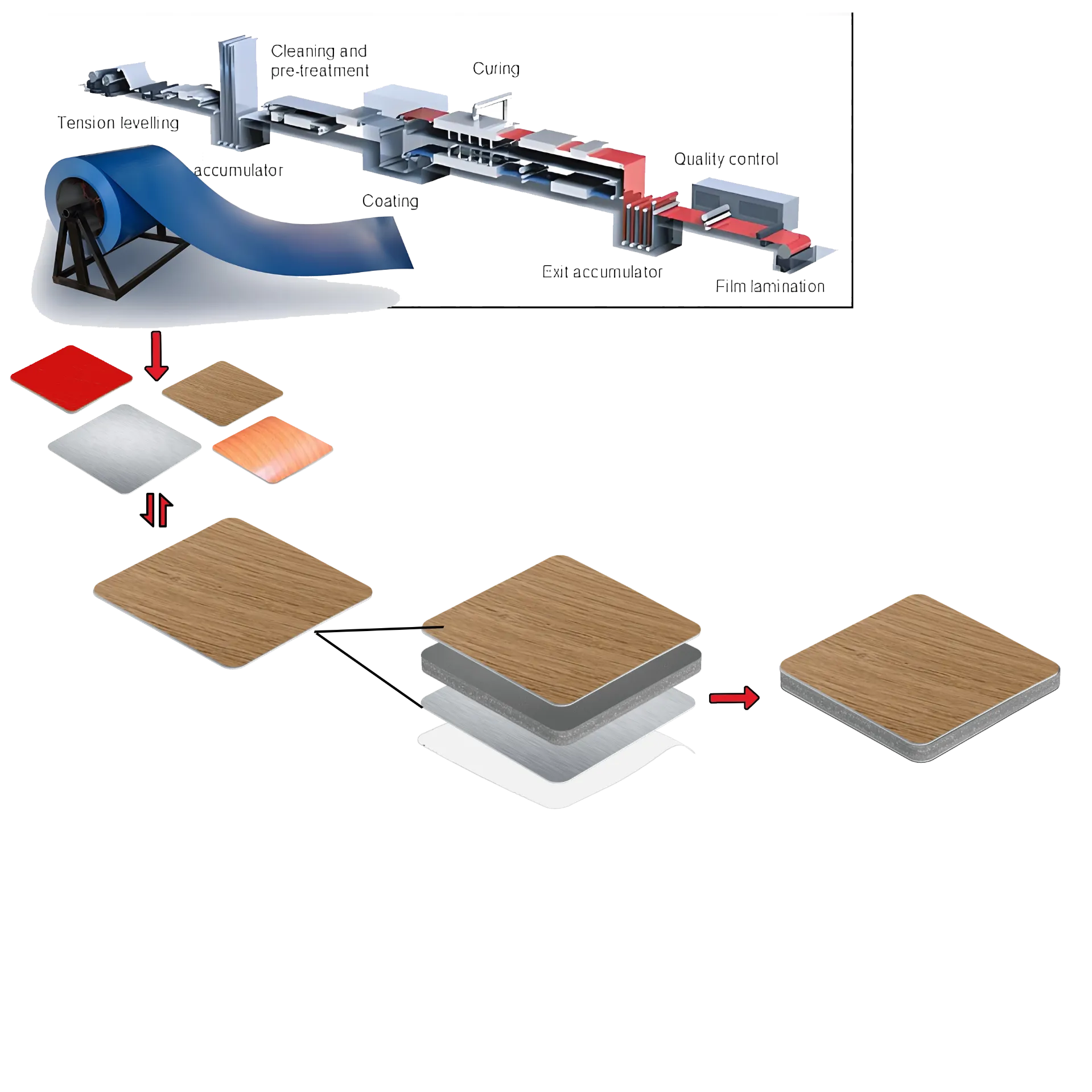
Simply put, an aluminium composite mirror consists of two thin aluminium sheets bonded to a core material, typically a polyethylene or fire-retardant core, with a mirror-finished aluminium layer on one side. Imagine the lightweight resilience of aluminium combined with a high-quality reflective surface—the result serves in everything from decorative panels to technical optics.
Its relevance in modern industry can't be overstated: not only does it provide an alternative to heavier glass mirrors, but it also meets critical humanitarian needs. For example, lightweight and shatterproof mirrors are invaluable in mobile medical units or post-disaster infrastructure, where transportability and safety are paramount.
Key Components & Factors of Aluminium Composite Mirror
1. Durability
The aluminium layers are corrosion-resistant and can endure weather extremes without warping. This makes them ideal for outdoor applications where glass would simply not last.
2. Lightweight Design
Compared to traditional glass mirrors, aluminium composite mirrors weigh significantly less, aiding installation and reducing structural load in buildings.
3. Reflective Quality
Using advanced polishing and coating techniques, these mirrors offer excellent reflectivity, sometimes rivaling conventional glass mirrors in brightness and clarity.
4. Cost Efficiency
Less expensive to produce and safer to handle, composite mirrors reduce overall project costs when factoring in transport, installation, and maintenance.
5. Scalability & Customization
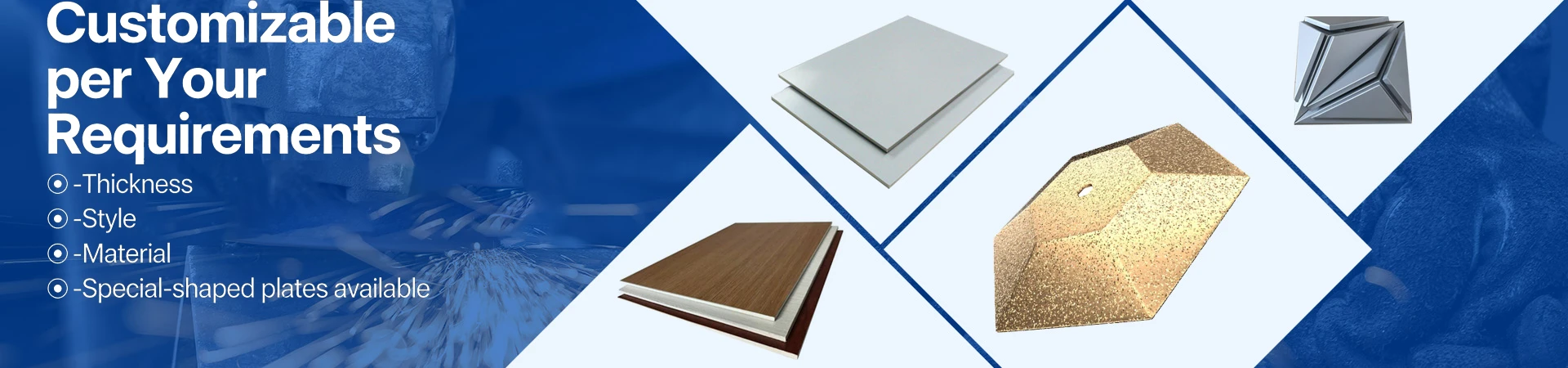
They can be manufactured in various sizes, thicknesses, and finishes, catering to bespoke designs or mass production runs alike.
Global Applications & Industries Benefiting From Aluminium Composite Mirrors
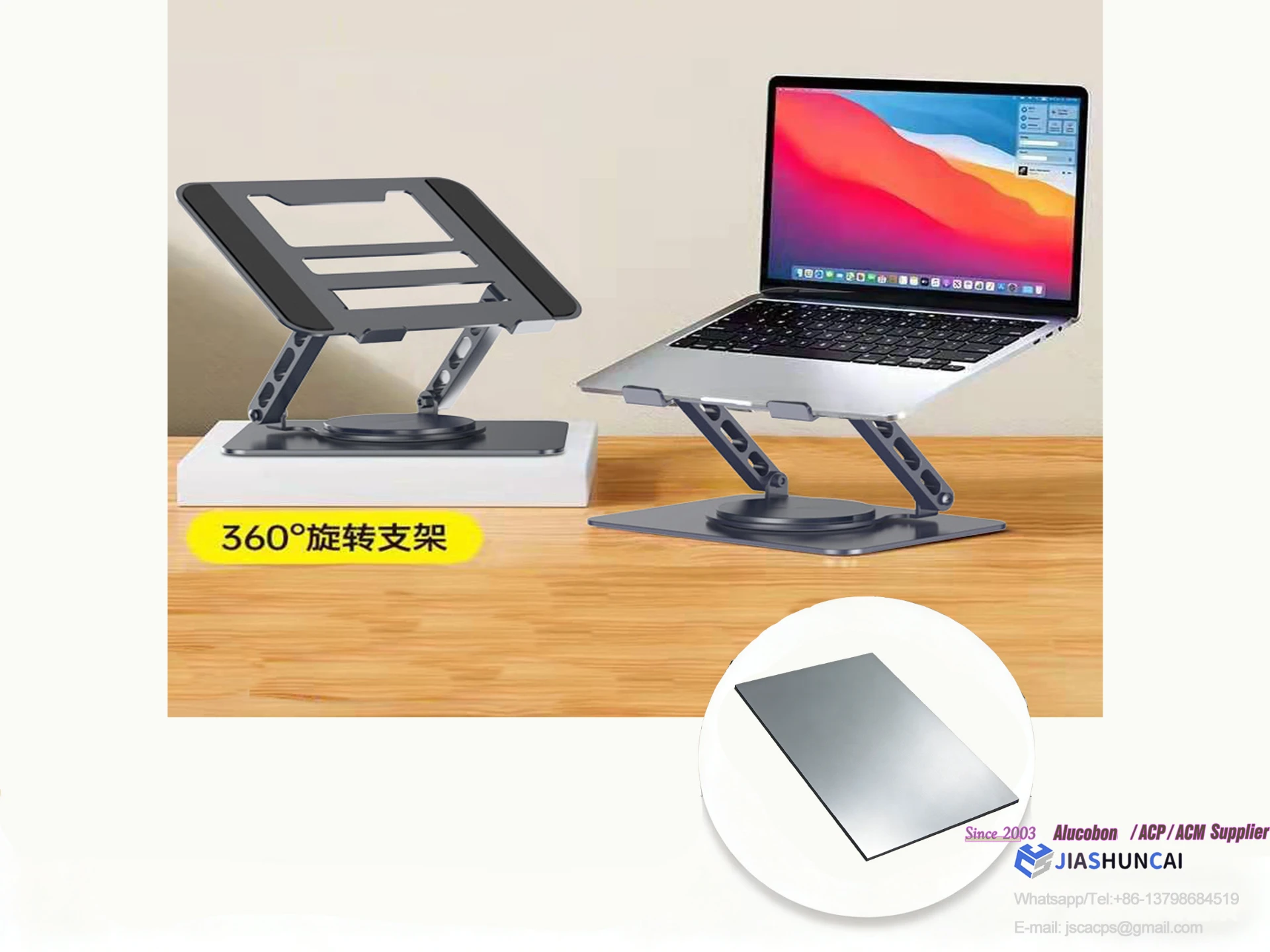
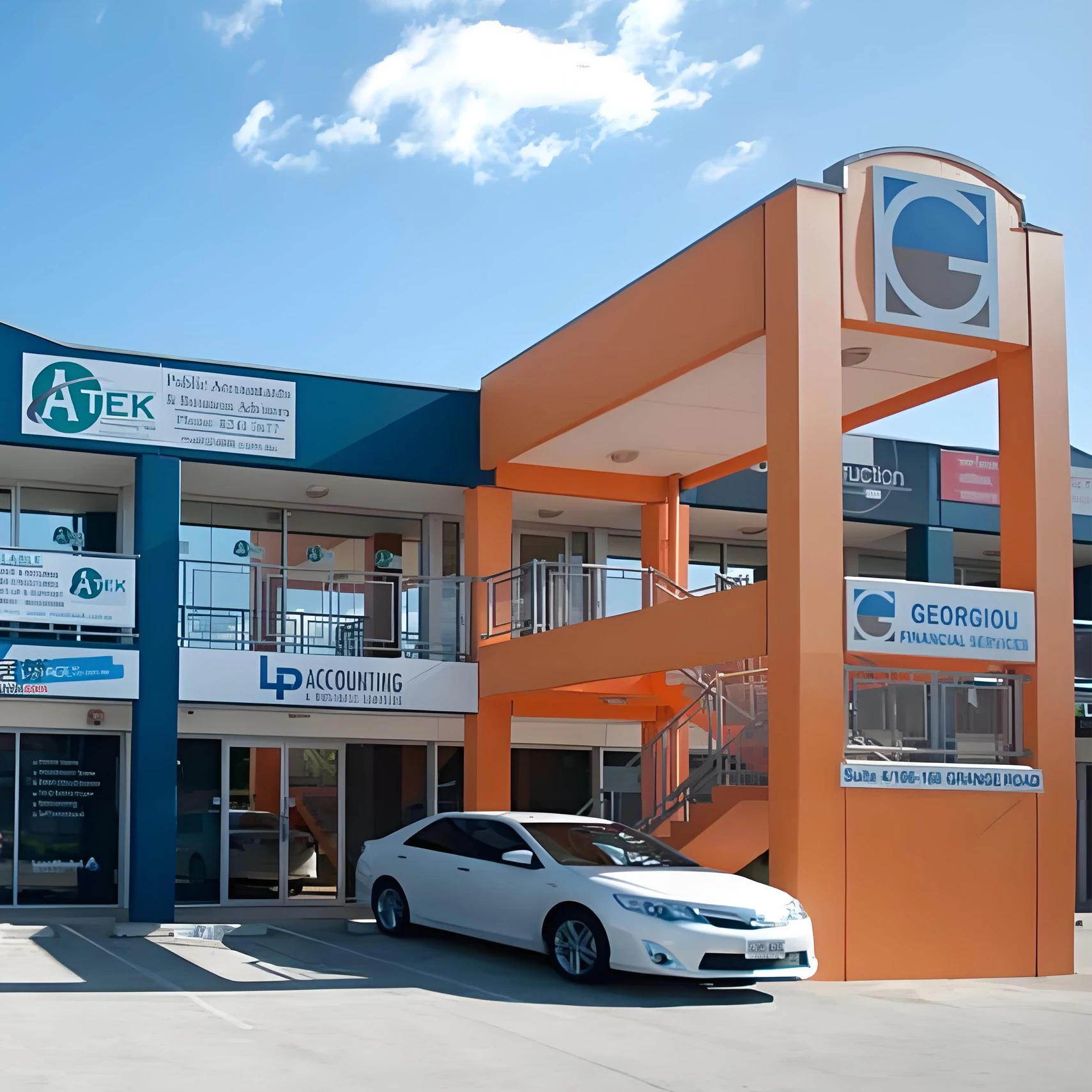
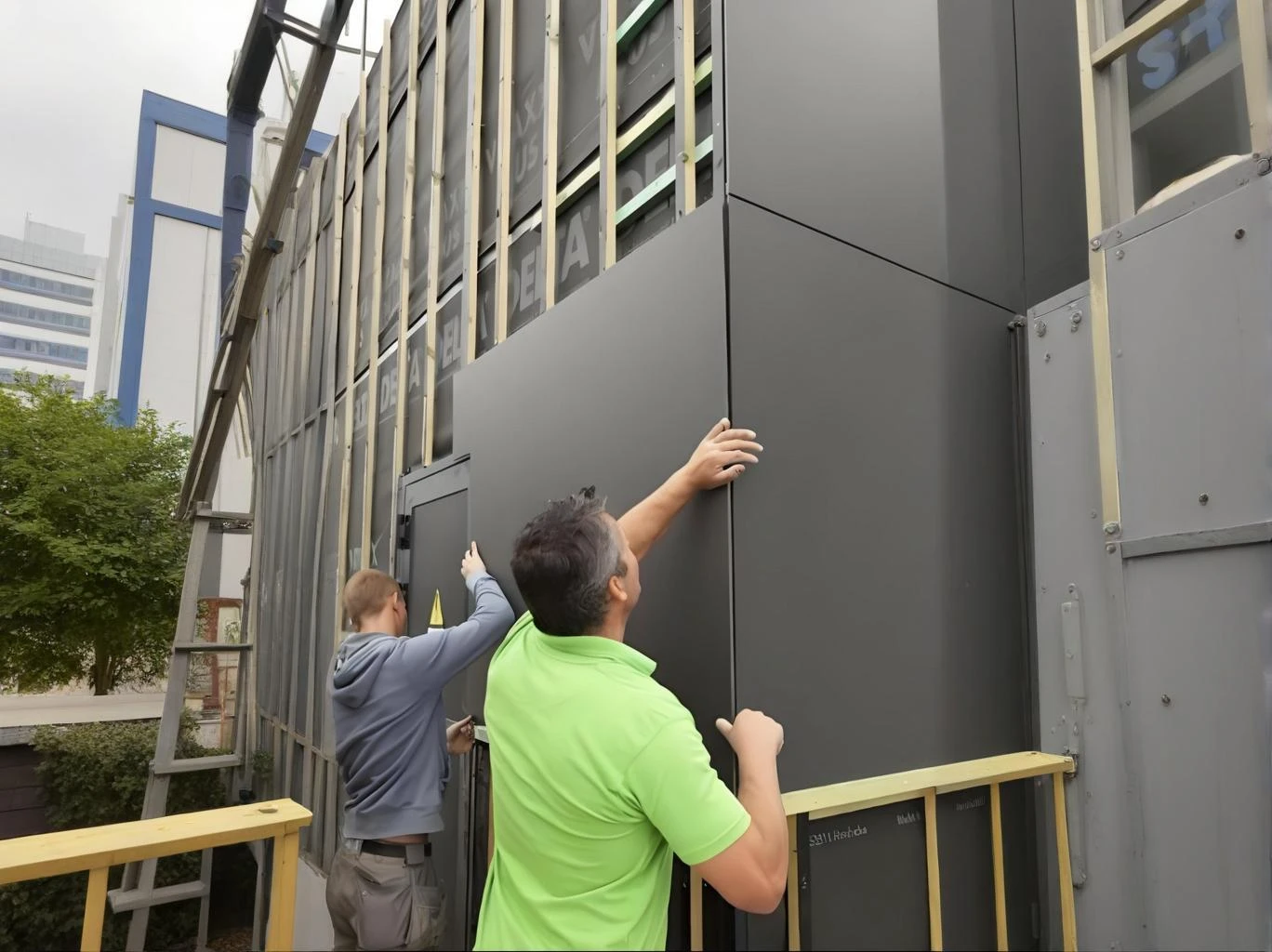
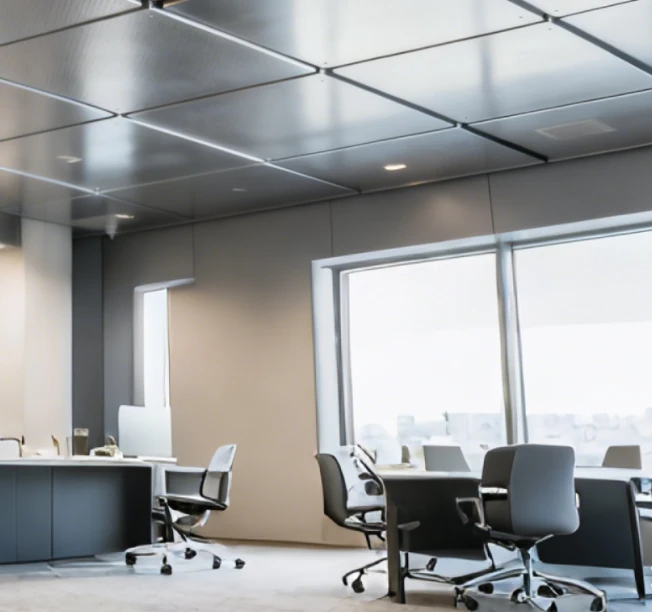
It’s fascinating how widely these mirrors are used globally. In Asia, manufacturers employ them for decorative building facades that demand both aesthetics and weather resistance. In Europe, aluminium composite mirrors appear inside luxury vehicle interiors and cutting-edge electronics, reflecting the demand for precision and lightweight materials.
Even humanitarian organizations benefit. In post-disaster relief efforts, lightweight, shatterproof mirrors help rebuild essential roadsignage and comfort spaces quickly, avoiding the pitfalls of fragile glass equipment. Likewise, remote industrial zones find them invaluable for machinery monitoring mirrors that survive the rough conditions without regular replacement.
Vendor Comparison: Leading Aluminium Composite Mirror Suppliers
| Feature |
Supplier A |
Supplier B |
Supplier C |
| Product Thickness |
3-5 mm |
4-6 mm |
3-6 mm |
| Reflectivity (%) |
88% |
90% |
85% |
| Customization Options |
Color & size |
Finish & coatings |
Size & core type |
| Lead Time |
2 weeks |
3 weeks |
1 week |
| Price Range |
$$ |
$$$ |
$ |
Advantages & Long-term Value of Aluminium Composite Mirrors
What really stands out is how many layers of value aluminium composite mirrors deliver. Logically, the cost savings on transport and installation quickly add up — their lightweight nature means lower shipping fees and less strain on buildings. Emotionally, it also feels safer knowing these mirrors won’t shatter easily, protecting workers and occupants alike.
There’s also a sustainability angle. Aluminium is 100% recyclable, and the composite manufacturing process is increasingly eco-friendly. Over time, that means less landfill waste and a more circular economy. Many architects and designers praise this material for how it combines innovation with responsibility.
Future Trends & Innovations in Aluminium Composite Mirror Technology
Looking forward, exciting advances are on the horizon. Nanocoatings for enhanced reflectivity and self-cleaning surfaces are making these mirrors even more practical for outdoor and industrial use. Meanwhile, integration with smart building tech—such as sensors embedded behind the reflective surface—is slowly becoming a thing, allowing these mirrors to play roles beyond aesthetics.
Policies promoting green manufacturing are also bolstering demand, encouraging suppliers to use recycled aluminium or renewable energy in production. So, frankly, aluminium composite mirrors are on track to not just reflect light but also reflect our growing environmental awareness and digital transformation.
Challenges & Practical Solutions
Of course, no product is perfect. Sometimes, the limitations include vulnerability to scratches or the difficulties in repair if the mirror coating is damaged. Experts recommend protective films or laminated finishes as practical fixes. Also, custom fabrication is not always instantaneous, so planning ahead helps avoid delays.
Supplier transparency about material sourcing and adherence to international standards like ISO 9001 is another critical factor to ensure quality and trust. Customers should always ask for certifications and test reports—oddly enough, this detail is easy to overlook but pivotal.
FAQ: Frequently Asked Questions About Aluminium Composite Mirror
- What makes aluminium composite mirrors better than traditional glass mirrors?
Aluminium composite mirrors are lighter, less fragile, and more weather-resistant, making them better suited for demanding environments and reducing shipping and installation costs.
- How long do these composite mirrors typically last?
With proper installation and maintenance, aluminium composite mirrors can last 10–20 years, often outlasting traditional glass under harsh conditions.
- Are aluminium composite mirrors eco-friendly?
Yes. Aluminium is fully recyclable, and many manufacturers incorporate recycled materials and energy-efficient processes in production, supporting sustainability goals.
- Can aluminium composite mirrors be customized?
Absolutely. They can be tailored in size, thickness, finish, and even coatings—making them versatile for various industry needs.
- How can international buyers import these mirrors efficiently?
Partner with certified, experienced suppliers who handle international logistics and customs clearance, or leverage distributor networks specializing in composite materials.
Conclusion: Why Aluminium Composite Mirror Should Be On Your Radar
In a world that increasingly values durability, sustainability, and innovation, aluminium composite mirrors are a quietly transformative material. They offer an intelligent alternative to traditional glass mirrors—lighter, safer, customizable, and more environmentally friendly. Decision-makers in architecture, manufacturing, design, and even humanitarian sectors would be wise to explore their potential.
Interested to learn more or source high-quality aluminium composite mirrors for your next project? Visit our website: https://www.jscaluminum.com.
Mini takeaway: Aluminium composite mirrors merge strength and reflection in a sustainable, versatile form, reflecting trends in modern materials engineering worldwide.
References:
1. Wikipedia - Aluminium composite panel
2. International Organization for Standardization (ISO)
3. United Nations Environment Programme reports on sustainable materials.